
Yes, you can grow ginger in North Carolina, and in most of the state you have a real shot at a decent harvest. The Piedmont and Coastal Plain regions sit in USDA Zones 7b to 8b, which gives you enough warmth to produce baby ginger and, with a long indoor pre-sprouting head start, mature rhizomes. The mountains are trickier: Zone 6 winters and shorter summers mean you are almost entirely dependent on containers and sheltered spots. Wherever you are in NC, the key is starting early indoors, keeping the soil warm and well-drained, and letting the plants push right up to the first fall frost before you dig. If you are wondering can you grow ginger in Virginia, the logic is similar to what NC gardeners do: start early indoors, keep soil warm, and prioritize containers in colder regions.
Can You Grow Ginger in North Carolina? How To Do It

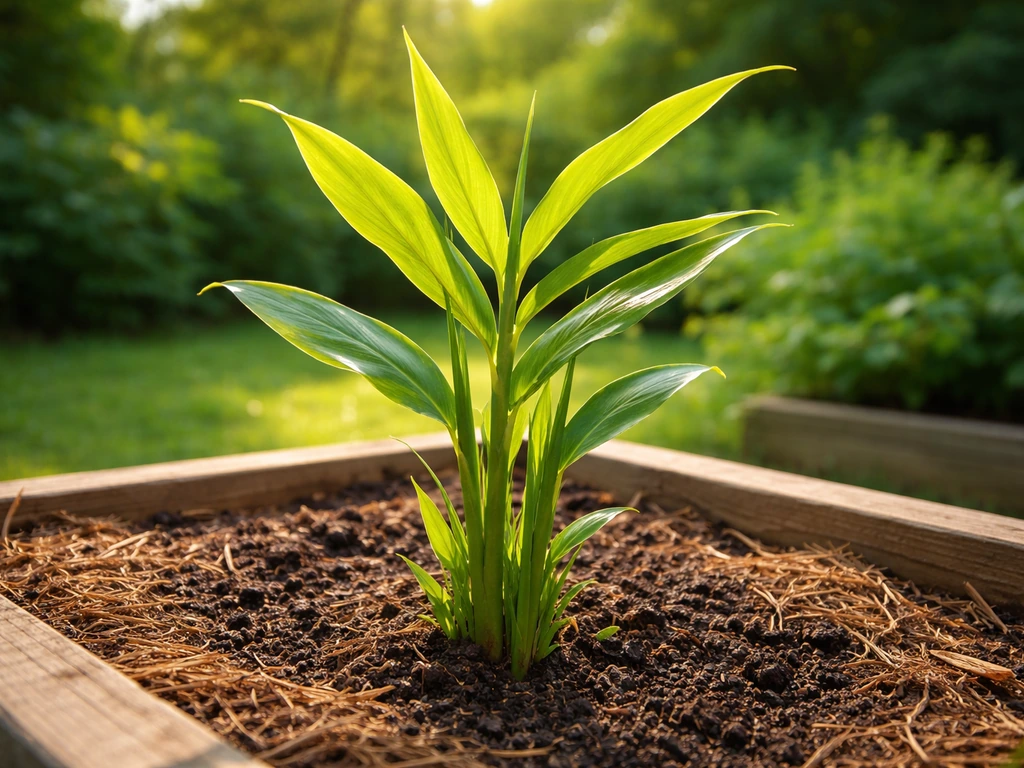
What NC's climate actually means for ginger
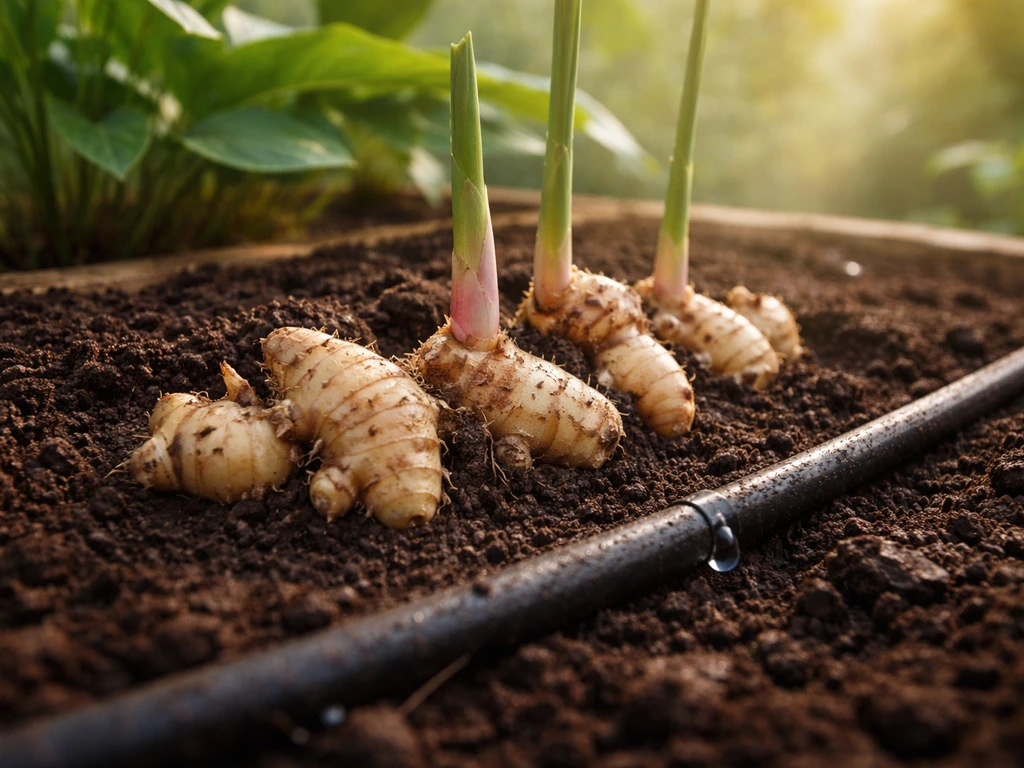
Ginger is a tropical plant. It wants heat, humidity, and a long growing season, ideally 8 to 10 months. North Carolina's average warm season (last spring frost to first fall frost) ranges from roughly 180 days on the coast to fewer than 150 days in the western mountains. That gap matters because mature culinary ginger takes the full 8 to 10 months to develop thick, flavorful rhizomes. In most of NC you will not get 8 months of outdoor growing time, which is why baby ginger, harvested at 5 to 7 months, is the realistic target for most home gardeners here. NC State Extension is direct about this: Zone 7 or warmer is where ginger becomes practical outdoors. If you are in Asheville or the High Country, plan to grow entirely in containers you can move indoors.
The other climate factor worth understanding is soil temperature. Ginger rhizomes will not actively develop until soil temperature is above 68°F, and they grow best between 60°F and 80°F air temperature. A Kids Gardening guide for ginger also says it grows best in temperatures between 60°F and 80°F and that it is slow to start ginger grows best between 60°F and 80°F air temperature. In the Piedmont, soil at planting depth typically clears 68°F by mid-May. On the coast, it can happen a few weeks earlier. In the mountains, you may be waiting until early June. This is exactly why pre-sprouting indoors is not optional in NC, it is what bridges the gap between your limited outdoor window and ginger's long growth requirement.
Best ginger varieties and where to get rhizomes
For culinary ginger (Zingiber officinale), the variety choices at the home-garden level are more limited than you might expect. Most of what you will find sold as edible ginger is simply labeled 'culinary ginger' without a named cultivar. That said, a few specific options are worth knowing about.
- Hawaiian ginger (often sold as 'Kona' or similar): produces plump rhizomes, well-suited to baby ginger harvest, commonly available from specialty seed suppliers
- Chinese ginger: the standard grocery-store type, widely available, good flavor, works fine for home growing if sourced carefully
- Japanese ginger (Myoga): a different species grown for shoots rather than rhizomes, cold-hardier and worth considering in mountain NC
- Pre-sprouted ginger transplants: some seed companies sell these, and they are worth the extra cost if you want to shorten the indoor head start period
Where you source your rhizomes matters more than variety. NC State Extension recommends buying from a plant nursery or using organic grocery-store ginger, soaked overnight in warm water to encourage sprouting. The overnight soak removes any residue and stimulates the growth buds. One caution: conventional grocery-store ginger is sometimes treated to suppress sprouting for longer shelf life, so it may stubbornly refuse to sprout. Organic is the safer bet. If you want the best odds, look for pre-sprouted ginger from a reputable seed company or, increasingly, from local farmers who have been doing NC State-supported trials with multiple cultivars. Starting with healthy, visibly budding rhizomes is the single biggest factor in your success rate.
Containers vs. in-ground: which setup works best in NC
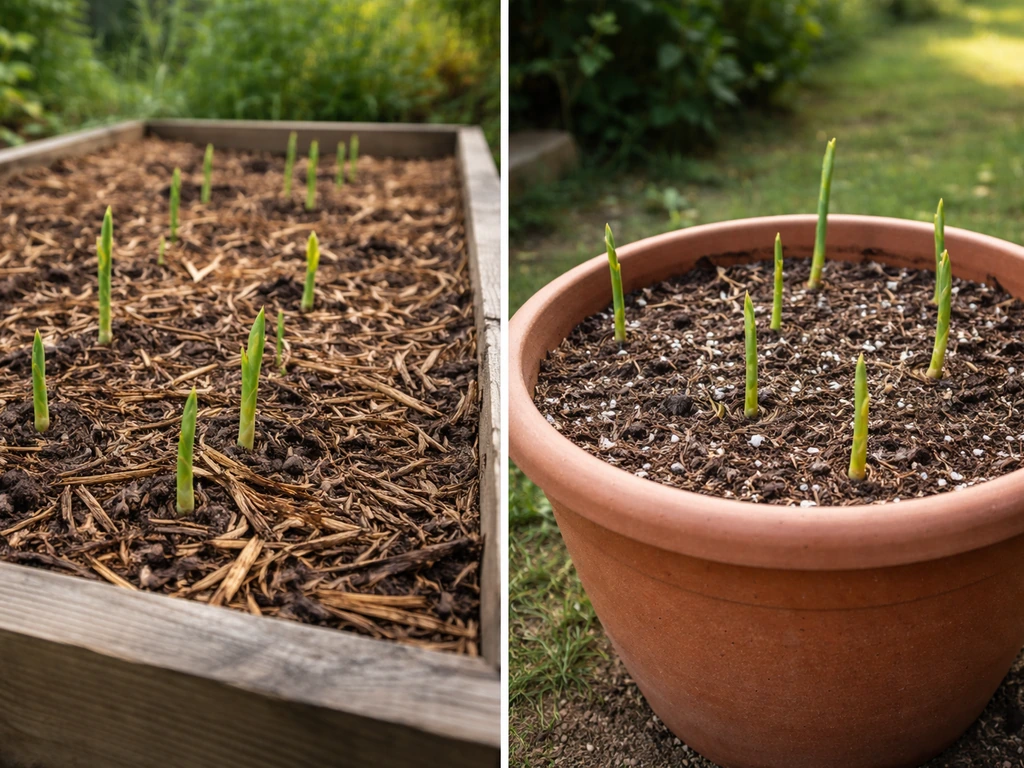
This is the decision that determines whether you actually harvest ginger or just grow some pretty tropical foliage. Here is how to think about it by region.
| NC Region | Zones | Best Method | Notes |
|---|---|---|---|
| Coastal Plain | 7b–8b | In-ground or large containers | Longest warm season; in-ground works well with good drainage |
| Piedmont | 7a–7b | Containers or raised beds | Pre-sprouting required; containers allow easy adjustment |
| Mountain West (Asheville and west) | 6a–7a | Containers only | Too short a season for in-ground; bring pots inside before frost |
For containers, choose pots at least 12 to 16 inches deep and wide, with drainage holes. Fill them to within about 6 inches of the top with a freely draining, compost-rich potting mix. Ginger loves organic matter, so a mix of quality potting soil and compost in roughly a 50/50 blend works well. You can add a slow-release organic fertilizer at planting. The big advantage of containers in NC is flexibility: you start them warm indoors in late winter, move them outside when temperatures allow, and bring them back in before frost threatens in the fall. I have found that a 15-gallon fabric grow bag is close to ideal because it drains excellently and the roots seem to thrive in it.
For in-ground planting in the Piedmont or coastal areas, pick the warmest, most sheltered spot in your yard, ideally a south-facing bed near a wall or fence. Well-drained soil is non-negotiable. Ginger is highly susceptible to bacterial and fungal rot in cold or waterlogged conditions, and heavy NC clay will kill a crop faster than anything else. Amend generously with compost and consider a raised bed if your native soil drains slowly. Plant rhizomes close to the surface, at about 1 to 2 inches deep, with growth buds pointing up, spaced 6 to 8 inches apart.
When to plant and how to time your harvest
The NC planting timeline revolves around two dates: your last spring frost and your first fall frost. You can look these up by county using NC State Extension's frost date resources. As a rough guide, last spring frost in the Piedmont is around mid-April, on the coast around late March to early April, and in the mountains anywhere from late April to mid-May. First fall frost in the Piedmont typically lands in mid-October to early November.
- Late January to February: source your rhizomes. Organic grocery-store ginger or nursery stock both work. Soak overnight in warm water.
- February to March: pre-sprout indoors. Place rhizomes in moist, soilless potting mix or in a sealed plastic bag with damp paper towels. Keep at 72 to 80°F, which a heat mat under the tray achieves easily. Check weekly. Sprouts should emerge within 4 to 6 weeks.
- March to April: once sprouted, pot up into containers and keep indoors near a bright window or under grow lights. Maintain warmth above 60°F.
- After last frost, when soil temps are consistently above 50°F and warming: transition containers outdoors gradually (hardening off over 7 to 10 days) or transplant into prepared outdoor beds.
- May through September: main growing season. Keep plants warm, consistently moist but not waterlogged, and fed.
- October (or just before first frost): harvest before frost hits the rhizomes. NC State Extension is clear that you should let plants grow nearly until frost for maximum yield, so do not dig too early.
The math works out like this: if you pre-sprout starting in early February and get plants in the ground by mid-May, you have roughly 5 to 6 months before a mid-October frost. That is enough for baby ginger and, in warmer coastal areas, a good start on mature ginger. It is not 8 to 10 months, but it produces real, usable rhizomes with genuine flavor.
Step-by-step care through the season
Light
Ginger does not need full blasting sun. In fact, it prefers 2 to 5 hours of direct sunlight with bright indirect light for the rest of the day. A spot that gets morning sun and afternoon shade is close to ideal. This makes it useful for the partially shaded spots many gardeners are not sure what to do with. In containers, you can easily move the pot to follow the light.
Watering
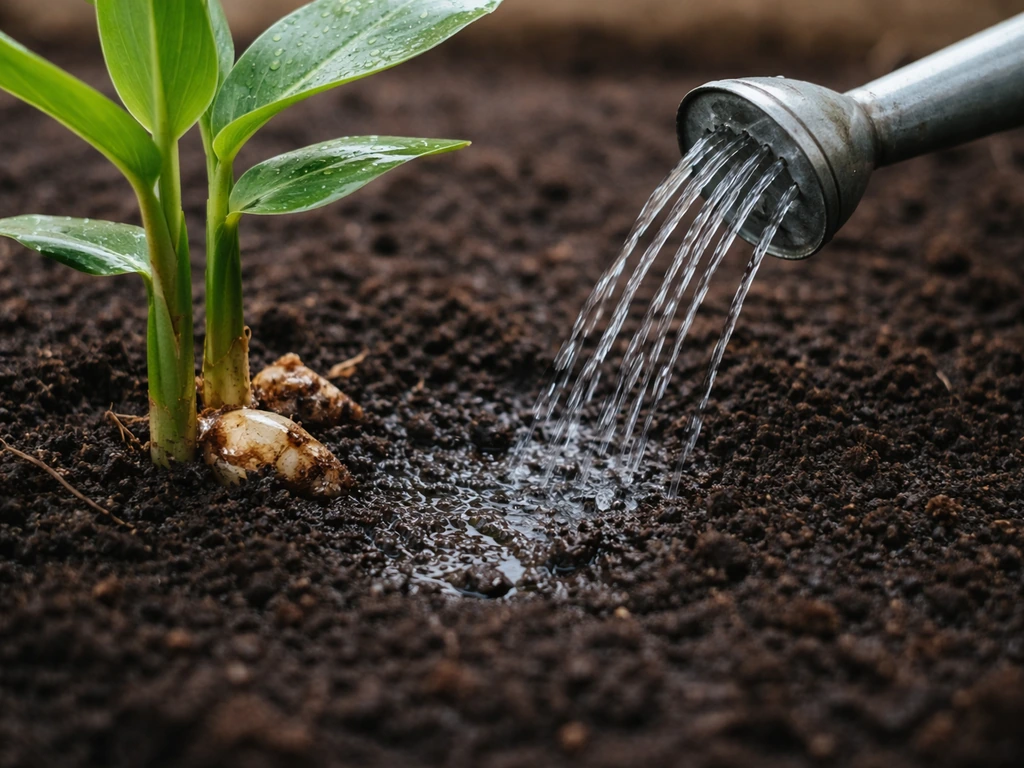
Keep the soil consistently moist but never soggy. Ginger's number one enemy in NC home gardens is waterlogged soil, which rots the rhizomes quickly. Water when the top inch of soil feels dry. In hot Piedmont summers, that may be every day or two for containers. Always check that drainage holes are clear. If you pick up a container and it feels unusually heavy or water pools on the surface, back off immediately and let it drain.
Warmth
Never let ginger sit in temperatures below 50°F for extended periods, and avoid any frost exposure at all. If a late cold snap threatens after you have moved plants outside, bring containers in or cover in-ground plants with row cover. Below 50°F, growth stops. Below freezing, rhizomes can be damaged or killed outright.
Feeding
Ginger is a heavy feeder over a long season. A balanced slow-release organic fertilizer worked into the soil at planting, plus a liquid feed (fish emulsion or balanced liquid fertilizer) every 4 to 6 weeks through the growing season, keeps plants producing. Do not overdo nitrogen late in the season, as that pushes leafy growth at the expense of rhizome development. Back off feeding in late summer as plants approach harvest.
Mulching
A 2 to 3 inch layer of straw, shredded leaves, or wood chip mulch over in-ground beds does two important things: it keeps soil moisture consistent and it moderates soil temperature. In NC's summer heat, mulch can keep root-zone temperatures from spiking above 90°F, which stresses the plants. For containers, a thin layer of mulch on top of the potting mix helps too.
Common problems and how to fix them
Rhizome rot
This is far and away the most common failure point. Rhizomes affected by bacterial or fungal rot become water-soaked, soft, and mushy. The plant above may yellow and collapse. Once rot sets in, there is no saving that rhizome. The fix is prevention: well-drained soil, no overwatering, never planting in cold wet conditions, and starting with healthy rhizomes. If you find rot in a container, remove the affected material, let the remaining soil dry out partially, and consider repotting into fresh mix. Do not replant saved rhizomes from a rotted batch.
Slow or no growth
If your ginger just sits there doing nothing for weeks after planting, the most likely cause is cool soil temperature. Rhizomes will not develop when soil temps are below 68°F. Check your soil temperature with an inexpensive probe thermometer. The solution is to either wait for warmer conditions or use a heat mat, black plastic mulch, or a warm microclimate to raise soil temperature. Moving a container to a sunnier, warmer spot often gets things moving within a week or two.
Pests
Ginger is not particularly pest-prone, but in North Carolina's humid summers, spider mites and aphids can appear, especially on indoor or greenhouse-grown plants. A strong spray of water knocks mites off. Insecticidal soap handles aphids. Root-knot nematodes in heavy clay soils can damage rhizomes, another reason to amend soil thoroughly or use containers with fresh potting mix. Slugs occasionally nibble emerging shoots in wet springs, so keep mulch pulled slightly away from the base of stems.
Yellowing leaves mid-season
Some yellowing of lower leaves in late summer is normal as the plant directs energy into rhizome development. Widespread yellowing earlier in the season usually signals overwatering, nutrient deficiency, or a temperature stress event. Check drainage first, then consider a liquid feed if the soil is draining well and the plant looks otherwise healthy.
Harvesting, curing, and saving rhizomes for next year
When and how to harvest
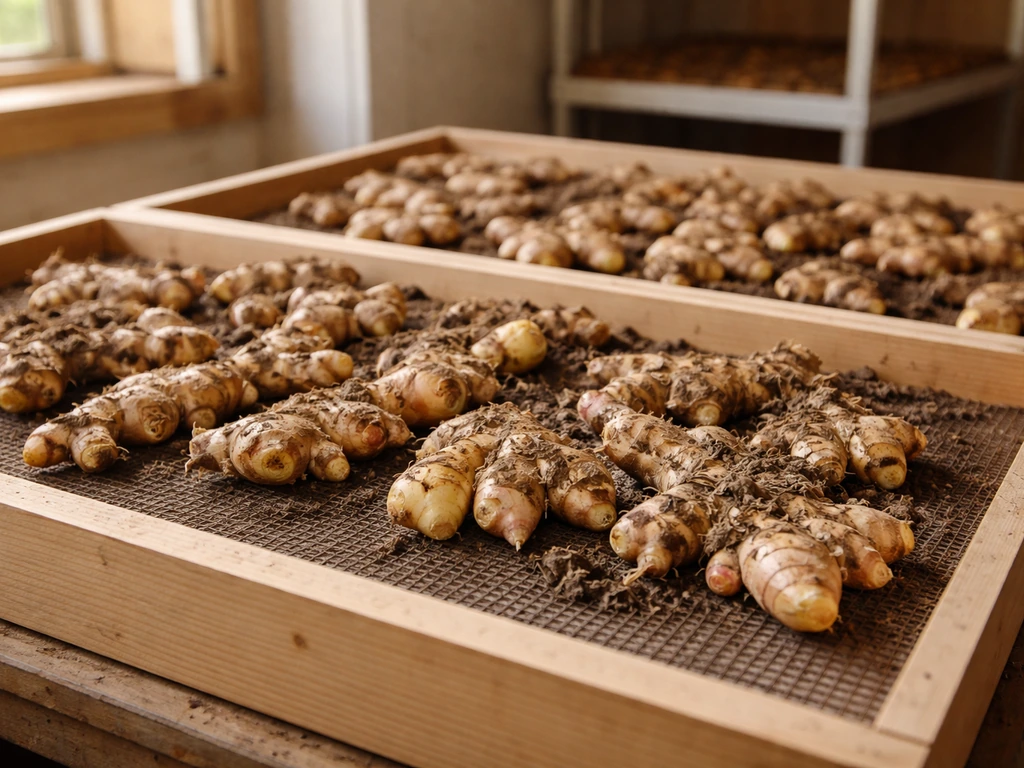
In NC, time your harvest for just before the first fall frost, when the foliage begins to yellow and die back naturally. This is when rhizomes are at peak development for the season. For baby ginger (the thin-skinned, milder type), you can harvest a few weeks earlier, around 5 to 6 months after planting. Baby ginger has no need for curing and is eaten fresh or refrigerated for a few weeks. For more mature rhizomes, dig the entire clump carefully with a garden fork, working from the outside of the plant inward to avoid stabbing the rhizomes.
Curing and storing mature rhizomes
Brush off loose soil and let rhizomes cure in a warm, dry, well-ventilated spot for about a week. This toughens the skin slightly and improves storage life. Store cured rhizomes in a cool (55 to 60°F), slightly humid spot, a basement or unheated garage in NC often works well in fall and early winter. Do not store in the refrigerator for long-term keeping, as temperatures below 50°F can damage the tissue. Properly stored, mature rhizomes keep for 2 to 3 months.
Saving rhizomes for replanting
This is where growing ginger becomes a self-sustaining hobby. Select the healthiest, firmest rhizomes with visible growth buds and set them aside at harvest. Keep them at around 55 to 60°F in slightly moist (not wet) coir or peat until you are ready to pre-sprout them again in late January or February. NC State Extension notes that ginger will initiate new sprouts from mature rhizomes when kept warm (72 to 80°F) in moist media, so you can start the pre-sprouting cycle with your saved pieces just as you would with freshly purchased rhizomes. One important rule: never replant rhizomes that showed any signs of rot or disease during the previous season. Start fresh with new material if you had rot problems.
If you are in a warmer part of NC (Zone 7b or 8), you also have the option of overwintering container plants by bringing them indoors, reducing watering significantly to match the plant's dormancy, and keeping the pot in a warm, bright spot through winter. This skips the harvest entirely and gives you a head start the following spring with already-established root systems.
North Carolina is genuinely one of the better states in the mid-Atlantic and Southeast for growing ginger at home, sitting in a notably better position than somewhere like Pennsylvania or Maine where the season is simply too short without serious infrastructure. For a New York plan, you will typically need container growing and indoor pre-sprouting to make up for the shorter outdoor season growing ginger at home. In Maine, ginger is usually grown in containers with a long indoor pre-sprouting period and careful warmth control grow ginger in Maine. If you are in Pennsylvania, you will need extra help like containers, indoor pre-sprouting, and strict drainage to compensate for the shorter season grow ginger in Pennsylvania. It is not as effortless as it would be in Georgia's warmer zones, but with a solid pre-sprouting setup, well-drained soil, and a willingness to harvest baby ginger rather than waiting for full-sized roots, most NC gardeners can pull off a real harvest on the first attempt. If you are asking can you grow ginger in Georgia, the good news is that the longer, warmer season makes it much more forgiving, especially for container gardening and early pre-sprouting Georgia's warmer zones. The effort is worth it. North Carolina A&T and NIFA also describe research using micropropagated ginger to improve production and help address seed ginger sourcing constraints blank" rel="noopener noreferrer">micropropagated ginger (tissue-culture plant material).
FAQ
Can I harvest ginger earlier in North Carolina if I want smaller, milder roots?
Yes, but treat it as baby ginger. In NC it is hard to get full-size rhizomes from a short outdoor window, so plan for a harvest around 5 to 6 months after planting (or earlier if foliage starts yellowing sooner than expected). If you want thicker roots, extend the pre-sprouting indoors and aim to dig just before the first fall frost.
Why does my ginger not grow after I plant it in NC, even though the plant has leaves?
Use a probe thermometer at planting depth (around where the rhizome sits), because air temperature can be misleading. If readings stay under about 68°F, the rhizomes pause, even when the leaves look fine. A practical fix is to warm the root zone with black plastic mulch in-ground or move containers to a consistently warmer spot, then wait for active growth.
How long should I soak grocery-store ginger before planting?
A longer soak can reduce sprouting success. The warm overnight soak is meant to kick-start buds and rinse residue, then planting should follow. If you leave rhizomes soaking too long or in cooler water, they can soften or start to rot before roots form.
What should I do if I find rot in one container, can I reuse the soil?
If ginger has rotted once, assume the risk is in the planting material and soil setup. Replace contaminated mix, remove any mushy parts, and do not try to “save” or replant pieces from a diseased batch. Starting fresh with new rhizomes and clean potting mix is the fastest way to break the cycle.
Can I grow ginger in a container on an indoor-outdoor schedule in North Carolina?
Yes, but prioritize controlled warmth and drainage. You can start in late winter with a heat mat under the pot or by keeping the container in a bright, warm location, then move it outside once nights are reliably above about 50°F. Covering during cold snaps still works, but avoid leaving plants exposed to frost.
If a late frost threatens, is row cover enough for ginger in NC?
Row cover helps with brief cold snaps, but it is not a guarantee against frost damage. If a freeze is likely, bring containers fully indoors, and for in-ground plants use additional protection (multiple layers and added insulation like dry mulch) while monitoring nightly temperatures.
My ginger leaves look yellow, how do I tell if it is overwatering versus a nutrient problem?
Overwatering is the most common cause, even when gardeners think they are being “careful.” Check drainage by emptying and re-tilting containers if water pools, and for beds consider raised rows if your soil holds moisture. Water only when the top inch is dry, and if it feels heavy, stop watering and let it dry partially before continuing.
How much fertilizer should I use so I get rhizomes, not just leaves?
Fertilize early and then lighten up later. A balanced slow-release at planting plus a modest liquid feed every 4 to 6 weeks is usually enough, but too much nitrogen late in the season can push foliage growth and reduce rhizome thickness. Stop or reduce feeding as you approach late summer and harvest time.
Can I grow mature culinary ginger outdoors the entire season in western North Carolina?
Not usually. Mature culinary ginger typically needs near the full 8 to 10 month rhythm, and NC outdoors rarely provides that time. If you want a bigger harvest, treat ginger like a long crop by pre-sprouting, keeping the root zone warm, and digging at the first fall frost window rather than waiting for perfect foliage.
How do I save ginger rhizomes from year to year for next season in NC?
Yes, and you can improve re-sprouting success by dividing only healthy sections with visible growth buds. Store seed rhizomes slightly moist in coir or peat at about 55 to 60°F, then pre-sprout at warm, moist conditions (around 72 to 80°F) to kick off new shoots. Do not reuse any rhizomes that previously showed rot or disease.
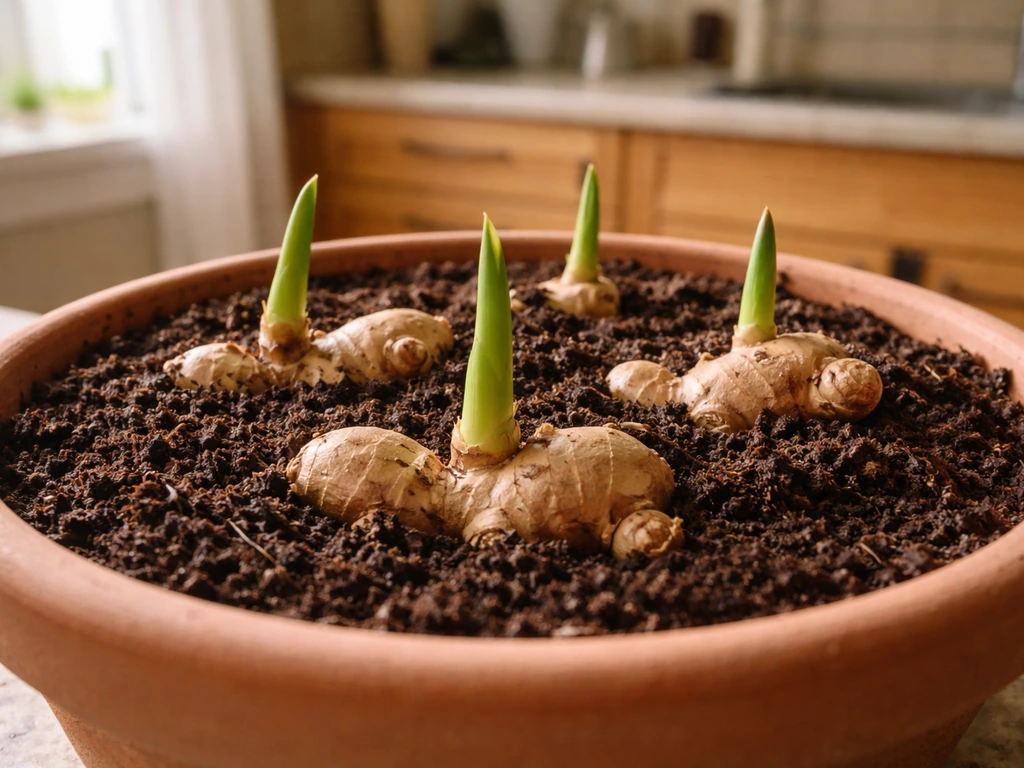
Grow ginger in Pennsylvania with the right warm, light, and moisture setup using containers or indoor-start steps and ha
Learn where black pepper can be grown in the US and how to grow it indoors or in warm zones for fruit.

Regional guide to growing caper plants in the US, choosing cultivars, meeting soil and climate needs, and harvesting bud