
Yes, cassava can grow in the US, but only parts of it. If you're in South Florida, coastal Southern California, South Texas, Hawaii, or similar frost-free zones, you can grow it in the ground with real success. Everywhere else, you're looking at containers, careful timing, and a lot of frost management. blank" rel="noopener noreferrer">Cassava needs 8 to 11 frost-free months to actually produce usable roots, so if your area gets a hard freeze before that window closes, you won't get much to eat. NC State Extension also notes that blank" rel="noopener noreferrer">cassava is not commonly grown in North Carolina.
Can Cassava Grow in the US? Conditions by Region and How To
Marcus Petersen
8 Jun 2026
What cassava actually needs to thrive
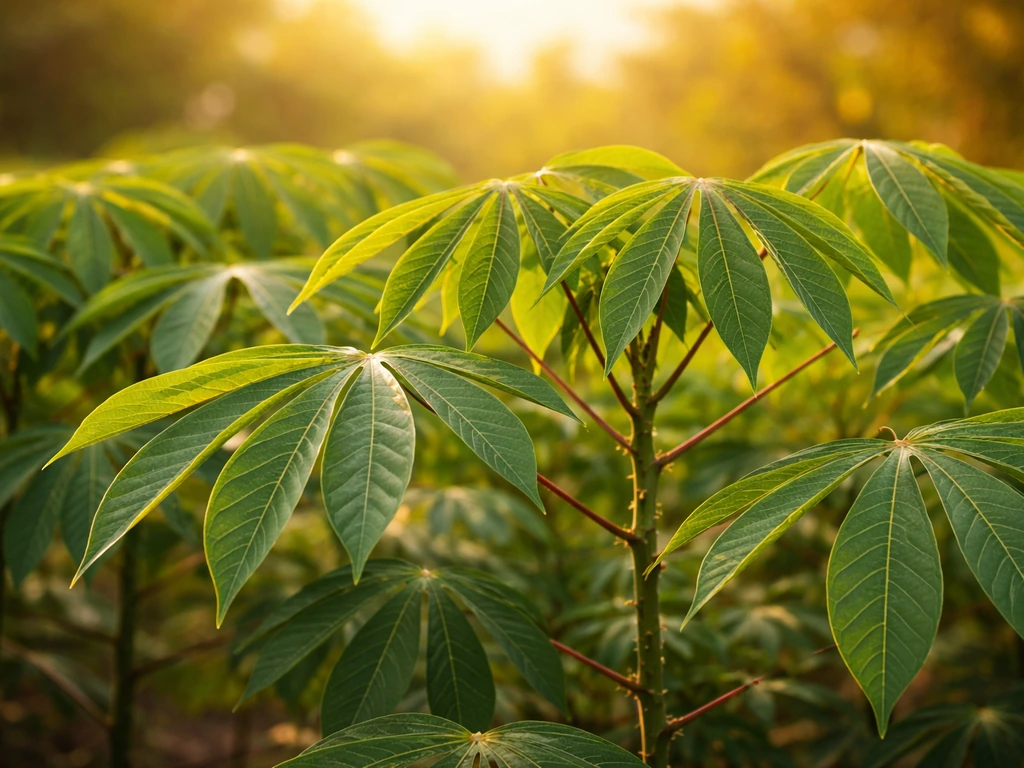
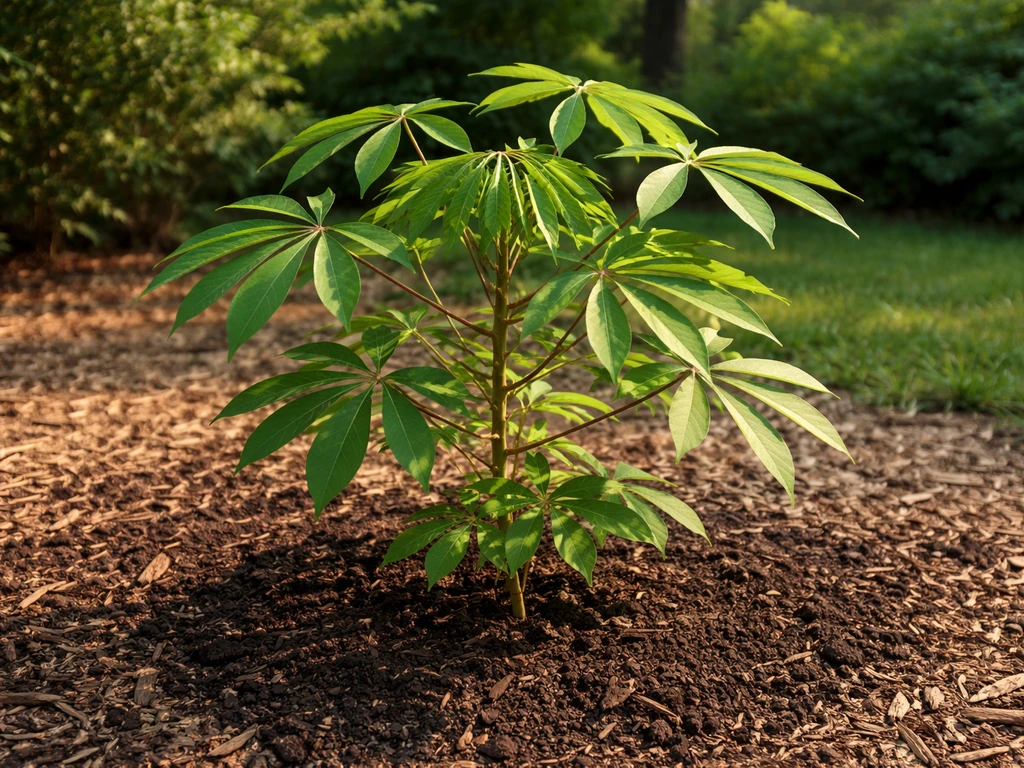
Cassava (Manihot esculenta) is a tropical perennial that was never designed for cold weather. It grows best at mean temperatures between 25 and 29°C (77 to 84°F) and stops growing almost entirely below 10°C (50°F). A frost doesn't just slow it down; it kills the above-ground growth and, if the roots aren't mature enough, you lose the harvest entirely. Even a light freeze will cause the plant to die back without producing the edible roots you're after.
Soil requirements are actually pretty forgiving. Cassava tolerates a wide pH range from 4.0 to 8.0 and handles poor soils better than most root crops. What it won't forgive is waterlogged ground: good drainage is non-negotiable, because the roots rot quickly in standing water. It also needs full sun and, ideally, soil temperatures around 30°C (86°F) to really push root development.
US growing zones: where the numbers actually work
The practical outdoor growing window starts at USDA hardiness zones 9b to 10 and warmer. That's the range where you can realistically expect the ground to stay frost-free long enough to get harvestable roots. In zone 9a and below, you can still try, but you're fighting the calendar. The plant needs close to a full year in the ground, so even one frost event mid-season can wipe out months of work.
| USDA Zone | Frost-Free Months | In-Ground Feasibility |
|---|---|---|
| Zone 10b–13 (South FL, HI) | 12 months | Excellent — full perennial growth |
| Zone 10a (South TX coast, SW AZ, SE CA) | 11–12 months | Very good — minimal frost risk |
| Zone 9b (Central FL, Gulf Coast, parts of CA) | 10–11 months | Workable with good timing |
| Zone 9a (North FL, Central TX, inland CA valleys) | 8–10 months | Marginal — season may be tight |
| Zone 8 (Pacific NW coast, SE US piedmont) | 6–8 months | Too short for reliable in-ground harvest |
| Zone 7 and below | Under 6 months | Container only — move indoors before frost |
Region by region: honest feasibility
Florida
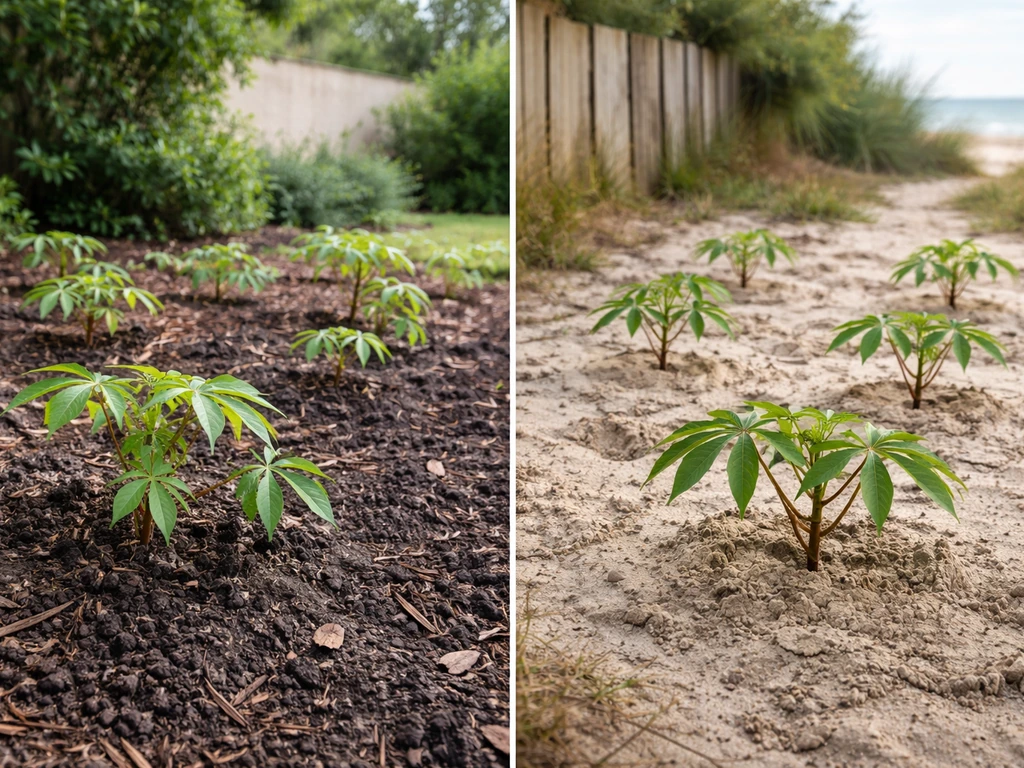
Southern Florida is the easiest place in the continental US to grow cassava. Miami-Dade, Broward, Collier, and Monroe counties are all in zones 10a to 11, and cassava grows there essentially as a perennial crop. Central Florida (Orlando area, zone 9b) works well too, though you want to plant early in spring to get the full growing season before winter. North Florida growers in zone 8b to 9a can pull it off but need to start by late February or early March and harvest before a frost threat in December.
Texas and the Gulf Coast
The Rio Grande Valley and coastal Corpus Christi area are solid in-ground territory. Houston (zone 9a) is workable but not guaranteed; a hard freeze year will kill an unprotected planting. San Antonio and Austin are too cold for reliable in-ground cassava without a lot of extra frost protection. Along the Gulf Coast from Louisiana through the Florida Panhandle, you're in a similar boat: good years work, bad winters don't.
California
The desert southwest, the Imperial Valley, and coastal areas south of Los Angeles can grow cassava in the ground. The San Diego area (zone 10a to 10b) is excellent. Inland valleys in Southern California like Riverside and San Bernardino are zone 9b to 10a and are mostly fine. The Central Valley can get surprise cold snaps that cut the season short. Northern California, the Bay Area, and beyond: container growing is the realistic path. If you want to focus specifically on "can you grow ube in california" as a related alternative crop, you can also check that guide for the best conditions and timing.
Hawaii
Hawaii is ideal. Low-elevation areas on most islands are frost-free year-round and hit the temperature sweet spot consistently. Cassava grows there as a genuine multi-year plant and produces large roots without the timing pressure that exists on the mainland.
The rest of the country
Everywhere else, including the Midwest, the Northeast, the Mountain West, the Pacific Northwest, and the Upper South, cassava is a container project. That doesn't mean it's impossible, just that you need to plan around bringing the plant indoors before the first frost and managing it through winter. You can still get roots in a good season, but it takes more effort than in-ground tropical regions. For a quick answer on whether you can grow kava in the US, you’ll need to match your climate to frost risk and choose the right growing setup can you grow kava in the US.
How to actually grow cassava step by step
Starting from cuttings
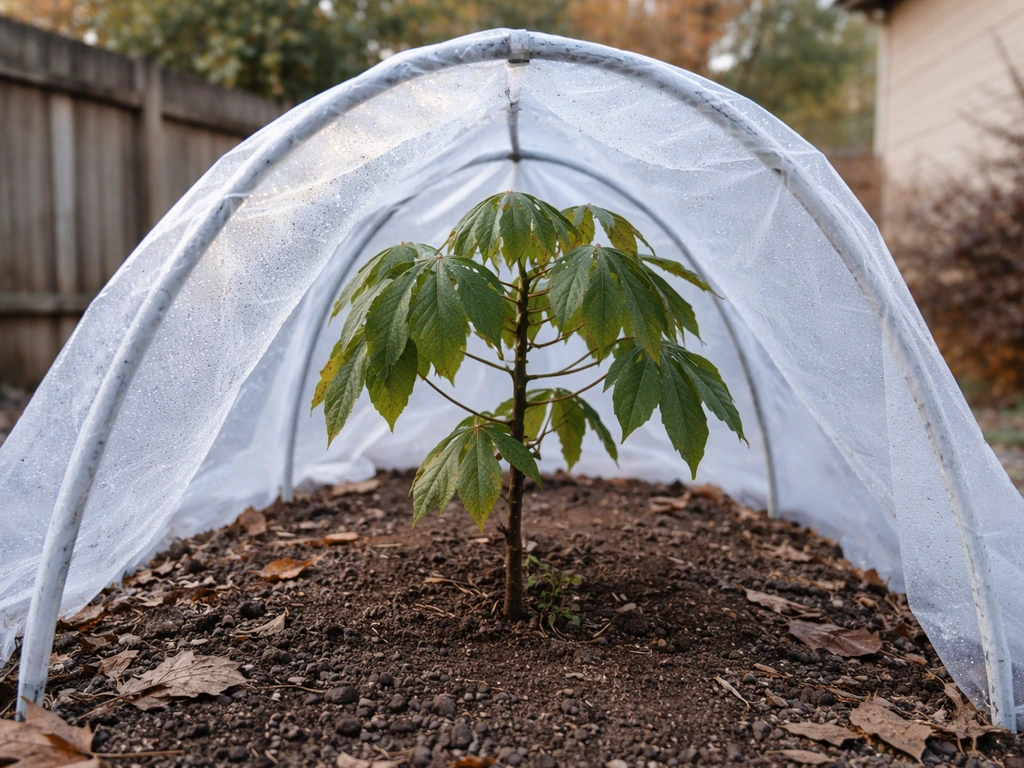
Cassava is almost always grown from stem cuttings, not seeds. You want a cutting that's at least 8 to 12 inches long from a mature, woody stem, with at least a few visible nodes. Fresh cuttings root better than dried-out ones. Plant them horizontally about 2 to 3 inches deep in loose, well-draining soil, or at a 45-degree angle. Vertical planting also works. The nodes on the cutting will push up new shoots within a few weeks if temperatures are warm enough.
Soil prep and planting
Loosen your soil at least 12 inches deep. Cassava roots can push down 18 to 24 inches, and compact soil stunts them badly. Mix in some compost for structure, but don't over-fertilize with nitrogen early on: it pushes leafy top growth at the expense of root development. Spacing in-ground plants about 3 to 4 feet apart gives each plant room to develop a full canopy and root system.
Watering and feeding
Water regularly during the first few months while the plant establishes, then back off. Established cassava is surprisingly drought-tolerant. Overwatering is actually one of the most common mistakes; waterlogged roots rot quickly. Once the plant is a few months old, let the soil dry out somewhat between waterings. A light application of balanced fertilizer at planting and again at about 3 months helps without overdoing the nitrogen.
Harvesting
Plan on about 10 to 12 months from planting to a good harvest for most varieties. You can check roots starting at 8 months by gently digging near the base of one plant. The roots don't store well once dug: UF/IFAS is clear that cassava roots deteriorate rapidly after harvest, so dig what you're ready to use within a day or two. Some varieties contain cyanogenic compounds and require proper preparation (cooking thoroughly) before eating.
Container growing and overwintering strategies
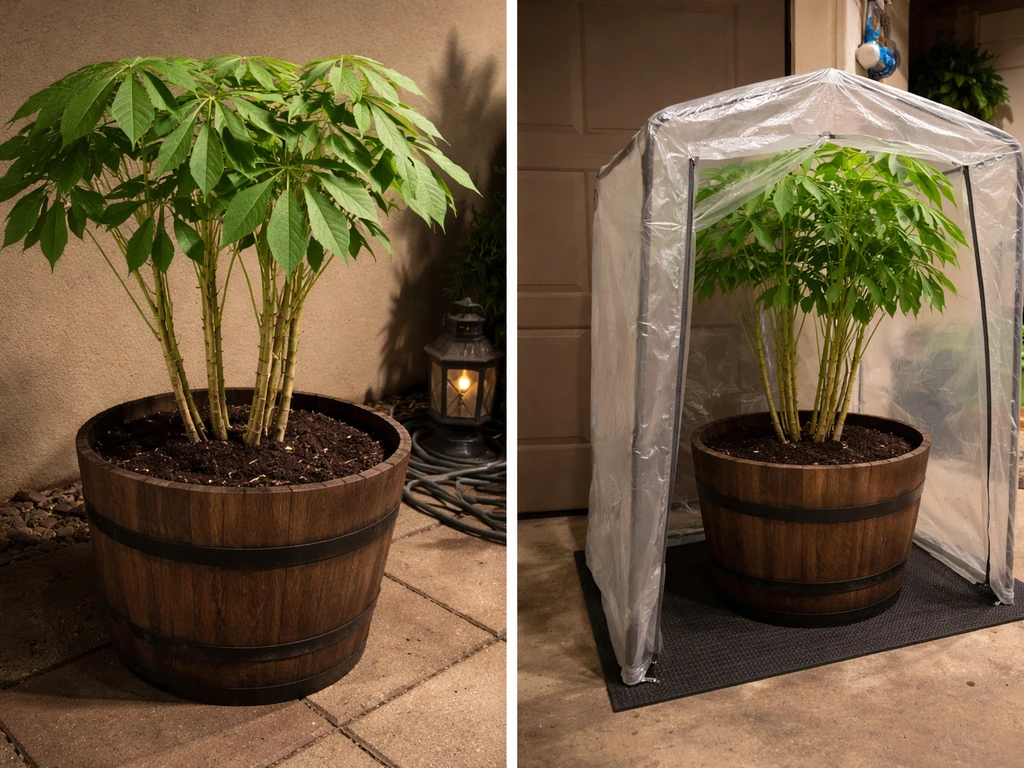
If you're outside the frost-free zones, containers are your best option. Use a large pot, at least 15 to 20 gallons, because cassava roots need room to develop. A half whiskey barrel or a 25-gallon grow bag works well. Fill it with a fast-draining mix: something like 50% potting soil and 50% perlite or coarse sand. The drainage matters even more in containers than in-ground.
Start your container planting after your last frost date when nighttime temps are consistently above 50°F. In most of the US, that means late April to mid-May. Place the container somewhere that gets 8 or more hours of direct sun. Move it to a warm patio, driveway, or south-facing wall to capture extra heat if your summers are short.
Before the first fall frost, move the container to a heated garage, greenhouse, or indoor space where temperatures stay above 50°F. The plant will likely drop leaves and go semi-dormant. Water sparingly during this period, just enough to keep the roots from completely drying out. Come spring, move it back outside after the last frost threat passes. I've had container plants survive two or three winters this way, and the second-year plants produce noticeably better roots because the root system is already established.
For in-ground growers in marginal zones like 8b or 9a, row cover or frost cloth can buy you a few extra weeks on either end of the season. If a light freeze is forecast, cover the plants overnight. But don't rely on this for sustained cold: anything below 28°F for more than a few hours will cause serious damage regardless of cover.
What can go wrong: common challenges and realistic expectations
The slow start problem
Cassava is painfully slow in the first 6 to 8 weeks. The cutting sits in the ground looking like nothing is happening, then suddenly shoots emerge. Resist the urge to dig it up to check. Cold soil below 60°F really stalls germination and early root development, so if you plant too early in the season, you lose weeks of growing time even if there's no frost.
Yield expectations
In ideal conditions, a single cassava plant can produce 5 to 10 pounds of roots or more. In marginal climates with a shorter season or container constraints, expect more like 1 to 4 pounds per plant. Don't expect grocery-store-sized roots from your first year in a non-tropical climate. The plant invests heavily in establishing itself before pushing root mass.
Pests and diseases
Spider mites are the most common problem for US home growers, especially in hot, dry conditions. They can defoliate a plant fast. Check the undersides of leaves regularly and hit them early with neem oil or insecticidal soap. Whiteflies can also be an issue, particularly in Florida. Root rot is mostly a watering and drainage problem, not a disease you catch: if your drainage is good, it's rarely an issue. Cassava mosaic disease (CMD) is a serious concern globally, but the US has strict import regulations to limit it; buying from reputable domestic sources reduces your risk.
Temperature stress
Even in zone 10, an unusual cold snap can set a plant back by weeks. The plant typically regrows from buds near the ground after a freeze event, but that regrowth resets your harvest clock. In zone 9, a bad winter can mean losing the entire season's investment. It's not a reason not to try, but it is worth having a realistic plan if you're in a marginal area.
Getting your starts: sourcing cuttings and timing your planting
Finding cassava cuttings in the US takes a little effort. Your best options are ethnic grocery stores in areas with large Caribbean, West African, or Latin American communities (they sometimes sell fresh roots that can be sprouted, though cuttings are better), local tropical plant nurseries in Florida, California, or Texas, and online specialty growers who ship within the US. Facebook groups focused on tropical plants or food forests are genuinely useful here: growers in Florida and Southern California often share or sell cuttings locally.
If you're sourcing from outside the US, pay attention to USDA APHIS import requirements. Plant material entering the country must meet phytosanitary standards, may require a PPQ 587 import permit, and must be inspected at a USDA Plant Inspection Station. Buying from a domestic source avoids this entirely and is the easier path for most home growers.
On timing: plant after your last frost date when soil has warmed to at least 65°F. In Florida, that can mean as early as February in the south. In Southern California, March to April. In container situations anywhere else, late April to mid-May is the typical window. The sooner you get cuttings in the ground (or in a pot outdoors) after that threshold, the better your root development will be before the season ends.
If you're in a warm zone and genuinely want to grow something unusual in the ground, cassava is worth it. If you're in zone 8 or colder and willing to manage containers, you can still do it, but go in knowing it's a project. It's in the same category as other warm-climate specialty crops: ambitious but doable with the right setup. Can you grow stevia is more straightforward than cassava in many home gardens, since it tolerates a wider range of conditions. Worth trying if you're in zone 9b or warmer. Worth attempting in a container if you have the space to overwinter it. Worth waiting on if you're in a consistently cold climate with no heated indoor space for the plant.
FAQ
I’m in a zone that sometimes freezes, can I still grow cassava for roots?
If your area gets any hard freeze before you can reach about 8 to 11 frost-free months, the odds of getting usable roots are low. In that case, treat cassava as a container crop and plan to overwinter it indoors above 50°F (garage or greenhouse works). You can still get some roots in a shorter season, but expect smaller harvests than in-ground growers.
How should I overwinter cassava in a container to avoid losing it?
The best strategy is to keep nighttime temperatures above about 50°F during the establishment period. For indoor overwintering, water lightly enough to prevent the root ball from fully drying out, but avoid soaking (waterlogged roots rot). Leaf drop during cold indoor periods is normal and not necessarily a sign the plant is dying.
Can I harvest cassava earlier than 10 to 12 months in the US?
Yes, but harvest timing and root sizing change. You can check for roots starting around 8 months, but if you pull early you will usually get smaller, less-starch-packed roots. Also, cassava roots deteriorate quickly after digging, so schedule harvesting for immediate cooking or storage you can manage within a day or two.
Can I grow cassava from seed instead of cuttings?
Cassava can be propagated only from stem cuttings for reliable home results. Seeds are rarely used because they take longer and are less predictable for root yield. Use fresh, woody cuttings with visible nodes, and plant them around 2 to 3 inches deep (horizontal or 45-degree placement).
What’s the fastest way to tell if my soil or container setup will cause root rot? (Drainage checks)
Use the drainage test, not just pot size. In-ground, avoid low spots where water lingers. In containers, a mix that drains fast (for example, potting mix plus perlite or coarse sand) is essential. If water sits for hours after watering, that’s a red flag, because root rot is usually a drainage problem rather than a controllable “disease.”
My cassava cutting hasn’t sprouted yet, is it normal? How long should I wait?
Start with fresh cuttings and warm soil timing. Cold soil below about 60°F can stall early growth, which makes the plant look dead for weeks. Wait until soil is at least 65°F before planting, and don’t dig to “check,” because disturbance can further delay establishment.
Why do I get small cassava roots the first year in the US?
Expect a big reduction in first-year root size in non-tropical climates. Many US growers get modest yields the first season because the plant spends most energy on establishment rather than bulk root growth, especially in containers. If you want larger roots, plan for a second season by overwintering the container and keeping it stable through the next warm period.
Can I protect in-ground cassava in marginal zones with row cover or frost cloth all winter?
Yes, but you still need cold-risk planning. Light frost cloth or row cover can buy extra time for brief cold snaps, but sustained cold below roughly 28°F for more than a few hours can cause serious damage even with cover. If you rely on covers, treat them as short-term protection, not a way to “create” a tropical winter.
What fertilizer approach works best for roots, not just leafy growth?
Use balanced fertilizer sparingly, too much nitrogen often pushes leaf growth at the expense of root development. A common approach is a small, balanced application at planting and another around the 3-month mark, then stop. If leaves are lush but roots lag, reduce future nitrogen.
Is it safe to eat cassava I grow in the US without special processing?
Yes. Cassava is toxic if eaten improperly because some varieties contain cyanogenic compounds. The safe approach is thorough cooking and proper preparation before consumption, and harvest only what you can cook immediately since roots degrade quickly once dug.
What should I do if there’s an unexpected cold snap during the growing season?
Cassava is sensitive to temperature swings, so repositioning matters. For containers, place in full sun, then during cool stretches move to a warmer spot (south-facing wall, warm patio). Even in warm areas, an unusual cold snap can reset growth, so keep track of minimum forecast temperatures and be ready to shelter quickly.
If my cassava freezes back, will it come back and still produce roots?
You can, but it depends on your variety and growing context. Newer buds near the ground can regrow after freezes, but that regrowth often resets your harvest timeline and may reduce final root size, especially in zone 9 where the season may not fully recover. Plan for the possibility that a freeze changes your “10 to 12 month” clock.
What’s the most effective way to manage spider mites on cassava in dry US summers?
If your goal is pest control, start by monitoring the undersides of leaves, since spider mites build fast in hot, dry conditions. For prevention, maintain good plant vigor with correct watering and avoid overly dry cycles. For treatment, insecticidal soap or neem oil is most effective early before infestations explode.
How do I troubleshoot root rot versus underwatering when cassava leaves start looking unhealthy?
Root rot is usually caused by excess moisture and poor drainage, not a mystery illness. If leaves yellow and stems look weak, first check drainage and watering frequency. In containers, ensure the pot drains freely and remove any standing water from saucers, then adjust watering to let the mix dry somewhat between waterings.
Is it worth importing cassava cuttings into the US, or is it easier to buy domestically?
Because cassava cuttings are regulated when imported, the simplest path is buying from domestic US sellers. If you do import plant material, expect phytosanitary requirements and possible inspection and permitting steps through USDA APHIS. Buying locally also reduces the chance you end up with cuttings that arrived in poor condition.
Next Articles
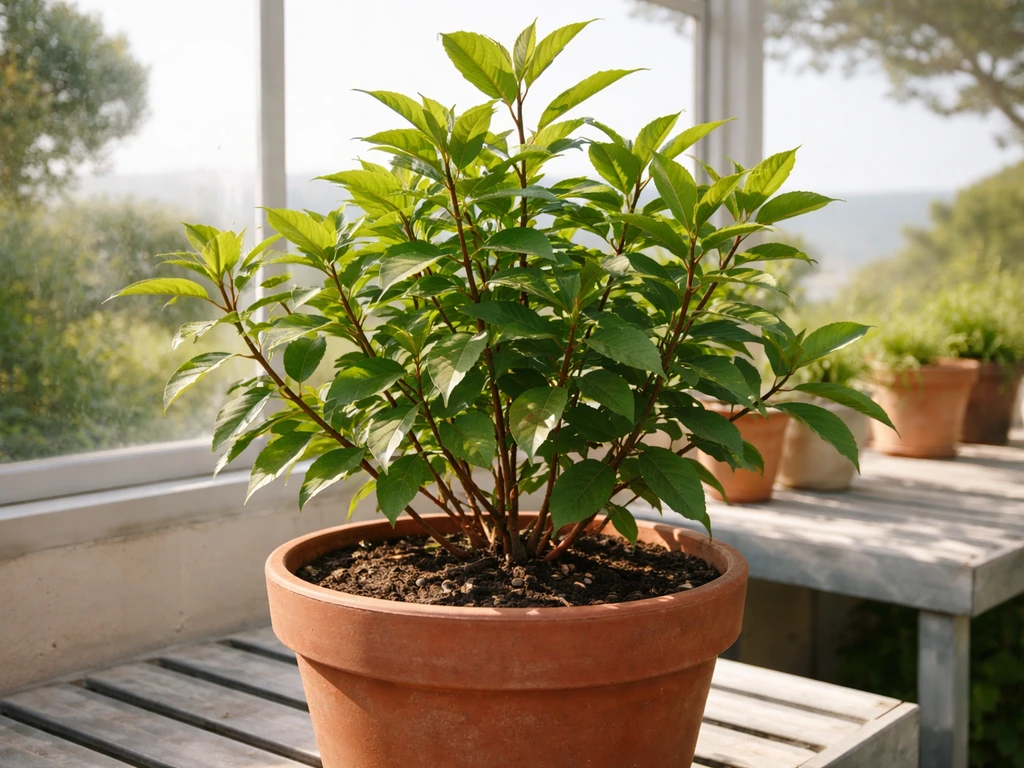
Does Khat Grow in the US? Climate and Legal Guide
Khat growing in the US feasibility, climate needs, best regions, basic care steps, and key legality checks.
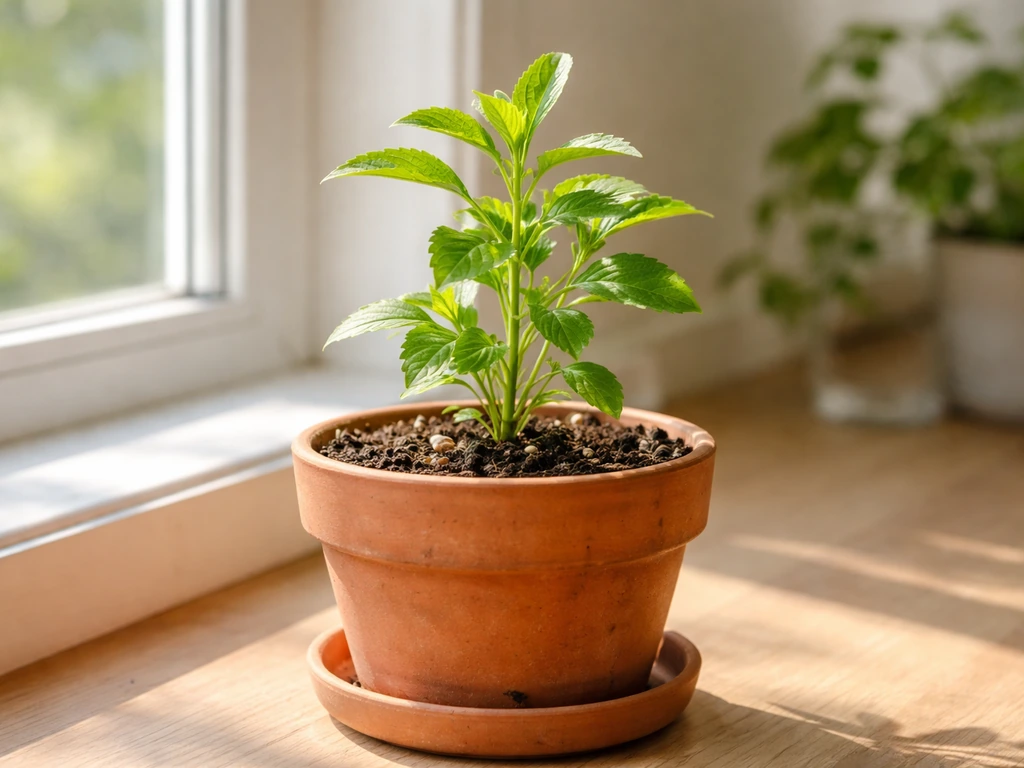
Can You Grow Stevia at Home? Start-to-Finish Guide
Learn if you can grow stevia at home in US climates, plus step-by-step planting, care, and indoor options.
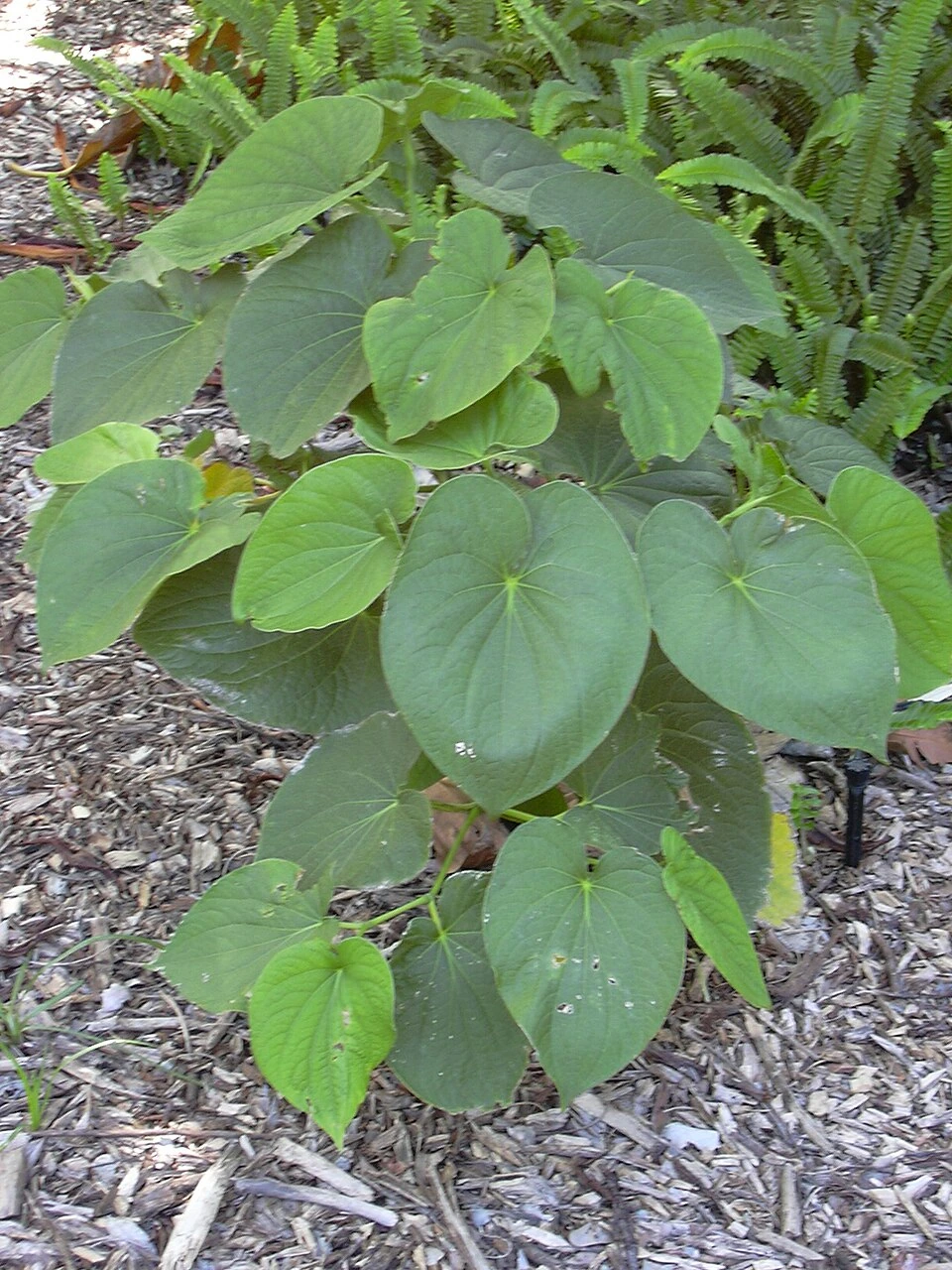
Can You Grow Kava in the US? Climate, Care, and Options
Learn if you can grow kava in the US, with climate targets, care needs, frost rules, and indoor vs outdoor options.