
Yes, you can grow ube (Dioscorea alata, the purple yam) in California, but whether it works outdoors without protection depends heavily on where in the state you live. Southern California, the Central Valley, and the Bay Area with a warm microclimate are your best bets for outdoor growing. Coastal Northern California and higher-elevation areas can work too, but you'll need containers or frost protection to pull it off. The plant is a tropical vine that needs a long, warm, frost-free growing season of at least 7 to 8 months, and that's the constraint California gardeners have to plan around.
Can You Grow Ube in California? A Practical Guide
Marcus Petersen
1 Jul 2026
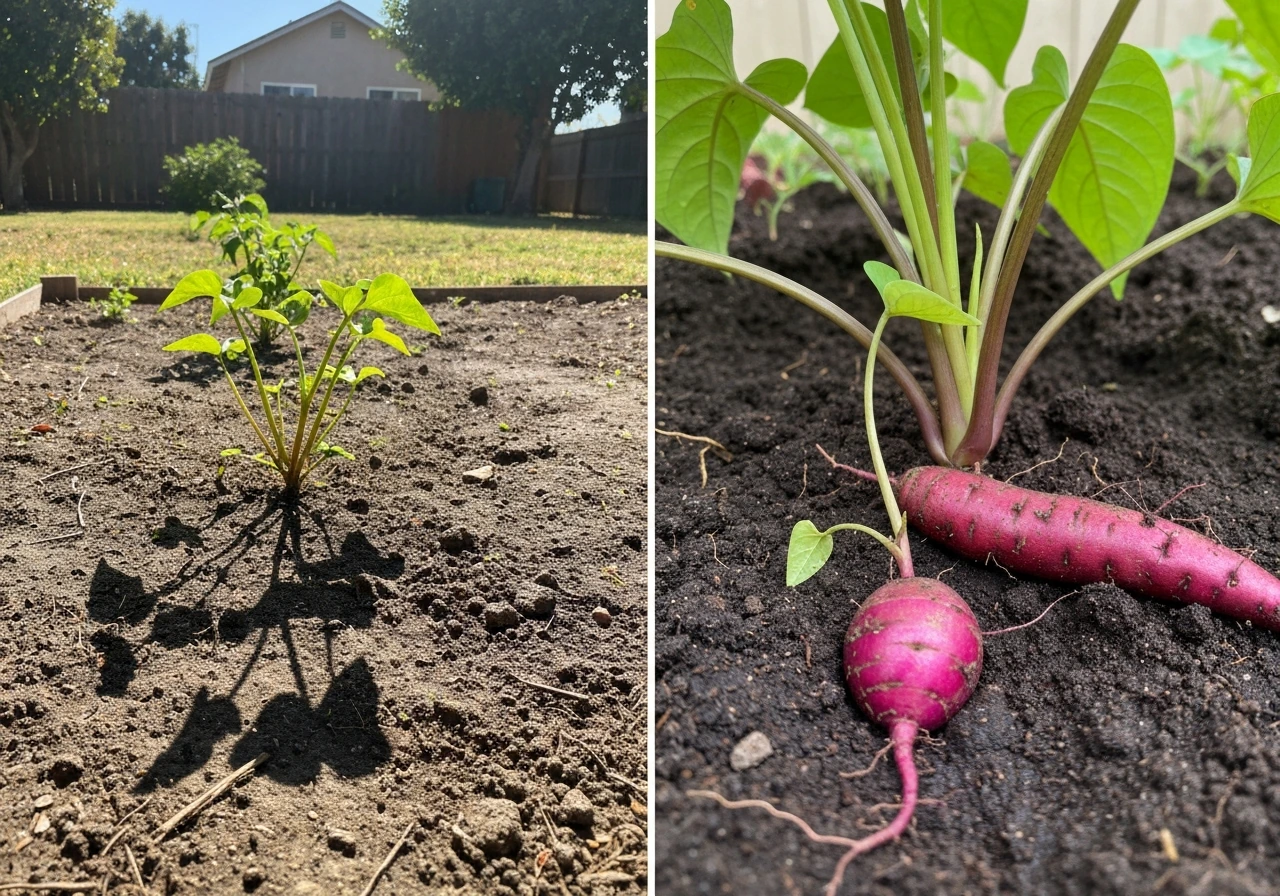
Reality check: ube feasibility in California
Ube is a short-day tropical plant originally from Southeast Asia. Its minimum comfortable growing temperature is around 20°C (68°F), and it really thrives when daytime temps push above 30°C (86°F) during the growing season. That temperature profile lines up well with California's inland valleys, the Central Valley, and Southern California's warmer zones. It lines up less well with the foggy coast, Sacramento winters, and anything above 2,000 feet elevation.
The toughest reality for California growers is this: ube tubers need a long uninterrupted warm season to size up properly. Cold, wet soil in fall or winter does not just slow growth, it causes rot. A Sacramento gardener I came across online summed it up perfectly: the combination of cold nights and wet soil in winter is where outdoor ube growing falls apart in much of Northern California. That matches what I've found through trial and error. The plant will start a tuber, then a rainy November basically kills it in the ground before harvest.
Here's the honest regional breakdown for California feasibility:
| California Region | Outdoor Feasibility | Best Strategy |
|---|---|---|
| Southern California (LA, San Diego, Inland Empire) | High — long warm season, rare frost | In-ground in full sun, plant after last frost |
| Central Valley (Sacramento, Fresno, Bakersfield) | Moderate to high — hot summers, cold winters | In-ground with early start; dig before November rains |
| San Francisco Bay Area (warm microclimates) | Moderate — cool summers limit growth | Containers in the warmest spot, south-facing wall |
| Coastal Northern California (Eureka, Monterey coast) | Low to moderate — cool and foggy | Containers only, bring indoors before October |
| High desert (Victorville, Palmdale) | Moderate — hot summers but cold winters | In-ground with frost cloth on hand for fall nights |
| Low desert (Palm Springs, Imperial Valley) | High for heat, but extreme summer heat a risk | Provide afternoon shade in peak summer, water heavily |
Choosing the right ube type and sourcing quality planting slips
This is where a lot of California home growers trip up before they even plant. Ube is commonly mislabeled online. I've seen listings for Dioscorea alata that ship what looks like a completely different Dioscorea species, and hobbyists regularly struggle to tell these plants apart from other yams before they're well established. Buy from a reputable source that specializes in tropical or Filipino food crops, ideally from another California or Hawaii grower who can ship you actual verified material.
Your planting options are tuber chunks (setts), small whole tubers, or rooted slips cut from an established vine. For California timing, rooted slips or sprouted setts are your best starting point because they give you a head start on that long growing season. A bare tuber chunk planted in cool soil in April will sit there doing nothing for weeks, while a rooted slip can go straight into growth mode once temperatures warm.
One important note on sourcing: blank" rel="noopener noreferrer">USDA-APHIS has specific import restrictions on Dioscorea tubers brought in from other countries, including requirements that planting material arrive free of soil and be subject to inspection. If you're tempted to bring back tubers from a Filipino market or a trip abroad, know that international plant material requires permits and can be seized. Stick to domestic sources, ideally California or Hawaii, to avoid import issues and reduce the risk of bringing in nematodes or viruses that can devastate your harvest before it starts. You can also look up whether khat is grown in the US, since it depends on climate, regulation, and availability of planting material.
Climate and site setup in California
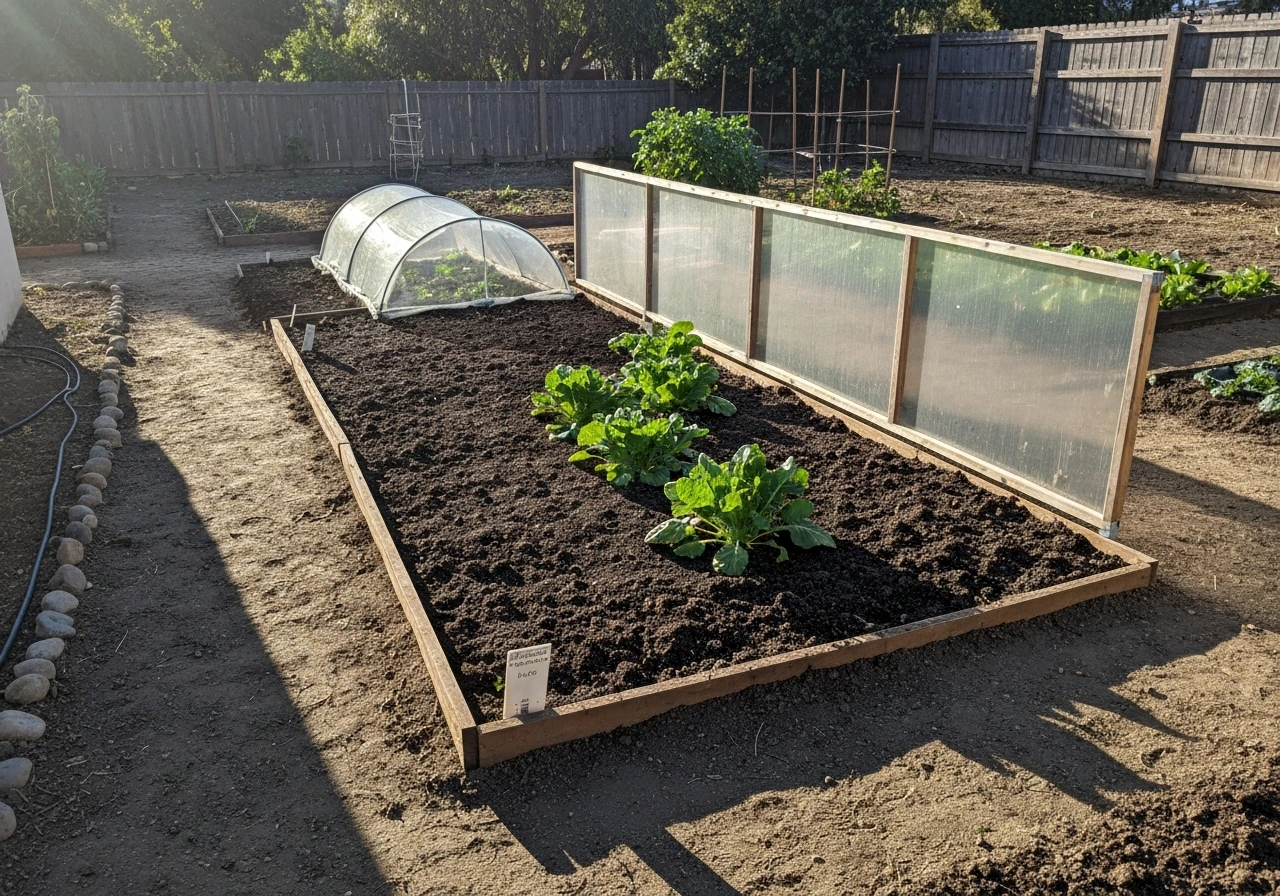
Ube needs full sun, at least 6 to 8 hours of direct sun daily. In coastal zones, this is your biggest limiting factor since fog cuts into that window significantly. If you're gardening near the California coast, a south-facing wall that absorbs heat and reflects it back onto the plant can make a real difference. In inland areas, full sun is rarely the problem, but afternoon shade in the hottest weeks of a Central Valley summer (think July and August in Fresno when temps hit 105°F) can prevent heat stress on the vines.
Frost is the other major concern. Ube is killed by frost, full stop. In Southern California, the last frost date is often December to January in the coldest inland valleys, and frost is rare or nonexistent near the coast. In the Sacramento area and Central Valley, last frost can be as late as mid-March and first frost can arrive by late November, which leaves a growing window of roughly 7 to 8 months. That's tight but workable if you're strategic about planting and harvest timing.
Container vs. in-ground growing
For most of California except the warmest Southern California zones, containers give you meaningful control. A large container (25 to 30 gallons minimum, because tubers need depth to develop) can be moved to a sheltered spot as temperatures drop in fall, and you can extend the season by several weeks compared to in-ground plants that are stuck where the frost finds them. The trade-off is that containers dry out faster in hot inland weather and require more consistent watering.
In-ground growing in Southern California and warmer parts of the Central Valley is absolutely viable and produces bigger tubers because the roots can spread further. If you go in-ground, pick your warmest garden bed, avoid low spots where cold air pools, and plan your harvest date backwards from your first expected frost date.
Soil, containers, and planting timeline
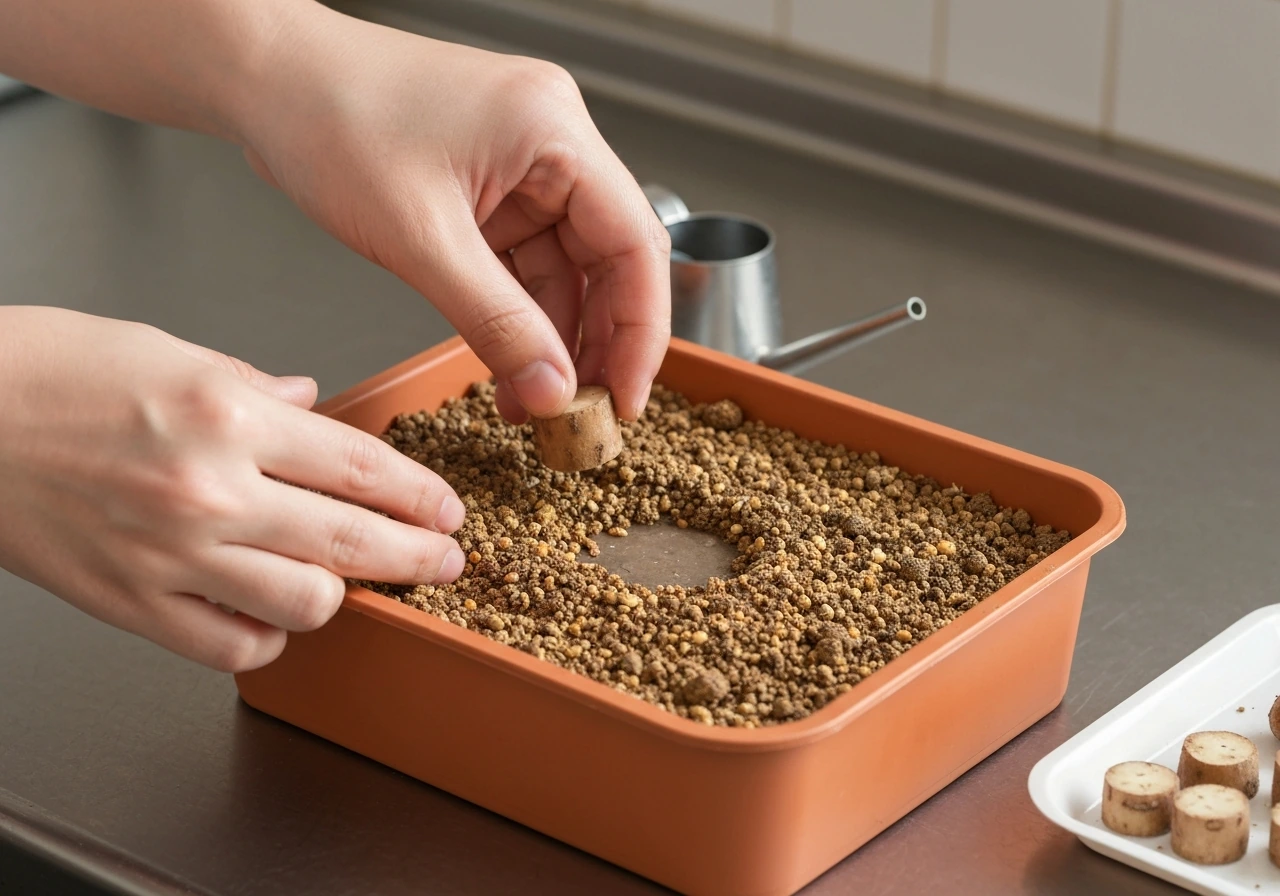
Ube wants loose, well-draining soil. Compacted clay or heavy adobe soil, common across much of inland California, is one of the fastest ways to get poor tuber development or outright rot. Work the bed deeply, at least 18 to 24 inches, and amend heavily with compost and coarse sand or perlite to improve drainage. A slightly acidic pH of 5.5 to 6.5 is ideal. For containers, use a high-quality tropical or vegetable potting mix blended with about 20 to 30% perlite to keep it from getting waterlogged.
Tuber development is the whole point of growing ube, and it's directly tied to moisture consistency and warmth in the soil. Research on Dioscorea specifically shows that moisture stress during tuber formation significantly reduces final tuber size and quality. California's dry summers mean you'll be on irrigation duty, not relying on rainfall.
For California planting timelines, here's how to think about it by region: Because ube is a warm, frost-free tropical crop with a long growing season, the same constraints also determine whether cassava can grow in the US.
- Southern California (USDA zones 10-11): Plant in-ground mid-March to early April when soil temps are reliably above 65°F.
- Central Valley and inland foothills (zones 9-10): Plant after last frost, typically late March to mid-April. Start setts indoors 3 to 4 weeks early if you want a head start.
- Bay Area warm microclimates (zones 9-10): Wait until late April or even early May when soil has warmed. Use containers to manage heat.
- Coastal Northern California (zones 8-9): Start in containers indoors in late March, move outside when consistently warm in May or June.
- Low desert zones: Plant late February to March, before the extreme summer heat arrives, so tubers are developing before July and August peak heat.
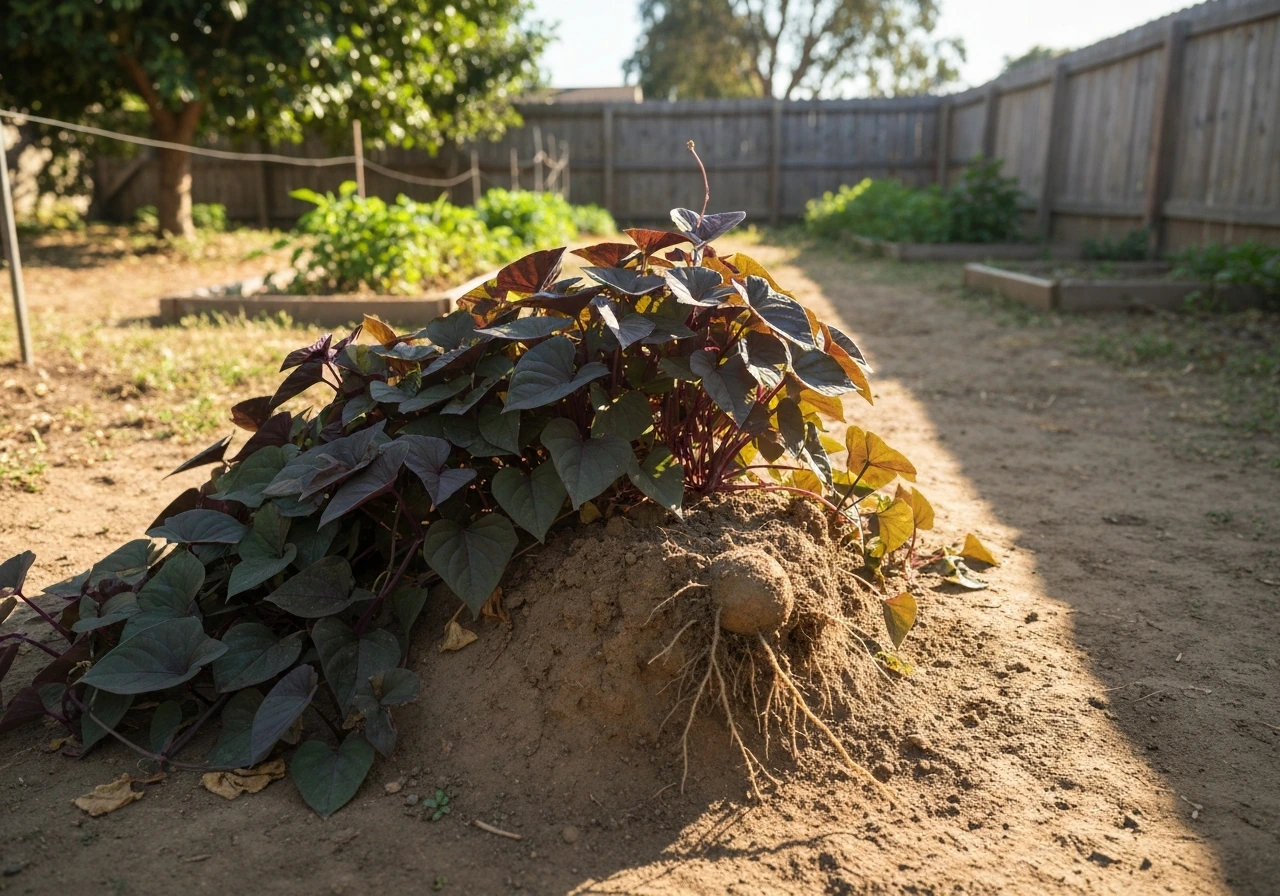
Ube grows as an annual in most California gardens outside frost-free zones. You plant in spring, let it vine and build tubers through summer, then harvest in fall before the first frost or rains arrive. The vine itself can grow 10 to 30 feet long in a good season, so plan for a trellis or fence from day one.
Care during the growing season
Watering
Consistent moisture is non-negotiable during tuber development. In California's dry summers, that means deep watering two to three times per week for in-ground plants and potentially daily for containers in hot inland weather. The goal is to keep the soil evenly moist but never waterlogged. Drip irrigation works well for in-ground beds. Mulching the surface with 3 to 4 inches of straw or wood chips makes a noticeable difference in moisture retention and keeps soil temperatures more stable.
Fertilizing
Feed ube with a balanced fertilizer (something like 10-10-10) monthly through the growing season. Once the vine has established and you're heading into mid-summer, shift to a lower-nitrogen, higher-potassium formula to support tuber development rather than just leaf and vine growth. Too much nitrogen late in the season produces lush vines and disappointing tubers.
Trellising
Set up a sturdy trellis before you plant or at the latest right after emergence. A simple cattle panel, section of chain-link fence, or bamboo frame works well. The vines climb by twining and will find their own way up if you point them in the right direction. Keeping the vine off the ground also improves air circulation and reduces fungal disease risk.
Pests and diseases to watch for in California
In California, your two biggest threats are nematodes and fungal rot. Lesion nematodes (Pratylenchus spp. and related species) can cause dry-rot-like deterioration in ube tubers, especially in warm sandy soils common in parts of Southern California and the Central Valley. If you've had nematode problems with other crops in that bed, don't plant ube there. Rotate to a new location or use containers with fresh potting mix.
Fungal soft rot is the other main killer, usually triggered by overwatering, poor drainage, or physical damage to the tuber during growth. Keep the soil well-drained, avoid wounding the tuber with careless hoeing, and if you see the base of the vine yellowing and collapsing, suspect Fusarium or a similar fungal pathogen. Remove affected plants promptly and don't compost infected material.
Harvesting, curing, and using ube tubers
Ube is typically ready to harvest 7 to 10 months after planting in ideal tropical conditions, but in California's shorter seasons you're often looking at a 6 to 8 month window. The signal to harvest is when the vines start to yellow and die back naturally. In most California gardens, that lines up with October or early November. Don't wait for the first frost to make the decision for you, because cold wet soil after frost sets in will start rotting tubers within weeks.
Harvest carefully. Ube tubers can go surprisingly deep (12 to 24 inches in loose soil), so use a digging fork and work out from the vine base rather than straight down. Cuts or bruises on the tuber skin during harvest are the entry point for the decay organisms that ruin your storage. Handle gently.
Curing for storage
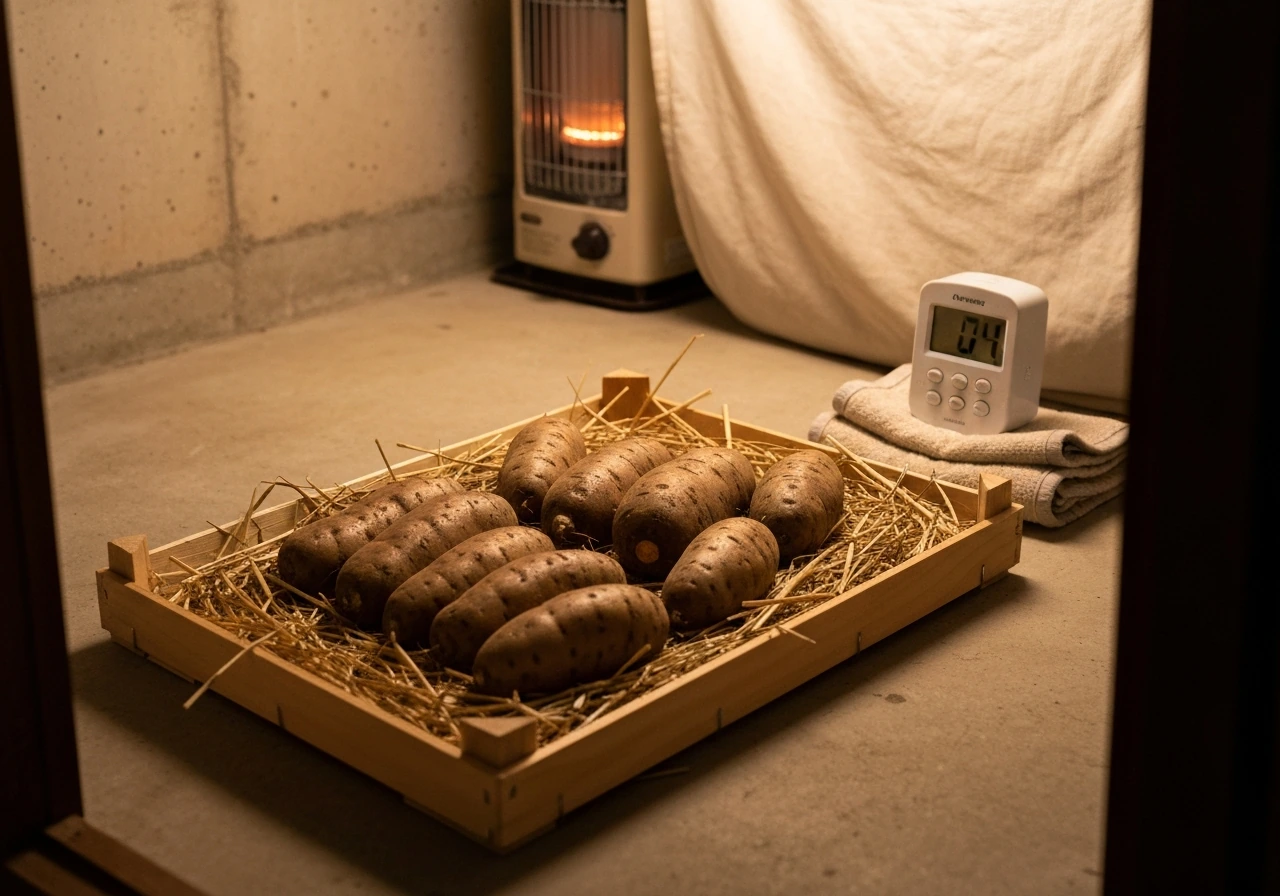
Curing is the step most home growers skip, and it directly affects how long your tubers store. For Dioscorea alata, research points to curing at around 32°C (about 90°F) with roughly 90% relative humidity for approximately 4 days. This allows the skin to harden and small wounds from harvest to seal over. In practical California terms, you can approximate this in a warm garage or shed in September or October by wrapping tubers loosely in humid burlap or placing them in a warm enclosed space with a pan of water to raise humidity. It doesn't have to be laboratory-precise, but warmth and humidity during those first few days make a real difference.
After curing, store tubers at around 16°C (60°F) at roughly 70% humidity. A cool pantry, basement, or garage works in most California climates during winter. Tubers stored properly can last several months. Watch for soft spots or mold, which often start at the cut end from harvest and spread inward. If you catch soft rot early, cut it off aggressively and use the rest of the tuber promptly.
Using your harvest
Fresh ube tubers are the real payoff after a California season. Use them for ube halaya (the classic Filipino jam), ube ice cream, ube bread, or simply steamed and mashed. The purple color is more vivid in freshly harvested, properly cured tubers than in anything you'll find at a store. You can also save small tubers or sections as planting material for next season, which is how most serious ube growers build up their supply over multiple years.
Best regions and how to troubleshoot common problems
Where it works best in California
The best ube microclimates in California are warm, sunny, and protected from cold air drainage. Southern California's inland valleys (think Riverside, Escondido, Pomona) are genuinely excellent for in-ground ube growing. The Central Valley from Fresno south has the heat, though you need to get plants in the ground early enough to maximize the season before fall rain arrives. Bay Area gardeners in the warm East Bay hills (Walnut Creek, Danville, San Jose) can pull off outdoor ube in a good year, especially against south-facing walls or in raised beds that warm up faster than flat ground.
Troubleshooting the most common failures
- Plant won't establish after planting: Soil is too cold. Ube setts need soil temps above 65°F to break dormancy. Use a soil thermometer and wait, or pre-sprout indoors in a warm spot before transplanting.
- Vine grows well but tubers are tiny at harvest: Season was too short, or moisture stress hit during peak tuber development in mid-summer. Water more consistently next year and plant 2 to 3 weeks earlier.
- Tubers rotted in the ground before I could harvest: Classic Northern California fall problem, cold wet soil after October rains. Set your harvest date for early to mid-October regardless of vine condition, before the rains start.
- Tubers rotted in storage: Skipped or rushed the curing step, or stored in too-cold or too-humid conditions without airflow. Cure properly and check stored tubers every week.
- Vine looks like a different plant than expected: Likely a mislabeled purchase. Dioscorea alata has distinctive winged stems (small ridges running along the stem), which is one of the clearest ways to identify it. If your vine has no winged stems, you may have a different Dioscorea species.
- Yellowing leaves mid-season: Could be nitrogen deficiency (fertilize), nematode damage (check roots), or overwatering (check drainage). In containers especially, overwatering is the most common cause.
If you're in Southern California or the warmer parts of the Central Valley and have a sunny spot, ube is genuinely worth trying this season. If you're wondering can you grow stevia in a similar way, the approach is different because stevia is less about long tropical seasons and more about warm temperatures and careful moisture ube is genuinely worth trying.
If you're in the Bay Area or further north, go in with realistic expectations and use a large container so you can manage the season. Either way, start with verified planting material from a trusted domestic source, get it in the ground after your last frost date, water consistently through summer, and harvest before November. That's the formula that works in California.
California's diversity of climates means there isn't one universal ube strategy, but there is a strategy for almost every part of the state. Unlike growing something like kava, which really demands a consistently humid tropical climate, or cassava, which has its own set of regional constraints, ube has enough flexibility in growing method (containers, microclimates, careful timing) that most California home gardeners can make it work with some planning.
FAQ
If I start in April in California, will ube still form tubers before fall rains?
Ube will start vines in cooler weather, but tubers usually stall if the soil stays near the low end (around 68°F/20°C) for long periods. In California, that’s why starting with rooted slips or sprouted setts helps, and why you should wait until you have consistently warm days and avoid planting into cold, wet beds.
How late can I harvest ube in California, especially if the weather stays mild?
If you get a warm fall with little rain, you can often push harvest later than October, but you generally do not want to wait for late November in frost-prone areas. The bigger risk is cold wet soil after the first rains, which can trigger rot even if you have not seen frost yet. Use the vine dieback and your first frost or wet weather date to set a firm harvest window.
Can I grow ube in containers all year in California, or do I need to move it indoors?
Yes, ube can be grown in containers in most of California where winters are cool or wet, but success depends on container depth, drainage, and winter management. Plan for 25 to 30 gallon pots, use a gritty mix with extra perlite, and move pots to a sheltered spot as nights cool to reduce cold, wet exposure.
Should I leave ube outside over winter if my area rarely freezes?
Most of the time, you should not. Ube is killed by frost, and letting it sit outdoors through cool, rainy winters is the common failure point. If you can keep the plant and tubers above freezing and prevent soggy soil, you have a chance, otherwise plan on treating it as a season crop and harvesting before cold, wet weather arrives.
What causes ube tubers to rot in storage, and what should I do if they start going soft?
For storage, the main quality-destroyers are bruising during harvest and soft rot starting at cuts. Handle with a digging fork, lift gently, cure to let wounds seal, then store on a cool, slightly humid setting. If you notice soft spots, cut out the affected area with a clean knife and use the remaining portion promptly.
My ube vines yellowed early, does that always mean tuber rot?
If you see the vines collapse early, it can be rot, but you also want to rule out nutrient and watering issues. Focus on soil moisture consistency during tuber formation, avoid waterlogging, and check the drainage of the bed or container. If tubers are infected, removing affected plants quickly helps prevent spread.
What should I do if nematodes were a problem in other crops in my garden bed?
If your tubers have nematode issues, ube is likely to suffer, especially in beds where warm conditions and sandy soils favor nematodes. The practical move is crop rotation away from susceptible hosts or switching to containers with fresh potting mix for at least a season so you are not repeating the same soil problem.
How can I avoid getting the wrong yam species when ordering ube?
Not reliably. Online listings sometimes mislabel Dioscorea species, and ube is specifically Dioscorea alata. You’ll avoid a lot of disappointment by buying from a source that specializes in tropical or Filipino food crops and includes verification of the cultivar or species, not generic “purple yam” descriptions.
Will trellising improve my chances of tuber formation in California?
You should plan the trellis for vigorous vine growth, because it helps air flow and reduces disease risk, but it will not fix the biggest limiting factor, tuber development time. Treat trellising as a disease and management tool, then still prioritize warmth, drainage, and consistent moisture.
How should I water ube in California if drip irrigation is my only option?
Yes, and it’s often the safest approach for timing and rot prevention. Watering too much or too infrequently can both reduce tuber quality, so aim for evenly moist soil during tuber development. If you are using drip, check emitter spacing and ensure water penetrates deep rather than just wetting the surface.
Do I need to test soil pH for ube, or is drainage more important?
A slightly acidic range (about 5.5 to 6.5) helps nutrient availability, but the key factor is not just pH, it’s drainage. If your soil is heavy clay, raising the pH or adding nutrients will not compensate for waterlogged conditions that lead to rot.
Next Articles
Can Cassava Grow in the US? Conditions by Region and How To
Yes in warm, frost-free US areas; learn regional limits and step-by-step indoor, container, and overwinter growing tips.
Does Khat Grow in the US? Climate and Legal Guide
Khat growing in the US feasibility, climate needs, best regions, basic care steps, and key legality checks.
Can You Grow Stevia at Home? Start-to-Finish Guide
Learn if you can grow stevia at home in US climates, plus step-by-step planting, care, and indoor options.