
Khat (Catha edulis) can technically be grown in the U.S., but only in a narrow band of warm, frost-free climates outdoors, and it comes with a serious legal caveat that stops most people before they ever plant a seed. If you're in South Florida, coastal Southern California, Hawaii, or South Texas, you have a real shot at growing it in the ground. Everywhere else, you're looking at containers, a heated greenhouse, or a lot of cold-weather babysitting. Before any of that, though, you need to understand what's legal in your state, because khat is federally scheduled and buying plant material in the U.S. is genuinely complicated.
Does Khat Grow in the US? Climate and Legal Guide
Marcus Petersen
28 May 2026
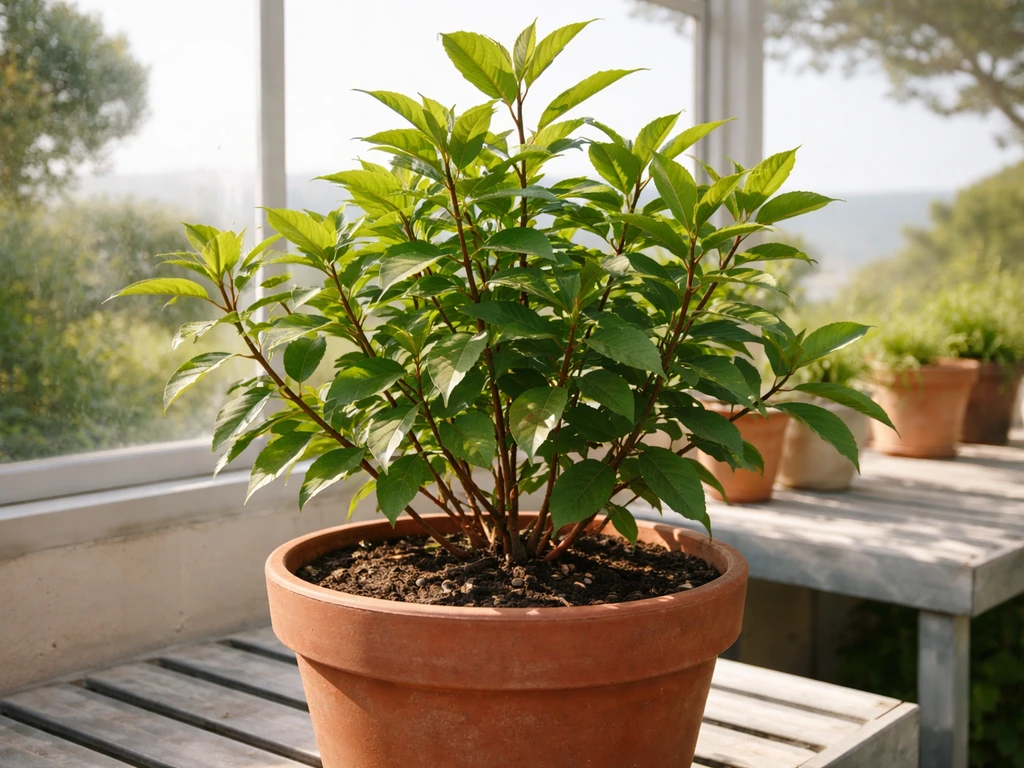
What khat actually is and where it comes from
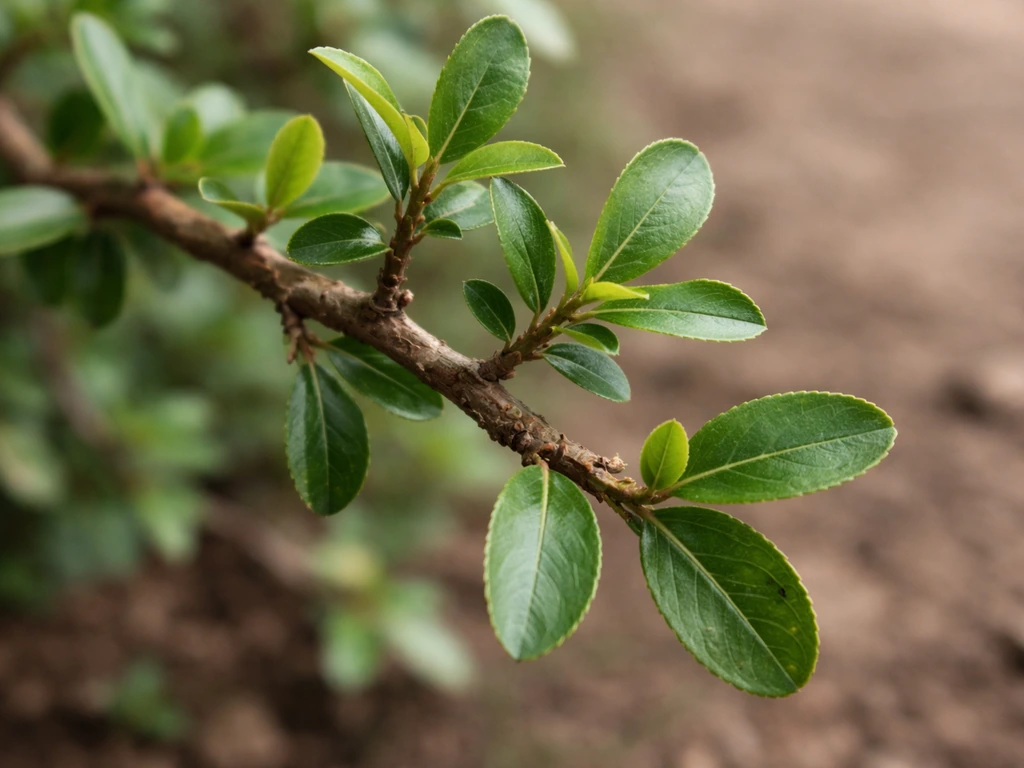
Khat is Catha edulis, a woody shrub in the family Celastraceae, blank" rel="noopener noreferrer">native to a region stretching from Eritrea and Ethiopia southward through East Africa and up into the highlands of Yemen and the Arabian Peninsula. In the wild it can grow into a blank" rel="noopener noreferrer">substantial tree reaching around 25 meters, but in cultivation it's typically kept as a multi-stemmed shrub anywhere from about half a meter up to 6 meters tall. The fresh leaves and stems are the part that matters horticulturally, and commercially, since the plant contains stimulant alkaloids (primarily cathinone) that degrade quickly after harvest. That degradation timeline is one reason khat cultivation is concentrated so tightly near its markets of use.
In its main growing regions, specifically the highlands of Ethiopia, Kenya, and Yemen, khat is cultivated at elevations of roughly 1,500 to 2,500 meters above sea level. Average daily temperatures there sit in the 16 to 22°C range (about 61 to 72°F), with seasonal swings that can dip toward 6°C or spike to 32°C. That highland profile is important: khat doesn't come from a hot, humid lowland jungle. It comes from a seasonally dry, relatively cool-but-frost-free, bright mountain environment. That distinction matters a lot when you start mapping U.S. regions.
The climate khat needs, and where U.S. conditions fall short
Khat wants warmth, strong light, good drainage, and protection from frost. It does not want wet feet, prolonged cold, or the kind of muggy heat you get in coastal Gulf states or Florida summers. Think about it in terms of a Mediterranean-adjacent highland, bright and somewhat dry, with moderate temperatures year-round. Here's what the plant needs to thrive:
- Temperatures consistently between about 60 and 85°F, with no hard frost
- Full sun, at least 6 to 8 hours of direct light daily
- Well-draining soil, sandy loam or loamy soil with good structure, ideally slightly acidic to neutral pH (6.0 to 7.5)
- Moderate water, drought-tolerant once established but not happy in waterlogged soil
- Low to moderate humidity, high humidity combined with heat encourages fungal problems
Most of the contiguous U.S. fails on at least one of those requirements for at least part of the year. The Southeast is too humid and has hard freezes inland. The Midwest and Northeast are obviously too cold. The desert Southwest gets cold winters and extreme summer heat that exceeds the comfortable range. The Pacific Northwest is too wet and cool. The places that come closest are coastal Southern California (USDA Zones 10 to 11), South Florida (Zone 10b to 11), Hawaii, and parts of South Texas near the coast. Even in those spots, it's not a perfect match, but it's workable.
Where in the U.S. khat can actually grow
Outdoor growing in warm regions
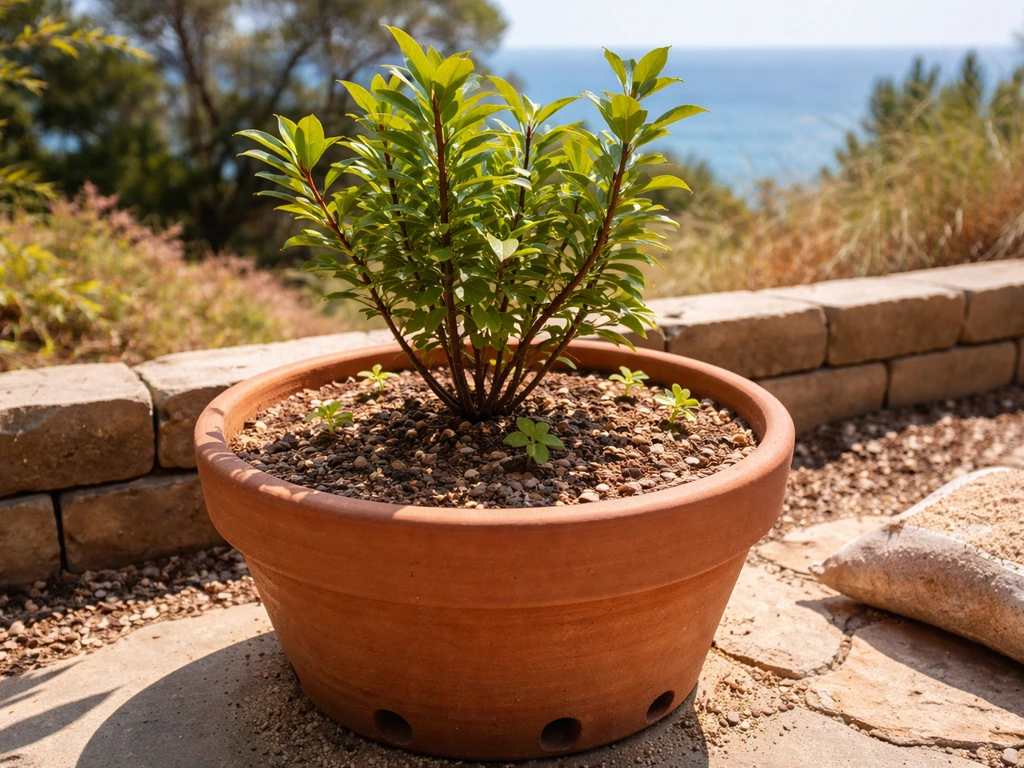
Southern California from San Diego up through the Los Angeles basin is probably your best outdoor bet in the continental U. S. The climate in Zone 10 to 11 coastal areas is mild year-round, rarely dipping below 40°F, with low humidity and plenty of sun. The temperature profile actually mimics those East African highlands better than almost anywhere else in the country.
Plant it in a well-draining raised bed or slope, give it full sun, and it can establish as a genuine landscape shrub. If you are deciding whether to grow stevia instead, you can use similar planning steps for light and drainage to match the plant to your conditions can establish as a genuine landscape shrub. South Florida is warm enough temperature-wise, but the summer humidity and heavy rain can stress the plant and invite fungal disease unless drainage is excellent. Hawaii, especially at moderate elevations on the Big Island, is a strong candidate. South Texas along the Gulf coast is marginal, with cold snaps in January and February that can cause real damage.
Container and greenhouse growing everywhere else
If you're not in those warm zones, containers are your path. Khat grows well in large pots (15-gallon minimum, larger is better for a multi-year specimen), and this actually solves the cold problem by letting you move the plant indoors for winter. I've seen people grow respectable khat shrubs in Zone 8 and 9 by keeping them in containers on a south-facing patio during the warmer months and moving them into a heated sunroom or greenhouse from November through March.
The tradeoff is that container plants need more frequent watering and fertilization, and they'll stay smaller than in-ground specimens. A heated greenhouse with supplemental lighting can support khat growth anywhere in the U. S. , though that's a significant investment for a plant most people are growing out of curiosity.
| U.S. Region | Outdoor Viability | Best Approach |
|---|---|---|
| Coastal Southern CA (Zone 10-11) | Good | In-ground or large container |
| South Florida (Zone 10b-11) | Moderate | In-ground with excellent drainage |
| Hawaii (moderate elevations) | Good to excellent | In-ground |
| South Texas coast (Zone 9b-10) | Marginal | Container with frost protection |
| Gulf Coast Southeast (Zone 8b-9) | Poor outdoors | Container, bring in for winter |
| Desert Southwest (Zone 9-10) | Poor (heat extremes) | Container with shade cloth in summer |
| Midwest, Northeast, Pacific NW | Not viable outdoors | Heated greenhouse only |
How to actually grow khat: starting out and day-to-day care
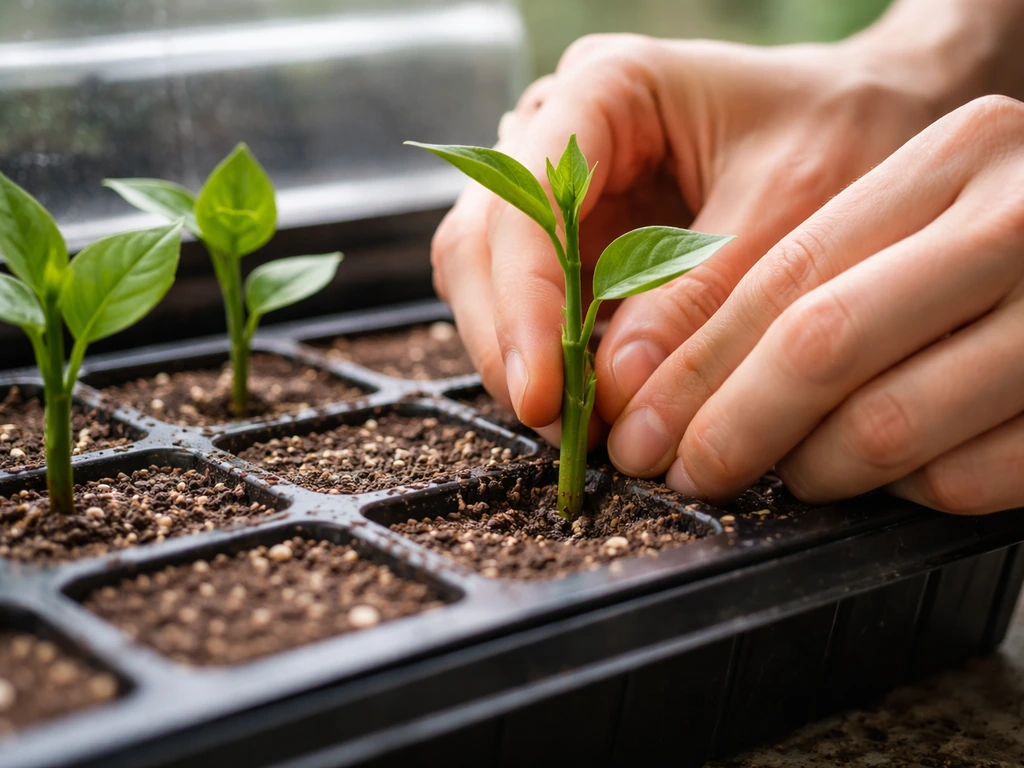
Getting started
Khat is most reliably started from cuttings rather than seed. Seeds have variable germination rates and can be slow to establish. Semi-hardwood cuttings taken in spring or early summer, treated with a rooting hormone, and placed in a well-draining propagation mix (perlite-heavy) will root in four to six weeks under warm, humid conditions. If seeds are your only option, sow them in a warm propagation setup at around 70 to 75°F and expect uneven germination over several weeks. Keep in mind that sourcing either seeds or cuttings in the U.S. is legally complicated, which I'll cover in detail below.
Soil, watering, and feeding
Use a fast-draining mix if you're growing in containers: a blend of quality potting mix, perlite, and coarse sand at roughly 2:1:1 works well. For in-ground planting, amend heavy clay soils heavily or build raised beds. Khat does not tolerate standing water. Water deeply but infrequently once established, letting the top inch or two of soil dry out between waterings. During the active growing season (spring through fall), feed monthly with a balanced slow-release fertilizer or a liquid fertilizer at half strength. Don't over-fertilize with nitrogen, as this can push lush but weak growth.
Light, growth rate, and pests
Khat is a slow grower, especially in its first two years. Don't expect dramatic size gains quickly. Give it the sunniest spot you have. Indoors or in a greenhouse, supplement with a full-spectrum grow light if natural light is limited. Common pest issues in U.S. conditions include spider mites (especially in dry indoor settings), mealybugs, and occasionally scale. Check undersides of leaves regularly. Fungal issues like powdery mildew can appear in humid climates, and improving air circulation around the plant is usually the first fix. Root rot from overwatering is probably the single most common way people lose khat plants, so err on the side of underwatering.
Protecting khat from cold and U.S. temperature swings
Khat can handle brief dips to around 28 to 30°F if the cold snap is short, but sustained temperatures below freezing will kill or severely damage it. A single hard frost can defoliate the plant, and repeated frost events will kill it to the ground or entirely. If you're growing outdoors in a marginal zone like South Texas or Zone 9b coastal areas, have frost cloth ready. Covering the plant with a double layer of frost cloth when temperatures are forecast below 35°F buys you meaningful protection for short cold events.
For container growers, the move-it-indoors strategy is your best tool. Watch your 10-day forecast in fall and bring the plant in before the first frost, not after. Once inside, place it in the brightest window you have (south-facing) or under grow lights. Reduce watering through the winter but don't let it dry out completely. It may drop some leaves during this adjustment, which is normal. Move it back outside gradually in spring after your last frost date, acclimating it to outdoor sun over a week or two to avoid leaf scorch.
The legal reality you must sort out before doing anything else
This is not a minor footnote. Khat's primary active alkaloid, cathinone, is a Schedule I controlled substance under U.S. federal law, and cathine (another alkaloid in the plant) is Schedule IV. The plant itself, Catha edulis, occupies a legally gray area: the plant material is not explicitly listed as a controlled substance at the federal level, but possessing it with intent to extract or consume the alkaloids creates serious legal exposure. Federal authorities have prosecuted khat importation and possession cases under the Controlled Substances Act.
At the state level, the picture varies. Some states have explicitly listed Catha edulis or cathinone/cathine as controlled substances in their own statutes, meaning even possessing the plant itself could be a state-level offense. Other states rely on the federal scheduling of the alkaloids. Before you attempt to buy seeds or cuttings, you need to check your specific state's controlled substances schedule. Do not assume that because the plant isn't explicitly named federally that it's fine in your state.
Importing khat plant material or seeds into the U.S. also runs into USDA APHIS phytosanitary regulations separate from the drug laws. Plant material from East Africa and Yemen would need permits and inspection, which are rarely granted for a plant with this profile. Practically speaking, legal sourcing of khat within the U.S. is very difficult. Some specialty nurseries have historically sold Catha edulis as an ornamental in states where it's not explicitly banned, but that market is thin and inconsistent.
The bottom line: consult your state's controlled substances law specifically before pursuing this. If you're in a state where the plant or its alkaloids are clearly scheduled, growing khat is not a viable option regardless of your climate. This is a situation where the legal check has to come before the horticultural planning, not after.
Is it worth trying, and what should you do next?
If you're in coastal Southern California, Hawaii, or South Florida, the climate is on your side and khat is a genuinely interesting ornamental shrub that also happens to be slow-growing and low-maintenance once established. In other words, if you’re asking can you grow ube in California, the best way to answer is to compare your local heat and sunlight to what the crop needs coastal Southern California. If you're a container gardener with a bright indoor space or heated greenhouse, it's doable as a curiosity plant anywhere in the country. But the legal piece is the real constraint for most people, and it's not one you can work around with better soil or a greenhouse heater.
If you want to explore other specialty plants with fewer legal complications in similar warm climates, plants like kava (another tropical shrub with regulatory nuances worth understanding), cassava, stevia, or ube in California are worth looking into. They scratch a similar itch for growing unusual subtropical crops and come with far simpler legal profiles. If you are mainly asking about cassava, check whether can cassava grow in the us in your specific zone, since similar climate constraints apply. If you're wondering can you grow stevia, the answer depends mostly on your climate and where you can provide the right growing conditions.
For khat specifically: step one is checking your state's controlled substances schedule. Step two is confirming you're in a viable climate zone or have the indoor infrastructure. Step three, if both check out, is sourcing through a reputable specialty nursery that sells Catha edulis as an ornamental. Go in with realistic expectations: this is a slow grower, it needs excellent drainage, and it's not going to become a large landscape specimen quickly. But as an unusual, cold-sensitive shrub for a warm-climate garden or a dedicated greenhouse grower, it's certainly feasible.
FAQ
If Catha edulis is not listed federally, is khat legal for me to grow as an ornamental?
Even if your state does not explicitly list Catha edulis, the federal issue is the intent and alkaloid extraction. If you plan to cultivate only as a decorative plant with no processing, the risk is generally lower than if you try to harvest leaves for active compounds, but you should still verify state law because some states treat the plant itself as controlled.
Can I buy khat seeds or cuttings from a nursery if the listing says “ornamental”?
Do not rely on an online retailer’s description or “ornamental” labeling. Many nurseries sell items informally, then stop once enforcement or licensing questions come up, and rules can change. Before buying, confirm legality directly through your state’s controlled substances schedule (and any local restrictions, if applicable).
What’s the main problem with importing khat seeds or plants into the U.S.?
Under typical U.S. greenhouse permits, the major hurdle is getting plant material past import controls and phytosanitary inspection, which is separate from drug law. In practice, sourcing from abroad is often not approved for this species, so plan for local sourcing only, and be prepared that it may be inconsistent.
If I grow khat in a container, do I still need frost protection?
For container growing, frost tolerance is not the same as root safety. You still need to prevent the root ball from freezing for long periods, so keep pots protected, bring them inside before first frost, and avoid storing them in a cold garage where temperatures dip below freezing.
How do I prevent mildew and root rot, especially in humid areas like South Florida?
Yes, but the goal is to manage airflow and moisture at the same time. In humid climates, powdery mildew risk increases, so prune for spacing, water at the soil line, and avoid wetting the foliage. If you also keep the soil too wet, root rot becomes the more serious threat.
What’s the most common watering mistake that kills khat plants?
Khat that is kept too wet will often fail quietly due to root rot, and the classic mistake is sticking to a calendar watering routine. Use the “top inch dry” check, and when in doubt, wait a day or two rather than adding more water.
Why isn’t my khat growing well indoors, even though temperatures are warm?
In most non-tropical indoor setups, the limiting factor is light, not temperature. If natural light is weak, expect slower growth and more pest pressure, especially spider mites. Use a strong full-spectrum grow light and keep it on a consistent schedule to reduce stress.
What’s the best way to transition khat back outside in spring?
Yes. If you bring a plant indoors for winter, acclimate it gradually in spring instead of moving it from indoor low light to full outdoor sun overnight. A short transition (about 1 to 2 weeks) reduces leaf scorch and stress that can otherwise look like “winter damage.”
What are the most important conditions for successfully rooting khat cuttings?
Rooting cuttings is usually more predictable than seed, but even cuttings can fail if humidity and drainage are both wrong. Keep a warm, humid propagation environment, but ensure the medium stays airy (perlite-heavy) so the cutting does not sit in saturated mix.
Next Articles
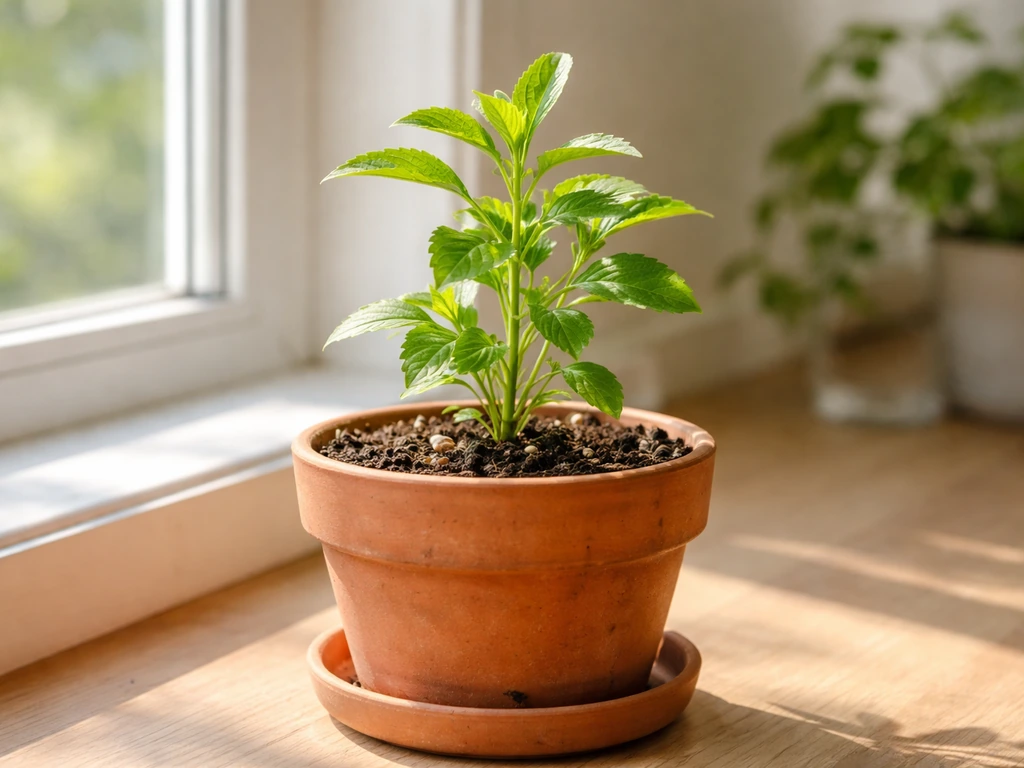
Can You Grow Stevia at Home? Start-to-Finish Guide
Learn if you can grow stevia at home in US climates, plus step-by-step planting, care, and indoor options.
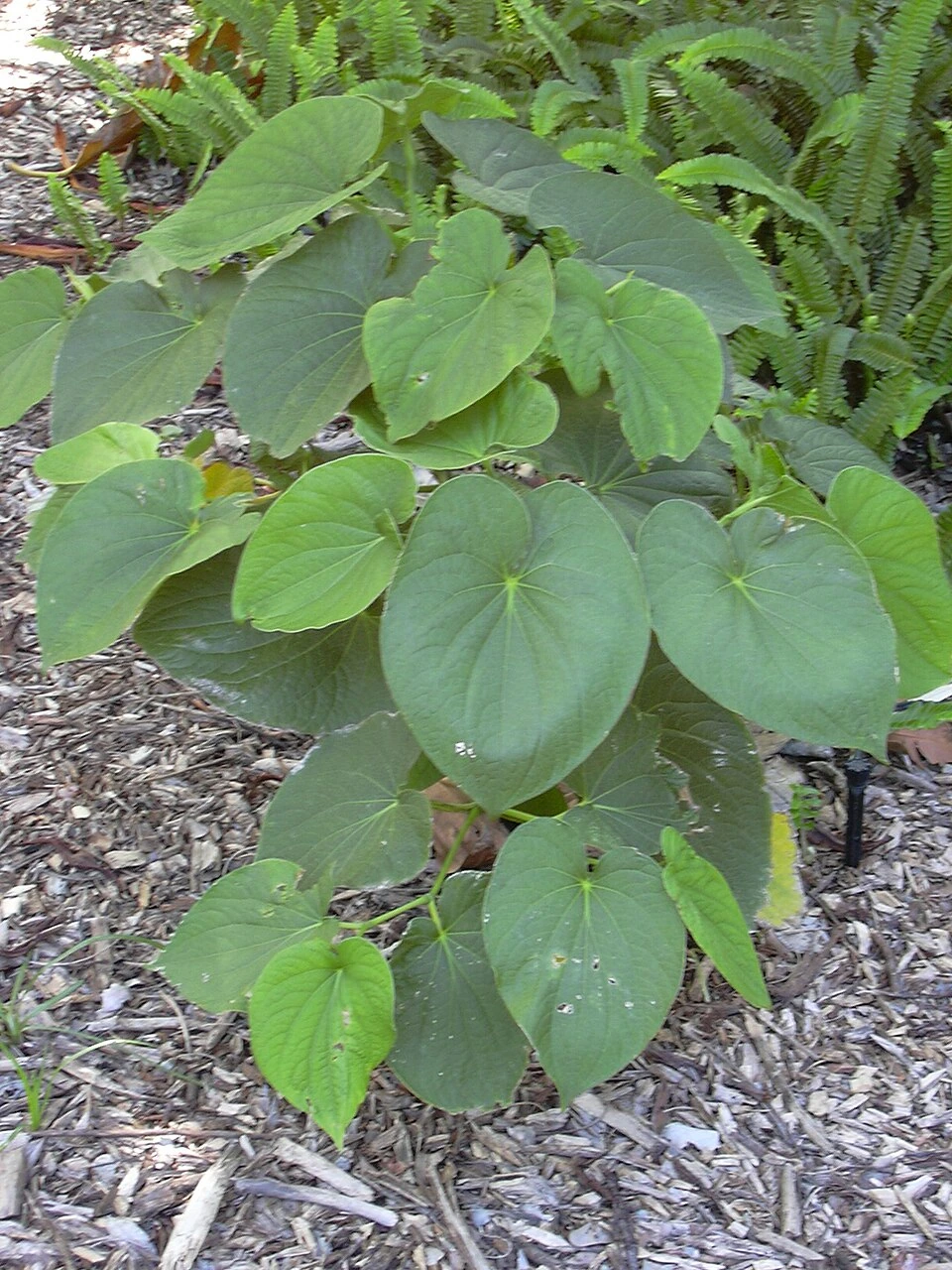
Can You Grow Kava in the US? Climate, Care, and Options
Learn if you can grow kava in the US, with climate targets, care needs, frost rules, and indoor vs outdoor options.
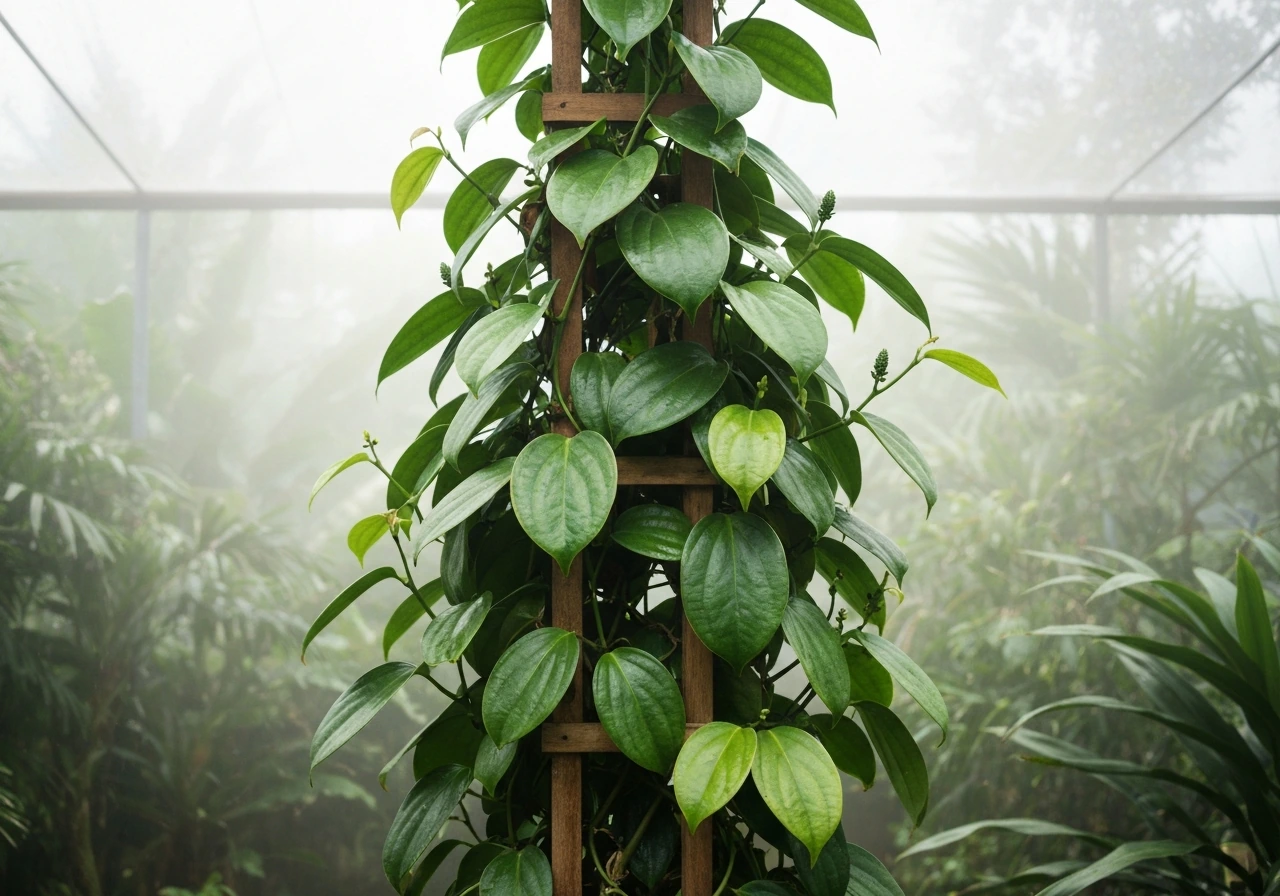
Can You Grow Black Pepper in the US Where and How
Learn where black pepper can be grown in the US and how to grow it indoors or in warm zones for fruit.