
Yes, you can grow turmeric in Georgia, and for most of the state it is one of the easier warm-season crops to pull off. Southern Georgia and the coast are close enough to a tropical climate that turmeric behaves almost like a perennial with minimal fuss. Central Georgia is reliable with a bit of mulch. North Georgia mountains are the one place where you will need to either lift rhizomes in autumn or lean on containers, because hard freezes cut the season shorter than turmeric wants. Wherever you are in the state, the basic recipe is the same: plant after the soil hits 65°F, keep moisture consistent, give it partial shade through the hottest weeks of summer, and harvest before the first frost drops below 28°F. Georgia is a genuinely good place to grow turmeric compared to colder states, and the main things that trip people up are planting too early, letting drainage go bad, or ignoring nematodes in sandy soils.
Can You Grow Turmeric in Georgia? Practical Guide & Tips

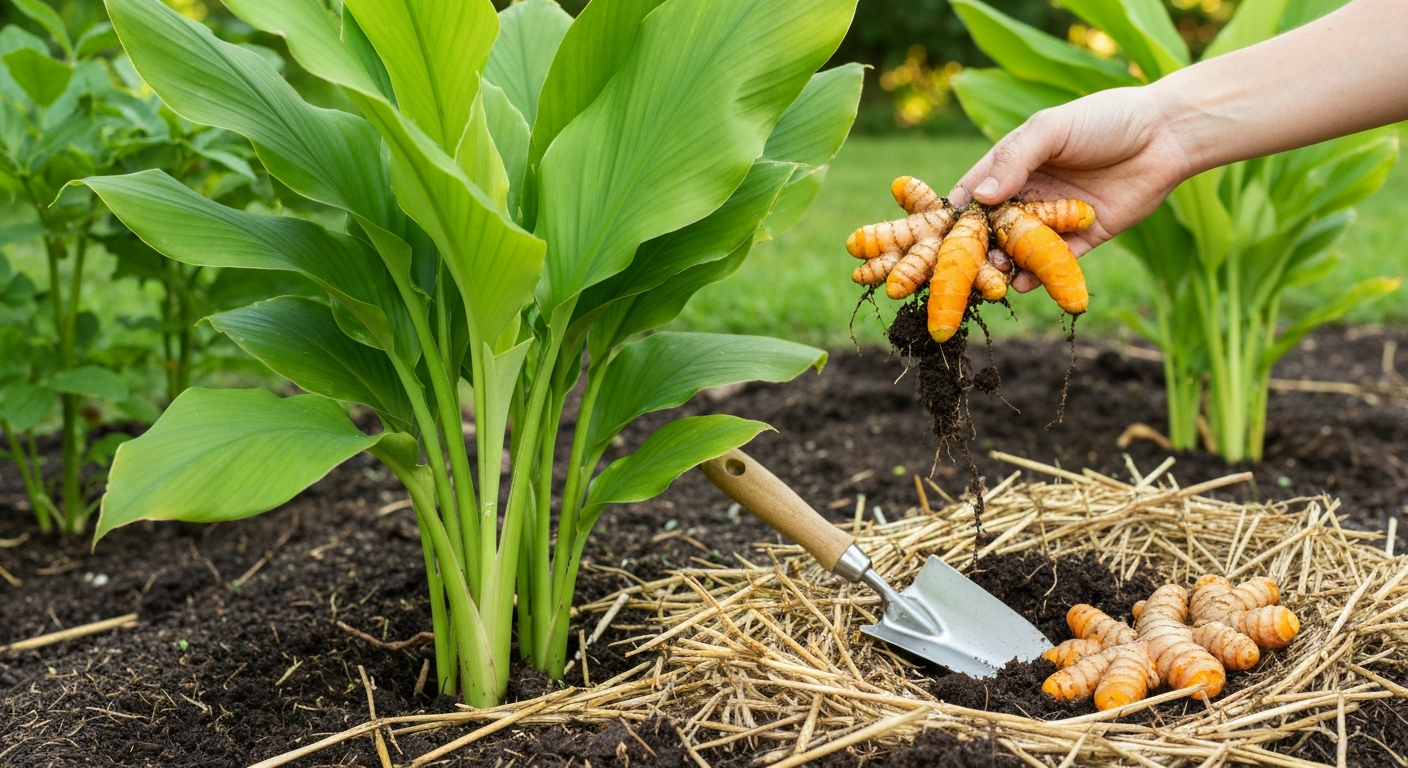
Georgia climate and USDA zones
Georgia spans a wide climate range, and that range matters a lot for turmeric. The 2023 USDA Plant Hardiness Zone Map puts the state from roughly Zone 6b in the highest Blue Ridge mountain elevations all the way to Zone 9a along the Savannah coast. That is a meaningful spread. Turmeric (Curcuma longa) is typically described as a tropical or subtropical plant that grows best between 68°F and 86°F (20–30°C) and goes dormant when temperatures dip consistently below 50°F. It will die back to its rhizomes with frost and the rhizomes themselves can survive light freezes if they are deep enough and well mulched, but prolonged hard freezes below about 28°F will kill unprotected rhizomes in the ground.
Metro Atlanta sits in Zones 7b to 8a depending on your specific neighborhood, elevation, and whether you are catching an urban heat island. Macon and central Georgia land around Zone 8a–8b. The coastal plain south of Macon and the coast itself hit Zone 8b to 9a. The mountains around Dahlonega and Blairsville are typically Zone 7a to 7b, with some exposed ridges approaching 6b. The practical implication: the lower your zone number in Georgia, the shorter your frost-free window and the more work you will need to do to protect rhizomes through winter.
Which parts of Georgia work best
Not all of Georgia is equal for turmeric, and the differences are worth mapping out before you decide how much infrastructure to invest in.
| Region | USDA Zone | Last Spring Frost (avg) | First Fall Frost (avg) | In-Ground Suitability |
|---|---|---|---|---|
| North Georgia mountains (Dahlonega, Blue Ridge) | 6b–7b | Late April – early May | Mid-October | Possible but short season; lift or mulch heavily |
| Metro Atlanta / Piedmont | 7b–8a | Early–mid April | Mid-November | Good with mulch; lift or container in exposed spots |
| Central Georgia (Macon) | 8a–8b | Late March | Early November | Very good; reliable in-ground with mulch |
| South Georgia (Albany, Valdosta) | 8b–9a | Mid-March | Mid-November | Excellent; rhizomes can overwinter in ground |
| Coastal Georgia (Savannah, Brunswick) | 9a | Around March 12 | Around November 21 | Near-ideal; treat almost as a perennial |
The coastal strip around Savannah is the sweet spot. Frost dates there run from roughly March 12 to November 21, giving turmeric more than 250 frost-free days. That is enough for a full 7-to-9-month growing cycle without any gymnastics. South of Macon you are almost as well off. North of Atlanta the frost-free window tightens to somewhere around 150–180 days depending on your exact elevation and slope, which means you need to start rhizomes indoors in late winter and get them in the ground the moment soil warms enough.
When to plant: Georgia timing by region
The single most important timing rule for turmeric is soil temperature. Do not plant by calendar date alone. Turmeric wants 4-inch soil temperature consistently at or above 65°F before going in the ground, and it does noticeably better if you wait until the soil is closer to 70°F. The UGA Automated Environmental Monitoring Network runs soil-temperature sensors across the state that you can check online for free, and I strongly suggest doing exactly that rather than guessing by air temperature. The University of Georgia Automated Environmental Monitoring Network (UGA Weather Network) operates soil-temperature sensors across the state The University of Georgia Automated Environmental Monitoring Network (UGA Weather Network) operates soil-temperature sensors across the state..
For coastal and south Georgia, soil typically reaches 65°F by late March to early April. Central Georgia (Macon area) usually hits that threshold in mid-to-late April. Atlanta and the Piedmont are typically safe by late April to early May, though a warm spring can move that up by two weeks. North Georgia mountain areas should wait until mid-May or later and nearly always benefit from pre-sprouting rhizomes indoors for four to six weeks before transplanting.
- Coastal Georgia (Savannah, Brunswick): direct plant late March to early April once soil exceeds 65°F
- South Georgia (Valdosta, Tifton, Albany): direct plant early to mid-April
- Central Georgia (Macon, Warner Robins): direct plant mid-to-late April
- Metro Atlanta / Piedmont: pre-sprout indoors February–March; transplant late April to mid-May
- North Georgia mountains: pre-sprout indoors February; transplant mid-to-late May after last frost
Pre-sprouting (chitting) is simply placing seed rhizomes in a warm, humid spot around 70–75°F for three to four weeks until you see 1-to-2-inch green shoots emerging. This gives mountain and Piedmont growers a meaningful head start when the outdoor window is short. I sprout mine in a covered tray on top of the water heater and check them every few days.
Soil, light, and moisture
Turmeric is not particularly fussy about soil fertility if you give it organic matter, but it is unforgiving about drainage. Standing water for more than a few hours after heavy rain is a recipe for rhizome rot, and Georgia's clay-heavy Piedmont soils can sit wet for days. The target is a loose, friable, well-drained loam with a pH between 5.5 and 6.5 and generous compost worked in to at least 12 inches deep. If you have heavy red clay, raise your beds by at least 8 inches or build proper raised beds, because amending clay in place rarely solves the drainage problem well enough.
Light is more nuanced than most guides let on. Turmeric grows fine in full sun in mild weather, but Georgia summers are brutal, and plants in full afternoon sun during July and August will stress, scorch their leaves, and underperform on rhizome production. Partial shade, especially from noon onward, is genuinely better in Georgia. The east side of a fence, the north side of a structure, or under the dappled shade of a tall deciduous tree all work well. Research on turmeric in Alabama (a directly comparable climate) specifically found shade management improved yields and plant health, which matches what I have seen. Peer‑reviewed research in Alabama (Shade, Establishment Method, and Varietal Effects on Rhizome Yield and Curcumin Content in Turmeric in Alabama) found that shade management, establishment method, and cultivar significantly affected rhizome yield, curcumin content, and overwinter survival Shade, Establishment Method, and Varietal Effects on Rhizome Yield and Curcumin Content in Turmeric in Alabama (research report).
- Soil pH: 5.5–6.5
- Amend with 3–4 inches of compost worked in to 12-inch depth
- Drainage: critical; raise beds or add coarse sand/perlite in heavy clay
- Light: morning sun and afternoon shade is ideal in Georgia summers; avoid full western sun exposure
- Water: 1–2 inches per week, more in July–August heat; never let soil dry out completely but never let it stay soggy
- Mulch: 3–4 inches of straw, wood chips, or shredded leaves; keeps soil moist, moderates temperature, and suppresses weeds
- Fertilizer: balanced organic (5-5-5 or similar) at planting and again at 6–8 weeks; high nitrogen after that delays rhizome formation
In-ground, containers, or greenhouse: which is right for you
There is no single right answer here. It depends on your zone, your soil, and how much work you want to do each fall. Here is an honest breakdown of each option.
| Method | Best For | Pros | Cons |
|---|---|---|---|
| In-ground | Zones 8a–9a (central to coastal GA) | Lowest effort; largest plants; highest per-bed yield; rhizomes may overwinter with mulch in Zone 8b+ | Frost kills rhizomes in zones below 8a without heavy mulch; clay drainage issues common; nematode pressure in sandy soils |
| Containers (5–15 gal) | Zone 7–8a (Atlanta, Piedmont, mountains) | Move inside before frost; control soil mix; easier to manage drainage; works on patios and small spaces | Dries out faster; smaller yield per plant (~1–2 lb fresh rhizome); must water more frequently in summer heat |
| Greenhouse / hoophouse | All zones, especially mountains and serious producers | Extends season both ends; protects from frost; enables year-round growing in southern GA | High setup cost; ventilation critical to avoid fungal disease in humid Georgia summers |
My recommendation: if you are in Zone 8a or warmer, grow in-ground with a heavy mulch layer and do not overthink it. If you are in Atlanta or north of it, start with a couple of large containers so you can bring them in before the first hard frost and observe how turmeric performs in your specific microclimate before committing to a large in-ground planting. Containers also give you a chance to dial in the soil mix before you amend a whole bed.
Month-by-month growing timeline for Georgia
Coastal and south Georgia (Zones 8b–9a)
- January–February: source seed rhizomes; store at 55–60°F and around 60% humidity
- March: check soil temp; begin pre-sprouting rhizomes indoors if not already shooting; prepare beds with compost
- Late March to early April: plant once 4-inch soil temp is consistently 65°F or above; set rhizomes 2–3 inches deep, 12–18 inches apart, buds facing up
- April–May: water regularly; apply 3–4 inch mulch layer after planting; watch for slugs on emerging shoots
- June–August: peak growth; water 1–2 inches per week; provide afternoon shade if possible; apply balanced organic fertilizer once in June
- September–October: rhizomes are bulking; reduce watering slightly but do not let soil dry out; tops will begin to yellow as days shorten
- Late October–November: harvest at or before first frost threat; full mature harvest at 8–9 months; baby harvest possible at 5–6 months
- November onward: in Zone 9a with heavy mulch, rhizomes can often stay in the ground for next year's crop
Central Georgia (Zone 8a, Macon area)
- February: source rhizomes; begin indoor pre-sprouting in a warm spot by late February
- March: prepare beds; continue sprouting indoors
- Mid-to-late April: transplant once soil reaches 65°F
- May: establish mulch; water consistently as temps climb
- June–August: same care as coastal; afternoon shade recommended
- September–October: watch for early frost events; have row cover on hand
- Late October–early November: harvest before first hard frost; lift remaining rhizomes and store
Metro Atlanta / Piedmont and north Georgia (Zones 7a–8a)
- January–February: source rhizomes early; begin sprouting indoors by mid-February in a heated space at 70–75°F
- March–April: grow sprouted rhizomes in pots indoors under a grow light or bright south window; pot up to 1-gallon containers
- Late April to mid-May: harden off plants outdoors for one week; transplant after last frost date and once soil is 65°F+
- May–June: mulch immediately; protect from late cold snaps with row cover
- July–August: peak heat; afternoon shade critical north of Atlanta; water deeply twice a week
- September: begin monitoring frost forecasts; have frost cloth or buckets ready for early cold snaps
- Mid-October: harvest before first hard frost (typically mid-October in the mountains); lift all rhizomes
- October–November: cure, store, or replant saved rhizomes for next year
Overwintering and frost protection
How much work you need to do in autumn depends entirely on your zone. In Zone 9a around Savannah, a 4-to-6-inch layer of straw or wood chip mulch over the bed is often enough to protect rhizomes through the mild winters. The tops die back but rhizomes resprout in spring, essentially making turmeric a perennial there. I have heard from coastal Georgia growers who have had the same rhizome colony going for four or five years with nothing more than an annual mulch refresh.
In Zone 8a (Atlanta and Macon), the risk is real but manageable. A 4-to-6-inch mulch layer helps, but prolonged cold snaps below 28°F for multiple nights can still kill unprotected rhizomes. In the Piedmont, the safest approach is to lift and store at least a portion of your rhizomes each fall as insurance. Dig them after the tops die back, shake off soil, cure in a warm dry space for a week, then store in a paper bag or mesh bag at 55–60°F with moderate humidity (a basement or attached garage often works). Do not refrigerate seed rhizomes intended for replanting.
In north Georgia mountains (Zone 7), plan on lifting rhizomes every year. The frost-free window is simply too short and the winters too cold to gamble on in-ground survival. Container growing is the more practical system here: move pots into a garage or basement before the first frost and they will hold dormant through winter with minimal watering.
- Zone 9a (coastal): mulch 4–6 inches; rhizomes likely survive in ground
- Zone 8b (south GA): mulch 4–6 inches; low but real risk of rhizome loss in hard winters; store backup stock
- Zone 8a (Atlanta, Macon): mulch plus row cover for cold snaps; lift and store at least a portion
- Zone 7 (north GA mountains): lift all rhizomes after die-back; store at 55–60°F through winter
- Containers anywhere: bring inside before first frost; water sparingly (once every 2–3 weeks) through dormancy
Propagation and sourcing healthy rhizomes
Turmeric is propagated almost entirely from rhizome divisions, not from seed. At planting time you want seed pieces around 1 to 2 ounces each, roughly 2 to 3 inches long, with at least two visible growth buds (the little nubby eyes on the rhizome). Larger pieces with more buds establish faster and tend to produce higher first-year yields. When dividing your own harvest, let cut surfaces dry for 24 hours before planting to reduce rot risk.
For sourcing, your options in rough order of preference are: specialty produce farms or farmers markets in Georgia that sell certified seed rhizomes, online specialty suppliers (Johnny's Selected Seeds, Strictly Medicinal Seeds, and similar herb specialty nurseries all carry turmeric), and UGA Extension-affiliated farm demonstrations or plant sales. Grocery store turmeric rhizomes are often treated with a sprout inhibitor or sourced from overseas with pest and disease risks that are hard to know. I have started a few plants from grocery store roots and had mixed results. If you go that route, look for fresh, unwrinkled rhizomes with visible buds, and accept that viability will be lower than certified seed stock. Tissue-culture plugs are also available from specialty suppliers and are pathogen-free, but they cost more and produce lower first-year rhizome yields since the plants spend more energy establishing.
Harvest timing, expected yields, and what to do with your rhizomes
Turmeric takes 6 to 9 months from planting to harvest depending on what you want from it. A baby harvest at around 5 to 7 months gives you tender, mildly flavored rhizomes with thinner skin that are great fresh or pickled. A mature harvest at 7 to 9 months gives you the dense, intensely colored rhizomes with higher curcumin content that are best for drying and powdering. In most of Georgia, your growing window aligns well with a mature harvest: plant in April, harvest in October or November.
Yield expectations from UF/IFAS Florida trials put home-garden container plants at roughly 1 to 2 pounds of fresh rhizome per plant. In-ground Georgia plants in good conditions should do at least as well and potentially better in the warmer southern zones. A 4-by-8-foot raised bed with plants spaced 12 inches apart could realistically give you 15 to 20 pounds of fresh turmeric, which is a serious amount. Fresh rhizomes can be refrigerated for 2 to 3 weeks, frozen whole for up to 6 months, or dried and powdered. To dry, slice rhizomes thin (about 3mm), dehydrate at 95–105°F until brittle, then grind in a spice grinder. Curing (leaving rhizomes in a warm humid space for one to two weeks before processing) develops color and flavor.
Pests and diseases to watch for in Georgia
Georgia's warm, humid conditions that make it good for turmeric also make it good for a handful of problems. The biggest threats in the region are root-knot nematodes in sandy soils (especially south Georgia), rhizome rot from poor drainage or excessive moisture, and occasional scale insects or spider mites on stressed plants.
| Problem | Symptoms | Cause | Fix |
|---|---|---|---|
| Rhizome rot | Mushy, foul-smelling rhizomes; yellowing and collapse of stems | Pythium or Fusarium from waterlogged soil | Improve drainage immediately; remove affected plants; avoid overwatering; treat soil with beneficial nematodes or copper fungicide |
| Root-knot nematodes | Stunted plants; small galls on roots and rhizomes; poor yield | Meloidogyne spp. common in sandy GA soils | Use clean, certified rhizomes; rotate planting areas; incorporate neem cake into soil; resistant cover crops in off-season |
| Scale insects | Sticky residue on leaves; brown crusty bumps on stems | Soft or armored scale | Neem oil spray; insecticidal soap; manual removal |
| Leaf scorch / tip burn | Brown, crispy leaf edges and tips | Afternoon sun stress, low humidity, or inconsistent watering | Add afternoon shade; increase watering frequency; check mulch coverage |
| Rhizome fly / shoot borer | Dead central shoot; tunneling in rhizome | Conogethes punctiferalis or similar | Remove infested material; avoid dense mulch directly against stems; neem oil as preventive |
Troubleshooting common problems step by step
If your turmeric is not emerging three to four weeks after planting, dig carefully and check the rhizome. A firm, slightly moist rhizome with a visible bud that just has not broken the surface yet is fine: wait another week or two. A soft, brown, collapsing rhizome is rot, and you need to investigate drainage before replanting. If plants emerge but then stall and stay short and yellow all season, check soil pH with an inexpensive meter (low pH locks out nutrients), check moisture consistency, and consider whether you are in a nematode-prone area with sandy soil.
If leaves yellow in midsummer and you are in a Piedmont clay area, root rot from standing water after a rainstorm is the most likely culprit, not a nutrient problem. I made this mistake in my first year: the plants looked nitrogen-deficient and I kept adding fertilizer, when the actual issue was a drainage low spot that I had not noticed. Dig down, look at the root zone, and feel the soil six inches down. If it is cold and wet two days after rain, you need to raise the bed or improve drainage before anything else.
- No emergence after 4 weeks: dig and inspect; firm rhizome means wait; soft rhizome means rot; check drainage
- Yellowing all season with stunted growth: test pH; check soil moisture patterns; inspect roots for nematode galls
- Sudden collapse of central shoot in midsummer: look for stem borer tunneling; remove affected shoot; apply neem oil
- Brown leaf edges: check afternoon sun exposure and watering frequency; add mulch if not already present
- Poor rhizome yield at harvest: review whether plants got enough water in July–August when rhizomes bulk up most
How Georgia compares to other states and regions
Georgia is genuinely well-positioned for turmeric compared to most of the continental U.S. If you are curious about turmeric in Michigan or Minnesota, the challenge there is a dramatically shorter frost-free season and colder winters that make in-ground growing unreliable without significant protection. Michigan and Minnesota growers essentially always need to pre-sprout indoors, use containers, or accept that they are doing a one-season annual crop with no option for overwintering rhizomes in the ground. If you’re asking “can you grow turmeric in Minnesota,” the practical answer is yes, but only as a single‑season crop with indoor pre‑sprouting, containers, or greenhouse protection since overwintering rhizomes in the ground is generally not viable there. Georgia's southern half has a longer and warmer season than both of those states by months, which translates directly to more rhizome bulk-up time and less work each fall.
Texas is interesting for a different reason. Parts of south Texas are actually warmer than coastal Georgia, but central and north Texas deal with drought stress and extreme summer heat that turmeric does not handle well without consistent irrigation and shade management. For region-specific advice, see our guide on can you grow turmeric in Texas. Georgia's humidity, while a nuisance for fungal disease, actually helps turmeric stay comfortable through the summer. If you are comparing Georgia to Ireland, there is no competition: Ireland's cool, short summers are genuinely challenging for turmeric, and container growing indoors or in a polytunnel is essentially required there. For gardeners curious about much cooler climates, see can you grow turmeric in Ireland for practical tips on container growing and using polytunnels or indoor setups. Georgia in Zones 8 and 9 is simply a better climate for this crop.
Which approach fits your situation
Use this checklist to pick your strategy before you buy anything.
- Zone 8b–9a, well-drained soil, outdoor garden space: grow in-ground, mulch for winter, treat as a perennial
- Zone 8a (Atlanta, Macon), decent drainage: in-ground is worth trying with heavy mulch and a plan to lift rhizomes in hard winters; also a strong candidate for large containers
- Zone 7–8a (north Georgia, mountain towns): containers or indoor forcing; pre-sprout in February, grow in pots, bring in before October frost
- Heavy clay soil anywhere in the state: raised beds or containers are easier than fighting drainage problems in place
- Sandy south Georgia soil with nematode history: use certified clean rhizomes, rotate planting locations, and amend with neem cake
- Limited time or space: buy fresh turmeric from a farmers market and consider one or two containers as a trial before committing to a full bed
- Serious home producer wanting to powder or dry your own: in-ground Zone 8+ with a full raised bed is the highest-yield path
Next steps and where to find what you need
The most useful thing you can do right now, before buying a single rhizome, is look up your exact address on the 2023 USDA Plant Hardiness Zone Map and then check the UGA Automated Environmental Monitoring Network for the soil temperature station nearest you. Those two pieces of information will tell you your zone and when your soil actually warms up, which is more reliable than any general planting calendar.
For seed rhizomes, check local farmers markets in Atlanta, Athens, Savannah, and other urban centers in late winter and early spring, since local farms sometimes sell fresh seed-quality rhizomes directly. Online, Strictly Medicinal Seeds and Johnny's Selected Seeds both carry turmeric rhizomes with reasonable quality control. Your local UGA Extension office is also worth a call: county agents in Georgia's agricultural areas often know local suppliers and can give you region-specific soil advice, particularly around nematode pressure in your county. If you are just getting started and want to keep the stakes low, buy three to five rhizomes, pot them up in a couple of five-gallon containers, put them on a sunny east-facing patio, and see how the plant behaves in your specific backyard before scaling up. Most Georgia gardeners who try turmeric once end up making room for a lot more of it.
FAQ
Can home gardeners in Georgia successfully grow turmeric (Curcuma longa)?
Yes — with caveats. Turmeric is a tropical perennial that needs a long, warm growing season and frost protection. Coastal and lowland Georgia (USDA zones ~8–9a) can reliably grow turmeric outdoors in-ground or in large containers; metro areas in zones 7b–8a can grow it most years with careful timing, mulching, and microclimate selection; mountainous north Georgia (zones toward 6b–7a) usually needs pots, season‑extension (greenhouse or frost cloth), or overwintering indoors. Success depends on choosing a warm site, delaying planting until soils are warm, using rich, well‑drained soil, and protecting rhizomes from cold and waterlogging.
Which Georgia microclimates are best or marginal for turmeric?
Best: coastal plain and low-elevation south/SE Georgia (USDA ~9a) — long frost‑free season and warmer winters. Good: Atlanta metro and central Georgia (zones 7b–8a) — use warm, sheltered sites, plant after soil warms, or use containers that move indoors in winter. Marginal/challenging: higher-elevation north Georgia (zones 6b–7a) — short frost‑free season and colder winter minima; grow in containers for indoor overwintering or use heated greenhouse.
When should I plant turmeric in Georgia (timing and soil temperature)?
Plant after the danger of frost has passed and when soil 4" deep is consistently warm (rough practical threshold ~60°F/15–16°C). Coastal/southern Georgia: plant earliest in mid–March to April. Metro Atlanta/central: typically late April to May. Cooler mountain areas: wait until late May–June or start rhizomes indoors under heat and transplant after soils warm. Use UGA or NOAA station data and local frost‑date estimates to pick the exact week for your ZIP.
What planting steps and soil mix do you recommend (step‑by‑step)?
1) Buy healthy seed rhizomes or tissue‑culture starts with visible buds. 2) Prepare a site with well‑drained, loose loamy soil, pH ~5.5–6.5; amend heavy clay with compost and coarse sand or use raised beds. 3) Work in plenty of compost (2–4"). 4) Plant rhizome pieces 1–2 oz with 2+ buds, 2–3" deep, spaced 12–18" apart for in‑ground; use a 12–16" deep container per plant when potted. 5) Mulch 2–4" to conserve moisture and moderate soil temps. 6) Provide dappled shade or afternoon shade in hot inland sites. 7) Water regularly to keep soil evenly moist but not waterlogged. 8) Side‑dress with balanced, low‑salt fertilizer or compost during active growth.
Should I grow turmeric in-ground, in containers, or in a greenhouse in Georgia?
All are viable depending on location and goals: - In-ground: Best in warm lowland/coastal Georgia with good drainage. - Containers: Most versatile for central and north Georgia — move indoors before frost or keep in an attached unheated greenhouse. Use large (15–20+ gallon) pots with fast‑draining mix. - Greenhouse/hoop house: Ideal for securing earlier planting, higher yields, and overwinter survival in cooler zones; unheated greenhouses in Atlanta/central Georgia often suffice if temperatures rarely drop below 40°F inside.
How do I protect turmeric from frost and overwinter rhizomes in Georgia?
Options: 1) Mulch heavily (6–12") and cover with frost cloth for light freezes in warmer parts of the state. 2) For containers, move pots indoors (garage, basement with light, or heated room) or into an unheated greenhouse before first frost. 3) Lift rhizomes after foliage dies back and store at 55–60°F, ~60% RH in slightly moist peat or vermiculite for cool storage. 4) In cold mountain sites, treat turmeric as an annual and replant new rhizomes each spring from stored seed pieces or purchase fresh starts.
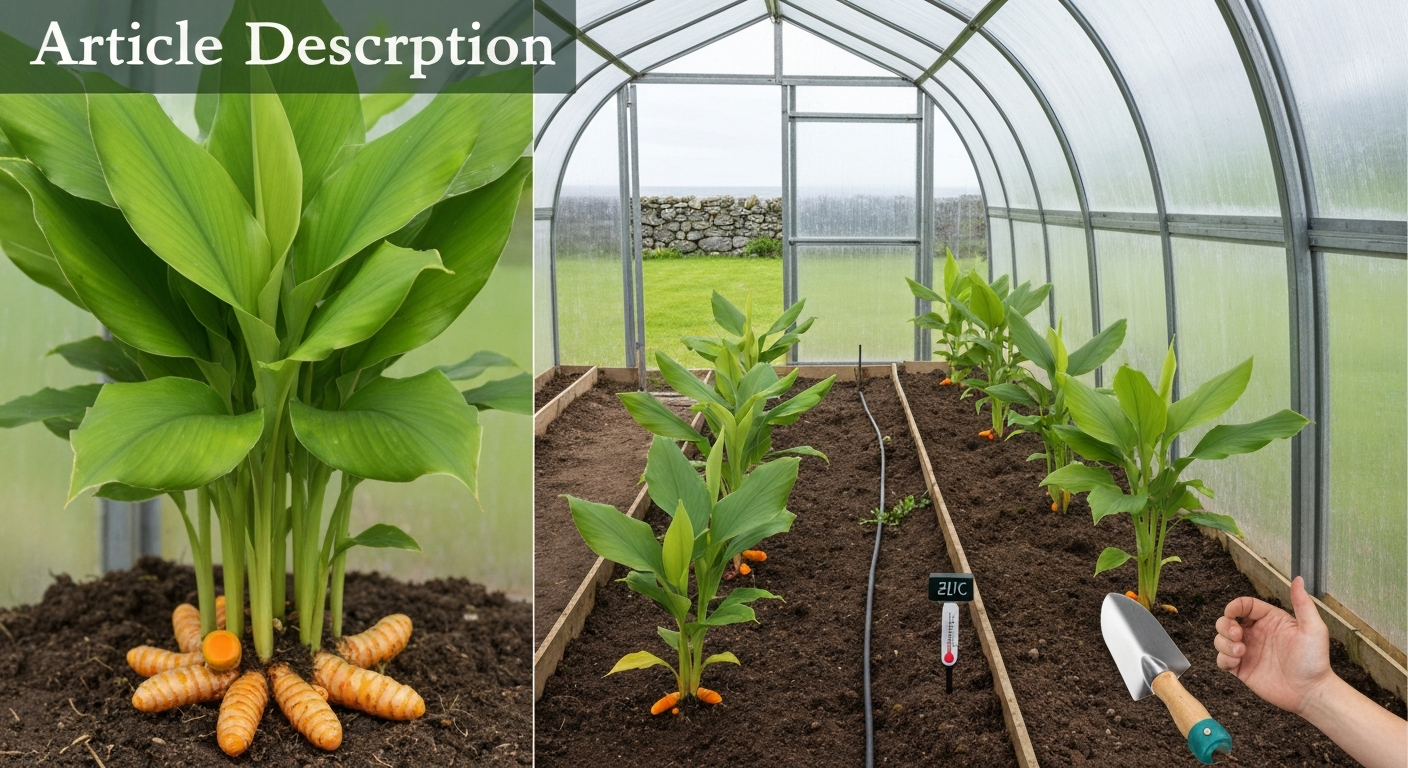
Yes, grow turmeric in Ireland: step-by-step for containers, greenhouse or indoors, with overwintering, harvest and pest
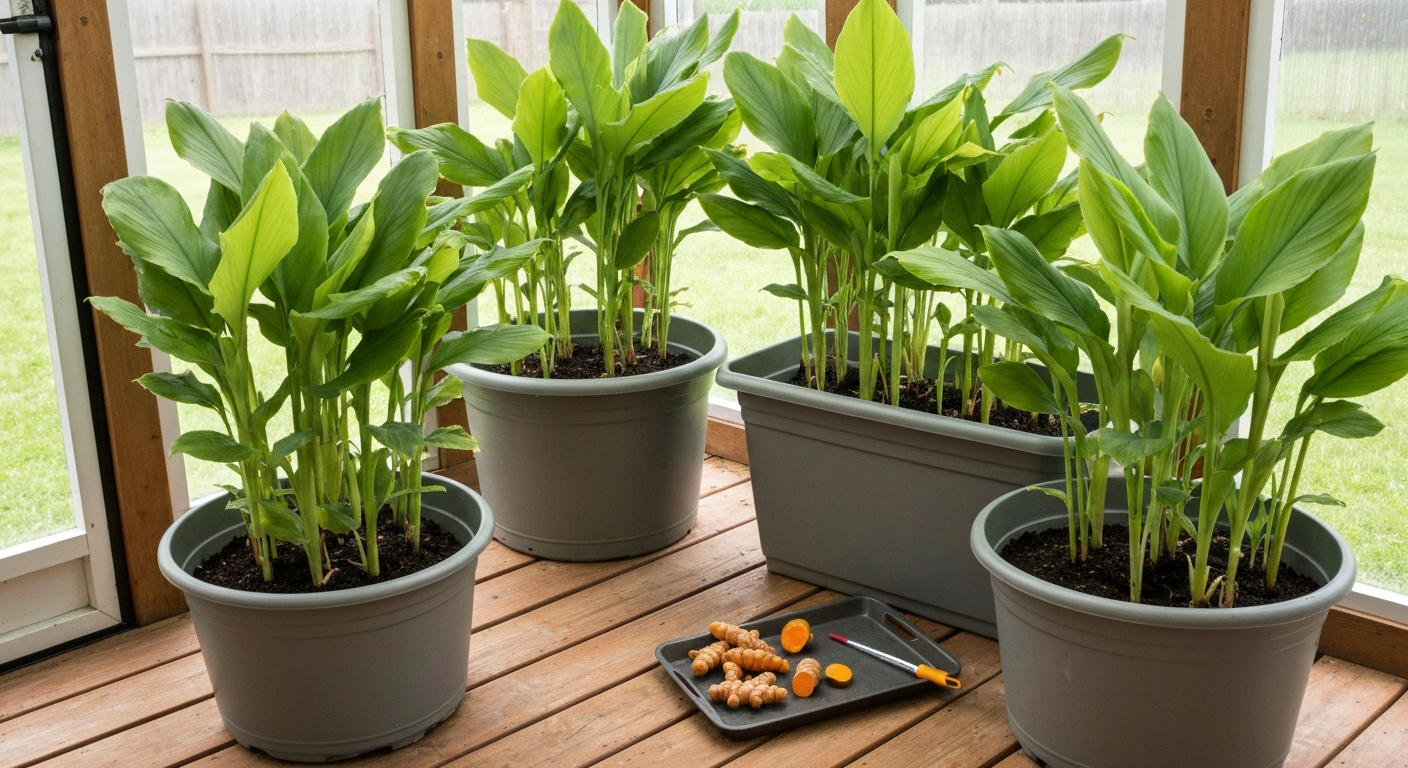
Can you grow turmeric in Minnesota? Yes, step-by-step planting, container, greenhouse and overwintering tips.
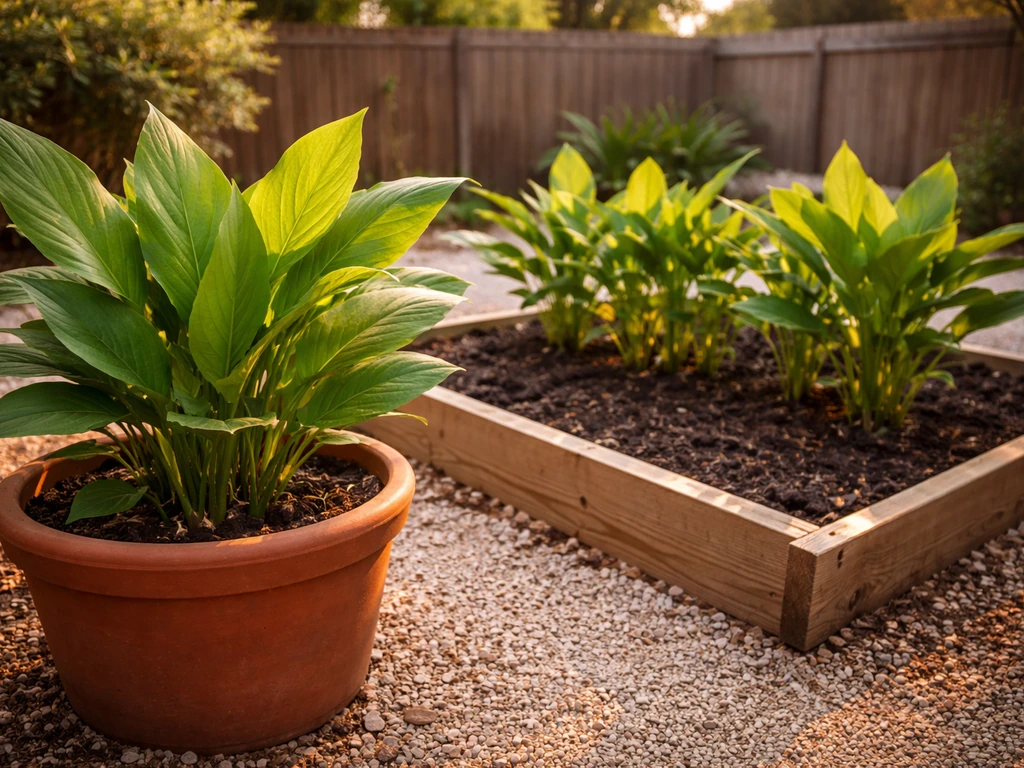
Learn if you can grow turmeric in Texas and get step-by-step container or in-ground instructions, timing, care, and harv