
Yes, you can grow turmeric in Texas, and honestly Texas is one of the better states in the continental U.S. for it. Most of the state has the heat turmeric craves, a long enough frost-free window for rhizomes to size up, and enough flexibility to grow it in-ground or in containers depending on where you live. If you're wondering can you grow turmeric in Ireland, the key factor is whether you can provide a long, frost-free warm growing period using a greenhouse or indoor containers. South Texas and the Rio Grande Valley can grow it almost year-round. North Texas and the Panhandle need a little more planning, mainly starting rhizomes early indoors to stretch the season, but it's still very doable. The main things that trip people up are planting too late, overwatering in clay soil, and getting caught by an unexpected cold snap in fall before digging. Solve those three things and you'll have usable rhizomes by late fall.
Can You Grow Turmeric in Texas? How to Succeed

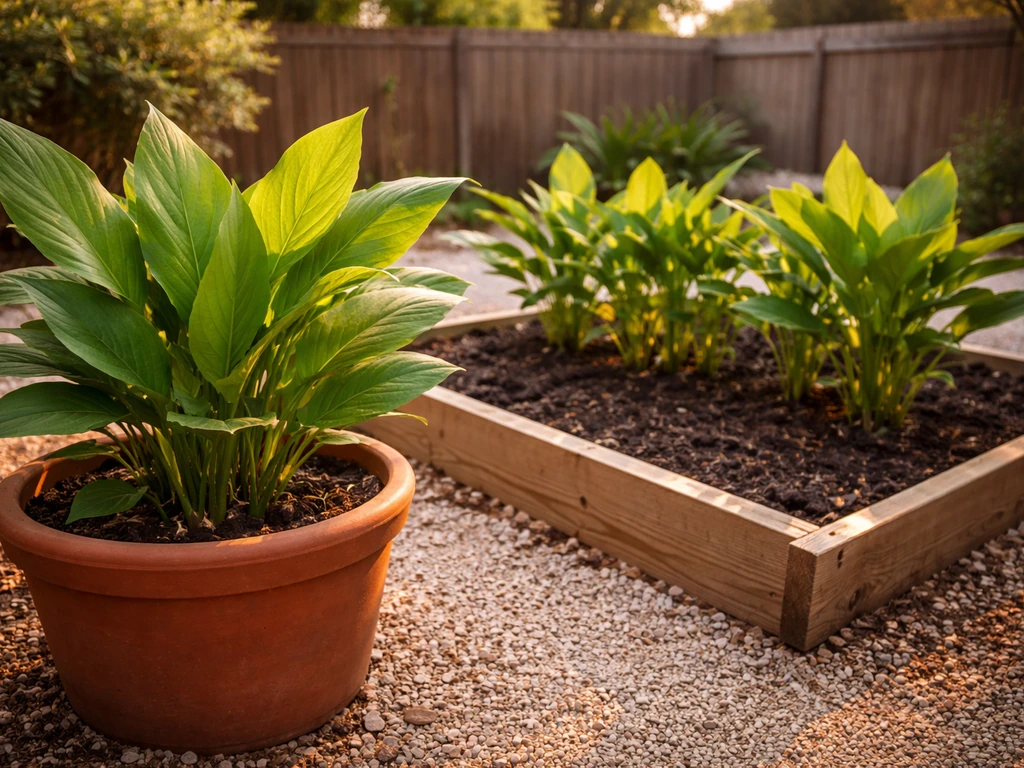
Texas climate and turmeric feasibility
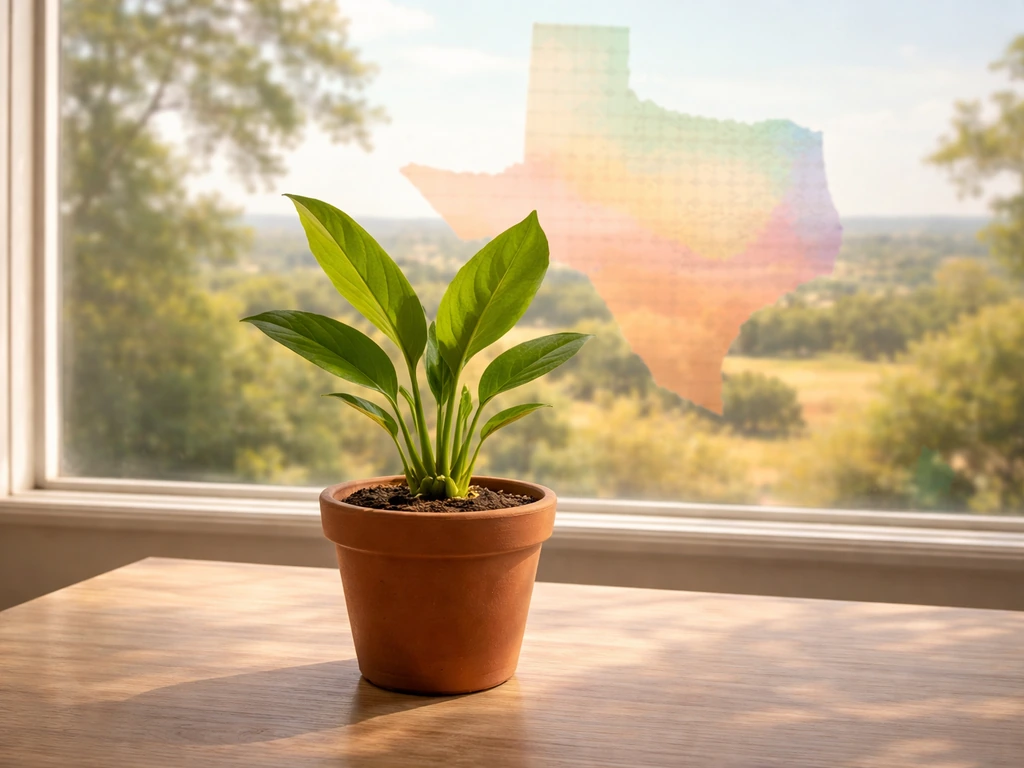
Texas spans USDA hardiness zones roughly 6b in the Panhandle through zone 10a in the Rio Grande Valley, which is an enormous range. For turmeric, what matters most isn't the winter low (though that matters for overwintering) but the length of the warm growing season. Turmeric needs about 8 to 10 months of frost-free, warm conditions to produce sizeable rhizomes. That's a long ask for a lot of places in the U.S., but most of Texas can actually pull it off.
In South Texas and the Valley, last frost dates can fall as early as January or February, and first fall frosts don't arrive until December or later. That's close to a full year of potential growing time. Central Texas, including Austin and San Antonio, typically sees last frosts in mid-February to mid-March and first fall frosts in late November to December, giving you 9 to 10 months. North Texas around Dallas sees last frosts in early March and first fall frosts in late November, which is closer to 8 to 9 months. Push the start date with indoor pre-sprouting and you can make that work. The Panhandle, with last frosts in April and first frosts in October, is the tightest window at 6 to 7 months, and there you'll want to lean heavily on containers you can move inside.
Texas summers are genuinely hot, sometimes uncomfortably so, but turmeric actually handles that better than you'd expect. Rhizome development is best between 75°F and 95°F, which describes most Texas summers perfectly. The plant can struggle above 100°F with intense direct sun, especially if soil moisture isn't consistent, but in a typical Texas summer with afternoon shade and regular watering, it pushes through fine. Compare that to growing turmeric in Michigan or Minnesota, where the growing season is short enough that getting a full harvest is a real challenge without a greenhouse. Texas has a clear advantage.
Choosing the right turmeric type and where to get rhizomes
For Texas home gardeners, Curcuma longa (common yellow turmeric) is the standard choice. It's the one you'll find in Indian cooking, it's proven in warm climates, and it's rated hardy in zones 7 through 11, which covers essentially all of Texas except the far north Panhandle. It grows 3 to 4 feet tall, handles Texas summers well, and is the easiest to source. There are other Curcuma species sold as ornamentals, but if you want actual edible rhizomes, stick with Curcuma longa.
The best rhizomes for planting are fresh, plump, and have visible buds or nubs on them. You have a few options for sourcing. Seed companies like Gurney's sell certified seed rhizomes specifically for planting, which reduces disease risk. Specialty herb nurseries sometimes carry them in spring. Asian grocery stores in Houston, Dallas, or Austin often stock fresh turmeric root that will sprout just fine, and I've used grocery store rhizomes with good results. Just avoid anything that looks shriveled, soft, or moldy. The University of Kentucky's crop research emphasizes starting with disease-free planting material because soil-borne diseases can wipe out a turmeric planting quickly, and that advice holds for home gardens too.
If you're dividing larger rhizomes before planting, cut them into pieces with at least one or two buds each and let the cut surfaces air-dry for a couple of days before planting. This callusing step lets the wound dry out and form a protective layer, which significantly cuts down on rot right after planting. Texas A&M AgriLife recommends this same approach for ginger, which is in the same family, and it transfers directly to turmeric.
Planting timing and bed or container setup in Texas
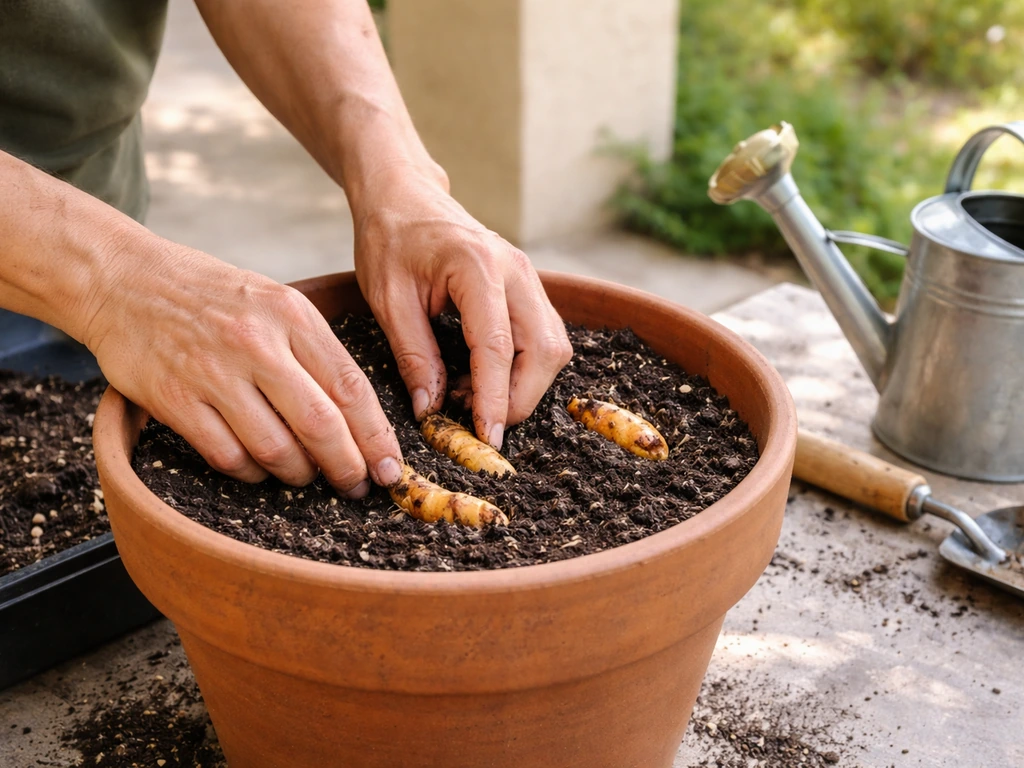
Timing is the most critical decision you'll make. Turmeric won't grow when soil temperatures are below 60°F and sprouts very slowly below 68°F, so planting into cold soil just results in rhizomes sitting there rotting. Your goal is to get rhizomes into warm soil as early as possible to maximize the growing season, but not so early that a late frost kills newly emerged shoots.
The smartest move, regardless of where you are in Texas, is to pre-sprout your rhizomes indoors 8 to 10 weeks before your planned outdoor planting date. Place them in a warm spot (a heat mat set around 75 to 80°F works well), barely moist but not wet, and check every few days. Sprouts typically emerge in 14 to 28 days. JSTAGE reports that turmeric emergence timing varies with planting month and temperature, showing that planting date affects how quickly shoots emerge blank" rel="noopener noreferrer">Sprouts typically emerge in 14 to 28 days. Once they've got green shoots, they're ready to plant out or pot up.
| Texas Region | Last Frost (approx.) | Start Pre-Sprouting Indoors | Plant Outdoors/Transplant | Expect Harvest |
|---|---|---|---|---|
| Rio Grande Valley / South TX | Jan–Feb | November–December | February–March | October–November |
| San Antonio / Austin | Mid-Feb to mid-Mar | December–January | March–April | November–December |
| Dallas / Fort Worth | Early March | January | Late March–April | November |
| Lubbock / Amarillo (Panhandle) | Mid-April | February | Early May (containers) | October (dig before frost) |
For in-ground beds, choose a spot with well-drained soil and plan to amend it heavily before planting. Raised beds are excellent in Texas because they drain better than flat clay-heavy ground and warm up faster in spring. For containers, use pots at least 15 inches wide and 15 inches deep per plant. Turmeric spreads underground through rhizome growth, so it needs room. A five-gallon pot will work for a single plant but a 10 to 15 gallon pot gives you much better yields.
Plant rhizomes about 2 to 4 inches deep with the buds pointing up. If you pre-sprouted them and the sprout is already several inches long, be gentle with it. Space multiple rhizomes about 12 to 18 inches apart in beds. In containers, one rhizome per 15-inch pot or two to three in a large (20-gallon plus) container works well.
Soil, watering, and fertilization for home gardeners
Turmeric wants loose, well-draining soil that still holds moisture consistently. That sounds like a contradiction but it isn't. You want soil that doesn't pool water after rain (which causes rhizome rot) but also doesn't dry out completely between waterings. In Texas, especially Central and North Texas where clay is common, this means you almost certainly need to amend your native soil heavily or skip it entirely and use a quality potting mix.
For in-ground beds, dig down 12 inches and mix in generous amounts of compost (at least 3 to 4 inches worked in), and if you have clay, add some coarse sand or perlite to improve drainage. Raised beds filled with a mix of compost, topsoil, and perlite work very well. For containers, use a high-quality potting mix rather than garden soil, which compacts too much in pots.
Watering is where a lot of Texas gardeners go wrong in both directions. Turmeric needs consistent moisture, especially once leaves are fully up, but it absolutely cannot sit in waterlogged soil. During the active growing season in Texas (spring through summer), plan to water deeply two to three times per week, or more often during heat waves, checking that the top inch of soil isn't bone dry. In containers, check daily in July and August because pots dry out fast in Texas heat. Right after planting, water lightly and mist rather than soaking, which reduces rot risk before the plant is established.
For fertilizer, turmeric is a moderate feeder. A balanced slow-release granular fertilizer worked into the soil at planting gives a good foundation. After that, side-dress with compost every 6 to 8 weeks, or use a diluted balanced liquid fertilizer every 3 to 4 weeks during the growing season. Once you start seeing leaves yellow and die back in fall, stop fertilizing and begin reducing water as the plant heads toward dormancy.
Sunlight and temperature management in Texas heat and cold
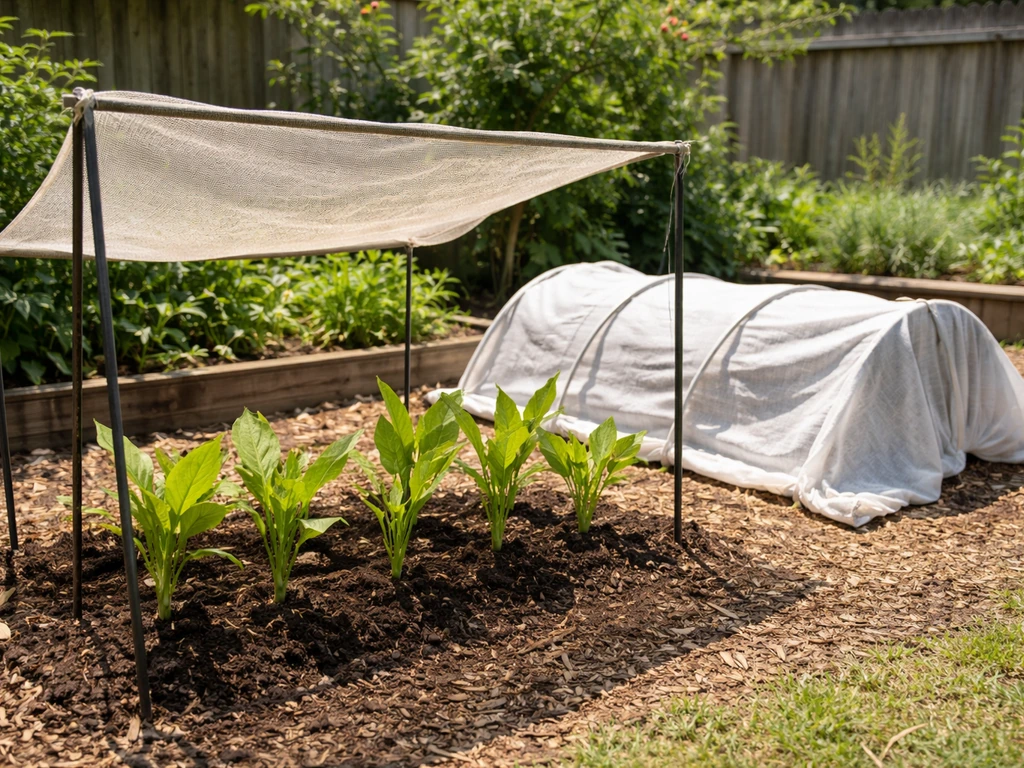
Turmeric grows best in full sun, meaning 6 or more hours of direct sunlight daily. In most of Texas, full sun is not the limiting factor, but intense afternoon sun during July and August can stress plants if soil moisture isn't kept up. If you're in Central or South Texas where summer temps regularly hit 100°F or above, a spot with morning sun and some afternoon shade (from a tree, fence, or structure) can actually improve plant health and reduce your watering burden. Aim for at least 6 hours of light regardless.
Cold is the bigger threat in Texas. Turmeric cannot tolerate frost. A hard freeze will kill the foliage instantly and can damage or kill the rhizomes if they're shallow or the freeze is sustained. In South Texas this is rarely a concern, but North Texas and the Panhandle see periodic hard freezes, including occasional polar vortex events that can push temperatures well below 20°F for multiple days. For in-ground plantings in North Texas, have frost cloth or old blankets ready to throw over plants in fall if an early freeze is predicted. Better yet, grow in containers you can bring inside.
As nights cool into the 50s in October and November, turmeric naturally begins shutting down. Leaves yellow, then brown, and the plant looks like it's dying. It is, above ground, but the rhizomes underground are fine, and this is actually the signal that they're mature and ready to harvest. Don't panic and don't yank them immediately. This die-back is normal dormancy behavior. If you're in a zone where the ground won't freeze hard, you can leave rhizomes in the ground through mild winters; otherwise, dig before a freeze hits.
Growing timeline, care checklist, and common problems
From planting pre-sprouted rhizomes in the ground, expect visible shoots in 2 to 4 weeks. The plant grows slowly for the first couple of months, producing mostly root and rhizome structure underground before really pushing leaves up. By midsummer you'll have a lush, 3 to 4-foot plant with broad tropical-looking leaves. Rhizome development ramps up in the second half of the growing season, particularly in late summer and fall as the plant senses shortening days. The full 8 to 10 months from planting to harvest is real, not padded.
Here's a simple care checklist to run through each month during the growing season:
- Spring (planting month): Plant pre-sprouted rhizomes at correct depth, water lightly, mulch 2 to 3 inches deep to retain moisture and moderate soil temperature
- Early summer: Water consistently, begin fertilizing every 3 to 4 weeks, watch for pests
- Midsummer: Maintain moisture through heat, check containers daily, provide afternoon shade if temps exceed 100°F regularly
- Late summer: Continue watering, reduce fertilizer, watch for leaves beginning to yellow (normal as season shifts)
- Fall: Begin reducing water as leaves yellow and die back, stop fertilizing, monitor overnight lows and have frost protection ready
- Late fall: Dig rhizomes when foliage has mostly browned or before first frost, whichever comes first
Common problems Texas growers run into include rhizome rot, slow or no emergence, and spider mites. Rot is almost always a drainage or overwatering issue early in the season or after planting into soil that's still too cold and wet. Slow emergence usually means the soil isn't warm enough yet. Patience helps, but if nothing shows after 6 weeks in warm conditions, the rhizome may have rotted. Dig it up and check. Spider mites are common in hot, dry Texas summers, especially on plants under stress. A strong spray of water knocks them back, and neem oil works as a treatment if they persist. Leaf spots and fungal issues can show up in humid East Texas; improving air circulation and avoiding overhead watering helps.
Harvesting, curing, and storing your turmeric
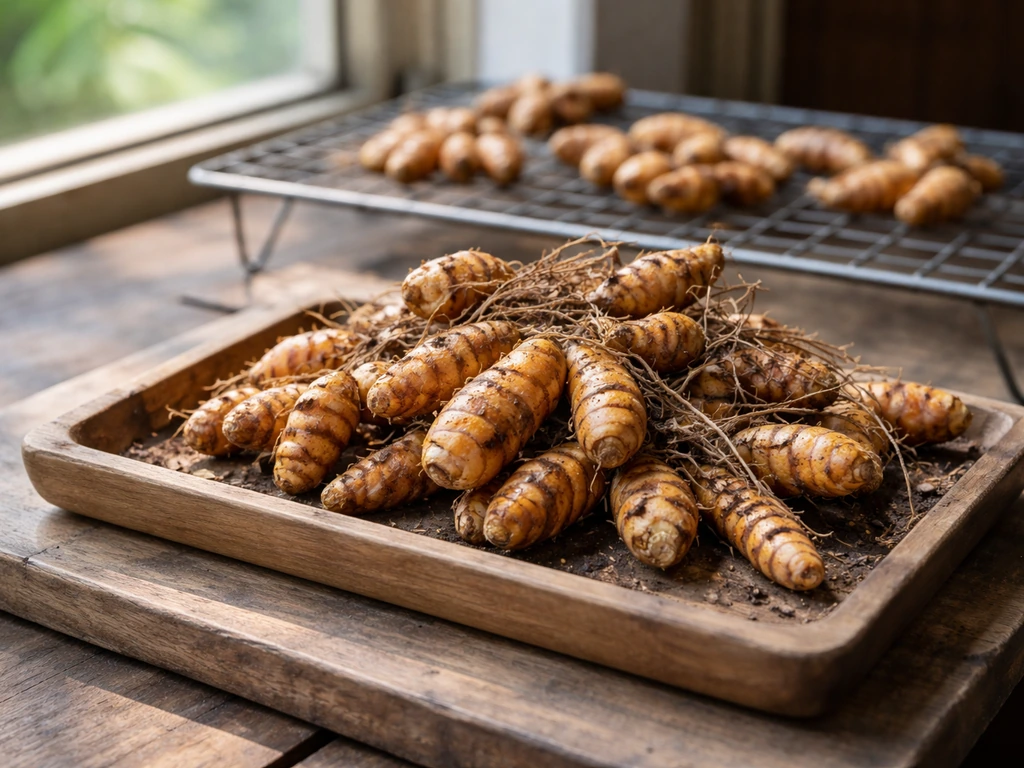
Harvest timing is straightforward: dig when the foliage has browned and died back, or when you're close to your first expected frost and the foliage has at least started to yellow. For most of Texas this means late October through December depending on your region. Use a garden fork rather than a spade to avoid slicing through rhizomes. Work outward from the base of the plant and lever the clump up gently. The root mass will be larger than you expect, often extending a foot or more in all directions from where you planted.
After digging, shake off loose soil and rinse the rhizomes. Set aside the best-looking pieces (firm, with buds visible) for replanting next season. For the rest, cure them before storing or using. Curing means letting them dry in a well-ventilated spot for 3 to 7 days, ideally in open-weave onion bags or spread on a rack with airflow all around. This drying period allows a thin, decay-resistant skin to form on the surface, which dramatically extends how long they'll keep.
Once cured, you can store turmeric rhizomes in a cool, dry location for several weeks, refrigerate them for a couple of months, or freeze them for up to a year. For fresh use in cooking, just rinse, peel, and grate or slice. For dried turmeric powder, slice the rhizomes thin, dry them in a food dehydrator or low oven (around 140°F) until completely dry and brittle, then grind in a spice grinder. Homegrown turmeric powder is noticeably more aromatic than store-bought.
Overwintering strategies and realistic yield expectations
In South Texas and the Valley, turmeric can stay in the ground year-round in mild winters. If you get a brief frost, the foliage may die back but the rhizomes survive if the ground doesn't freeze hard. Just mulch heavily over the bed and they'll re-sprout in spring. This is the easiest situation and means you can essentially treat it like a perennial.
In Central Texas, in-ground plants often survive mild winters with heavy mulching over the root zone, but a hard freeze will kill rhizomes left unprotected close to the surface. The safer play is to dig a portion of the rhizomes each fall, store them indoors, and replant in spring. If you want to leave some in the ground, mound 4 to 6 inches of straw mulch over the bed before cold hits.
In North Texas and the Panhandle, containers are your best friend for overwintering. For similar success in colder areas like Minnesota, you can grow turmeric in containers and bring them indoors before frost grow turmeric in Minnesota. Bring pots into the garage or a shed when overnight lows drop below 50°F consistently. You don't need to keep them warm all winter, just frost-free. Water sparingly during dormancy, about once or twice a month, enough to keep the rhizomes from completely desiccating. In spring, move them back out once nights stay above 55°F and growth resumes on its own.
For yield expectations, a single rhizome planted in spring in a 15-gallon container can realistically produce 1 to 2 pounds of fresh rhizomes by fall. In a well-prepared in-ground bed with good conditions, you can expect 3 to 5 times the original planting weight, sometimes more. First-year harvests are usually modest. Second and third-year plants, especially if you overwinter and replant the larger rhizome clusters, produce considerably more. Don't judge turmeric by year one alone. I've seen gardeners give up after a small first harvest, then hear from neighbors who kept going that their yield tripled by year three. Set realistic expectations for the first season, and you won't be disappointed.
If you're reading this in late spring or early summer and you haven't planted yet, start pre-sprouting rhizomes now and get them in the ground or into large containers within the next few weeks. The later you plant, the less time rhizomes have to size up before cold shuts growth down. If it's already fall and you missed the season, order rhizomes now, store them cool and dry over winter, and hit the ground running in January (South Texas) or February to March (Central and North Texas) with indoor pre-sprouting. Either way, Texas is genuinely one of the easier places in the country to pull off a real turmeric harvest. Georgia can be tougher than Texas for turmeric, but with warm-enough conditions and indoor starting you may still be able to grow it can you grow turmeric in georgia.
FAQ
What if my turmeric shoots slow down or never emerge in Texas?
First confirm soil temperature is staying above about 68°F, turmeric sits and rots when the ground is cold and wet. After about 4 to 6 weeks in consistently warm conditions, dig one plant and check the rhizome is firm (not mushy). If it feels soft, your drainage or watering timing is likely the issue, not the rhizome itself.
Can I plant turmeric directly outdoors without pre-sprouting it?
Yes, but it is higher risk in Texas if you plant into marginally warm weeks. Pre-sprouting helps you gain time during the period when the plant is slow to start, it also makes it easier to place sprouts at the right depth and reduces the chance you accidentally leave the rhizome sitting too long.
How deep should I plant turmeric if I pre-sprout and the sprout is already long?
Keep the rhizome 2 to 4 inches deep overall, but handle the sprout gently. Aim to bury the rhizome itself at that depth while letting the sprout emerge without bending it sharply. If you have to, trim only broken ends, then keep the soil evenly moist but never waterlogged during the first couple weeks.
How do I water turmeric in Texas clay if it drains poorly?
Use a drainage-first approach, raised beds with a compost and perlite blend usually perform better than amending heavy native clay in place. If you water deeply, let the top inch dry slightly before the next deep watering. In containers, check daily in summer, pots can dry quickly and also drown plants if runoff blocks drainage.
Should I fertilize turmeric in summer heat, and how much is too much?
Use a moderate plan, balanced slow-release at planting plus compost side-dress every 6 to 8 weeks is usually enough. Over-fertilizing can push lots of leafy growth at the expense of rhizome development. Stop feeding when leaves start yellowing in fall, and do not continue high-nitrogen products late in the season.
What do I do if leaves get sunburned during Texas heat waves?
If leaves look bleached, crispy, or have brown scorch edges, provide afternoon shade and smooth out watering consistency. You can also raise the container on feet or use light-colored mulch around the base to reduce soil overheating. Avoid overhead watering during scorching hours because it can worsen leaf spotting and fungal issues.
Is spider mites or rot more likely in Texas, and how can I tell early?
Spider mites usually show up as stippling (tiny pale dots) and fine webbing on leaf undersides during hot, dry stretches. Rot presents as mushy rhizome or sudden wilting with soil staying wet, often after planting or heavy rain. If a plant collapses but soil is consistently wet, check the rhizome immediately rather than just treating the foliage.
Can I grow turmeric in smaller containers than 15 gallons?
You can start in smaller pots, but yields will be limited because rhizomes spread underground. For best results, plan at least one rhizome per 15-inch deep, 15-inch wide pot (or one larger container with room to expand). If you must use a 5-gallon pot, expect smaller rhizomes and consider that you may need earlier harvest.
When should I overwinter turmeric in Texas, dig it up or cover it?
Base the decision on whether hard freezes reach your area and whether your plant is shallow. In-ground in Central Texas with uncertain freezes is higher risk, covering may work for mild winters but not for sustained hard freezes. For North Texas and the Panhandle, overwinter in containers indoors to stay frost-free, and water sparingly during dormancy.
How do I harvest without damaging rhizomes?
Wait for foliage to brown and die back, then dig outward using a garden fork instead of a spade to avoid slicing rhizomes. The mass often extends wider than you expect, so lever gently from the outer edge and lift the clump in stages. Replant only firm pieces with visible buds or nubs.
What is curing, and how do I store homegrown turmeric safely?
Curing is drying rhizomes in a well-ventilated, shaded area for about 3 to 7 days so surface wounds seal. After curing, store in a cool, dry place with airflow. Refrigeration works for longer freshness in many homes, but avoid storing in sealed damp containers that encourage mold.
Learn if you can grow turmeric in Michigan and get a step-by-step guide from indoor starts to harvest and overwintering.
Learn where black pepper can be grown in the US and how to grow it indoors or in warm zones for fruit.

Regional guide to growing caper plants in the US, choosing cultivars, meeting soil and climate needs, and harvesting bud