
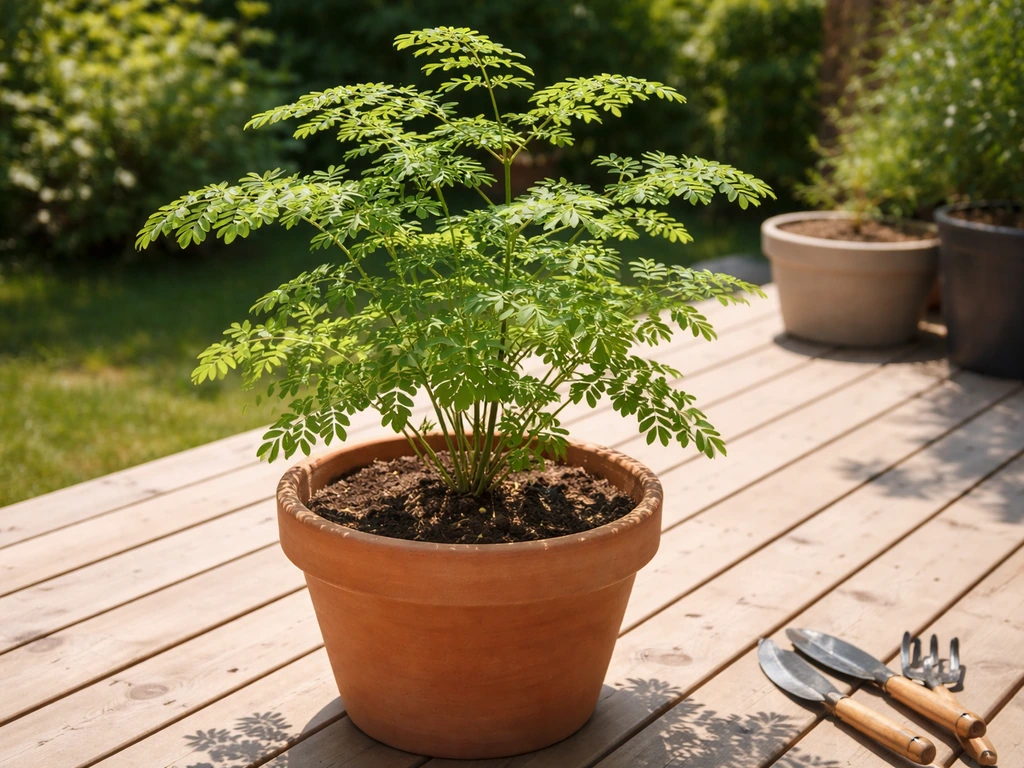
Yes, moringa can grow in Canada, but not the way it does in tropical climates. You're not going to plant one in your backyard and harvest from a towering tree year after year. What you can do is grow moringa in a container, move it outside for the warm summer months, and overwinter it indoors. Done right, you'll get real leaves and a healthy plant. Done wrong, one frost kills it and you're starting over. The key is treating moringa as a container-grown, frost-tender tropical that gets a Canadian summer vacation, not as a landscape tree.
Does Moringa Grow in Canada? How to Grow It at Home

Marcus Petersen
3 Jul 2026
Why Canada is so tricky for moringa
Moringa oleifera is a heat-first plant. Its optimal growing temperature is 25–35°C (77–95°F), and it genuinely thrives in that band. Research confirms that seedlings are more frost-sensitive than mature plants, and even established trees have no meaningful freeze tolerance or cold acclimation ability. A light frost can damage foliage; a hard freeze kills the above-ground plant, and in most of Canada, repeated overnight freezes in winter will kill the roots too if they're unprotected.
Most of Canada sits firmly in USDA hardiness zones 3–6, with even the warmest pockets around Vancouver, Victoria, and the Niagara Peninsula reaching zone 7–8 in limited microclimates. For context, blank" rel="noopener noreferrer">moringa is typically grown outdoors year-round only in zones 9–11. In North Carolina, moringa is often easier to grow outdoors because temperatures can better match its heat-loving needs zones 9–11. The frost-free growing window in most Canadian cities is roughly 90–160 days, which is enough to get good leaf production from a container plant but not enough to build the tree-sized perennial growth people picture when they think of moringa.
Light is the other constraint nobody talks about enough. Canadian summers are long in daylight hours, which helps. But the shoulder seasons, spring and fall, deliver weak, low-angle sun. Moringa wants full, intense sun all day. If your outdoor space is partially shaded or you're relying on indoor lighting through the winter, expect slow, leggy growth rather than the bushy, productive plant you're aiming for.
Container growing vs. greenhouse vs. outdoor planting
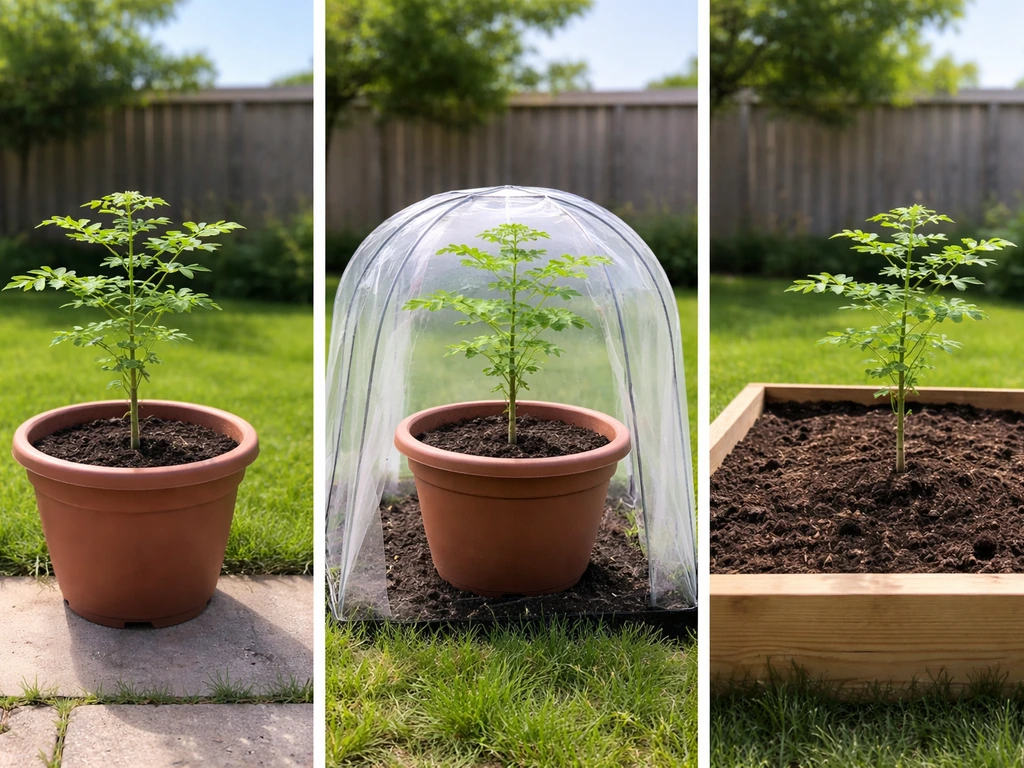
For most Canadian gardeners, containers are the only realistic option. Here's how the three main approaches stack up:
| Setup | Feasibility in Canada | Best for | Main limitation |
|---|---|---|---|
| Container (indoor/outdoor rotation) | High | Most of Canada, all zones | Plant stays smaller; needs indoor space in winter |
| Greenhouse | High | Serious growers, year-round production | Cost and infrastructure; still needs heat in winter |
| Outdoor in-ground | Low to none | Zone 8+ microclimates only, annual basis | Single frost event ends the plant; no overwintering |
Containers win for most hobbyists because they let you chase warmth. You start the plant indoors in late winter, move it outside once the weather cooperates, and bring it back in before the first fall frost. A 15–20 gallon pot gives a moringa enough root space to grow vigorously through the summer without becoming impossible to move. If you go larger, consider a wheeled plant caddy early, not after the plant gets heavy.
A greenhouse lets you extend the season significantly and even attempt modest year-round production, but you'll still need supplemental heat in most Canadian winters. An unheated greenhouse in Ontario or Alberta will freeze. If you have a heated growing space that holds above 10°C overnight, moringa will stay alive and grow slowly through winter, which gives you a real head start in spring.
Starting moringa: seeds vs. cuttings and when to plant
Seeds are the most common starting point and they're widely available online. Moringa seeds germinate fast, usually within 5–12 days, when kept warm (above 25°C). That makes a heat mat genuinely useful here, not optional. I've had seeds rot in cool soil before I figured that out. Plant seeds about 2 cm deep in a small starter pot, keep the soil warm and barely moist, and you'll typically see the first shoots within a week or two.
Cuttings are a faster route to a productive plant, but sourcing them in Canada is harder. If you or someone you know already has a mature moringa, take a hardwood cutting about 45–90 cm long and at least 4–5 cm in diameter in late winter, let it dry for a day to callous, then plant it in sandy soil. Cuttings skip the slow seedling phase but don't root as reliably as seeds germinate, so expect some attrition.
Timing matters a lot in Canada. Start seeds or establish cuttings indoors in February or March. This gives you a plant with some size and root mass before it goes outside, and it means you're maximizing the outdoor summer window. Planting in May and expecting to move outside in late May or June is tight. Starting in March gives you a real buffer.
Care basics: soil, water, fertilizer, and light
Soil
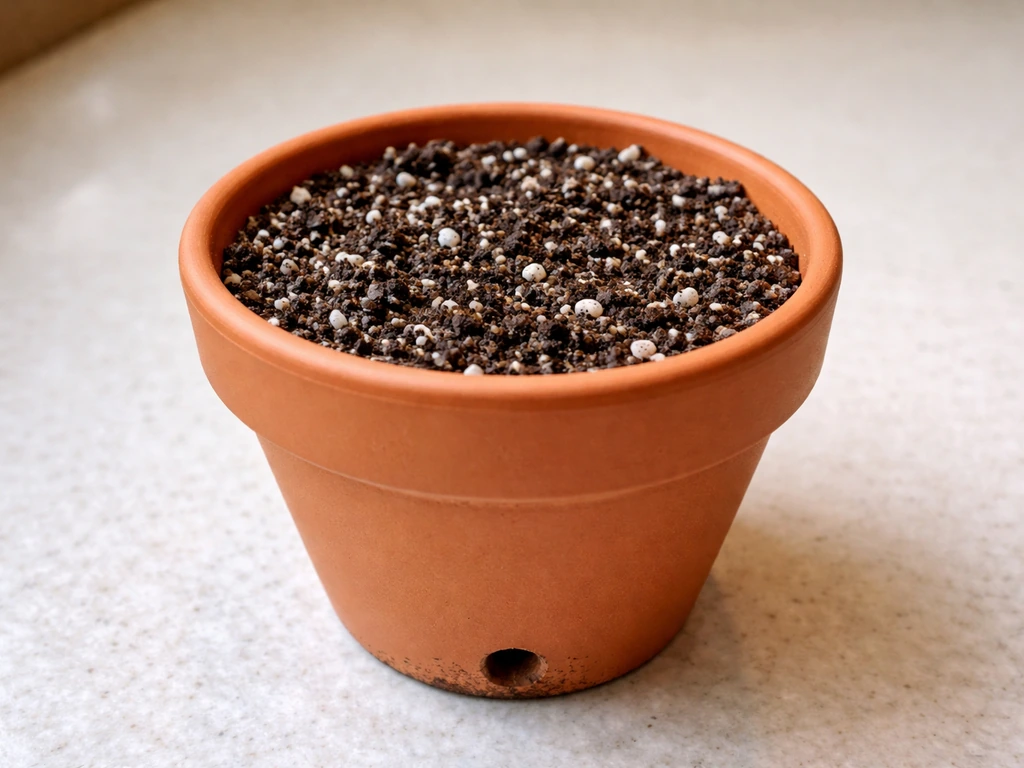
Moringa hates sitting in wet soil. Use a very well-draining mix, ideally a sandy loam or a standard potting mix cut with about 30% perlite or coarse sand. Moringa is actually quite forgiving on soil pH, tolerating a range of roughly 5.0–9.0, but it will rot at the roots in poorly draining, heavy soil much faster than most plants. Make sure your container has drainage holes and that water doesn't pool in a saucer.
Watering
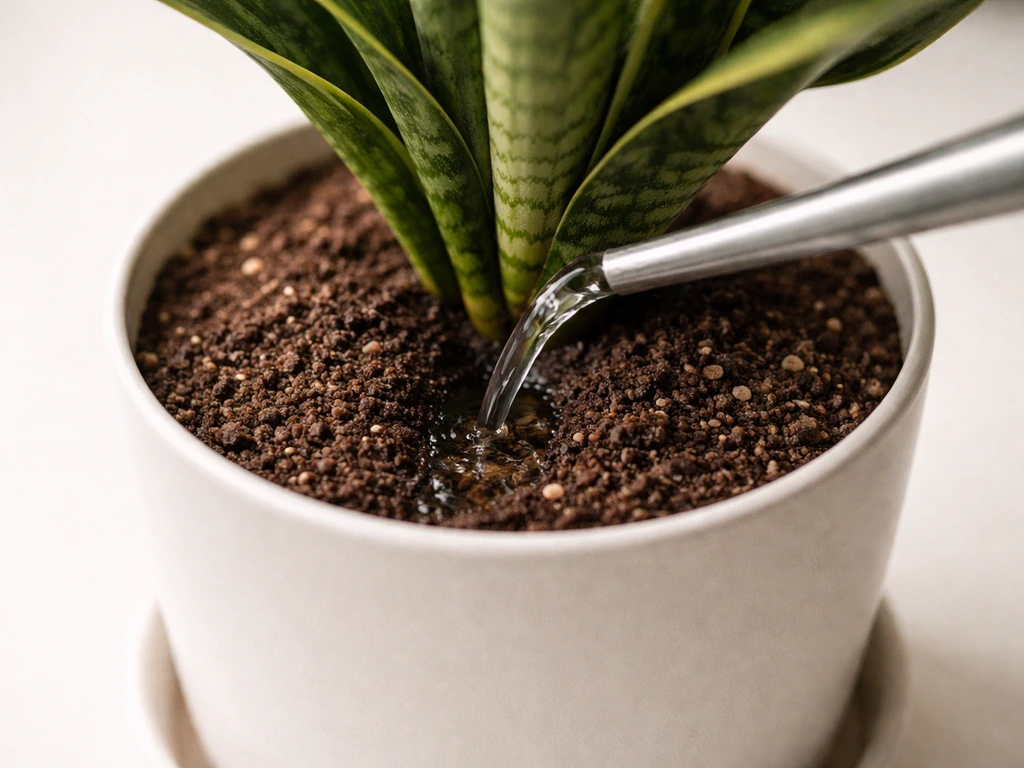
Water deeply but infrequently. Let the top few centimetres of soil dry out between waterings, especially while the plant is indoors. Overwatering is the most common way to kill a moringa in a Canadian winter. The plant slows dramatically in lower light and cooler temperatures, and if the soil stays wet, root rot sets in quietly before you notice. In summer outdoors, moringa is more drought-tolerant than most garden plants and actually prefers to dry out between waterings.
Fertilizing
Feed lightly with a balanced fertilizer every 3–4 weeks during active growth (spring through summer). Moringa in containers needs more frequent feeding than in-ground plants because nutrients flush out with every watering. Back off entirely in fall and winter when the plant is barely growing. Over-fertilizing a slow-growing indoor moringa in November just pushes weak, pale growth that's vulnerable to pests.
Light
Full sun, all day, is what moringa wants. Indoors in a Canadian winter, even a south-facing window won't cut it for real growth. A grow light positioned close to the plant (within 30–40 cm for LED panels) for 14–16 hours a day is what keeps an overwintering moringa from becoming a sad, stretched stick. When the plant is outside in summer, put it in the sunniest spot you have.
Making the most of the outdoor summer window
The Canadian outdoor window, roughly late May to mid-September depending on your region, is when your moringa will do most of its growing for the year. Moving it outside correctly makes the difference between a thriving summer plant and a stressed one.
Hardening off is non-negotiable. Moringa moved straight from an indoor windowsill to full afternoon sun will sunscald badly, dropping leaves and setting back growth by weeks. Spend 7–10 days transitioning it: start with a shaded or east-facing outdoor spot for a few hours a day, then gradually increase sun exposure and time outdoors. By the end of the process, the plant should be able to handle full direct sun all day without wilting or leaf burn.
Once outside, water more frequently since containers dry out fast on warm, windy days. Watch for aphids and spider mites, which love moringa foliage. A simple blast with the hose every few days usually keeps populations low without needing any sprays. Position the pot against a south-facing wall if you can, the reflected heat boosts growth noticeably in cooler climates.
Bring the plant back in before your first average frost date, which in most of Canada falls anywhere from early September (northern regions, Prairie provinces) to late October (southern BC, southern Ontario). Don't push it. A single overnight freeze will defoliate the plant and can kill a small container moringa outright. I learned this firsthand after waiting too long in October and coming out to a completely blackened plant. Check the forecast and move it indoors when overnight temperatures consistently drop below 10°C.
Overwintering moringa through a Canadian winter
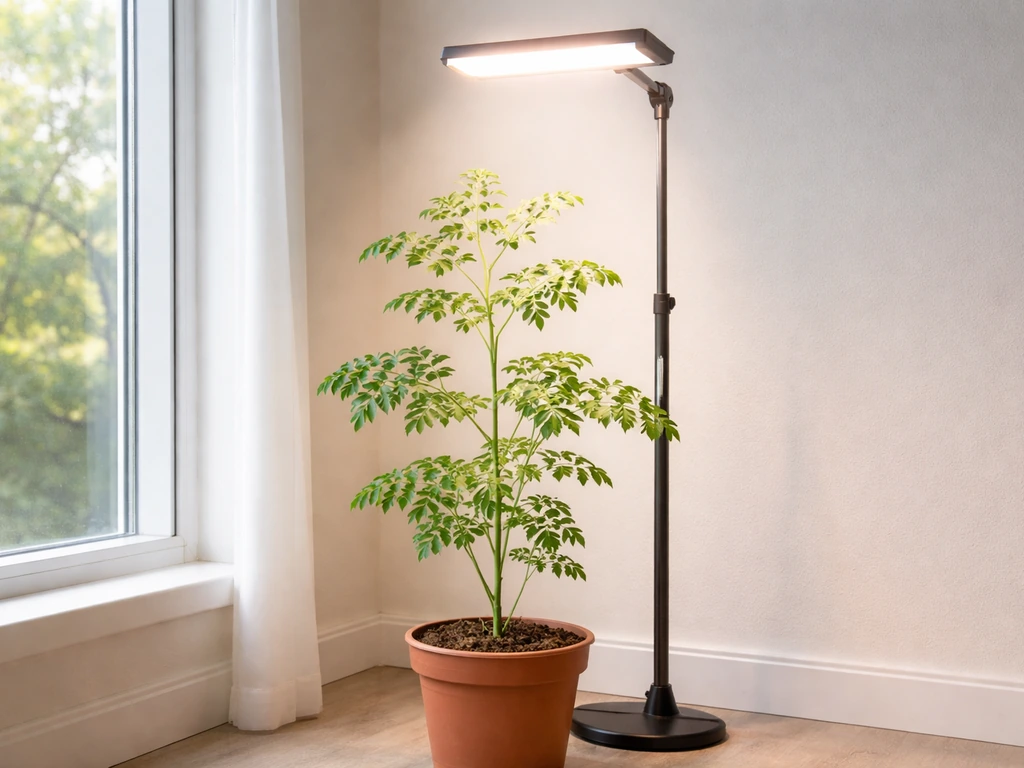
This is the stage most Canadian growers struggle with, and it's worth being honest: keeping moringa alive indoors through a Canadian winter is possible but requires real attention. The plant doesn't go dormant the way a temperate tree does. It just slows down dramatically and becomes much more vulnerable to root rot, pests, and stress from low light.
Your two main options are active indoor growing with supplemental light, or a semi-dormant rest strategy. With active growing, you keep the plant under grow lights, maintain temperatures above 18°C, and water sparingly. You won't get explosive growth, but the plant stays healthy and leafy and is ready to explode in spring. With the rest strategy, you cut the plant back hard (to about 60–90 cm), reduce watering to bare minimum (just enough to keep the roots from completely drying out), keep it somewhere that stays above 10°C, and accept it will look rough until spring. Both work. The active approach gives better results but costs more in electricity and attention.
A heated greenhouse that holds 15°C or above overnight is the gold-standard solution for Canadian moringa growers who are serious about it. The plant can grow slowly year-round, and by the time summer arrives, you have a large, established plant rather than starting from a small overwintered stub.
Troubleshooting and a realistic plan for where you live
The most common failure points I've seen and experienced with moringa in Canada come down to a short list: If you're wondering can moringa grow in georgia, the key factors are still warmth, full sun, and avoiding cold snaps or waterlogged soil.
- Starting too late indoors, then the outdoor window is over before the plant has done much growing
- Overwatering in winter, which causes root rot before the plant shows obvious symptoms
- Skipping hardening off, which causes sunscald and leaf drop that sets the plant back by weeks
- Waiting too long to bring the plant in before fall frost, often by just a day or two
- Relying on a window alone for winter light, resulting in a weak, leggy plant that enters spring in bad shape
Regionally, here's how to think about feasibility. In coastal BC, particularly the Vancouver and Victoria areas, you have the mildest Canadian winters and the longest frost-free seasons. A sheltered outdoor spot might keep moringa alive through a very mild winter with some protection, though this isn't reliable. Still, the growing season here is long enough to get impressive container growth. In southern Ontario and Quebec, you have hot summers that moringa loves, but cold, wet winters that require solid indoor overwintering. If you are wondering whether moringa can grow in Texas, the key factors are heat, frost-free conditions, and enough sun can moringa grow in Texas. In the Prairie provinces, short, intense summers give you a workable window but require earlier indoor starts and earlier fall retrieval. In Atlantic Canada and northern regions, the window is shorter and supplemental lighting in winter is even more important.
If you're serious about getting a productive moringa harvest in Canada, the most realistic path is: start seeds in late February under a grow light, use a heat mat for germination, transplant into a 15-gallon container by April, keep it under lights indoors until late May, harden it off carefully, then run it through the summer in the sunniest outdoor spot you have. Harvest leaves regularly through July and August. Bring it in by mid-September, cut back if needed, and keep it alive through winter under lights. By year two, you'll have a larger plant with a bigger root system that responds even faster to summer conditions. It's more work than most herbs, but it's genuinely doable for a patient hobbyist. If moringa's heat needs feel like a stretch for your setup, it's worth knowing that other regions, like Texas, Georgia, and California, can grow it outdoors with far less intervention, which is why most commercial growing happens there. In the U.S., moringa can grow outdoors in warmer regions and needs careful protection or indoor growing in colder areas Texas, Georgia, and California. But for a Canadian gardener who wants to grow their own, a container-grown, light-supplemented moringa is a realistic and rewarding project.
FAQ
What is the coldest temperature moringa can tolerate in Canada before it’s damaged?
Treat any overnight dip below about 10°C as a red flag. Light frost can burn foliage, and a hard freeze can kill above-ground growth. In containers, repeated cold snaps can also kill roots if the pot is not insulated, so aim to move indoors before nights consistently approach 10°C.
Do I need a grow light even if my moringa is in a south-facing window?
Usually yes for Canadian winters. A south window helps, but low-angle winter sun typically isn’t intense enough to prevent stretching and leaf drop. Keep a close, full-spectrum LED grow light running roughly 14 to 16 hours per day, positioned within 30 to 40 cm for best results.
How do I keep indoor moringa from getting root rot during winter?
Use the “dry top layer” rule and water much less than you would outdoors. Let the top few centimetres dry before watering again, use a very well-draining mix with about 30% perlite or coarse sand, and never let water pool in a saucer. Also avoid fertilizing in fall and winter.
Can I overwinter moringa without grow lights by putting it into dormancy?
Yes, but it’s a tradeoff. The semi-dormant approach means cutting it back (around 60 to 90 cm), keeping it above about 10°C, and watering only enough to prevent complete root drying. Expect sparse or rough-looking growth until spring, and ensure the storage spot is bright enough to avoid excessive dieback.
How big should my container be for Canadian summer growth?
Aim for about a 15 to 20 gallon pot for most hobby setups. Smaller pots dry out too fast and are harder to keep warm, while much larger pots can be heavy to move. If you go larger, plan for a wheeled caddy early, before the plant becomes hard to reposition.
When should I move moringa outdoors, and how should I harden it off?
Don’t rely on the calendar alone, watch night temperatures and sun strength. Begin hardening off 7 to 10 days before full exposure, starting in shade or an east-facing spot for a few hours, then gradually increasing direct sun. If you skip this, moringa can sunscald and drop leaves even if temperatures seem mild.
Why do my moringa leaves turn yellow indoors even though I’m watering carefully?
The most common cause is low light during slow winter growth, which can also make plants look pale. Overwatering can contribute, but if the mix drains well and soil dries between waterings, boost light duration and intensity with a grow light. Yellowing plus stretching is especially a light signal, not a fertilizer signal.
Will moringa grow from cuttings in Canada, and what’s the biggest risk?
Cuttings can produce a faster-sized plant, but sourcing and rooting reliability are the limiting factors. The biggest practical risk is inconsistent callusing and planting conditions, or planting in soil that stays too wet. Let cuttings dry to callous for a day, then plant in sandy, fast-draining media and keep conditions warm.
How often can I harvest moringa leaves in summer in Canada?
Harvest regularly during active outdoor growth, typically through July and August in most regions. Don’t take heavy cuts repeatedly right after a stress event like windy weather, heat spikes, or a recent sunburn recovery. If the plant seems sluggish, pause harvesting for a couple of weeks to rebuild leaf mass.
Is it possible to keep moringa outside year-round anywhere in Canada?
Only in unusual, reliably mild microclimates with strong protection, and even then it’s not dependable. Coastal BC can have longer frost-free seasons, but Canada’s winter freezes and damp cold are still a major risk. The safer approach for most gardeners is container growth and indoor overwintering.
Next Articles
Can Moringa Grow in North Carolina? How to Succeed
Yes, moringa can grow in North Carolina as an annual or container plant; get heat, timing, and winter protection tips.
Can Moringa Grow in Texas? How to Plant and Overwinter It
Find out if moringa grows in Texas and get step-by-step planting, watering, and overwintering for seed or cuttings.
Can Moringa Grow in the US? Climate, Zones, and How to Grow It
Can moringa grow in the US? Check climate and USDA zones, then learn site, planting, and overwintering steps.