
Yes, moringa can grow in the U.S., but not everywhere and not always year-round. If you're in USDA hardiness zone 9b or warmer, you can grow it outdoors in the ground and expect it to come back each year. That covers parts of Southern California, Southern Texas, South Florida, and similar climates. Everywhere else, moringa is either a warm-season annual or a container plant you bring indoors before the first frost. It's genuinely worth growing in a wide range of U.S. climates, but you need a realistic plan that matches your zone.
Can Moringa Grow in the US? Climate, Zones, and How to Grow It
Marcus Petersen
27 May 2026
Where moringa can (and can't) grow in the US
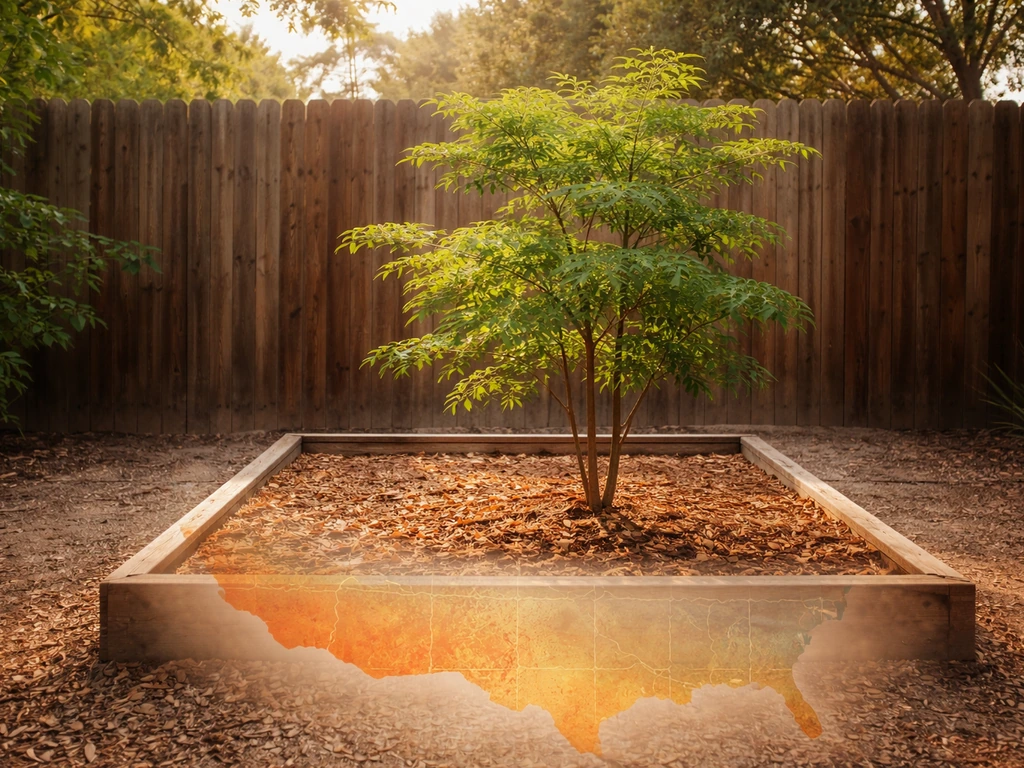
Moringa oleifera is native to tropical and subtropical regions, and that origin shapes everything about its U.S. feasibility. The clearest guidance comes from University of California cooperative extension, which identifies zones 9b and warmer as the sweet spot for outdoor, in-ground cultivation. In those zones, moringa survives mild winters and grows aggressively in summer. California's Central Valley is a good example: Hmong American farmers there have grown moringa successfully at commercial scale, and UC Davis has backed research into it as an emerging California crop. Similarly, parts of South Texas and South Florida sit squarely in that warm-zone range.
But zone 9b is not as common as people assume. Fresno, California, which is often cited as a moringa success story, actually sees moringa die back to the ground in winter without protection. That tells you how narrow the fully frost-free window really is. Once you drop to zone 9a and below, you're managing moringa more carefully: either treating it as an annual, growing it in a container, or protecting it aggressively through winter. In zones 7 and colder, outdoor survival through winter without a greenhouse is essentially off the table.
| USDA Zone | Region Examples | Realistic Approach |
|---|---|---|
| 10–13 | South Florida, southernmost Texas, Hawaii | Year-round outdoor growth, full perennial |
| 9b | Central Valley CA, coastal Southern CA, parts of South TX | Outdoor perennial with some winter dieback risk |
| 9a | Inland Southern CA, parts of AZ and TX | Marginal outdoors; protect roots or use containers |
| 7–8 | Carolinas, Georgia, Pacific NW, much of TX | Grow as annual or in containers; bring indoors in winter |
| 6 and below | Midwest, Northeast, Mountain West | Container only; treat as a warm-season annual |
Gardeners in Georgia, North Carolina, and Texas often have enough summer heat to get impressive growth from moringa, but they still need a plan for winter. Those states are genuinely interesting middle-ground cases where the summer growing season is long and hot enough to make moringa very productive, even if you can't keep it alive year-round outdoors. If you live in Texas, focus on the parts of the state with the longest, warmest summers and plan for winter protection or container growing moringa grow in Texas.
Moringa basics that affect US success
Moringa is not just cold-sensitive, it's cold-intolerant. Temperatures below 0°C (32°F) cause real cellular damage: controlled studies using physiological indicators like chlorophyll fluorescence and electrolyte leakage show that freezing stress actively injures the plant rather than just slowing it down. A 2026 review on cold stress in moringa frames the plant's response to low temperatures as a physiological struggle, not a built-in survival mechanism. This is not a plant that quietly goes dormant like a perennial herb and bounces back in spring. When moringa freezes, it often dies back entirely or doesn't recover at all. Because Canada has colder winters and longer frost periods than many U.S. growing zones, moringa usually only does well with container growing and careful overwintering moringa grow in Canada.
On the flip side, moringa absolutely loves heat. It thrives in long, hot summers with plenty of sun, and it's notably drought-tolerant once established. That combination makes it a great fit for places like the Texas Hill Country, the Central Valley, and much of the Deep South during the growing season. The problem is that the same climates that produce excellent summer moringa often drop below freezing in January. UC Davis SAREP also describes moringa production in California’s Central Valley by small-scale farmers, supported by a grant focused on drying and processing and best practices for managing winter cold The problem is that the same climates that produce excellent summer moringa often drop below freezing in January.. That seasonal swing is the core challenge for U.S. growers.
Frost sensitivity also means moringa is highly sensitive to waterlogged soil, especially in cool conditions. It will not tolerate standing water around its roots. Poor drainage combined with cold is one of the fastest ways to kill a moringa plant, so that has to be part of your site planning from the start.
How to check if your climate actually works
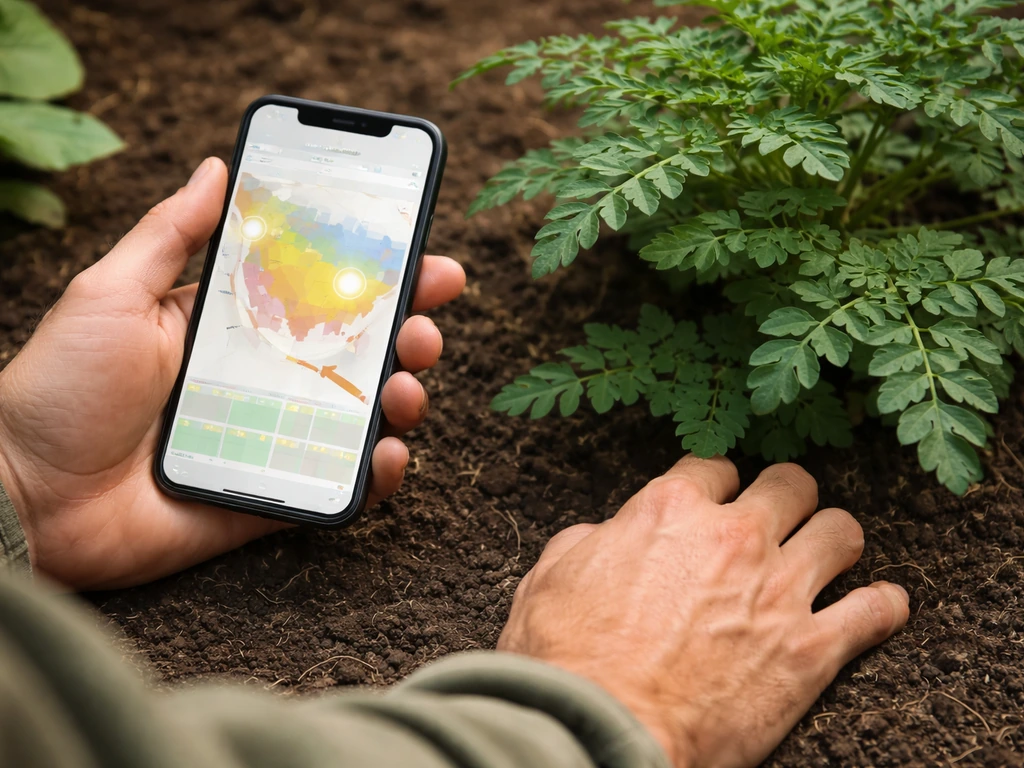
Start with your USDA hardiness zone, which you can find for free on the USDA plant hardiness zone map using your zip code. If you're in 9b or warmer, you're in the green zone for outdoor cultivation. If you're in 9a, you're in borderline territory and should plan for root protection or container growing. If you are asking can moringa grow in North Carolina, the same zone 9b guidance applies, so plan on container growing or winter protection if your winters dip too low. If you're in zone 8 or below, commit to the container or annual approach from the beginning rather than hoping for a mild winter.
Your zone is just the starting point. Microclimates matter a lot with moringa. A south-facing wall in zone 8b can create a zone 9-equivalent microclimate that gives moringa roots enough warmth to survive mild winters. Urban heat islands in cities like Atlanta or Charlotte can push your effective zone slightly warmer than the surrounding suburbs. Conversely, a frost pocket in a low-lying yard in zone 9a can kill moringa that would survive just fine on a nearby slope. Walk your property and think about where cold air settles, where you get reflected heat from structures, and where drainage is reliable.
Your last frost date and first fall frost date define your outdoor growing window. In Dallas, that's roughly late March to mid-November. In Atlanta, similar. In Fresno, the season is longer but still not frost-free in winter. In Miami or the Rio Grande Valley, you essentially have no frost window to worry about. Knowing your frost dates tells you when to plant out, when to start seeds indoors, and when to get serious about overwintering plans.
Growing moringa outdoors vs in containers
In-ground planting
If your zone qualifies for outdoor planting, choose a full-sun location with at least 6 to 8 hours of direct sun daily. South-facing spots sheltered from cold north winds are ideal. Soil drainage is non-negotiable: moringa roots rot in waterlogged conditions, so if your native soil drains slowly, either build a raised bed, amend heavily with sand and compost, or pick a different spot. Moringa tolerates poor soils and even slightly sandy or rocky ground better than it tolerates wet feet. If you're planning for pod production, the GIZ moringa cultivation guidance recommends spacing plants a few meters apart to allow canopy development; for leaf harvesting in a backyard setting, you can plant closer and prune heavily to keep plants compact and bushy.
Container growing
Containers are the practical solution for most U.S. gardeners outside the warm zones. Go big: a 15- to 25-gallon pot gives the root system enough volume to buffer temperature swings and supports vigorous summer growth. Bigger containers also help with insulation in winter storage. Use a fast-draining mix (potting soil cut with perlite or coarse sand) and make sure the pot has multiple drainage holes. Penn State Extension's container hardiness guidance is worth keeping in mind: the roots of a containerized plant experience temperatures close to outdoor air temperature, which is much harsher than roots insulated by in-ground soil. That's why container moringa needs to come inside well before your first hard frost, not after.
One honest note on containers: moringa wants to be a tree. If you let it get pot-bound, you'll see tip dieback and stress symptoms. Plan to size up the container every year or two, and watch for roots circling the pot. The plant can still be productive in a container, but it needs room to run.
Starting moringa: seeds vs cuttings
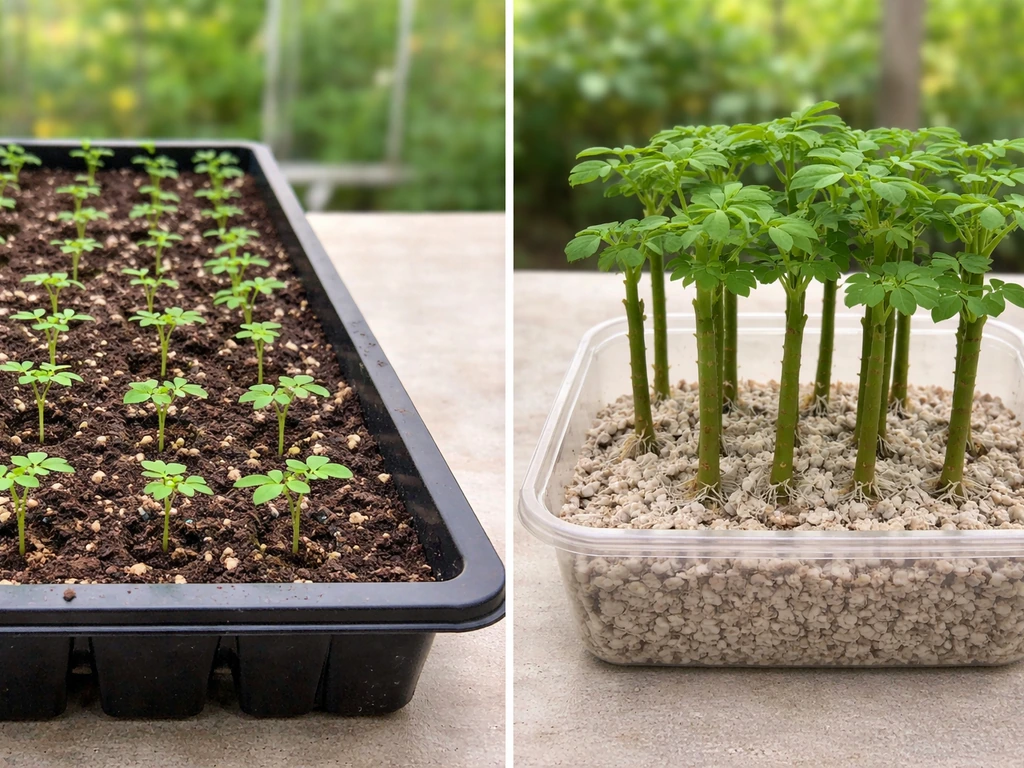
Starting from seed
Moringa seed germination is fairly quick under the right conditions. Studies report mean germination times around 6 to 8 days when soil temperatures are held between 25°C and 35°C (77°F to 95°F). One study found that an alternate wetting-and-drying pre-treatment produced up to 89% germination rates and a mean germination time of about 8.4 days, which is a useful tip if your seeds are being slow. At minimum, soaking seeds in warm water for a few hours before sowing speeds things up.
Seed viability is a real issue. Moringa seeds stored at ambient temperature and high humidity can drop to around 7.5% germination after just three months. Buy fresh seeds, store them in a cool dry place, and use them within a few months. Starting seeds indoors 6 to 8 weeks before your last frost date gives you a head start and lets you move transplants outside once temperatures are reliably warm. Don't rush it: a cold snap after transplanting sets moringa back significantly.
Propagating from cuttings
Cuttings are a reliable way to propagate moringa, especially if you already have a plant. The USDA Forest Service notes that moringa cuttings root readily under suitable conditions, and research confirms that stem maturity and rooting medium both affect success. Hardwood or semi-hardwood cuttings (not young green tips) root better. Using a rooting hormone like NAA at around 2,500 ppm improves outcomes, and air-layering is also viable for larger branches. Keep cuttings warm until rooted: cold slows or stops rooting and increases rot risk. A heated propagation mat is worth it if you're starting cuttings in early spring.
Keeping moringa healthy once it's established
Watering
Moringa is drought-tolerant but not drought-proof. Young plants need consistent moisture until their root systems are established, typically the first 4 to 8 weeks after transplanting. After that, deep, infrequent watering is better than daily shallow watering. Let the top inch or two of soil dry out between waterings. In containers, check more frequently since pots dry out faster than in-ground plantings. The critical rule: never let moringa sit in standing water. If you're growing in a region with summer rain, make sure your drainage is doing its job.
Feeding
Moringa is not a heavy feeder, and it grows surprisingly well in poor soils. A balanced fertilizer applied a few times during the growing season is enough for most home gardeners. If you're primarily harvesting leaves, a slightly nitrogen-forward formula encourages leafy growth. Avoid overfeeding with nitrogen in late summer if you're in a zone where you want the plant to slow down before winter: pushing lush growth too late in the season makes frost damage worse.
Pruning
Pruning is one of the most important things you can do for moringa in a home garden context. Left unpruned, moringa becomes a lanky tree quickly. Cutting it back to 1 to 2 feet forces it to branch out and produces the dense, leafy growth that makes harvesting easy. The GIZ moringa cultivation toolkit recommends multiple pruning events per year for productive plantings. For container growers, pruning also helps keep the plant manageable indoors over winter.
Pests and diseases
Moringa is relatively trouble-free, but it's not immune. Aphids, caterpillars, and spider mites can show up, especially on young growth. Check the undersides of leaves regularly and treat with insecticidal soap or neem oil early before populations build. Powdery mildew can appear in humid conditions, showing up as a white powdery coating on leaves. The GIZ toolkit recommends using disease-free seed and keeping pruning tools sterilized to reduce disease spread. If you see powdery mildew, improve airflow around the plant, reduce overhead watering, and consider a horticultural oil treatment.
Overwintering strategies for colder US regions
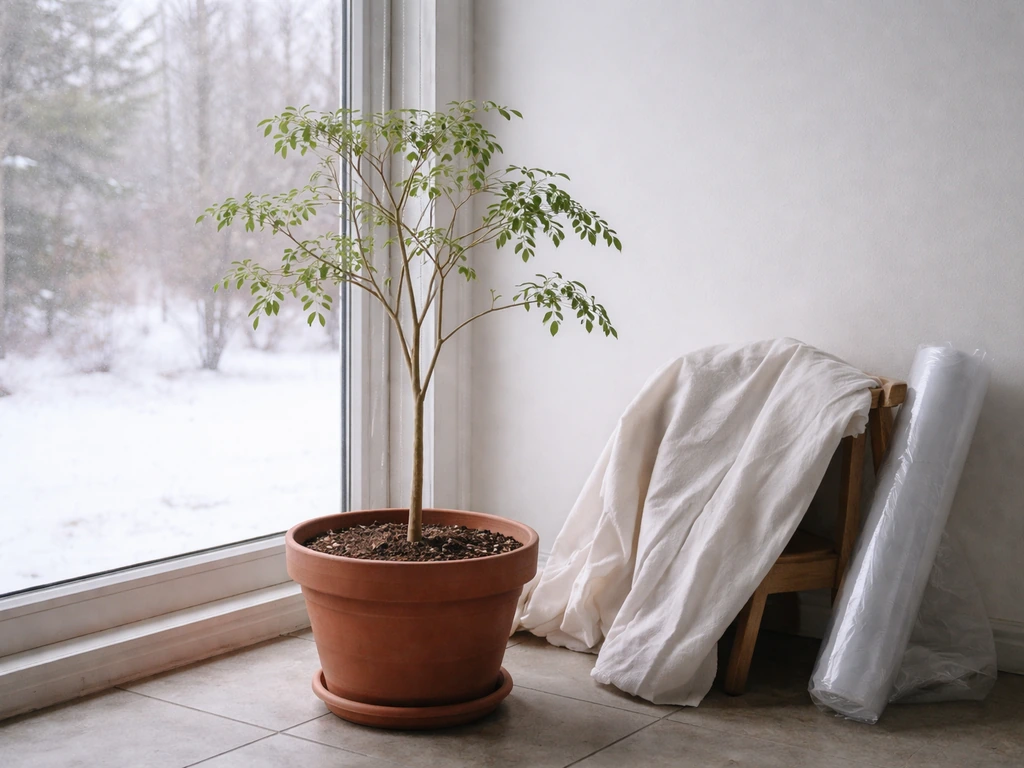
This is where most U.S. moringa growers have to make a real decision. If you're in zone 8 or below, you have a few options, and none of them are passive.
- Bring containers indoors: This is the most reliable option for zone 7 and below. Move the pot to a warm, bright indoor space (a sunny south-facing window or a grow light setup) before your first frost. Water sparingly during winter: moringa semi-dormant in low light doesn't need much, but you don't want the root ball to dry out completely either. University of Nevada Reno Extension advice on overwintering containerized plants echoes this: water sparingly but don't let the root zone desiccate.
- Protect roots in the ground (zone 9a to 8b borderline): In marginal zones, moringa sometimes dies back to the root crown but resprouts from the base if the roots don't freeze. Mulch heavily over the root zone (6 to 12 inches of straw or wood chips), wrap the base of the trunk with frost cloth, and hope for a mild winter. This is not a guarantee, but it's worth trying if you're in a warm microclimate within a marginal zone.
- Use frost cloth or covers for brief cold events: In zone 9b where moringa usually survives but occasional cold snaps are the risk, covering the plant overnight with frost cloth can prevent damage during a dip below freezing. UC IPM guidance distinguishes between a frost event (manageable with covers) and a sustained freeze (where covers help less). Plan for the former; prepare to cut losses in the latter.
- Grow in a passive greenhouse or cold frame: A SARE project report on passive greenhouses documented moringa growing (semi-dormant but alive) through January in a protected structure, which shows what's possible with a low-tech protected environment in colder regions.
- Treat it as an annual and replant: In zone 7 and below, many gardeners find it simplest to start fresh each spring from seed. It's low cost, and moringa grows fast enough to produce a meaningful harvest within one season.
One thing to understand about container overwintering: the soil in a pot exposed to outdoor air gets nearly as cold as the air itself, unlike in-ground soil that benefits from ground heat. Penn State Extension specifically flags this. The practical lesson is that if you're leaving a container outside during marginal cold, insulate the pot itself with burlap, bubble wrap, or by sinking it into a pile of mulch. Better yet, get it inside before temperatures drop consistently below 40°F (4°C).
What you can realistically expect from moringa in the US
Moringa grows fast when it's happy. In a warm U.S. summer, expect a seedling to reach 6 to 10 feet in its first growing season if conditions are good and you're not pruning it hard. With aggressive pruning for leaf production, you keep it shorter but bushier, and you can start harvesting leaves within 2 to 3 months of planting. Research on growth responses to temperature confirms that vegetative vigor is tightly linked to heat: the warmer the summer, the faster the growth and the bigger the harvest window.
Pod production is a different story. Moringa pods (the drumsticks) typically need a longer season and a more mature plant to develop well. In the U.S., zone 10 and above is where you realistically get reliable pod harvests. In zones 8 to 9, some growers get pods from established plants in long summers, but it's not guaranteed. Leaf harvesting is the more realistic goal for most U.S. home gardeners.
If you're in the warm zones (9b and above), moringa is genuinely low maintenance once established. It tolerates drought, poor soil, and neglect. The main work is pruning and the occasional pest check. If you're in a cooler zone and committing to the container or annual approach, be honest with yourself that there's real annual effort involved: starting seeds indoors, hardening off transplants, end-of-season overwintering decisions. It's not difficult, but it's not a set-and-forget plant either.
Worth trying if: you're in zone 9b or warmer, or you're in a warmer part of zone 8 and willing to do the container work. Worth skipping if: you want a zero-maintenance perennial and you live anywhere that regularly drops below 25°F in winter. The plant will reward real effort and a warm site, but it won't forgive a hard freeze.
FAQ
Can moringa survive a light frost in the US, or does it need completely frost-free weather?
Moringa is cold-intolerant, even brief freezes can injure or kill it. If you get frost at night, treat it as “at risk” and plan protection (cloth, temporary covers) or overwintering in a container, because dieback can happen even when temperatures look only mildly below freezing.
What is the best way to overwinter moringa in zone 9a, where winters are borderline?
In zone 9a, don’t rely on the ground alone. Use root protection (thick mulch ring plus protection from cold north winds) or grow in a large container so you can move it indoors when lows approach freezing. The key decision point is consistently below about 32°F (0°C), not a single cold night.
If I grow moringa in a container, how cold can the pot be before I should bring it inside?
Container roots track outside air temperature closely, so aim to bring it in when nights start staying around 40°F (4°C) or colder. If you wait until hard frost is already happening, recovery is less predictable and root stress can start before you see leaf damage.
Can moringa be grown outdoors in the US if I have clay soil?
Yes, if you fix drainage. Clay holds water, so the most important step is building a raised bed or using a high-drainage planting mix, and ensuring there is no tendency for puddling after rain. Moringa tolerates lean soil better than waterlogged conditions.
Does moringa need full sun, or will it grow with part shade in warmer US states?
It grows best with 6 to 8 hours of direct sun, especially for fast vegetative growth. Part shade can work, but expect slower growth and less reliable leaf harvests, and in humid climates it may increase mildew risk due to reduced airflow.
How often should I water moringa in summer heat and in containers?
For established plants, use deep, infrequent watering, letting the top 1 to 2 inches dry. In containers, check more frequently because pots dry faster. The rule to follow is never allow standing water in the saucer or pot, and ensure the pot drains immediately.
What temperature range is ideal for seed germination, and what if my indoor temperatures are cooler?
Moringa germinates best when soil temperatures are roughly 77°F to 95°F (25°C to 35°C). If your home is cooler, use a propagation mat and a covered seed tray to stabilize warmth, otherwise germination can slow dramatically and increase rot risk.
Why did my moringa seeds germinate poorly even though I soaked them?
Seed age is the most common cause. Moringa seeds can lose viability quickly under warm, humid storage, so even fresh-looking seeds may fail. Use cool-dry storage, start with newer seed lots, and consider a wetting-and-drying pre-treatment if your germination rate is inconsistent.
Can I propagate moringa from cuttings year-round in the US?
Propagation is best when temperatures are warm. Cold slows rooting and raises rot risk, so even if you can take cuttings outside the summer, you’ll usually need warmth and stable humidity control (heated mat or consistent indoor conditions) for reliable results.
What pruning height should I use for a home garden, and how often should I prune?
A common approach is cutting back to about 1 to 2 feet to force branching, then pruning again as it regrows to keep a bushy form. How frequently depends on whether you’re harvesting leaves or trying to control size indoors, but plan multiple pruning events during the growing season for easiest harvests.
Is leaf harvesting safe if my goal is also to keep moringa alive through winter?
Yes, but don’t push heavy, late-season growth with high nitrogen in climates where freezing is coming. Stop major harvests earlier enough that the plant can harden off, because tender new growth is more vulnerable to cold injury.
Will moringa produce pods in the US, and what’s the realistic expectation by zone?
Pods are much less reliable than leaves. In the US, consistent pod harvests are most realistic in warmer areas (often around zone 10 and above), while zones 8 to 9 may produce occasional pods only from well-established plants in long, hot summers. If you want dependable production, plan around leaf harvests.
What pests and diseases should I watch for first on moringa grown in the US?
Start with early checks for aphids and spider mites on young growth, especially in warm dry periods. For disease, powdery mildew is the common one in humid conditions, so prioritize airflow, avoid overhead watering, and treat early with mild options like horticultural oil before outbreaks spread.
Next Articles
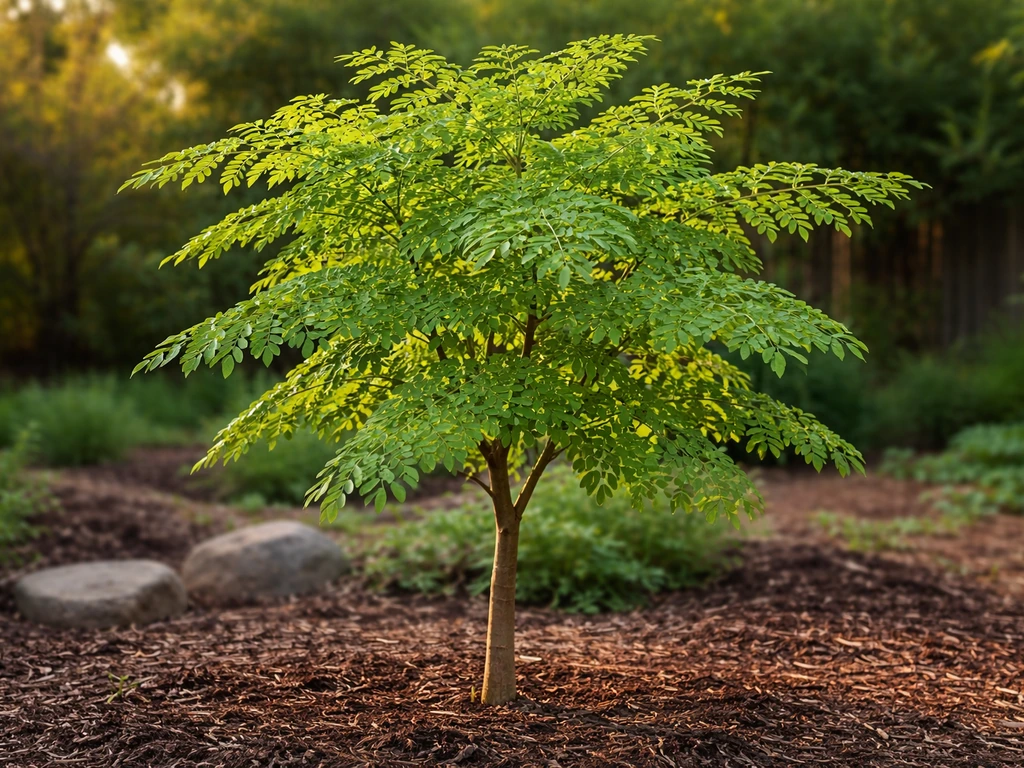
Can I Grow Moringa? Where and How to Grow It in the US
See if you can grow moringa in your US climate and get step-by-step tips for sun, soil, watering, and frost protection.
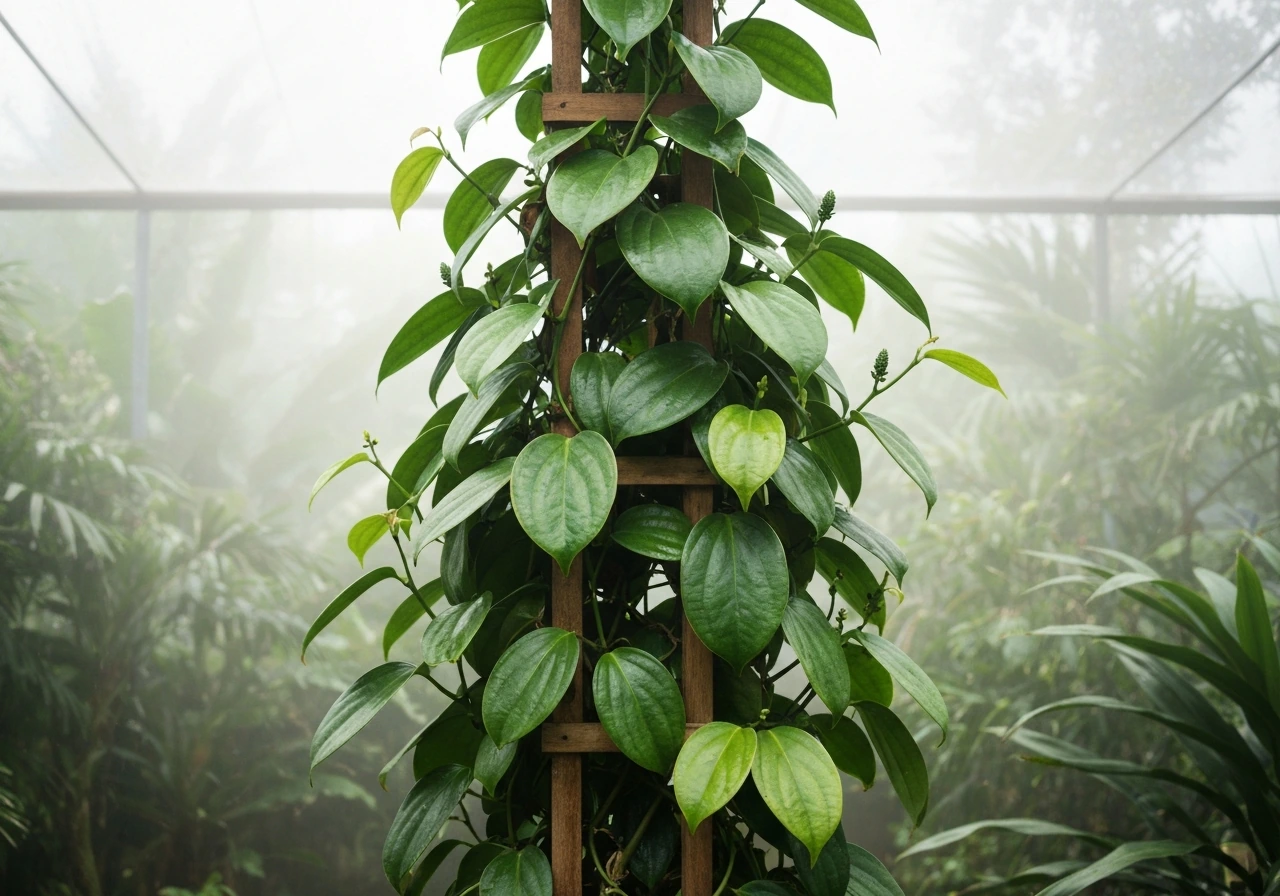
Can You Grow Black Pepper in the US Where and How
Learn where black pepper can be grown in the US and how to grow it indoors or in warm zones for fruit.

Can You Grow Capers in the US? Regional Guide for Home Gardeners
Regional guide to growing caper plants in the US, choosing cultivars, meeting soil and climate needs, and harvesting bud