
Yes, moringa can absolutely grow in Texas, and it can thrive here better than almost anywhere else in the continental U.S. The warmer parts of the state, roughly South Texas and the Gulf Coast through the Hill Country, are well within moringa's preferred USDA zones 9 and 10. Even in Central Texas and parts of North Texas (zones 7b and 8), you can grow it successfully if you plan around the occasional hard freeze. The honest caveat: moringa is a tropical tree that treats a Texas winter as a serious inconvenience, not a manageable nuisance. Get the cold protection strategy right, and you'll have a fast-growing, productive plant. Skip it, and you're starting over from scratch every spring.
Can Moringa Grow in Texas? How to Plant and Overwinter It
Marcus Petersen
19 Jun 2026
Where in Texas moringa actually works
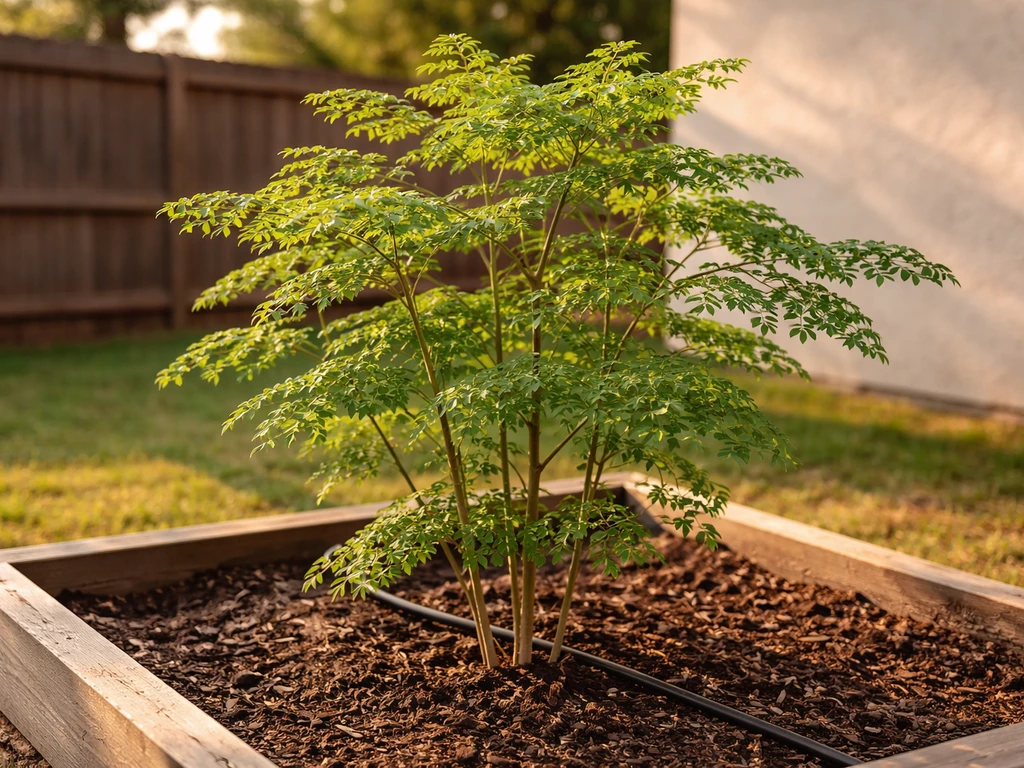
Texas spans roughly six USDA hardiness zones, so where you live matters a lot. In the Rio Grande Valley and coastal South Texas (zones 9b and 10), moringa can realistically stay in the ground year-round with minimal intervention. In Houston and the Gulf Coast corridor (zone 9a), it will likely die back to the roots in a hard winter but regrow vigorously from the base the following spring.
In Austin, San Antonio, and the Hill Country (zones 8a and 8b), you're in a gray zone: mild winters are fine, but a sustained freeze below about 25°F will kill unprotected plants. In Dallas, Fort Worth, and North Texas (zones 7b and 8a), in-ground moringa is risky as a perennial, but it works well as an annual or container plant.
El Paso sits in a drier, cooler zone and is the toughest spot in the state for moringa, though it's still doable in containers.
The climate and site conditions moringa needs in Texas

blank" rel="noopener noreferrer">Moringa's ideal temperature range is 77 to 95°F, which means a Texas summer is basically paradise for this plant. It wants full sun, minimum six to eight hours daily, and it wants heat. What it cannot handle is waterlogged soil. Root rot is one of the most common ways people lose moringa in Texas, usually because they planted it in clay-heavy soil with poor drainage or overwatered during a wet spell. Moringa actually tolerates drought very well once established, which makes it a natural fit for the drier parts of Central and West Texas, as long as freezes are managed.
- Full sun, at least 6 to 8 hours per day, with no shade from buildings or trees
- Well-draining soil: sandy loam or amended beds are ideal; avoid clay without significant amendment
- Soil pH between 6.2 and 7.0, though moringa tolerates slightly alkaline soils found in much of Texas
- Protection from cold north winds, especially in Central and North Texas
- Avoid low-lying spots where cold air settles or water pools after rain
A south-facing wall or fence is one of the best microclimate tricks in Texas gardening. It radiates heat back at night and blocks cold fronts, and for moringa in a borderline zone like Austin or San Antonio, that extra few degrees can be the difference between a plant that survives and one that gets killed to the roots.
How to grow moringa in Texas: seed vs cuttings
You have two practical routes: starting from seed or planting stem cuttings. Both work in Texas, and your choice depends mostly on timing and what you can get your hands on. Seeds are cheap, widely available (including from Texas sellers), and straightforward. Cuttings establish faster but need a bit more attention early on.
Starting from seed
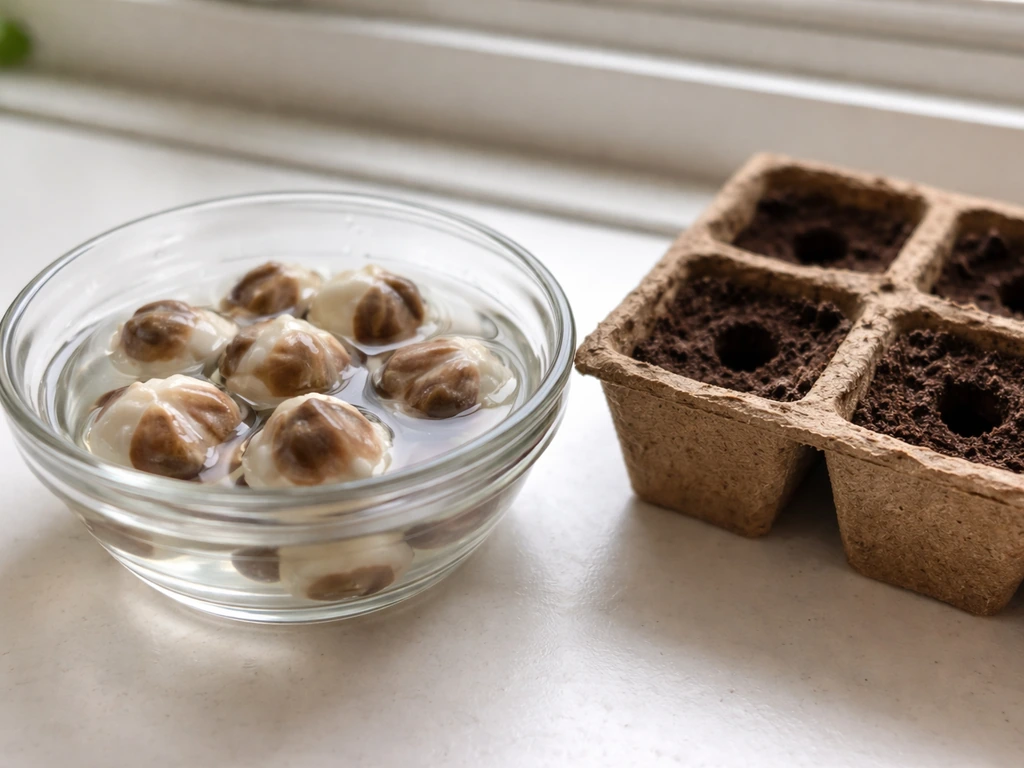
- Soak seeds in water at room temperature for 24 hours before planting. This softens the seed coat and significantly improves germination rates. One study testing 24-hour soaking in drinking water reported roughly 80% germination.
- Start seeds indoors 4 to 6 weeks before your last frost date if you're in Central or North Texas. In South Texas, you can sow directly outdoors once soil temperatures are reliably above 65°F.
- Plant seeds about 1/2 to 3/4 inch deep in well-draining seed-starting mix. For direct outdoor sowing, the standard depth is about 2 cm (roughly 3/4 inch). Don't bury deeper than that.
- Keep the germination temperature between 77 and 95°F. Germination is impaired below 50°F (10°C) or above 104°F (40°C). In a Texas summer, a sunny windowsill or outdoor spot is plenty warm.
- Expect seedlings to emerge in 5 to 7 days under good conditions. First true leaves can appear around 13 days.
- Transplant outdoors after all frost risk has passed and seedlings are 4 to 6 inches tall. Harden off for 5 to 7 days by setting them outside for progressively longer periods.
Starting from cuttings
- Take hardwood cuttings from a mature moringa: 18 to 36 inches long, at least 1 inch in diameter. Softwood cuttings can work but are more prone to rot.
- Allow cut ends to dry for a day or two before planting to reduce rot risk.
- Plant in a porous, well-draining medium: a mix of coarse sand and potting soil works well. Bury only the bottom third of the cutting.
- Water lightly and keep in a warm, sunny spot. Avoid overwatering while roots establish.
- Rooting takes 2 to 4 weeks. Once new leaf growth appears, rooting is underway.
Planting, spacing, soil, watering, and fertilizing
If you're planting in the ground, pick a spot with excellent drainage and amend heavy clay soils with compost and coarse sand before planting. Dig a hole about twice the width of the root ball. For a single-tree harvest setup, one plant is enough for most home gardeners. If you want multiple plants for intensive leaf production, space them about 6 to 10 feet apart for standard growth, or as close as 3 feet if you're managing them as a densely pruned leaf crop.
Watering: moringa prefers to dry out somewhat between waterings once established. If you are wondering can i grow moringa, the short answer is yes, especially in warmer Texas zones with the right cold protection. During the first few weeks after transplanting, water every two to three days to help roots establish. After that, once or twice a week is usually enough in summer heat, less in cooler weather. Never let the plant sit in standing water. Root rot will kill it faster than a freeze will.
Fertilizing: moringa is not a heavy feeder, but it does respond well to nitrogen. A balanced fertilizer (10-10-10) or compost worked into the soil at planting gives a good start. A light application of nitrogen fertilizer every 4 to 6 weeks during the growing season supports the rapid growth Texas summers produce. Avoid heavy fertilizing in late summer if you're in a zone where the plant will face fall freezes; you don't want to push soft new growth right before cold weather hits.
Cold protection, overwintering, and handling freezes
This is where Texas moringa growing gets real. In much cooler climates like Canada, you generally would not be able to grow moringa outdoors year-round Texas moringa growing. Moringa can tolerate a light frost down to about 27 to 30°F for a brief period, and some cold-hardier provenances have shown a freeze tolerance threshold (LT50) of approximately -2. 8°C (about 27°F).
But any sustained freeze below that will kill the top growth, and a hard freeze will kill the roots if they're not protected. The ScienceDirect study on chilling and freezing stress in Moringa oleifera notes that freezing stress happens below 0°C as ice crystallizes in plant tissue, and it cites an optimal growth temperature around 25 to 35°C freezing stress occurs below 0°C as ice crystallizes in plant tissue.
Anecdotal reports from Texas gardeners suggest plants can sometimes survive until about 25°F before dying back completely, though that's not something to count on.
For in-ground plants
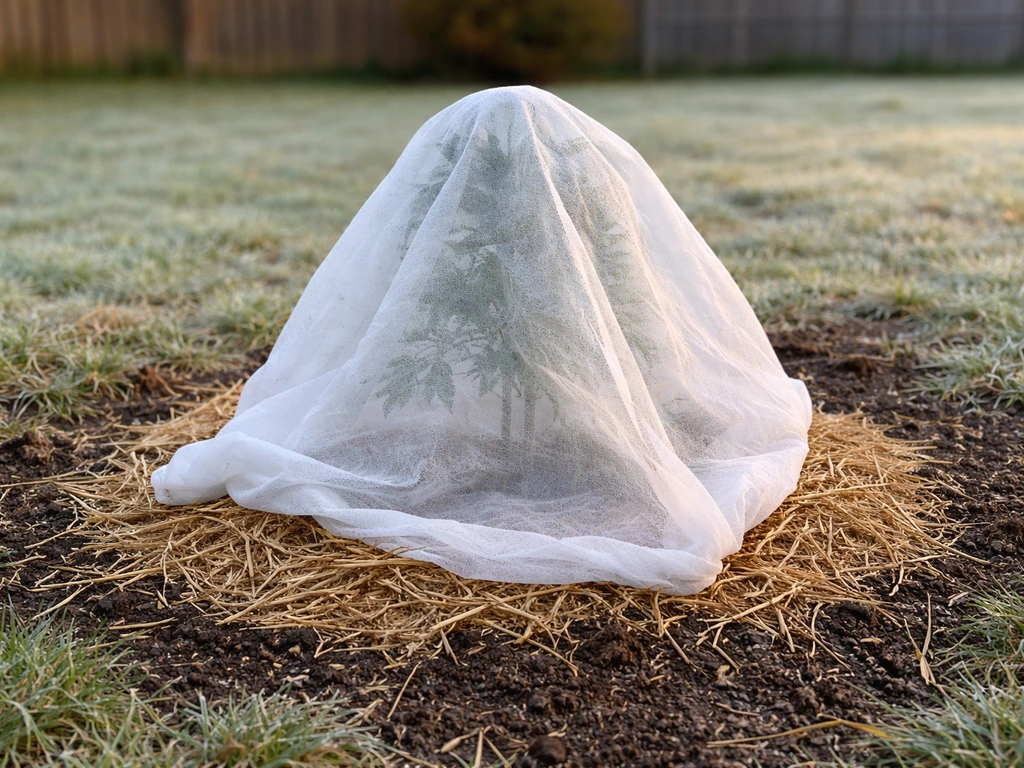
- When a freeze is forecast, mulch heavily around the base of the plant, 4 to 6 inches deep out to the drip line. This insulates the root zone.
- Cover the plant with frost cloth or burlap for freezes in the 28 to 32°F range.
- For hard freezes below 28°F, the top growth will likely die. The key is protecting the root system so it can resprout. Pile extra mulch around the base.
- After a freeze, wait before pruning. Damage can look worse than it is, and cutting too early can remove viable tissue. Let the plant show you where the live growth is, usually a couple of weeks after temperatures stabilize.
- If the stem is blackened and mushy all the way to the soil line, cut it back and wait. The root may still push new growth in spring.
For container plants
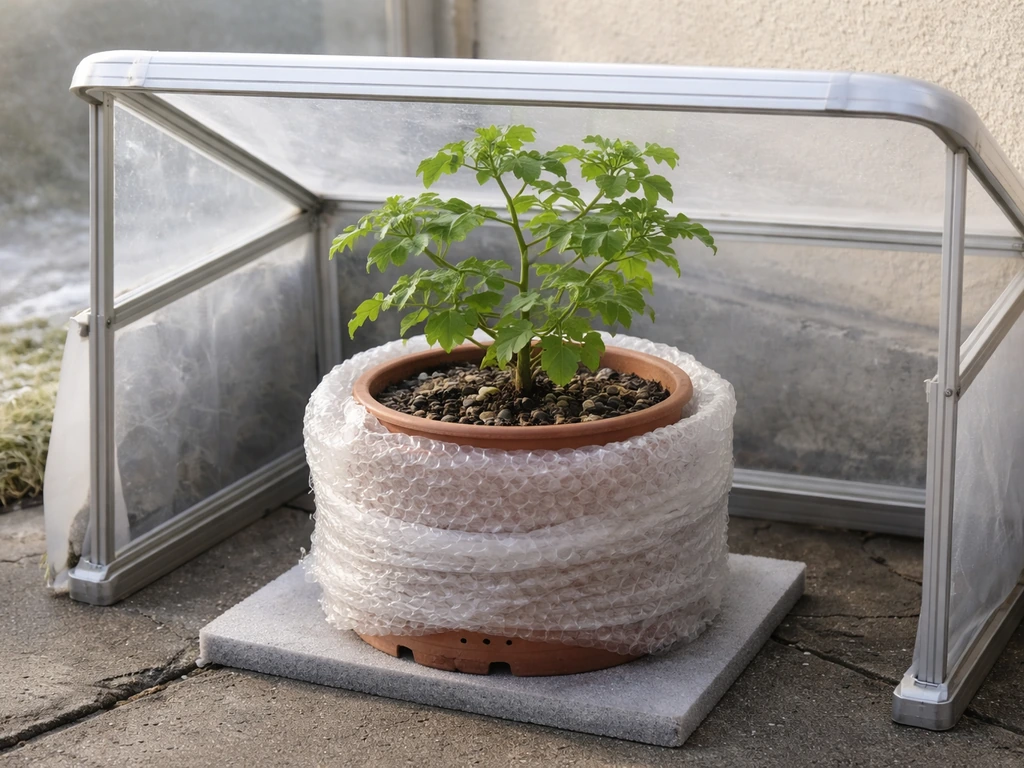
Container growing is the most reliable strategy for North and Central Texas gardeners. The tradeoff is that containers lose heat faster than in-ground soil. Texas A&M AgriLife makes this point directly: soil in a container can drop to nearly air temperature during a freeze, meaning roots can die if the container temperature falls much below 32°F.
So if you're growing moringa in a pot, you need to move it indoors or into a garage before a hard freeze, not during one. Keep it somewhere that stays above 50 to 60°F. The plant will likely drop leaves and go semi-dormant, and that's fine. Water minimally over winter, just enough to keep the roots from completely drying out.
In Georgia, you’ll usually need to plan around winter cold the way you would for North and Central Texas, often using containers or strong cold protection moringa in Georgia. Move it back outside after your last frost date.
Ongoing care: pruning, pests, and when to harvest
Pruning for leaf production
Left alone, moringa grows into a tall, somewhat spindly tree that becomes hard to harvest from. Pruning is how you manage it into a productive, bushy plant. Pinch or cut the growing tip when the plant reaches 1 to 2 feet tall to encourage branching. For ongoing leaf production, a pollarding or hard-cutting approach works well: cut plants back to about 20 to 45 cm (8 to 18 inches) above the ground, then harvest the regrowth on a regular cycle. Research on intensive leaf production systems suggests blank" rel="noopener noreferrer">harvest intervals of roughly 30 to 45 days once the plant is established and actively growing. After each cutting, the plant pushes multiple lateral shoots and the leaf yield actually increases over time.
Pests and diseases to watch for in Texas
- Aphids: common on new growth, especially in spring. Knock off with a strong spray of water or use insecticidal soap.
- Whiteflies: can appear in humid East Texas conditions. Neem oil or yellow sticky traps help.
- Termites: more relevant for mature woody stems; inspect the base of the plant periodically if you're in a termite-prone area of Texas.
- Root rot: the biggest disease risk in Texas, especially in clay soils or rainy periods. Prevention through drainage is far easier than treatment.
- Powdery mildew: shows up on leaves in humid conditions, particularly in East and Southeast Texas. Improve air circulation and avoid overhead watering.
Harvest timing
In Texas growing conditions, you can expect your first meaningful leaf harvest about 3 to 4 months after transplanting. Once the plant is on a regular pruning cycle, you can harvest leaves every 30 to 45 days through the warm season. Young leaves and tender stem tips have the mildest flavor; older leaves are slightly more bitter. Pods form on mature trees and can be harvested when young and green, similar to green beans. In South Texas with a long growing season, you may get multiple pod harvests in a year.
Realistic expectations: growth speed, yield, and in-ground vs containers
Moringa is genuinely one of the fastest-growing trees you can plant. If you are wondering whether can moringa grow in the US, this fast growth is one reason it works well in warm Texas conditions Moringa is genuinely one of the fastest-growing trees. In a hot Texas summer, it's not unusual to see 8 to 15 feet of growth in a single season.
That sounds exciting, but in the context of Texas winters, it means you're often cutting back or restarting from the root each spring in zones 7b through 8b. The tree isn't building permanent height the way it would in South Florida or South Texas; it's more of a perennial herb in the way it behaves, dying back and resprouting.
| Factor | In-Ground (South Texas, Zone 9+) | In-Ground (Central TX, Zone 8) | Container (Any Zone) |
|---|---|---|---|
| Winter survival | Likely survives most winters intact | Dies back to roots most winters | Survives if moved indoors before freeze |
| Growth per season | Can reach 10-20 ft, semi-permanent tree | Restarts from root each spring, 6-12 ft | Slower, limited by pot size, 3-6 ft typical |
| First harvest | 3-4 months after transplanting | 3-4 months after spring regrowth | 3-5 months depending on container size |
| Harvest frequency | Every 30-45 days through growing season | Every 30-45 days, shorter season | Every 30-45 days, manageable year-round indoors |
| Root protection needed | Minimal to none | Heavy mulching required | Move indoors before hard freeze |
| Effort level | Low once established | Moderate (annual restart planning) | Moderate (moving heavy containers) |
Container growing is genuinely practical for North and Central Texas gardeners, not just a fallback. A 15 to 25 gallon pot gives roots enough room to support a productive plant, and keeping it on a rolling plant stand makes the annual move indoors a lot less painful. The tradeoff is that pot-grown moringa won't reach the same size or yield as a mature in-ground tree in South Texas, but for home leaf production, a well-pruned container plant is more than enough.
If you're in the Rio Grande Valley or coastal Corpus Christi area, just plant it in the ground, give it good drainage and full sun, and let it go. If you're in Austin, San Antonio, or Dallas, the container approach is the lower-risk path unless you're willing to rebuild your plant from the ground up most winters. Either way, moringa in Texas is genuinely worth trying: it's fast, productive, heat-tolerant, and relatively undemanding once you've sorted out the cold protection piece. With that said, can moringa grow in North Carolina depends on your winter lows, but containers and indoor overwintering make it much more realistic moringa in Texas is genuinely worth trying.
FAQ
How do I avoid root rot when growing moringa in Texas clay or wet years?
Most Texas failures come from keeping the soil too wet. Even if you water “on schedule,” check after watering: if the ground is still damp 2 to 3 inches down, pause. Use a fast-draining mix, and for clay soils consider a raised mound so water moves away from the crown.
Will a frost blanket be enough for moringa in Austin or San Antonio?
Yes, but think of it as a cold-management step, not a winter miracle. If you cover plants, also protect the root zone and reduce wind exposure, because a cold front plus wind can drop temperatures below the cover’s effect. Use the cover only before a hard freeze, and remove it during milder daytime periods to prevent trapped humidity.
In Central Texas, should I plan to treat moringa as perennial or as a restartable plant?
For in-ground plants in borderline zones, the practical rule is to plan for kill-back and regrowth. If you want the plant to survive as a perennial, you usually need the combination of excellent drainage, microclimate (like a south wall), and root-zone protection. If you cannot provide all three, expect to restart from the base after freezes.
Can I keep moringa outside under protection in a pot, or should I always move it indoors?
Yes, but indoor overwintering is best reserved for pots in North and Central Texas. A garage or shed works only if it stays above freezing or close to it, ideally with minimal temperature swings. Once indoors, reduce watering and keep it in bright light so it does not stretch too much.
When should I stop fertilizing moringa in Texas before winter?
If you harvest for leaves, do not fertilize heavily right before cold weather. Cutting back growth and pushing tender new shoots increases freeze damage. Aim for nitrogen during active warm growth, then back off in late summer or early fall when nighttime lows start trending down.
What site mistake most often prevents moringa from thriving in Texas?
For a reliable stand, choose a site where water never pools after rain and that gets at least 6 to 8 hours of sun. Avoid low spots, and if you must plant in an area that stays damp, prioritize raised beds and coarse amendments rather than relying on surface mulching.
How should my watering routine change for container moringa during Texas summer?
Moringa is heat-tolerant, but container plants can still suffer during winter and also during intense heat waves if they dry out too fast. Check daily in peak summer, water only until excess drains, and avoid frequent shallow watering that leaves the root zone dry.
What pruning schedule gives the best leaf harvest in Texas without stressing the plant?
If you prune for leaf production, start forming the branching early by cutting the tip when the plant is still small. Then switch to a consistent cycle so the plant stays leafy. Also avoid taking multiple heavy cuts back-to-back, give it time to regrow for best yield and less stress.
Which establishes faster in Texas, moringa seed or stem cuttings, and which should I choose?
Seed-grown plants can take longer to reach an effective leaf harvest height than well-rooted cuttings. If your goal is leaves quickly, cuttings or nursery starts usually give faster establishment, but seeds are still viable if you protect seedlings from both overwatering and cold snaps.
Can I use compost only, or do I need nitrogen fertilizer for moringa in Texas?
Yes, but only after the plant is established and actively growing. In Texas summers, compost and a light nitrogen boost can help, yet too much fertilizer can create soft growth that is more vulnerable to freezes and pests. If you see rapid pale, weak growth, scale back.
Next Articles
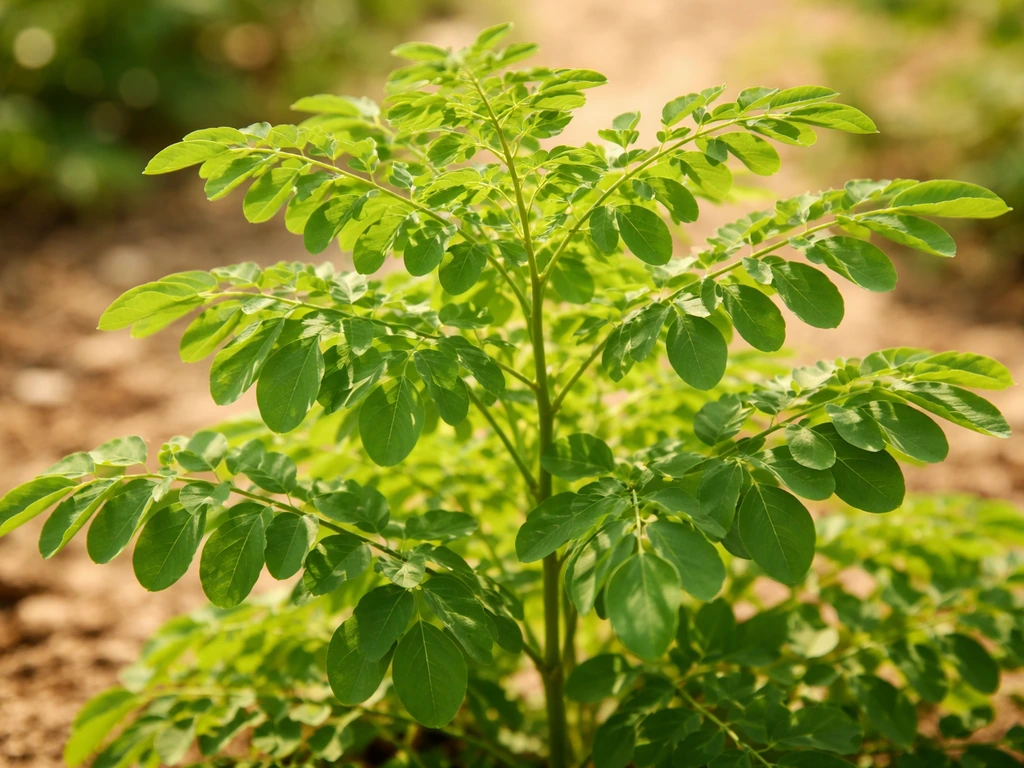
Can Moringa Grow in the US? Climate, Zones, and How to Grow It
Can moringa grow in the US? Check climate and USDA zones, then learn site, planting, and overwintering steps.
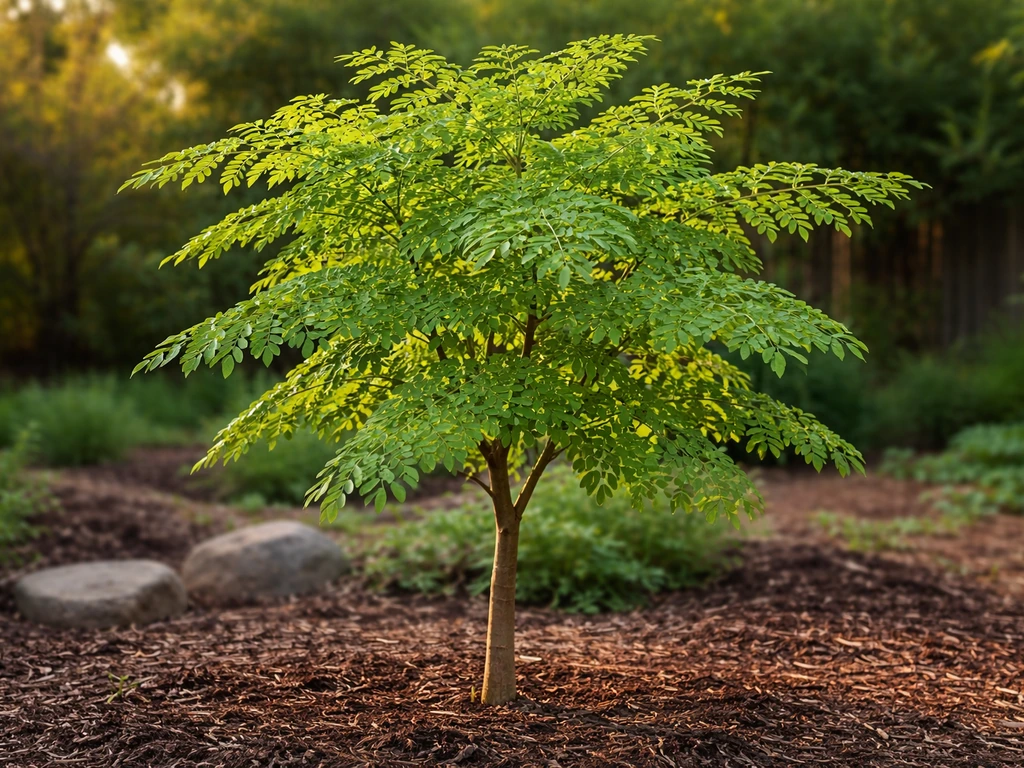
Can I Grow Moringa? Where and How to Grow It in the US
See if you can grow moringa in your US climate and get step-by-step tips for sun, soil, watering, and frost protection.
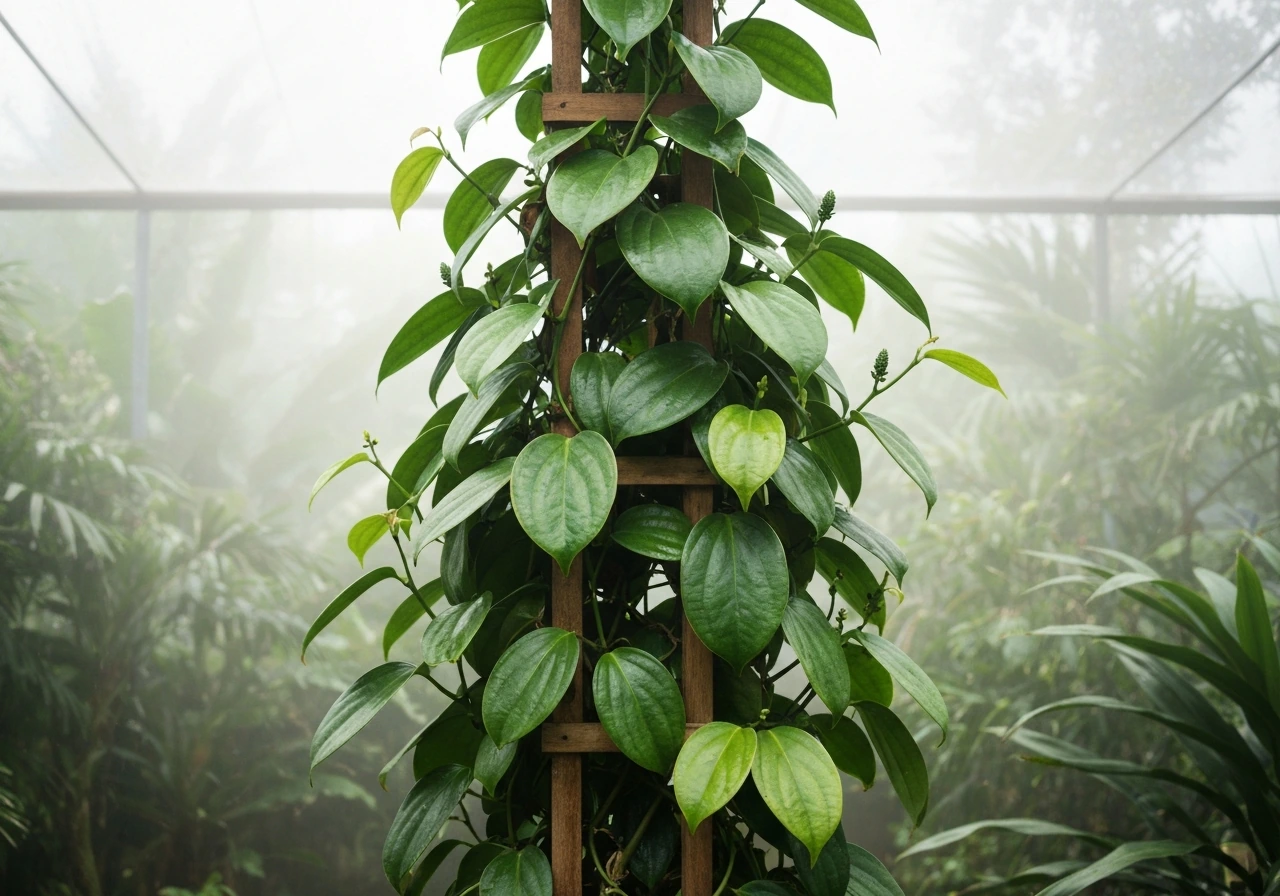
Can You Grow Black Pepper in the US Where and How
Learn where black pepper can be grown in the US and how to grow it indoors or in warm zones for fruit.