
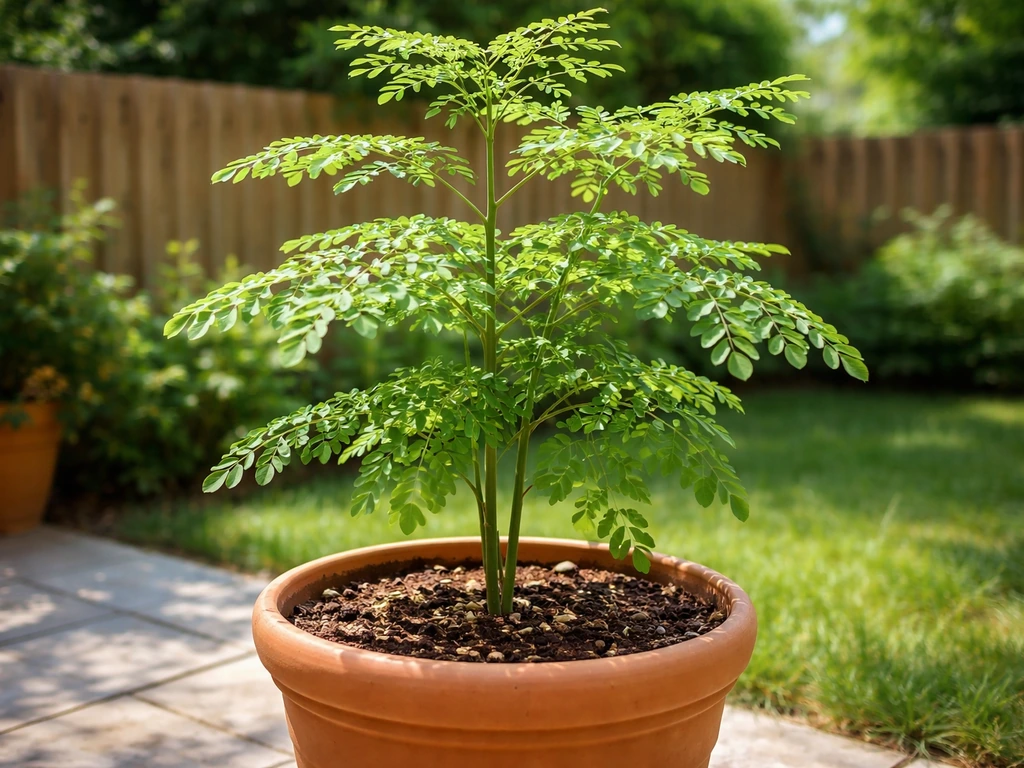
Yes, moringa can grow in North Carolina, but not as a permanent outdoor tree in most of the state. The honest answer is that it works best as an annual or a container plant you bring inside before the first frost. In Texas, the same kind of warmth and frost planning matter most for whether moringa can be grown outside. North Carolina winters kill moringa to the ground almost everywhere except the warmest coastal pockets, so the strategy that actually succeeds is planning around that reality from day one rather than hoping your plant survives.
Can Moringa Grow in North Carolina? How to Succeed

Marcus Petersen
24 Jun 2026
Quick verdict for North Carolina's climate
Moringa (Moringa oleifera) is a tropical tree that does not tolerate freezing temperatures. Research and practical grower experience both confirm it cannot handle frost, and a 2025 review notes that even brief exposure to temperatures between -1°C and -3°C (about 28-26°F) represents the outer edge of what the plant might survive, and recovery is uncertain. North Carolina's blank" rel="noopener noreferrer">USDA hardiness zones range from about 7a (5-10°F minimum) in the mountains to 8b (15-20°F) in parts of the coastal plain. Even in the warmest zones, hard freezes happen every winter. That makes true year-round outdoor moringa a nonstarter for nearly all NC gardeners. What you can realistically do is grow it as a warm-season annual in the ground, or keep it in a container and bring it indoors when temperatures drop. Both approaches give you a real, productive plant and a genuine leaf harvest.
Where in NC moringa is most and least likely to succeed
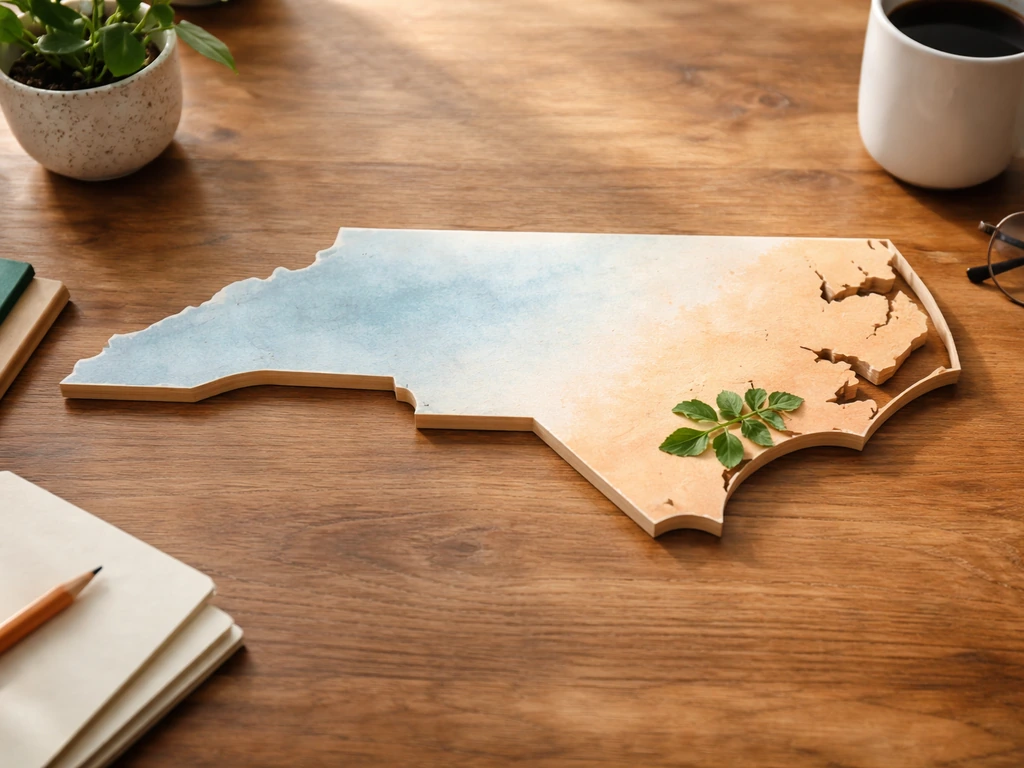
Location within the state matters a lot. The coastal plain (roughly east of I-95 and down toward the Outer Banks) sits in zone 8a and 8b, with milder winters and a longer frost-free window. Average first frost in places like Wilmington typically doesn't arrive until mid-to-late November, and last frost is often in mid-March. That gives you roughly 240 or more frost-free days, which is enough for moringa to put on serious growth and produce a meaningful leaf harvest. These gardeners also have the best shot at overwintering an in-ground plant with heavy mulching, though success is not guaranteed even here.
The Piedmont (Charlotte, Raleigh, Greensboro area) sits mostly in zones 7b-8a. First frost arrives in late October or early November, and last frost typically falls in mid-to-late March. You're looking at about 200-220 frost-free days. This is enough for a solid annual moringa season, but in-ground plants will almost certainly be killed by winter, so treat them as expendable or use containers.
The mountains and western NC (Asheville and above) are the toughest zones, ranging from 6b down to 5b in the highest elevations, with zone 7a common in the valleys. First frost can hit in mid-October, last frost can linger into late April, and winter lows can dip well below 10°F. Growing moringa here as an in-ground annual is possible but the warm window is shorter, growth will be more modest, and container culture with indoor overwintering is even more important.
What moringa actually needs to thrive
Moringa is straightforward about what it wants. Give it these conditions and it will grow fast enough to surprise you.
- Full sun: at least 6-8 hours of direct sunlight per day. This is non-negotiable. Shaded plants stay small and don't produce well.
- Heat: it thrives with daytime temperatures above 80°F and sulks below 60°F. NC summers in the Piedmont and coastal plain are genuinely good for moringa.
- Well-drained soil: moringa hates wet feet. It prefers sandy loam or loam with a pH around 6.0-7.5. Sitting in waterlogged soil causes root rot faster than almost anything else. Raised beds or amended ground works well in NC's clay-heavy Piedmont soils.
- Light watering: it is drought-tolerant once established. Water deeply but infrequently. Overwatering is a more common mistake than underwatering, especially in containers.
- Minimal fertilizer: it tolerates poor soils better than most tree crops. A light balanced fertilizer at planting and mid-season is plenty. Heavy nitrogen feeds in containers can push leafy growth at the expense of root health.
Container vs in-ground vs annual: picking the right approach for you
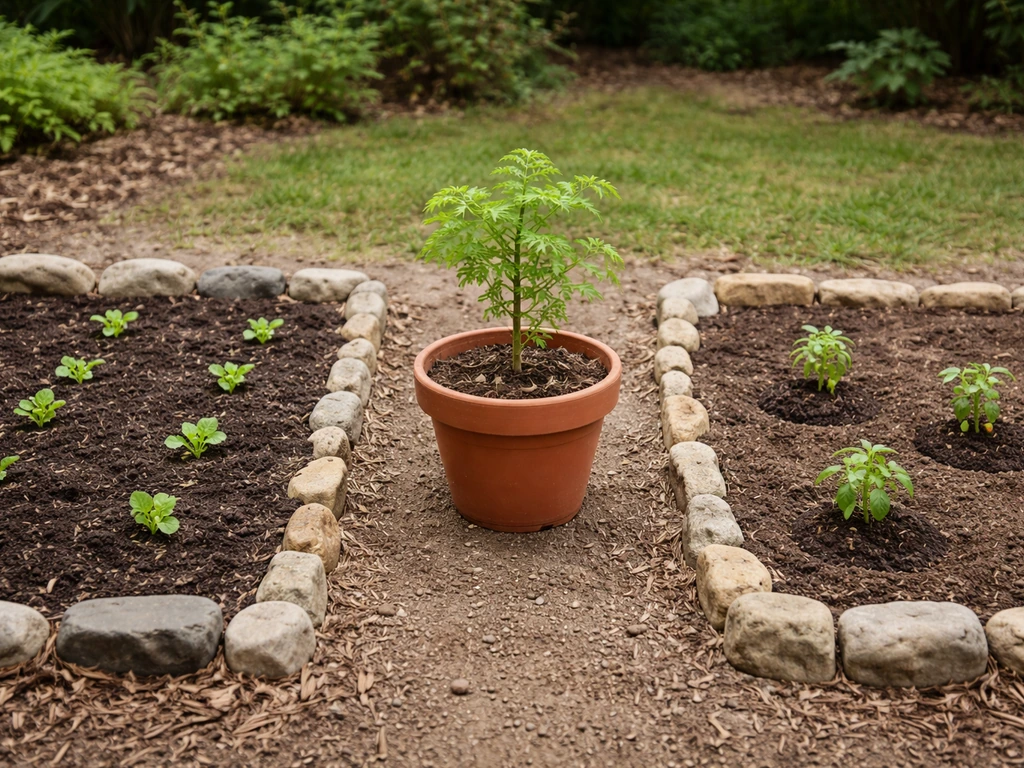
This is the most important decision you'll make. Each approach has a different risk profile and harvest expectation.
| Approach | Best for | Winter fate | Harvest potential | Effort level |
|---|---|---|---|---|
| In-ground annual | Piedmont and coastal NC gardeners with garden space | Plant dies, you replant each year | Good in coastal plain, moderate in Piedmont | Low (no winter moving) |
| Container (brought indoors) | All NC zones, especially mountains and Piedmont | Plant survives if moved before frost | Moderate (limited root space) | Medium-high (requires indoor space and light) |
| In-ground with winter protection | Coastal plain only (zones 8a-8b) | May survive with heavy mulching; still risky | Best possible if it survives | High (mulching, monitoring, replanting if it fails) |
My honest recommendation: if you're in the coastal plain and want to invest the effort, grow it in the ground and experiment with heavy mulch overwintering. Everywhere else in NC, the container approach is more reliable and less heartbreaking. A 10-15 gallon pot gives the roots enough room to support a productive plant, and you can move it inside before the first frost without losing the whole season's investment. Treating it as a pure annual (in-ground, replanted each spring) is also completely valid if you just want leaves and don't want to deal with overwintering at all.
When to plant and how to start: seeds vs cuttings
Timing your planting
In most of NC, aim to get moringa in the ground or in its outdoor container after your last frost date and once soil temperatures are consistently above 65-70°F. For the Piedmont and coastal plain that typically means late April through mid-May. Mountain gardeners should wait until late May or even early June. Starting seeds indoors 4-6 weeks before your last frost date lets you get a jump on the season, which matters when your warm window is shorter than ideal.
Starting from seed
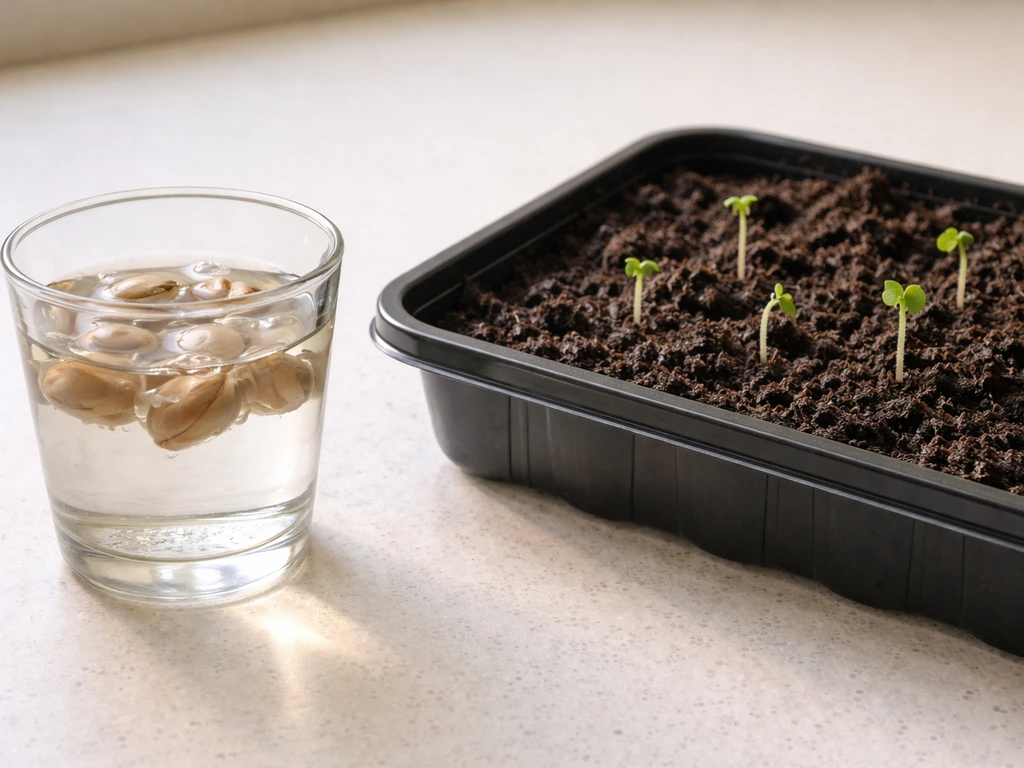
Seeds are the most common starting point and they work well. Moringa seeds have no dormancy period, so there's no stratification needed. Soak seeds in room-temperature water for 12-24 hours before planting to soften the outer coat and speed germination. Plant them about 1 inch deep in well-draining seed-starting mix or directly into their container. Under warm conditions (75-85°F), you can expect germination within 5-10 days, with good germination rates around 90% when seeds are fresh. Use good-quality seeds from a reputable supplier; old or improperly stored seeds drop off in viability quickly.
Starting from cuttings
Cuttings from mature wood (around 1 inch in diameter, 18-36 inches long) can root well and give you a head start on size. The catch is you need access to an established plant. If you or a neighbor already have one, hardwood cuttings taken in spring and stuck in well-drained, moist soil can root within a few weeks. For most NC gardeners starting fresh, seeds are the practical path.
Keeping moringa alive through NC winters
This is where most NC growers lose their plants. Here are the strategies that actually work, in order of reliability.
Container overwintering indoors
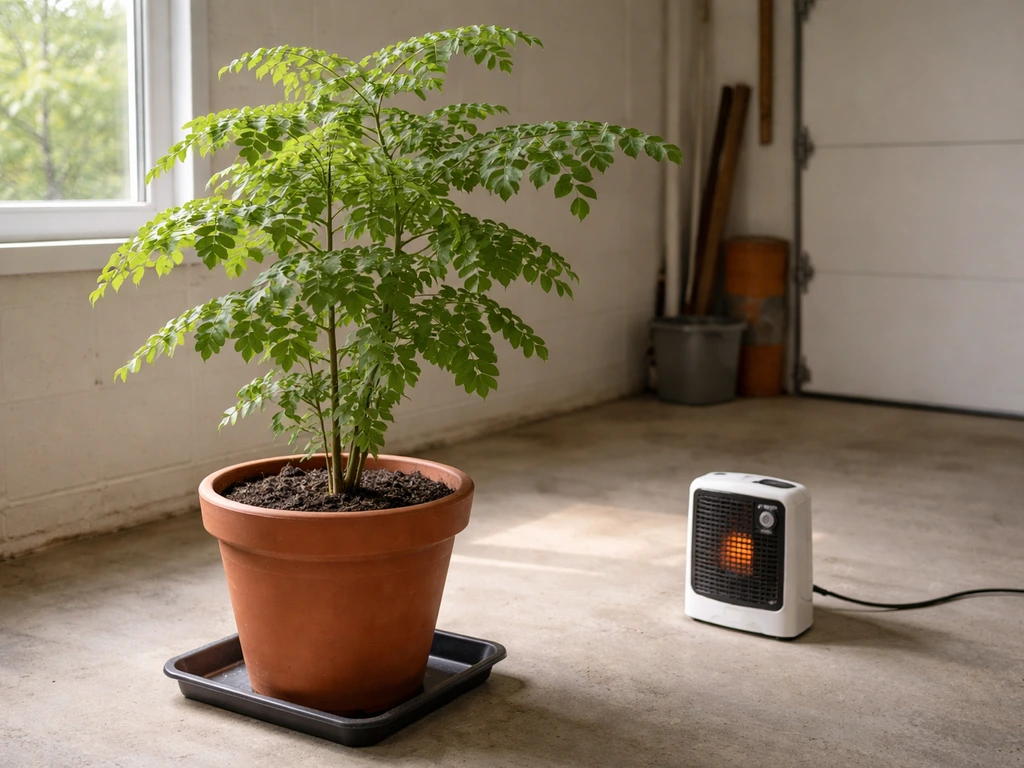
Move your container plant inside before the first frost, typically by mid-to-late October in the Piedmont and early November in the coastal plain. Don't wait for a frost warning. Moringa starts showing stress below 50°F and any frost exposure sets it back hard. Once inside, place it in the warmest, sunniest spot you have. A south-facing window helps, but moringa wants more light than most windows provide through a northern winter. A simple grow light setup, positioned 6-12 inches above the plant and running 12-14 hours a day, makes a real difference in keeping the plant alive and not just barely surviving. Reduce watering significantly during the indoor period, the plant grows much more slowly and root rot from overwatering is the most common indoor killer.
Garage or shed with supplemental heat
An unheated garage in NC's Piedmont will still drop below freezing on cold nights, so this only works if you can keep the space above 40°F. A small space heater on a thermostat is a practical solution for a garage or enclosed porch. The plant will go semi-dormant, drop leaves, and look rough, but it can survive and rebound strongly in spring. This approach uses less valuable indoor living space than a sunny window setup.
In-ground overwintering (coastal plain only)
If you're in zone 8a or 8b near the coast and want to try saving an in-ground plant, cut it back to about 12-18 inches after the first light frost, then pile 6-8 inches of heavy mulch (straw, wood chips) over the root zone and base. Wrap the stump with frost cloth. The roots may survive a mild winter and send up new shoots in spring. I'll be honest though: in most NC winters this is a gamble, not a plan. Have seeds ready as a backup.
What to expect at harvest, and how to handle problems
Harvest expectations in NC's warm season
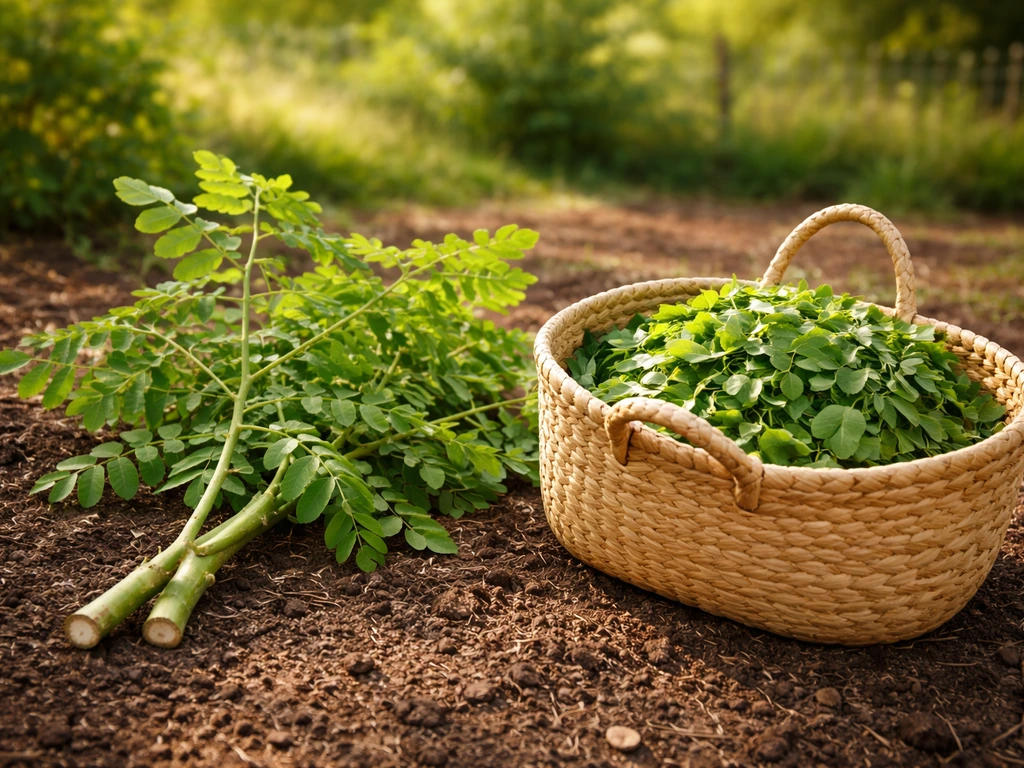
Moringa grows fast once the heat arrives. In a good NC summer you can expect a plant started from seed in May to reach 6-10 feet by September if left unpruned. For leaf production, pruning is actually your friend. Keeping the plant at about 3-5 feet by regularly cutting back the growing tips encourages bushy, leafy growth rather than a single tall trunk with leaves way up high. Start harvesting individual leaflets or small branches once the plant is well established (usually 60-90 days from germination). In the coastal plain you may get multiple harvests through the summer; in the Piedmont you'll get a solid mid-summer through early fall harvest window before you need to start thinking about bringing containers inside.
Common problems and how to fix them
Moringa is relatively tough outdoors in summer, but a few issues come up regularly for NC growers:
- Aphids: the most common pest, especially on young shoot tips. A strong spray of water knocks most off. For persistent infestations, neem oil or insecticidal soap works well. Check new growth every few days during peak summer.
- Spider mites: more of a problem on indoor overwintered plants in dry conditions. Increase humidity around the plant and use neem oil spray. They thrive in hot, dry indoor air.
- Scale insects: show up as small brown bumps on stems. Scrape off with a soft brush and treat with horticultural oil.
- Powdery mildew: white powdery patches on leaves, more common in humid conditions or when airflow is poor. Improve spacing and air circulation. A diluted neem oil spray helps.
- Root rot: almost always caused by overwatering or poor drainage. If a container plant starts wilting despite moist soil, check the roots. Reduce watering and improve drainage immediately.
- Yellowing leaves and slow growth indoors: usually a light problem. Add a grow light or move the plant closer to a brighter window.
- Failure to wake up in spring: if an overwintered plant shows no new growth by late March or April even with warm temperatures, scratch the stem. Green underneath means it's alive and just slow. Brown and dry all the way through means it didn't make it. Start fresh from seed.
Your next steps based on where you are in NC
If you're in the coastal plain (Wilmington, New Bern, Jacksonville area), you have the best conditions in the state. Does moringa grow in Canada? In general, it needs long warm seasons and frost-free conditions, so it only does well with indoor growing or very protected summer setups. Plant seeds or transplants directly in the ground after mid-April, keep them in full sun with good drainage, and try overwintering in-ground with heavy mulch at least once to see if your microclimate can pull it off. Have container seedlings ready as backup.
If you're in the Piedmont (Raleigh, Charlotte, Greensboro), go with containers or a committed annual approach. California has a different climate and frost pattern than North Carolina, so the same moringa strategies may need adjusting. Start seeds indoors in late March, move outside after mid-April, grow all summer, and bring containers inside by mid-October. A 10-15 gallon pot, full sun, and a grow light indoors during winter is a reliable system. You'll get good leaf harvests every summer.
If you're in the mountains (Asheville and west), treat moringa as a container annual unless you have a greenhouse. Your season is shorter, so starting seeds indoors by late March is especially important to maximize your warm window. The plant will still produce, just expect less than coastal growers. Comparing notes with gardeners in Georgia or Texas who grow moringa as a perennial can be useful for understanding what the plant is capable of under warmer conditions, even if your situation requires more work to replicate those results. Georgia gardeners can apply the same thinking about frost-free time and container protection to see whether moringa can grow there.
Moringa in North Carolina is worth trying. It's not effortless and it won't become the towering year-round tree it would be in a tropical climate, but a well-managed container plant or a committed annual setup gives you real harvests of fresh moringa leaves each summer. Get your setup right, plan around the frost dates, and you'll be harvesting by late July.
FAQ
What temperature is too cold for moringa in North Carolina, and how early should I start protecting it?
Moringa starts showing stress below about 50°F, and any frost exposure can set it back hard. In practice, start your “move indoors” plan based on first-frost timing, not on a forecasted frost warning, and aim to bring it in when nighttime lows are still comfortably above freezing.
If my container freezes in an unheated garage overnight, can the plant survive?
It depends on how cold it gets, but freezing is risky. The article suggests keeping the garage above 40°F, using a thermostat-controlled heater if needed. If you can only guarantee near-freezing temperatures, plan to protect with additional insulation (and consider using a smaller pot that warms faster, even if it dries more quickly).
Can I overwinter moringa outdoors in the Piedmont with heavy mulch?
It’s possible but unreliable, because even the “warmest” Piedmont winters can drop low enough to kill the in-ground plant. Heavy mulch plus frost cloth may work in a few protected microclimates, but for most gardeners the more reliable approach is container culture that you move indoors before cold nights.
What pot size is the minimum if I want meaningful leaf harvests in NC?
A 10 to 15 gallon pot is a practical target for a productive container plant, because it supports a larger root system and better summer growth. Smaller pots can keep the plant alive, but you’ll often see slower regrowth after pruning and earlier water stress during hot NC weeks.
How much sun does moringa need in winter when it is indoors in North Carolina?
It needs more light than most windows provide, especially through the darker winter months. A grow light placed close to the plant (about 6 to 12 inches) and run 12 to 14 hours a day is a reliable way to prevent “barely surviving” growth and leaf drop.
Why do my indoor moringa plants get root rot or drop leaves even though I brought them inside?
Indoor moringa grows much more slowly, so it needs less water. Overwatering is the most common indoor killer, so let the top layer of soil dry before watering again, and use a well-draining potting mix with good drainage holes to reduce the risk.
Should I fertilize moringa during the indoor winter period?
In most cases, reduce feeding or stop completely indoors because the plant is semi-dormant and not actively growing. Resume fertilizing once you see consistent new growth after moving back outdoors, and avoid high-nitrogen “push” right before cold weather moves it into lower-light conditions.
Can I start with cuttings instead of seeds if I don’t have a mature moringa plant?
Cuttings work well if you have access to an established plant, but most NC gardeners starting from scratch will find seeds more practical. If you can source a healthy mature cutting locally, hardwood cuttings can root in spring, but you’ll still need warmth and consistent care until it is actively growing.
When is the best time to prune moringa in North Carolina for leaf production?
Prune to keep it bushy and at a manageable height as the plant establishes and begins active growth after the heat arrives. Repeated tip cutting helps encourage leafy side growth, rather than a tall trunk, and harvesting generally becomes practical about 60 to 90 days from germination depending on growth speed.
How do I know whether I should treat moringa as an annual or invest in overwintering?
Use location as your decision guide. Outside the coastal plain, treating it as an annual or keeping it in a container you can move indoors is typically less heartbreaking, because winter lows and hard freezes are more likely to end in-ground attempts. If you’re willing to provide indoor light (or a heated space) and you can move the pot before first frost, overwintering is worth trying.
Next Articles
Can Moringa Grow in Texas? How to Plant and Overwinter It
Find out if moringa grows in Texas and get step-by-step planting, watering, and overwintering for seed or cuttings.
Can Moringa Grow in the US? Climate, Zones, and How to Grow It
Can moringa grow in the US? Check climate and USDA zones, then learn site, planting, and overwintering steps.
Can I Grow Moringa? Where and How to Grow It in the US
See if you can grow moringa in your US climate and get step-by-step tips for sun, soil, watering, and frost protection.