
Yes, you can grow saffron in Illinois, and it can survive your winters without being dug up every year. Crocus sativus is hardy to Zone 6 and has been shown to survive reliably in Zone 5, which covers most of Illinois including Chicago and the northern part of the state. Southern Illinois (Zone 6b) is actually close to ideal. The honest caveat: drainage is everything, a bad planting site will kill corms faster than cold ever will, and first-year yields are tiny. But if you give it the right spot, this is a genuinely workable crop for an Illinois home gardener.
Can You Grow Saffron in Illinois? A Practical Guide

Marcus Petersen
20 May 2026
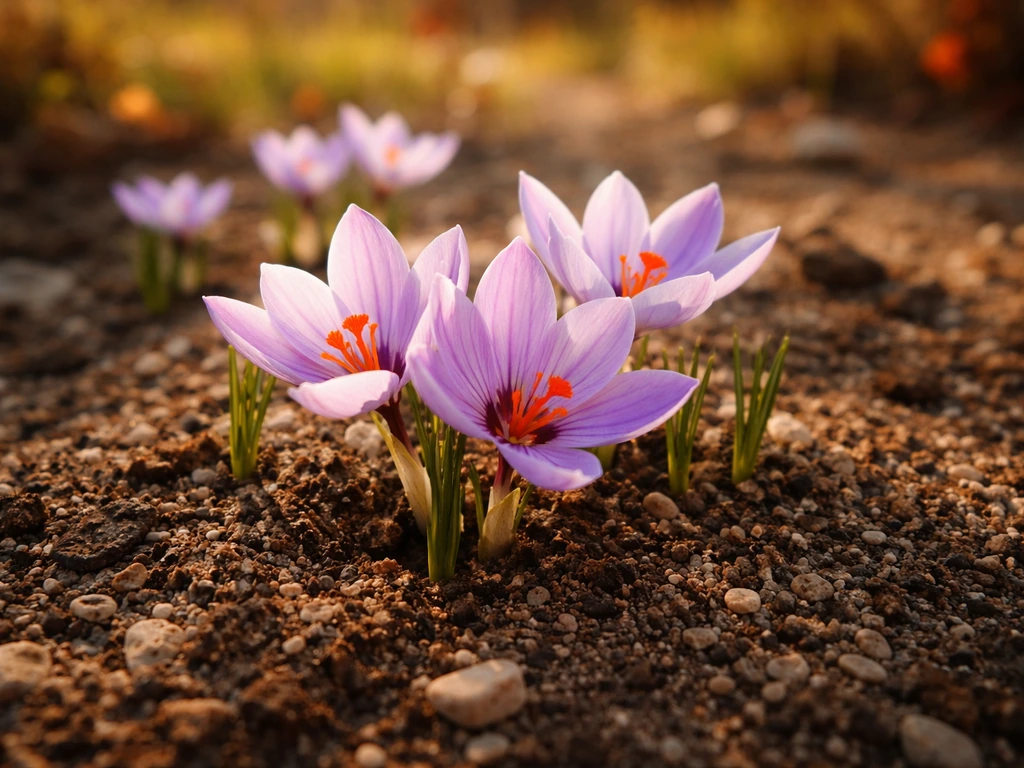
What Illinois gardeners can realistically expect
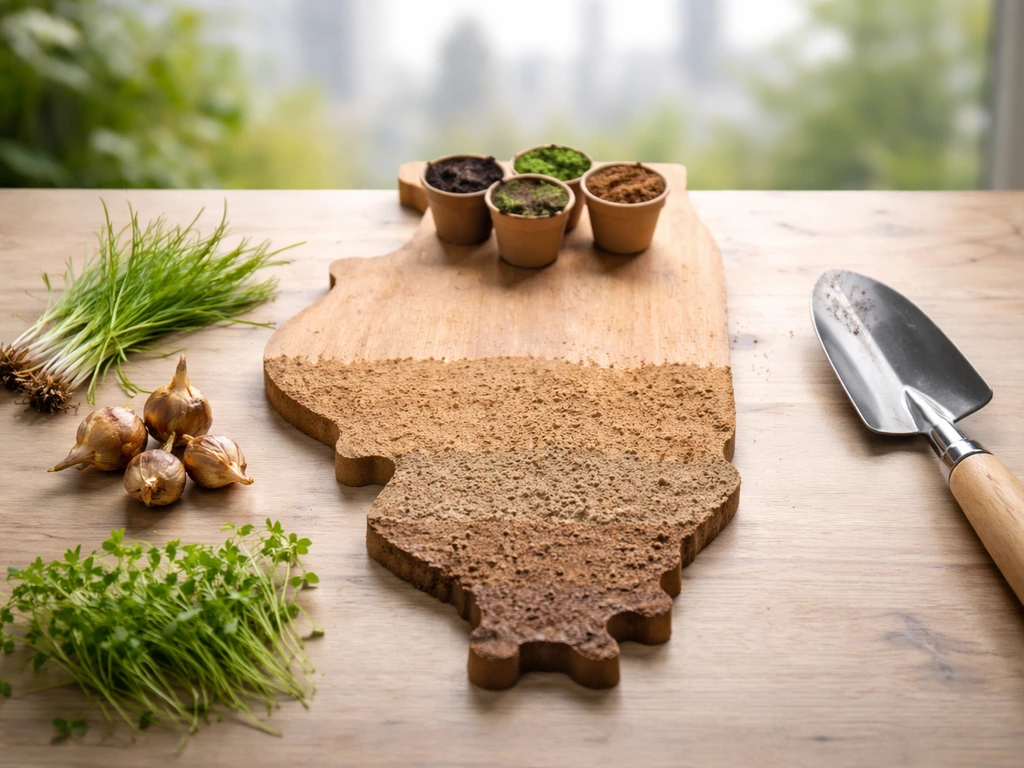
Illinois spans USDA Zones 5a through 6b, roughly from the Wisconsin border down to the Missouri boot heel. Northern Illinois and the Chicago metro sit in Zone 5b to 6a. Central Illinois is mostly Zone 5b to 6a as well. Southern Illinois, from Springfield down toward Carbondale and Cairo, runs Zone 6a to 6b. University of Vermont research has confirmed Crocus sativus survives Zone 5 and even Zone 4 conditions, so the whole state is in play. Northern Illinois gardeners have reported success with it, and there's nothing climatically that makes Illinois a lost cause.
That said, Illinois Extension points out that microclimate matters enormously for borderline plants like saffron crocus. A north-facing, poorly drained bed in Evanston is a very different environment from a south-facing raised bed in Carbondale. Your specific site, not just your ZIP code, determines whether this works. Expect modest flowering in year one as corms settle in, with better production in years two and three as they multiply. Don't plant 10 corms and expect a jar of saffron; plant 50 to 100 if you want to actually cook with what you harvest.
The right conditions: sun, soil, and drainage
Saffron crocus is a Mediterranean plant that wants full sun, lean well-drained soil, and a dry summer dormancy. In Illinois, the summer humidity and rainfall are the biggest challenge because corms sitting in wet soil through July and August will rot before they ever flower. This is the number one failure point I hear about from Illinois gardeners.
Sandy loam is the preferred soil type. If you have heavy clay, which is common across central and northern Illinois, you need to amend aggressively or switch to raised beds entirely. Work compost into the upper 10 to 12 inches, but prioritize drainage over fertility. A soil pH between 6.0 and 8.0 is acceptable, but the texture and drainage matter far more than pH precision. The site needs at least six hours of direct sun daily, and a south or southwest-facing exposure gives you the warmth and drying conditions saffron wants. Avoid areas where water pools after rain or where irrigation runoff collects.
When and how to plant saffron corms in Illinois
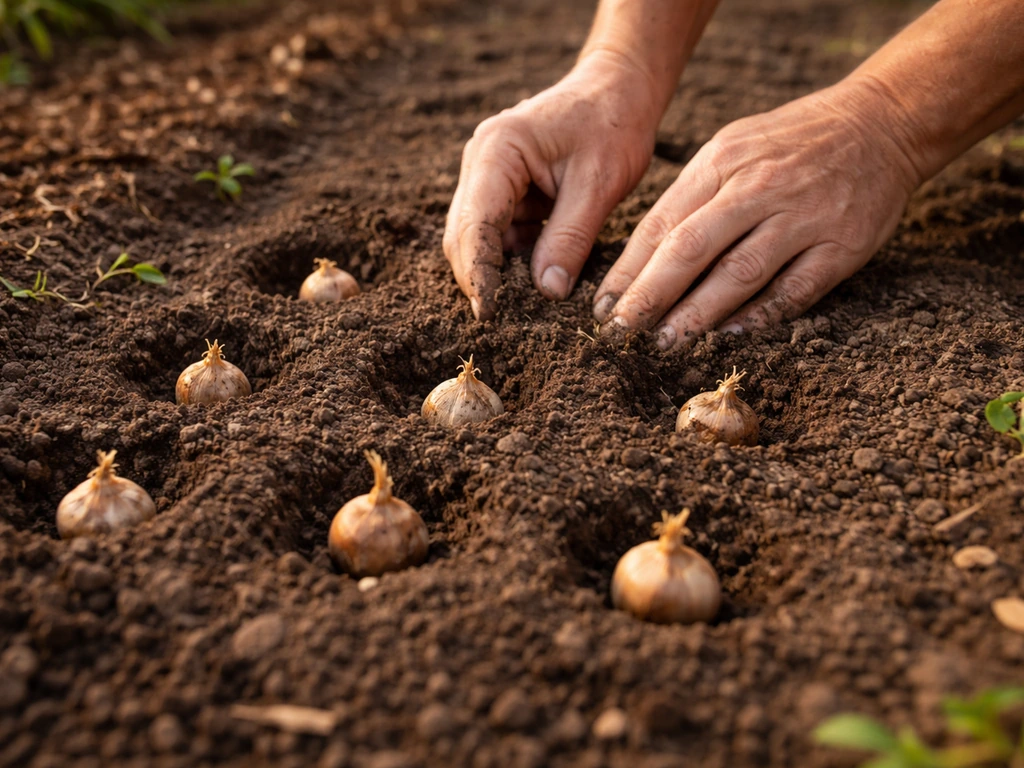
Saffron crocus corms are planted in late summer to early fall, and timing in Illinois means getting them in the ground between late August and mid-September. You want corms established before the soil cools below about 40°F, and you also want them in early enough to flower that same fall (typically October). Waiting until October to plant often means missing the first bloom cycle entirely.
Source your corms from a reputable supplier: Johnny's Selected Seeds, White Flower Farm, or specialty bulb vendors are good options. Make sure you are buying Crocus sativus specifically, not a decorative crocus that looks similar but produces no harvestable saffron. The true saffron crocus has three long, vivid red-orange stigmas per flower; ornamental crocuses do not. This distinction matters because many "saffron crocus" listings online are mislabeled.
Plant corms 3 to 4 inches deep and 3 to 4 inches apart, or roughly 6 to 12 corms per square foot. Johnny's Seeds production guide and UVM research both land in this same range. In heavier Illinois soils, plant at the shallower end (3 inches); in sandier or amended beds, the standard 4 inches works well. Set corms with the pointed end up, water them in at planting, and then largely leave them alone until you see foliage emerge.
| Factor | Recommendation for Illinois |
|---|---|
| Planting window | Late August to mid-September |
| Depth | 3 to 4 inches (shallower in clay, deeper in sandy/amended soil) |
| Spacing | 3 to 4 inches apart, 6 to 12 per square foot |
| Sun | Full sun, minimum 6 hours daily |
| Soil type | Sandy loam or well-amended; avoid clay without modification |
| Soil pH | 6.0 to 8.0 |
| Watering at planting | Water in thoroughly, then minimal until foliage appears |
Getting through an Illinois winter
The cold itself is not the real danger in Illinois. Saffron crocus survives hard freezes well, and research backs survival in Zone 5 and even colder conditions. The danger is wet, cold soil combined with freeze-thaw cycles. If you are really wondering can you grow saffron in Minnesota, the same biggest factor applies: give Crocus sativus excellent drainage and a sunny spot so wet cold does not rot corms. A corm that is alternately saturated and frozen through a typical Illinois winter is far more likely to rot or heave out of the ground than one that is in well-drained soil with a protective mulch layer.
After the foliage dies back in late fall (usually November), apply 2 to 3 inches of loose mulch: straw, shredded leaves, or wood chips all work. This buffers temperature swings and reduces heaving. In northern Illinois (Zone 5a to 5b), a slightly heavier layer of 3 to 4 inches is worth the extra insurance. Pull the mulch back in early spring once you see foliage tips emerging, typically late February or March. Leaving it on too long slows emergence and can provide shelter for mice, which will eat corms if given the chance. Rodent pressure on saffron corms is a real problem documented in production research, so if you know voles or mice are active in your garden, use hardware cloth or plant in containers.
For Chicago and northern Illinois gardeners who want extra security in the first winter while corms are establishing, a cold frame or low tunnel over the bed is a reasonable precaution. It keeps excess moisture off while providing a few degrees of thermal protection. After the first year, most gardeners in Zone 5b find the corms overwinter fine with just mulch.
Caring for saffron through the growing season
Saffron crocus has two active growth phases and one important dormancy period. Foliage emerges in late winter or early spring, grows through spring, then dies back completely by early summer. This summer dormancy, roughly June through August, is when corms need to be kept as dry as possible. Do not irrigate over dormant corms if you can help it, and make sure whatever bed they are in is not receiving runoff from a lawn irrigation system.
During the spring foliage phase, water only if you go two weeks or more without meaningful rain. A light balanced fertilizer (something like 10-10-10) applied once in early spring when foliage emerges gives corms what they need to build energy for fall flowering. Do not over-fertilize; saffron is not a heavy feeder and excess nitrogen encourages foliage at the expense of flowers.
The main disease risk is corm rot, caused by several fungal pathogens including Fusarium species. The best prevention is good drainage and avoiding waterlogged conditions at any time of year. If you notice mushy or discolored corms at any point, remove and discard them immediately to prevent spread. Do not compost infected material. Beyond fungal rot, slugs can damage emerging foliage in wet springs, and as mentioned, rodents are an ongoing nuisance in some Illinois gardens. If deer or squirrels are active in your neighborhood, saffron corms can also be dug up, so a light wire mesh layer just below the soil surface is worth considering.
Harvesting saffron: what to pick, when, and how much to expect
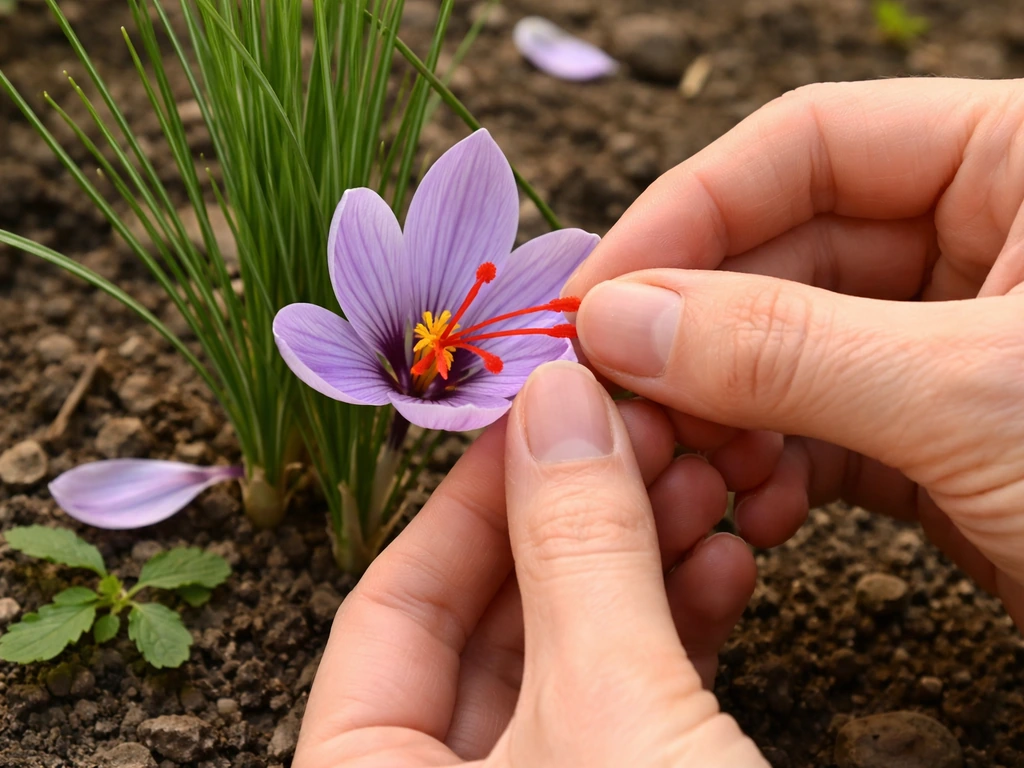
In Illinois, saffron crocus flowers in October, typically a two-to-three week window. Flowers open in the morning and fade quickly, so check your plants every day during bloom time and harvest the same morning a flower opens. Each flower produces exactly three red-orange stigmas. You pinch or snip them out carefully, collect them, and dry them at low heat (an oven at 150 to 170°F for 20 to 30 minutes, or a food dehydrator) to get the finished saffron threads.
The yield math is sobering. It takes roughly 150 to 200 flowers to produce one gram of dried saffron. From 50 corms in year one, you might get 20 to 35 flowers if conditions are good, which translates to around 60 to 105 stigmas and maybe 0.1 to 0.2 grams of saffron. That is enough to flavor one or two dishes. By year three, as corms have multiplied, the same patch can produce significantly more. The goal in year one is to confirm the site works and let corms establish; realistic cooking quantities come later. If you go into year one expecting a pantry full of saffron, you will be disappointed. If you go in expecting a proof of concept and a small harvest to celebrate, you will be satisfied.
Practical upgrades and what to do if things go wrong
Raised beds are the single most reliable upgrade for Illinois saffron growers. A raised bed 8 to 12 inches tall filled with a sandy loam mix solves the drainage problem that clay soil creates, and it warms up faster in spring and fall. If you live in northern Illinois or the Chicago area and have heavy soil, I would start with a raised bed rather than trying to amend in-ground clay. You can plant more densely, manage moisture more precisely, and protect the bed more easily in winter.
Containers are another option, particularly useful if you want to overwinter corms indoors in Zone 5a or if you have zero suitable ground space. Use a terracotta or unglazed pot for better drainage, a well-draining mix, and bring the container into an unheated garage or shed for winter (corms need cold, but a sheltered space protects from the wet-freeze combination). Move containers back outside in late February or early March.
If your corms fail to flower in year one, the most common causes are: planting too late (after mid-September), planting too shallow, poor drainage causing corm stress, or inadequate sun. Check all four before assuming the variety or climate is the problem. If flowers appear but stigmas are sparse or discolored, the corms may be stressed from summer moisture; improve drainage for the following season. And if you get zero flowering after two full seasons, the site is probably wrong rather than the plant being wrong for Illinois overall.
Illinois neighbors in Michigan, Ohio, Wisconsin, and Minnesota face similar cold-climate questions about saffron, and the same core advice applies across the Midwest: drainage and site selection matter more than hardiness zone alone. Michigan gardeners can use the same saffron crocus approach as Illinois, with emphasis on drainage and a warm, dry summer dormancy can you grow saffron in Michigan. Missouri gardeners in Zone 6b have a slight edge on heat and a shorter deep-freeze window, which is worth knowing if you are near the southern Illinois border. Because Missouri sits close to Illinois climate-wise in many areas, the same site prep and drainage rules typically apply when you grow saffron there grow saffron in Missouri.
A quick note on what real saffron is (and what it is not)
Saffron comes exclusively from Crocus sativus, a specific autumn-blooming crocus species. The saffron itself is the three dried red stigmas from each flower, not the petals, not the pollen, and not the whole flower. This is worth emphasizing because garden centers sometimes sell spring-blooming ornamental crocuses with vaguely similar flowers, and no amount of drying those petals produces real saffron. When you order corms, verify the botanical name is Crocus sativus. If a listing just says "saffron crocus" without the species name, ask before buying. One misidentified flat of corms means a whole season of nice purple flowers and zero saffron.
Bottom line: Illinois is a viable state for home saffron growing, and you do not need to live in the Mediterranean to make it work. Wisconsin gardeners face the same main variables, especially drainage and getting corms in early enough to bloom grow saffron in Wisconsin. Get your drainage right, plant in late August or early September, mulch for winter, and give corms two to three seasons to establish. The harvest is small but genuinely real, and there is something satisfying about picking threads from flowers you grew in a Chicago suburb or a downstate vegetable garden. It is worth trying if you are willing to invest in site prep; it is not worth trying if you plan to plant corms in October in a clay low-spot and hope for the best.
FAQ
Can you grow saffron in Illinois if your soil is mostly heavy clay?
Yes, but plan on either a raised bed or a dedicated drainage upgrade. In-ground clay often stays wet long enough in summer and winter to rot corms, even if it is workable in spring. If you amend, focus on building a consistently well-draining sandier zone for the corms (not just adding compost), and consider planting slightly shallower (around 3 inches) so you are not sitting in the wettest layer.
What’s the latest I can plant saffron corms in Illinois and still get a harvest that same fall?
Aim for late August through mid-September. Planting after mid-September often misses the first bloom cycle because corms need time to establish before cool-down and before they begin the fall flowering window. If you have to plant late, prioritize a warm, sunny micro-site and excellent drainage, then treat the first year as establishment rather than a reliable harvest.
Do saffron crocus corms need to be dug up each year in Illinois?
Usually no. With proper drainage, they can overwinter without being dug up annually, even across Zone 5 areas. If your site is borderline wet, that is when gardeners sometimes fail and think digging is required. A better fix is improving drainage (raised bed, slope, or protective covering), because lifting and replanting does not solve the rot risk if the new site is still waterlogged.
How dry should the bed be during summer dormancy (June through August)?
The goal is dry enough that corms are not staying wet for days at a time, especially during humid stretches. Avoid sprinkler irrigation overlap and prevent runoff from nearby lawn or downspouts. If you use a cover like a cold frame or low tunnel in winter, you can also use it strategically in the wetest part of summer to keep rain off when dormancy is underway.
Can you water saffron in spring if there is little rainfall?
Yes, but only sparingly. A practical rule is to water only after about two weeks without meaningful rain, then water deeply enough to moisten the root zone without creating puddles. Stop once foliage is established and do not irrigate during dormancy, since corm rot is the most common failure point in Illinois conditions.
What signs mean my saffron crocus corms are rotting?
Look for mushiness, discoloration, a sudden die-back of foliage, or corms that pull apart easily when you lift a plant. If you suspect rot, remove the affected corms immediately and do not compost them. For the next season, adjust drainage first, since adding fertilizer on rotting corms can worsen losses.
I got flowers, but the stigmas were small or few. What should I change?
Sparse or weak stigmas often reflect stress, most commonly summer moisture or insufficient sun. Next season, ensure at least six hours of direct sun, plant in a spot where water does not pool, and avoid excess nitrogen. If you are in a low spot that collects runoff, switching to a raised bed is usually the fastest improvement.
Can I grow saffron in containers in Illinois, and where should I overwinter them?
Yes, containers can be a good workaround for heavy clay or uncertain drainage. Use unglazed terracotta or another unsealed pot to promote drying, plus a genuinely fast-draining mix. Overwinter in an unheated garage or shed where the corms get cold but are protected from wet-freeze cycles, then move them back outside in late February or early March.
Do I need to protect saffron from mice or voles in Illinois?
Often, yes. Mulch helps temperature stability but can also shelter rodents, so remove mulch in early spring as soon as foliage tips appear. If you know voles or mice are active, use hardware cloth or a protective barrier just below the soil surface, or consider containers where you can better control the growing medium environment.
How do I confirm the corms are actually Crocus sativus and not ornamental crocus?
Check the botanical name on the supplier listing, you want Crocus sativus. In person or by product photos, true saffron crocus has three long red-orange stigmas per flower, ornamental crocuses typically do not produce harvestable saffron. If the listing only says “saffron crocus” without Crocus sativus, ask the seller before buying to avoid a full season of flowers with no real saffron.
Do raised beds really improve saffron success in Illinois compared to in-ground planting?
Yes, especially in northern and central Illinois where clay and winter wet can be limiting. A raised bed (about 8 to 12 inches tall) filled with a sandy loam mix warms faster and sheds water better, which directly reduces rot and freeze-thaw damage. It also makes it easier to keep the bed dry during dormancy and to protect the area with tunnels or mesh if wildlife is an issue.
If my saffron fails to flower in year one, how do I diagnose the cause?
Check planting date first (late August to mid-September is the target), then depth (around 3 to 4 inches), then site conditions (full sun and drainage), and lastly summer moisture management. If you get no flowering after two full seasons, it is usually a site problem rather than a “bad batch” of plants, and you should consider moving to a raised bed or a better-draining microclimate.
Next Articles
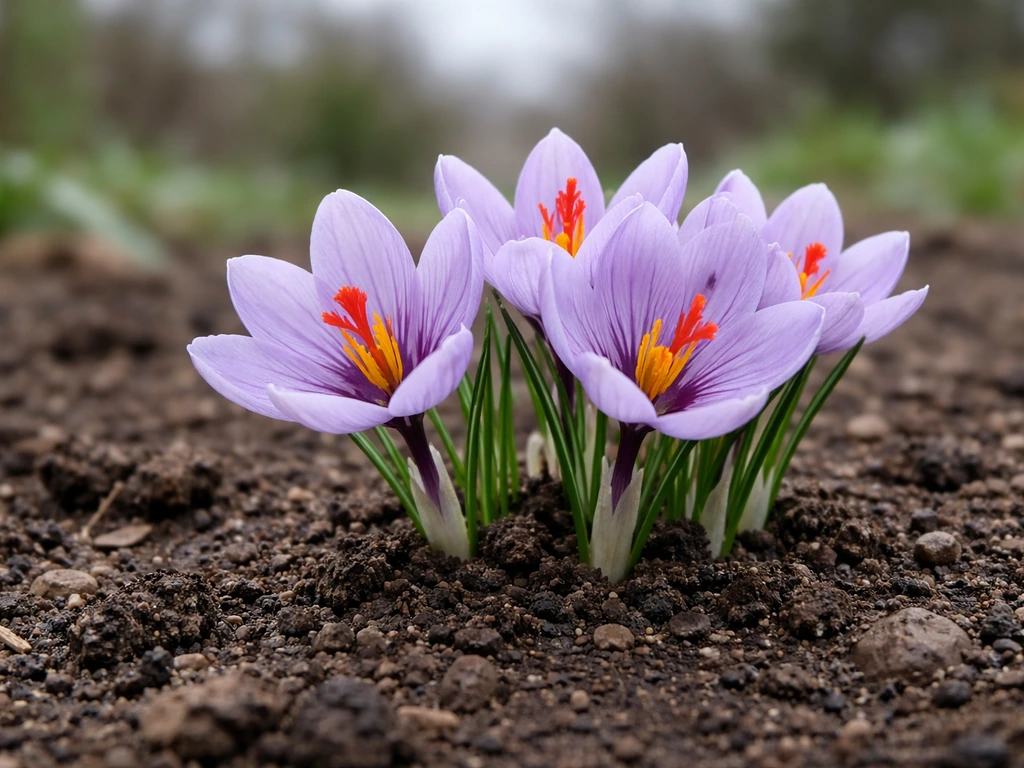
Can You Grow Saffron in Missouri? Planting and Care Guide
Learn if you can grow saffron in Missouri, with planting dates, depth, container tips, harvest timing, and troubleshooti
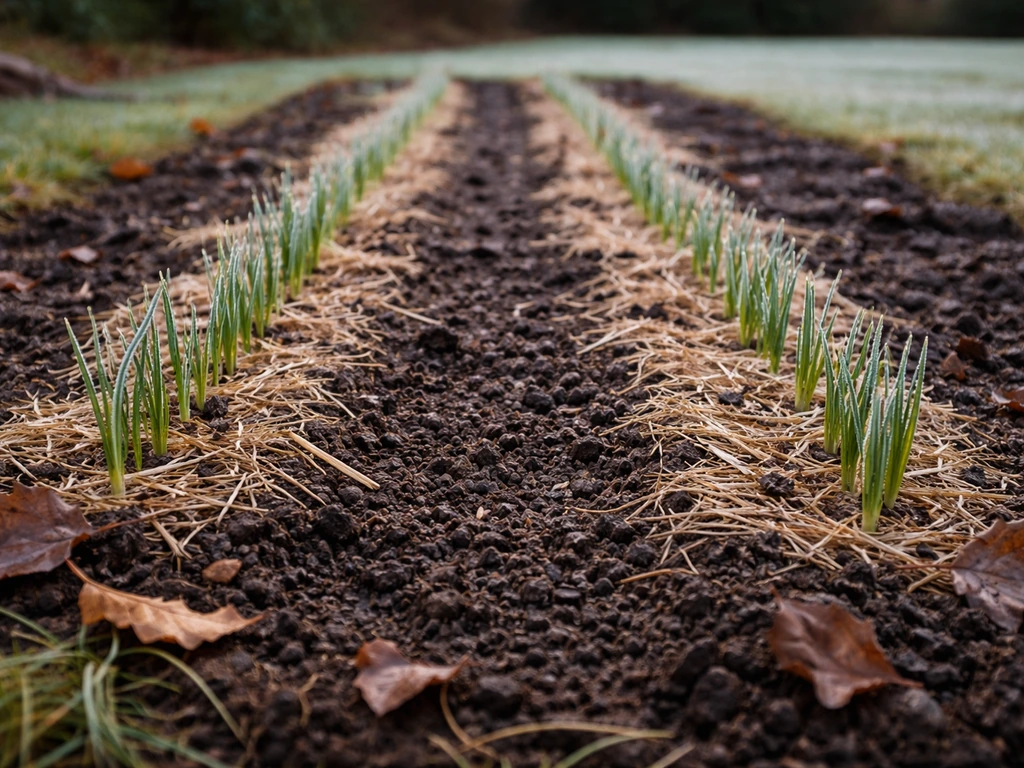
Can You Grow Saffron in Minnesota? Step-by-Step Guide
Learn if you can grow saffron in Minnesota and get step-by-step tips for planting, winter survival, protection, and harv
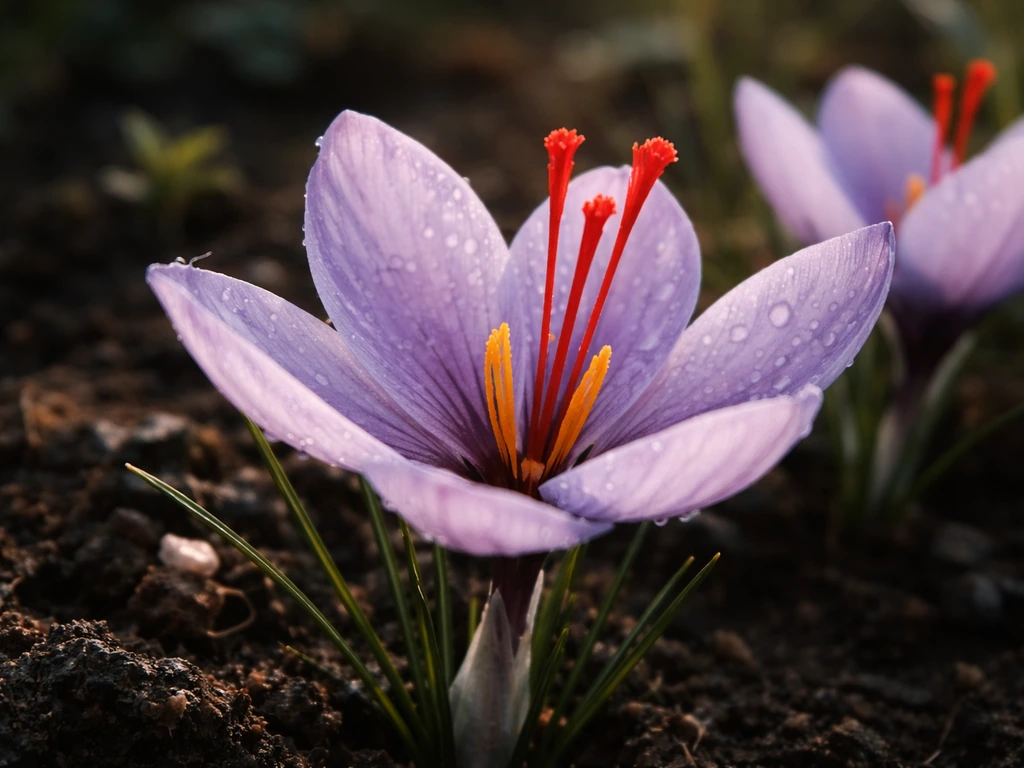
Can You Grow Saffron in Wisconsin? A Practical Guide
Yes: learn how to grow saffron in Wisconsin with chill needs, planting steps, drainage tips, winter protection, and trou