
Yes, you can grow sandalwood at home or on a small farm, but it comes with real conditions attached. If your climate is warm and relatively dry (think tropical to subtropical, roughly matching most of peninsular India, parts of Southeast Asia, or USDA zones 10–12), you have a genuine shot. If you're somewhere cold, wet, or frost-prone, it's a much harder road. If you are asking specifically whether this can work in Canada, focus on finding a warm, frost-free site with full sun, good drainage, and nearby suitable host plants grow sandalwood in Canada. The bigger catch isn't climate though: sandalwood is hemiparasitic, meaning it needs living host plants nearby to thrive after its first year or two. Skip that step and your trees will limp along or die. Get that right, and this is a manageable long-term project for a patient home grower or small farmer.
Can I Grow Sandalwood at Home or on a Farm in India
Which sandalwood are we actually talking about?
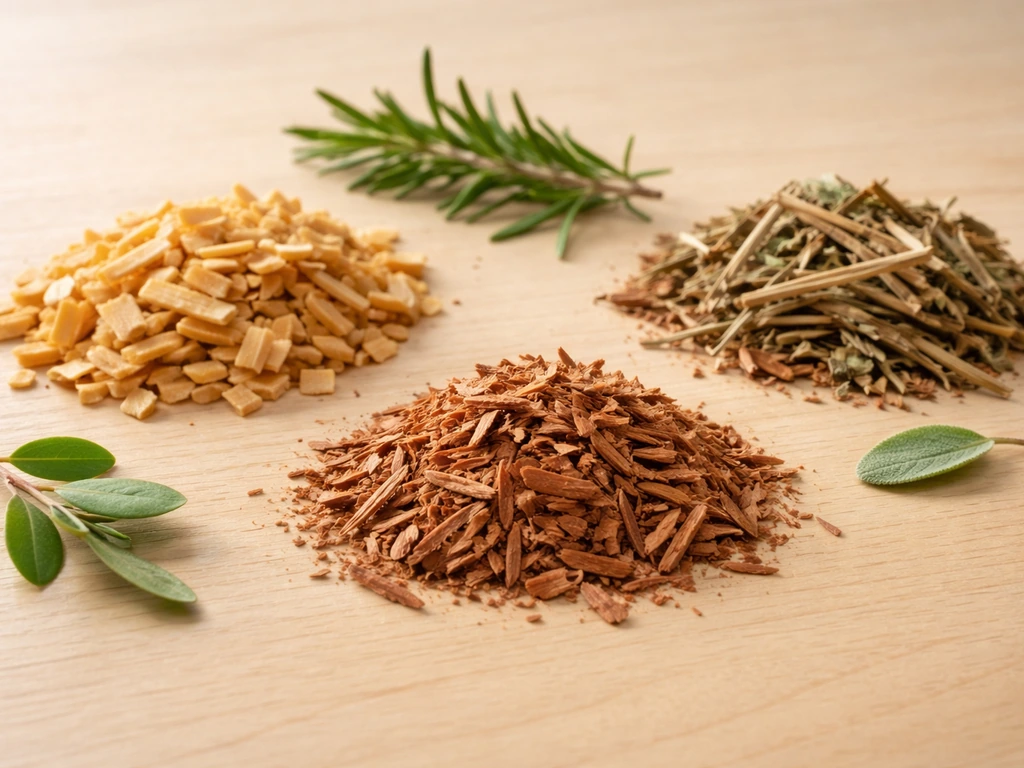
This matters more than most guides admit. The word 'sandalwood' gets used for several different species, and they have genuinely different needs and regional fits. The one most people mean when they search for how to grow it is Santalum album, Indian or true sandalwood. It's the species behind the fragrant heartwood, the essential oil trade, and most of the cultivation research out of India. Then there's Santalum spicatum, Western Australian sandalwood, which is adapted to much drier, lower-rainfall conditions and is the basis of a growing commercial sector in WA. Red sandalwood (Pterocarpus santalinus) is a completely different genus that people sometimes lump in, and it has its own distinct requirements. This guide focuses on S. album, since that's what the vast majority of home growers and Indian farmers are asking about, but the host-plant logic and basic hemiparasitic management principles apply to other Santalum species too.
If you're specifically wondering about growing sandalwood in the USA or Canada, or about red sandalwood, those scenarios have their own nuances worth exploring separately, since climate feasibility shifts significantly outside of S. album's native range.
What sandalwood actually needs to grow
Climate and temperature
Santalum album grows across a temperature range of roughly 0 to 38°C, but its sweet spot is the warm, seasonally dry tropics and subtropics. Annual rainfall between 500 and 3,000 mm is the documented envelope, but in practice the species does best in drier parts of that range, around 600 to 1,200 mm per year, with a distinct dry season. Extended waterlogging, high humidity, or cold winters below freezing will set it back hard. Most of peninsular India, especially the Deccan Plateau regions of Karnataka, Andhra Pradesh, and Tamil Nadu, sits right in this zone. If you’re asking can i grow sandalwood in India, the best chance is usually with true sandalwood (Santalum album) in areas that match its dry-season climate and well-drained soil. If you're in a wetter, more humid region, drainage and site selection become critical.
Soil
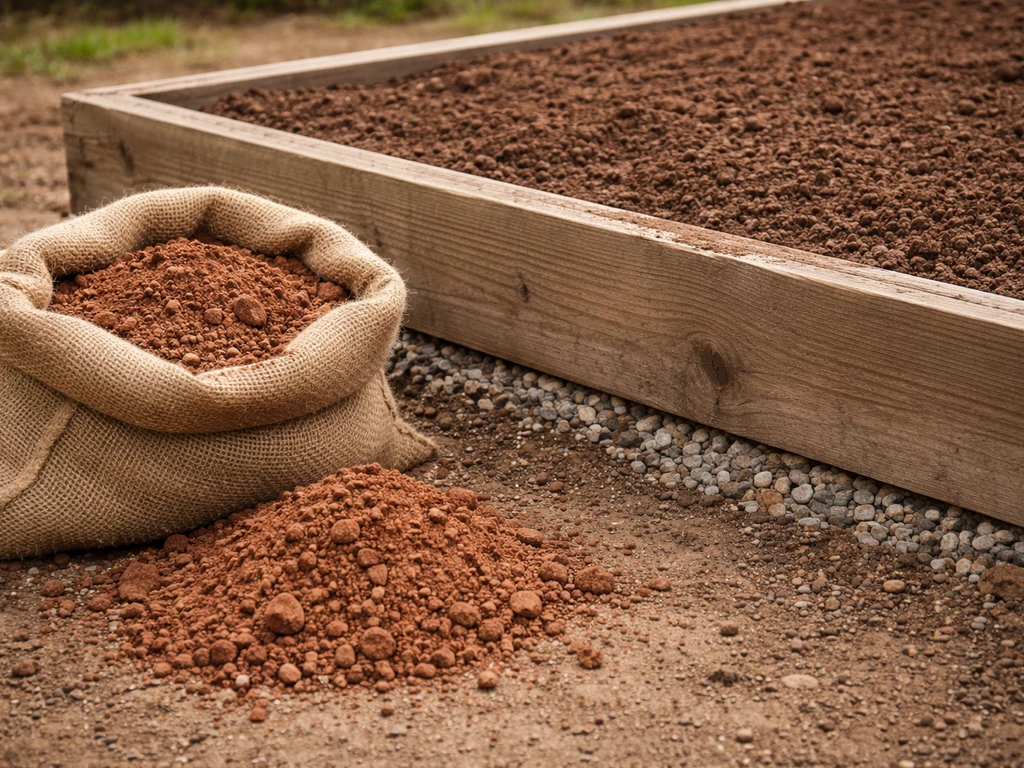
Sandalwood prefers well-drained soils on the slightly alkaline side, with a pH around 6.7 or just above. Red ferruginous loam soils, which are common across much of South India's sandalwood-growing belt, are a natural fit. The key word here is drainage: waterlogged or compacted soils are a reliable way to kill young trees. If your soil is heavy clay, you'll want to either amend it significantly or choose a raised or sloped site. Sandy loam to loamy soils work well. Avoid anything that puddles after rain.
Light and irrigation
Full sun is non-negotiable. Sandalwood is not a shade-tolerant plant, and young trees in particular need direct sunlight for most of the day. For irrigation, the goal is consistent but not excessive moisture in the early years. In a dry climate or during the dry season, you'll need supplemental watering until the tree is established, typically for the first two to three years. After that, a healthy tree with good host connections is more drought-tolerant, but irrigation during extended dry spells still improves growth rates.
Seeds or saplings: how to get started
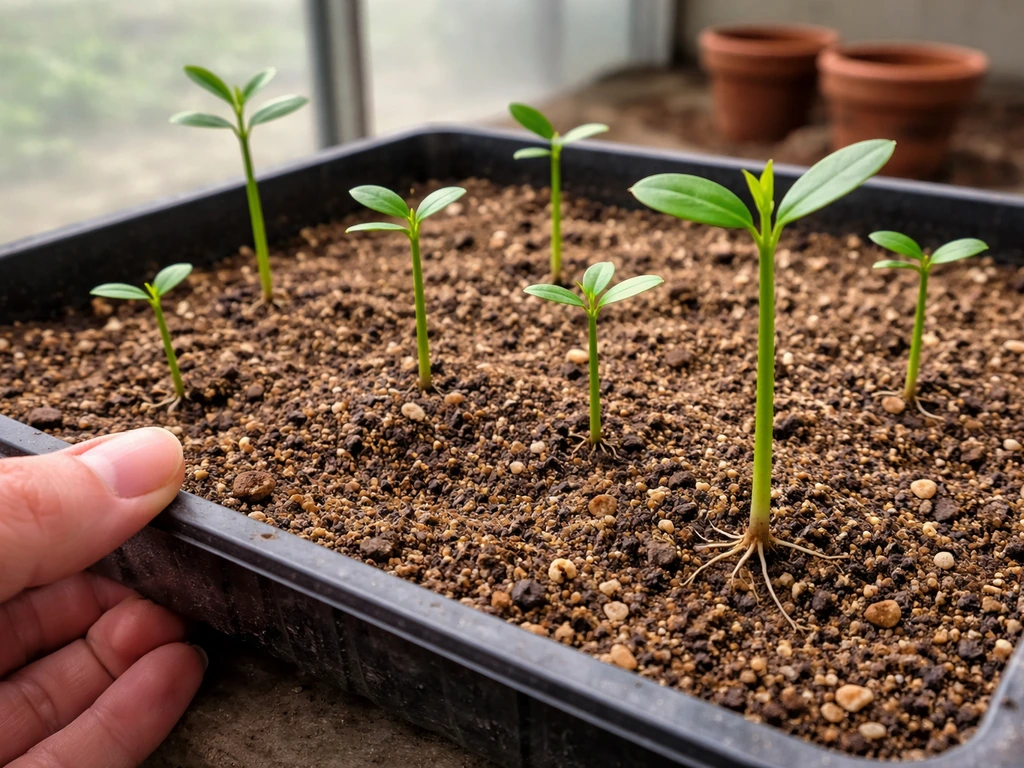
You can start from seed or from nursery-raised saplings, and both have trade-offs. Seeds are cheaper and more widely available, but germination is genuinely tricky and variable. Research reports S. album seeds can germinate in as little as 26 days with good pretreatment, but the full germination window can stretch from 4 to 22 weeks depending on seed quality, storage, and your conditions. The standard nursery protocol from ICFRE-IWST involves soaking seeds in gibberellic acid at 500 ppm for about 16 hours before sowing, then placing them in germination beds filled with river sand over a gravel drainage layer. This isn't a casual backyard setup: standard potting mixes of sand, soil, and compost in polybags specifically do not work well for raising sandal seedlings, because the hemiparasitic nature of the plant means it needs a host even in the nursery stage.
Nursery-raised saplings take about six months to reach plantable quality: typically 30 to 50 cm tall with a collar diameter around 3 mm and visible basal browning (lignification). If you can source good quality saplings from a certified nursery, that's the easier path for a home grower. In India, state forest departments and agricultural universities sometimes supply sandalwood planting material. Check ICFRE-IWST and your state's forest department for current sourcing options, as availability varies by state and season. One note if you're in India: sandalwood is a protected species under Indian law, and there are regulations around harvesting and in some states around cultivation, so check your local rules before you plant a large batch. If you are asking can we grow argan tree in india, you will need to focus on whether your local conditions match argan’s drought-tolerant, arid-region needs and long growing timeline One note if you're in India: sandalwood is a protected species under Indian law.
Home garden vs. small farm: picking the right setup
The approach changes depending on your scale. You can grow sandalwood in the USA, but success depends heavily on your climate, drainage, and choosing compatible host trees can i grow sandalwood in usa. In a home garden, you're most likely growing one to a handful of trees for personal satisfaction, shade, or long-term value. You have more flexibility on spacing and can manage host plants closely. On a small farm, you're thinking about a plantation layout, inter-cropping options, and long-term returns.
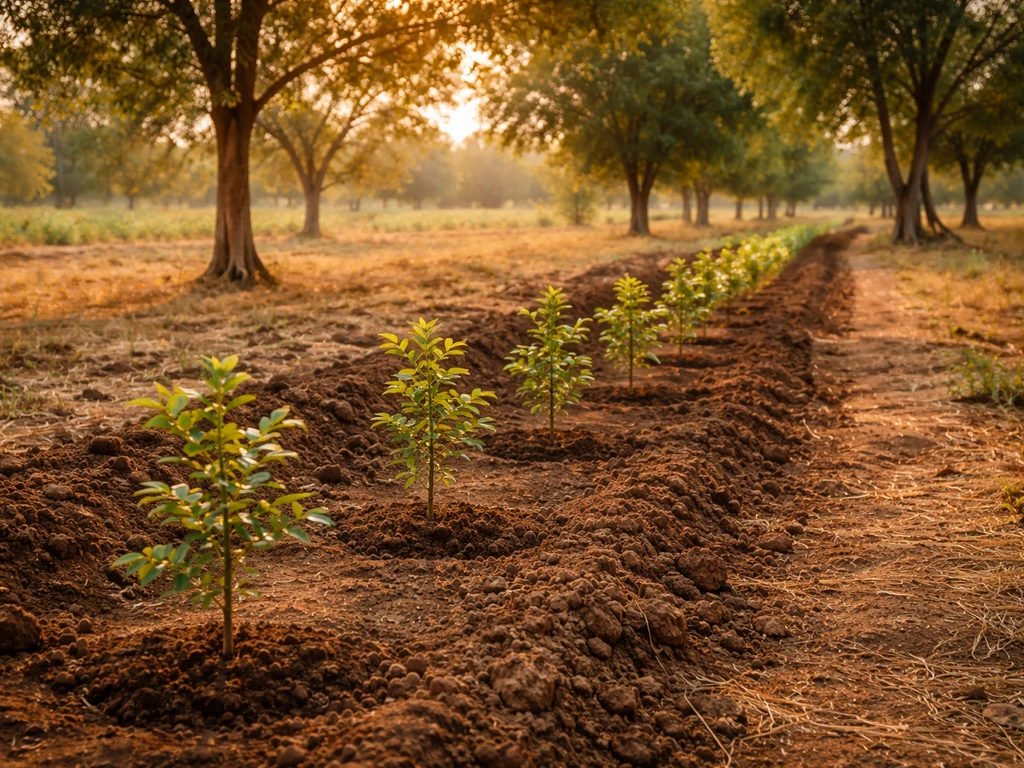
For plantation-style planting, the standard spacing recommended by ACIAR is 4 m between trees within a row and 5 m between rows. That 5 m inter-row gap is practical for two reasons: it allows vehicle access for management, and it leaves room for inter-cropping with shorter-lived crops for the first three to four years while the sandalwood establishes. This makes small-farm cultivation more economically viable in the early years.
For a home garden, strict plantation spacing isn't necessary, but you still need enough room for the host plants around each sandalwood tree. A single backyard tree with two or three companion hosts planted within 2 m is a realistic home-garden scenario. Just make sure your chosen spot gets full sun and has the drainage and soil conditions described above.
The host plant piece: this is where most home growers stumble
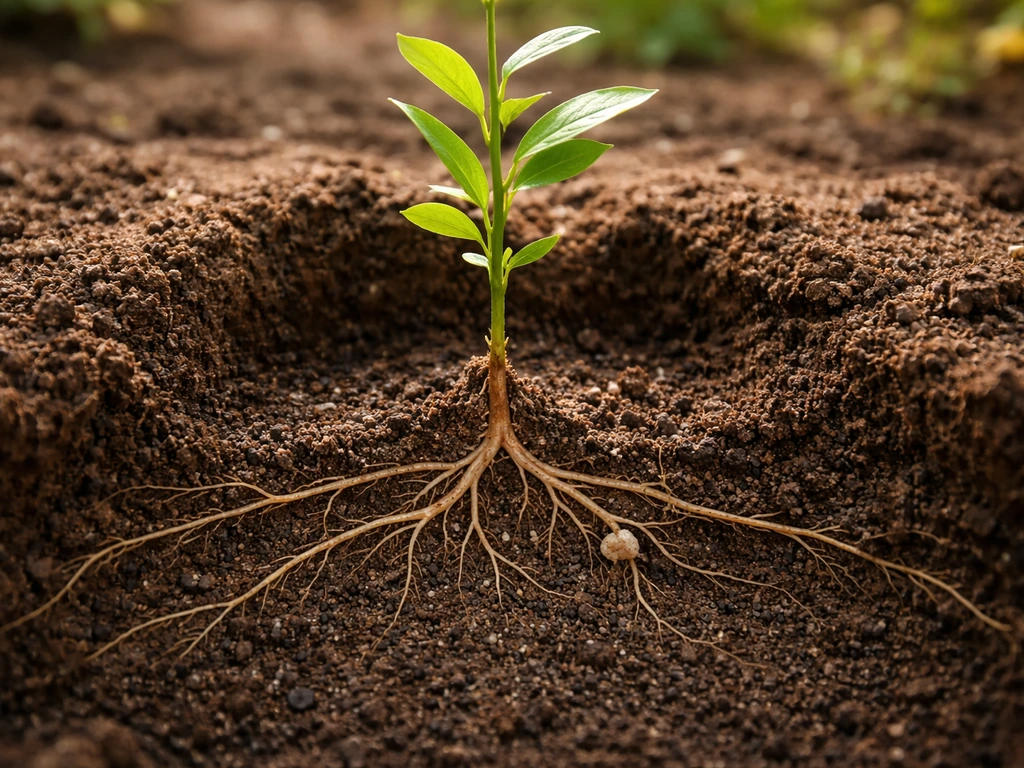
Santalum album is a hemiparasite. It can photosynthesize on its own, but it develops root structures called haustoria that tap into the roots of nearby host plants to pull in water and dissolved nutrients. Early seedling growth can happen without a host, but under any stress, especially drought, host availability becomes critical to survival. ACIAR guidance notes that the blank" rel="noopener noreferrer">sandalwood to intermediate host (Sesbania) ratio can be around 1:1, while long-term host ratios may range roughly from 1:1 up to 2:1 depending on site factors like shallow or infertile soil and long dry seasons. Without hosts, trees grow slowly, struggle during dry periods, and rarely reach their potential for heartwood development.
The good news is that S. album is not fussy about which species it parasitizes. Research has documented hundreds of potential host plants in tropical and subtropical environments. The practical approach is to use a layered host system: a fast-establishing primary or intermediate host that supports the sandalwood in its early years, and a longer-lived secondary host that stays with the tree through maturity.
Host plant practical guide
- Plant host seedlings before your sandalwood, ideally six months to a year ahead, so they're established and have root systems ready when sandalwood goes in.
- Common fast-establishing intermediate hosts include Sesbania species (agathi/agati) and several leguminous shrubs. These fix nitrogen and establish quickly.
- Longer-term hosts can include a range of trees suited to your local climate; state forestry guides and ICFRE-IWST recommendations list locally appropriate species.
- FAO guidelines suggest hosts should not be placed more than about 2.2 m from the sandalwood tree for effective haustorial connection.
- Use redundancy: plant two to three host plants per sandalwood tree so the system has backup if one host dies. Western Australian commercial guides recommend up to three hosts per sandalwood for this reason.
- For a 1: 1 sandalwood-to-primary-host ratio, the ACIAR guide suggests adjusting upward on infertile or shallow soils or where dry seasons are long.
- In a nursery or pot setup, the host needs to be present in the growing medium from early on, which is why standard potting mixes fail for sandalwood seedlings.
Care routine and realistic timeline
Once planted with hosts in place, sandalwood is not a high-maintenance tree, but it rewards consistent early care. Water regularly for the first two to three years, especially during the dry season. Avoid overwatering, which causes root rot. Mulching around the base helps retain moisture without waterlogging the soil. Weed control in the first two years is important because sandalwood competes poorly with aggressive ground cover when young.
Don't expect quick results. This is where honest expectations matter most. Here's a rough timeline to plan around:
| Stage | Approximate Timeline | What's Happening |
|---|---|---|
| Germination (from seed) | 26 days to 22 weeks | High variability; GA3 pretreatment improves speed and rate |
| Nursery to plantable sapling | ~6 months from sowing | 30–50 cm height, collar diameter ~3 mm, ready for field planting |
| Field establishment | Years 1–3 | Root system developing, haustorial connections forming with hosts |
| Visible tree growth | Years 3–7 | Tree grows in height and canopy; heartwood not yet significant |
| Heartwood formation begins | Year 10–15+ | Sapwood starts converting; fragrance and oil content building |
| Useful heartwood yield (commercial) | Year 20–30 | Mature heartwood for oil extraction or timber; home growers may harvest earlier at reduced yield |
That 20 to 30 year window for full commercial maturity is the number that surprises most people. If you're growing sandalwood for heartwood oil or timber value, you're planting for the next generation, not for yourself in five years. That said, a well-managed tree starts producing some sapwood and developing aroma well before full maturity, and there's genuine satisfaction (and some monetary value) in a 15-year-old tree even if it hasn't reached peak yield. Think of it the way you'd think about planting a fruit orchard: a long investment with compounding returns.
Is it worth trying? A grounded take
If you're in a warm, seasonally dry region with well-drained soil and you're willing to set up the host plant system correctly, growing sandalwood at home or on a small farm is genuinely feasible. It's not a plug-and-play crop, but it's not impossibly difficult either. The biggest mistakes I see are skipping the host plant setup (trees limp along and die during the first dry season), using standard potting media for nursery seedlings (germination fails or seedlings collapse), and planting in poorly drained spots (root rot kills them quickly). Get those three things right and you've cleared the main hurdles. If you're asking, “can you grow patchouli,” the answer is different from sandalwood, since patchouli has its own climate and care needs.
If your climate is marginal, wetter than ideal, or subject to frost, the calculus changes. It becomes more of an experiment than a reliable project. And if you're outside of S. album's natural range entirely, for instance in cooler parts of the US or Canada, the feasibility question gets more complicated and depends heavily on microclimate management and species selection. If you're asking specifically whether can agarwood grow in usa, the short answer is that it depends on matching the right warm conditions and getting appropriate cultivation setup.
For someone in India's warm, dry zones: yes, start planning. Yes, you can grow oregano in India, but success depends on choosing a sunny site, well-drained soil, and consistent watering during establishment can we grow oregano in India. Get your site assessed for drainage and pH, source host seedlings now, and order planting material from a reputable nursery. Plant hosts six months before your sandalwood goes in. For someone in a cooler or wetter climate: do the climate homework first before investing in planting material, because site selection and preparation will make or break this project.
FAQ
Can I grow sandalwood without planting host trees at the start?
You may see some early growth without hosts, but it is risky because survival drops sharply under drought or other stress. If you cannot secure hosts immediately, delay sandalwood planting until the companion trees are established enough to support haustoria formation (typically you want hosts in place beforehand).
What host plants should I choose, and how many do I need per sandalwood tree?
S. album can use many tropical host species, but for practical home or small-farm setups use a layered system (a fast primary or intermediate host plus a longer-lived secondary host). A common garden approach is to place 2 to 3 host companions within about 2 meters of each sandalwood tree, then ensure the primary host does not over-shade the sandalwood.
Is it better to start sandalwood from seed or buy nursery saplings?
Seeds are cheaper but germination can be slow and variable, and you still must raise them with appropriate host support even in nursery-stage. Nursery saplings are more expensive but arrive closer to plantable size (often several months old with lignified basal tissue), reducing the most failure-prone phase.
My soil is clay-heavy and sometimes puddles after rain, can I still plant sandalwood?
Avoid planting in spots that puddle, because prolonged waterlogging can cause rapid root issues. If you must use clay, plan a raised bed, a sloped site, or significant amendment to improve drainage, then confirm drainage by doing a simple soak test and observing how quickly water disappears.
How much irrigation does sandalwood need in the first years?
During establishment, aim for consistent moisture without waterlogging. In warm dry climates, supplemental watering is usually needed for the first 2 to 3 years, but after each watering wait for the top soil to dry slightly before watering again, especially if humidity is high.
Can I grow sandalwood in a cooler place where there is no hard frost but winters are chilly?
If temperatures regularly get near freezing, growth and survival can suffer because the species prefers warm seasonally dry conditions. Before planting, check your cold-season lows and the duration, and consider a microclimate solution only if you can guarantee full sun, frost protection, and very strong drainage.
What’s the difference between true sandalwood and other “sandalwood” sold online?
“Sandalwood” is used for multiple species, and requirements differ a lot. Make sure you are sourcing Santalum album for “true sandalwood,” because S. spicatum and other species (including red sandalwood) are managed for different rainfall and site conditions.
How do I set spacing for home gardens versus small plantations?
For a small farm, wider row spacing helps access and can allow short-lived inter-crops for the first few years. For home gardens, strict plantation spacing is less critical, but keep enough room for host trees so hosts do not compete too strongly and the sandalwood still receives full sun.
Can I plant sandalwood in containers?
Long-term container growing is usually impractical because sandalwood is hemiparasitic and needs nearby living hosts, plus it needs a stable, well-drained rooting environment. If you start in containers, use them only as a temporary nursery stage with an appropriate host plan, then transplant to a site with full sun and reliable drainage.
How long does it take before sandalwood is worth anything?
For heartwood-focused value, you should plan on decades, commonly 20 to 30 years for full commercial maturity. However, trees may develop some early aroma and value signals earlier, so you can still monitor progress well before the final harvest window.
What are the most common reasons sandalwood fails for beginners?
The most frequent problems are missing or late host setup, using inappropriate potting media or raising seedlings without the host requirement, and planting in poorly drained ground that leads to root stress or rot. If you correct those three points first, your odds improve significantly.
Is sandalwood legal to plant and will I be able to harvest later?
In India, true sandalwood is protected under law, so cultivation and harvesting can have restrictions depending on your state and activity scale. Before planting a large block, confirm local rules for permitted cultivation, documentation, and harvest conditions.
If my climate is marginal, what’s the smartest next step before buying saplings?
Start with a site assessment focused on full sun hours, drainage rate, and the likelihood of cold or excessive wet periods. Then identify host species that fit your local conditions, and only after confirming those match should you invest in planting material.
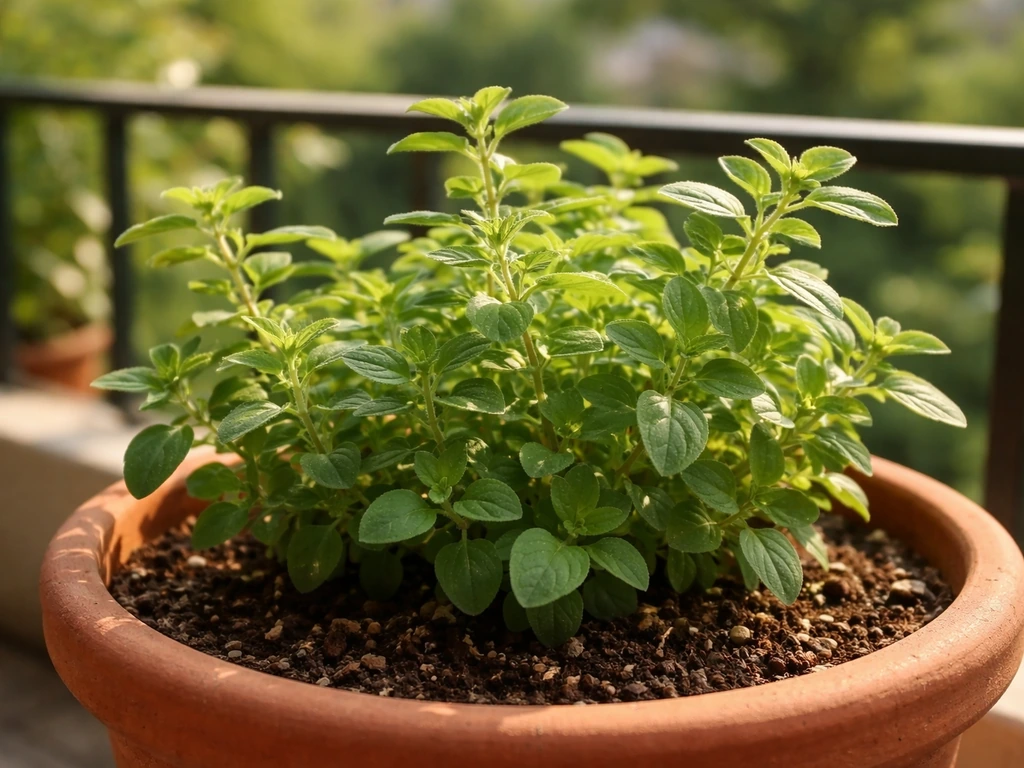
Yes, grow oregano in India: climate fit, planting season, soil, watering, containers, propagation, pruning and troublesh
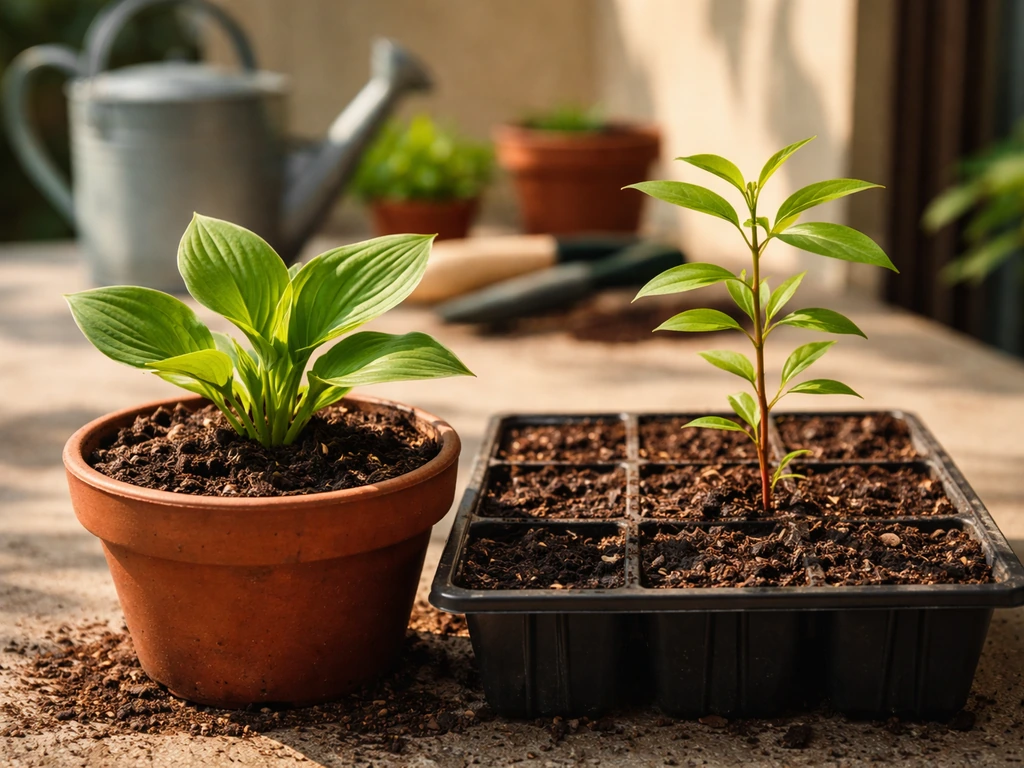
Yes, you can try growing red sandalwood, but it needs host plants, warm climate, patience, and legal checks.
See if agarwood producing Aquilaria can grow in USA, plus legal rules, climate needs, care tips, and resin timelines.