
Yes, you can grow red sandalwood (Pterocarpus santalinus) at home, but whether it's actually worth your effort depends almost entirely on where you live. If you're in southern India, particularly in a tropical dry climate, you have a genuine shot at it with the right setup. If you want a faster herb option, you can ask whether oregano can grow in India and then compare the climate and soil needs can we grow oregano in india. If you're in the United States, you're mostly out of luck unless you're in the warmest parts of Florida, Hawaii, or southern California, and even then you're dealing with a slow-growing tree that takes 20 to 25 years to produce useful heartwood. This is not a plant for instant gratification or casual gardening.
Can I Grow Red Sandalwood at Home Yes, How
Marcus Petersen
23 Jun 2026
What red sandalwood actually is
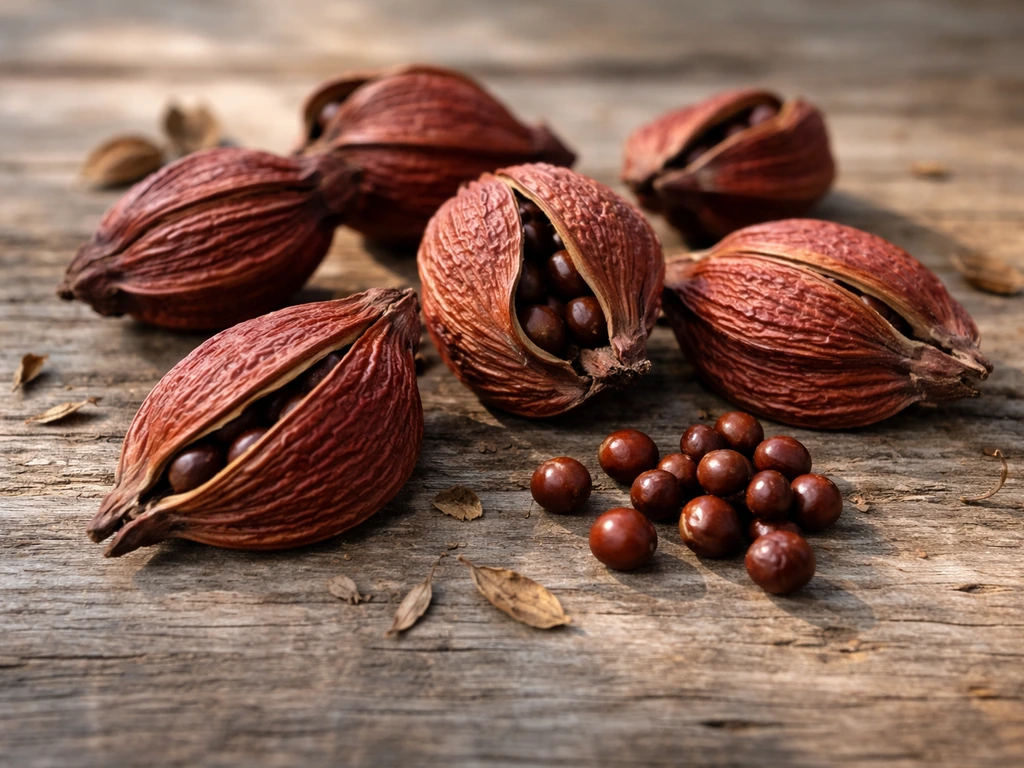
Red sandalwood's scientific name is Pterocarpus santalinus, and it's worth knowing upfront that it is not related to true sandalwood (Santalum album). True sandalwood is the one with the famous fragrant heartwood and oil, and it's also a root hemiparasite that needs host plants to survive. Pterocarpus santalinus, on the other hand, is a legume in the Fabaceae family and is entirely non-parasitic, which makes it easier to grow than Santalum species in that specific regard. What P. santalinus is known for is its dense, blood-red heartwood, which has been used for centuries in dyes, traditional medicine, and woodworking. Its common names include red sanders, red sandalwood, and in India you'll hear it called Yerra Chandanam or Rakta Chandana.
The species is endemic, meaning it grows naturally nowhere else on Earth, to the southern Eastern Ghats mountain range of South India. That narrow native range tells you a lot about what it needs: tropical dry deciduous forest conditions, a distinct dry season, and specific soil chemistry. It's listed as CITES Appendix II, which means international trade in specimens requires proper certification. In India, there are also legal protections under forest laws that affect private cultivation, so that's something you'll want to look into before you plant a single seed.
Why growing it at home is genuinely difficult
The main challenges with red sandalwood aren't mysterious, they're just stacked on top of each other in a way that makes casual cultivation frustrating. First, seeds lose viability quickly. They're good for about one year after harvest, and after that germination rates fall off sharply. TNAU notes that red sanders seeds are viable for about one year after harvest, and after that germination percentage drops drastically blank" rel="noopener noreferrer">They' re good for about one year after harvest, and after that germination rates fall off sharply. Getting fresh seed is harder than it sounds because the species is regulated and not widely available commercially. Even when you do have fresh seeds, germination is unreliable without the right pretreatment. Research has confirmed that pre-sowing seed treatments (scarification, soaking, or other methods) significantly improve germination outcomes, and hobbyists who've successfully germinated P. santalinus on Reddit consistently cite using published research protocols to get results.
Second, it's a slow-growing tree. We're not talking about a few extra years of patience, the rotation period for usable heartwood is 20 to 25 years. The heartwood itself doesn't even develop until the tree is well into maturity. Third, in India there are regulatory considerations. Private cultivation is legally possible in some Indian states (Andhra Pradesh, Tamil Nadu, Karnataka, Kerala, Odisha, and others have documented cultivation), but the species' protected status means you should verify current state-level regulations before investing in a plantation. And in the United States, the CITES listing means importing plant material without proper documentation is a compliance issue. If you're wondering, “Can I grow sandalwood in USA,” the main hurdles are typically documentation for importing plant material and matching your site to the tree's requirements.
Where this tree actually wants to grow: India vs. the U.S.
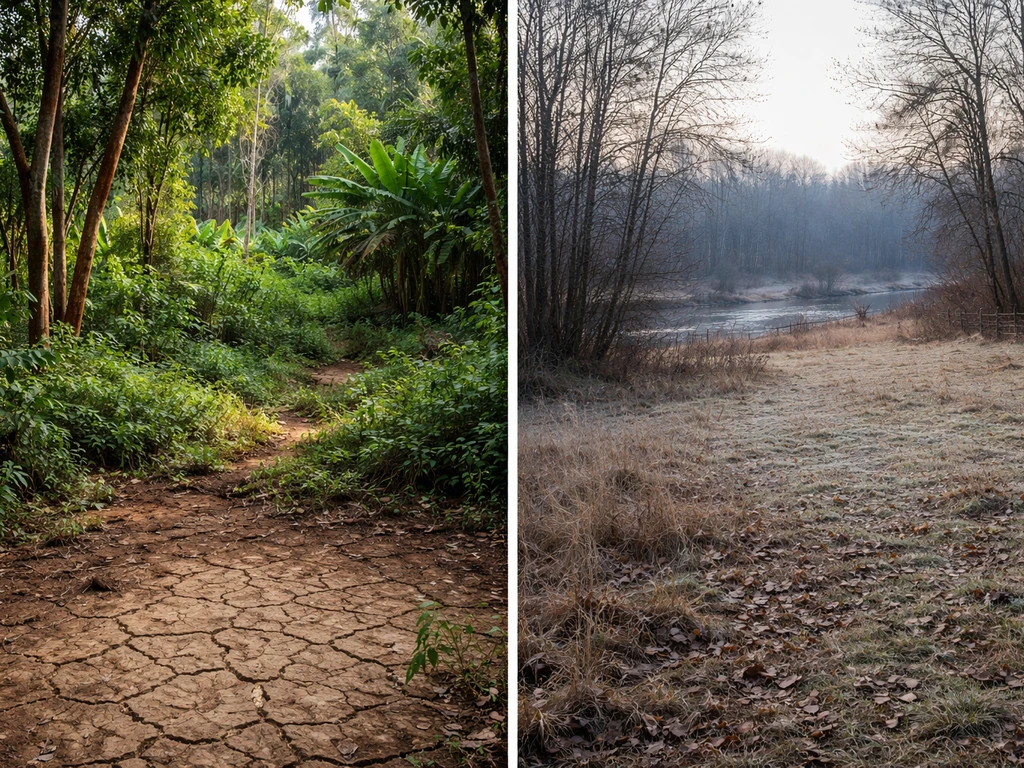
Red sandalwood has a narrow climate preference, and most of the world simply doesn't fit it. The tree needs a tropical environment with a clear dry season. It tolerates annual rainfall between 875 and 2,800 mm, but it does best with well-defined wet and dry periods rather than year-round moisture. Soil pH should ideally fall between 5.0 and 5.5, though it can manage in a range of 4.5 to 6.5. It prefers full sun and does not handle frost.
| Factor | Southern India (ideal zones) | U.S. (best-case scenarios) |
|---|---|---|
| Climate type | Tropical dry deciduous | Subtropical/tropical only |
| Suitable states/regions | Andhra Pradesh, Tamil Nadu, Karnataka, Kerala, Odisha, Telangana | South Florida, Hawaii, extreme southern California |
| Annual rainfall fit | Naturally matched (875–2,800 mm) | Highly variable; irrigation needed |
| Soil pH | Naturally acidic in much of South India | Requires testing and amendment |
| Frost risk | None in native range | Major risk in most of the continental U.S. |
| CITES/legal access to seeds | Regulated but domestically available | CITES compliance required for imports |
| Realistic home growing verdict | Feasible with effort and permits | Very difficult; mostly not practical |
If you're in India, especially in the southern states, and you have suitable land, growing red sandalwood is genuinely viable. Multiple state governments have run official plantation programs and progeny trials (a notable example being a trial site at Nelhal, Karnataka). If you're in the U.S., I'll be direct: unless you're in USDA hardiness zone 10 or 11 and can provide the specific dry-season cycle this tree needs, it's not a practical project. Can agarwood grow in the USA, and what would it take to produce usable resin can agarwood grow in usa. It won't survive a frost, it won't thrive in humid subtropical climates without good drainage, and sourcing legal planting material in the U.S. is a real barrier.
How to actually grow red sandalwood, step by step
If you're in a viable location and you've confirmed you can legally obtain planting material, here's the practical process based on the best available silviculture guidance:
1. Get your seeds or seedlings right
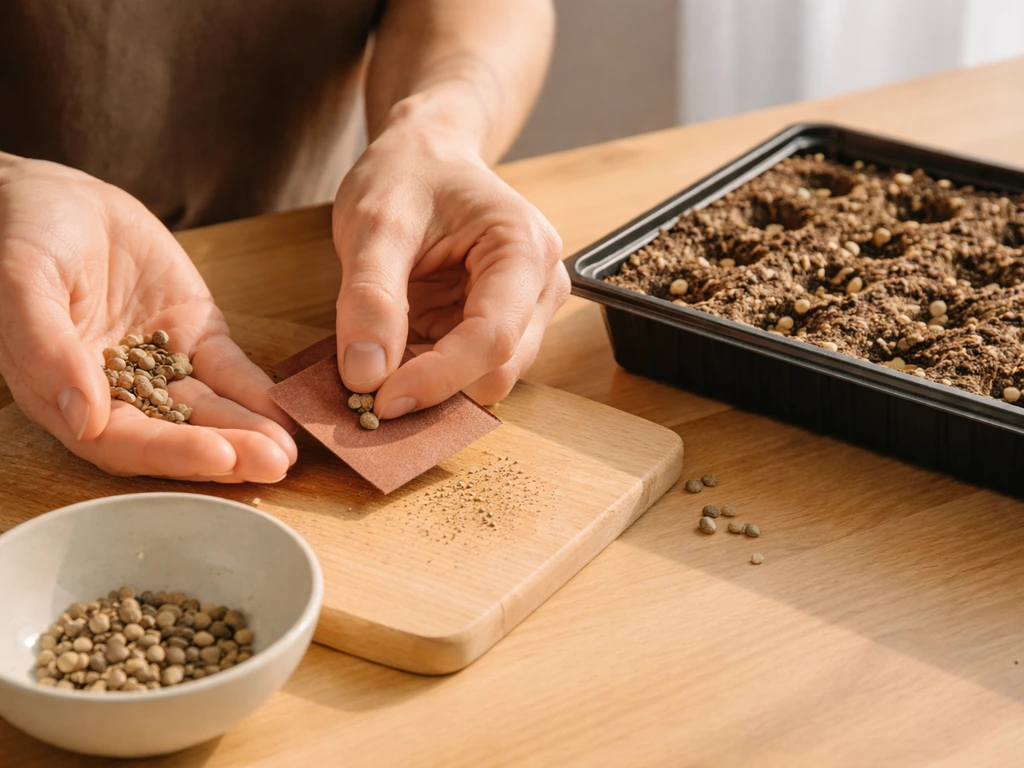
Source seeds that are fresh, within one year of harvest. Older seeds will germinate poorly or not at all. Before sowing, use a pre-sowing treatment to break dormancy: scarification (lightly nicking the seed coat) or soaking in water for 24 hours are commonly used approaches, and research confirms these improve germination rates meaningfully. In India, nursery-raised seedlings (or stump planting) are also used as a propagation approach, which bypasses germination challenges entirely. Tissue culture propagation exists for conservation purposes, but it's not a realistic home option.
2. Prepare your site and soil
Red sandalwood does best in well-drained, loamy to laterite soils with a pH between 5.0 and 5.5. Avoid waterlogged sites, this is non-negotiable. Land preparation for plantation-scale growing involves ploughing and harrowing before transplanting. For home-scale growing, dig planting pits and work in farmyard manure (FYM) to improve organic matter and nutrient availability. Test your soil pH and adjust with sulfur if needed to bring it into the right acidic range. The site should get full sun.
3. Plant and space correctly
Standard spacing recommendations for plantation growing range from 3 m x 3 m up to 6 m x 6 m depending on the goal, with 4 m x 4 m being a common guideline for timber plantations. For a backyard or small home growing setup, plan for at least 4 meters of clearance around each tree at maturity. Plant at the beginning of the rainy/monsoon season so the tree gets naturally supported establishment. Immediately after transplanting, water thoroughly.
4. Irrigate and fertilize for the first three years
The critical establishment window is the first three years. During this period, regular irrigation is essential, do not let young plants dry out completely, especially in the dry season. Apply fertilizer in split doses during the growing season, and always irrigate after each fertilizer application. Farmyard manure should be added annually per plant during this early phase. After year three, the tree becomes much more self-sufficient and better adapted to dry conditions.
5. Weed, prune, and watch for pests
Weeding and cleaning around young plants is important through the first three years, competing vegetation can stunt establishment. Prune for good canopy structure as the tree develops. Watch for common forestry pests and root-rot issues in poorly drained soil. Red sandalwood is not particularly disease-prone when well-sited, but young seedlings are vulnerable in waterlogged conditions or with too much shade.
What to grow instead if it won't work in your location
If you're in the U.S. outside of zone 10 or 11, or if you're in India but dealing with legal or climate constraints, there are more practical alternatives depending on what property you're actually after, aromatic wood, valuable timber, or a striking ornamental tree. If you’re specifically wondering whether you can grow an argan tree in India, the answer is generally no because it needs a very different climate than most of India provides can we grow argan tree in india.
- True sandalwood (Santalum album): Worth considering if you're in a tropical or subtropical climate and want the genuine aromatic heartwood. It's a root hemiparasite, so it requires host plants — which adds complexity — but it is cultivated successfully in parts of India and Hawaii. If you're exploring this option, it's a different but related challenge to P. santalinus.
- Indian rosewood (Dalbergia sissoo): A legume relative that's much faster to establish and is grown widely in South Asia. It won't give you red sandalwood's specific properties but it's a valuable hardwood in a similar climate range.
- Agarwood (Aquilaria species): If you're interested in rare, high-value specialty wood in tropical or subtropical U.S. climates, agarwood is another option worth researching — it's been grown experimentally in the U.S.
- Rainbow eucalyptus (Eucalyptus deglupta): For U.S. zones 10 and 11, this is a fast-growing, striking tree that gives you a dramatic ornamental hardwood without the decade-scale wait.
- Desert willow (Chilopsis linearis) or other native hardwoods: For U.S. gardeners who simply want an unusual tree that's actually suited to their zone, native hardwoods are always the honest recommendation over forcing a tropical species into an ill-suited climate.
How long it actually takes, and what usually goes wrong
Be completely realistic about the timeline before you commit. Red sandalwood takes 20 to 25 years to reach timber maturity, and that's under good conditions. The heartwood, the part with commercial and traditional value, develops only as the tree ages. Research estimates that a mature tree can yield around 500 kg of heartwood after 25 years, but that figure is for plantation-managed trees, not casually grown backyard specimens.
The most common failure points I see discussed, and the ones to plan around, are: using old seed with poor germination rates, skipping pre-sowing treatment and getting inconsistent germination, planting in poorly drained or alkaline soil, neglecting irrigation in the first two to three years, and, especially in the U. Forest Pathology explains that many root hemiparasites succeed by “blank" rel="noopener noreferrer">host tapping,” and that hemiparasitic plants generally fail without access to appropriate host roots (for species-level expectations like Pterocarpus santalinus, though, host information still matters). S., exposing young trees to any frost. A single cold night below freezing can kill a young tree you've spent months establishing. If you're in a borderline climate, container growing for the first couple of years with overwintering indoors is a real option, but understand that you're adding years to an already long timeline before the tree can ever go into the ground. You can also use this same container-first, long-term mindset when you explore whether you can grow patchouli in your climate.
The bottom line: if you're in southern India with suitable land and you can confirm current legal permissions in your state, red sandalwood is worth planting, it's a long game, but a legitimate one. In practice, people often ask can i grow sandalwood in India, and the honest answer is that red sandalwood is possible only in specific regions with the right conditions and permissions. If you're in the U.S. outside of Hawaii or extreme south Florida, put your energy into a species that actually suits your climate. The 25-year wait is only worth it if the tree has a realistic chance of surviving long enough to get there.
FAQ
If I’m in a borderline climate, can I start red sandalwood in a container and move it later?
Yes, container growing is possible for the first couple of years, but it will not solve the core issue, frost and dry-season matching. Use a deep pot with aggressive drainage, only keep the tree outdoors during warm months, and move it indoors or to a frost-free shelter before temperatures drop. Even then, expect extra time before planting out, because root development and after-transplant recovery slow down in containers.
Will growing red sandalwood at home let me produce fragrant oil like true sandalwood?
Don’t assume any “sandalwood oil” product means the plant will grow for you. Red sandalwood (Pterocarpus santalinus) is not true sandalwood, and it does not behave the same way. If your goal is the fragrant heartwood or oil, verify you have the correct species and a realistic harvest plan, since heartwood development still takes decades.
How do I adjust soil pH for red sandalwood without harming the tree?
Be careful with pH management. If your soil is naturally acidic and you add sulfur, you can over-acidify, which may reduce nutrient availability and stress the tree. After adjusting, re-test pH and keep an eye on leaf color and growth rate during the first season, then only fine-tune in small steps.
What drainage problems cause red sandalwood seedlings to die even when I irrigate correctly?
Container or backyard pits often fail for one main reason, water stays in the hole. In addition to “well-drained,” aim for soil structure that drains quickly after irrigation. If water ponds after watering or it smells sour after rain, redesign the site with raised beds or improve the mix rather than planting directly.
Is it better to grow from seed, or should I look for seedlings or stump planting?
Yes, but expect variability. Seedlings are genetically variable and can have different growth and heartwood development timelines. If you want more predictable outcomes, many growers rely on nursery-raised stock or stump planting methods, because they reduce germination inconsistency tied to seed age and treatment.
How much spacing is actually needed for a small backyard planting?
At home scale, spacing affects long-term health more than people expect. Too-tight planting increases shade and competition, which can slow early establishment, raise disease risk in damp pockets, and create pruning problems. If you do a small layout, still leave substantial clearance and plan for a mature canopy, not just the seedling size.
How often should I water during the establishment period, and what signs show I’m watering too much?
The first three years require consistent moisture, but “more water” is not the same as “better water.” Water deeply when the top layer dries, and stop watering if drainage is poor. In a humid or rainy pattern without a dry season, establish supplemental drainage and avoid keeping the soil constantly wet.
What’s the best fertilizer approach for year-one and year-two trees?
Fertilize lightly and in splits during active growth, then back off. Over-fertilizing can push soft growth that is more vulnerable to pests and stress during dry spells. Always irrigate after feeding, and skip fertilizer if the plant looks weak from waterlogging or cold rather than from nutrient shortage.
When should I prune, and how aggressive can I be as the tree is young?
Unnecessary pruning can set back the tree because young plants are already allocating energy to establishment. Focus on removing damaged or crossing branches and building a basic canopy structure, avoid heavy cuts early, and don’t prune during the coolest or wettest part of the year when recovery slows.
If my region rarely freezes, what’s the safest way to protect red sandalwood from winter cold?
A true “no frost ever” rule applies to young red sandalwood. If your area gets occasional freezing nights, assume risk and plan protection such as indoor overwintering for young trees, warming structures, or locating the tree in the warmest microclimate you can verify. For mature trees, frost damage can still occur and may reduce long-term heartwood development.
What legal checks should I do before planting red sandalwood, especially if sourcing material from outside my country?
Yes, legal compliance can be more complex than just “can I buy seeds.” Because the species is protected under CITES and some forest laws, rules can differ by state and by whether you’re importing, receiving, or cultivating plant material. Before planting, confirm what paperwork is required for your specific source and whether private cultivation is permitted where your land is located.
Next Articles
Can Agarwood Grow in USA? Climate, Care, and Legal Steps
See if agarwood producing Aquilaria can grow in USA, plus legal rules, climate needs, care tips, and resin timelines.
Can You Grow Patchouli? Yes, Here’s How in Your Climate
Yes, grow patchouli at home with climate guidance, indoor or outdoor setup, planting, overwintering, and harvest timing.
Can You Grow Black Pepper in the US Where and How
Learn where black pepper can be grown in the US and how to grow it indoors or in warm zones for fruit.