
Yes, you can grow oregano in India, and it does surprisingly well in many parts of the country if you match the variety to your climate and get the drainage right. If you are also curious about red sandalwood, the key issue is that it does not grow like typical garden herbs, so you need to check availability, climate limits, and legal sourcing first growing oregano. It is not a difficult herb, but it does hate two things that India has plenty of: waterlogged soil and stifling, low-airflow heat. Get those two factors under control and oregano is actually one of the more rewarding herbs you can grow at home.
Can We Grow Oregano in India? Easy Guide for Home Growing

Marcus Petersen
26 Jun 2026
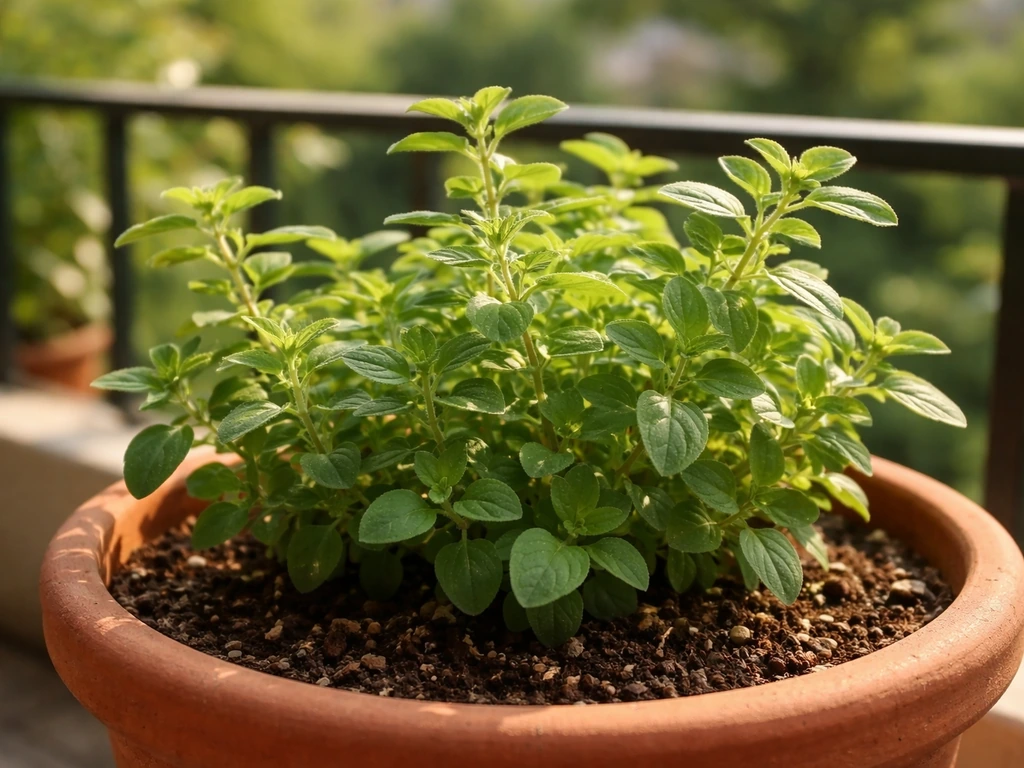
Where oregano actually grows well in India
Oregano (Origanum vulgare) is not a foreign experiment in India. If you are also wondering can i grow sandalwood in India, keep in mind it needs specific host conditions and very long timeframes to establish. It grows natively in the temperate Himalayas from Kashmir all the way to Sikkim, and researchers at ICAR have documented it from the Central Himalayan belt too. Spices Board information for India notes oregano is found in the [temperate Himalayas from Kashmir to Sikkim](https://www.
indianspices. com/spice-catalog/oregano. html) and that it prefers a temperate to sub-tropical climate, with growth in light, well-drained soil and a sunny position. The Spices Board of India officially recognizes it as a crop suited to temperate and sub-tropical conditions.
A 2021 Western Himalayan study compared oil quality across multiple growing locations in that corridor, so this is a well-documented, regionally established herb, not a gamble.
That said, not every part of India is equally friendly to it. Here is a practical breakdown by region and what to realistically expect: If you are wondering about sandalwood, you can use a similar approach to check whether your climate and soil make it realistic to grow it in Canada practical breakdown by region.
| Region / Climate | Feasibility | Key Notes |
|---|---|---|
| Himalayan foothills and hill stations (Himachal, Uttarakhand, NE states, parts of J&K) | Excellent | Near-native conditions; grows as a perennial with minimal intervention |
| Deccan Plateau and southern highlands (Bangalore, Ooty, Coorg, Kodaikanal) | Very good | Cooler nights and moderate temperatures suit oregano well; grows vigorously |
| North Indian plains (Delhi, UP, Punjab, Rajasthan) | Good with seasonal planning | Grow October to March; summer heat will stress or kill plants unless shaded |
| Coastal and humid zones (Mumbai, Kerala, coastal Andhra/Odisha) | Moderate; needs careful drainage | Humidity creates fungal risk; containers with gritty soil are the safest approach |
| Extreme hot-dry zones (interior Rajasthan, peak summer plains) | Challenging | Best treated as a cool-season annual; protect from May to August |
The best planting window for most of India (outside the hills) is October through February. You want established plants before the heat ramps up in March and April. In the Himalayan belt and southern highlands, you can plant almost year-round with some monsoon-season caution around drainage.
Seeds or cuttings: which works better in India
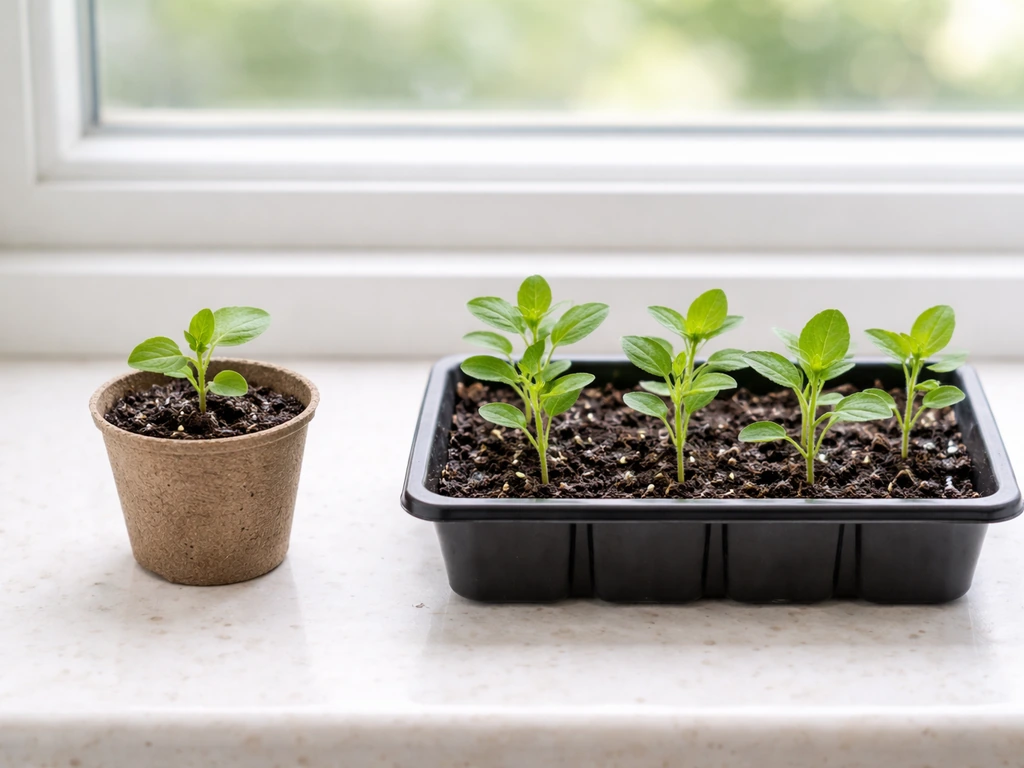
Both methods work, but cuttings give you a head start and more reliable flavor than seed-grown plants. Here is the honest comparison.
Starting from seed
Oregano seeds are tiny and need light to germinate, so do not bury them. Just press them onto the surface of moist, well-draining seed mix and keep them consistently damp (not soaked) until they sprout, which typically takes 7 to 14 days in warm conditions. Seedlings are slow-growing at first, and the flavor intensity of seed-raised plants can vary quite a bit depending on the seed source. If you are buying from a local nursery, ask specifically for Origanum vulgare rather than the blended packets that sometimes include sweet marjoram (Origanum majorana), which is milder and behaves differently in heat.
Propagating from cuttings
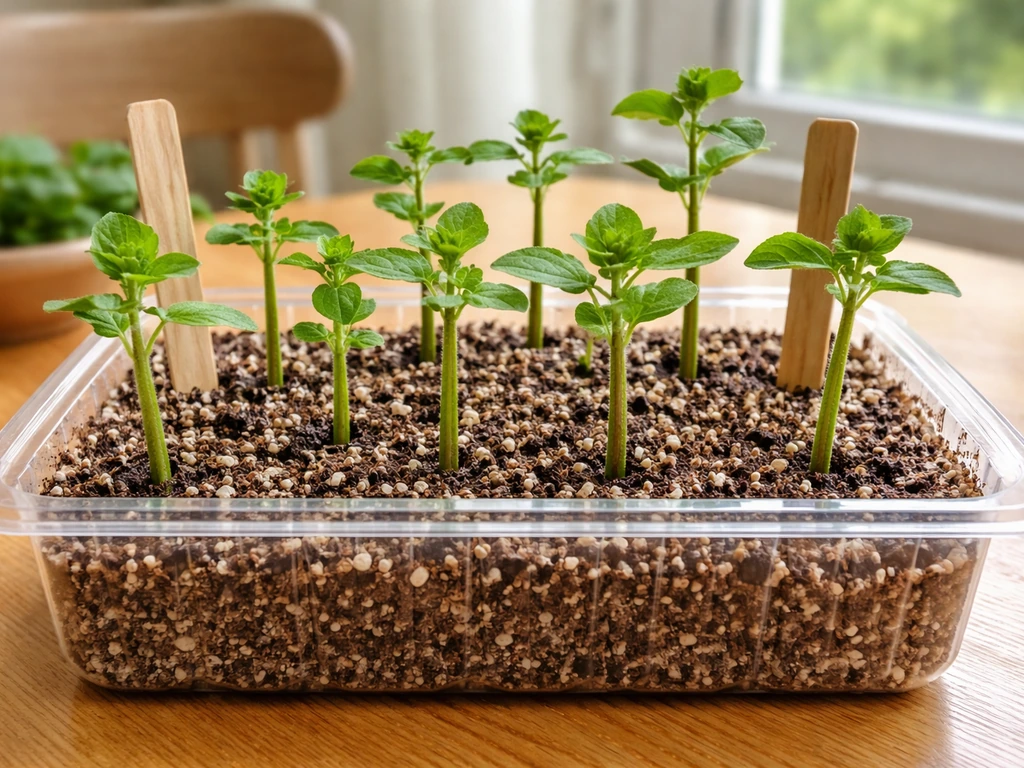
If you can get a cutting from an established plant (a friend's garden, a nursery plant, or an online seller), this is the faster and more consistent route. Take a 4 to 6 inch stem cutting just below a node, strip the lower leaves, and optionally dip the cut end in rooting hormone powder (available at most garden shops). Plant it in moist, well-draining mix and keep it in bright indirect light for 2 to 3 weeks until roots establish.
During India's warmer months, a plastic bag loosely draped over the cutting or a shaded spot will help maintain humidity without soaking the soil. Once you see new top growth, the cutting has rooted and you can move it to its final spot.
Soil, sun, and water: what oregano actually needs
Soil
This is the single most important factor. Oregano dies in waterlogged, heavy soil, and India's clay-heavy garden soil or dense potting mixes are the number one reason home growers fail with this herb. You want light, well-draining soil with a slightly alkaline to neutral pH (around 6.5 to 7.5). A practical mix that works well in Indian conditions is two parts regular garden soil or potting mix, one part coarse river sand or perlite, and one part compost. If your outdoor soil is on the clay side, either amend it heavily or just use a container.
Sunlight
Oregano wants full sun, at least 6 hours a day. The RHS and Herb Society of America both note that sun exposure directly improves scent and flavor intensity in the leaves. If you want to explore whether sandalwood can be grown in the USA, you’ll need to check local climate requirements and the right planting setup RHS and Herb Society of America. However, in peak Indian summer (April to June in plains regions), intense afternoon sun above 40°C can stress plants. A practical fix is to give afternoon shade in those months while keeping full morning sun. In the Himalayan foothills or southern highlands, full sun year-round is fine and actively encouraged.
Watering
Oregano is drought-tolerant once established. The most common mistake is overwatering. Water when the top inch of soil feels dry, then water thoroughly and let it drain completely. During monsoon season, if your plants are in-ground, you may not need to water at all, but you do need to make sure they are not sitting in standing water. Container plants need monitoring even during rains, because pots can stay wet longer than expected. Newly planted seedlings and freshly rooted cuttings do need regular moisture until established, but reduce frequency as the plants mature.
Containers vs in-ground: what makes sense for your setup
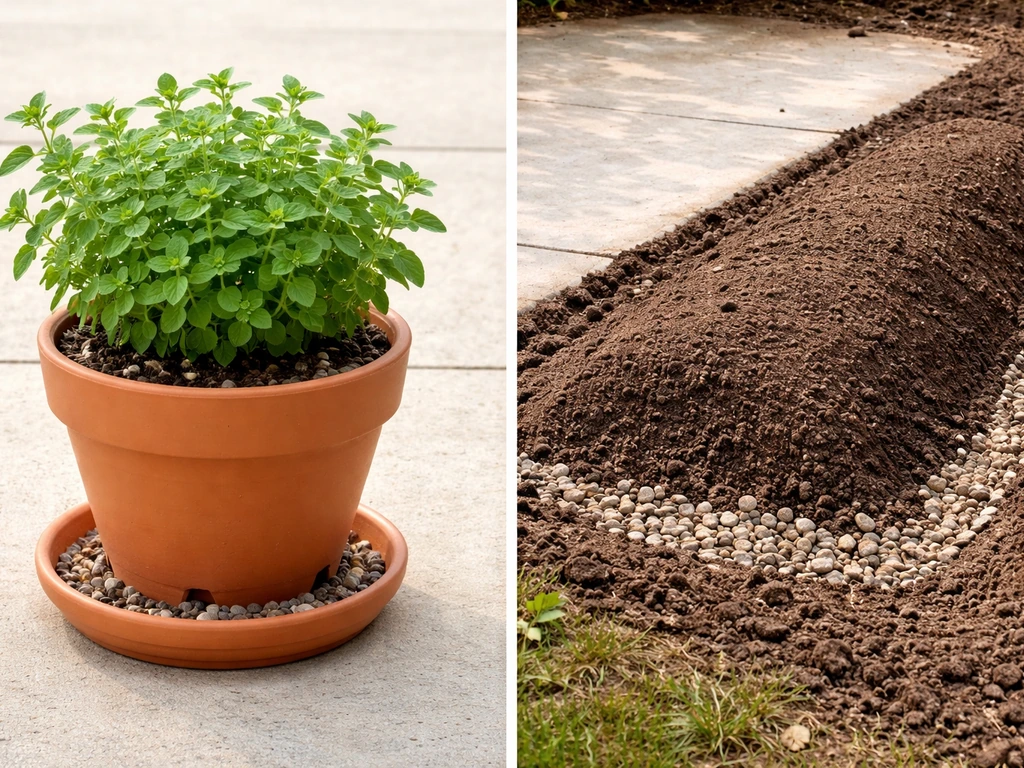
For most Indian home gardeners, especially those in apartments, humid coastal zones, or areas with heavy monsoon rainfall, containers are genuinely the better choice rather than just a fallback. They let you control drainage completely, move plants to shelter during extreme weather, and adjust sun exposure seasonally. If you are wondering can i grow sandalwood in India, the approach to choosing the right conditions will matter just as much as it does for container herbs.
Container growing
Use a pot at least 15 cm (6 inches) wide and deep per young plant, with a drainage hole that actually works. Terracotta pots are excellent for oregano in India because they wick away excess moisture. Fill with the gritty, well-draining mix described above. On a balcony or rooftop, place in the sunniest morning-light spot available. Space multiple plants at least 20 to 30 cm apart if using a wider trough or planter box.
In-ground growing
In-ground works best in Himalayan zones, hill stations, and the Deccan highlands where drainage is naturally better and temperatures stay moderate. If you are planting in-ground on the plains, build a small raised bed (even 6 to 8 inches of amended soil above the surrounding level helps enormously) and space plants 20 to 30 cm apart. Avoid low-lying spots where water pools after rain. If your garden soil is heavy or damp, the RHS specifically recommends either a raised bed or container rather than direct planting, and I would second that strongly for Indian monsoon conditions.
Keeping plants healthy: pruning, care, and harvesting for the best flavor
Pruning and general care
Oregano gets leggy fast if you do not cut it back. Pinch or trim stems regularly, cutting just above a leaf node, which encourages bushy, compact growth and more harvestable leaf mass. Do not let the plant go woody at the base without periodic cutting back. If you are in a hot-season zone and notice early flowering (bolting), pinch off flower buds as they form. Flowering redirects the plant's energy away from leaf production and can reduce flavor intensity.
When and how to harvest
Harvest in the morning after the dew has dried but before the midday heat peaks. This is when essential oil content in the leaves is highest, which means maximum flavor. Cut stems to just above a leaf node and never take more than about one-third of the plant at once. For the best-flavored leaves, remove some flowerheads before they fully open in midsummer. Once you have harvested, you can use leaves fresh, dry them in a dark and well-ventilated spot, or freeze them. Dried oregano stored in a dark, airtight container holds its flavor for months.
Problems you are likely to hit in India and how to fix them fast
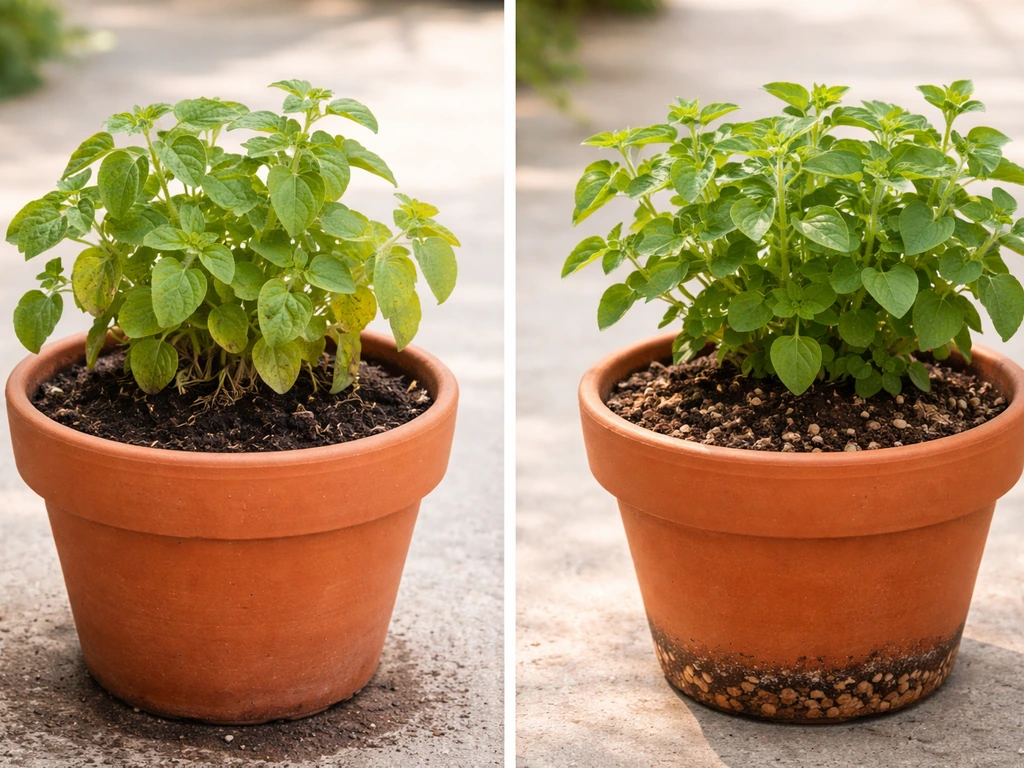
Oregano is described as a vigorous, low-maintenance herb under good conditions, but Indian growing conditions introduce a few specific failure points. If you’re wondering can agarwood grow in USA, the short answer is that it depends on matching the right warmth, humidity, and host-plant conditions. Here are the most common ones and what to do:
| Problem | What it looks like | Quick fix |
|---|---|---|
| Root rot | Yellowing lower leaves, mushy stem base, wilting despite wet soil | Improve drainage immediately; repot in gritty mix; remove affected roots; reduce watering |
| Fungal leaf diseases | Brown or black spots on leaves, powdery coating, leaf drop | Improve airflow around plants; reduce overhead watering; remove affected leaves; avoid waterlogging |
| Heat stress / bolting | Premature flowering, pale or wilting leaves in summer | Move to afternoon shade; pinch flower buds; water in early morning; treat as seasonal annual in hot plains |
| Leggy, weak growth | Long spindly stems, small leaves, pale color | Move to brighter sun; pinch stems back hard; cut back woody growth |
| Spider mites or aphids | Tiny dots on leaves (mites), sticky residue or clustered insects (aphids) | Blast with water spray; use neem oil solution; improve airflow; inspect undersides of leaves regularly |
| Leaf miners | Wavy tunnels or trails visible inside leaves | Remove affected leaves; use neem oil as a preventive spray; avoid over-fertilizing with nitrogen |
One practical note on identification: nurseries in India sometimes sell sweet marjoram (Origanum majorana) under the oregano label because the plants look similar. Marjoram has a milder, sweeter flavor and is slightly less heat-tolerant. If your 'oregano' tastes mild or sweet rather than pungent, it may be marjoram, which is still a useful culinary herb, just not the same thing. The CIM-Sudeeksha variety is a recently released Indian oregano cultivar developed specifically for Indian agro-climatic conditions and is worth looking for if you want a research-backed, regionally adapted option. You might also be wondering can we grow argan tree in India, and the short answer depends heavily on climate and care.
Is it worth growing oregano in India?
If you are in the Himalayan belt, a hill station, or a southern highland city like Bangalore or Ooty, absolutely yes, oregano is an easy, rewarding herb that will likely grow better for you than it does for gardeners in colder climates.
If you are on the hot plains or in a humid coastal zone, it is still absolutely doable but treat it as a cool-season crop, get your drainage right (containers are your friend), and do not expect it to survive a brutal June to August without some help. If you are also wondering can you grow patchouli in India, the same general approach of matching the plant to your climate and managing water and airflow applies.
The drainage rule matters more than almost anything else, more than the heat, more than the humidity, more than anything. Get that right and oregano is genuinely one of the easier specialty herbs to grow at home in India. UD Extension provides an [oregano fact sheet with growing guidance](https://www. udel.
edu/content/dam/udelImages/canr/pdfs/extension/factsheets/Oregano. pdf) for home growers.
FAQ
Can we grow oregano year-round in India, or is it only a seasonal herb?
In the plains and humid coastal areas, oregano is usually best treated as a cool-season crop, with the toughest period being the hottest months. Many home growers keep plants alive year-round in containers by giving afternoon shade in peak heat and placing pots under shelter before heavy monsoon downpours, but you may still see slower growth or dieback during June to August if airflow and drainage are not excellent.
What is the fastest way to get oregano in India if I do not have an established plant for cuttings?
If cuttings are not available, start with seed but plan for slower early growth and more variability in flavor. To improve success, use a light seed-starting mix, keep the surface consistently moist (not soaked), and keep the tray warm and well lit. If possible, choose seed lots that specifically state Origanum vulgare, because mislabeled packets can produce a different oregano-like herb.
How do I tell if my “oregano” plant is actually marjoram or another look-alike?
Check the flavor and heat tolerance. Sweet marjoram (Origanum majorana) tends to taste milder and often handles hot, dry conditions less like true oregano. Also inspect leaf character, marjoram is commonly a bit softer and less pungent in aroma. If your plant tastes noticeably sweet rather than spicy, treat it as likely marjoram and adjust expectations.
What should the soil mix be like if I am in a very clayey area with heavy rain?
Aim for a gritty mix that drains quickly enough that the pot or bed does not stay wet for long after watering. In clay-heavy locations, a container with perlite or coarse sand is usually more reliable than trying to amend the whole garden. If planting in-ground, build a raised bed using amended, well-draining soil above the surrounding ground level so rainwater runs away instead of pooling.
How can I prevent fungal issues or rot during the monsoon?
Do two things: improve airflow and reduce how long soil stays wet. Space plants, avoid overcrowded troughs, and position pots where air can circulate rather than on solid walls. Water less, especially in wet months, and never allow runoff to collect in the pot base tray. If you see blackened stems or a sour smell from the mix, cut losses and re-root healthy tips in fresh, drier mix.
How often should I water oregano in containers during different seasons in India?
A practical rule is to water only when the top 2 to 3 cm of mix feels dry. In dry winter and spring, you may water more frequently, while in monsoon you may water rarely. Containers can stay wet longer than beds, so check moisture by touch before watering even if the weather is warm and humid.
My oregano got leggy and tall. What’s the best fix?
Start pinching or trimming regularly. Cut stems just above a leaf node to force branching and keep plants compact. Also check whether it is getting enough light, if it is not receiving at least 6 hours of sun, leggy growth usually accelerates. If it bolted and flowered early, pinch off buds to redirect energy back into leaves.
Will oregano survive freezing conditions in colder parts of North India?
Oregano is more forgiving in cool, dry winters than in waterlogged ones, but survival depends on frost plus drainage. In regions that get frost, keep the plant in a container so you can move it to shelter, reduce watering during freezing periods, and ensure the pot drains quickly. If the plant looks wilted after cold spells, wait a couple of weeks before discarding, oregano can re-sprout from established bases if not rotted.
Is there a recommended pot size and spacing for balcony growing?
Use a pot at least 15 cm wide and deep per young plant, and make sure the drainage hole is not blocked by roots or debris. If you are growing multiple plants in a larger planter, keep at least 20 to 30 cm between plants to prevent crowded airflow, which matters a lot during humid monsoon weather.
When should I harvest oregano for the best flavor, and can I harvest repeatedly?
Harvest after the dew dries and before midday heat, when aroma is strongest. You can harvest more than once, but do not remove more than about one-third of the plant in a single session. For repeated harvests, combine light pruning (frequent small trims) with occasional heavier cuts so the plant stays bushy and continues producing new leaves.
Why does my oregano plant die even though I am not overwatering?
The most common hidden cause is waterlogged roots, even if you think you are watering carefully. Dense potting mix, blocked drainage holes, saucers holding water, or a low-lying spot outdoors after rain can all lead to rot. If you are uncertain, check by lifting the pot after watering, healthy soil should drain and not remain soggy around the roots.
Next Articles
Can I Grow Red Sandalwood at Home Yes, How
Yes, you can try growing red sandalwood, but it needs host plants, warm climate, patience, and legal checks.
Can Agarwood Grow in USA? Climate, Care, and Legal Steps
See if agarwood producing Aquilaria can grow in USA, plus legal rules, climate needs, care tips, and resin timelines.
Can You Grow Patchouli? Yes, Here’s How in Your Climate
Yes, grow patchouli at home with climate guidance, indoor or outdoor setup, planting, overwintering, and harvest timing.