
Yes, you can grow ginger in Ontario, but not by simply sticking a rhizome in the garden and walking away. Ontario's growing season is too short and too cool for ginger to thrive outdoors without help. The realistic path is to start rhizomes indoors in late winter, move containers outside once temperatures reliably stay above 50°F (10°C) at night, and bring everything back in before the first fall frost. Done that way, you will get a real harvest. Southern Ontario gardeners have the most options, including unheated polytunnels and warm south-facing walls, while growers in central and northern Ontario are almost entirely dependent on containers and indoor or greenhouse setups.
Can You Grow Ginger in Ontario? Practical Guide & Steps

Marcus Petersen
27 Jul 2026
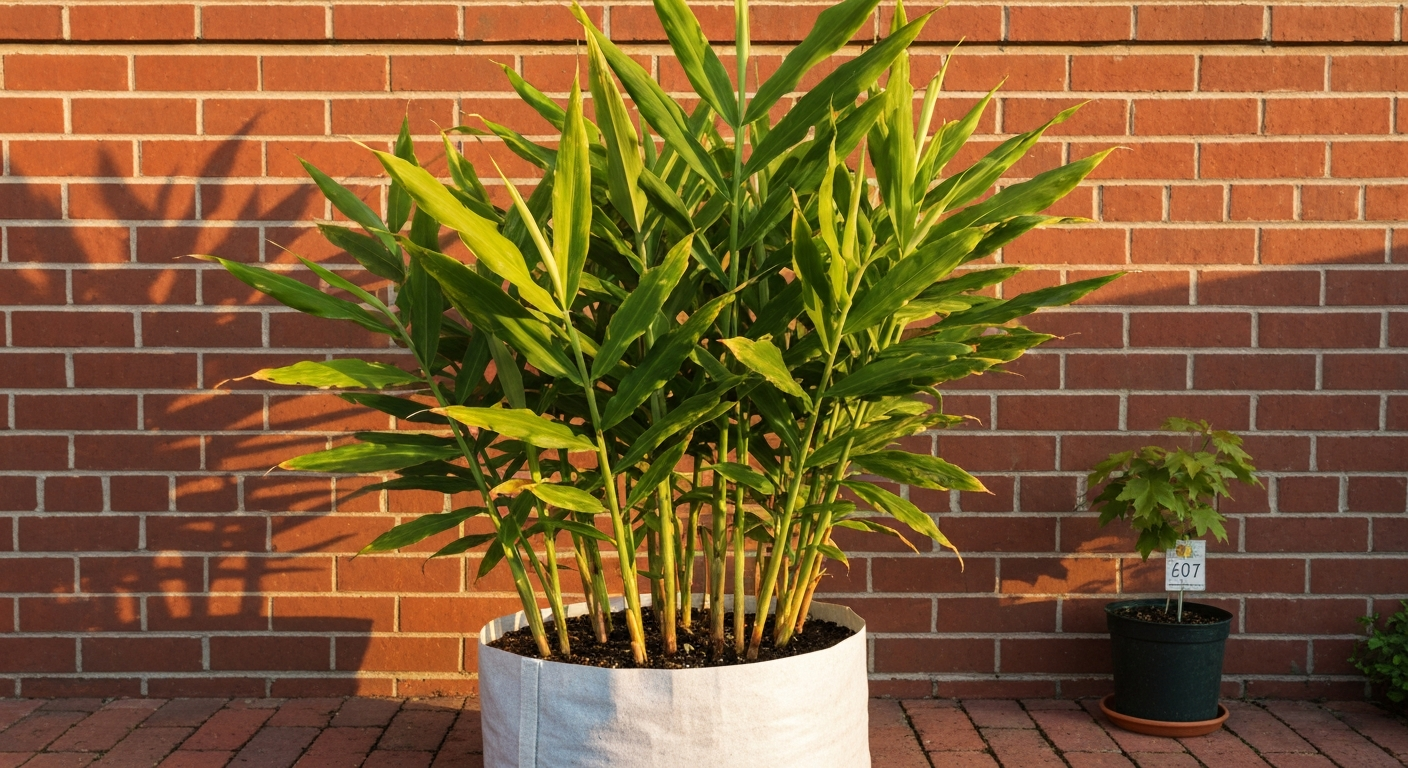
Who this guide is for
This guide is written for Ontario home gardeners and hobbyists who want to actually harvest ginger root, not just grow a pretty foliage plant for the summer. If you have a sunny spare room, a heated greenhouse, or even a bright south-facing window and a heated porch, you are a realistic candidate. If you are expecting to direct-sow ginger in the vegetable bed in May and harvest in September with no containers involved, you need a reality check first. This guide gives you that, along with the specific timelines, temperatures, and pot sizes that make the container-and-greenhouse approach work across different parts of the province.
Zone context matters a lot here. Southern Ontario (the Windsor-to-Toronto-to-Kingston corridor) sits in Canadian hardiness zones roughly 5b to 7a. Central Ontario (Barrie, Peterborough, North Bay areas) drops to zones 4b to 5a. Northern Ontario (Sudbury, Thunder Bay and beyond) sits at zone 3 to 4. Ginger needs conditions closer to zones 9 or 10 to overwinter outdoors, which simply does not exist in Ontario. Every method described here is built around working within that constraint rather than pretending it does not exist.
Ontario's climate and what it means for ginger
Ginger (Zingiber officinale) is a tropical plant. Its preferred daytime growing temperature is 20 to 30°C (68 to 86°F), with an ideal target around 26°C for active rhizome bulking. Below 15 to 18°C, growth slows noticeably. Foliage starts to suffer near 4°C (40°F), and a hard freeze kills the rhizomes outright. Ginger is frost‑sensitive: foliage and shoots are injured at cool temperatures near 40°F (≈4°C) and rhizomes are killed by hard freezes, in temperate climates ginger is therefore treated as an annual in the ground or overwintered inside when grown in containers. Ontario winters do not need much further description on that front.
The more useful number to focus on is the frost-free window. In southern Ontario, the average last spring frost is late April to mid-May depending on your specific location, and the first fall frost arrives in late September to mid-October. That gives you roughly 140 to 160 frost-free days in the best southern locations. Ginger needs 8 to 10 months to develop mature, thick rhizomes. Even in Windsor, Ontario's warmest corner, the outdoor window alone does not cover that. Baby ginger (harvested young, with thinner, milder rhizomes) is achievable in 4 to 6 months, which does fit a southern Ontario outdoor season if you pre-sprout early enough indoors.
Central and northern Ontario have significantly shorter windows. North Bay, for example, can see last frosts in late May and first frosts in early September, leaving only around 110 frost-free days. At those timelines, outdoor container growing is still possible but mature ginger harvest becomes very difficult without greenhouse assistance. The honest advice for central and northern Ontario is to focus on controlled indoor or greenhouse production rather than outdoor containers.
Microclimates can help at the margins. South-facing brick or masonry walls in urban settings (Toronto, Hamilton, Ottawa) absorb and radiate heat, extending the effective growing season by a couple of weeks on each end. Urban heat island effects in downtown Toronto are real and measurable. These are worth using strategically, but they are not a substitute for a proper grow setup in colder parts of the province.
Culinary ginger vs. shampoo ginger: which one to grow
If you want to eat it, grow Zingiber officinale. That is the culinary ginger sold at grocery stores and used in cooking. It produces the edible, aromatic rhizomes you are after, and it is the species all the planting timelines and container specifications in this guide are based on.
Shampoo ginger (Zingiber zerumbet) is a different species, grown mostly as an ornamental for its attractive cone-shaped flower heads. The liquid inside those cones has a pleasant scent and has been used in hair and skin products, but the rhizomes are bitter and not used in cooking. Shampoo ginger is equally frost-sensitive and needs the same container and overwintering treatment in Ontario. It can be a fun addition to a warm patio in summer, but if your goal is a kitchen harvest, it is not the right plant. Other ornamental ginger relatives like Hedychium (ginger lily) and Alpinia are similarly decorative, similarly cold-tender, and outside the scope of this particular growing guide.
For Ontario growers, stick with Zingiber officinale unless you specifically want an ornamental display. Within that species, look for varieties described as suited to container growing or early-maturing, since a shorter productive window is always a limiting factor here.
Where to source seed rhizomes in Ontario and Canada
The easiest and cheapest option sounds like grocery store ginger, and it can work. See Ginger: How to Plant, Grow, and Harvest Ginger Root (The Old Farmer's Almanac) for guidance on sourcing and preparing planting rhizomes. However, commercial ginger rhizomes are often treated with growth inhibitors or stored in cold conditions using techniques like ethylene or 1-MCP treatment to delay sprouting on the shelf. Some will sprout fine, others will sit stubbornly in the pot for weeks and eventually rot. I have had mixed results with grocery ginger, and it is not always clear which store uses which post-harvest treatment.
For better results, source disease-free seed ginger from specialty nurseries or certified suppliers. In Canada, look for suppliers that explicitly sell 'seed ginger' or 'culinary ginger rhizomes' intended for planting rather than eating. A handful of Ontario and Canadian online seed companies carry planting rhizomes, and some farmers' markets in southern Ontario will have local growers selling small starter pieces in spring. When buying, choose firm, plump rhizomes with visible growth buds (called eyes), and avoid anything soft, shriveled, or showing signs of mold.
On the import side: if you are ordering from the United States or internationally, be aware that the Canadian Food Inspection Agency (CFIA) regulates plant material brought into Canada. Fresh rhizomes for planting may require a phytosanitary certificate or be subject to inspection. Buying from a Canadian domestic supplier avoids these complications entirely and is the lower-risk route.
Garden beds, containers, or greenhouse: choosing your method
The method you choose depends almost entirely on where in Ontario you are and how much infrastructure you are willing to set up. Here is the practical breakdown:
| Method | Best for | Pros | Cons | Realistic harvest? |
|---|---|---|---|---|
| Outdoor garden bed | Southern Ontario only, summer season | No container management, largest root run | Cannot overwinter, restricted frost-free window, needs pre-sprouting indoors first | Baby ginger likely; mature ginger difficult even in SW Ontario |
| Containers moved outdoors in summer | All of Ontario | Flexible, portable, can be brought in before frost | Smaller root run, more frequent watering, requires indoor/greenhouse space in winter | Baby ginger reliable; mature ginger possible with early start |
| Unheated polytunnel/high tunnel | Southern Ontario | Extends season by 4 to 6 weeks each end, larger planting area | Setup cost, still needs pre-sprouting indoors, won't protect through winter | Mature ginger more achievable in southern Ontario with this method |
| Heated greenhouse or indoor grow space | All of Ontario | Full season control, year-round production possible | Energy cost, equipment needed, space limited | Mature ginger reliable; Ontario producers already do this commercially |
My recommendation: if you are in southern Ontario and want to try outdoor growing, use containers that can go outside in late May and come back in by early October. That gives you the outdoor warmth and light through the best months while maintaining full control at both ends of the season. If you have access to even a small unheated polytunnel, use it. If you are in central or northern Ontario, commit to containers in a heated space and treat the outdoor months as a supplement rather than the main production environment.
Soil, light, and site requirements
Ginger wants soil that holds some moisture but drains well. Waterlogged roots are the fastest way to lose a plant to rot. The recommended pH range is 5.5 to 6.5, slightly acidic. For outdoor beds, work in plenty of compost or aged leaf mold to improve drainage and add organic matter. Avoid heavy clay without significant amendment.
For containers (which is most Ontario growers), a soilless mix works better than bagged potting soil alone. A blend of coconut coir or peat moss, bark or wood fiber, and perlite gives you the drainage and aeration ginger needs while holding enough moisture between waterings. This type of mix also makes it much easier to clean rhizomes at harvest without damaging them.
On light: ginger does not want full blazing sun all day. It is an understory plant in its native habitat. Bright indirect light, or about 2 to 5 hours of dappled or filtered sun per day, is the target. A spot with morning sun and afternoon shade is ideal. In a greenhouse, shade cloth at 30 to 40% during the hottest summer weeks prevents leaf scorch. Outdoors in Ontario's relatively mild summers, a spot near a fence or with some overhead tree canopy in the afternoon often works well.
Container specs for Ontario growers
Pot size directly affects your yield. The standard university extension guidance is one seed rhizome per 5-gallon (approximately 19 liters) pot, or three seed rhizomes per 15-gallon (approximately 57 liters) nursery container. Root zone depth of around 20 cm (8 inches) of growing mix is adequate since ginger roots are fairly shallow. A squat, wide container is better than a tall narrow one for the same volume.
Drainage holes are non-negotiable. If you are repurposing a decorative pot without holes, drill some. Sitting water is a rot risk. For Ontario winters, plastic or fabric grow bags work well because they are lightweight when you bring them indoors and they air-prune roots, which helps with transplant recovery. Avoid dark-colored plastic containers in outdoor summer use if they sit in direct sun, as they can overheat the root zone beyond the 30°C upper comfort limit.
If you are overwintering containers indoors, insulating the outside of the pot with bubble wrap or burlap helps stabilize root zone temperature near cold walls or basement floors. Ginger roots do not like sitting in a pot that fluctuates between 10°C and 20°C repeatedly through the winter dormancy period.
Planting timing, depth, and spacing
Pre-sprouting (chitting) is not optional in Ontario. You want to start rhizomes indoors at around 28°C (82°F) for 4 to 8 weeks before your intended transplant date. A heat mat set to 28°C under a covered tray works well for this. Lay rhizomes horizontally, just barely covered with moist coir or peat, and keep them warm and in indirect light. Shoots should appear within 2 to 4 weeks under good conditions.
Transplant or plant outdoors only when: night temperatures consistently stay above 10°C (50°F), and soil or container media temperature is above 21°C (70°F). In practice for southern Ontario, that means late May to early June for most locations. Do not rush this. I planted out one batch in mid-May during a warm spell, got caught by a cold snap, and the rhizomes sulked for three weeks before doing anything useful.
Planting depth is about 5 cm (2 inches) deep for rhizomes in containers or in garden beds. Space rhizomes at least 20 to 25 cm (8 to 10 inches) apart in beds. In containers, follow the one-per-5-gallon-pot rule and you will be fine on spacing automatically.
Month-by-month planting schedule
The schedules below are for three scenarios: southern Ontario (Windsor, Toronto, Niagara, Ottawa), central Ontario (Barrie, Peterborough, Haliburton), and a greenhouse or year-round indoor setup anywhere in the province. Dates are approximate and should be adjusted using your local Environment and Climate Change Canada frost-date normals.
| Month | Southern Ontario (outdoor/container) | Central Ontario (container-focused) | Greenhouse/Indoor (any region) |
|---|---|---|---|
| January | Source and inspect rhizomes; order from suppliers | Source and inspect rhizomes; order from suppliers | Can plant rhizomes now with supplemental heat and lighting |
| February | Begin pre-sprouting on heat mat at 28°C | Begin pre-sprouting on heat mat at 28°C | Transplant sprouted rhizomes into containers; maintain 26°C day temp |
| March | Continue sprouting; pot up sprouted rhizomes into containers indoors | Continue sprouting; pot up indoors | Active indoor growing; monitor watering and light |
| April | Grow on indoors in bright window or under grow lights; do not move outside | Grow on indoors; night temps still too cold outside | Greenhouse growing continues; begin hardening if warm spells occur |
| May | Harden off containers; move outside after last frost (mid to late May for most) | Last frost often late May; keep containers inside until confirmed safe | Move containers to greenhouse bench or polytunnel if nighttime temps allow |
| June | Containers or beds outside; full outdoor growing season begins | Containers outside once nights consistently above 10°C | Peak growing conditions; maintain moisture and temperature |
| July–August | Peak growth; rhizomes bulking; maintain watering and fertilizing | Peak growth window; water and fertilize consistently | Peak growth; baby ginger possible from rhizomes started in Feb |
| September | Watch for first frost (late September in south); prepare to move containers in | First frosts possible early September; move containers inside promptly | Continue growing; reduce fertilizer by mid-September |
| October | Harvest baby ginger or bring containers indoors to finish maturing | Harvest or begin overwintering preparations | Mature ginger harvest possible for plants started in January–February |
| November–December | Overwintering indoors in dormant containers or rhizomes stored in curing state | Overwintering indoors; inspect for rot monthly | Reduce watering; hold dormant or continue growing with heating |
Watering and fertilizing
Ginger likes consistent moisture but hates sitting in water. The rule is: water when the top 2 to 3 cm of mix feels dry, and water thoroughly until it drains freely from the bottom of the pot. In active summer growth, containers may need watering every 2 to 3 days depending on temperature and pot size. In cooler spring and fall conditions, once a week may be sufficient.
Signs of underwatering: leaf tips browning, leaf edges curling inward, and yellowing starting from the tips of leaves. Signs of overwatering: yellowing leaves starting at the base, soft or mushy stems at the soil line, and a faint sour smell from the container. Overwatering combined with poor drainage is the number one killer of container ginger in Ontario.
For fertilizing, ginger is a moderately heavy feeder during active growth. A balanced slow-release granular fertilizer applied at potting-up time, followed by monthly liquid feeds of a balanced or slightly nitrogen-forward fertilizer (such as a 10-10-10 or similar) during the growing season works well. Switch to a lower-nitrogen, higher-potassium formula in late summer (July onward) to encourage rhizome development rather than leafy growth. Stop fertilizing entirely about 4 to 6 weeks before your planned harvest date.
Managing temperature and getting the most from your microclimate
A heat mat is one of the most useful tools for Ontario ginger growers. Use it for pre-sprouting in late winter, and consider keeping containers on heat mats through May and early June when nighttime temperatures are still borderline. Set the mat to maintain root zone temperature at 21 to 26°C.
South-facing walls are worth their weight in growing season. A masonry or brick wall that faces south stores daytime heat and radiates it back at night, creating a microclimate that can be 3 to 5°C warmer than open ground. In Toronto, Hamilton, or Niagara, this kind of wall placement can be the difference between baby ginger and a proper mature harvest.
Cold frames and low row covers are useful at both ends of the season for outdoor or polytunnel growing. They will not protect against a hard frost, but they will buffer against the light frosts and cold nights of early May and late September that bracket Ontario's outdoor season. A floating row cover (Reemay or similar) draped over containers on cold nights adds 2 to 4°C of protection. Unheated polytunnels or high tunnels in southern Ontario can extend the effective growing window by 4 to 6 weeks total when combined with these techniques.
Overwintering your ginger in Ontario
There are three practical overwintering options for Ontario growers:
- Container dormancy indoors: After the first light frost or as temperatures drop below 10°C, bring containers inside. Gradually reduce watering until the foliage dies back naturally, then stop watering entirely. Store the containers in a cool, frost-free location (a basement, garage, or storage room at 10 to 15°C is ideal) through the winter. Resume watering and move to warmth in late winter to wake the plant up for the next season.
- Dig and store rhizomes: Harvest the rhizomes, cure them at 25 to 30°C for 5 to 7 days, then store in a cool, slightly humid environment (around 13°C, similar to potato storage conditions). This option is good if you have limited indoor storage space or want to inspect rhizomes for rot before committing to overwintering the whole container.
- Heated greenhouse or indoor growing space: Maintain temperatures above 15°C (ideally 18 to 20°C) through winter for semi-active growing, or allow dormancy at 12 to 15°C with minimal watering. A heated greenhouse allows year-round production, which is how Ontario commercial producers like Loco Fields grow young ginger for local markets.
Avoid letting rhizomes experience temperatures below 10°C for extended periods during storage. Brief dips are tolerable, but sustained cold causes chilling injury and reduces vigor in the next growing season.
When and how to harvest
Baby ginger is harvested young, typically 4 to 6 months after planting. It has thin, pink-tinged skin, a mild flavor, and can be eaten without peeling. In Ontario, if you started rhizomes in February and moved containers outside in late May, you can begin harvesting baby ginger in late July or August. Pull gently at the base of a shoot and break off a small piece of rhizome, or tip the container partially and extract a piece while leaving the rest to continue growing.
Mature ginger requires 8 to 10 months of active growing time. In Ontario, this is realistically achievable only with a greenhouse or heated indoor setup started in January or February. If you are growing outdoors or in an unheated tunnel, plan for baby ginger rather than holding out for mature harvest in your first season.
To do a full harvest, let the foliage yellow and die back naturally in fall. This signals the plant is sending energy into the rhizomes. Tip the entire container out and gently work apart the rhizomes by hand or with a fork. Rinse under cool water. For outdoor beds, use a garden fork to loosen the soil around the clump before lifting to avoid snapping rhizomes.
Realistic yield expectations
Be honest with yourself about first-year expectations. In a 5-gallon container with one seed rhizome, a good first-year southern Ontario container harvest (baby ginger, outdoor summer) might yield 200 to 400 grams of usable rhizome. In a greenhouse setup with an extended season, 500 to 800 grams per plant from a 5-gallon pot is reasonable for a first season. Mature ginger from a well-managed second or third season plant in a larger container can yield 1 kilogram or more per plant.
Yield is directly affected by: length of the growing season, consistency of temperatures above 21°C, regularity of watering, quality and vigor of the seed rhizome, and pot size. Northern Ontario greenhouse growers running containers through a full year can match or exceed southern Ontario outdoor yields simply through accumulated growing degree days. The heat sum matters more than the calendar.
Post-harvest handling and storage
Fresh ginger harvested in Ontario can be handled several ways depending on how much you have and how quickly you plan to use it:
- Short-term refrigeration: Unwashed ginger wrapped loosely in paper towel and stored in the crisper drawer stays fresh for 3 to 4 weeks. Keeping a piece unpeeled extends shelf life significantly.
- Freezing: Clean, dry rhizomes can be frozen whole or grated into an ice cube tray. Frozen ginger grates easily from frozen and lasts 6 months in the freezer with minimal flavor loss.
- Drying and powder: Slice rhizomes thinly, dry at 50 to 60°C in a dehydrator or low oven until brittle (usually 4 to 6 hours), then grind to powder. Dried ginger has a more concentrated and slightly different flavor than fresh.
- Pickling: Thinly sliced baby ginger pickled in rice vinegar with a little sugar and salt (the classic 'gari' preparation) keeps refrigerated for months and is an excellent use of a baby ginger harvest.
- Curing for replanting: If saving rhizomes for next year's planting stock, cure at 25 to 30°C for 5 to 7 days to dry the cut surfaces and reduce rot risk, then store at around 13°C with moderate humidity through the winter.
Pests and diseases to watch for in Ontario
Ontario's cooler climate limits some of the tropical pest pressure ginger faces in warmer regions, but indoors and in greenhouses, you are creating exactly the warm and humid conditions that certain pests prefer.
| Pest or Disease | What to look for | Prevention | Organic control |
|---|---|---|---|
| Spider mites | Fine webbing on undersides of leaves; stippled, dull leaf surface; leaves yellowing | Maintain humidity above 50%; avoid dry conditions indoors | Neem oil spray, insecticidal soap, predatory mites (Phytoseiulus persimilis) |
| Fungus gnats | Small flies hovering near soil; larvae damage roots and spread rot pathogens | Avoid overwatering; let top of growing mix dry between waterings | Sticky yellow traps; Bacillus thuringiensis israelensis (Bti) drenches; beneficial nematodes |
| Rhizome rot (Pythium, Fusarium) | Soft, water-soaked rhizomes; yellowing and wilting despite adequate moisture; foul smell | Well-draining mix; never let pots sit in standing water; start with clean seed rhizomes | Remove affected rhizomes immediately; improve drainage; apply dilute hydrogen peroxide drench as last resort |
| Aphids | Clusters of soft insects on new growth tips; sticky honeydew residue on leaves | Inspect new plants before introducing to collection; maintain good air circulation | Strong water spray to dislodge; neem oil; insecticidal soap |
| Bacterial wilt | Sudden wilting and collapse; milky ooze from cut stem; rhizomes show brown internal streaking | Use certified disease-free seed rhizomes; avoid wounding plants unnecessarily | No cure; remove and destroy affected plants; do not compost; disinfect tools |
Troubleshooting common problems
Here are the most common issues Ontario ginger growers run into and what to check first:
- Rhizome not sprouting after 4+ weeks: Check soil temperature first. If the root zone is below 21°C, the rhizome will sit dormant. Move to a heat mat. Also check that the rhizome itself is still firm and viable, as a soft or rotten rhizome will not sprout.
- Yellowing leaves starting from the base: Classic overwatering or poor drainage. Tip the pot and check that drainage holes are clear. If the bottom half of the mix is waterlogged, re-pot into fresh, drier mix with better drainage.
- Leaf tips browning: Usually underwatering, low humidity, or too much direct sun. Increase watering frequency, mist leaves in dry indoor air, or move to a less exposed light position.
- Slow or stunted growth: Most often a temperature issue. Check that daytime temperatures are consistently above 21°C and nights are above 10°C. Also check fertilizer; nitrogen deficiency shows as pale overall color and slow growth.
- Wilting despite adequate water: Check the roots. Rot from Pythium or Fusarium causes structural root damage so the plant cannot take up water even when it is available. Investigate the rhizome immediately.
- Leggy, pale growth indoors: Insufficient light. Move to a brighter window or add supplemental LED grow lighting. South or west-facing windows are preferred for indoor winter growing.
Alternatives and companion plants worth trying
If ginger's demands feel like a lot for your setup, there are some worthwhile alternatives. Turmeric (Curcuma longa) is closely related, has very similar growing requirements, and is arguably slightly more forgiving in containers. It produces beautiful ornamental foliage as a bonus and the rhizomes are increasingly sought-after. Galangal (Alpinia galanga) is another option, though it needs even more heat than ginger and is best left to heated greenhouse growers. For another relevant comparison, see can you grow shampoo ginger lily in canada.
For outdoor beds in Ontario that are not warm enough for consistent ginger success, consider warming-season rhizome crops that are more cold-tolerant: Jerusalem artichoke (Helianthus tuberosus) is hardy throughout Ontario and produces edible tubers with zero special treatment. Camas bulbs and groundnuts (Apios americana) are native North American alternatives that thrive in Ontario's climate. These are not ginger substitutes in flavor, but if the appeal is unusual edible roots, they deliver with far less effort.
As companion plants in the containers or greenhouse space where ginger grows, shade-tolerant herbs like cilantro and Vietnamese coriander (rau ram) do well. Avoid placing ginger with heavy nitrogen feeders that might compete, and keep it away from plants that prefer dry conditions, since ginger's watering needs will conflict.
Recommended next steps for Ontario growers
If you are ready to try growing ginger in Ontario, here is a practical sequence to get started without overcomplicating things:
- In January or February, source firm, disease-free seed rhizomes from a Canadian specialty supplier or a reliable online nursery. Avoid grocery store ginger as your first attempt.
- Set up a heat mat in a warm indoor space (spare room, heated basement, or greenhouse). Aim for consistent 26 to 28°C root-zone temperature.
- Pre-sprout rhizomes in a covered tray on the heat mat for 4 to 8 weeks. Use moist coconut coir, not soggy potting mix.
- Once shoots appear, pot into 5-gallon containers using a well-draining soilless mix (coir, bark, perlite blend). Keep containers on the heat mat or in the warmest indoor spot.
- Move containers outdoors only after your local last frost date AND when overnight lows are consistently above 10°C (for southern Ontario, this is usually late May to early June).
- Water consistently, fertilize monthly, and place in a spot with morning sun and afternoon shade or filtered light.
- Harvest baby ginger from August onward, or let plants run until fall for a larger rhizome. Bring containers in before first frost.
- For local suppliers: check Ontario farmers' markets in spring, contact OMAFRA for regional horticultural extension contacts, and look into local greenhouse growers who may sell starter rhizomes alongside their own young ginger.
Related regional growing guides
Ontario's situation with ginger shares a lot of logic with other challenging-climate growing questions. If you are curious how ginger fares in a warmer, longer-season region, the guide on growing ginger in California covers a climate where outdoor year-round production is genuinely achievable in many zones, and the contrast is instructive for understanding exactly what Ontario growers are working around. For the ornamental side of things, the shampoo ginger guides for Michigan and California show how Zingiber zerumbet behaves in two very different North American climates. For a California-focused discussion, see can you grow shampoo ginger in California for specific climate and care differences. For a focused regional take, see the guide 'Can you grow shampoo ginger in Michigan' which compares climates and cultivation techniques for Zingiber zerumbet in that state. The guide on growing shampoo ginger lily in Canada takes on a related question at the national level with similar frost-season challenges. And if you are exploring other specialty crops in the broader region, the guide on growing garlic in Indiana covers a crop that is much more cold-tolerant and arguably a more forgiving starting point for gardeners still building their season-extension skills. For a practical, region-specific look at a hardier bulb crop, see the guide 'Can you grow garlic in Indiana' which covers varieties, planting dates, and overwintering techniques.
FAQ
Can you grow ginger in Ontario (and Canada broadly)?
Yes — but only with season‑extension or container/indoor approaches. Edible ginger (Zingiber officinale) is a tropical/subtropical plant and will not survive outdoor hard freezes in most of Ontario. Home gardeners in Ontario can successfully grow ginger by pre‑sprouting rhizomes indoors, using containers moved indoors for winter, or growing in greenhouses/high tunnels. Year‑round outdoor ground culture is only feasible in very limited, warm microclimates (roughly equivalent to USDA zone ≈9+), which are uncommon in Canada.
What climate limits should Ontario gardeners understand?
Ginger prefers warm, frost‑free conditions: daytime/soil temperatures ~20–30°C (68–86°F) are ideal for active growth and rhizome bulking; growth slows below ~15–18°C and foliage is injured near 4°C (40°F). Hard freezes kill rhizomes in the ground. Use Canada’s plant hardiness maps and local frost‑date normals to plan season length and whether you need containers/season extension.
Which planting method is recommended for Ontario: containers, greenhouse, or outdoor?
Preferred methods: 1) Containers (pots moved indoors before frost) — easiest for hobbyists. 2) Greenhouse/high tunnel/hoop house — best for larger or year‑round production. 3) Outdoor in-ground — only recommended if you have a reliably warm microclimate and no hard freezes. Containers + indoor overwintering give the most predictable results across Ontario.
Which ginger varieties or species should I choose?
Choose edible Zingiber officinale for culinary rhizomes. For novelty/ornamental interest, other Zingiber species (e.g., shampoo ginger Z. zerumbet) and relatives (Hedychium, Alpinia) are available but are also frost‑sensitive and treated like tender container plants here. For reliable edible production, seek seed/garden nursery sources of Z. officinale or certified tissue‑culture rhizomes rather than unknown supermarket pieces when possible.
Where and how should I source seed rhizomes in Ontario?
Options: 1) Certified 'seed ginger' or tissue‑culture plants from Canadian/US suppliers or local nurseries (lowest disease risk). 2) Reputable Ontario greenhouse growers who sell young ginger. 3) Supermarket ginger as a last resort — may be treated or carry pathogens. Always inspect rhizomes for firm, healthy eyes and avoid soft/rotten pieces.
When should I plant (timing) in Ontario?
Pre‑sprout indoors (chit) in late winter to early spring (Feb–Apr). Transplant to pots or protected structures after the last frost and when soil temps consistently exceed ~21°C (≈70°F) — in Ontario that is often late May to June depending on region. For baby ginger harvests, 4–6 months after transplant; for mature bulk rhizomes, plan 8–10 months of warm growth (transplant in spring, harvest in autumn before first hard freeze). Use local last‑frost and soil‑temperature data to set exact calendar dates.
Next Articles
Can You Grow Shampoo Ginger Lily in Canada? How To
Yes but only with protection. Learn how to grow shampoo ginger lily in Canada, including identity, care, and overwinteri
Can You Grow Ginger in California? Planting Guide for Success
Grow ginger in California with timing, rhizome prep, pot or in-ground steps, care tips, and Southern CA troubleshooting.
Can You Grow Shampoo Ginger in Michigan? Steps to Succeed
Yes. Learn if shampoo ginger grows in Michigan and get step-by-step indoor start, planting, care, and overwintering tips