
Yes, lemongrass can grow in Michigan, but not as a perennial you plant once and forget. If you're wondering about the colder regions of Canada, the same issue applies: lemongrass needs warmth above freezing and is usually grown in containers or as a seasonal plant grow in Canada. It's a tropical grass with virtually no frost tolerance, so it won't survive a Michigan winter in the ground.
Can Lemongrass Grow in Michigan? Easy Growing Guide

Marcus Petersen
28 Jun 2026
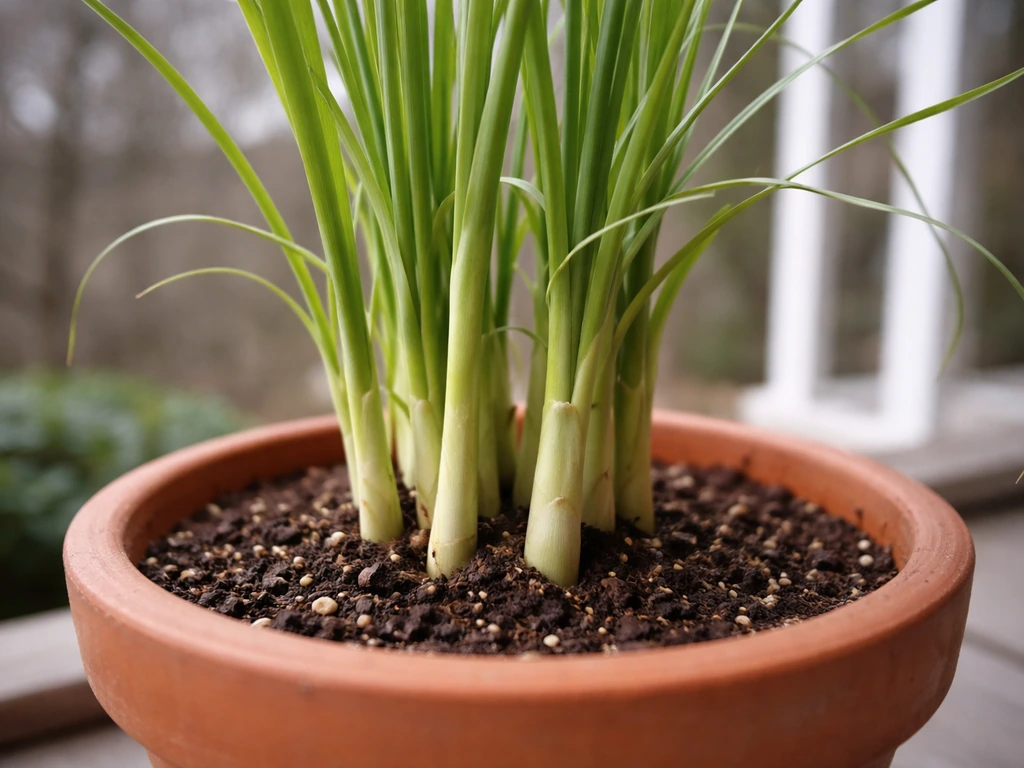
What you can do is grow it as a seasonal container plant: start it indoors, move it outside after your last frost, enjoy a solid growing season, then bring it back in before temperatures drop in fall. Done right, the same plant can come back year after year, and you can harvest plenty of stalks along the way.
Michigan's climate and why lemongrass won't just 'grow there'
Michigan spans USDA hardiness zones 5a through 6b depending on where you are. Detroit sits in zone 6a, Grand Rapids in zone 5b. Lemongrass (Cymbopogon citratus) is a tropical plant that needs temperatures to stay above freezing to survive, and it really wants warmth well above that to thrive. In New York, the same tropical limitations apply, so outdoor growth depends on warm temperatures and often works best with container or indoor overwintering temperatures to stay above freezing.
Once temps dip below freezing, you'll lose it. That means outdoor-only growing in Michigan is a one-way ticket: the plant lives for a season, then dies. The good news is that lemongrass grows fast, produces well in a single warm season, and handles container life better than most herbs.
Which type of lemongrass should you actually grow
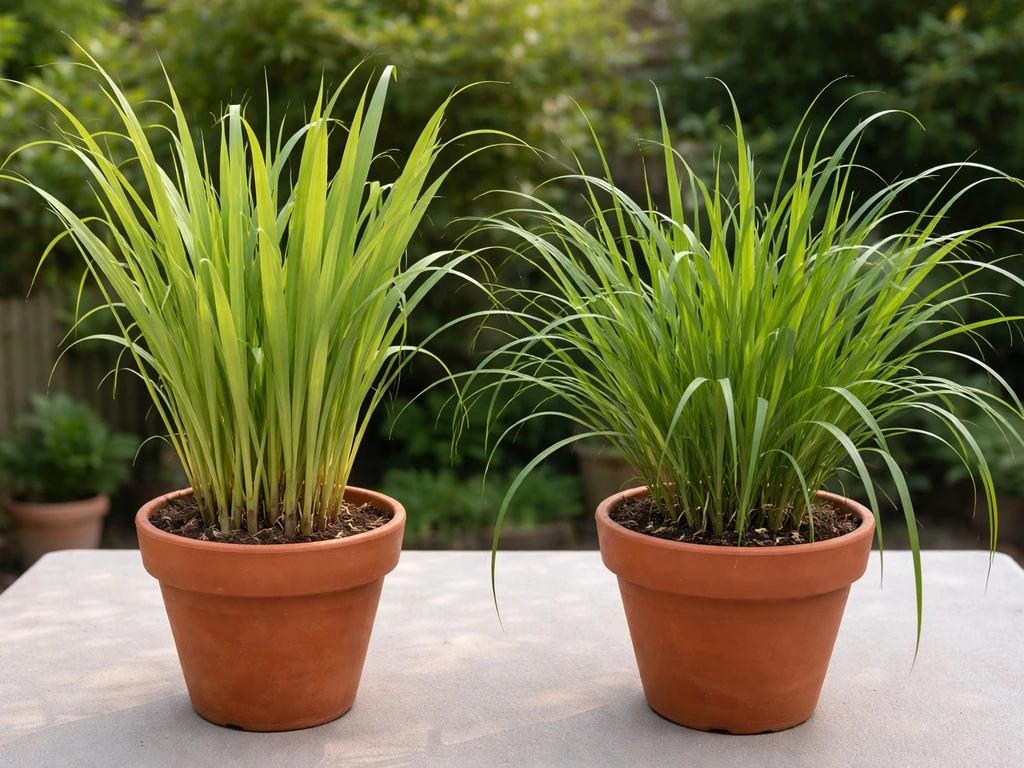
blank" rel="noopener noreferrer">Two species get sold as lemongrass: Cymbopogon citratus (West Indian lemongrass) and Cymbopogon flexuosus (East Indian or Malabar lemongrass). For kitchen use, C. citratus is the one you want. It's the thick-stalked, heavily citrus-scented grass used in Thai and Vietnamese cooking, and it's the one most commonly found in grocery stores, nurseries, and garden centers. C. flexuosus has thinner stalks and is more often used for essential oil production. Either can be grown in Michigan using the same container approach, but if you want to cook with it, start with C. You can use the same general container-and-overwintering approach to can you grow lemongrass in Wisconsin, too grow lemongrass in Michigan. citratus.
Neither species has meaningful cold tolerance. There's no 'cold-hardy' lemongrass variety that will overwinter in Michigan soil. Anyone selling you on that is overpromising. Some sources mention ornamental relatives in the Cymbopogon family, but none of them survive Zone 5 or 6 winters outdoors reliably. Stick with standard C. citratus and plan around container growing.
Outdoor vs. container growing: what's actually realistic
You have two paths: treat it as a true annual and plant it directly in a garden bed each spring, or grow it in a container you can move. I've tried both. The bed approach works fine for a single season if you're okay buying or starting fresh plants every year. But the container method is clearly better for Michigan.
Yes, lemongrass can grow in Utah, but it typically needs warm conditions and is usually grown in containers so you can protect it in colder months lemongrass in Utah. It lets you bring the same plant indoors each fall, skip the cost of replacing it, and get a head start on the growing season the following year since the plant is already established.
For container growing, use a large pot, at least 12 inches wide and ideally 18 inches or more. Lemongrass develops a serious root clump and gets crowded fast. Use a well-draining potting mix, not straight garden soil, which compacts in containers and causes drainage problems. Make sure the container has drainage holes. I watched a batch of plants slowly decline one summer before realizing the oversized decorative pot I'd used had no drainage and was holding water at the root zone after every rain.
| Method | Pros | Cons | Best For |
|---|---|---|---|
| Garden bed annual | No container management; plants can get very large | Dies every winter; buy/start fresh each year; less control over cold snaps | Gardeners who don't want to overwinter |
| Container growing | Move indoors to overwinter; reuse same plant; earlier start next year | Requires suitable indoor space and light; larger containers are heavy | Most Michigan growers; best long-term approach |
| Container moved to bed in summer | Full sun and root room outdoors; easier to move in fall | Needs transplanting each season; more labor | Gardeners with limited outdoor container space |
When to plant and how to work around Michigan frost
Frost dates vary across Michigan. Detroit's last frost date is around May 12. Grand Rapids runs a bit later, around May 27. If you're in the Upper Peninsula or higher elevations, you're looking at even later last-frost dates.
Don't put lemongrass outside until night temperatures are consistently above 50°F and all frost risk has passed. Utah State University Extension recommends planting lemongrass after the last frost, and it notes the plant needs warm, humid conditions and full sun night temperatures are consistently above 50°F.
Yes, you can grow lemongrass in Pennsylvania too, but you will likely need to use a container so it can be moved indoors before cold weather can you grow lemongrass in pennsylvania. A single frost will kill or severely damage it.
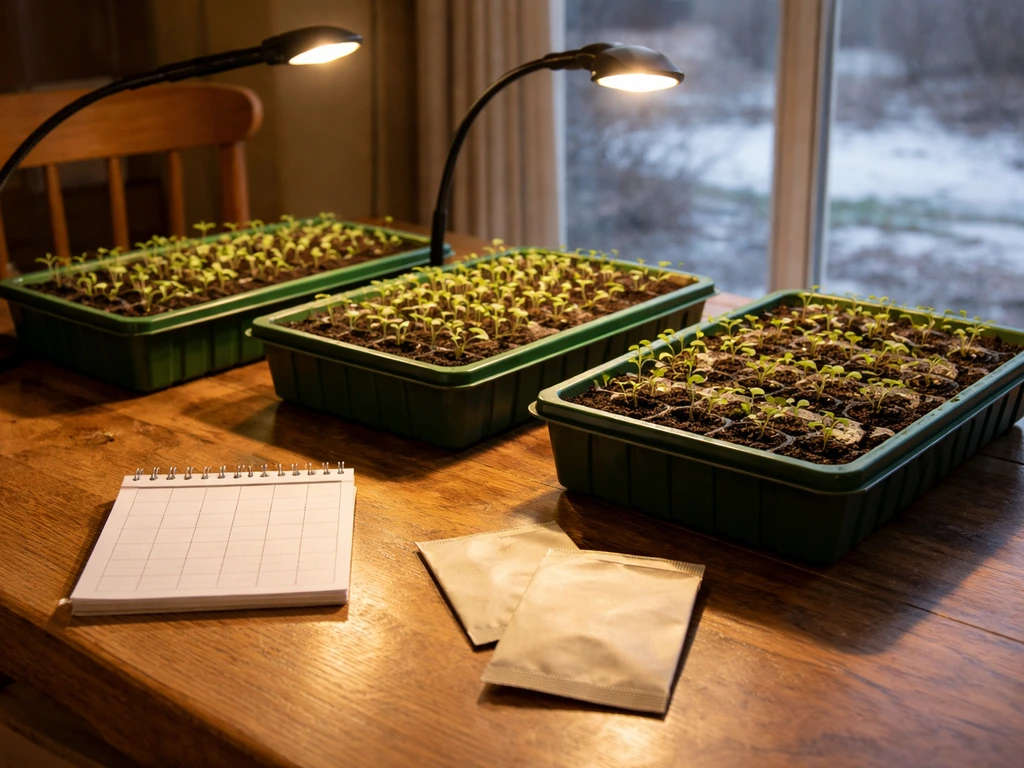
Start plants indoors about 6 to 8 weeks before your last frost date. You can start from seed, but it's slow and germination can be inconsistent. The faster route is to buy a start from a nursery or propagate from a grocery-store stalk. Grocery store lemongrass often has viable root bases. Trim the top down to about 3 to 4 inches, place the base in a glass of water near a sunny window, and roots will appear within a week or two. Once you see good root development, pot it up in a well-draining mix and grow it under a bright window or grow light until it's ready to go out.
In fall, watch your forecast carefully. First frost for Detroit typically arrives around October 21. In Grand Rapids it's earlier, around October 7. Don't wait for a frost warning to act. Bring your lemongrass indoors before nighttime temperatures drop consistently below 50°F, typically in late September or early October depending on your location in the state. Because will lemongrass grow in Colorado depends on cold tolerance, consider container growing so you can move it indoors before freezes lemongrass indoors. Cold damage happens fast, and stalks that brown from frost damage won't recover.
Overwintering your lemongrass indoors
This is where most Michigan growers either succeed or fail with lemongrass long-term. You have two realistic options: keep it actively growing indoors through winter, or let it go semi-dormant in a cool, low-light space.
Keeping it actively growing
If you want to keep harvesting through winter and have the plant hit the ground running in spring, give it the brightest spot you have, ideally a south-facing window that gets 6 or more hours of direct sunlight. Most Michigan homes won't have adequate natural winter light for this, so a grow light makes a real difference. Keep the plant in a warm room, above 60°F consistently, and water when the top inch of soil dries out. Growth will slow compared to summer, but the plant will stay green and healthy.
Letting it go semi-dormant
The lower-effort option is to move the plant to a cool but frost-free space: an attached garage, a basement with some ambient light, or a heated but uninsulated porch. Aim for temperatures between 40°F and 55°F. The plant will likely go brown and look dead, but the root clump often stays viable. Cut back the stalks to about 6 inches, reduce watering significantly (but don't let it go completely dry), and leave it alone until late winter. In February or March, move it to brighter conditions and increase watering to wake it up before outdoor season.
Before bringing any container plant inside, inspect it for pests: spider mites and aphids love to hitch a ride indoors. Rinse the foliage, check the undersides of leaves, and treat with insecticidal soap if needed. It's much easier to handle a minor pest issue outside than to deal with an infestation spreading to your other houseplants.
The biggest overwintering mistake I see is overwatering. A semi-dormant plant in a cool space is barely using moisture. Water thoroughly every 2 to 3 weeks at most, and make absolutely sure the pot drains completely each time. Root rot from sitting water is the most common reason otherwise-healthy lemongrass dies over winter in Michigan.
Harvesting and solving common problems
When and how to harvest
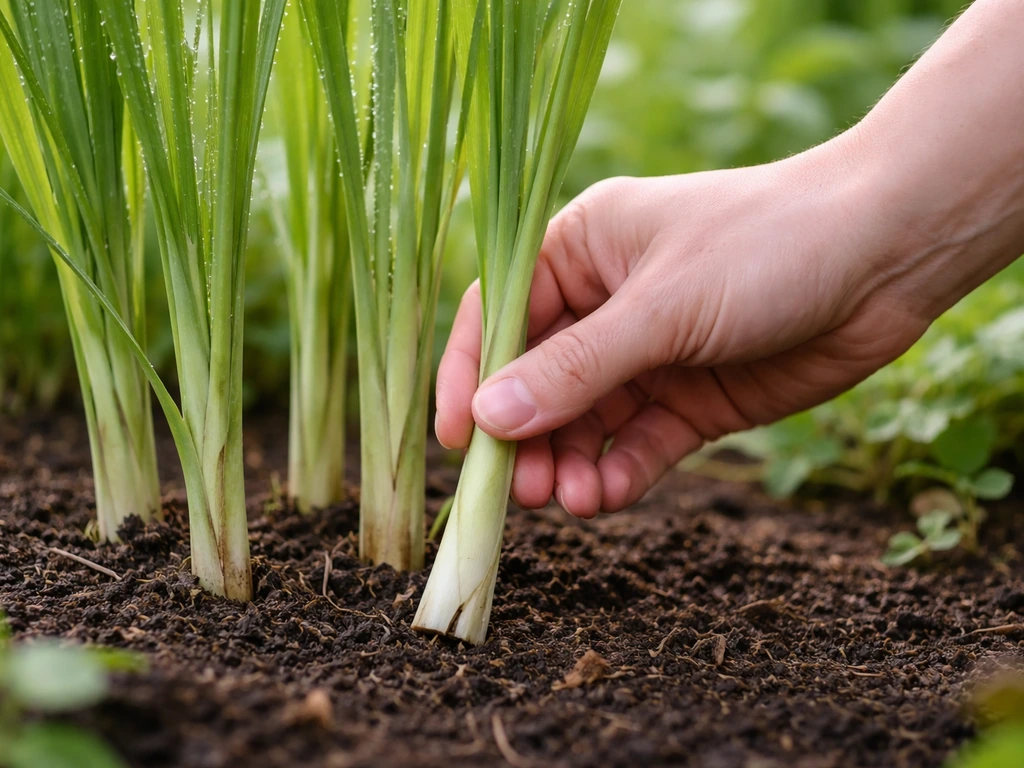
Lemongrass is ready to harvest once individual stalks are about 12 inches tall and at least half an inch thick at the base, roughly pencil thickness or wider. That usually happens about 3 to 4 months after transplanting outdoors, which puts your first Michigan harvest somewhere between late July and early August if you got starts in the ground by late May. Twist and pull individual stalks from the outside of the clump, or cut them near soil level. Don't harvest more than a third of the plant at once. The clump will continue pushing out new growth, and you'll get staggered harvests through the rest of the season.
The edible part is the lower 4 to 6 inches of the stalk, the pale, tightly wrapped section just above the root. The upper green blades are fibrous and typically used for teas or broths rather than direct cooking.
Common problems and how to fix them
- Brown tips outdoors in summer: Usually underwatering or wind damage. Lemongrass is thirsty in warm weather. Container plants especially can dry out fast. Water deeply and consistently, and mulch around in-ground plants to retain moisture.
- Brown tips or browning stalks in fall: Cold damage. If you're seeing this, the plant has already been hit by cold air. Get it inside immediately. Trim damaged material back to green tissue.
- Yellowing leaves indoors: Usually insufficient light. Move to a brighter window or add a grow light. Low light combined with overwatering is the fastest way to lose an overwintered plant.
- Root rot: Almost always caused by poor drainage or overwatering. Make sure your container has drainage holes and that water isn't pooling at the bottom. Let the top inch of soil dry between waterings.
- Slow or no growth in spring: If you overwintered in a cool dark space, the plant needs time to wake up. Bring it to warmth and light gradually in late February. Don't flood it with water before you see new green growth emerging from the crown.
- Pests indoors: Spider mites are the most common issue. Yellow-stippled leaves and fine webbing are the signs. Increase humidity around the plant and treat with insecticidal soap or neem oil. Catch it early.
Is it worth growing lemongrass in Michigan
It's absolutely worth it if you cook with lemongrass regularly or just enjoy having it on the patio. The container method isn't complicated once you understand the rhythm: start or wake up indoors in late winter, move outside after mid-May, harvest through summer and early fall, bring back in by late September. The plant rewards that attention with fast growth and real harvests. If you're in a similar northern climate and wondering how this compares, Wisconsin and Minnesota growers face nearly the same situation, and the same container-and-overwinter approach applies there too. Michigan is actually on the warmer end of that comparison, which gives you a slightly longer outdoor season to work with. That's not nothing.
FAQ
Can I keep lemongrass outside in Michigan during winter if I protect the pot?
Yes, but treat it like a short, protected crop rather than “winter growing.” If you place the pot in a bright sun porch or near a south-facing window, keep night temps above about 40°F, and use a grow light if the days are dark, you can keep it alive and lightly growing. However, true harvestable growth usually slows a lot compared with summer, and one cold snap below freezing can still brown stalks quickly.
If my lemongrass turns brown indoors or in a garage, did I kill it?
Start checking for damage as soon as nights drop. If your plant is in a cool-but-not-freezing spot, brown blades are not the same as dead roots. Wait until late winter to judge survival, then move it to brighter conditions and water normally in February or March. If new shoots appear, the root clump survived.
Should I fertilize lemongrass in winter when growing or overwintering indoors?
Overwintering success depends more on moisture management than on fertilizing. In a warm, lighted setup, you can feed lightly once you see active new growth in late winter or early spring. In a cool, semi-dormant setup (40°F to 55°F), skip fertilizer and only resume feeding after it wakes up and you increase light.
Can I propagate lemongrass in Michigan to avoid buying new starts every year?
If you bought it as a rooted start or rooted grocery stalk, you can propagate by dividing the root clump once the plant has multiple shoots, typically in late spring after it has started vigorous growth. Use clean cuts, re-pot into fresh, well-draining mix, and keep the new divisions slightly drier for the first week to reduce rot risk. Seed propagation is possible but unreliable and slower.
How often should I water lemongrass in Michigan during indoor overwintering?
Use the “top inch” rule. In winter, especially in a cool space, water only when the top inch is dry, then water thoroughly until it drains out. If you see water sitting in the saucer, dump it. If you suspect root rot, unpot and look for a foul smell or black, mushy roots, then trim and re-pot into fresh mix.
What should I do with frost-damaged stalks when they come indoors?
If a stalk is frost-damaged, don’t expect it to green back up. The plant can still regrow from healthy lower stems and the root clump. Remove badly damaged stalks so you can focus energy on new shoots, then improve warmth and light to trigger regrowth.
Is grocery-store lemongrass guaranteed to regrow, and how do I harden it off?
Yes, and it often works better than seed in Michigan. Grocery-store stalk bases are usually easiest if the base still has a living root crown. After you trim the top to about 3 to 4 inches and root it in water, switch to a pot with drainage once you see solid roots, then harden it off gradually outdoors over 7 to 10 days after your nights are reliably warm.
What type of potting mix and pot size are best to prevent root rot in Michigan containers?
Choose a potting mix that stays airy, like a quality indoor potting blend, and avoid heavy mixes that hold water. Even with good mix, a pot that’s too small will stay wet and compact, which raises rot risk. If your plant stays in the same container for multiple years, refresh the top few inches each spring or re-pot every couple of seasons.
Which lemongrass should I buy in Michigan if I mainly want to cook?
C. citratus is usually the “cooking lemongrass” people want for Thai and Vietnamese dishes. If you are also interested in essential oil, C. flexuosus may be more relevant, but it is not automatically better for everyday cooking flavor. If a nursery label is unclear, look for thick, strongly citrus-scented stalks and confirm before planning a kitchen harvest.
When is the safest time to bring lemongrass indoors in different parts of Michigan?
Bring it in before you need to, not after you see a frost on the ground. A practical trigger is when nighttime temps start hovering in the low 40s and 30s are forecast, because repeated near-freezing conditions stress the plant. For most Michigan locations, that usually means late September through early October, earlier in colder Upper Peninsula areas.
Next Articles
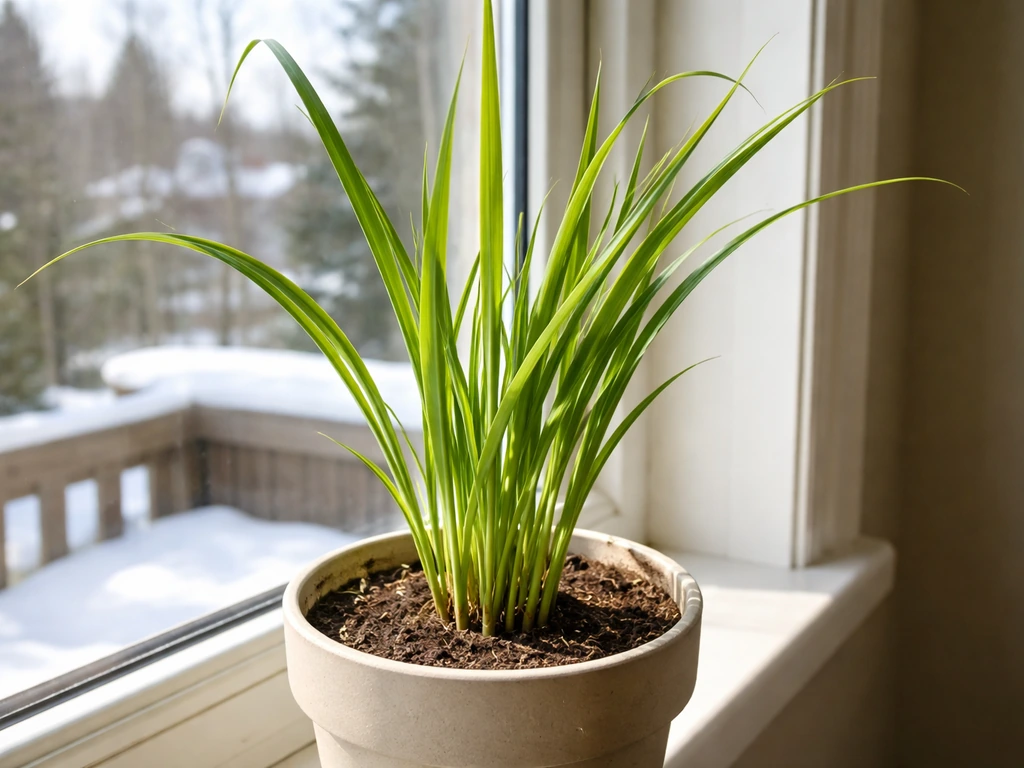
Does Lemongrass Grow in Canada? How to Succeed
Yes, lemongrass can grow in Canada with indoor or protected containers, using warmth, light, timing, and overwintering.
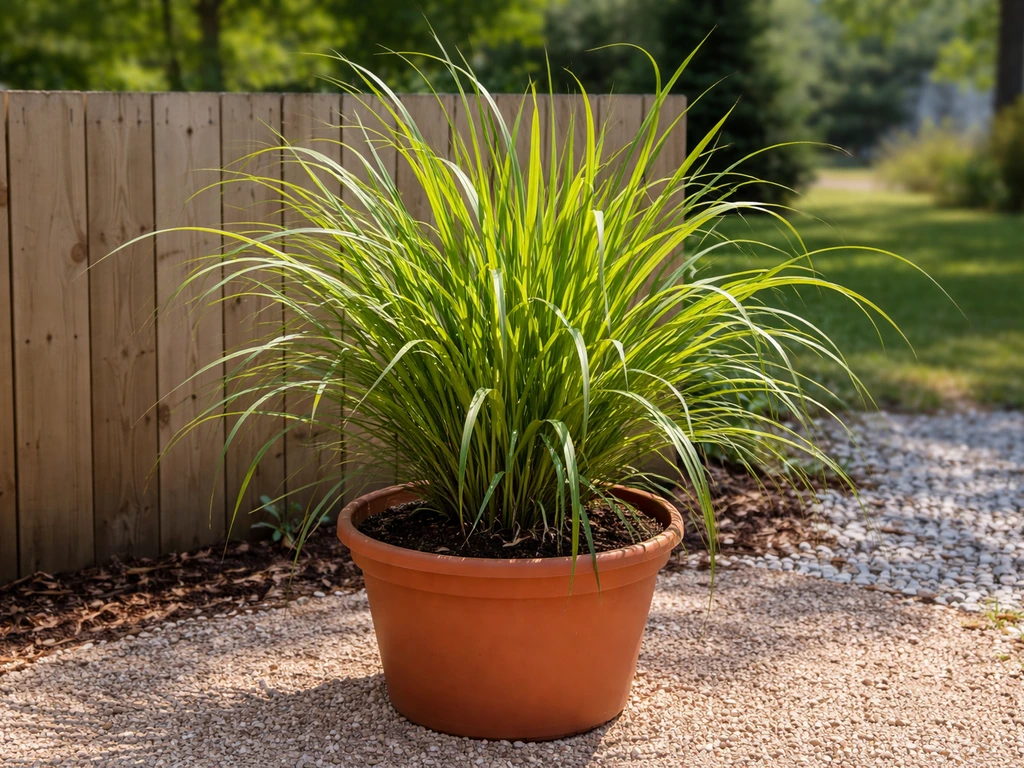
Can You Grow Lemongrass in Wisconsin? How to Succeed
Grow lemongrass in Wisconsin with container steps, indoor overwintering, and care for winter survival and harvest timing
Can You Grow Black Pepper in the US Where and How
Learn where black pepper can be grown in the US and how to grow it indoors or in warm zones for fruit.