
Yes, you can grow lemongrass in Wisconsin, but not as a permanent outdoor perennial. You can use the same container approach in Massachusetts, since its winters are also too cold for lemongrass to live outdoors year-round grow lemongrass in Wisconsin. Wisconsin winters will kill it to the ground and almost certainly kill the roots too, so you need to either treat it as a seasonal annual or bring it indoors before the first frost. The good news is that lemongrass actually thrives during Wisconsin summers once it gets going, and with a little planning you can get a solid harvest every year.
Can You Grow Lemongrass in Wisconsin? How to Succeed

Marcus Petersen
24 Jun 2026
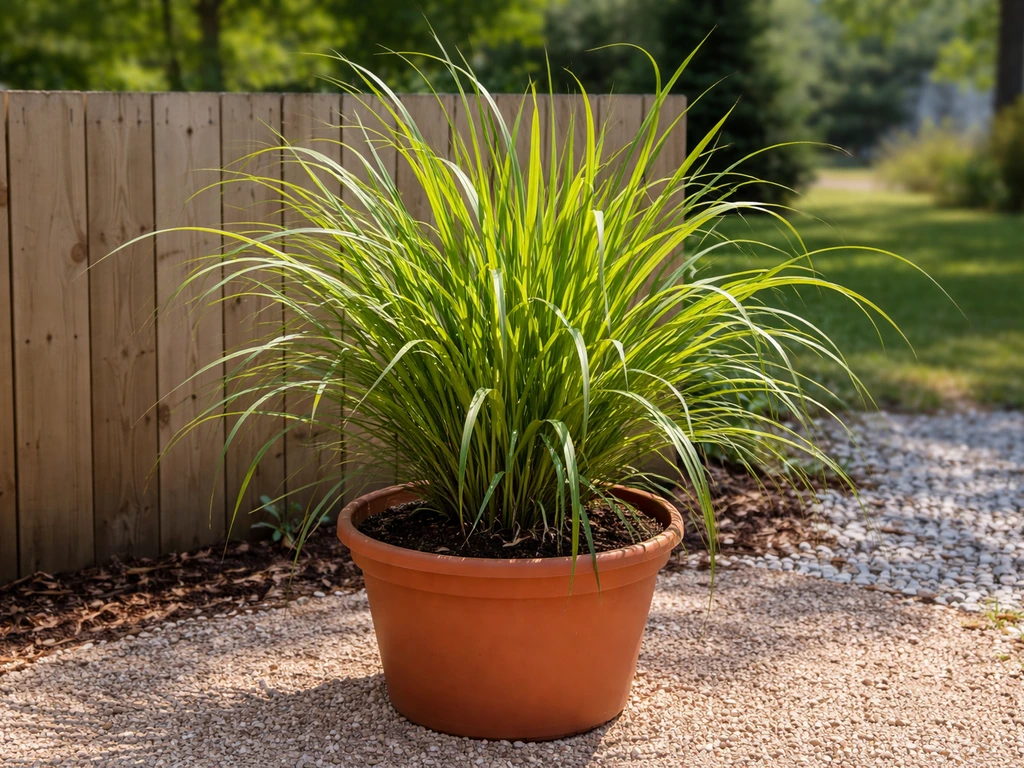
Wisconsin climate fit: can lemongrass survive winters?
Lemongrass is a tropical grass native to warm, humid climates. It is not winter hardy in cold regions, and Wisconsin winters are genuinely brutal for it. Most of Wisconsin sits in USDA hardiness zones 4 and 5, with the far north dipping into zone 3. Average minimum winter temperatures across the state range from well below zero in the north to around 0 to -10°F even in southeastern Wisconsin near Milwaukee. Lemongrass simply cannot survive those temperatures in the ground outdoors, full stop.
The University of Wisconsin Extension confirms this directly: lemongrass should be grown in containers or as an annual during the growing season here. In Utah, the same container-first approach is usually the practical way to grow lemongrass in a cold season lemongrass in Utah. If you leave it in the ground and hope for the best, you will almost certainly come back to dead roots in spring. I've seen gardeners try the heavy-mulch approach thinking it buys enough insulation, but the cold that settles into Wisconsin soil through a long winter is not something a few inches of straw is going to fix for a tropical plant.
The seasonal window is actually decent once you accept this reality. Southeastern Wisconsin averages a last frost around May 7 and a first frost around October 7, giving you roughly five months of warm growing time. Further north, that window shrinks, but lemongrass grows fast in heat, so you can still get productive harvests across most of the state.
Best varieties and what to expect from each
There are two main species you'll encounter as a Wisconsin home gardener, and they behave a little differently.
| Variety | Species | Best Use | Flavor/Notes | Wisconsin Strategy |
|---|---|---|---|---|
| Common culinary lemongrass | Cymbopogon citratus | Cooking, teas, fresh use | Strong citrus-lemon flavor, thick stalks | Container or annual; must overwinter indoors or reseed/repurchase each year |
| East Indian lemongrass | Cymbopogon flexuosus | Culinary, essential oils | Slightly more lemony-floral, thinner stalks | Same as above; easier to start from seed |
| Citronella grass | Cymbopogon nardus / winterianus | Ornamental, mosquito deterrent | Not great for cooking | Treat identically to culinary types in WI |
For culinary use, go with Cymbopogon citratus. It is what you find in Asian cooking, makes excellent tea, and the stalks are thick enough to be satisfying to harvest. East Indian lemongrass (C. flexuosus) is easier to find as seed, germinates reliably at soil temperatures around 68°F, and is a good pick if you want to start fresh from seed each year rather than overwintering a plant. Either way, treat them the same in Wisconsin: no permanent outdoor perennial life, but genuinely productive as a seasonal grower.
Choosing a growing method: container, raised bed, or ground planting
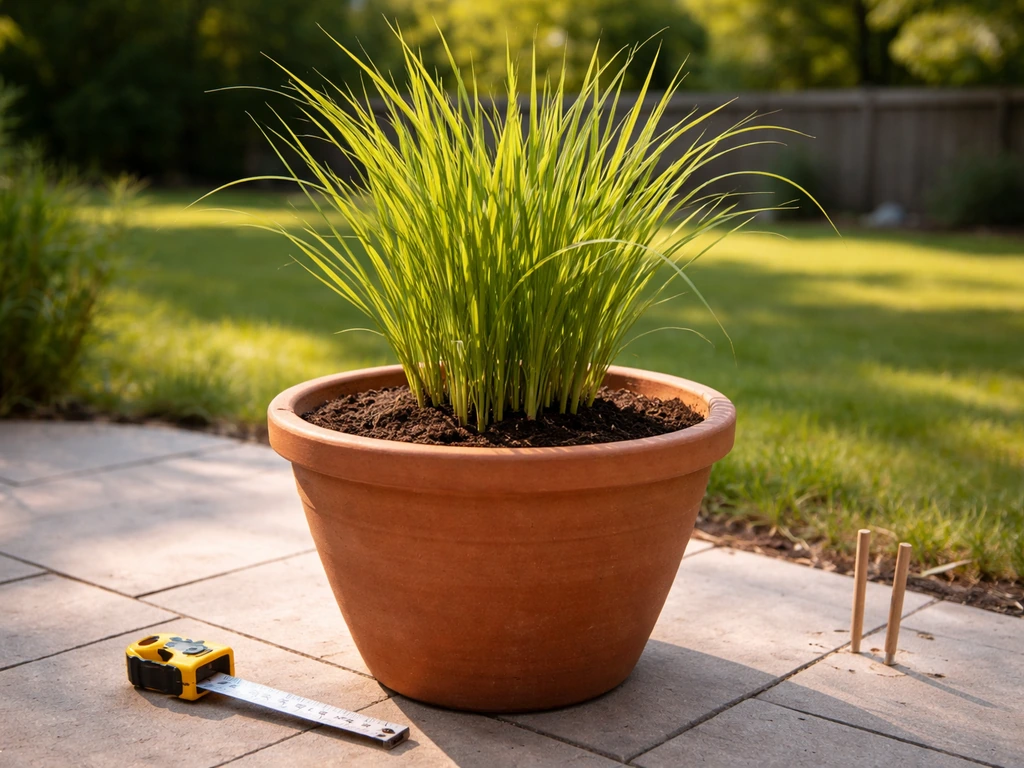
This is probably the most important decision you make, because it determines how much work the rest of the season is. Here is the honest breakdown.
Container growing (recommended)
This is the method UW Extension, University of Illinois Extension, and the RHS all recommend for cold-climate lemongrass, and it is the approach that actually works long-term in Wisconsin. You grow the plant in a large pot all season, move it outside after the last frost, and bring it back inside before the first frost. The plant stays alive over winter and you get a head start the following spring without buying new plants. Use a pot at least 12 inches across, and a 5-gallon bucket or larger is even better since lemongrass clumps get substantial. Make sure it has solid drainage holes. The downside is that a big pot of mature lemongrass is heavy, so plan for that.
Raised bed or in-ground planting
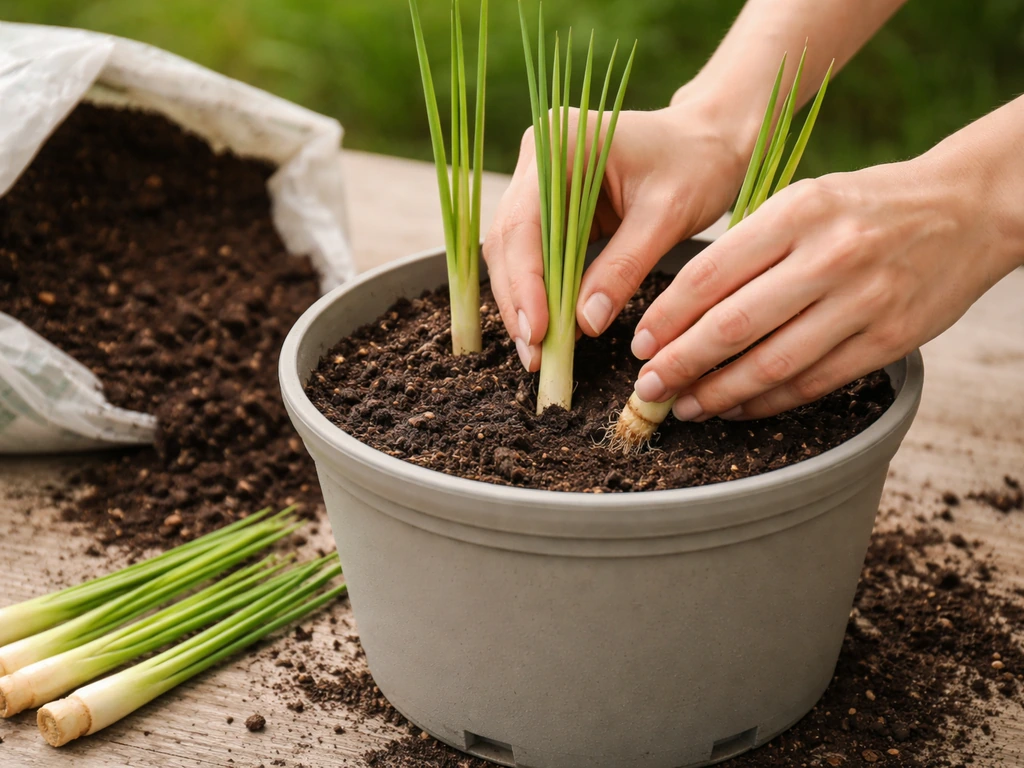
You can absolutely plant lemongrass directly in a raised bed or garden bed, and it will reward you with larger, more vigorous growth than a container allows since the roots have more room to spread. The trade-off is that come fall, you either treat the plant as a throwaway annual and pull it, or you have to dig up divisions, pot them up, and haul them indoors.
HGTV suggests that in cold zones you can dig up some in-ground stalks and pot them to grow indoors through winter. That is doable, and HGTV and other guides describe exactly this method: dig up a few stalks with roots in late September, pot them, and bring them inside.
It works, but it's more work than a container you simply carry in. In-ground lemongrass in Wisconsin can grow into an impressive clump by August, so if yield and drama are what you want, in-ground is worth considering as an annual.
Planting timeline and site setup
Starting your plants
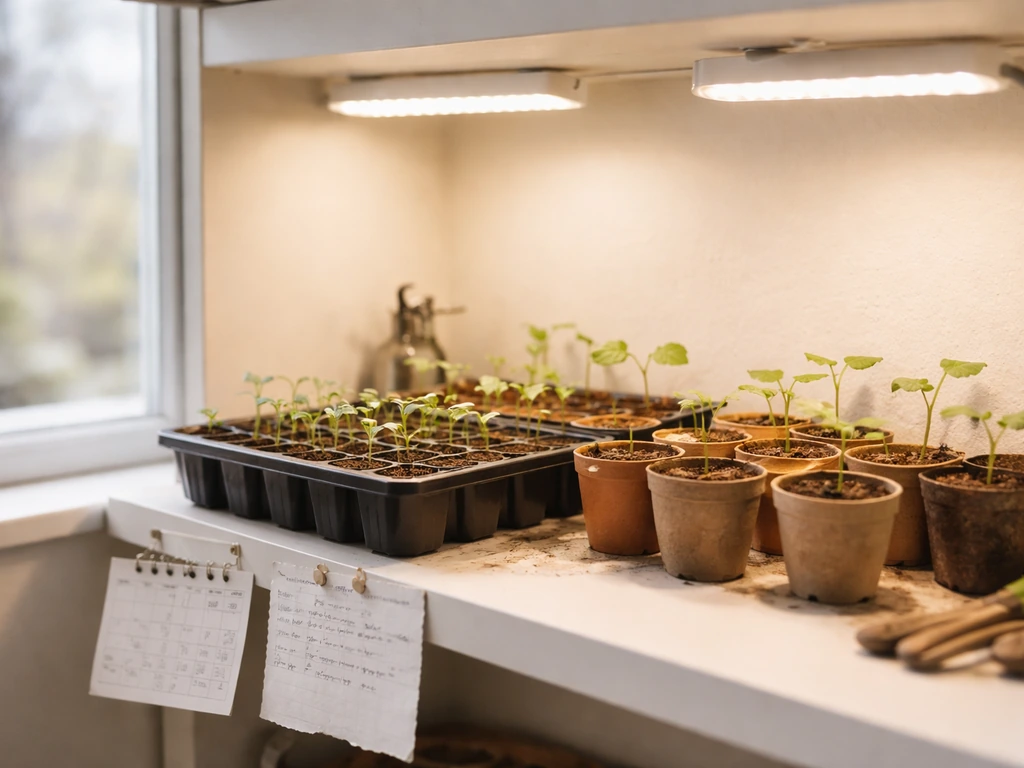
If you are starting from seed, begin indoors about six weeks before your last frost date. For southeastern Wisconsin, that means starting seeds around late March to early April. Keep the soil at or above 68°F for germination, using a heat mat if your house runs cool. Seedlings need daytime temps up around 86°F and nights no colder than 68°F to develop strongly, so a bright, warm windowsill or grow light setup works well. If you are buying transplants from a nursery or grocery store (a lemongrass stalk with some root nub works), you skip all of this.
Transplant outdoors no sooner than two weeks after your last frost, once nights are consistently warm. For most of Wisconsin that means late May. Harden off transplants over about a week by setting them outside in a sheltered spot for a few hours daily before leaving them out full time.
Sun, soil, and spacing
Lemongrass needs full sun, minimum six to eight hours daily. In Wisconsin's shorter season, do not compromise on this. Site it in the sunniest spot you have. Soil should be moist loam with high organic content and a pH of roughly 6.0 to 7.0. Work in compost before planting. Good drainage is essential: lemongrass likes moisture but will rot in waterlogged soil. Space plants about 24 inches apart if planting multiple clumps in a bed, since they will bulk up significantly by midsummer. UW Extension notes that clumps grow slowly in the cool early weeks, then take off dramatically once summer heat arrives, so do not be discouraged by slow early growth.
Watering, fertilizing, and pest basics
Water and feeding
Keep the soil consistently moist but not soggy. Container plants dry out faster than in-ground ones, especially during hot Wisconsin summers, so check them every day or two in peak heat. A balanced fertilizer applied monthly during the growing season keeps things moving. Lemongrass is a heavy grower once the heat arrives, so it appreciates the nutrition. Nothing fancy required: a standard 10-10-10 or a liquid fertilizer works fine.
Pests and disease
Outdoors in a Wisconsin summer, lemongrass is pretty low-trouble. The bigger pest risk actually comes indoors during overwintering. Spider mites love the dry indoor air of a Wisconsin winter, and they can build fast on an overwintered lemongrass plant. Keep an eye out for fine webbing and stippled yellowing leaves. Increasing humidity around the plant (a pebble tray with water, or occasional misting) helps deter them. If you bring more than one plant indoors, keep them separated from other houseplants to avoid spreading mites. Outdoors, rain and wind naturally suppress mite populations, so it's much less of an issue during the summer growing season.
How to overwinter lemongrass in Wisconsin
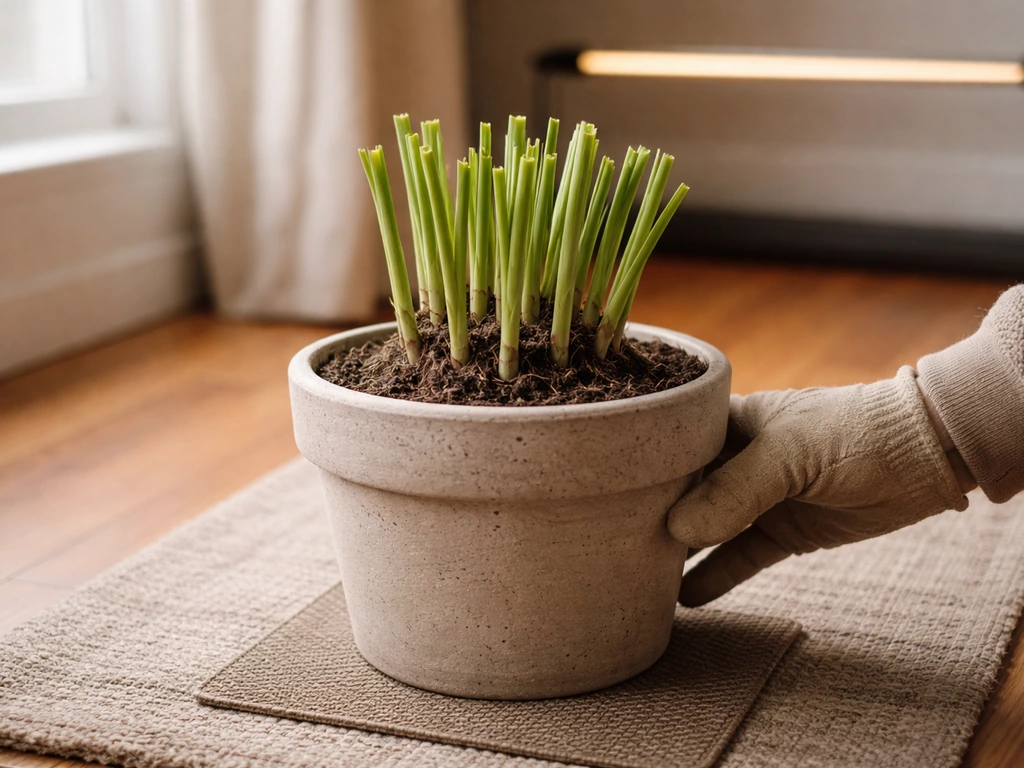
This is where Wisconsin gardeners make or break their lemongrass success. The core rule: get it inside before frost. Yes, you can grow lemongrass in Michigan, but you’ll need to treat it as a seasonal crop or keep it in a container so you can overwinter it indoors. Do not wait for a frost warning, because even light frost damage stresses the plant and makes winter survival harder. In southeastern Wisconsin, aim to bring plants in by late September. Northern Wisconsin gardeners should target mid-September to be safe.
- Cut the foliage back to about 6 to 8 inches before bringing the plant inside. This reduces transplant stress and makes it easier to handle.
- Move the pot (or freshly dug-up divisions potted into a container) to a shady indoor spot for about a week first, letting it adjust to indoor conditions before putting it in its final winter location.
- Place it somewhere that stays above freezing, ideally 40 to 50°F minimum. An unheated basement, garage that doesn't freeze hard, or a cool spare room all work. The plant will go semi-dormant and won't need much light or water during this rest period.
- Water sparingly through winter, just enough to keep the soil from completely drying out. Overwatering a dormant plant is a common mistake.
- In late winter or early spring (February to March), move it somewhere warmer and brighter to wake it up ahead of the outdoor season.
- Watch for spider mites throughout the indoor period and treat promptly with insecticidal soap or neem oil if you spot them.
What about leaving lemongrass in the ground with heavy mulch? I wouldn't count on it in most of Wisconsin. Zones 4 and 5 winters are simply too cold for a tropical plant's root system, even with thick mulch coverage. Canada gardeners should plan on growing lemongrass only as a container plant or annual, since it is not reliably winter-hardy there does lemongrass grow in canada. You might get lucky in a very sheltered urban microclimate in Milwaukee during a mild winter, but this is not a reliable strategy. The indoor container method is the only dependable path to keeping the same plant year over year.
If overwintering sounds like too much work, just treat lemongrass as an annual. Buy a transplant or start from seed each spring, grow it hard all summer, harvest well, and compost the plant in fall. Plenty of Wisconsin gardeners do exactly this and are happy with the results. If you are wondering can you grow lemongrass in Pennsylvania, this annual approach is usually the simplest way to succeed in the cooler parts of the state. For comparison, gardeners in neighboring Minnesota face an even tighter window, and the annual approach is often the default there too.
Harvesting and using your lemongrass
When and how to harvest
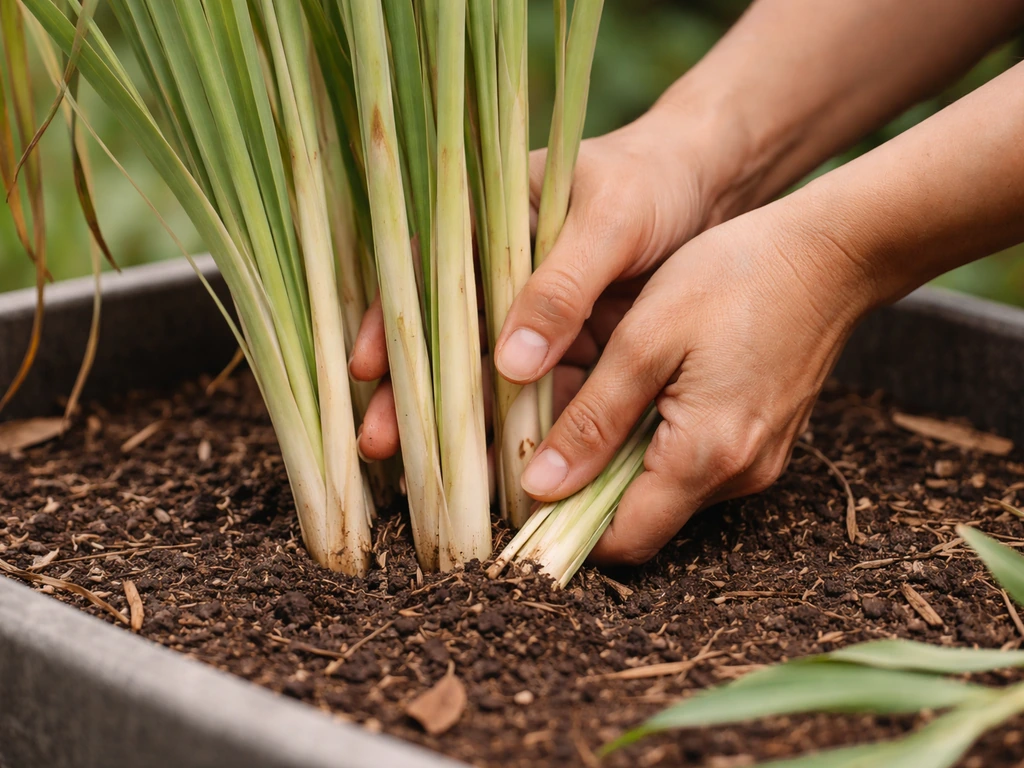
Lemongrass is ready to harvest when the stalks are at least 12 inches tall and about half an inch thick at the base. In Wisconsin, you will typically start seeing harvestable stalks by July, with the best harvests coming in August through early October. Do not wait too long: in cooler regions, the general rule is to do your main harvest toward the end of the season, just before the first frost closes in.
To harvest, cut or snap stalks off at ground level. The UW-Madison Master Gardener guidance confirms cutting at ground level once stalks reach that half-inch thickness. Always harvest from the outer stalks first, leaving the younger inner growth to keep the plant producing. The lower, pale section near the base is the part you use in cooking. The upper green leaves are tougher but work well for teas and infusions.
Storing and using what you grow
Fresh lemongrass keeps in the refrigerator for a couple of weeks, wrapped loosely. For longer storage, freezing is excellent. Clean and thoroughly dry the stalks, then chop or mince them and freeze in ice cube trays or small bags. Frozen lemongrass holds its flavor well and can go straight from the freezer into a curry or soup. You can also dry it, though freezing preserves the volatile citrus oils better than drying does. For drying, slice thinly and use a dehydrator or a low oven, then store in an airtight jar away from light.
In a good Wisconsin summer, a single well-established container plant can provide enough lemongrass for regular cooking use plus some to preserve. An in-ground plant in a full-sun raised bed can grow into a substantial clump that gives you an abundance by September. The flavor is noticeably fresher and more vibrant than anything dried you'll find at a grocery store, which is the main reason it's worth the effort.
Is it worth it for Wisconsin gardeners?
Absolutely, as long as your expectations are realistic. You will not have a permanent outdoor perennial like you would in Florida or southern California. What you will have is a productive seasonal herb that rewards a bit of planning with fresh, aromatic stalks all summer long. Container growing is the most flexible and forgiving approach for most Wisconsin gardeners.
If you have a good sunny spot and don't mind a bit more work in fall and spring, in-ground as an annual gives you bigger plants and better yields. Either way, lemongrass is genuinely one of the more rewarding tropical herbs to try in a northern climate, and Wisconsin's warm summers are more than capable of producing quality plants.
However, in New York you generally need to treat lemongrass as a container plant and bring it indoors before cold weather sets in.
FAQ
Can I leave lemongrass outside all winter in Wisconsin if I mulch it heavily?
If you mean leaving it in the ground all winter, the answer is no in most of Wisconsin. Even with heavy mulch, lemongrass is not reliably winter-hardy because frozen soil and cold air penetration are enough to kill the root system. If you want “same plant next year,” you need either an indoor-overwintering container or to dig up and replant divisions before cold weather.
What’s the best way to overwinter container lemongrass indoors so it survives?
Yes, but expect a slower, weaker plant unless you match the winter conditions indoors. Before bringing it in, prune back and check for pests, then keep it bright (near a window or under a grow light), water only when the top inch of soil dries, and avoid over-fertilizing during the low-light winter months.
When should I bring my lemongrass inside in Wisconsin, exactly?
Don’t wait for the first frost warning. As a practical rule, base your move on nighttime temps staying reliably above freezing, then bring it in during late September in the south and mid-September farther north. Light frost can stunt regrowth and increases winter stress, which makes indoor spider mite outbreaks more likely.
Can I start lemongrass outdoors from seed in Wisconsin?
You can, but it usually reduces your success rate. Lemongrass prefers full sun and consistent warmth, so starting seed in cold Wisconsin windows without heat (soil below about 68°F for germination) often leads to poor germination or weak seedlings. If you do not have a warm setup, buying a transplant is more reliable.
What’s the best method to store lemongrass long-term, freezer or drying?
For cold-season storage, freezing is the easiest approach that preserves flavor. Thaw only what you need (or cook from frozen), use ice cubes for portion control, and keep the cubes sealed to prevent freezer odors from affecting the citrus aroma.
If I grow in-ground as an annual, how do I divide and pot it without losing the plant?
For digging and dividing, do it before the plant has fully slowed down, typically in late September to early October. Lift the clump with as much root mass as possible, divide into chunks with visible shoots, pot immediately, and reduce watering slightly for the first week indoors to limit transplant shock.
Which gives higher yields in Wisconsin, in-ground beds or large containers?
In-ground can make a much larger clump, but it also changes your fall plan. If you do not want to dig and repot, container growing is the better fit. If you are willing to divide and move plants indoors, raised beds can give higher yield by midsummer because the root space is greater.
How big should my container be to grow lemongrass in Wisconsin?
Aim for at least 12 inches wide, but 5 gallons or more is usually the threshold for strong clumping and good harvests. A pot that’s too small dries out fast, limits root expansion, and can force you to fertilize and water more often during hot weeks.
What pests should I watch for when overwintering lemongrass indoors?
Spider mites are the most common winter issue because indoor air is dry. The key is prevention, increase humidity around the plant, keep it isolated from other houseplants, and inspect the underside of leaves regularly. If mites show up, treat promptly before they spread.
Can I harvest lemongrass before August in Wisconsin?
Yes, you can harvest earlier than the “main” window, but only lightly. A good rule is to take the outer stalks once they reach harvestable size, then leave the inner, younger growth intact so the plant keeps producing. If you harvest too hard early, the clump may not build enough mass for later yields.
Next Articles
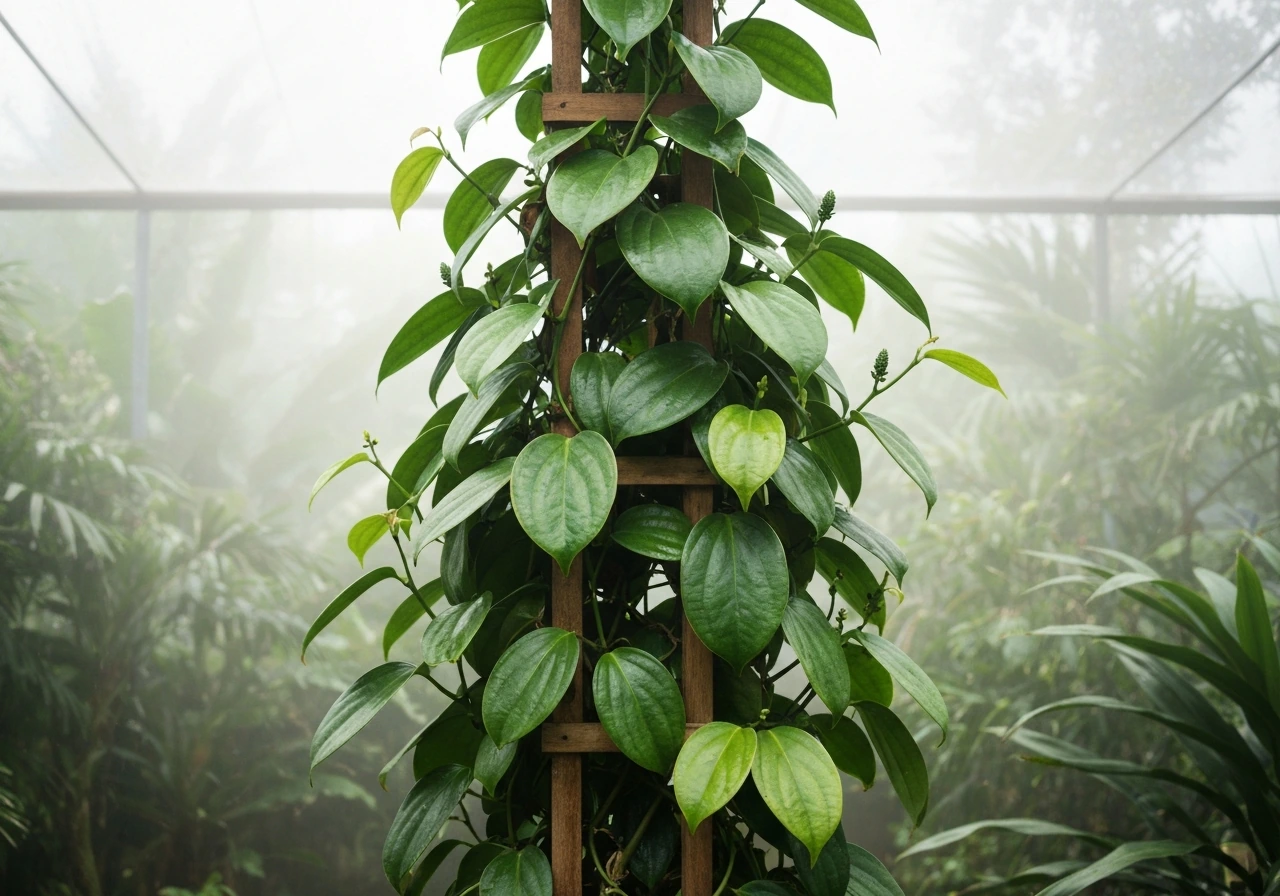
Can You Grow Black Pepper in the US Where and How
Learn where black pepper can be grown in the US and how to grow it indoors or in warm zones for fruit.

Can You Grow Capers in the US? Regional Guide for Home Gardeners
Regional guide to growing caper plants in the US, choosing cultivars, meeting soil and climate needs, and harvesting bud
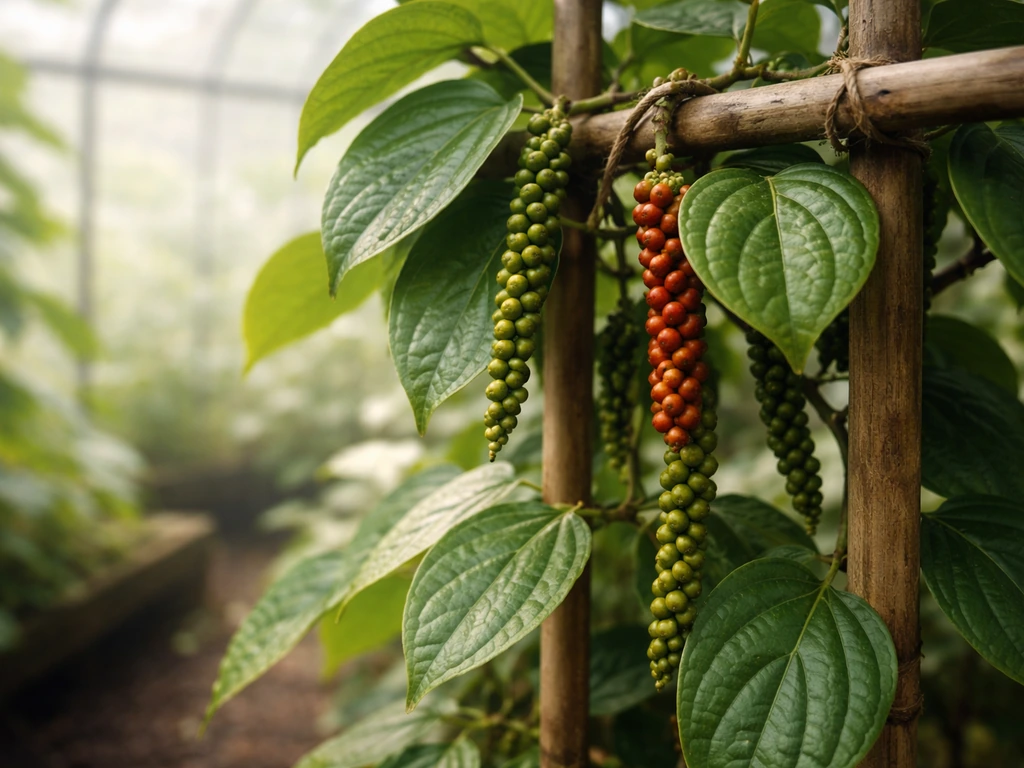
Can You Grow Peppercorns in the US? A Zone-by-Zone Guide
Zone-by-zone guide to growing black pepper peppercorns in the US, including heat, humidity, indoor options, and timeline