
Yes, you can grow lemongrass in Canada, but not the way most tropical herbs are grown. It will not survive a Canadian winter in the ground, full stop. Every part of the country drops well below the plant's frost tolerance, so the only realistic approach is container growing with a planned indoor overwintering strategy. Treat it like a tropical houseplant that gets a summer vacation outside, and it does surprisingly well even in shorter-season regions like Ontario, Quebec, or BC. Many gardeners wonder does lemongrass grow in Utah, but the key is whether you can protect it from cold using a container and indoor overwintering.
Does Lemongrass Grow in Canada? How to Succeed

Marcus Petersen
25 Jun 2026
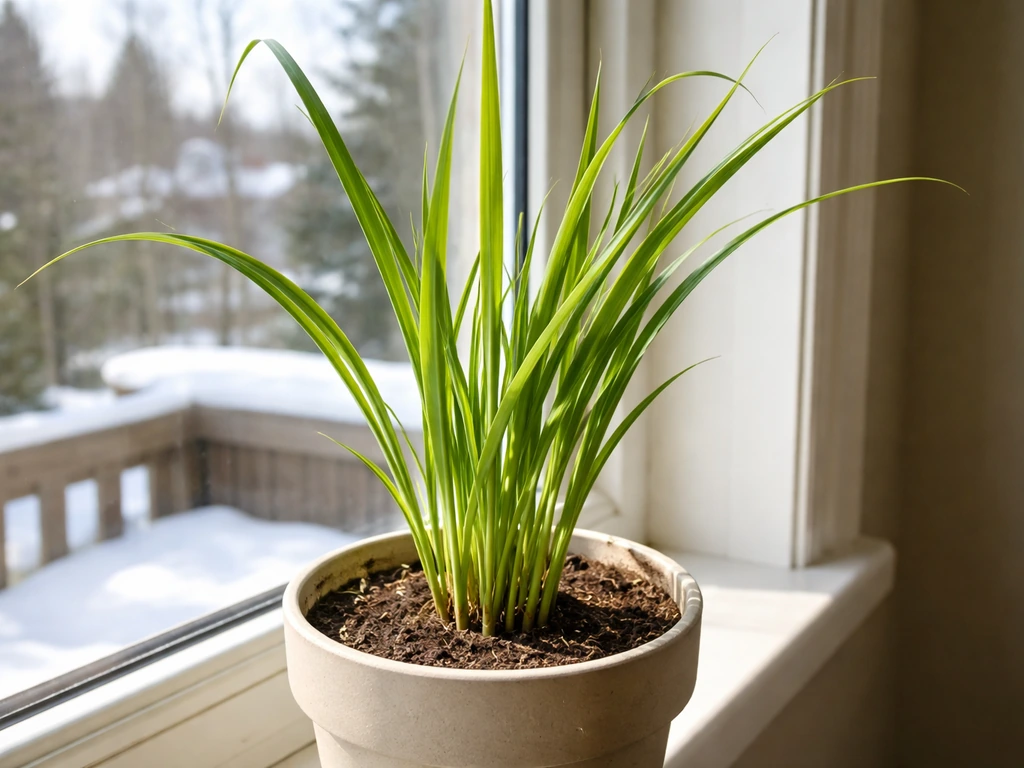
Outdoor, container, or indoor: which approach works in Canada
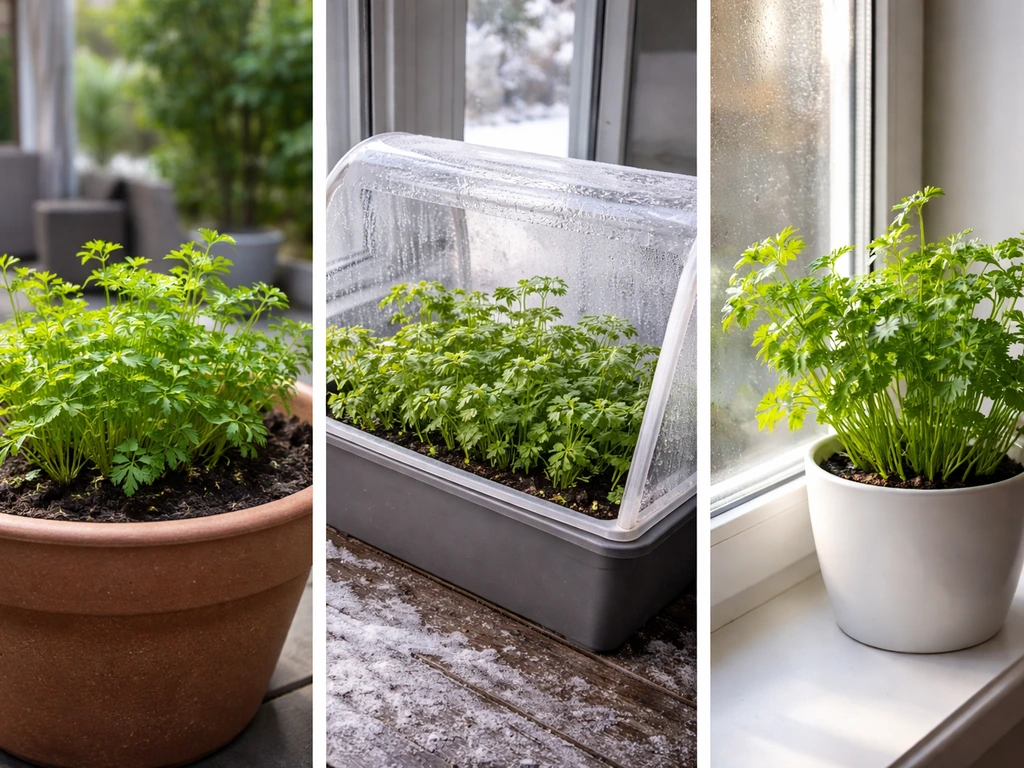
The best approach depends on where in Canada you are, but containers are the default answer for almost everyone. Lemongrass (Cymbopogon citratus) freezes to death when temperatures drop below about -9°C (15°F), and even coastal British Columbia routinely dips below that in a cold snap. So permanent outdoor planting simply is not feasible anywhere in the country.
| Approach | Who it suits | Winter plan | Realistic in Canada? |
|---|---|---|---|
| In-ground permanent | Frost-free climates only | None needed | No — not anywhere in Canada |
| Container outdoors (summer) | All Canadian regions | Bring indoors before frost | Yes — the go-to method |
| Indoor only (year-round) | Apartment growers, very short seasons | Stay indoors permanently | Yes — needs strong supplemental light |
| In-ground with heavy mulch | Very mild microclimates only | Deep mulch, hope for mild winter | Rarely works, not recommended |
Container growing is the clear winner. You get to move the plant outside once the weather cooperates, harvest all summer, then drag it back in before the first frost. It is the same logic that works for gardeners in Minnesota, Michigan, and Wisconsin, where winters are similarly harsh and permanent outdoor lemongrass is just not realistic. These same container growing ideas can also work if you are wondering can you grow lemongrass in Massachusetts Minnesota, Michigan, and Wisconsin. For most Canadian home gardeners, a 5-to-7-gallon pot is the single most important piece of equipment you need.
The Canadian conditions you actually need to manage
Temperature thresholds
Lemongrass grows well when temperatures stay above 13°C (55°F), and you really want nighttime lows consistently around 15°C (60°F) before moving it outside for the season. Because Michigan is still a cold-weather state, you will typically need to treat lemongrass as a container plant and overwinter it indoors. The plant stops performing well below that. On the cold end, blank" rel="noopener noreferrer">bring it in before overnight temperatures drop below 7°C (45°F). That is the RHS-recommended trigger, and it is a good one to follow: once you see consistent sub-7°C nights in the forecast, move the pot inside without waiting for an actual frost event.
Season length and sunlight
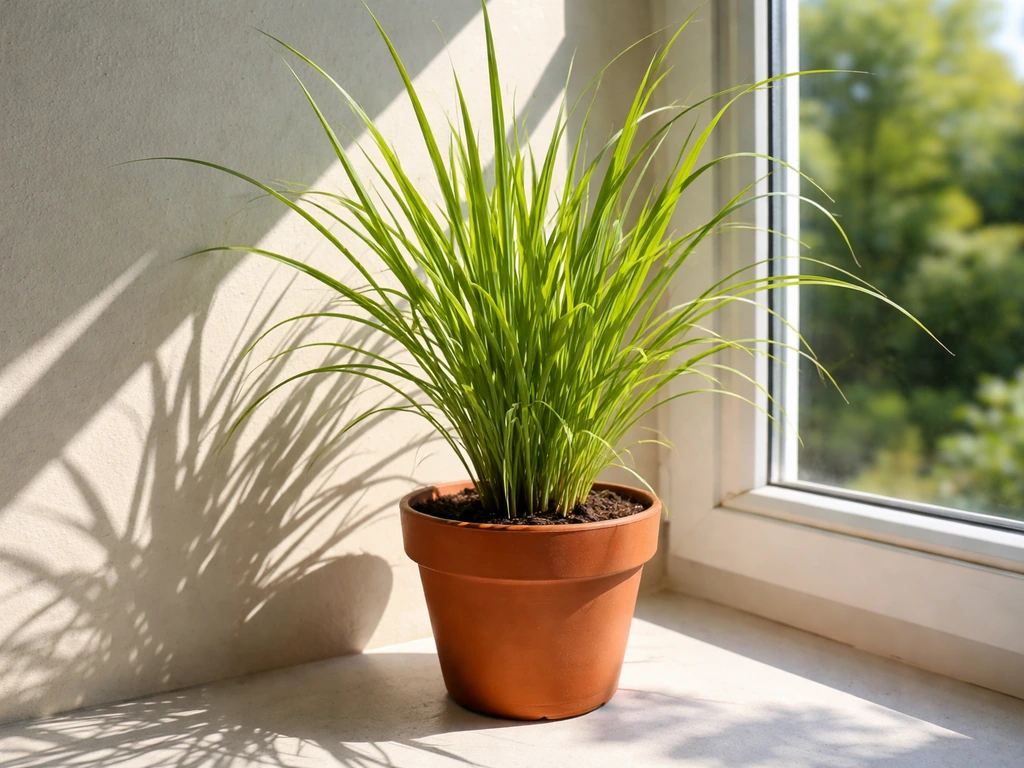
Lemongrass is a full-sun plant. It wants at least 6 hours of direct sun daily, and in Canada's shorter summers it will take everything it can get. Southern Ontario and the Fraser Valley in BC have the longest usable outdoor windows, roughly late May through late September, which gives the plant about 4 to 5 months of productive outdoor growth. In Alberta, Manitoba, or Quebec, that window compresses to 3 to 4 months. It is enough to get a decent harvest if you start the plant early indoors and move it outside as soon as temperatures allow. Gardeners in far northern regions should plan on growing lemongrass primarily as an indoor or sunroom plant. If you are wondering can you grow lemongrass in Minnesota, the same indoor or sunroom container approach is usually the practical way to make it work Gardeners in far northern regions should plan on growing lemongrass primarily as an indoor or sunroom plant..
Know your hardiness zone (for planning, not for winter survival)
Natural Resources Canada has an official Plant Hardiness Zone map you can use to look up your municipality. The zones are based on long-term average extreme minimum temperatures, so they tell you how cold your winters really get. For lemongrass, the zone number does not mean much in terms of outdoor survival (it cannot handle any Canadian winter zone), but it helps you gauge how short your outdoor growing window is and how early you need to start plants indoors in spring. You can grow lemongrass in Pennsylvania as a container plant, then bring it indoors before cold weather sets in.
How to get your lemongrass plants started
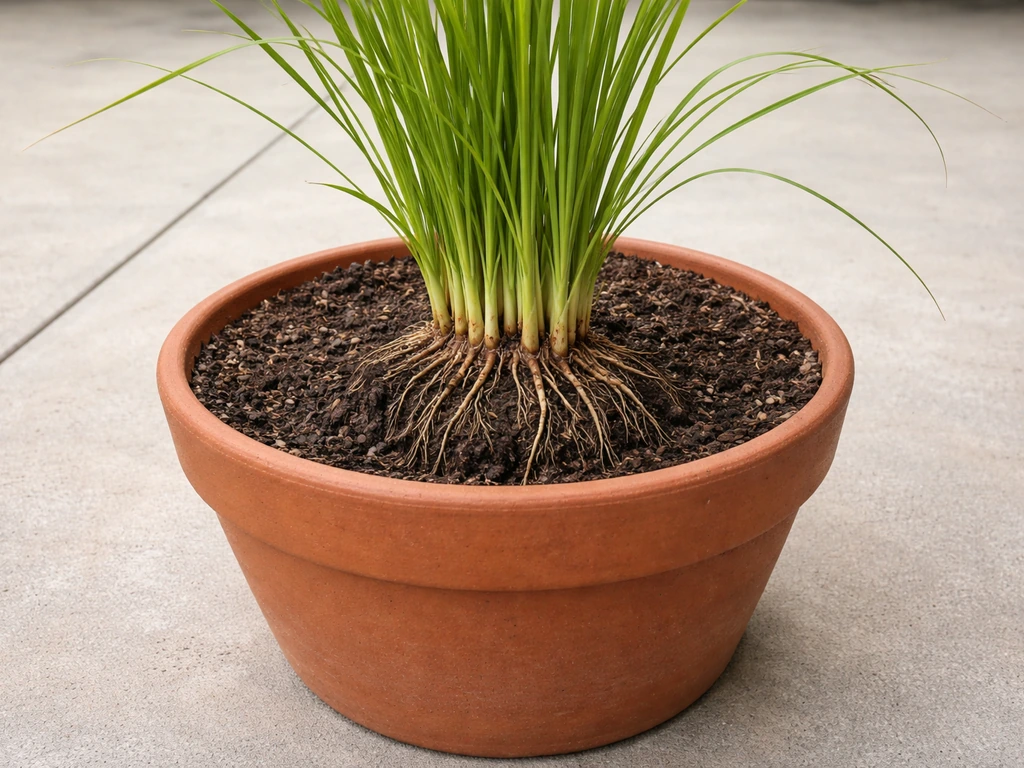
You have three practical options: start from stalks bought at a grocery store, buy divisions from a garden centre, or start from seed. Each has trade-offs.
Grocery store stalks (cheapest and easiest)
Grab a bunch of fresh lemongrass from an Asian grocery store. Look for stalks that still have their base intact and show any hint of green at the top. Trim the tops down to about 5 cm (2 inches) and place the base end in a glass of water on a sunny windowsill. Change the water every couple of days. Within 2 to 3 weeks you should see roots forming. Once roots are an inch or two long, pot them up in a well-draining potting mix. I have done this multiple times and it works reliably when the stalks are genuinely fresh. Old, dried-out grocery store stalks usually fail.
Nursery divisions (fastest results)
Buying an established division from a garden centre gets you a head start, which matters in Canada because you are already working with a compressed season. If you can find lemongrass at a local nursery or order divisions online, you skip the 2 to 3 weeks of rooting and get a plant that is ready to grow immediately. The downside is availability: not every Canadian garden centre carries it, so you may need to look at specialty herb nurseries or online sources.
Starting from seed (most time-consuming)
Lemongrass can be started from seed indoors, but it is slower and requires soil temperatures around 20°C (68°F) for good germination. In Canada, starting seeds in late February or early March under a heat mat gives you enough lead time. That said, most home gardeners have better luck with stalks or divisions and skip seeds entirely.
Planting timeline and basic care
Your indoor start and outdoor transition window
- February to March: Start stalks in water or pot up divisions indoors. Keep in the warmest, brightest spot you have.
- Late March to April: Pot rooted stalks into 5-to-7-gallon containers using well-draining potting mix. Maintain indoor warmth.
- Late May to early June (most of Canada): Move pots outside after last frost date when nighttime temperatures are consistently above 15°C. Southern Ontario and BC can sometimes move earlier.
- June through September: Active outdoor growing season. This is when the plant bulks up.
- Late September to early October: Watch the forecast. Bring pots inside when overnight lows approach 7°C.
Potting, watering, and feeding
Use a large container right away. Lemongrass roots aggressively and gets rootbound fast, which stresses the plant and reduces your overwinter survival odds. Because will lemongrass grow in Colorado depends heavily on temperature swings, growing in a container is often the safest way to manage it container right away. A well-draining potting mix is essential: soggy soil kills roots, especially indoors. Keep the soil consistently moist during the outdoor growing season but never waterlogged. Water more frequently during hot spells since containers dry out faster than garden beds. Feed with a balanced liquid fertilizer every 2 to 3 weeks through summer. Lemongrass is a heavy feeder and that nitrogen drives the leafy growth you are harvesting.
Pruning
You can trim outer leaves throughout summer as you harvest. Before bringing the plant indoors for winter, cut it back to about 15 to 20 cm (6 to 8 inches) tall. This makes it more manageable to store and reduces the plant's water and light demands during dormancy. Do not feel bad about cutting it hard, it bounces back.
Overwintering: the part that makes or breaks it in Canada
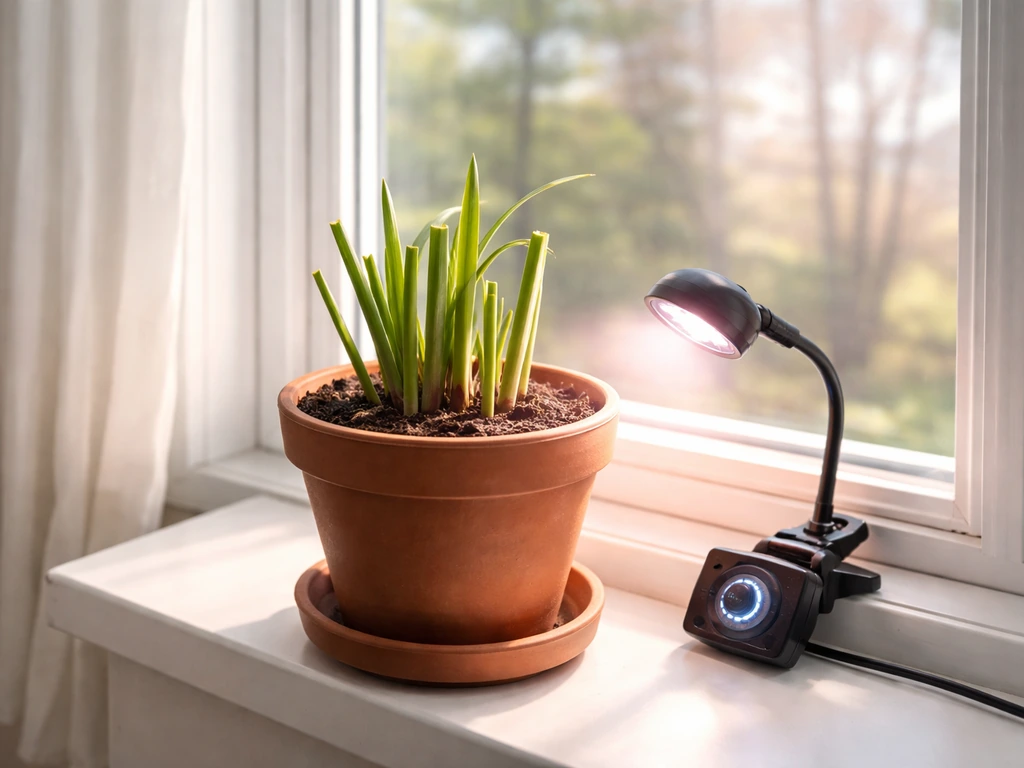
This is where most Canadian lemongrass attempts either succeed or fail. The plant needs to come inside before frost, and then it needs to survive several months of low light and reduced watering without rotting or drying out completely. The RHS plant profile for Cymbopogon flexuosus lists minimum temperature ranges, showing that cold tolerance is limited and temperature ratings are used to assess survivability blank" rel="noopener noreferrer">minimum temperature ranges for Cymbopogon flexuosus. Because winter lows are colder in Wisconsin than in most of the places lemongrass thrives, you will usually need to overwinter it indoors or use a protected container setup can you grow lemongrass in Wisconsin. I have seen both failures happen, and a few adjustments make a big difference.
Bright light is non-negotiable
Move the pot to the brightest spot in your home: a south-facing window is ideal. If you do not have strong natural light, a grow light on a timer (14 to 16 hours) will keep the plant from declining too quickly. A southern Ontario gardener documented on a gardening forum that plants near a window with supplemental grow light came through winter much better than those relying on window light alone. In Canada's grey winters, that supplemental light is often the difference between a plant that thrives and one that slowly collapses.
Water and feeding during dormancy
Water sparingly indoors. The plant slows down significantly and wet soil in low light is a recipe for root rot. Let the top few centimetres of soil dry out between waterings. Stop fertilizing entirely until you see new growth emerging in late winter or early spring, usually February to March. When new shoots appear, that is your signal to resume regular watering and feeding and to start thinking about the outdoor transition again.
Cold storage as a backup option
If you do not have a bright indoor spot, you can try semi-dormant cold storage. Cut the plant back hard, pot it in dry soil, and keep it in a cool but frost-free space like an unheated garage that stays above freezing, ideally between 5°C and 10°C. Check monthly and water very lightly just to prevent the roots from completely desiccating. This is riskier than the bright-light indoor approach, but some gardeners make it work. If the garage ever drops to 0°C or below, you will lose the plant.
Harvesting your lemongrass and troubleshooting common problems
How to harvest
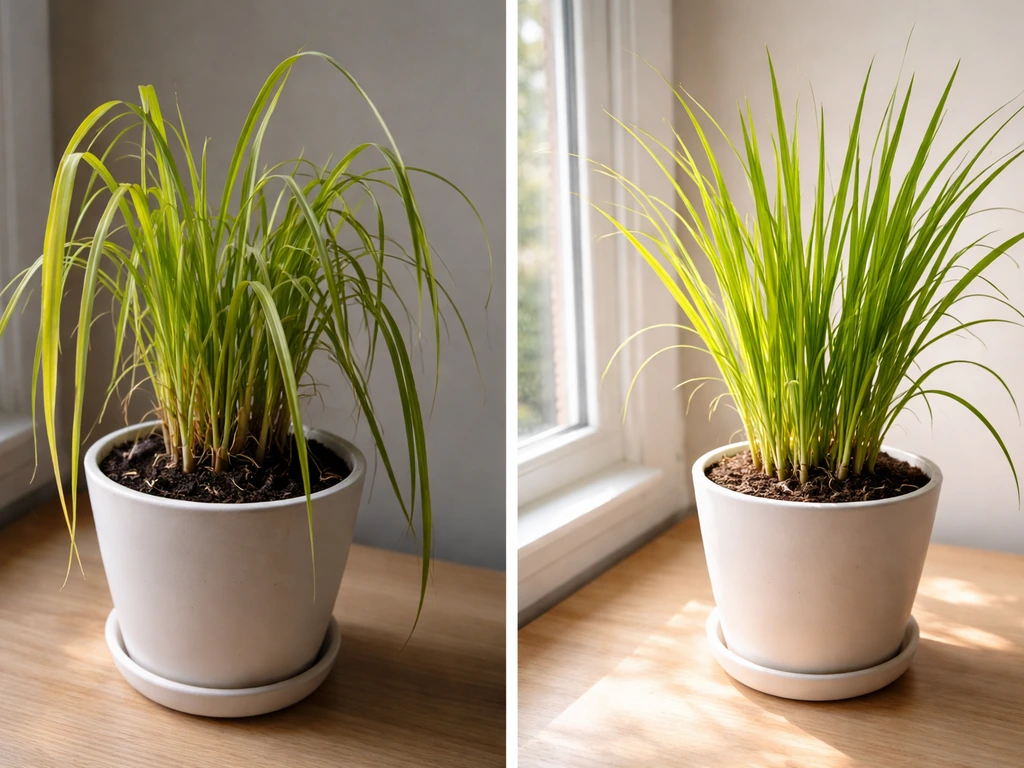
Start harvesting once stalks are at least 1.5 cm (half an inch) thick at the base. Twist and pull individual outer stalks from the base, or cut them at ground level. The lower portion of the stalk, the pale, tender part just above the root, is what you use in cooking. The upper green leaves are tougher and better suited for teas or infusions. Harvest regularly through summer and you will keep the plant productive. Leave the central stalks to keep the plant growing.
Common failure points and fixes
| Problem | Likely cause | Fix |
|---|---|---|
| Plant dies over winter indoors | Root rot from overwatering or no light | Water less, move to brighter location or add grow light |
| Plant dries out completely indoors | Too little water or too much heat from a furnace vent | Water lightly every 2 to 3 weeks, move away from heat vents |
| No new growth in spring | Dormancy too deep or roots dead | Check roots, water gently and give warmth — if no response in 4 weeks, start fresh |
| Stunted growth outdoors | Not enough sun or pot too small | Move to full sun position, repot into a larger container |
| Yellowing leaves in summer | Nitrogen deficiency or waterlogged roots | Feed with liquid fertilizer, ensure drainage holes are clear |
| Plant fails to bulk up in short season | Moved outside too late or brought in too early | Start indoors in February, push outdoor transition as early as safe |
Your quick decision checklist before you start
Before you buy your first stalk or pot, run through these five questions. They will save you from the most common mistakes.
- Where are you in Canada? Look up your hardiness zone on the Natural Resources Canada map to understand how short your outdoor window is. Southern Ontario and coastal BC get the longest season; prairie provinces and Quebec get less.
- Do you have a bright indoor spot for winter? A south-facing window or a grow light setup is required, not optional. If you cannot commit to this, do not start.
- Have you got a container large enough? Start with at least a 5-gallon pot. Bigger is better for overwinter survival and summer growth.
- Are you starting in February or March? If it is already June and you have not started, you can still try with a nursery division, but manage expectations: you will get a partial season.
- Do you know your last frost date? Check a local weather resource for your city's average last spring frost. That date, plus a week or two of warm nights, is when your container goes outside.
Lemongrass is absolutely worth growing in Canada if you go in with the right plan. It is a container plant here, full stop, and the overwintering step is what separates the people who get years of harvests from the ones who start over every spring. Nail the indoor light and the careful winter watering, and you will have a thriving clump that gets bigger and more productive each year. The approach is nearly identical to what gardeners use in similarly cold places like New York, Pennsylvania, and Massachusetts, where the winters are harsh but container culture makes lemongrass a reliable summer crop. In New York, you can treat lemongrass as a container plant and overwinter it indoors to get reliable results.
FAQ
Can I keep lemongrass outside in Canada using a frost blanket or cold frame?
Yes, but only as a temporary shelter. A thin frost cover, cold frame, or unheated veranda usually will not protect lemongrass through multi-day cold snaps. In practice, even BC coastal areas can dip below the plant’s freezing tolerance, so if you cannot bring the pot inside before night lows fall into the sub-7°C range, plan on failover (extra insulation plus an indoor move).
When should I repot lemongrass in Canada, and should I do it in winter?
Repotting is best done before the outdoor season starts, after the plant is already actively growing indoors. If you move or disturb the roots during winter dormancy or low-light conditions, it increases the chance of rot. When you repot, step up container size gradually and refresh potting mix so it stays airy and drains fast.
Is it worth growing lemongrass from seed in Canada for a first-year harvest?
From seeds, you may be able to get plants started, but you rarely get a useful harvest in Canada because seed-grown plants take longer to thicken. If your goal is cooking stalks in the first year, start with grocery stalks that root or buy a division. Also note that germination is sensitive to heat, so without a heat mat you can end up waiting far longer than expected.
How much can I harvest from Canadian-grown lemongrass without killing it?
Yes, but watch the clump structure. If you harvest too aggressively from the outer leaves early in the season, the plant can stay small and never build thick basal stalks. A safer approach is to leave more foliage on the plant until the bases start thickening, then harvest regularly once you can remove individual stalks without weakening the center.
If I know my hardiness zone, how do I use it to plan lemongrass in Canada?
Don’t rely on “zone” for lemongrass survival, because it is effectively a container crop everywhere in Canada. Instead, use your zone only to time your indoor start date and outdoor move date. For example, colder zones will typically need earlier indoor growth so the plant has enough size to handle your shorter outdoor window.
My lemongrass is turning yellow and drooping indoors, what should I check first?
If it gets leggy or collapses indoors, it is almost always a light problem or an overwatering problem. Check for wet, heavy soil between waterings, then increase light hours using a grow light on a timer (typically 14 to 16 hours). Also make sure the pot has drainage, since lemongrass does not tolerate stagnant water.
Why do grocery-store lemongrass cuttings fail to root in water in Canada?
Grocery-store stalk cuttings often fail due to age and dryness of the base, not the method. Use stalks with an intact base, a bit of living green near the top, and avoid very dried or trimmed-to-the-point-of-no-base pieces. After rooting, pot promptly once roots are an inch or two to prevent the cutting from exhausting itself in water.
Can I overwinter lemongrass in an unheated garage, and how do I water it?
Yes, but you need to avoid freezing and prevent root rot. Keep it in a frost-free but cool location, ideally around 5°C to 10°C, use drier soil, and only water lightly when the mix is pulling away from the pot edges. If the storage spot ever drops to 0°C or below, overwintering success becomes unlikely.
What is the safest way to bring overwintered lemongrass back to growth in spring?
If your indoor conditions are moderate (not bright), semi-dormant storage can still work, but you should expect a slower restart in spring. The key is to bring it back to warmth and brightness once you see shoots, then increase watering gradually. Sudden jump to heavy watering plus low light is a common reason the plant rots after coming out of dormancy.
Can I move lemongrass outside early in spring in Canada without losing it?
Yes, if you treat Canada like a temperature-limited region. The main risk is importing cold shock, so move the pot outside only when nighttime lows are comfortably above your bring-in threshold, and acclimate it over several days if you had it indoors under grow lights. Keep it under protection during early cold nights even if days seem warm.
Next Articles
Can You Grow Lemongrass in Wisconsin? How to Succeed
Grow lemongrass in Wisconsin with container steps, indoor overwintering, and care for winter survival and harvest timing
Can You Grow Black Pepper in the US Where and How
Learn where black pepper can be grown in the US and how to grow it indoors or in warm zones for fruit.

Can You Grow Capers in the US? Regional Guide for Home Gardeners
Regional guide to growing caper plants in the US, choosing cultivars, meeting soil and climate needs, and harvesting bud