
Realistically? Growing sandalwood outdoors in Canada is not going to work in almost any province. The tree that produces commercially valuable sandalwood oil and heartwood (Santalum album) is rated for USDA hardiness zones 10 to 12, which means it wants year-round warmth and cannot handle frost. Canada's winters rule it out everywhere except perhaps the mildest corners of coastal British Columbia, and even there, a hard freeze will kill it.
Can You Grow Sandalwood in Canada? Real Feasibility Guide

Marcus Petersen
7 Jul 2026
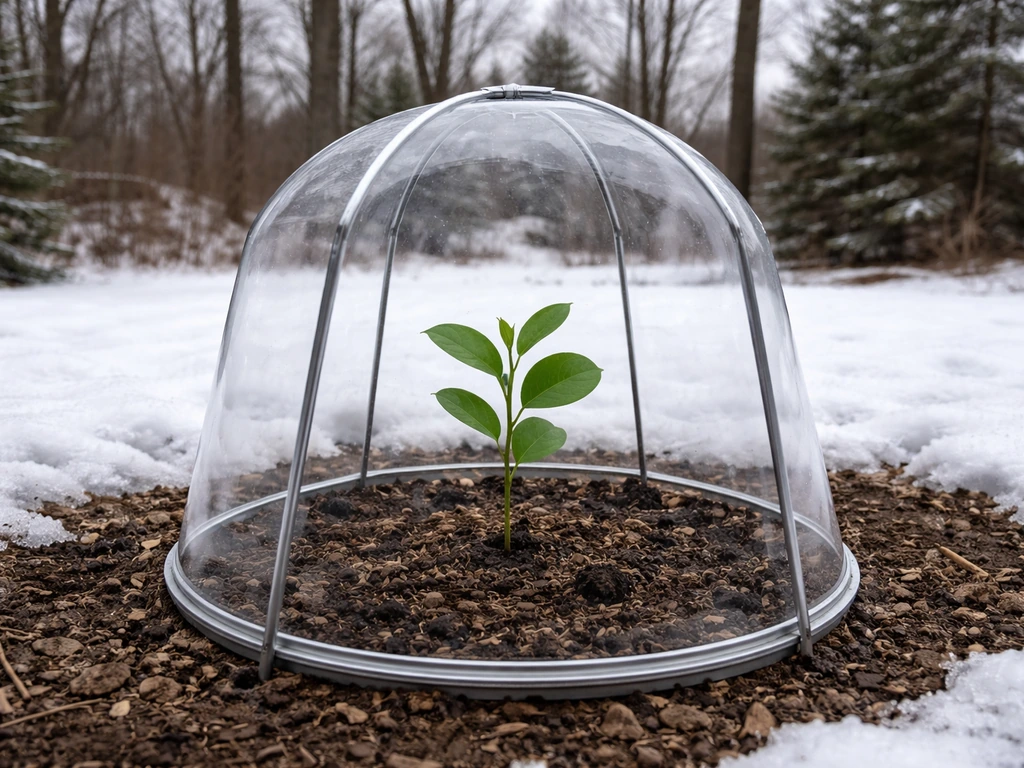
That said, there are greenhouse and container approaches worth knowing about, especially if you're a dedicated hobbyist who's willing to do the extra work. This guide walks through exactly what you're dealing with, what's possible, and what to do instead if full sandalwood cultivation isn't in the cards.
If you're wondering about the same feasibility question in the United States, the answer depends mostly on your USDA zone and whether you can protect the tree from cold can i grow sandalwood in usa.
The honest feasibility verdict for Canada
For the vast majority of Canada, open-ground sandalwood cultivation is not feasible. Winnipeg, Calgary, Toronto, Montreal, and most of the country experience winters that will kill a sandalwood tree outright. Even in Vancouver, where winters are the mildest in Canada, temperatures occasionally dip below freezing and the summer heat rarely reaches the sustained levels sandalwood needs to thrive.
Santalum album's ideal growth temperature range is roughly 12 to 30°C, and it needs that warmth consistently, not just for a few weeks in July. Canada's growing season is simply too short and too cold to support outdoor sandalwood cultivation except in a very narrow set of conditions.
The honest answer for most Canadian gardeners is: you can attempt it in a greenhouse or as a container plant brought indoors over winter, but you should not expect to harvest heartwood or extract meaningful essential oil from a homegrown plant. The tree takes 15 to 30 years to develop oil-rich heartwood even in ideal tropical conditions.
Which sandalwood are we actually talking about?
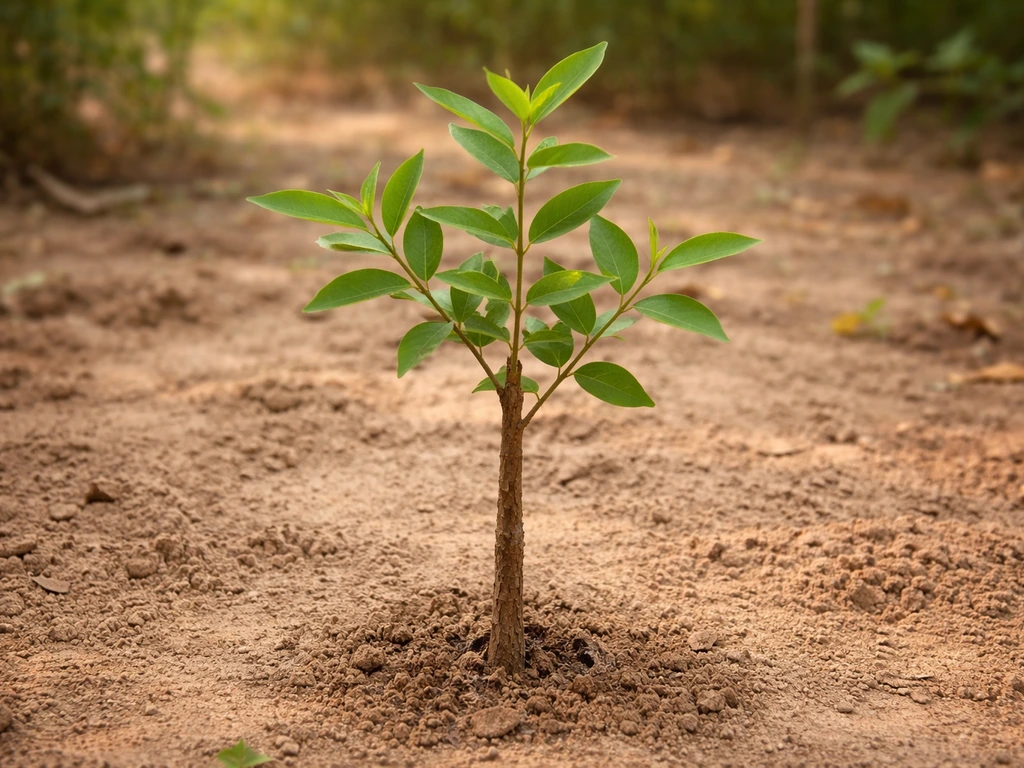
The word 'sandalwood' gets applied to several different plants, and that matters enormously for your growing strategy. The two most relevant species for anyone interested in cultivation are Santalum album (Indian or East Indian sandalwood, the primary source of commercial sandalwood oil) and Santalum spicatum (Australian sandalwood, used in cosmetics and lower-grade oil production). There is also red sandalwood, which is actually Pterocarpus santalinus, a completely unrelated tree that is listed under CITES and has its own cultivation story. When most people ask about growing sandalwood, they mean Santalum album. That's what this guide focuses on, though S. spicatum has slightly broader cold tolerance and is worth a mention for more adventurous growers.
| Species | Common Name | Hardiness | Cold Tolerance | Oil/Heartwood Value |
|---|---|---|---|---|
| Santalum album | Indian sandalwood | USDA zones 10-12 | None below freezing | Highest commercial value |
| Santalum spicatum | Australian sandalwood | USDA zones 9-11 | Slight frost tolerance reported | Moderate, used in cosmetics |
| Pterocarpus santalinus | Red sandalwood | USDA zones 9-11 | Limited frost tolerance | Different product, CITES regulated |
If you're eyeing red sandalwood specifically, that's a separate conversation with its own considerations, including CITES trade restrictions that affect sourcing. For the purposes of this guide, Santalum album is the target. It's also worth knowing that growing sandalwood in the USA has its own feasibility range, mainly limited to Hawaii, southern Florida, and parts of Southern California, so Canada is starting from an even more constrained position. Agarwood also needs warm, tropical conditions, so you may only be able to grow it in the warmest parts of the USA growing sandalwood in the USA.
Why Canada is so hard on sandalwood: climate, season, soil, and sun
Let's go through the real constraints one by one, because each one compounds the difficulty.
Winter cold
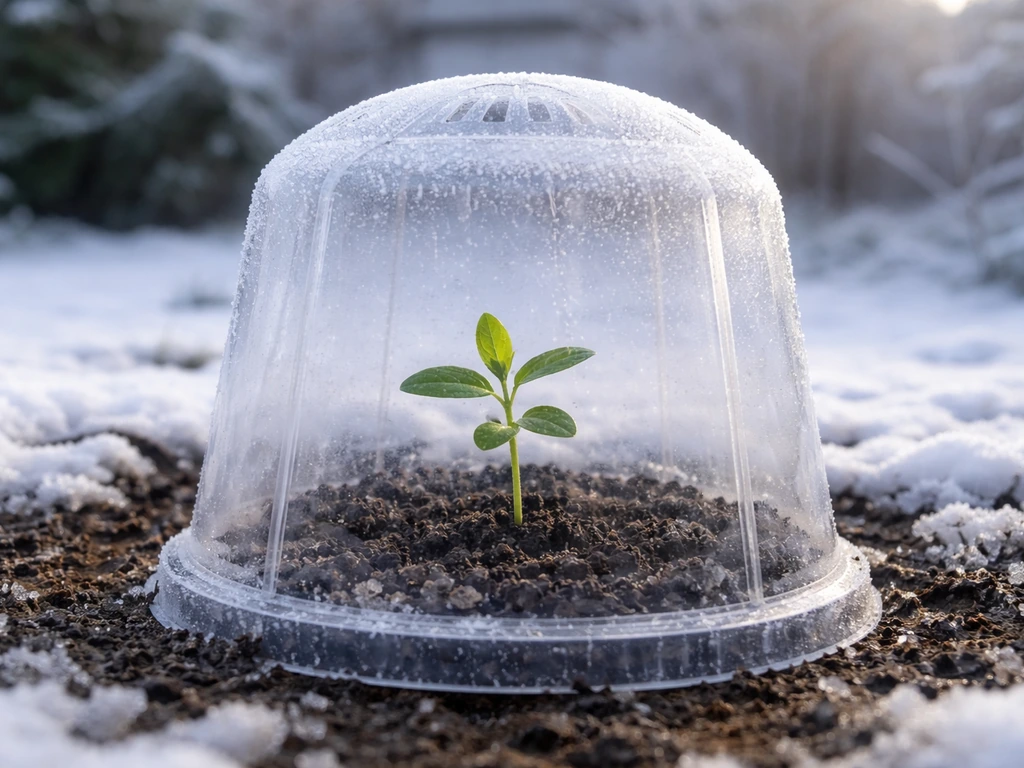
Santalum album cannot survive frost. It is a tropical to subtropical tree. Most of Canada experiences winters in USDA zones 3 to 7 at best. Even the warmest parts of coastal BC (zone 8 to 9 in some microclimates) get occasional hard freezes that would kill an unprotected sandalwood. If you are growing outdoors, the moment temperatures drop below 0°C the plant is at risk, and below about -2°C it's almost certainly dead.
Growing season length
Canada's growing season ranges from about 100 days in the Prairie provinces to around 180 days in coastal BC and southern Ontario. Sandalwood doesn't just need warmth in summer. It needs year-round warmth to build up the slow-growing heartwood that eventually produces oil. Even with a long Canadian summer, you're essentially pressing pause on the tree's growth every single winter, which makes already-slow progress even slower.
Soil and drainage
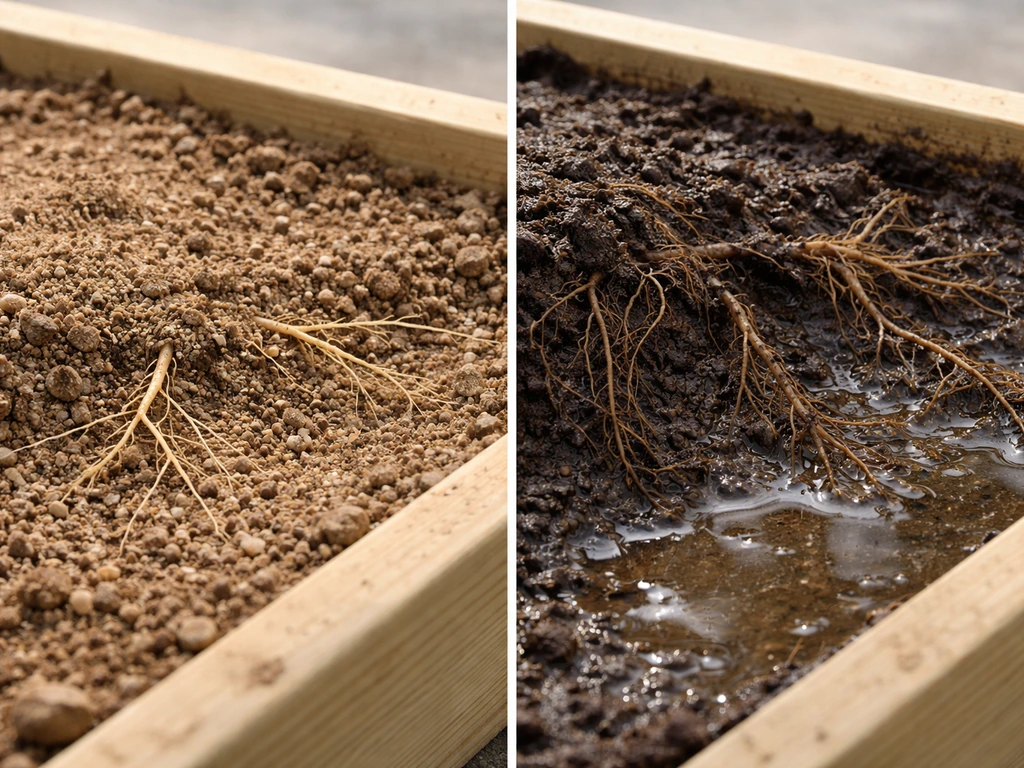
Sandalwood is fussy about soil. It needs well-draining conditions and does not tolerate waterlogged ground at all. It prefers a slightly alkaline to neutral pH, around 6.7 to 7.5. Many Canadian soils, particularly in wetter regions like BC, are more acidic and prone to sitting wet in winter and spring. You would need to amend heavily or use raised beds with significant drainage improvement.
Sun and heat accumulation
Sandalwood wants full sun and heat. It thrives in conditions where summer temperatures regularly hit 30°C or above. Most of Canada sees reliable warmth in July and August, but the window is short, and sustained heat accumulation (what horticulturalists call growing degree days) falls far short of what tropical sandalwood needs to develop properly over a growing season.
The host plant issue, and why it might be the biggest obstacle of all
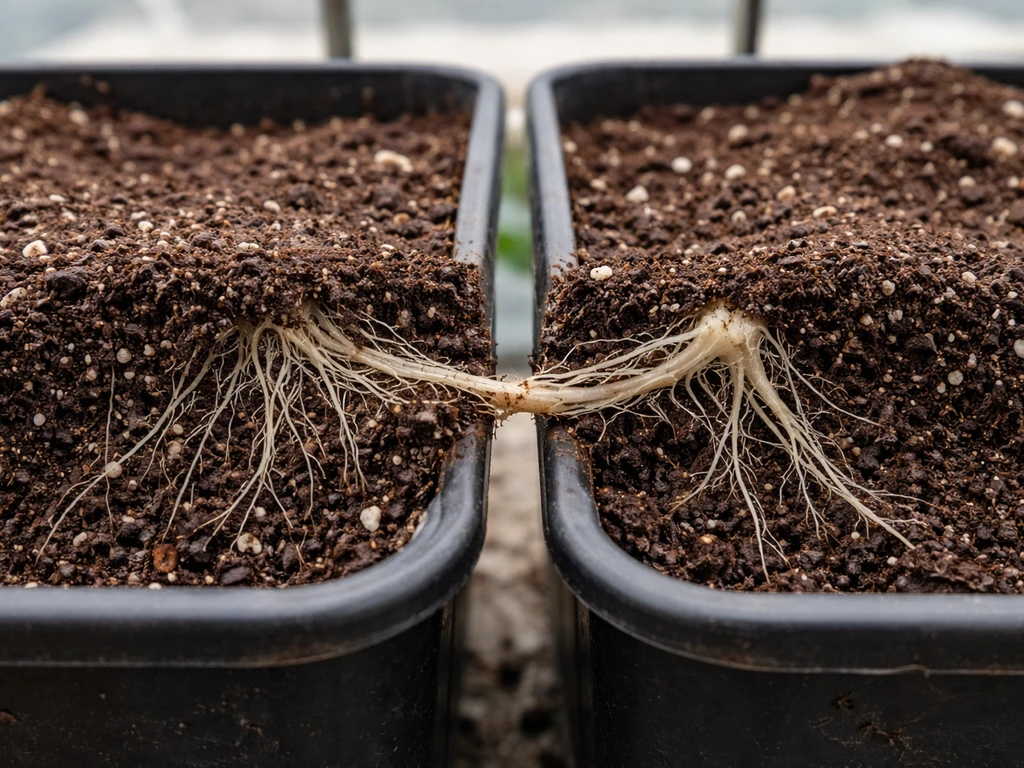
Here's the thing that stops most sandalwood projects before they start: Santalum album is a root hemiparasite. That means it must form physical connections (called haustoria) with the roots of nearby host plants to extract water and nutrients. Without a living host plant to parasitize, sandalwood seedlings will slowly decline and eventually die, even in otherwise ideal conditions. This isn't optional, and it's not something you can skip once the plant 'gets established.' It's a permanent biological requirement.
In plantation-style cultivation, sandalwood is typically grown with specific host species planted nearby at the same time. Nitrogen-fixing trees and shrubs tend to perform well as hosts. Acacia species are commonly used in Australian sandalwood cultivation, and in Indian plantation contexts, a range of host species are managed alongside the sandalwood. The hosts need to be pruned regularly to prevent them from overgrowing and shading out the sandalwood, but they must remain alive and root-accessible throughout the sandalwood's life. In cultivation systems, hosts should be pruned regularly to prevent them from overgrowing and shading the sandalwood while keeping them alive and root-accessible hosts need to be pruned regularly to prevent them from overgrowing and shading out the sandalwood.
In a Canadian context, this adds a layer of complexity. You don't just need to keep a tropical tree alive through a hostile climate. You need to keep at least one suitable host plant alive alongside it, with their roots in contact. In a container or greenhouse setup, this means planting the sandalwood and host together in the same pot or adjacent containers with root access between them, from day one of planting.
Practical growing setups for Canada: what actually has a chance
Open ground in Canada: almost nowhere viable
Outside of a very sheltered microclimate in the warmest parts of the southern Okanagan or greater Victoria area in BC, open-ground sandalwood has no realistic chance. Even in those spots, a single hard frost event will set you back years or kill the plant entirely. I would not recommend attempting open-ground planting anywhere in Canada unless you have a genuine zone 10 equivalent microclimate, which essentially does not exist here.
Greenhouse growing: the most viable approach
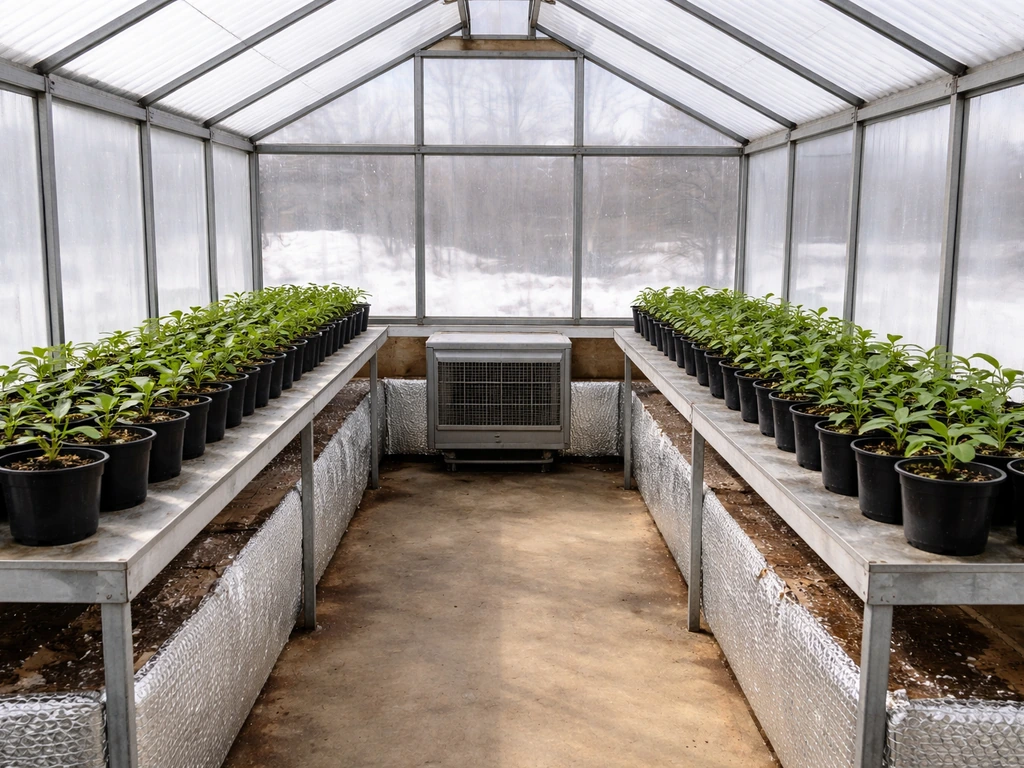
A heated greenhouse is where Canadian sandalwood attempts have the best realistic chance. If you are wondering can we grow argan tree in India, the key is matching that kind of consistent heat and suitable conditions to the right region heated greenhouse. If you can maintain temperatures above 10°C in winter and push toward 25 to 30°C in summer, you're creating the conditions the tree needs. You'll still need to manage your host plant in the same space, ensure proper drainage (raised beds or large containers with excellent drainage material), and provide maximum available light (supplemental grow lighting will help significantly during Canada's short winter days). This is a real commitment, not a casual hobby project.
Container growing: possible but limited
You can start sandalwood in containers and bring the plants indoors for winter. This works for keeping the tree alive, but container growing creates a particular challenge: you must co-plant the sandalwood with a host plant in the same container or in a connected container system from the very beginning. The host root contact must be maintained. Large, well-drained pots (at minimum 40 to 60 liters once the tree is past the seedling stage) with a fast-draining mix (coarse sand, perlite, and loam at roughly 1:1:2) give the best results. You will be limited in eventual tree size, which in turn limits heartwood development.
Province-by-province rough reality check
| Region | Climate Zone (approx.) | Open Ground | Greenhouse/Container |
|---|---|---|---|
| British Columbia (coastal) | Zone 8-9 | Very limited; frost risk | Feasible with heating |
| British Columbia (interior) | Zone 5-7 | Not viable | Feasible with heated greenhouse |
| Ontario (southern) | Zone 6-7 | Not viable | Feasible with heated greenhouse |
| Quebec (southern) | Zone 5-6 | Not viable | Feasible with heated greenhouse |
| Prairie provinces | Zone 3-5 | Not viable | Feasible only in well-heated greenhouse |
| Atlantic provinces | Zone 5-7 | Not viable | Feasible with heated greenhouse |
Step by step: sourcing, planting, care, and realistic timelines
Step 1: Sort out the legal side before you buy anything
Importing sandalwood seeds or plants into Canada requires attention to CFIA (Canadian Food Inspection Agency) rules. Under the Plant Protection Act framework, plants and plant parts for planting may require a Permit to Import, and the specific requirements depend on the commodity and any regulated pest risks associated with it. [CFIA Directive D-08-04 covers plant protection import requirements for plants and plant parts for planting. ](https://inspection.
canada. ca/en/plant-health/invasive-pests-and-plants/directives/imports/08-04) Before you order sandalwood seeds or seedlings from overseas (India, Australia, or Hawaii are the likely sources), contact CFIA directly to confirm what documentation, permits, or phytosanitary certificates are needed. Do not just order seeds online and hope for the best. The CFIA takes import compliance seriously, and receiving unsolicited or unpermitted plant material creates real risks for biosecurity and for you personally.
CFIA advice shared on Reddit cautions against planting unsolicited seed packages received by mail due to invasive species and plant pest biosecurity risks unsolicited or unpermitted plant material creates real risks for biosecurity.
Step 2: Source seeds or seedlings carefully
If you clear the import requirements, sandalwood seeds are the most practical starting point. Santalum album seeds have notoriously variable and slow germination. Research has explored hydropriming and osmopriming to improve germination rates, and scarification treatments (hot water or acid) are also studied, but none of these are foolproof. Expect staggered germination over several weeks and a proportion of non-germinating seeds. Germination is best at warm temperatures, 25 to 30°C is ideal, so a heated propagation mat is useful. Soak seeds for 24 hours in warm water before sowing, plant in well-drained seed-starting mix at about 1 to 2 cm depth, and keep consistently moist but not wet.
Step 3: Set up your host plant at the same time
This step is non-negotiable. Choose a host species that is manageable in your growing space. Leguminous plants with nitrogen-fixing capacity are commonly recommended. In container setups, fast-growing herbaceous hosts like pigeon pea (Cajanus cajan) or even some clover species can work for young seedlings. For longer-term greenhouse growing, a small Acacia species that you can keep pruned is closer to what's used in real plantation contexts. Plant the host in the same container as the sandalwood or in an adjoining container where roots will intermingle. The sandalwood's roots need to reach the host roots within the first year to form haustorial connections.
Step 4: Planting and early care
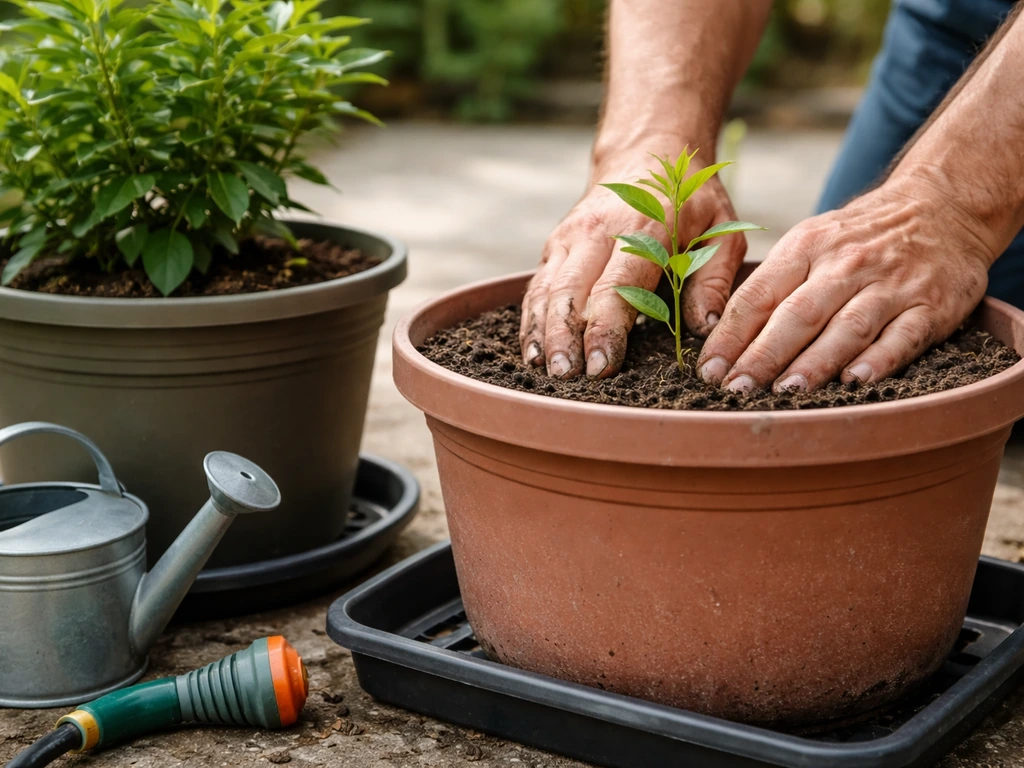
In its native range, sandalwood is planted at the start of the monsoon to take advantage of consistent moisture. Can I grow sandalwood in India depends mainly on your local climate and whether you can support a suitable host plant system monsoon. In a Canadian greenhouse or container context, late spring (May to June) is your best planting window, when you can provide warmth and longer days.
Use a well-draining mix, water regularly but allow the soil surface to dry slightly between waterings, and avoid any waterlogging. Fertilize lightly, as sandalwood is sensitive to over-fertilization, especially nitrogen, since it parasitizes its host for some nutrient uptake anyway. A diluted balanced fertilizer every 4 to 6 weeks during the growing season is sufficient.
Step 5: Manage the host plant
Prune the host plant regularly to prevent it from outcompeting or shading the sandalwood. The host should stay alive and root-active, but not so vigorous that it dominates the growing space. In plantation contexts, host management is an ongoing part of the whole operation, not a one-time task.
Step 6: Understand the timeline honestly
Even in ideal tropical conditions, Santalum album takes roughly 15 to 30 years to develop the oil-rich heartwood that gives sandalwood its commercial value. In a Canadian greenhouse with interrupted seasons and less-than-ideal conditions, that timeline extends further. You are not going to harvest sandalwood oil from a homegrown Canadian plant in any reasonable hobbyist timeframe. What you can do is grow a live sandalwood tree as a botanical curiosity, learn the cultivation process, and potentially harvest small amounts of wood material from prunings for aromatic use over many years.
Problems you'll run into and how to deal with them
- Seedling collapse after a few months: Almost always a host plant problem. Check whether host roots are actually in contact with sandalwood roots. If you planted them in separate pots, move them together or combine into one container immediately.
- Yellowing leaves: Can indicate overwatering (check drainage first), nutrient imbalance, or insufficient light. In Canada's short winters, light deprivation is a major culprit. Add a grow light on a 14-hour cycle.
- Root rot: Sandalwood will not tolerate wet feet. If your mix is retaining too much water, repot into a grittier, faster-draining mix with more perlite or coarse sand.
- Frost damage: Even brief cold snaps below 0°C will cause browning and dieback. In a greenhouse, have a backup heating source. For container plants brought indoors, don't place them near drafty windows.
- Host plant outgrowing sandalwood: Prune the host aggressively and regularly. If the host plant is shading the sandalwood, the sandalwood will weaken. Pruning does not break the root connection as long as the host remains alive.
- Poor germination from seeds: Expect this. Try pre-soaking seeds for 24 to 48 hours in warm water and use a heat mat set to 28°C. Even with good technique, germination rates can be low and uneven.
- Pest issues: Spider mites are a common greenhouse pest on sandalwood. Inspect the undersides of leaves regularly and treat with insecticidal soap or neem oil spray at the first sign of infestation.
Realistic alternatives and your next-step checklist
Better aromatic plants for Canadian growers
If your goal is growing aromatic plants with a sandalwood-adjacent experience, there are far more practical options for Canadian climates. Patchouli (Pogostemon cablin) is one, and while it also needs warmth and indoor overwintering in Canada, it's much more forgiving than sandalwood and doesn't require a host plant. For something truly Canadian-friendly, aromatic species like lavender, lemon verbena, and various woody herbs are far easier to manage. If the appeal of sandalwood is specifically the woody, resinous scent profile, you might also look into amyris (Amyris balsamifera), sometimes called West Indian sandalwood, which is easier to source and slightly more adaptable, though still tender.
Agarwood (Aquilaria species) is another specialty aromatic tree that some hobbyists explore. It faces similar tropical-climate constraints in Canada, but it doesn't have the root hemiparasitism requirement, which removes one significant layer of complexity. It's worth researching as a comparison point if exotic aromatic trees are your interest.
Your checklist before you invest any money
- Contact CFIA to confirm what permits or phytosanitary documentation are required to import sandalwood seeds or plants into Canada from your intended source country.
- Verify your growing space can maintain a minimum of 10°C in winter and reach 25 to 30°C in summer, with supplemental lighting available for winter months.
- Identify and source a suitable host plant before or at the same time as your sandalwood seeds, so you can co-plant them from day one.
- Set up a well-draining growing mix (coarse sand, perlite, and loam) before seeds arrive, and confirm your containers or raised beds drain freely with no pooling.
- Set realistic expectations: you are growing a botanical project, not a commercial crop. Oil harvest is not a realistic near-term outcome.
- Research whether Santalum spicatum (Australian sandalwood) might be a slightly more cold-tolerant option for your setup, especially if you are in a zone 8 to 9 BC microclimate.
- Consider patchouli, amyris, or other aromatic herbs as a parallel or alternative project that will give you a faster, more rewarding result while you pursue sandalwood on a longer timeline.
Is sandalwood in Canada worth trying? Is sandalwood in Canada worth trying can i grow sandalwood. If you have a heated greenhouse, genuine patience measured in decades, and you're excited by the challenge itself rather than a practical harvest, then yes, it's an interesting long-term project. If you want something more immediately rewarding, put your energy into the alternatives above. The host plant requirement and Canada's climate are both serious obstacles, and going in with eyes open is the only way to not be disappointed.
FAQ
Can you grow sandalwood outdoors anywhere in Canada if you use protection like frost cloth or a greenhouse frame?
Protection can help only if it prevents all tissue from freezing, even during rare hard frosts. Santalum album is extremely frost-sensitive, and a cold snap that dips well below 0°C can kill unprotected plants. In practice, most “microclimate” shelter setups still fail because they cannot reliably maintain year-round warmth or prevent deep freezes, so open-ground risk stays high outside very narrow coastal pockets.
If I grow sandalwood in a container, do I have to keep the host plant alive the whole time?
Yes. The root hemiparasite requirement means the host must remain alive and root-accessible long-term, not just at seedling stage. If the host dies, gets pruned too hard, or becomes root-bound and stops feeding, sandalwood can slowly decline and eventually die even if temperatures are otherwise controlled.
What host plant should I choose in Canada if I’m doing a greenhouse container project?
Pick a host that fits your space and maintenance habits, stays alive under pruning, and can tolerate greenhouse conditions. Leguminous hosts are commonly used, but the key is not the species name, it is keeping healthy, pruneable growth that does not shade the sandalwood and maintaining root contact from day one using the same pot or an adjoining connected system.
Can I germinate sandalwood seeds in Canada and grow without a host until the tree is larger?
It is risky. The host connection needs to occur early enough that sandalwood can establish haustorial links with nearby host roots. Delaying co-planting, or trying to “connect later,” often ends with declining seedlings because they cannot obtain enough water and nutrients from the start in a system lacking a compatible host connection.
How warm does a Canadian greenhouse need to be for sandalwood to actually grow well?
Aim for winter conditions that stay safely above cold stress, ideally maintaining above roughly 10°C, then pushing toward 25 to 30°C during the growing season. Short warm periods are not enough if the tree experiences prolonged cool dormancy-like conditions, because heartwood development is slow and depends on sustained warmth.
Is Santalum spicatum (Australian sandalwood) easier in Canada than Santalum album?
It can be somewhat more tolerant of cooler conditions than S. album, but the climate gap in Canada is still large. You still face the frost problem, and you still need the host plant system for hemiparasitism. Expect that feasibility improves only slightly, not enough for easy outdoor cultivation.
Does peat-based potting mix work for sandalwood in Canada?
Usually no, not on its own. Sandalwood needs excellent drainage and does not tolerate waterlogging. Peat-heavy mixes can stay too wet for too long, especially in winter. Use a fast-draining structure with coarse material (for example, sand or perlite) and ensure pots drain freely with frequent checks for standing water after irrigation.
How big should container pots be if I want the best chance at heartwood development?
Larger is better for growth vigor. The article notes at least about 40 to 60 liters once beyond the seedling stage, and that is especially important in colder regions where growth is slower. Smaller pots increase stress, limit root system expansion, and can reduce long-term performance even if temperatures and lighting are managed.
Can I legally import sandalwood seeds or seedlings into Canada without paperwork if they’re just for my garden?
No. Import rules can require a permit and a phytosanitary certificate depending on the commodity and pest risk. The practical step is to contact CFIA before ordering so you know exactly what documentation is needed for your specific shipment, instead of relying on an online seller to handle compliance.
Why is sandalwood germination often poor even with correct planting depth?
Seed viability and dormancy are common issues, and germination can be variable and staggered. Temperature is critical, warm propagation conditions (around 25 to 30°C) help, and soaking before sowing can improve starting conditions. Still, some seeds may simply not germinate, so plan for a higher seed count than the number of plants you want.
Can I harvest sandalwood oil or meaningful heartwood from a homegrown Canadian plant?
In a realistic hobby timeframe, no. The timeline for oil-rich heartwood is decades even under ideal tropical conditions, and Canadian conditions with cooler seasons tend to extend that further. The more practical goal is keeping the living tree as a long-term botanical project and possibly harvesting only small aromatic material from prunings if your system supports healthy long growth.
If my main goal is the woody sandalwood scent experience, what are easier Canadian alternatives?
Consider aromatic plants that do not require hemiparasitic host systems, and that are manageable with indoor overwintering or a greenhouse. Patchouli is one option with a similar “fragrance plant” appeal and without the host-connection requirement, while lavender and lemon verbena are more straightforward outdoors in many parts of Canada.
Next Articles
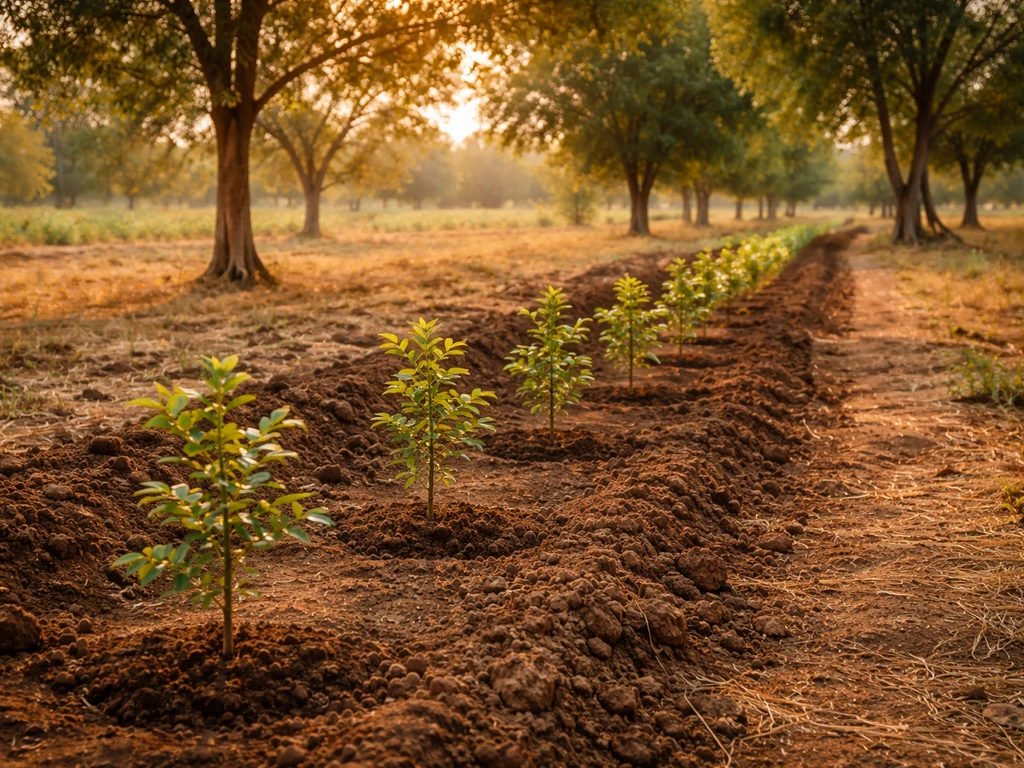
Can I Grow Sandalwood at Home or on a Farm in India
Yes, but sandalwood needs warm climate, specific soil and often host plants. Learn how to start and timelines in India.
Can We Grow Oregano in India? Easy Guide for Home Growing
Yes, grow oregano in India: climate fit, planting season, soil, watering, containers, propagation, pruning and troublesh
Can I Grow Red Sandalwood at Home Yes, How
Yes, you can try growing red sandalwood, but it needs host plants, warm climate, patience, and legal checks.