
Yes, you can grow belladonna (Atropa belladonna) at home, and it will survive indoors given the right light and soil setup. But I want to be upfront about something before we get into the how: this is one of the most toxic plants you can legally keep in a U. If you meant ghost peppers (Bhut Jolokia), you can grow them too, but they have totally different light, soil, and heat needs than belladonna toxic plants. S.
Can You Grow Belladonna Indoors? Conditions, Safety, Steps
Marcus Petersen
13 Jun 2026
home. Every part of it is poisonous, the berries look appealing enough that children and pets will eat them without hesitation, and the consequences are serious. That said, if you understand what you're working with and you're committed to safe handling, growing it is genuinely feasible, even in a climate where it would never survive outdoors. Here's the full picture.
If you're wondering about growing edible black pepper instead, the approach is very different from belladonna and depends heavily on Canada’s growing zones and indoor setup Here's the full picture. .
What belladonna actually is (and the legal and safety reality)
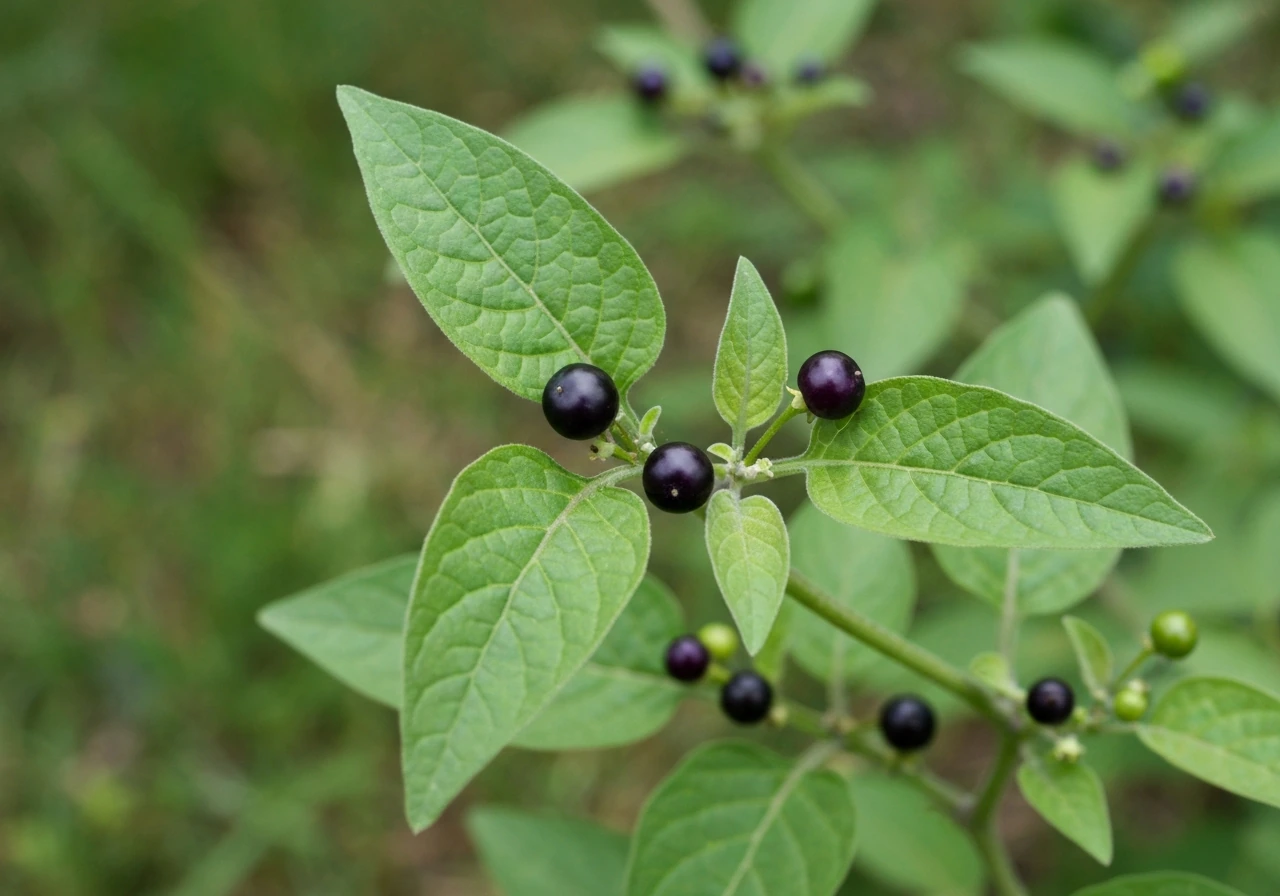
Atropa belladonna, commonly called deadly nightshade, is a perennial herb in the Solanaceae family, the same family as tomatoes, peppers, and eggplants. It's a close relative of other nightshade species, including the kind covered on this site. But unlike most of its culinary cousins, belladonna contains potent tropane alkaloids: atropine, hyoscyamine, and scopolamine. These compounds are distributed throughout the entire plant, with the roots being especially alkaloid-dense, and the shiny black berries being the most common cause of accidental poisoning because they taste sweet and look a lot like blueberries or black cherries. Documented poisoning cases confirm that mistaking belladonna berries for edible fruit is a real and medically serious risk.
Legally, belladonna is uncontrolled at the federal level in the United States under the Controlled Substances Act framework. The plant itself is not a scheduled substance. Louisiana is a notable exception, where planting belladonna with intent for human consumption can trigger state-level restrictions, though growing it purely for ornamental purposes has been treated differently there. For most U.S. gardeners, possession and cultivation are legal. That said, check your specific state laws if you're in an unusual regulatory environment, and understand that atropine (extracted from the roots) is itself a regulated pharmaceutical compound, so any attempt to process the plant for its alkaloids moves you into entirely different legal territory.
Can you realistically grow it indoors?
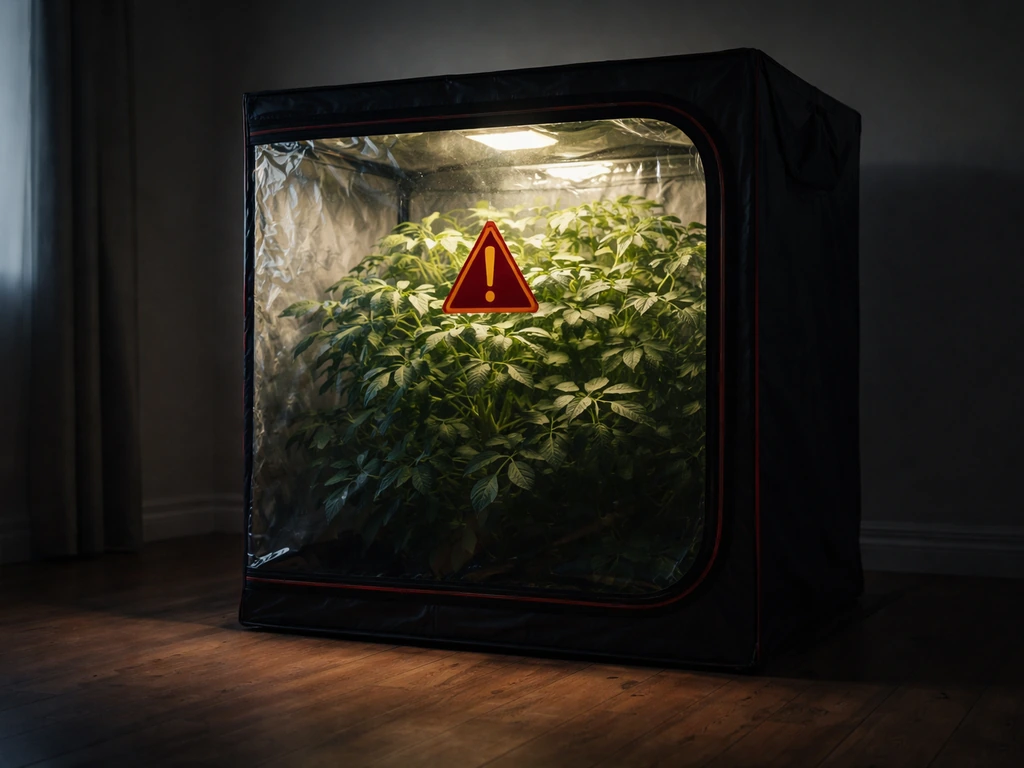
Yes, with meaningful caveats. Belladonna is a large plant. Mature specimens can hit 3 to 5 feet tall and almost as wide, so don't picture a windowsill herb. It wants strong, consistent light, ideally 7 to 12 hours a day of direct or near-direct exposure. A south-facing window in a sunny home can work, but most indoor environments don't deliver enough natural light through glass alone. In my experience with other demanding solanaceous plants, the difference between a struggling specimen and a thriving one almost always comes down to supplemental lighting. A full-spectrum LED grow light positioned 12 to 18 inches above the plant, running 10 to 12 hours a day, is usually the practical solution indoors.
Temperature is less of a barrier. Belladonna does well in a range that most homes already hit: roughly 55°F to 75°F suits it during active growth. It can tolerate cooler temps at night, which actually tends to support better development in a lot of solanaceous plants. What it cannot handle indoors is stagnant, humid air combined with poor drainage, so airflow matters. A small fan running nearby a few hours a day makes a real difference in preventing fungal issues.
Container and soil setup
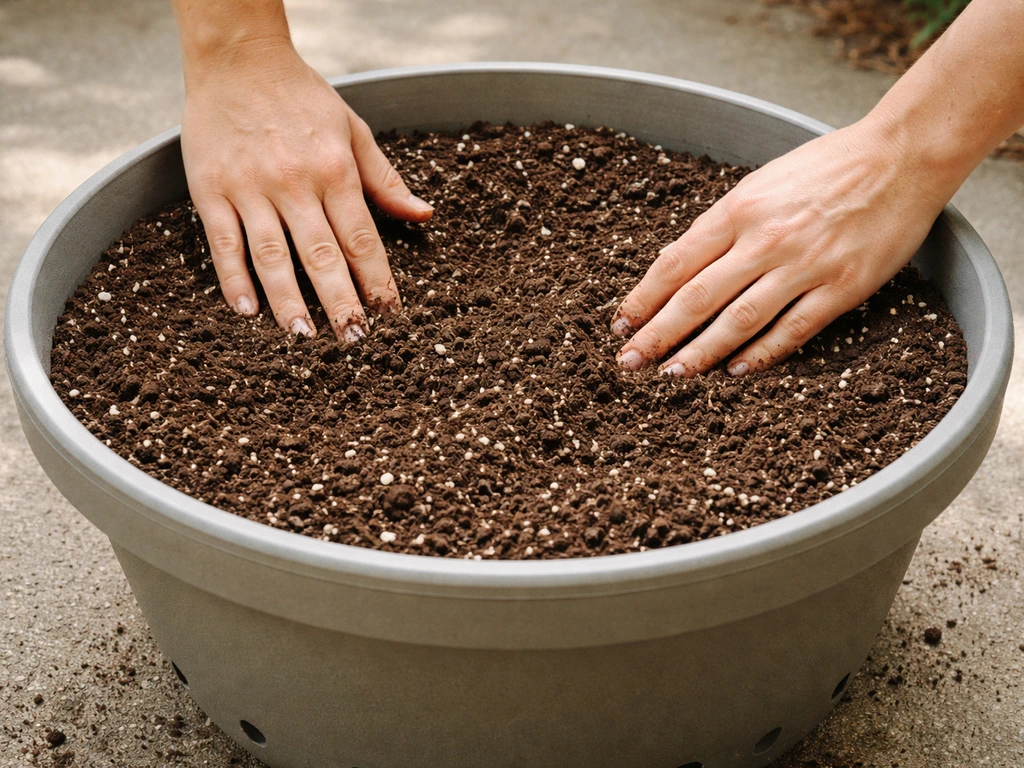
Belladonna has a substantial root system, so container size matters from the start. I'd recommend going directly to a container that's at least 12 inches deep and 12 inches wide for a single plant, and if you're planning to let it mature fully, moving up to a 5-gallon or larger container once it's established. Terracotta pots are a good choice because they allow moisture to escape through the sides, which reduces the risk of root rot in a plant that absolutely does not want to sit in wet soil.
For soil, belladonna wants something well-draining but moderately fertile. A mix of quality potting soil cut with about 20 to 30 percent perlite is a solid starting point. Belladonna naturally grows in disturbed, often calcium-rich soils in its native European range, so slightly alkaline conditions around pH 6.5 to 7.5 are actually preferable to the acidic mixes some solanaceous plants want. Avoid heavy, moisture-retaining mixes, and don't use pure garden soil in a container, it compacts and drains poorly.
Starting from seed vs. buying a plant
Sourcing belladonna is the first real obstacle. It's an unusual plant, and you're unlikely to find starts at a local nursery. Seeds are your most realistic option, and they're available from specialty herb seed suppliers and some online botanical sources. One important note: when you search online for belladonna growing guides, you'll sometimes land on content about Amaryllis belladonna (Jersey lily), which is a completely different plant. Make sure you're buying seeds labeled specifically as Atropa belladonna.
Germination from seed is slow and requires some patience. Fresh Atropa belladonna seeds tend to have better germination rates than older stock, and cold stratification (a chilling period that mimics winter) significantly improves results. To stratify, wrap moistened seeds in a damp paper towel, seal them in a plastic bag, and refrigerate for 4 to 6 weeks before planting. Research specifically on Atropa germination ecology shows that light conditions during germination matter, so sow seeds shallowly (just barely covered, about 1/8 inch deep) rather than planting them deep where light can't reach. Use a heat mat to keep the germination medium around 65°F to 70°F, and expect germination to take anywhere from 2 to 6 weeks after stratification.
If you can find an established start from a specialty grower or botanical garden plant sale, that's a much faster path. You skip the germination uncertainty entirely and get to work with a plant that already has root mass. Just be absolutely certain about the identification before bringing it home.
Timing for seed starting
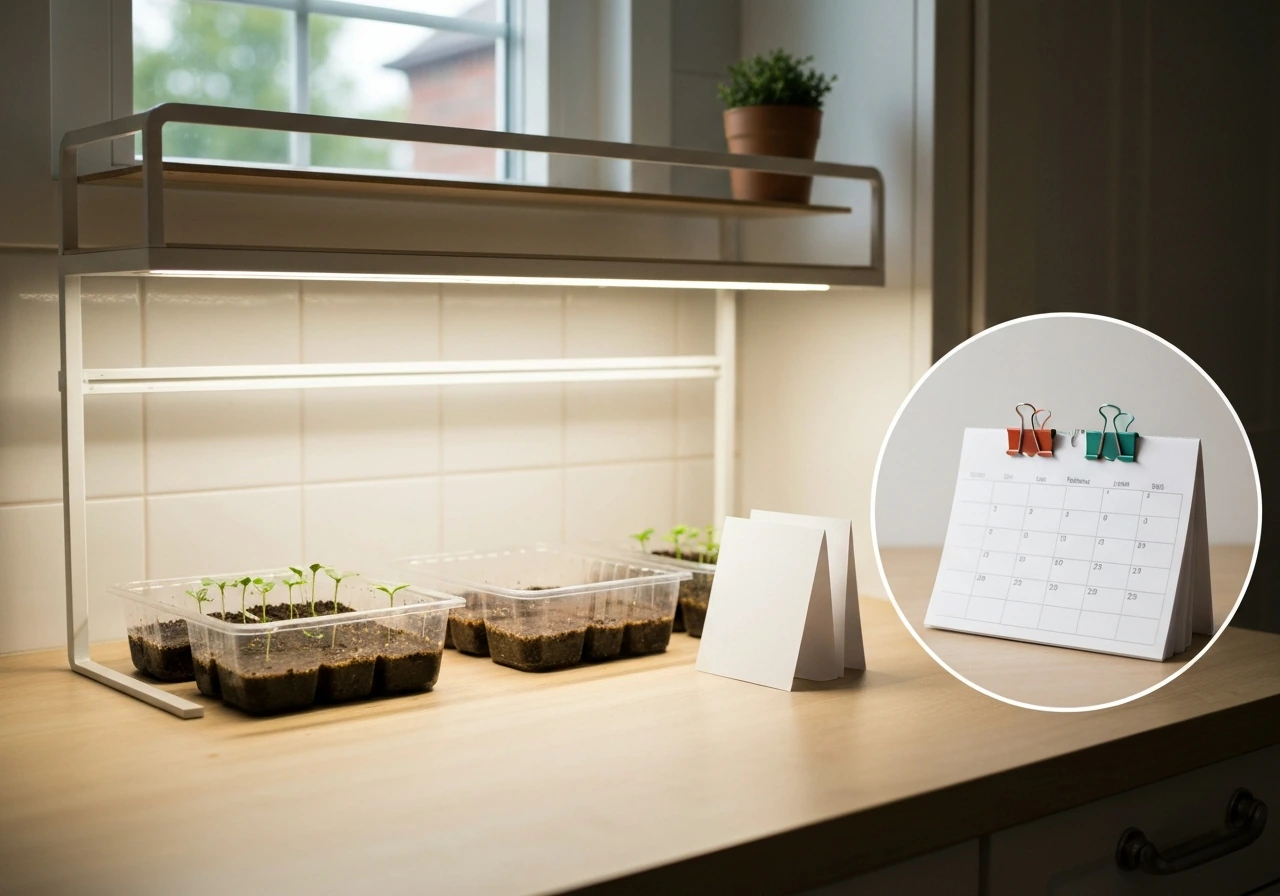
For indoor growing (where you're not tied to outdoor frost dates), you can start seeds anytime, though late winter through early spring tends to work well if you ever plan to move the plant outside seasonally. For strictly indoor plants, start whenever you're ready and your light setup is in place. Allow at least 3 to 4 months from seed to a plant large enough to be genuinely established.
Ongoing care: water, fertilizer, pests, and pruning
Watering is the most common place people go wrong with belladonna indoors. It prefers to dry out somewhat between waterings. Water thoroughly, let the top inch or two of soil dry out, then water again. In a container with good drainage and perlite-amended mix, you're probably watering once or twice a week in summer and less in winter when growth slows. Overwatering is a faster way to kill this plant than underwatering.
For feeding, a balanced fertilizer (something like a 10-10-10 or similar) applied at half-strength once a month during active growing season is plenty. Belladonna is not a heavy feeder. Avoid high-nitrogen fertilizers that push leafy growth at the expense of overall plant vigor.
Pest-wise, watch for spider mites, aphids, and whiteflies, the usual suspects for indoor solanaceous plants. The good news is that belladonna's alkaloid content makes it naturally resistant to many insects. The bad news is that some pests don't care, and the plant's toxicity means you should think carefully before using any treatments you might accidentally ingest (wear gloves when handling the plant regardless, so cross-contamination from pesticide residue on foliage is less of an issue). Neem oil is a reasonable first choice for soft-bodied insects.
Pruning belladonna is mostly about managing size and airflow. You can pinch back growing tips to encourage a bushier form rather than a leggy single stem. Do this with gloves on, and wash your hands afterward even if you don't think you touched any sap. The alkaloids can be absorbed through mucous membranes, so avoid touching your face during any handling.
Where belladonna grows outdoors in the U.S. (and where indoor is your only option)
Belladonna is rated as a perennial in USDA hardiness zones 5 through 9, which covers a wide swath of the continental U.S. In zones 6 through 8, it can potentially overwinter outdoors with some protection, particularly in the Pacific Northwest, parts of the mid-Atlantic, and the transition zone across the mid-South. If you want to grow black pepper outdoors in Texas, focus on heat-tolerant, sheltered spots and consistent care to help it thrive southern Texas. In zones 9 and above (think coastal California, southern Texas, and Florida), the bigger challenge shifts to heat and humidity rather than cold, and summer dormancy may become an issue.
In colder zones (4 and below, including much of Minnesota, Wisconsin, northern Michigan, and similar climates), outdoor perennial establishment is unrealistic. If you’re trying to grow black pepper specifically in Michigan, it helps to plan for indoor growing or container conditions that mimic a warm climate can you grow black pepper in Michigan? (Michigan)/ black pepper in Michigan. You could grow it as a container plant that moves indoors for winter, treating it more like a tender perennial or even an annual. In very warm, humid climates like the Gulf Coast, outdoor belladonna tends to struggle with fungal disease and heat stress.
| U.S. Region / Zone | Outdoor Feasibility | Best Approach |
|---|---|---|
| Zones 5-8 (Mid-Atlantic, PNW, Midwest transition) | Possible as perennial with winter protection | In-ground or large container, mulch heavily in fall |
| Zone 9+ (Southern CA, Gulf Coast, South TX) | Challenging: heat and humidity cause problems | Container indoors/out, watch for summer dormancy |
| Zones 4 and below (Northern Midwest, Mountain West) | Not reliably hardy outdoors | Strictly indoor or container moved inside each fall |
| Arid Southwest (AZ, NV, NM) | Possible in cooler microclimates with irrigation | Container with shade cloth in summer |
| Pacific Coast mild climates (coastal CA, OR, WA) | Good outdoor potential in protected spots | In-ground if frost-free or light frost only |
For the majority of U.S. home gardeners, a large container that can be moved indoors for part of the year is the most flexible approach. It gives you outdoor growing benefits during the warm season (better light, natural airflow, rain) without risking the plant to hard freezes or locking yourself into a full indoor setup year-round.
Risks, handling precautions, and whether it's actually worth it
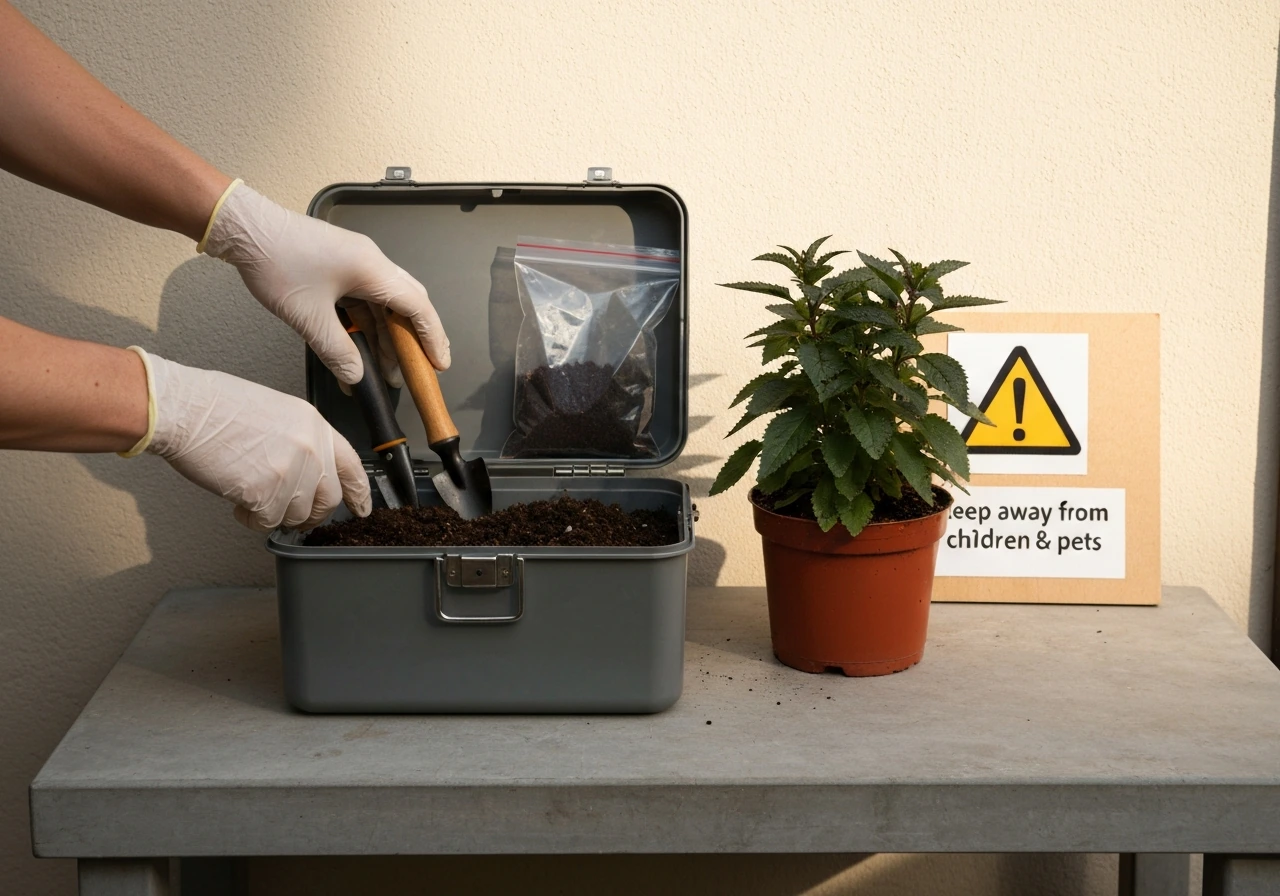
I'll be straight with you: belladonna is not a casual project. The toxicity is real and serious. All parts of the plant contain tropane alkaloids (atropine, hyoscyamine, scopolamine), and they're present in roots, leaves, stems, and berries alike. The berries are particularly dangerous because they taste sweet, look like blueberries or small cherries, and a small number can cause significant anticholinergic poisoning.
The EMA veterinary medicinal products summary report discusses poisoning from belladonna berries that contain tropane alkaloids and notes the seriousness of acute toxicity [poisoning from the berries containing tropane alkaloids](https://www. ema. europa. eu/en/documents/mrl-report/atropa-belladonna-summary-report-committee-veterinary-medicinal-products_en.
pdf). Symptoms can include rapid heart rate, dilated pupils, confusion, hallucinations, and in serious cases, coma. If a child or pet eats any part of the plant, call Poison Control immediately at 1-800-222-1222. Don't wait for symptoms.
For handling, treat this plant with the same respect you'd give a power tool. Always wear gloves when pruning, repotting, or doing anything that involves touching plant tissue. Wash your hands after contact, keep the plant completely out of reach of children and pets (this means no low tables, no accessible windowsills, and ideally a room with a closed door), and never leave cuttings or fallen berries on the floor. The accidental poisoning case reports in medical literature are almost always about berry ingestion by someone who didn't recognize what the plant was, which underscores why proper identification and secure placement matter.
So is it worth growing? That depends entirely on why you want it. If the draw is the plant's historical and botanical significance, its unusual appearance (it's genuinely striking, with large oval leaves, purple bell-shaped flowers, and those glossy black berries), or a specific interest in medicinal plant botany, then yes, it can be a rewarding project for a responsible adult with the right setup.
If you have young children or curious pets at home, I'd honestly steer you toward a safer choice. There's no shortage of fascinating and unusual plants to grow, and the risk calculus here is unforgiving if something goes wrong. If you're trying to grow something safer and more common, you might be wondering can you grow cayenne pepper in your climate and indoors.
If you're comparing belladonna to other unusual nightshade relatives out of general curiosity, it's worth knowing that some of its close cousins, like black pepper relatives, ghost peppers, or cayenne, offer a similarly interesting solanaceous growing experience with none of the poisoning risk. Belladonna occupies a niche all its own, but it's worth considering whether the challenge and safety overhead are what you're actually looking for. If you're wondering about growing pepper in Australia specifically, it's best to stick with common edible peppers rather than toxic lookalikes can you grow pepper in australia.
Worth trying if...
- You have a secure space away from children and pets, ideally a dedicated room or greenhouse area
- You can provide 10+ hours of strong light indoors, either through a good south window or a full-spectrum grow light
- You're comfortable with consistent, careful handling protocols (gloves, handwashing, safe disposal of cuttings)
- You have genuine botanical or historical interest in the plant rather than just curiosity about a 'dangerous' plant
- You're in a zone where seasonal outdoor growing is possible and you can manage container logistics
Skip it if...
- Children under 12 or pets live in or regularly visit your home
- You don't have a strong enough light source and aren't willing to invest in supplemental grow lighting
- You're looking for a plant with practical culinary or cooking use (belladonna has none)
- You're uncertain about plant identification and don't want to risk confusing seedlings or berries with something else
FAQ
Can I grow belladonna in a terrarium or closed glass container indoors?
It’s not a great fit. Belladonna needs airflow and it dislikes stagnant, humid air, so a sealed terrarium can raise fungal risk. If you use an enclosed setup, you’ll need reliable ventilation and drainage, but an open container with a small fan usually works better.
Will belladonna seeds rot if I keep them too wet during stratification?
Yes, overly wet paper towels can cause mold and poor germination. Keep the towel damp, not dripping, and check weekly. If you see fuzzy growth, rinse the seeds gently and restart with fresh, damp material.
How can I tell if the seeds I bought are actually Atropa belladonna (not a lookalike plant)?
Only the exact species label “Atropa belladonna” counts, since some listings use the word “belladonna” for different plants. When the seed packet includes a different genus, common-name-only labeling, or vague “belladonna lily” wording, don’t plant it for this purpose.
Do I need to stratify belladonna seeds every time?
Often yes, especially with typical home-sourced seed where dormancy is common. If the supplier states the seed is already cold-treated, you may not need another cycle, but re-stratifying can still help. The safest approach is to follow the packet instructions or do a fresh 4 to 6 week chill when unsure.
Is it possible to keep belladonna smaller so it stays manageable indoors?
You can control size with a large enough container, pruning, and selective pinching, but it still tends to mature into a relatively big plant (often several feet tall). If you must keep it compact, plan for frequent tip pinching and accept that it may still outgrow a small room.
What’s the best way to prevent overwatering without guessing?
Use a simple moisture check. Water thoroughly, then wait until the top 1 to 2 inches are dry before watering again. Also make sure the pot has drainage holes and that excess water can fully escape, since belladonna is more likely to fail from staying wet than from missing a single watering.
Can belladonna be grown from cuttings indoors?
It’s not the usual approach, and success rates can be inconsistent compared with seed or established starts. If you try, remember that any propagation attempt increases handling risk, so gloves, careful disposal of cuttings, and secure storage out of reach become even more important.
Are there any pest treatments I should avoid because of the poisoning risk?
Avoid methods that create residues you might later contact inadvertently. If you use anything like neem oil, follow the label exactly, keep pets and children away during application and drying, and wear gloves so you don’t transfer plant tissue or pesticide residue to your face or hands.
What should I do if a leaf or berry falls onto the floor?
Treat it like a biohazard. Pick it up with gloves, wipe the area with a disposable towel, and immediately discard the waste. Don’t compost it, and don’t leave anything contaminated in a common trash bin where a pet could access it.
Can I move belladonna outdoors in the summer and bring it back inside?
Yes, a seasonal move is often the most flexible approach, but you should acclimate gradually. Start by increasing outdoor time over about a week, watch for leaf scorch and sudden drying, and bring it indoors before temperatures drop to the level where growth slows too much.
How long does it typically take before belladonna is “established” indoors?
From seed, plan on several months before it becomes reliably vigorous. A practical milestone is about 3 to 4 months for a plant large enough to handle normal indoor conditions, but it may take longer to fully bulk up depending on light quality.
Is it safe to handle belladonna if I wear gloves and wash after?
It reduces risk, but it doesn’t eliminate it. Gloves can leave residue on door handles or phones, and accidental face-touching can still happen. Keep a dedicated handling routine (gloves on, avoid touching your face, wash thoroughly, then clean any surfaces that may have contacted the plant).
Next Articles
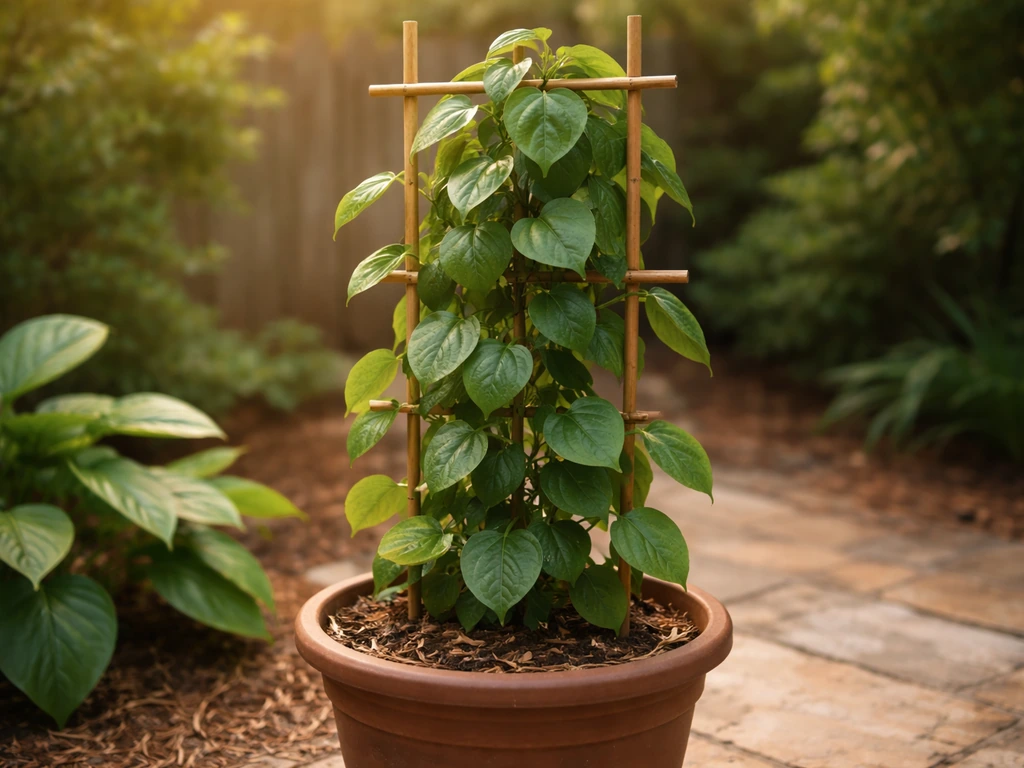
Can You Grow Black Pepper in Texas? Feasibility, Care, Harvest
Can you grow black pepper in Texas? Learn feasibility, best regions, container method, care, and peppercorn harvest tips
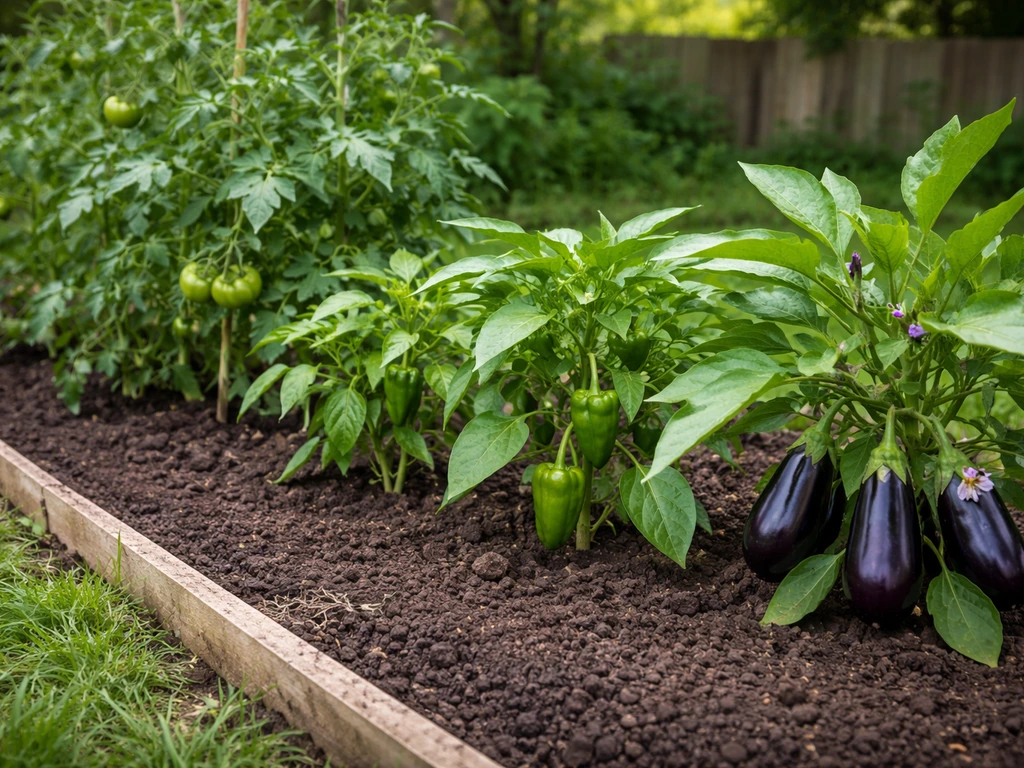
Can You Grow Nightshade? Edible, Ornamental, and Tips by Zone
Learn which nightshades grow by U.S. zone, how to grow edible types, and safety tips for toxic ornamentals.
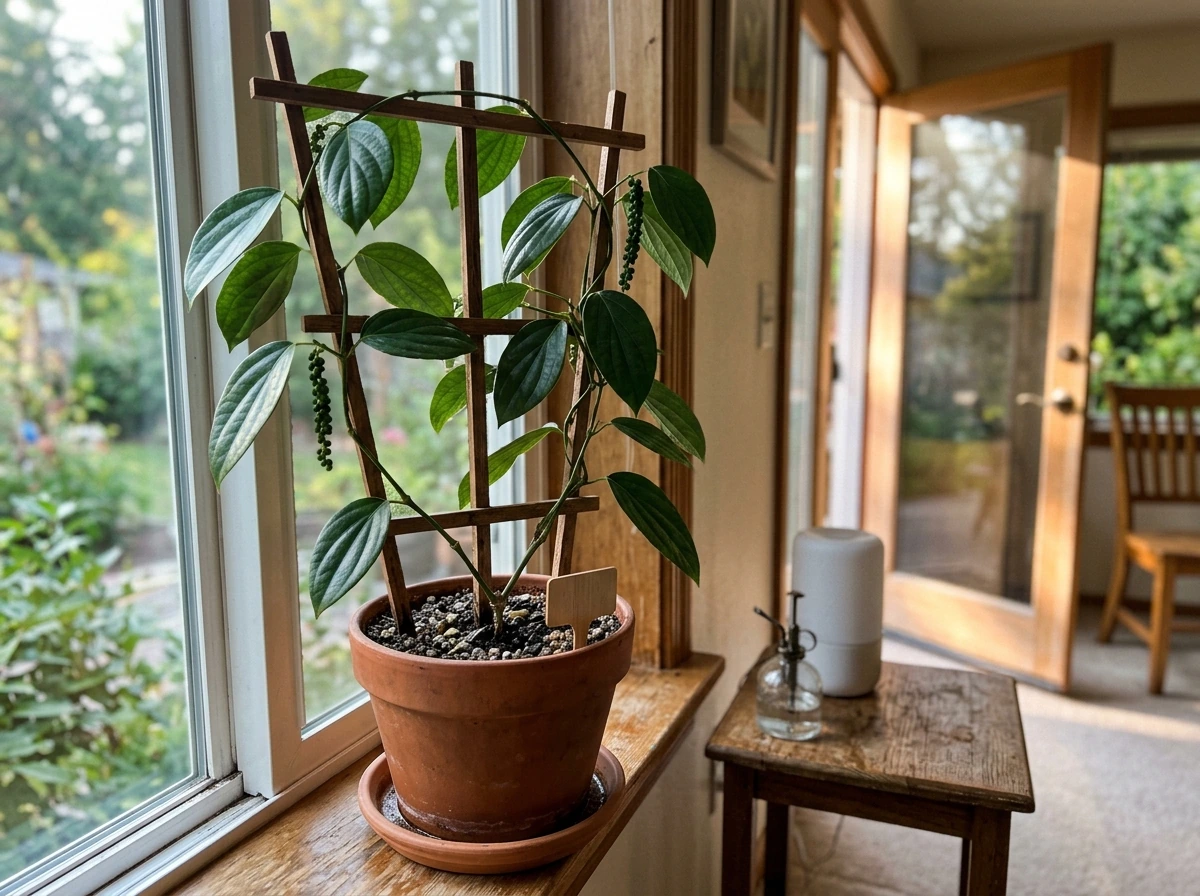
Can You Grow Black Pepper at Home in the US?
Grow black pepper at home in the US from seeds or store peppercorns with indoor or outdoor care, timelines, and fixes.