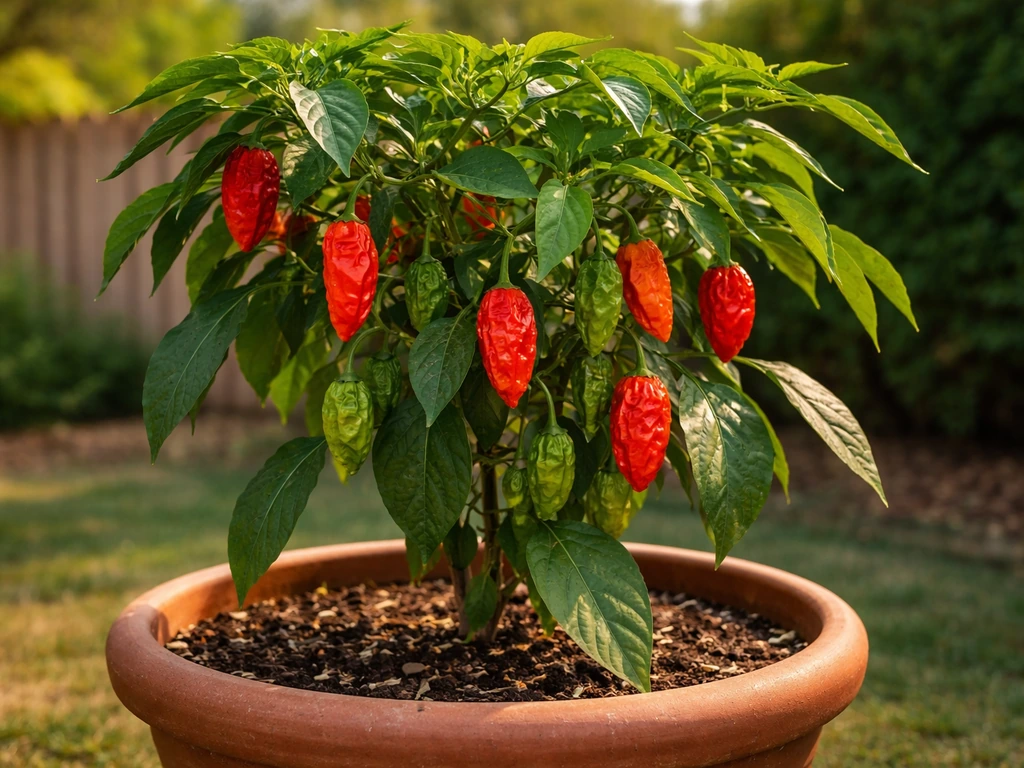
Yes, you can grow ghost peppers (Bhut Jolokia) in most of the U.S., but the method that actually works depends almost entirely on where you live. In the South, Gulf Coast, and warm parts of the Southwest, outdoor growing is straightforward. In the Midwest, Pacific Northwest, and Northeast, you can still get fruit, but you'll need to start seeds very early indoors, use containers, and probably extend your season with row covers or a greenhouse. If you are wondering can you grow black pepper in Canada, the short answer is that it usually requires a greenhouse or an indoor setup with warm temperatures and humidity you can still get fruit. In the northernmost states with frost-free windows under 120 days, outdoor success is genuinely difficult and indoor or heated greenhouse growing is the realistic path.
Can You Grow Ghost Peppers in the US Yes How to Do It
Can You Grow Ghost Peppers Where You Live?
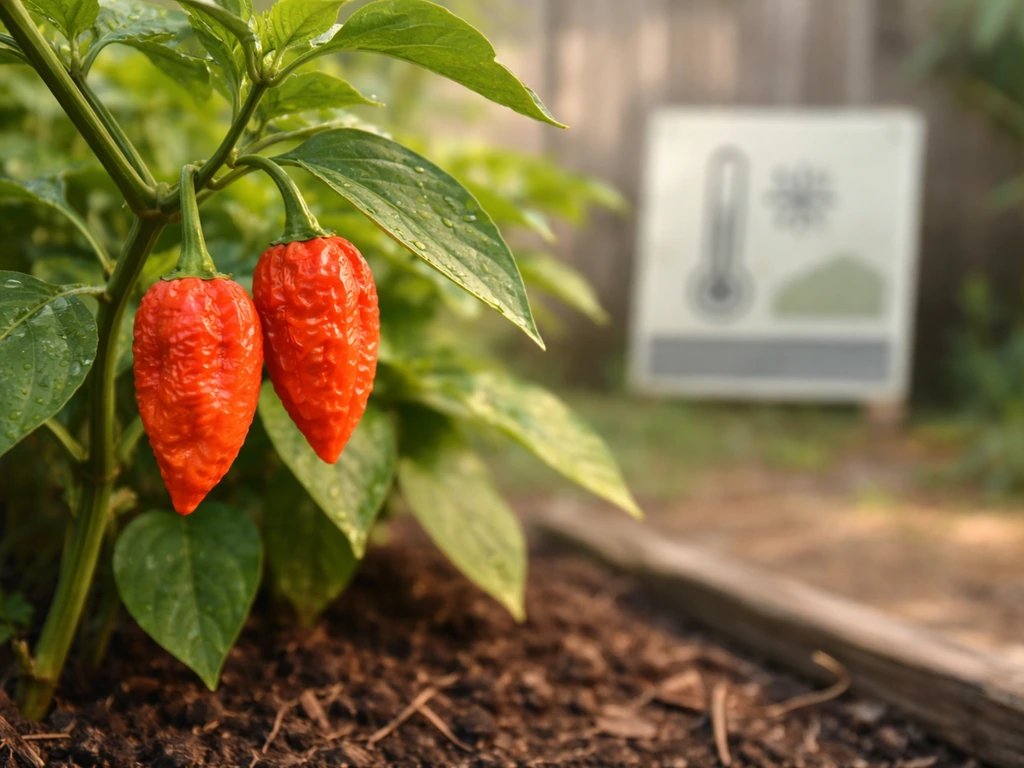
Ghost peppers need at least 120 frost-free days from transplant to harvest. That one number is the clearest filter for regional feasibility. If your area routinely gives you 150+ frost-free days and warm summers, you're in good shape for outdoor growing. If you're right at or below that 120-day threshold, you can still pull it off, but you'll be working harder to do it.
| Region / Zone | Frost-Free Days (typical) | Outdoor Feasibility | Best Strategy |
|---|---|---|---|
| Deep South, Gulf Coast (Zones 8b–10) | 200–300+ | Excellent | Direct outdoor growing, two crops possible |
| Southeast, Mid-Atlantic, Texas interior (Zones 7b–8a) | 170–200 | Very good | Outdoor, start seeds indoors 10–12 weeks early |
| Pacific Southwest, Central CA (Zones 9–10) | 200–280 | Excellent | Outdoor growing, watch for heat stress over 95°F |
| Midwest, Southern Plains (Zones 6b–7a) | 140–170 | Good with effort | Early indoor start, black containers, row cover |
| Northeast, Great Lakes, Pacific NW (Zones 5b–6a) | 120–140 | Marginal outdoors | Aggressive early start, containers, greenhouse preferred |
| Northern Midwest, Mountain West, New England (Zones 4–5a) | Under 120 | Poor outdoors | Containers indoors/greenhouse, grow lights required |
If you're in a warm zone and you've already grown cayenne or other hot peppers successfully, ghost peppers are a reasonable next step. They're more demanding about season length and sustained warmth, but the basic approach is the same. Gardeners who've tried growing cayenne peppers outdoors will find the timing and care routines very familiar here.
What Ghost Peppers Actually Need to Thrive
Ghost peppers aren't forgiving about heat. They originated in Northeast India, where summers are hot and long, and they perform best when conditions mimic that. Here's what you're trying to give them.
Temperature
For germination, you want soil temperatures between 80 and 90°F. Below that range, germination becomes unreliable and slow. Once plants are established and you're thinking about moving them outside, wait until nighttime lows are consistently above 55°F. Transplanting into cooler soil or nights will stall growth badly. Soil temperature at transplant time should be at least 60°F measured 3 inches down. Holmes Seed Company's pepper growing guide also advises transplanting only when soil temperature reaches 60°F when measured 3 inches down soil temperature at transplant time should be at least 60°F measured 3 inches down.. Daytime highs in the 85–95°F range produce the best fruit set. Above 95°F, flowers can drop, which is something California and desert Southwest growers need to watch.
Light
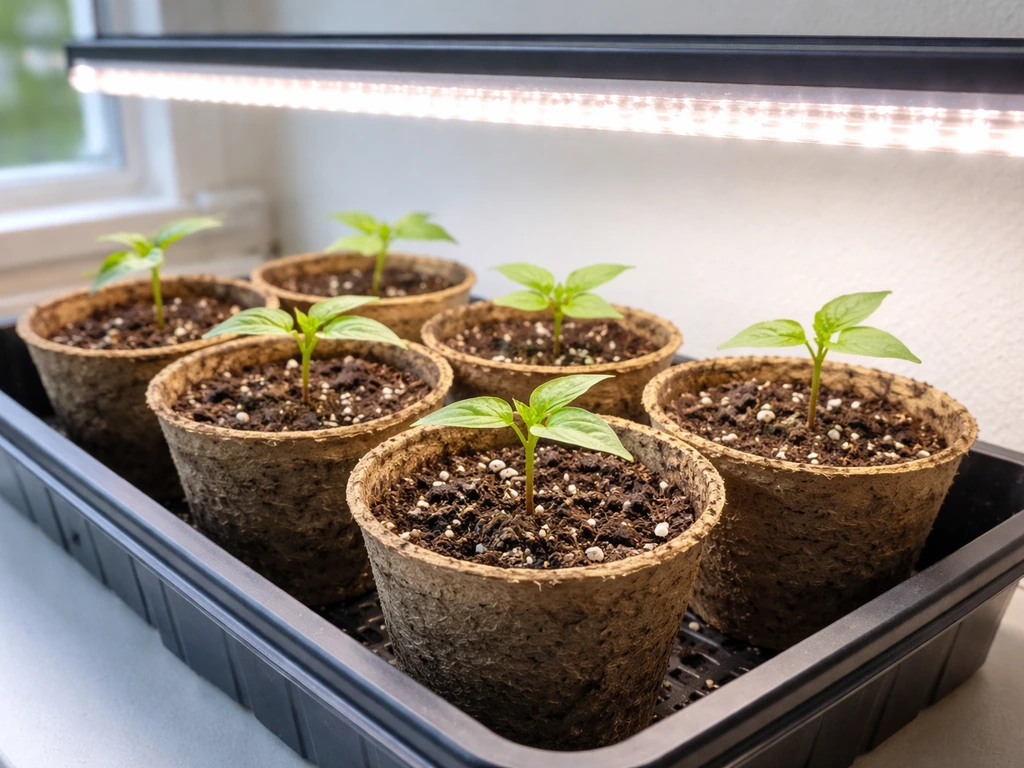
Full sun, at least 6 hours a day, is non-negotiable outdoors. Indoors or in a greenhouse during seed starting, high-output grow lights (LED or T5 fluorescent) kept about 2–4 inches above seedlings work well. As plants mature and move to containers or garden beds, more sun means more heat units and faster pod development.
Soil
Ghost peppers prefer well-draining, slightly acidic soil with a pH around 6.0–6.8. Heavy clay is trouble because it stays cold longer and can waterlog roots. Loamy soil amended with compost is ideal. If you're in containers, a quality potting mix with added perlite (about 20–25% by volume) keeps drainage sharp and roots healthy.
Water
Consistent moisture matters, but ghost peppers don't want wet feet. Water deeply and let the top inch of soil dry out between waterings. Irregular watering, especially drought stress during flowering, contributes to blossom drop and poor fruit set. Mulching around the base of outdoor plants helps regulate soil moisture and temperature.
Starting from Seed: Timing and What to Expect
Ghost pepper seeds are notoriously slow to germinate. Even under ideal conditions (80–85°F soil temperature, which usually means a heat mat), germination can take 3–5 weeks. I killed three batches early on by planting into trays without bottom heat and wondering why nothing sprouted after two weeks. Don't skip the heat mat.
When to Start Seeds
Count back 10–12 weeks from your last expected frost date. Ghost peppers have a 120+ day maturity window from transplant, so the earlier you start seeds (within reason), the better. In Zone 7 and warmer, that often means starting seeds in January or February. In Zones 5–6, December or early January starts aren't overkill if you have good grow lights to support them through a long indoor stint.
- Fill small cells or 3-inch pots with a pre-moistened seed-starting mix.
- Sow seeds about 1/4 inch deep, one or two per cell.
- Set trays on a seedling heat mat set to 80–85°F.
- Cover loosely with a humidity dome to retain moisture.
- Check daily and keep the mix moist but not soggy.
- Expect germination in 3–5 weeks; remove the dome once sprouts appear.
- Move to bright light immediately, grow lights 2–4 inches above seedlings for 14–16 hours per day.
Transplanting Outdoors
Before moving seedlings outside, harden them off over 7–10 days. Start with 1–2 hours of outdoor shade and gradually increase exposure to sun and wind. Ghost pepper seedlings that skip hardening off and go straight into full sun often stall for weeks while they recover. Transplant on a cloudy day or in the late afternoon to reduce stress, and water in with a diluted liquid fertilizer.
Starting from Transplants Instead of Seeds
If you can find ghost pepper transplants at a local nursery or online, buying starts saves you 8–12 weeks of indoor growing and removes the trickiest phase of cultivation. This is a smart move for short-season gardeners who want to maximize outdoor time. Ghost pepper starts are less common than bell pepper or jalapeño transplants, so check specialty pepper growers online if local nurseries don't carry them.
Outdoor, Container, or Indoor Growing: Which One Makes Sense for You
Outdoor Growing (Best for Zones 7b and Warmer)
If you're in a zone with long, hot summers, plant ghost peppers directly into garden beds after hardening off. Nightshade is the broader plant family that includes chili peppers, so you can generally grow nightshade crops with similar warmth and season-long care. Space plants 18–24 inches apart. Black plastic mulch over the soil speeds up early-season soil warming, which gives root establishment a real boost. Ghost peppers are big plants, often reaching 3–4 feet tall, so give them room and stake them if you're in a windy area.
Container Growing (Best for Zones 5–7 and Anywhere with Frost Risk)
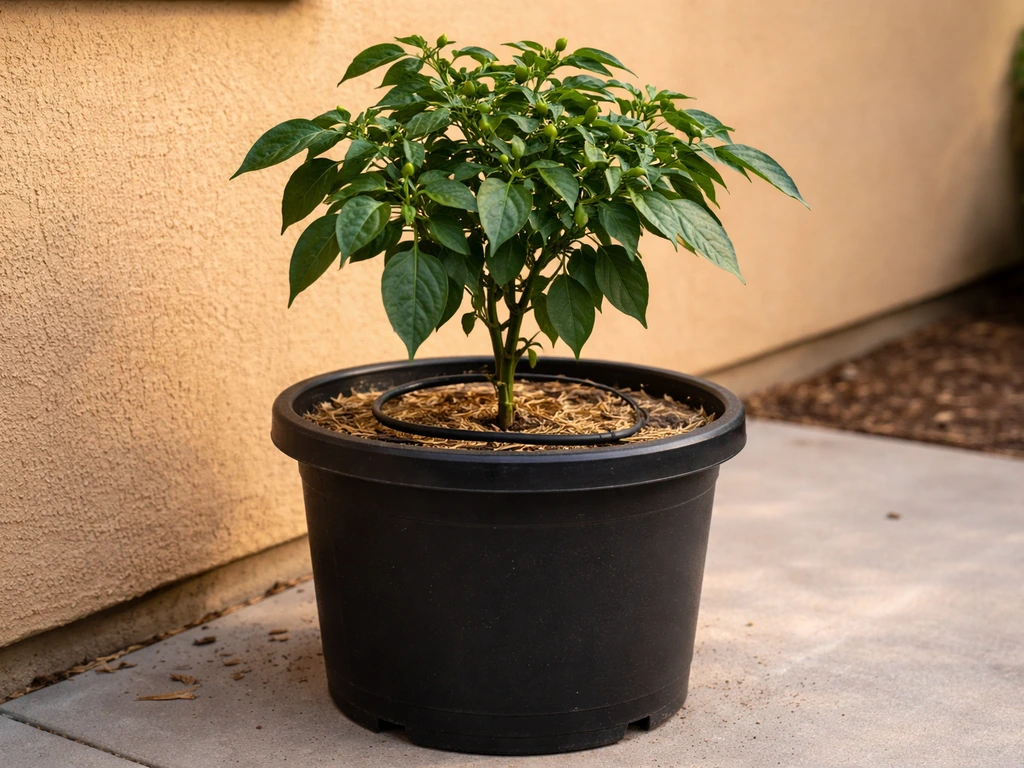
Containers are the most flexible option and, honestly, my preferred method for ghost peppers outside of the deep South. Use at least a 5-gallon container, though 7–10 gallons gives better root room and more stable moisture. Dark-colored containers absorb heat and keep roots warmer on cool days. The big advantage is mobility: you can bring plants inside when an early frost threatens, extend your season by weeks, and even overwinter the plant to get a head start the following year.
Greenhouse and Indoor Growing (Best for Zones 4–5 and Short-Season Areas)
In climates where outdoor conditions are marginal, a small hobby greenhouse or a sunny indoor setup with supplemental lighting can make the difference between harvesting ghost peppers and harvesting nothing. You don't need a large structure. A 4x8 foot hoop greenhouse over a raised bed can raise temperatures enough to push a viable growing season in Zone 5. Indoors, high-output LED grow lights on a 16-hour cycle and consistent warmth (70°F+ at night) will sustain plants year-round. Ghost peppers are perennial in their native range, so an indoor plant that gets through its first year can be a productive, established producer the following season.
Overwintering: The Season Extension Secret
If you're in a cooler zone and you got a plant to fruit, don't compost it at the end of the season. Move it indoors before the first frost, cut it back by about one-third, and keep it in a warm spot with some light through winter. It will drop most of its leaves but stay alive. Come February, give it more light and warmth, and it will leaf out and be ready to transplant back outside (or stay in its container) weeks ahead of a seedling grown from scratch. This is one of the best tricks for cool-climate ghost pepper gardeners.
Feeding, Watering, and Getting Good Fruit Set
Ghost peppers are moderately heavy feeders, but the timing of fertilization matters. Early in the season, use a balanced fertilizer (something like 10-10-10) to push vegetative growth and root establishment. Once flowers start to appear, shift to a lower-nitrogen, higher-phosphorus and potassium formula (like 5-10-10) to encourage fruiting rather than just leafy growth. Too much nitrogen late in the season gives you beautiful plants with few pods.
Ghost peppers are self-pollinating, so you don't need multiple plants to get fruit. However, they benefit from air movement or gentle shaking of the flowers to transfer pollen. Outdoors, wind and bees handle this. Indoors or in a greenhouse, give the plants a gentle daily shake or use a small fan to simulate air movement. Poor pollination is a common reason for blossom drop even when temperature conditions are fine.
Water deeply and consistently, targeting the base of the plant rather than the foliage. Container plants dry out faster than in-ground plants, sometimes needing water every day in peak summer heat. Check the top inch of soil and water when it's dry. Inconsistent moisture leads to blossom drop and can cause calcium uptake issues (blossom end rot), though that's less common in peppers than in tomatoes.
Pests, Diseases, and Harvesting Your Pods
Common Pests to Watch
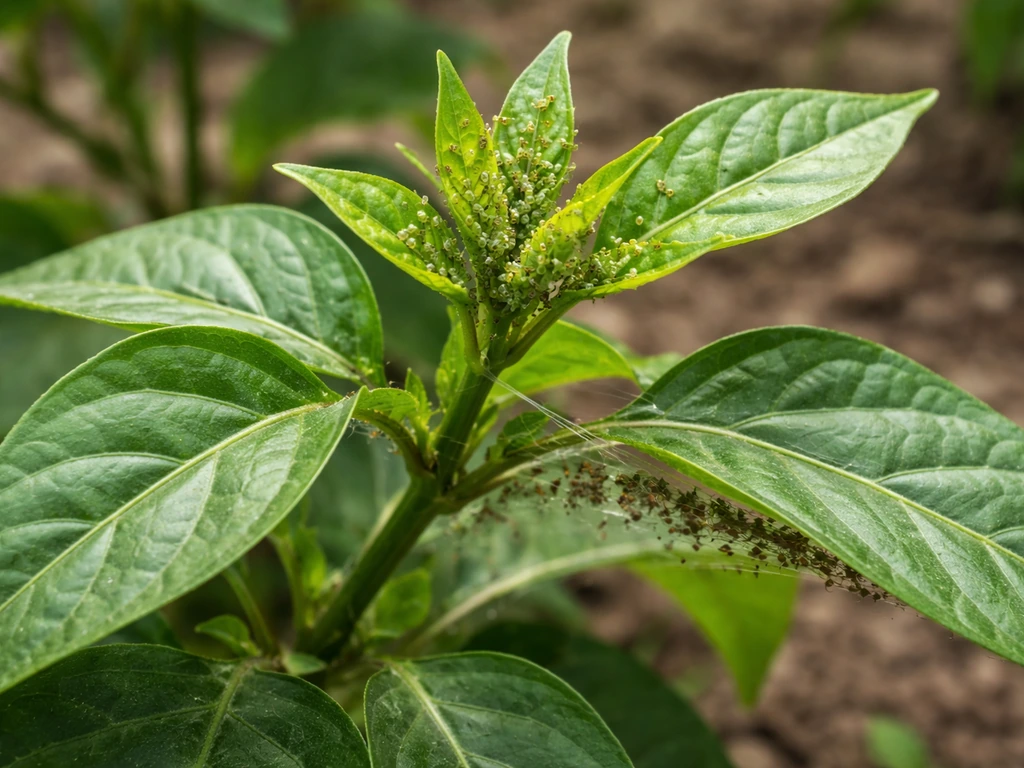
- Aphids: cluster on new growth and under leaves; knock off with water or use insecticidal soap.
- Spider mites: more common in hot, dry conditions or indoors; look for fine webbing and stippled leaves; neem oil or miticide sprays help.
- Thrips: cause scarring on fruit and flowers; yellow sticky traps catch adults, and spinosad sprays are effective.
- Pepper weevils: more of a problem in the South; larvae tunnel into pods; monitor and remove infested fruit.
- Whiteflies: common indoors and in greenhouses; yellow sticky traps and neem oil are the first line of defense.
Disease Watch-Outs
- Phytophthora blight: soil-borne fungal disease that kills plants quickly in wet conditions; prevent with good drainage and avoiding overhead watering.
- Bacterial leaf spot: causes water-soaked lesions on leaves; avoid wetting foliage, especially late in the day.
- Pepper mosaic virus: spread by aphids; causes mottled, distorted leaves; no cure, remove affected plants and control aphids early.
- Powdery mildew: white coating on leaves, usually late season; improve airflow and use a potassium bicarbonate spray.
Harvest and Storage
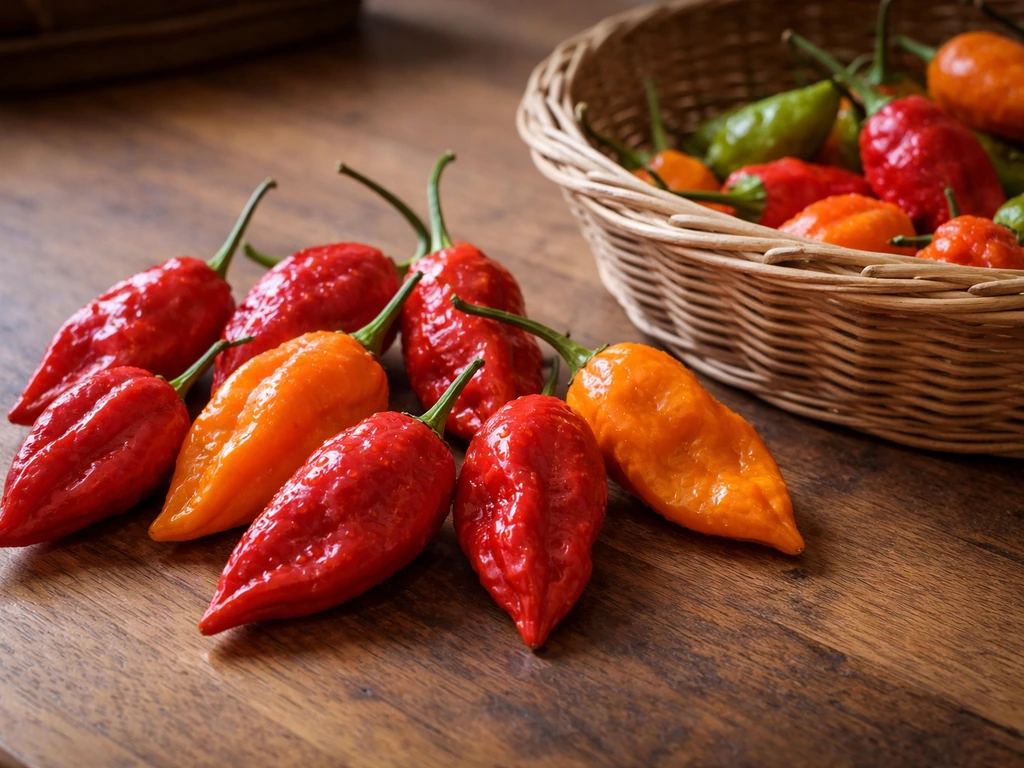
Ghost peppers start green and ripen to red (or orange or chocolate, depending on the variety) typically 120–150 days from transplant. Ripe peppers are fully colored and slightly wrinkled. Use gloves when harvesting. Seriously, don't touch your face. Pods will keep about 1–2 weeks in the refrigerator. For longer storage, dry them (dehydrator or oven at 135–140°F until brittle), freeze them whole, or make hot sauce. Dried and powdered ghost peppers keep well for a year or more in an airtight container.
A Simple Plan Based on Where You Are
Here's how to think about your next steps based on your zone. Don't overthink it, just pick the path that matches your situation and start.
| Your Zone / Situation | Start Seeds | Transplant Outdoors | Main Growing Method | Realistic Outcome |
|---|---|---|---|---|
| Zone 8b–10 (Deep South, Gulf, Southwest CA) | December–January | March–April | In-ground or large containers | Full crop, possibly 20–30+ pods per plant |
| Zone 7–8a (Mid-Atlantic, TX, SE inland) | January–February | April–May | In-ground or containers | Good crop, 10–25 pods per plant |
| Zone 6–7a (Midwest, Southern NE, Pacific NW lowlands) | December–January | Mid-May after last frost | Containers with black pots, row cover | Modest crop possible, 5–15 pods if season cooperates |
| Zone 5–6 (Great Lakes, Northern Plains, Upper NE) | November–December | Late May, with row cover | Containers, bring in before first fall frost | Small crop likely, overwintering plant is a smart move |
| Zone 4 and colder | Any time for indoor plants | Greenhouse only | Heated greenhouse or indoors with grow lights | Possible but requires sustained effort; indoor perennial is best approach |
If you're in Zones 6 and cooler and you've never grown hot peppers before, starting with cayenne peppers outdoors first is worth considering. The same timing and warm, frost-free conditions that help cayenne peppers do well outdoors also make it realistic to grow them in many gardens. They mature faster, tolerate a slightly shorter season, and give you a feel for hot-pepper culture before you invest months into a more demanding crop. Once you know your setup works, ghost peppers are a natural next challenge. Black pepper has different needs than ghost peppers, so it's worth checking a black pepper-specific guide for temperature, support, and humidity requirements.
Bottom line: ghost peppers are worth trying if you have at least 120 warm, frost-free days and you're willing to start seeds early indoors with a heat mat. If you’re asking can you grow pepper in Australia, use the same frost-free day and early-start logic to judge whether ghost peppers will fit your season 120 warm, frost-free days. In the same way, you can grow black pepper in Michigan only if you create a warm, frost-free indoor or greenhouse setup and give it enough time to mature can you grow black pepper in michigan. If you want to know whether black pepper can grow in Texas, start by matching its heat, humidity, and frost-free requirements to your specific region can you grow black pepper in texas. They're genuinely achievable for most U.S. gardeners with the right timing. If your season is short, go with containers so you control the environment, and consider overwintering your plant rather than starting over from seed each year. That one habit alone can make the difference between getting a handful of pods and getting a full productive harvest.
FAQ
Can I plant ghost pepper seeds directly in the garden instead of starting indoors?
Yes, but only in a narrow window. If your night temperatures are still below 55°F or your soil stays under about 60°F at transplant depth, plants typically stall. If you can, use black plastic mulch to warm soil faster, and cover plants at night with row cover or a cloche to protect the first 2 to 3 weeks after moving them outdoors.
Is it realistic to grow ghost peppers from seed outdoors in my region?
You can, but it is usually a gamble unless you have well over 120 frost-free days plus reliably warm soil for germination. Since seeds can take 3 to 5 weeks and need 80 to 90°F soil, direct sowing often fails in cooler regions even when summers are warm. For marginal areas, start indoors with a heat mat or buy transplants.
How often should I water ghost pepper plants?
Look for the top inch of soil, not the calendar. If the top inch dries out, water deeply until excess drains, then wait again. In containers, this can mean daily watering during peak heat, and underwatering during flowering is a common driver of blossom drop.
My seedlings stalled after transplanting, what should I do?
Yes, ghost peppers can recover from earlier stalling if the environment improves, but you need to stop repeating the stress. If they were transplanted into cool nights or cold soil, warm them up (container move indoors overnight, row cover, or greenhouse) and avoid heavy nitrogen. Once new growth resumes, stick to the season-appropriate fertilizer shift you planned for fruiting.
What are the signs I am overwatering ghost peppers, and how do I fix it?
They do not tolerate soggy roots well. If you see slow growth plus yellowing leaves and the soil stays wet, improve drainage (more perlite in containers, raise bed, or avoid heavy clay), and water less frequently. Persistent wet soil also increases disease pressure, so prioritize airflow around the plant.
Why are my ghost pepper flowers falling off even though temperatures seem okay?
If nights are cool, the biggest risk is flower drop, even if daytime temps look fine. A small fan for indoor plants and gentle shaking for greenhouse plants helps pollen movement, and outdoors you can wait for better airflow rather than over-correcting with fertilizer.
When exactly should I change fertilizer from growth to fruiting?
For fruiting, switch to a lower-nitrogen, higher-phosphorus and potassium feed once you see flowering begin. If you keep using a high-nitrogen mix, you often get lush foliage with fewer pods. A practical approach is to make only one fertilizer change at first bloom, then hold steady rather than adjusting weekly.
Can I overwinter ghost pepper plants in a container instead of starting over next year?
Yes, and it often makes cool-climate success easier. In a container, choose a size (at least 5 gallons, 7 to 10 is better) and keep it on wheels, then move inside when frost threatens. Overwintering is most effective when you cut the plant back by about one-third and keep it warm with light through winter.
Do ghost peppers need multiple plants to pollinate, and how can I improve pollination indoors?
Good airflow is a pollination and disease tool. Outdoors, wind and bees usually handle it, but in a greenhouse or indoors, run a small fan on a timer or shake plants gently once daily during flowering. Avoid blasting with strong wind that dries soil too fast.
How can I tell when ghost peppers are fully ripe for harvest?
Ripeness is better judged by full color plus texture. They ripen from green to red (sometimes orange or chocolate depending on variety) and are typically slightly wrinkled when ready. If you harvest too early, flavor and heat can be muted, so wait until fully colored before picking.
What is the best way to store ghost peppers after harvesting?
Yes, you can store them longer if you prevent moisture buildup. Refrigerated peppers usually keep 1 to 2 weeks, for longer storage dry them (until brittle) or freeze whole. If you plan to powder later, dry completely first, then powder only after the pods are fully crisp.
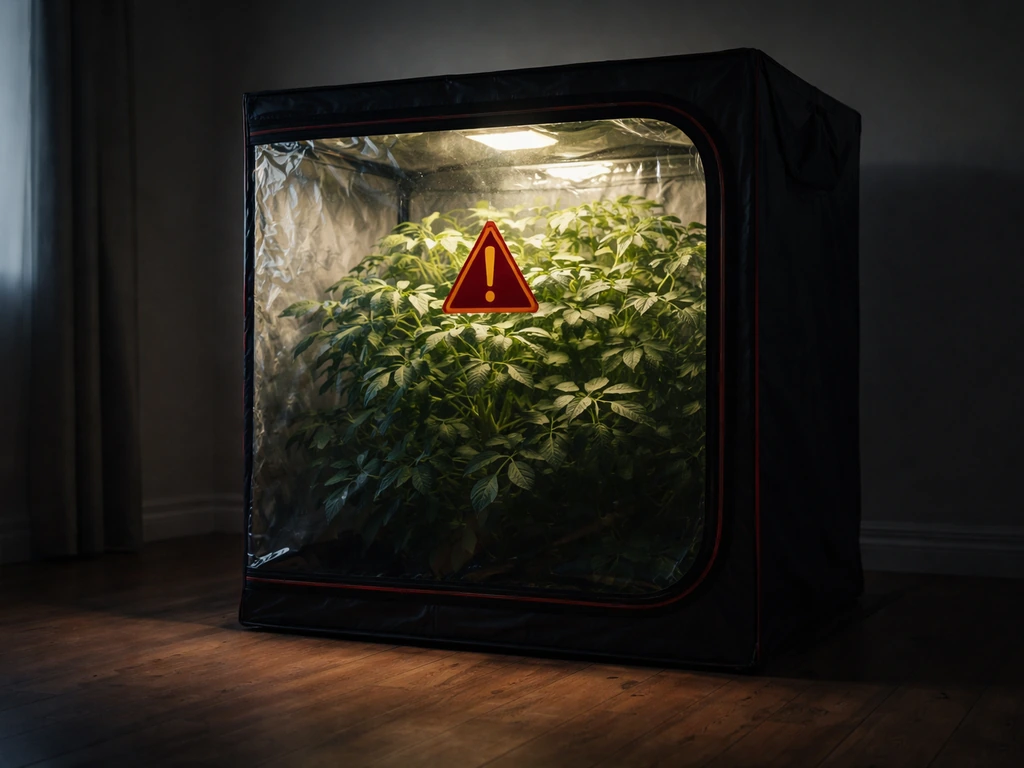
Learn if you can grow belladonna indoors, needed light and care, safety risks, and whether it’s worth attempting at home
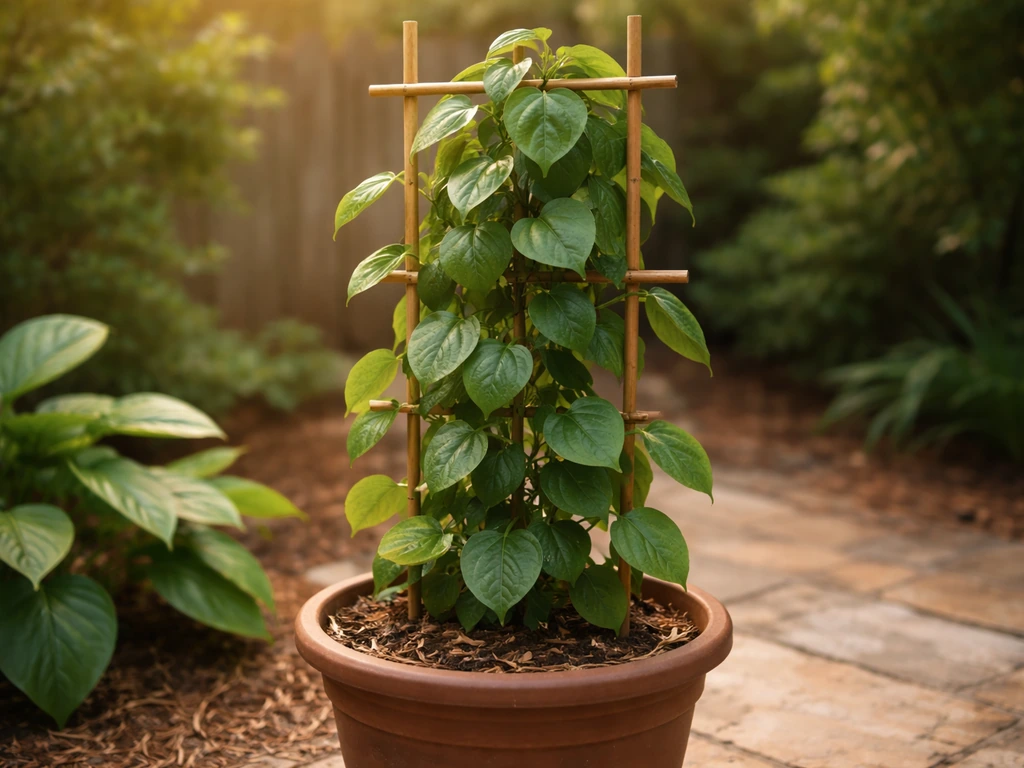
Can you grow black pepper in Texas? Learn feasibility, best regions, container method, care, and peppercorn harvest tips
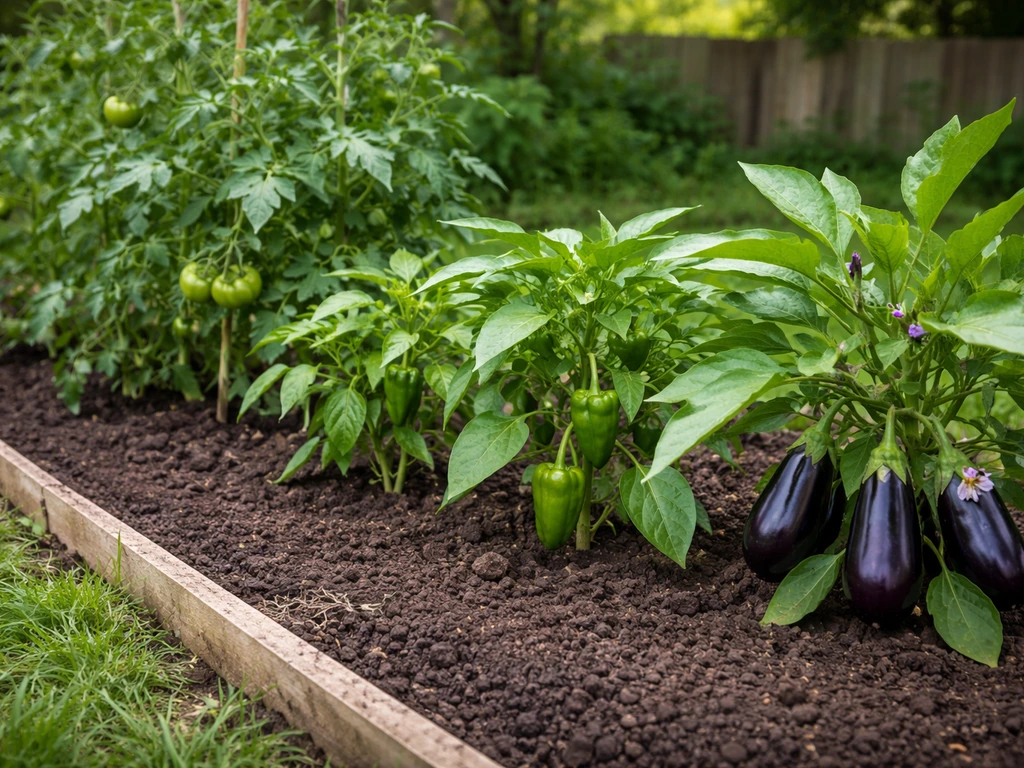
Learn which nightshades grow by U.S. zone, how to grow edible types, and safety tips for toxic ornamentals.