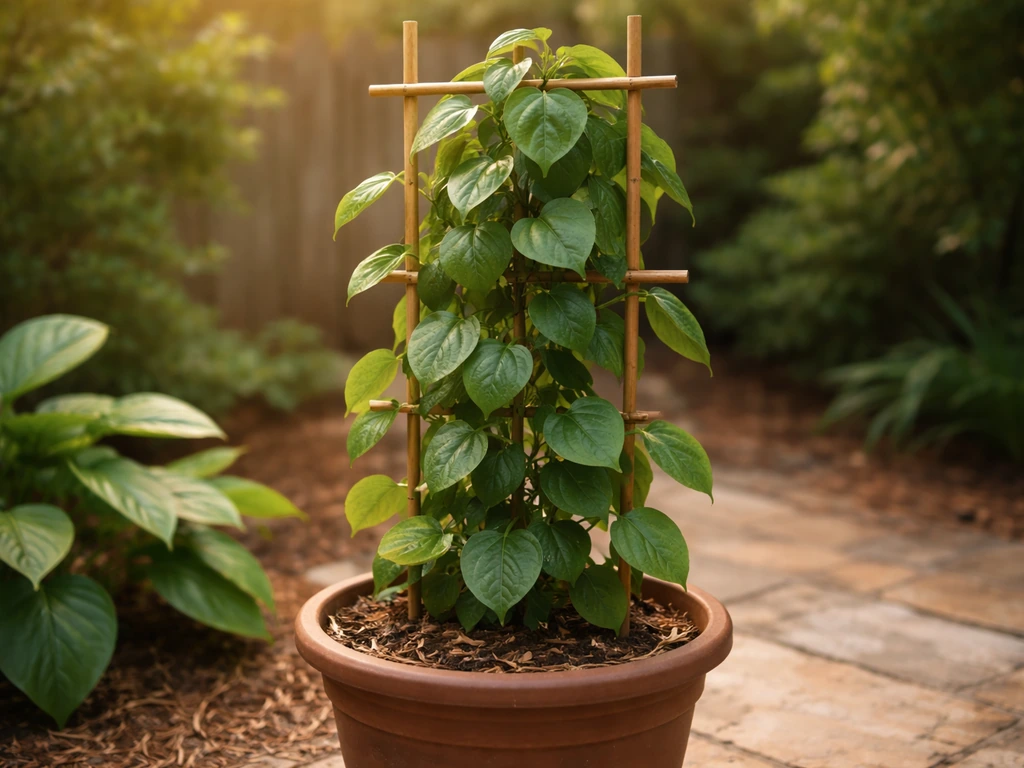
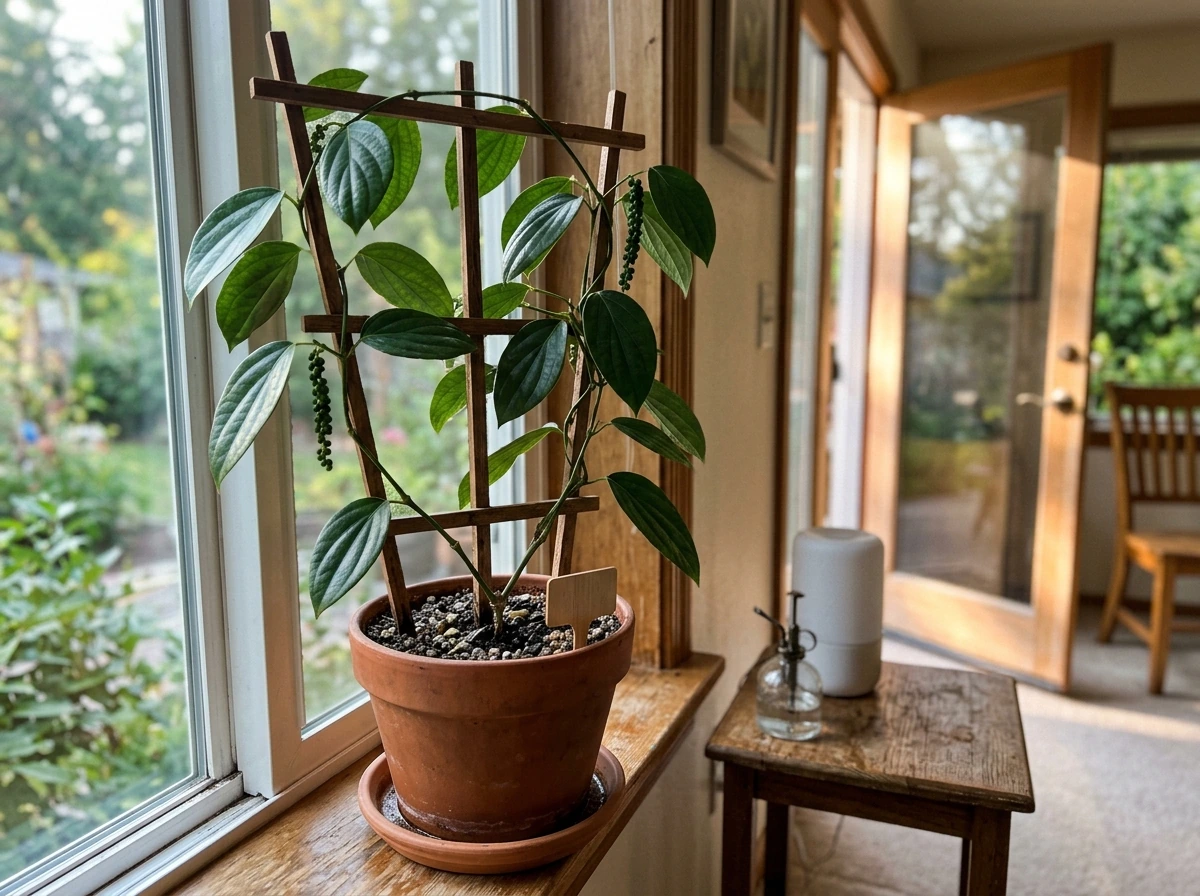
You can grow black pepper (Piper nigrum) in Texas, but with an honest caveat: most of the state is too cold in winter to keep it outside year-round, so you'll be growing it as a container plant that spends winters indoors. South Texas and a few frost-free coastal microclimates are the exception, where in-ground growing is worth trying. Everywhere else, think of it as a tropical houseplant that summers on the patio and earns its keep eventually by producing real peppercorns. It's absolutely doable. It's just not a plant-it-and-forget-it situation.
Can You Grow Black Pepper in Texas? Feasibility, Care, Harvest
Marcus Petersen
11 Jun 2026
What Texas climate actually gives you to work with
Black pepper is a vine native to the humid tropics. If you are also wondering can you grow cayenne pepper, note that cayenne is a hot pepper crop with different heat, spacing, and sun needs than the black pepper vine described here. It wants annual temperatures in the 75 to 86°F range, abundant moisture, and nighttime temps that stay reliably above 59 to 64°F. Frost kills it. A hard freeze kills it fast. That immediately splits Texas into a few different scenarios depending on where you are.
South Texas (roughly USDA Zone 9b and 10, think the Rio Grande Valley and parts of the Gulf Coast) is the only region where outdoor year-round growing is realistic. Frost events are rare and short-lived, and summers are hot and humid in ways the plant genuinely appreciates. If you live here and can protect the vine during the occasional freeze, you have a real shot at growing black pepper in the ground.
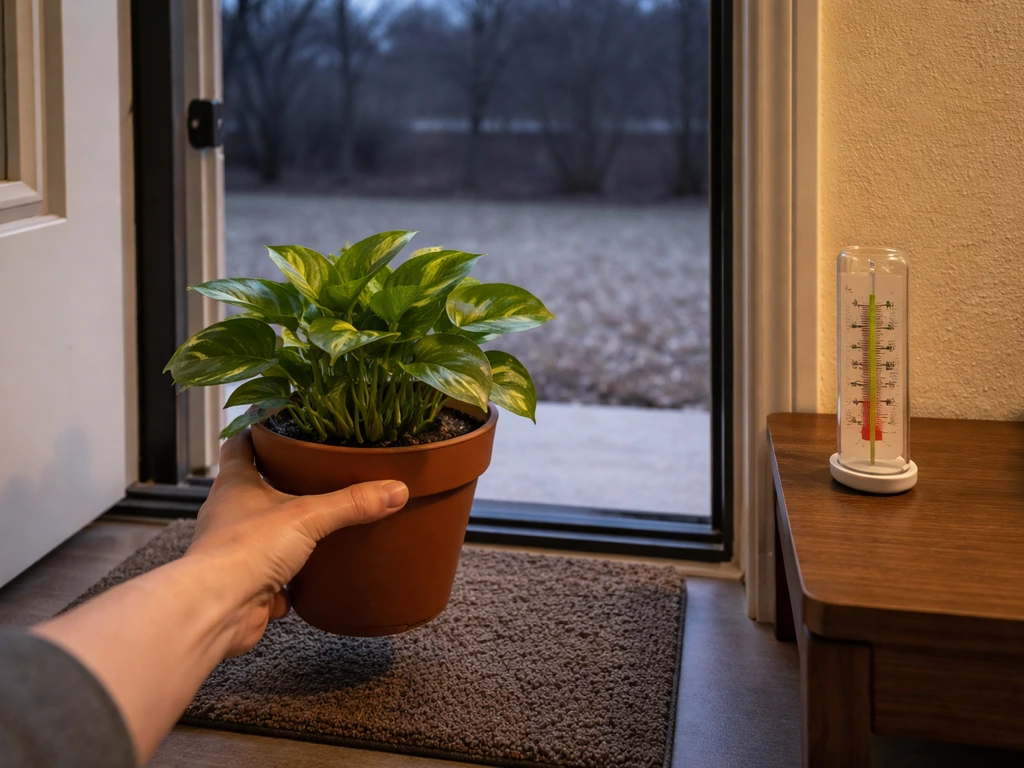
Central Texas (Austin, San Antonio, Zones 8b to 9a) gets hard freezes most winters, sometimes brutal ones like the February 2021 storm. You can absolutely grow black pepper here, but it has to be in a container that you move indoors when temperatures threaten to drop below 55°F. The summers are hot and long enough to push good growth, but the winters will kill unprotected plants.
North Texas and the Panhandle (Dallas and north, Zones 7 to 8a) face harder winters and that makes the container approach even more critical. You'll have a shorter outdoor season, but summer heat can still drive impressive vine growth if you keep up with watering and feeding. The plant will just spend more months indoors each year.
One thing worth knowing: containers freeze faster than ground soil, because the pot sides are exposed to air temperature on all sides. Texas A&M AgriLife specifically warns about root cold injury in containers, and it can be delayed, meaning you won't see the damage until weeks later when the plant just stops growing or collapses. That makes the move-it-inside rule non-negotiable, not a suggestion.
Picking the right variety and finding a plant
There's only one species worth growing for peppercorns: Piper nigrum. Within that, you have some choices. Standard vining forms will eventually climb 10 to 15 feet given support, which is manageable on a patio or trellis. If container space is tight, look for a dwarf or bush form sometimes sold as Kutti Kurumulaku, a compact plant that grows as a small bush rather than an aggressive vine. It's a more practical option for apartment patios or small spaces, and it still produces real peppercorns.
Buy a live plant rather than trying to grow from dried grocery-store peppercorns. Commercially dried peppercorns have very low germination rates, and even fresh seed is slow and unreliable. Commercial growers propagate Piper nigrum exclusively by cuttings, and the live plants you buy have already been established from cuttings, giving you a head start of a year or more over trying to start from seed.
For sourcing, check online specialty nurseries. Retailers like NatureHills, One Green World, The Tree Center, and Green Haven Nursery all carry or have carried live Piper nigrum plants and ship within the US. Home Depot has also stocked them occasionally through third-party sellers online. Call your local tropical plant nurseries too, especially in Houston and San Antonio, as they sometimes carry black pepper alongside other tropical houseplants. Just make sure you're getting Piper nigrum and not an ornamental relative.
Container vs in-ground, and how to set up either one
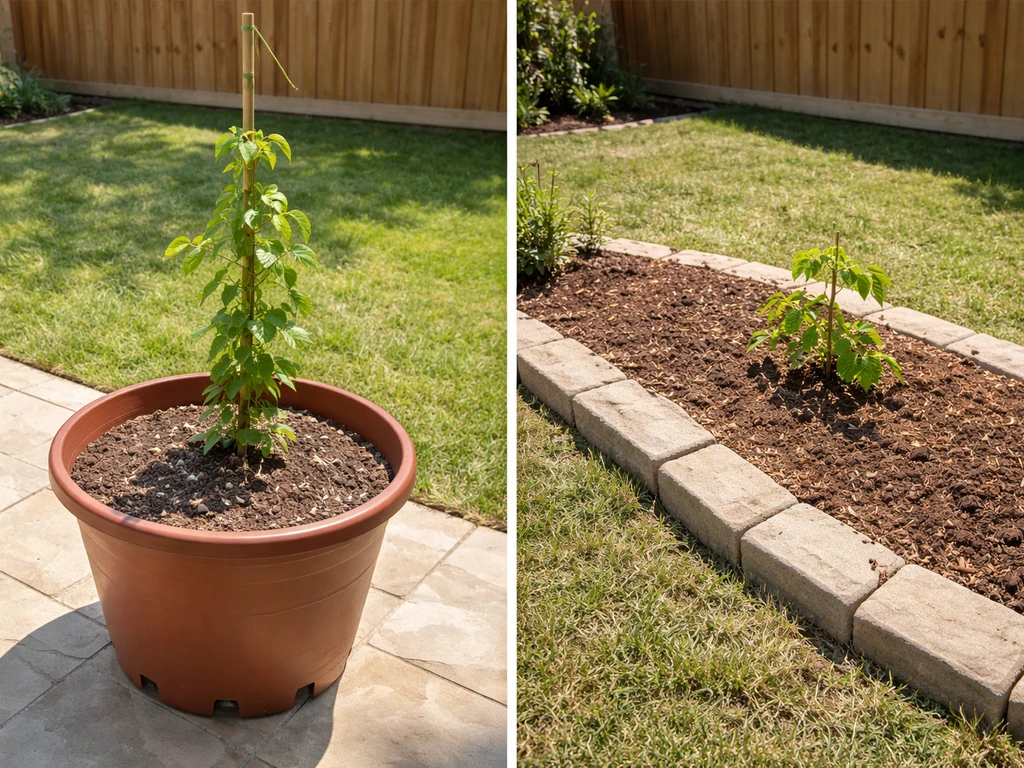
For most of Texas, a container is the right call. Choose a pot that's at least 12 to 15 gallons for a mature vine, with excellent drainage holes. Use a well-draining tropical mix, something like a high-quality potting mix amended with perlite at about a 3:1 ratio. Black pepper hates wet feet. Phytophthora root rot is one of the most common killers of container pepper plants, and it thrives in waterlogged soil. The pathogen can persist in soil for years, so once you've had a rot problem in a pot, don't reuse that soil.
For in-ground planting in South Texas, pick a spot with rich, loamy, well-drained soil. Raised beds work well if your native soil is heavy clay. Amend generously with compost before planting and make sure the area doesn't pool water after rain. Black pepper does best in partial shade, particularly in Texas where full summer sun can scorch leaves. A spot that gets morning sun and afternoon shade, or filtered light under a large tree canopy, is ideal.
| Factor | Container (most of Texas) | In-ground (South Texas only) |
|---|---|---|
| Cold protection | Move indoors when temps drop below 55°F | Frost cloth or cover during rare freezes |
| Soil control | Full control, easy to optimize | Must amend native soil heavily |
| Drainage | Excellent if pot has good holes | Depends on site; must be well-drained |
| Root freeze risk | High if left outside during freezes | Low; ground insulates roots |
| Long-term feasibility | Any Texas region with indoor winter space | South Texas Zone 9b+ only |
| Best for | Central and North Texas gardeners | Rio Grande Valley, Gulf Coast microclimates |
Watering, fertilizing, and training the vine
Watering is where a lot of people go wrong in both directions. Black pepper wants consistent moisture, not soaking wet soil. During Texas summers, a container plant may need watering every day, especially during heat waves. Check the top inch of soil: if it's dry, water thoroughly until it drains from the bottom. If it's still damp, wait. Indoors in winter, back off significantly, maybe every five to seven days, because growth slows and the plant's water demand drops.
Feed the plant during its active growing season, roughly April through October in Texas. A balanced slow-release fertilizer applied every six to eight weeks works well, or use a liquid tropical plant fertilizer every two to three weeks at half strength. Ease off feeding in winter when the plant is just maintaining itself indoors. The vine responds well to fertilizing but doesn't need to be pushed hard during the cold months.
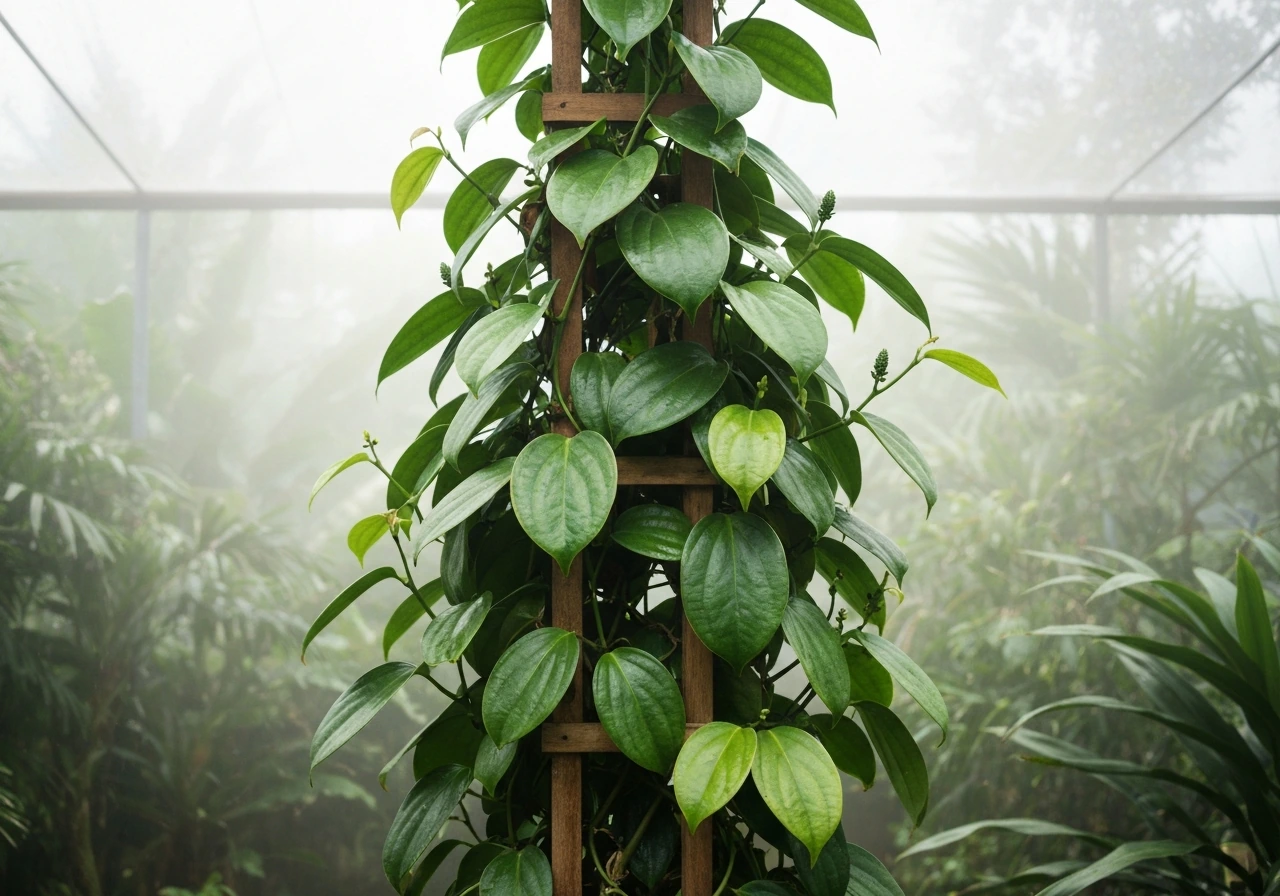
Black pepper is a climbing vine and needs something to grab onto. A sturdy bamboo pole, a trellis, or even a wooden dowel in the container works fine. The vine uses aerial roots to cling, so a rough-textured surface helps. Train new growth upward by loosely tying stems to the support. As the plant matures, it will climb on its own. Keeping the vine trained vertically also improves airflow, which reduces disease pressure.
Humidity is worth thinking about, especially when the plant is indoors during winter. Texas home interiors can get very dry with heating running. If you do grow black pepper in Texas, plan on creating the right indoor conditions during winter so it can keep going through the cold months Texas home interiors. A pebble tray with water under the pot, or occasional misting, helps. Black pepper grows in naturally humid environments, and dry indoor air can stress it and invite spider mites.
How long until you actually get peppercorns
This is the part people don't always want to hear: patience is genuinely required here. Vines typically need three to five years before they start producing flower spikes and peppercorns. Some sources say as few as two years for well-established cuttings in ideal conditions, but three to four years is a more realistic expectation for a home gardener. Buying a larger, more mature plant from the nursery can shave time off that window, which is another reason to skip seed starting entirely.
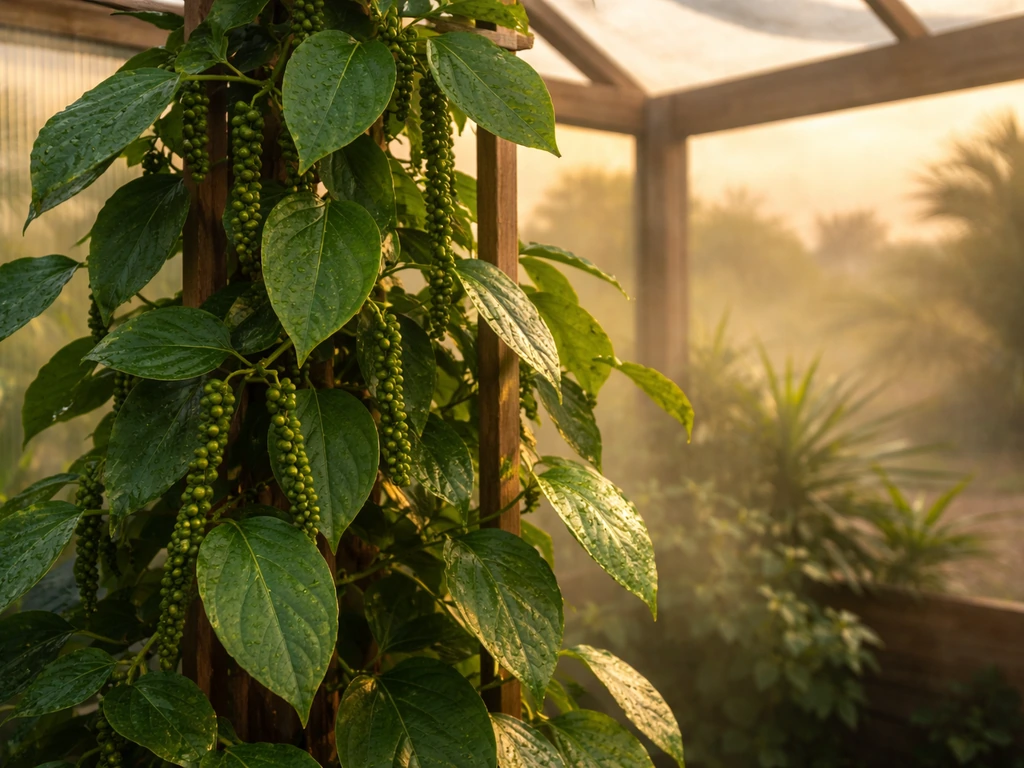
When the plant is mature enough, it produces small flower spikes that develop into clusters of round drupes, which are the peppercorns. The good news is that black pepper is self-pollinating, so you don't need a second plant. A single vine can set fruit on its own. High humidity during flowering actually helps by extending the time the flowers are receptive to pollen, which is another reason to keep moisture levels up.
Flowering duration spans several weeks to a few months, and then the berries develop over additional months. The whole cycle from flower to harvestable berry takes time, so don't rush it. In Texas, most of this fruiting cycle will happen during the warm outdoor season when the plant is at its most active.
Texas-specific problems and how to deal with them
Cold damage
The number one killer in Texas is cold. If temps are forecast below 50°F, get the container inside. Don't wait for an actual freeze. Cold injury to roots can happen before visible frost forms, and as Texas A&M AgriLife notes, the damage may not show up for weeks. If your plant does get hit by cold and looks collapsed or mushy, cut it back to live wood, bring it inside to warmth and moderate light, and give it time. Plants that aren't root-killed can sometimes recover.
Root rot
Phytophthora root and crown rot is the other major threat, especially for Texas gardeners who are watering heavily during summer and using heavy potting mixes. The pathogen thrives when soil stays saturated, and once it's in the pot it can persist for years. Prevention is everything: use a fast-draining mix, water only when the soil starts to dry, and make sure your pot drains completely. If a plant suddenly wilts despite moist soil and doesn't recover, root rot is the likely culprit. Remove and dispose of the soil, clean the pot with diluted bleach, and start fresh with a new plant and new mix.
Pests
When the plant is indoors for the winter, watch for mealybugs, scale, and spider mites. Mealybugs show up as cottony white clusters in leaf joints. Scale looks like small brown bumps on stems. Spider mites produce fine webbing and tiny speckled damage on leaves, and they love dry indoor air. Catch these early by inspecting the undersides of leaves regularly. For mealybugs and scale, a cotton swab dipped in rubbing alcohol works for small infestations. For mites, increasing humidity and wiping down leaves helps. Neem oil spray is a practical option for all three when used consistently, just make sure to coat leaf undersides.
Harvesting and turning berries into actual black pepper
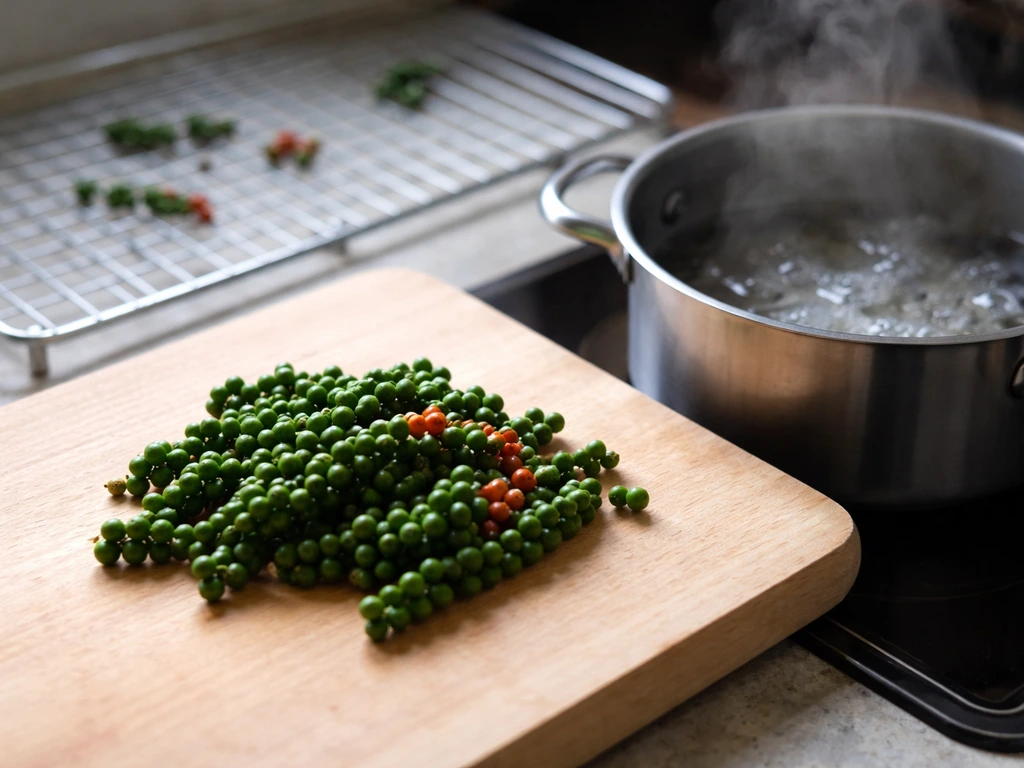
When your vine finally produces peppercorn clusters, harvest timing matters for flavor. For black pepper, pick the berries when they've turned from green to just beginning to show a yellow or red tint, but before they go fully red. At this stage the berry is mature but not overripe. Green peppercorns are picked even earlier.
To make black pepper, briefly blanch the green-to-turning berries in boiling water for about a minute, then spread them on a screen or tray to dry in the sun or a warm spot with good airflow. As they dry over several days, the outer skin shrivels and darkens to the familiar black wrinkled peppercorn. You can also dry them in an oven on the lowest possible setting with the door cracked. Once fully dried and rattling-hard, they're ready to grind or store whole. Homegrown freshly ground black pepper has noticeably more aroma than anything sitting in a store-shelf jar.
For red peppercorns, let the berries ripen to fully red before picking and then sun-dry them. For white pepper, soak ripe red berries in water for several days to ferment off the outer skin, then dry the pale inner seed. These are all the same plant at different harvest stages.
Is it worth the effort for a Texas gardener?
Worth trying if: you have a sunny indoor space (a south or east-facing window, or supplemental grow light) to overwinter the plant, you can commit to several years before expecting peppercorns, and you genuinely enjoy growing unusual tropical plants as much as the end product. If you are wondering can you grow pepper in australia, the key question is the same as in Texas, can you keep black pepper warm and frost-free during winter. If you're in South Texas, the case is even stronger since you can likely keep it outside most of the year with minimal intervention.
Wait or reconsider if: you don't have a reliable warm indoor spot for winter, you're looking for a quick-yield edible, or you're in North Texas with a small apartment and can't manage a large container. It's a multi-year commitment with an uncertain fruiting timeline, and Texas winters make the logistics genuinely demanding. Growing ghost peppers or cayenne peppers outdoors as annuals will get you usable harvests far faster if you just want to grow your own spice.
In Michigan, you will also need to grow black pepper as a container and bring it indoors before cold temperatures arrive Growing ghost peppers or cayenne peppers outdoors as annuals will get you usable harvests far faster. If you're wondering can you grow cayenne pepper in Texas, the main factors are heat, sunlight, and protecting plants from cold snaps.
But if you want the actual Piper nigrum experience, Texas is workable, and the reward of grinding your own homegrown peppercorns is real. If you're also wondering can you grow belladonna, note that it has very different safety needs than peppercorns. However, the same cold sensitivity means you generally need an indoor setup to grow black pepper in Canada Texas.
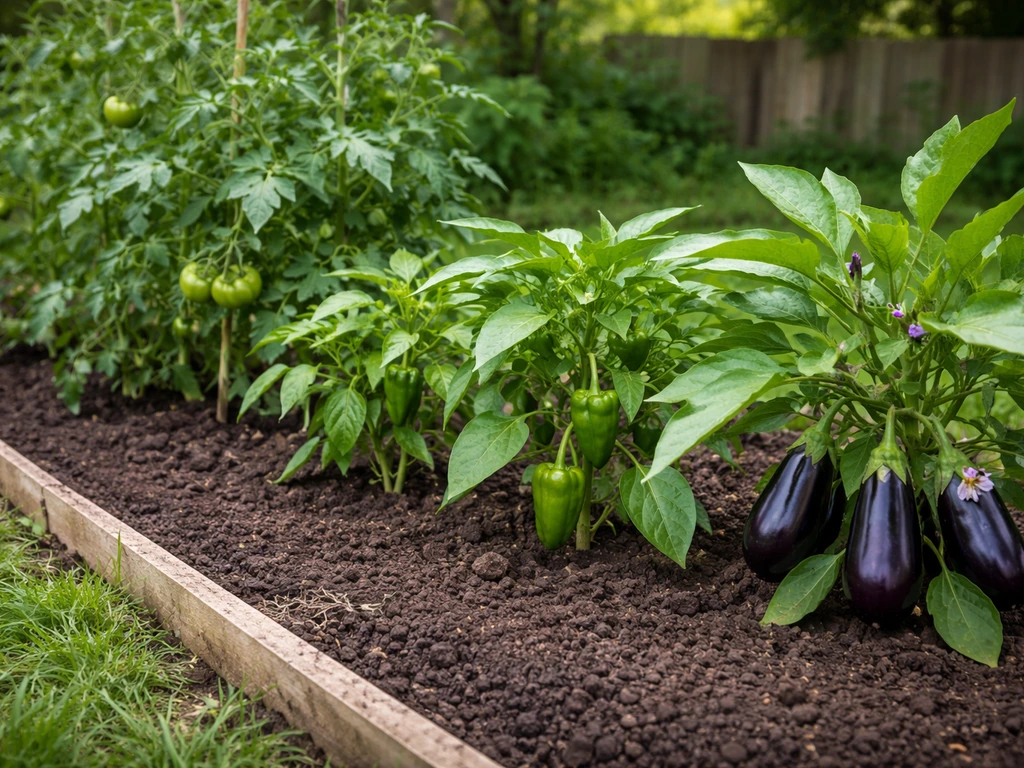
If you meant nightshade crops like tomatoes, peppers, or eggplant, tell me which one, because the right growing plan depends heavily on the exact variety and your Texas zone. Many people also ask can you grow nightshade in Texas, but success depends on choosing the right type and timing it around your heat and freezes.
FAQ
What indoor temperature range do I need if I keep my black pepper plant inside in Texas winter?
It will live longer and fruit more consistently if you overwinter where nights stay reliably warm. Aim for an indoor minimum around the mid 60s, and place it in the brightest window you have (south or east). If the plant is kept too cool, you may see stalled growth and fewer or no flower spikes that year.
How should I transition my black pepper container from outdoor summer to indoor winter so it doesn’t shock?
If you move a container from outdoor sun to indoors abruptly, leaves can scorch or drop. Do a 7 to 14 day transition by starting in bright shade outdoors, then partial shade, then morning sun only, and finally your indoor bright window. This reduces stress and keeps the vine from weakening right before winter.
Can I grow black pepper indoors full time in Texas instead of moving it outside?
Yes, but only if you can meet the warmth and humidity needs indoors. A south or east window sometimes works, but many homes lack enough light in winter, so consider supplementing with a grow light on a timer (for example, 10 to 12 hours daily). Without enough light, growth slows and the plant often delays or skips fruiting.
How do I avoid over-fertilizing a container black pepper vine in Texas?
Black pepper vines are heavy feeders, but over-fertilizing can damage roots in containers. Use slow-release or half-strength liquid and stop feeding when you bring it indoors, then resume when you see active new growth in spring (often April for many Texas locations). If leaves get very dark and lush but no flowering begins, reduce nitrogen and focus on balanced feeding.
What container size is best for growing black pepper in Texas, and how do I know when to repot?
Pot size matters because small pots chill faster and dry out faster. For a mature vine, a 12 to 15 gallon container is a good target, with a tray or saucer emptied after watering so the roots never sit in runoff. If you see roots circling or fast daily drying in summer, it is time to upsize.
At what temperature should I bring my black pepper container indoors in Central and North Texas?
Once nighttime temperatures are forecast below 55°F, plan the move. Waiting for a freeze is risky because root injury can occur earlier, and the damage may appear weeks later as collapse or sudden loss of vigor. For short cold snaps, you can also wrap the pot with insulating material, but indoor relocation is still the safest plan.
My container stays wet for days, what changes should I make to prevent root rot in Texas?
Poor drainage is the fastest route to Phytophthora problems. Use a fast-draining tropical mix, confirm you have drainage holes, and water only after the top inch dries. If the plant wilts while the soil feels wet, treat it as a root health issue, not normal thirst, and check for root rot.
If black pepper is self-pollinating, do I still need another plant or do anything special during flowering?
For pollination, you generally do not need a second plant because black pepper is self-pollinating. However, if indoor conditions are very dry during flowering, fruit set can drop. Keep humidity up during the bloom period and avoid moving the plant repeatedly while flower spikes are receptive.
What is the most practical way to raise humidity for black pepper indoors during Texas winter?
To manage indoor humidity, use a pebble tray only as a minor aid, because it often under-delivers for big pots. More reliable options are a humidifier near the plant or grouping multiple tropicals together. Watch leaf condition, if tips brown and spider mite speckling starts, humidity is likely too low.
How do I know the exact right harvest stage for making true black pepper at home?
Do not harvest just because berries look bigger. For black pepper, pick when berries are turning yellow or red but not fully red, then blanch and dry promptly. Overripe fully red berries usually become red or white pepper preparation instead, and drying from an overripe stage can change flavor and color consistency.
My black pepper plant looks damaged after a cold snap, what should I do first?
If the vine is hit by cold, first check whether stems are still green and pliable versus mushy and blackened. Prune back to live tissue, bring it into warmth and bright, indirect light, then wait. Recovery can take weeks, so avoid heavy fertilizing immediately after cold damage, and focus on stable watering and humidity.
Why is my black pepper not producing flower spikes or peppercorns even after multiple summers?
Yes, but it is uncommon and usually a sign of stress. Most often it points to insufficient winter warmth or light, inconsistent moisture, or being kept too dry when flower spikes form. Another cause is the plant not reaching maturity yet, many home containers need several years before reliable peppercorns.
What is the best pest-control approach if I see mealybugs or scale on my indoor black pepper vine?
If mealybugs or scale are small, wiping with a cotton swab dipped in alcohol can work, but you must repeat because eggs can survive. For larger infestations, neem oil is typically more practical as a consistent follow-up, focus on leaf undersides, and isolate the plant from other houseplants to prevent spread.
Next Articles
Can You Grow Nightshade? Edible, Ornamental, and Tips by Zone
Learn which nightshades grow by U.S. zone, how to grow edible types, and safety tips for toxic ornamentals.
Can You Grow Black Pepper at Home in the US?
Grow black pepper at home in the US from seeds or store peppercorns with indoor or outdoor care, timelines, and fixes.
Can You Grow Black Pepper in the US Where and How
Learn where black pepper can be grown in the US and how to grow it indoors or in warm zones for fruit.