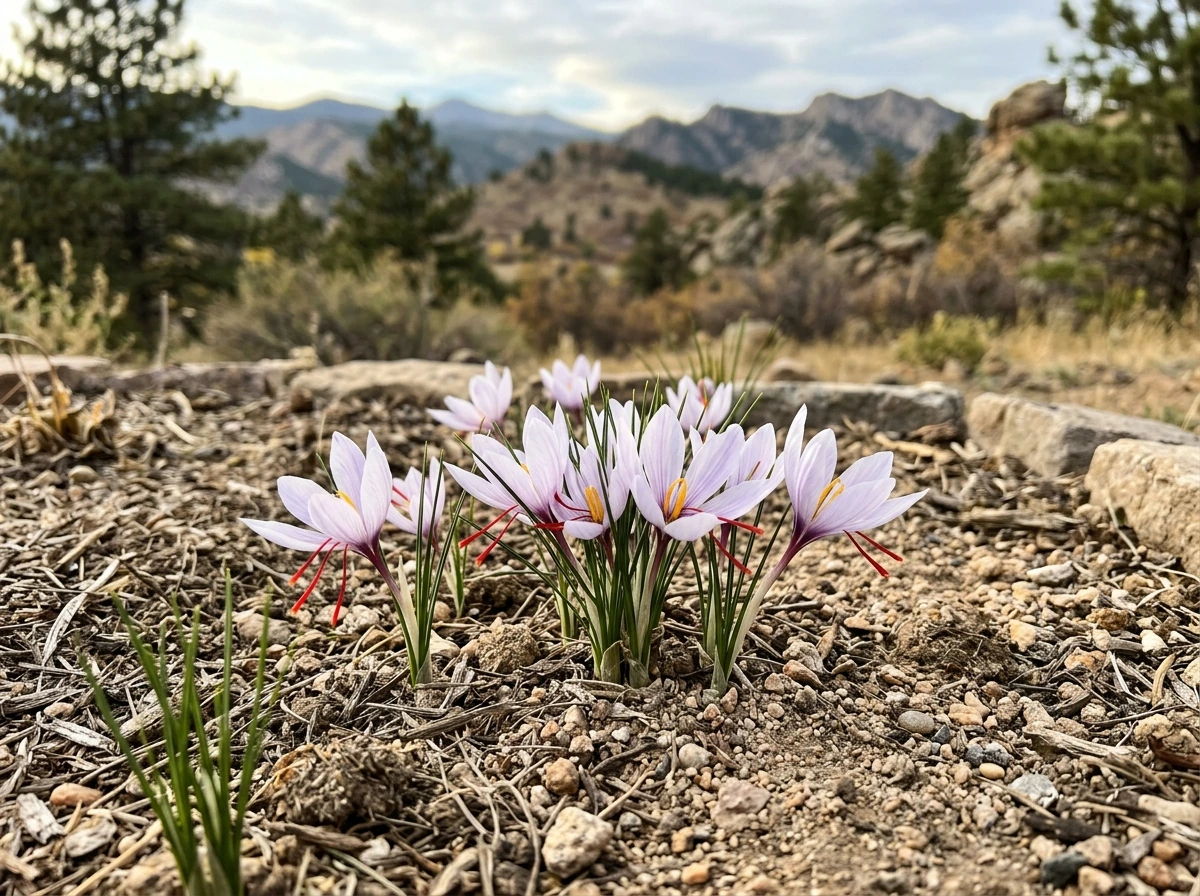
That said, Colorado is a big, varied state. A gardener in Fort Collins (Zone 5b) is working with a very different situation than someone on the Western Slope near Grand Junction (Zone 7a) or up in the mountains near Breckenridge (Zone 4). The core advice stays the same across zones, but timing and frost awareness shift depending on where you live. I'll cover all of that below.
How Colorado's climate lines up with what saffron actually needs
Saffron crocus has a specific temperature rhythm it needs to flower. During summer dormancy (when the corms are just sitting in the ground doing nothing visible), warm soil temperatures around 23–30°C (73–86°F) trigger the internal process that sets up flower formation. Then, as fall arrives and temperatures cool to around 15–20°C (59–68°F), flower initiation kicks into gear. After that, the corms need a sustained cold period, roughly 12–16 weeks of soil temperatures in the 35–45°F (2–9°C) range, to complete their vernalization cycle before the next growing season.
Colorado delivers all of this. Front Range cities like Denver and Colorado Springs sit in USDA Zones 5b–6a. Last spring frost typically falls between late April and mid-May depending on location, and first fall frost comes in late September to mid-October. That fall window is exactly when saffron blooms, so you're working with the natural calendar rather than against it. Lower elevation and western slope areas like Grand Junction run warmer and drier, which is actually closer to ideal saffron country. Higher elevation areas above 7,000 feet are trickier but still workable with the right approach.
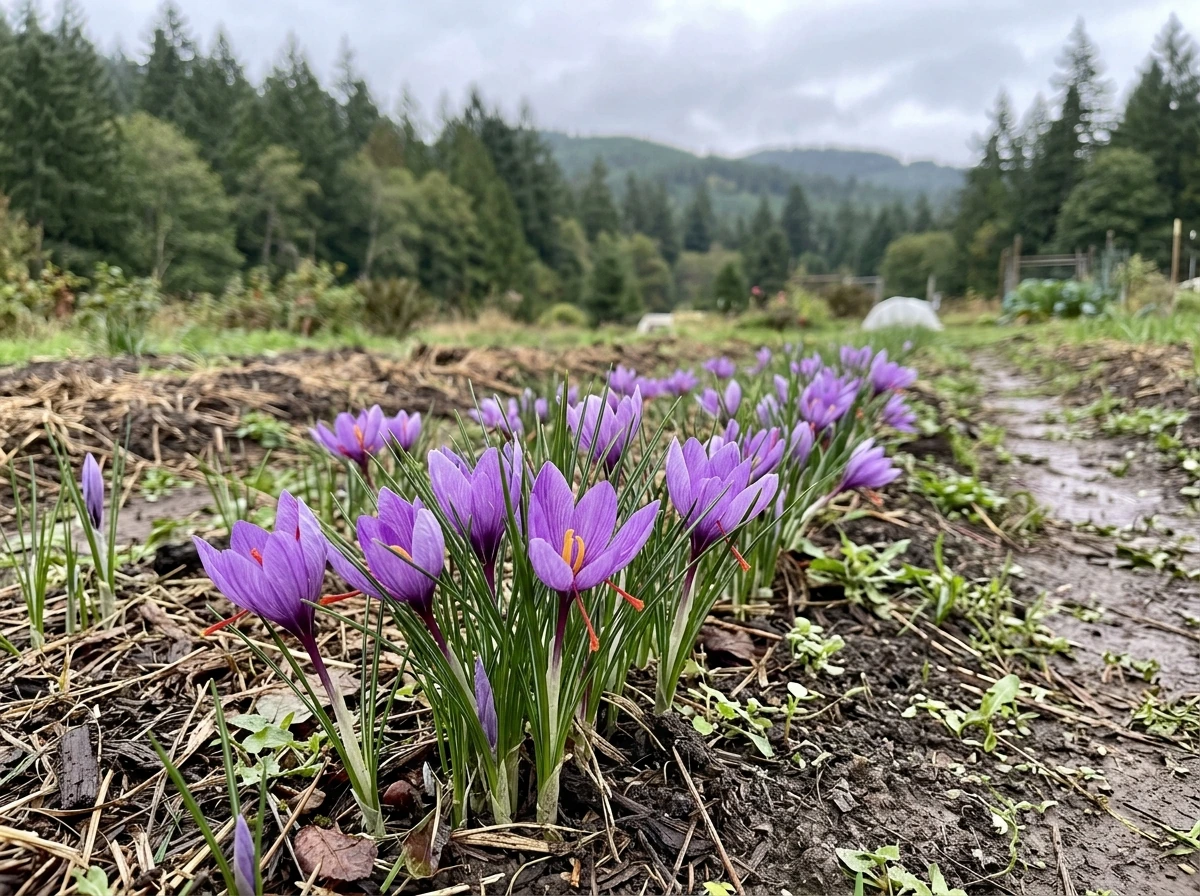
Colorado's relatively low annual precipitation is a genuine advantage. Saffron hates sitting in wet soil. The dry climate reduces rot pressure significantly compared to states like Oregon or the Pacific Northwest. However, Colorado's periodic summer thunderstorms and late-spring snowmelt can saturate soil in low spots, which is exactly where corms die. Site selection and drainage prep matter more here than almost anything else.
Site prep and soil: drainage is everything
If I had to pick one reason saffron fails for Colorado gardeners, it would be poor drainage. Corms sitting in soggy soil during their dormant summer period will rot before they ever bloom. This is especially common in clay-heavy Front Range soils, which drain slowly and hold moisture long after rain or irrigation.
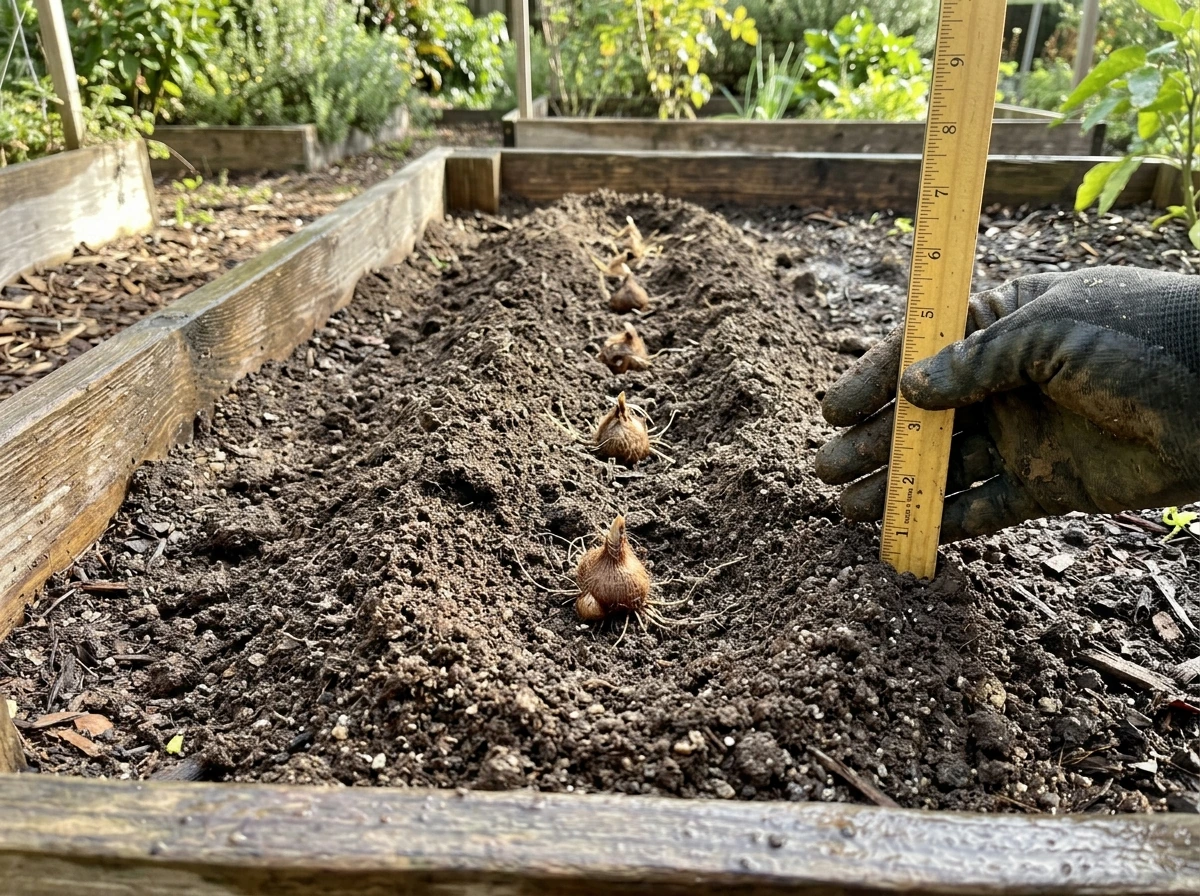
Pick a spot that gets full sun (at least 6–8 hours) and never puddles after rain. South or southwest-facing slopes are ideal. If your yard doesn't have natural slope, build one. Raised beds or mounded rows (sometimes called ridge planting) are a practical fix. Mounding the planting area by 6–10 inches above grade gives you meaningful drainage insurance even in flat yards.
Saffron does best in a soil pH of 6.0 to 7.0, and Colorado's native soils often run neutral to slightly alkaline, which is within workable range. The bigger issue is texture. Heavy clay needs amendment. Work in generous amounts of coarse sand, perlite, and compost before planting. A reasonable starting mix for a clay-dominated bed: roughly one-third native soil, one-third coarse horticultural sand or fine gravel, and one-third compost. You want the bed to drain visibly within minutes of watering, not hours.
If your soil is already sandy or loamy, like you'd find in some parts of the Arkansas Valley or Western Slope, you may only need to add compost for nutrition and structure. Don't overthink it. The goal is simple: no standing water around the corms, ever.
Planting plan for Colorado: timing, depth, spacing, and where to get corms
When to plant
Plant saffron corms in late summer to early fall, before your first hard frost. In Colorado, that means targeting late August through mid-September for most of the Front Range and higher elevation areas. Grand Junction and the Western Slope can push toward late September. The Arapahoe County CSU Extension program specifically flags late summer as the ideal window for fall-blooming bulbs like saffron crocus, and they're right. You want corms in the ground 4–6 weeks before the first killing frost so they can root and establish before the soil freezes hard.
Don't store corms too long before planting. Keep them in a dry, cool spot (around 40–50°F) and get them in the ground within a few weeks of receiving them. Long pre-planting storage in warm conditions can stress the corms and reduce first-year bloom rates.
Depth and spacing
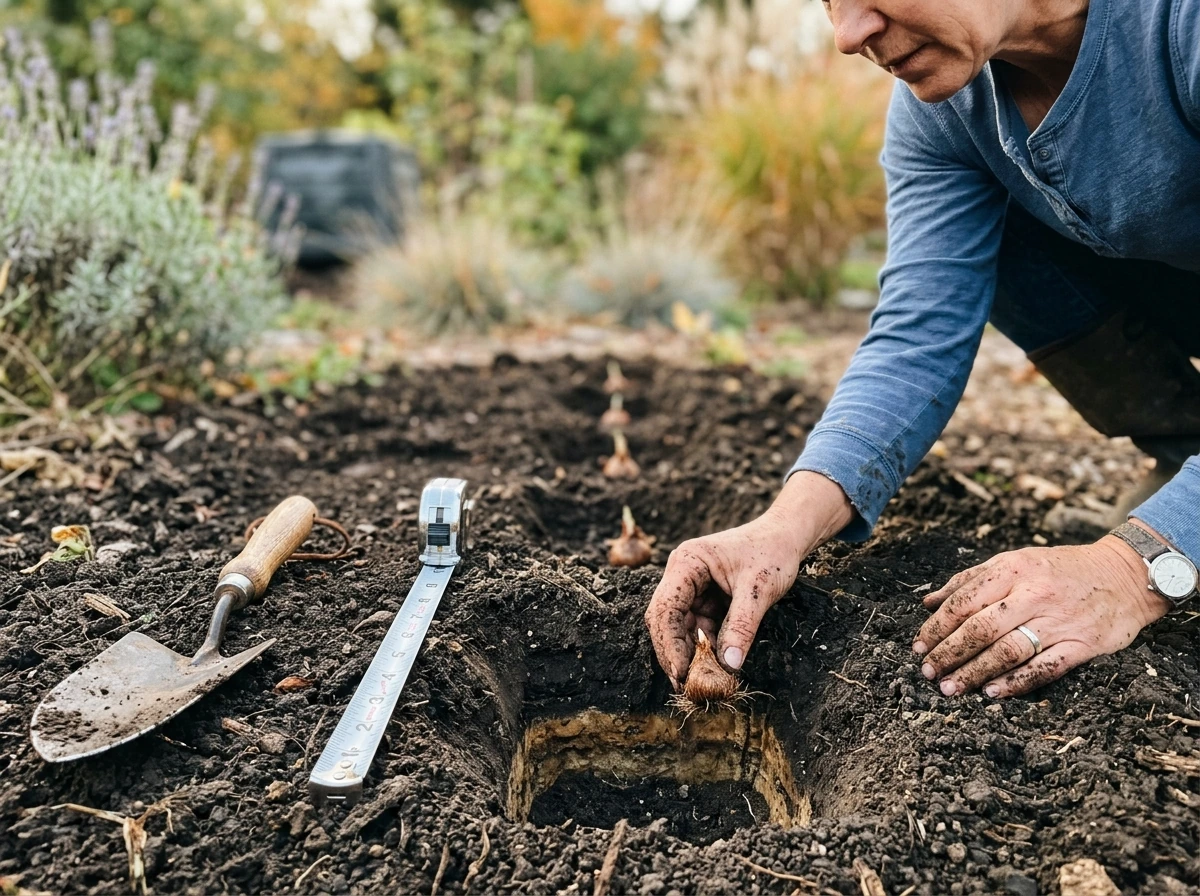
Plant corms 4–6 inches deep (10–15 cm), with the pointed side facing up. Spacing them about 4 inches (10 cm) apart works well for home plots. In sandy or well-amended soil, planting on the deeper end of that range (closer to 6 inches) gives corms extra insulation against Colorado's hard freezes and, based on research on cold-climate cultivation, can reduce frost risk at the corm level even when surface soil freezes. For size 9/10 corms, a planting density of roughly 40–50 corms per square meter gives you a good production bed.
Choosing corms
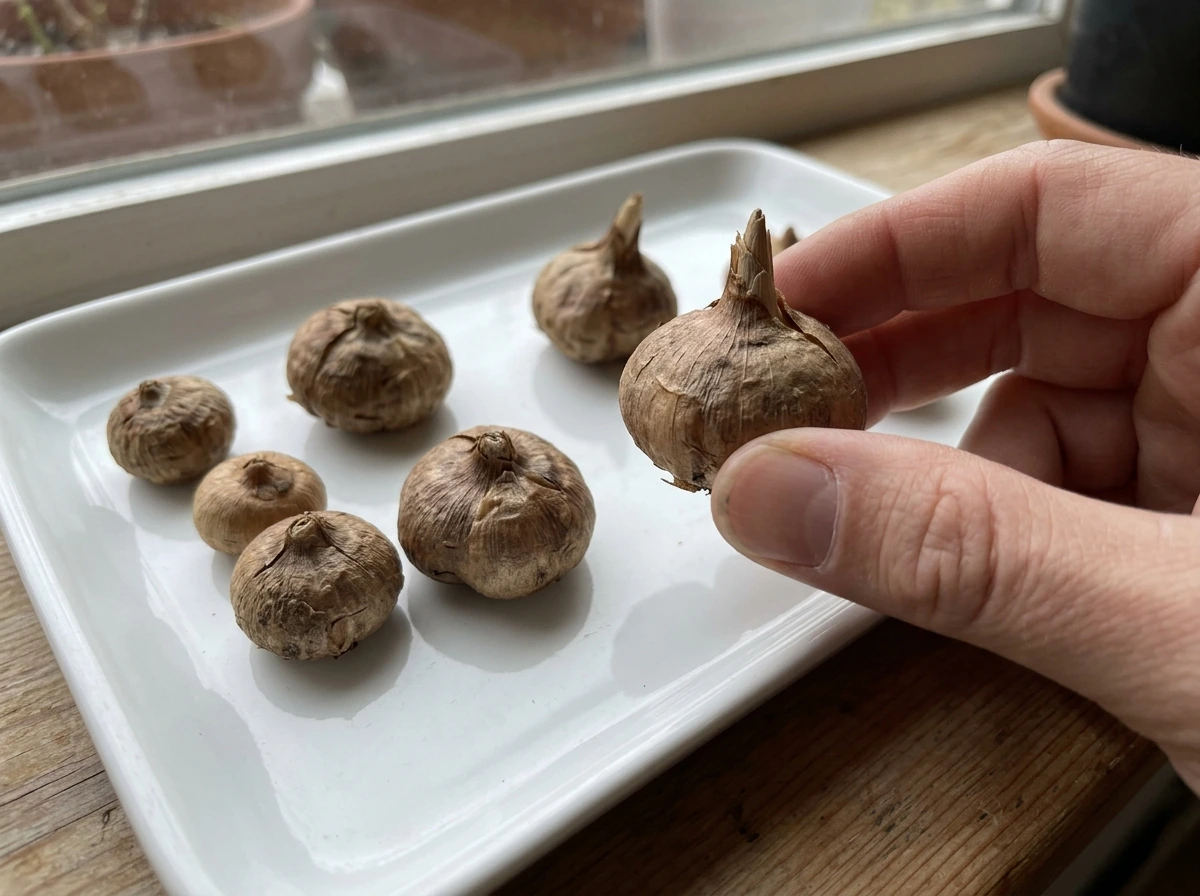
Bigger corms produce more flowers. There's really only one species to grow for edible saffron: Crocus sativus. Don't confuse it with ornamental crocus varieties, which don't produce usable stigmas. Buy from reputable bulb suppliers that specialize in saffron. Several US-based online sources ship in late summer aligned with the planting window, which is what you want. Larger corms (size 9 and above) tend to bloom more reliably in the first season.
In-ground vs. pots: picking the right approach for your microclimate
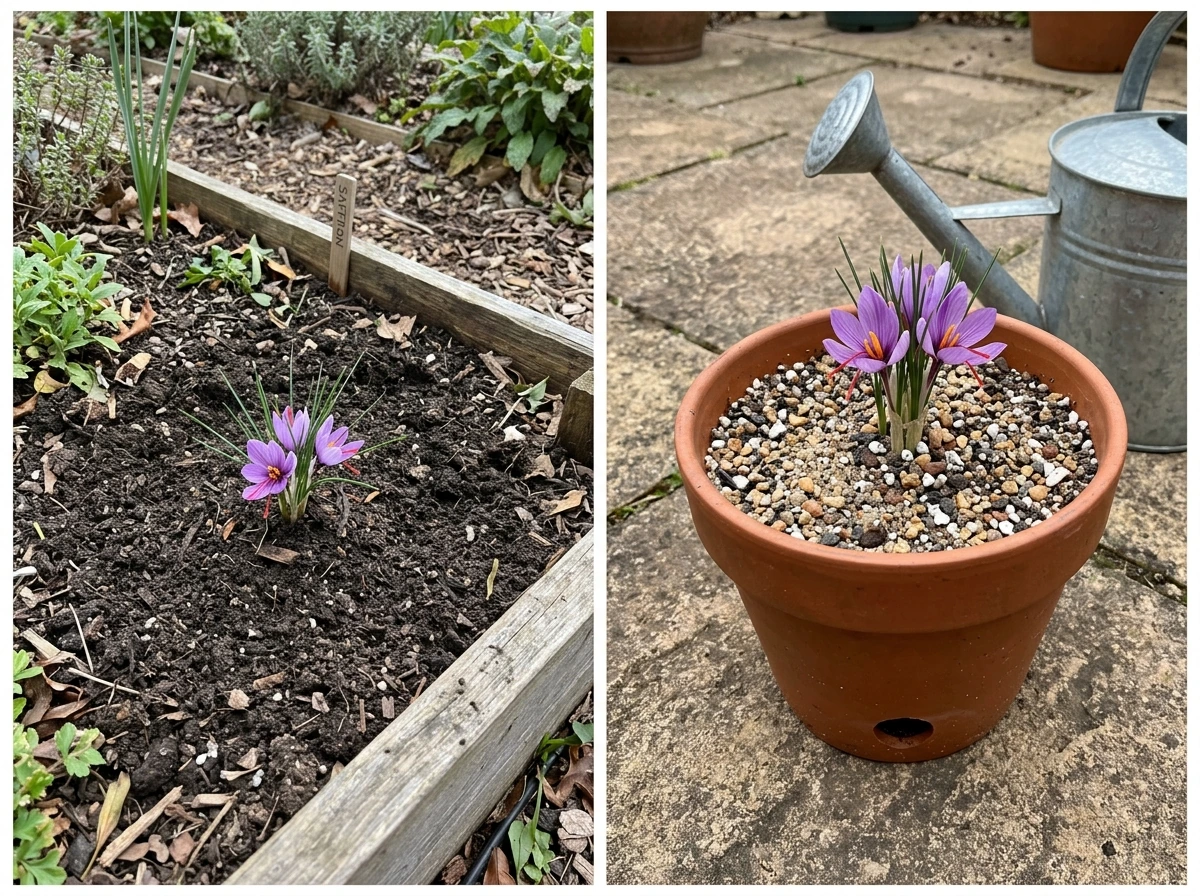
The choice between in-ground and container growing in Colorado mostly comes down to your drainage situation and how wet your winters tend to be.
| Factor | In-Ground | Containers |
|---|
| Best for | Well-drained native soil, raised beds, sloped sites | Heavy clay soil, high-moisture yards, balconies |
| Drainage control | Depends on site/amendment quality | Full control with proper mix |
| Winter cold exposure | Corms naturally insulated by soil depth | Pots freeze faster; may need mulching or shelter |
| Summer heat for dormancy | Passive, soil handles it | Can overheat in direct sun; watch pot temp |
| Long-term corm multiplication | Easier; corms spread naturally | Crowding happens faster; repot every 2–3 years |
| Effort | Lower once established | Higher; requires consistent watering attention |
For most Front Range gardeners with clay-heavy soil, I'd actually recommend starting in containers or raised beds rather than fighting native soil. Use a well-draining potting mix: aim for something with at least 25–30% perlite or coarse sand to keep moisture from pooling. Terracotta pots drain better than plastic and help prevent the overheating that can happen in dark plastic containers during Colorado's intense summer sun. A 12-inch wide, deep pot can comfortably hold 6–8 corms.
For high-elevation gardeners above 7,000 feet, containers give you the option to move plants under a cold frame or unheated garage during the harshest cold snaps, which can make the difference in a Zone 4 winter. Cold frames alone can provide 3–6°F of frost protection, which may be enough to keep potted corms from freezing solid in fall and early winter while they're still establishing.
In-ground growing works beautifully in the right spots: amended raised beds, south-facing slopes, and the warmer western-slope communities where drainage is naturally better. If you're in Grand Junction or Montrose, in-ground is probably your easiest path.
Care through the season and overwintering
Fall: bloom time
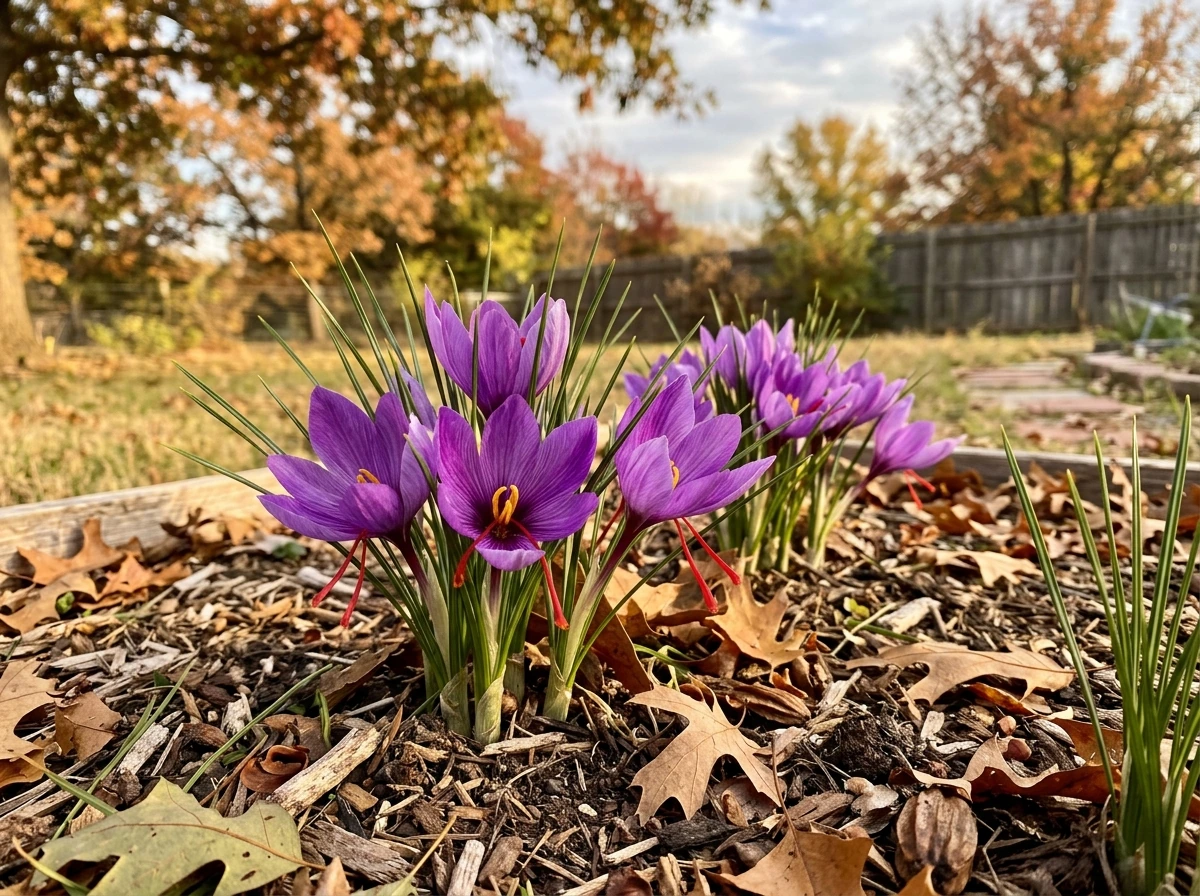
After planting in late August or September, don't expect much above ground for several weeks. Foliage (grass-like leaves) may emerge before or alongside the flowers. Blooms typically appear in October in Colorado, though exact timing shifts by a week or two depending on elevation and local temperatures. Water lightly after planting to help roots establish, then ease off. Saffron crocus does not want supplemental irrigation during its active fall period unless the soil is genuinely bone dry.
Winter dormancy
After blooming, the foliage continues growing through late fall and into early winter before dying back. Leave it alone during this period. The plant is photosynthesizing and rebuilding the corm for next year. Once foliage dies back naturally, the corm is dormant and the plant essentially disappears underground.
In most Colorado in-ground plantings, you can leave corms in the ground over winter. At 4–6 inches depth, they're well within their cold tolerance range (down to about -15°C or 5°F). A layer of mulch (2–3 inches of straw or shredded leaves) over the bed adds extra insulation and is worth doing in exposed high-elevation sites. Research on cold-climate cultivation suggests that snow cover, when it arrives early and stays consistent, actually provides meaningful insulation at the 10 cm depth range. Colorado's snowpack behavior varies by location, so don't count on it exclusively, but it does help.
In wet areas, like low spots with clay soil that stays soggy from snowmelt, consider lifting corms after the foliage dies back and storing them in a cool, dry location until replanting in late summer. This is extra work, but it's much better than losing corms to rot over a wet spring.
Summer dormancy
Summer is when saffron does almost nothing visible but a lot internally. The corms need warm, dry soil to properly set up next year's flowers. Stop irrigating the bed in summer. Seriously. A little drought stress is fine and actually helpful. This is where Colorado's dry climate is your friend. If the bed is in a zone that gets regular irrigation (like a vegetable garden), consider moving corms to a separate, unirrigated area or lifting them for summer storage.
Harvesting saffron: what to do and what to expect
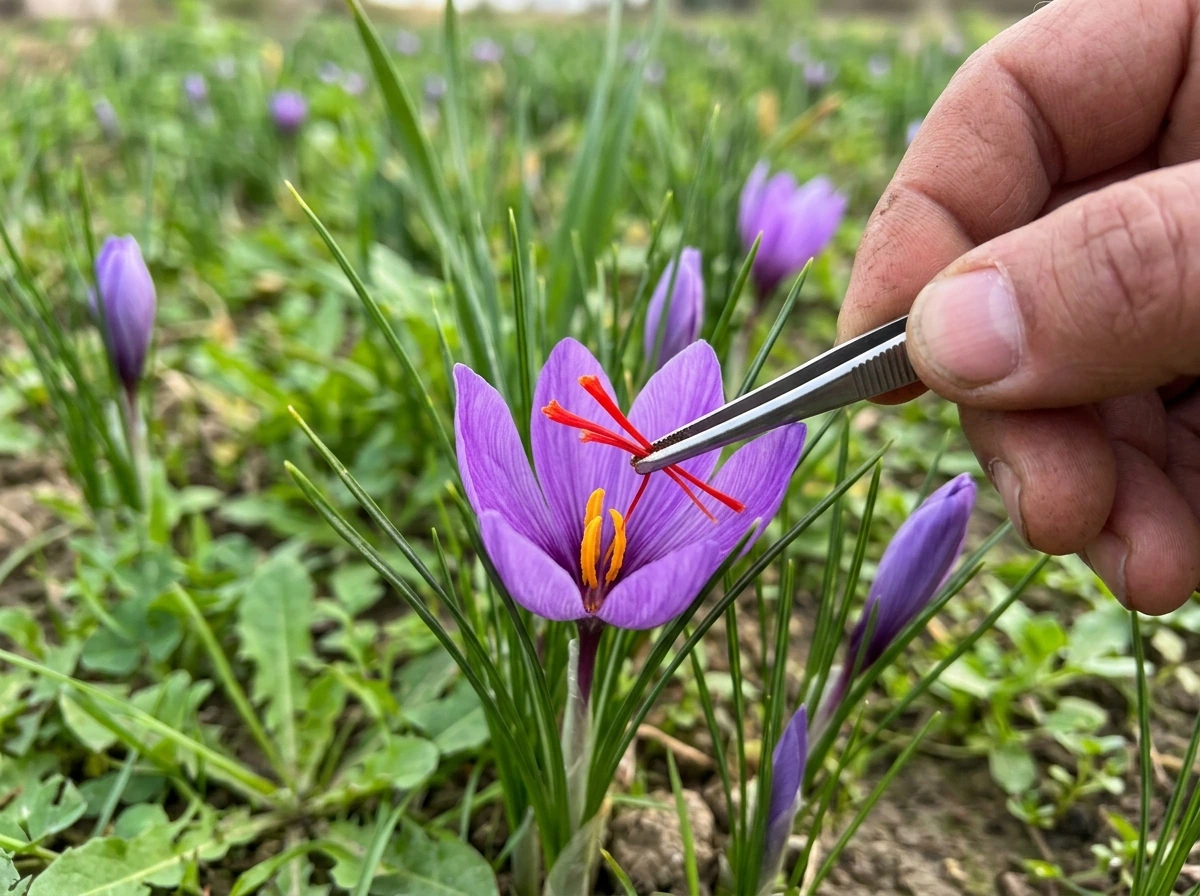
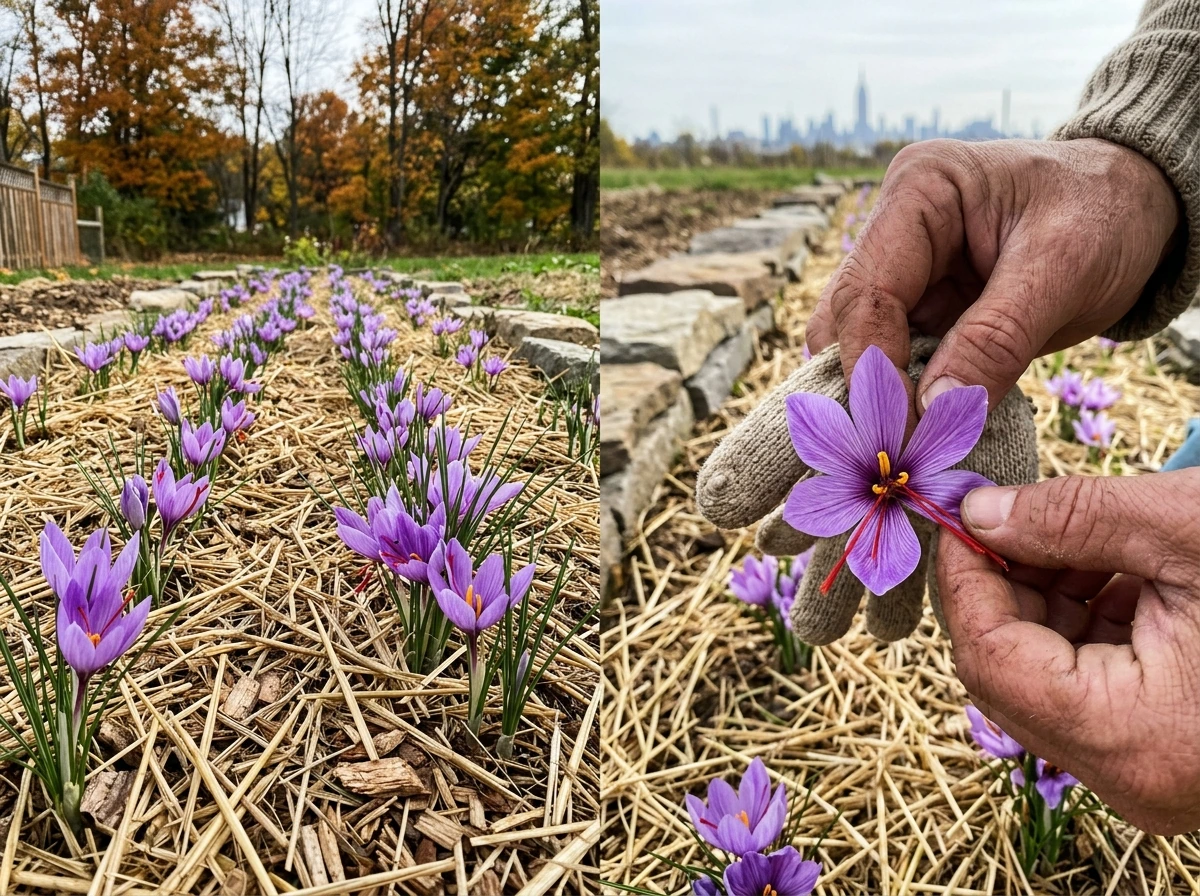
Harvest is simple but requires timing. When flowers open in October, pick them early in the morning before they fully open if possible. Use tweezers or your fingers to pluck out the three deep-red stigmas from the center of each purple flower. Leave the yellow stamens behind. Work the same day flowers open because they fade within a day or two.
Dry the stigmas as soon as possible after harvest. Spread them on a paper towel in a warm, dry spot or use a very low oven (under 150°F) for 15–20 minutes. Once fully dry, store them in a small airtight glass jar away from light. Proper drying matters for flavor quality, not just preservation.
Realistic yield numbers
Here's where I want to be honest with you. Saffron yield from a home plot is small. Each corm produces one to two flowers, sometimes up to four in optimal conditions. Each flower gives you three stigmas. It takes roughly 150 flowers to produce one gram of dried saffron. That means you need about 75–150 corms just to harvest a single gram. A small 4x4 foot raised bed holding around 50–60 corms might yield half a gram to a gram in a good year.
That's not nothing. A gram of quality saffron is worth real money and is enough to flavor several dishes. But you're not going to replace your spice budget with a backyard plot. Think of it as a hobby crop with a satisfying return, not a cost-saving strategy. Over years, corms multiply and yields increase as your patch fills in.
Troubleshooting common Colorado problems
Corm rot
The most common failure. Caused by excess moisture during dormancy, especially summer. If you're losing corms, the fix is almost always drainage. Improve soil structure, stop summer irrigation, or switch to raised beds. If you've had repeated losses in the same spot, move the planting entirely.
No blooms in the first year
Sometimes corms just don't bloom their first fall, especially if they were planted late, stored improperly before shipping, or were smaller-grade corms. This is more frustrating than damaging. The corms are often fine. They'll establish roots over winter and typically bloom in year two. If you planted late (October or later), don't panic. Just manage overwintering carefully and see what happens next fall.
Weak or sparse blooms
This usually points to one of three things: corms that got too much moisture in summer (disrupting flower formation during dormancy), corms that didn't get a proper warm dormancy period (relevant for shaded or north-facing sites), or overcrowded corms that need dividing. If your patch has been in the ground 3–4 years without division, dig up and separate the corms in summer before replanting.
Foliage without flowers
Leaves appear but no blooms show up. This often means the summer dormancy temperature wasn't warm enough to trigger flower formation. North-facing beds or heavily shaded sites in Colorado can be too cool during summer. Move to a sunnier exposure or a south-facing spot where soil warms up properly in July and August.
Frost killing emerging flowers
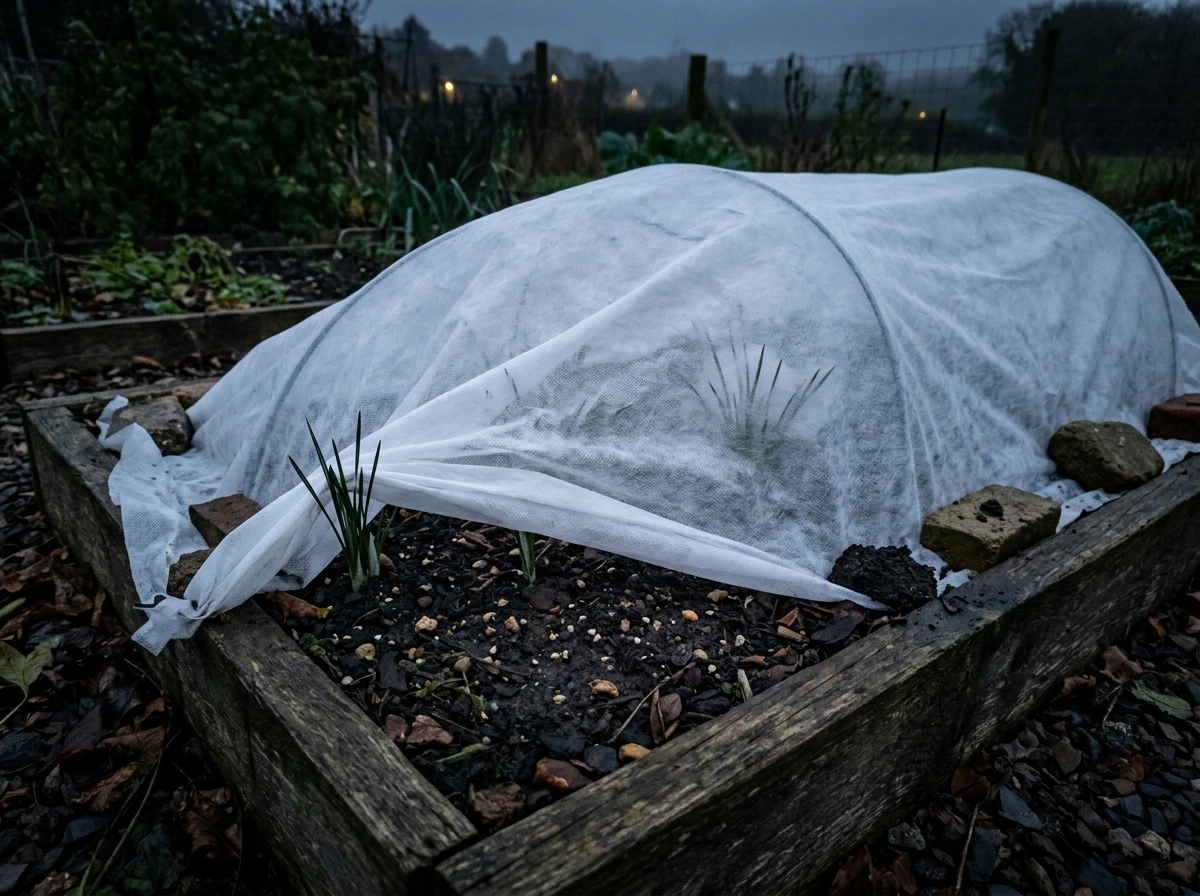
Early hard frosts in September can catch flowers before they open, especially at higher elevations. A simple frost cloth draped over the bed on nights when temperatures drop below 28°F can protect blooms long enough to harvest. This is worth doing since the bloom window is short and missing it costs you the whole season's harvest.
Is it worth trying in Colorado?
Yes, and here's the honest version of why. If you’re wondering specifically about Washington state, the next step is matching saffron to a dry, well-drained summer dormancy and a fall flowering window. Colorado's climate is genuinely well-suited to saffron. Arizona gardeners can also grow saffron, but you'll need to nail the same key conditions: a dry, well-drained summer dormancy and a site that stays warm enough for flowering cycles. The dry summers, cold winters, and fall temperature swing are almost exactly what the plant evolved to handle. You're not fighting the climate the way a gardener in, say, coastal Oregon or humid Pennsylvania might be. If you're wondering about Pennsylvania specifically, you can still grow saffron there, but you'll need to plan around colder winters and wet-spring drainage grow saffron in Pennsylvania. The state's biggest liability is clay soil and local wet spots, both of which are fixable with raised beds or containers.
You should try it if you have a well-drained, sunny spot (or are willing to build one), you enjoy the process as much as the output, and you're patient enough to let the planting fill in over 2–3 seasons. If you're in Oklahoma, the key questions are whether you can match that dry, well-drained summer dormancy and provide the right fall bloom timing grow saffron. You should wait if your yard has serious drainage problems you're not ready to address, or if you're expecting a significant culinary harvest from a handful of corms right away. In California, the biggest question is usually whether you can provide that same well-drained, dry dormant period during summer serious drainage problems.
Start small. Plant 25–50 corms in a well-prepped raised bed or large containers this August or September. See how they overwinter and whether they bloom in October. Most Colorado gardeners who get the drainage right are surprised at how low-maintenance saffron actually is once established. It's one of those plants that rewards a little upfront preparation with years of reliable return.