
Yes, you can can you grow saffron in the us.
Can You Grow Saffron in Oklahoma? A Practical Guide

Marcus Petersen
24 Mar 2026
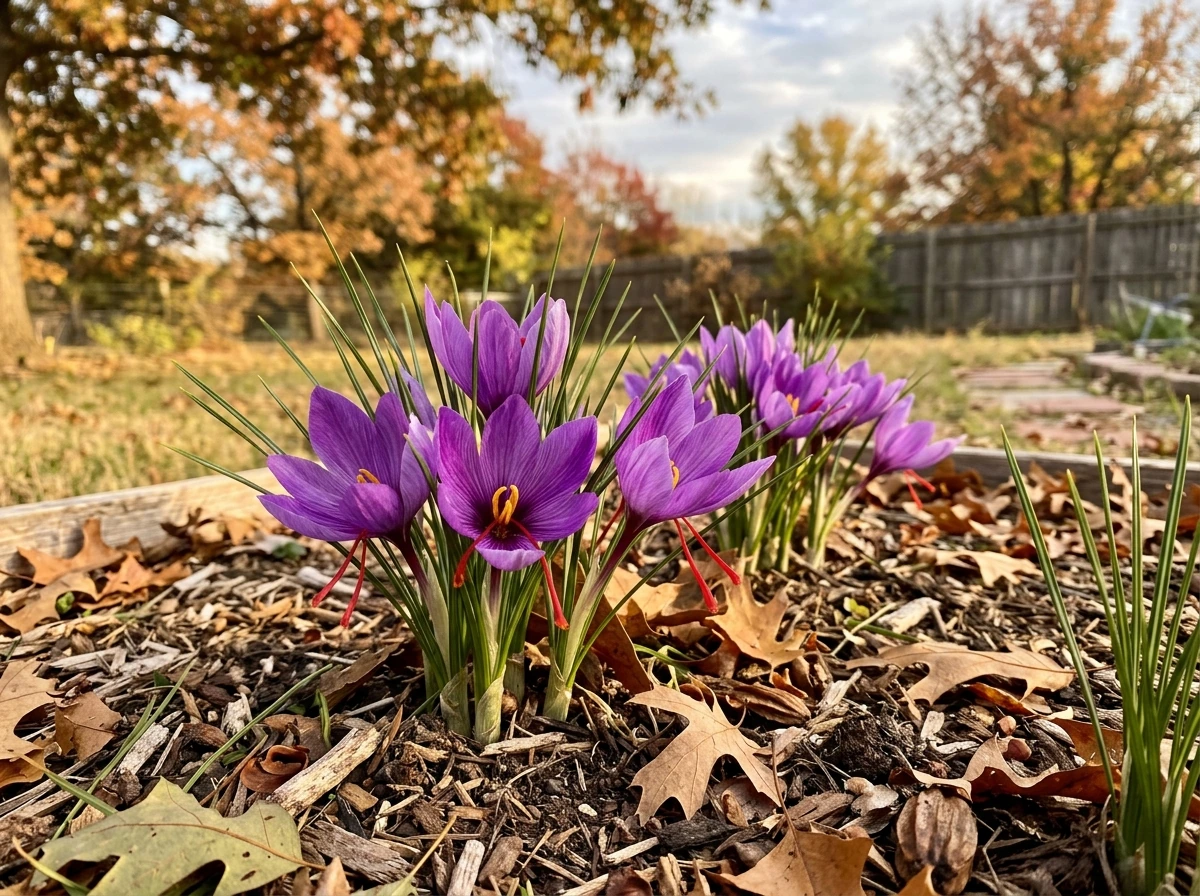
Oklahoma's climate reality for saffron
blank" rel="noopener noreferrer">Oklahoma spans five USDA hardiness zones: 6a, 6b, 7a, 7b, and 8a. That is a wider range than most people expect from a single state, and it matters a lot for saffron. The Panhandle sits in Zone 6a, where winters are genuinely cold and hard. USDA also provides official downloads of the blank" rel="noopener noreferrer">Plant Hardiness Zone Map, which can help you reference Oklahoma location-based hardiness zones when planning where to grow. The Tulsa metro area is mostly Zone 7a, with some surrounding areas dipping into Zone 6b where winter minimums can occasionally hit around -10°F. Southeastern Oklahoma, near the Kiamichi Mountains, is Zone 7b. The far southern border near the Red River creeps into Zone 8a territory.
Saffron crocus corms are cold-hardy to roughly Zone 6, so the majority of Oklahoma is within the survivable range. The bigger challenge in Oklahoma is not cold, it is actually summer. Saffron needs a true summer dormancy with hot, dry conditions to rest and recharge the corm. Oklahoma's brutal June through August heat (regularly 95°F to 105°F) actually serves this purpose well, provided the soil is not staying wet.
The flip side of Oklahoma's climate is its unpredictability: late freezes in April, ice storms in February, and drought that can snap to flooding. None of that kills saffron outright, but it does mean you need to plant smartly and not just toss corms in the ground and hope. If you're wondering can you grow saffron in Oregon, the key is matching cold exposure and making sure summer dormancy stays hot and dry.
The sweet spot for growing saffron in Oklahoma is the central and northeastern parts of the state (Zones 6b and 7a). Gardeners in the southeastern corner and near the Red River (Zone 7b and 8a) will find the winters sometimes do not get cold enough to fully satisfy the corm's chill requirement, which can reduce bloom counts. Panhandle growers face the coldest winters and should use a mulch layer for protection. For most Oklahomans, though, this is a genuinely workable crop.
Choosing the right saffron bulb/grade and where to source
There is only one species that produces saffron: Crocus sativus. You cannot substitute other crocus varieties and expect to harvest usable spice. When you are shopping for corms (they are technically corms, not bulbs, though most sellers use the terms interchangeably), the single most important factor is size. Bigger corms produce more flowers and stronger offsets. Look for corms graded at 8 cm circumference or larger. The 9 cm and 10 cm grades are worth the extra cost for a first planting because you will get more blooms in year one and a healthier start for the colony overall.
Source your corms from reputable specialty bulb suppliers rather than general garden centers. Most big-box stores do not carry Crocus sativus at all, and when they do, the corms tend to be small and poorly stored. Specialty suppliers in the Netherlands and a growing number of domestic U. S.
growers (particularly in the Pacific Northwest and the Northeast) ship corms ready for fall planting. If you are trying to grow saffron in New York, start by sourcing corms from a supplier that ships for fall planting the Northeast. Order in summer to secure stock by August or September, since quality corms sell out fast. Avoid any corm that feels soft, has visible mold, or shows signs of shriveling.
A healthy corm is firm, dry, and has the papery tunic intact.
How to plant saffron in Oklahoma (site, soil, timing, spacing)
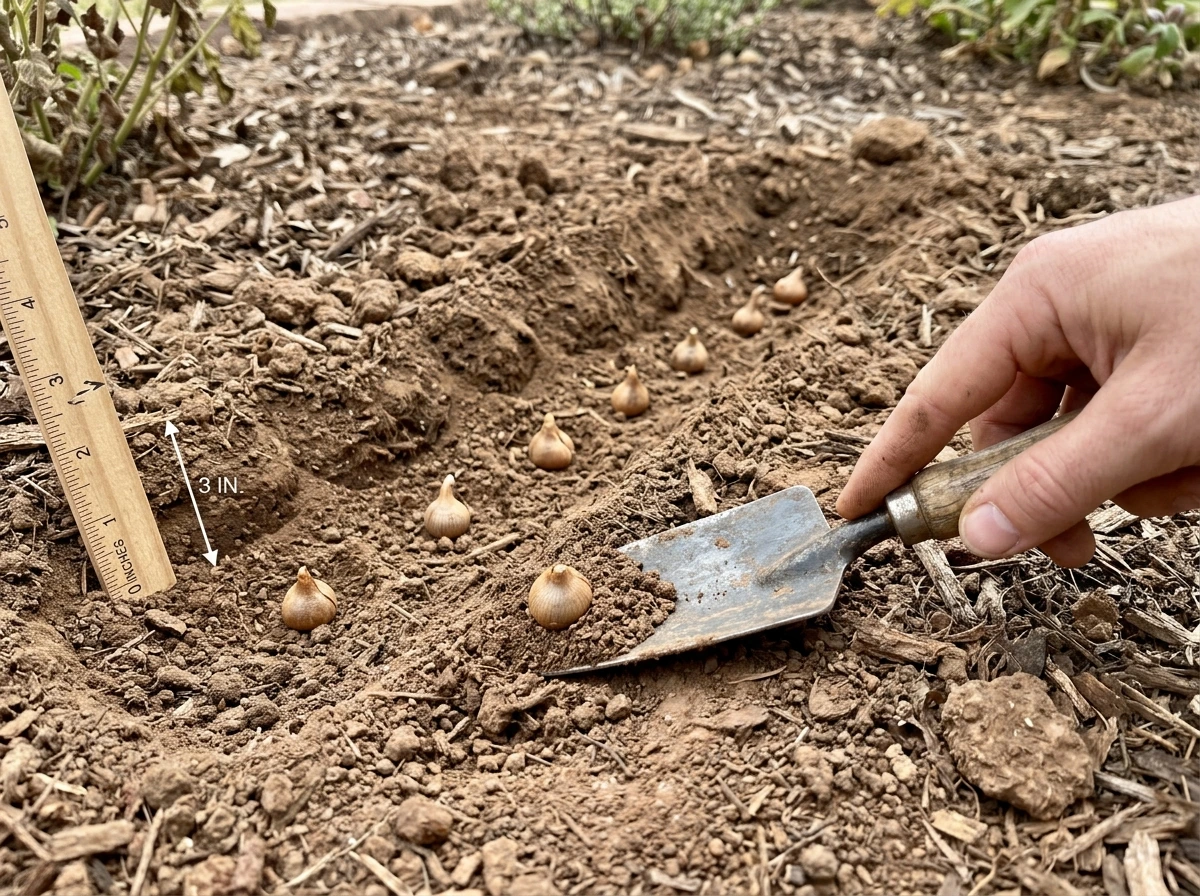
Picking your site
Full sun is non-negotiable. Saffron crocus needs at least six hours of direct sunlight daily, and in Oklahoma's climate, a south or west-facing bed is ideal. Avoid spots near downspouts, low-lying areas that pool after rain, or beds close to large tree roots that compete for moisture and nutrients. A raised bed or a slight slope is a real advantage in Oklahoma because both improve the drainage that saffron depends on.
Soil preparation
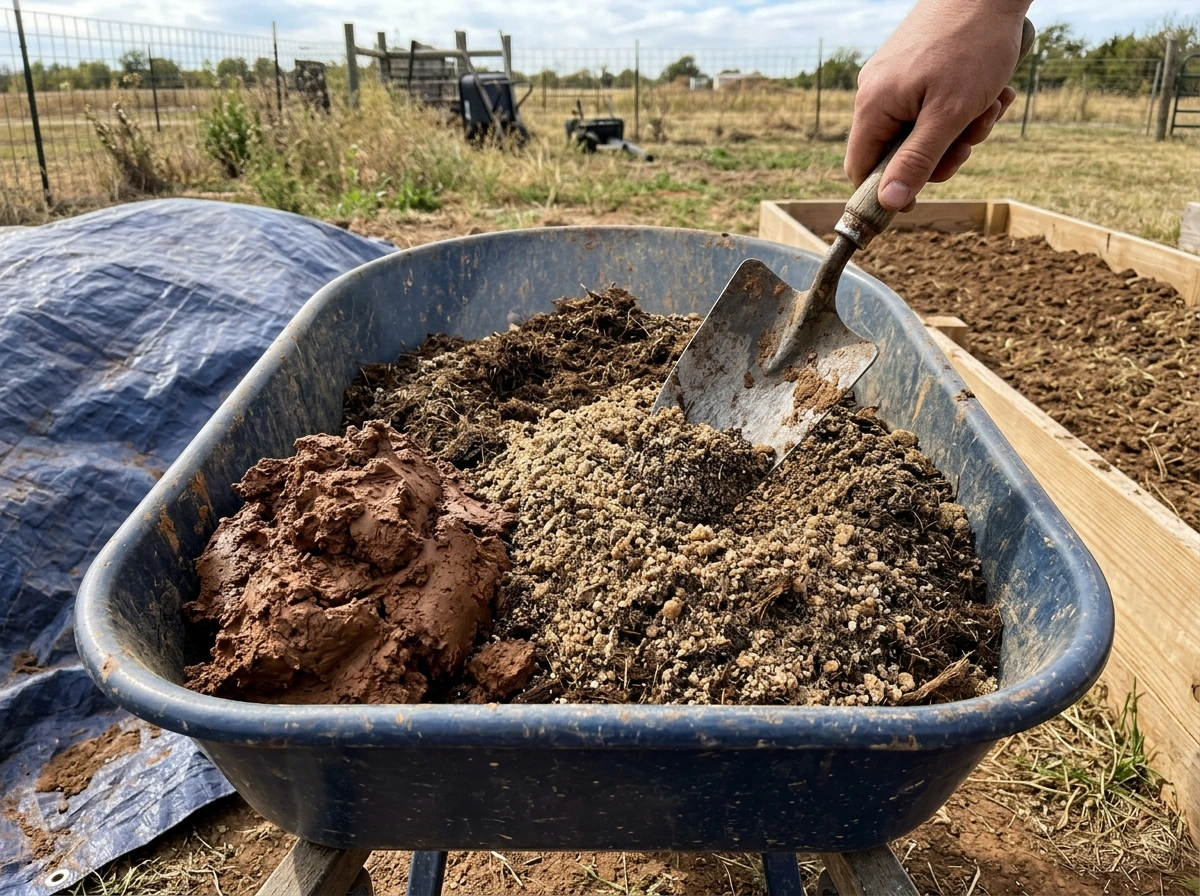
Oklahoma soils range from sandy loam in the west to heavy red clay in the central and eastern parts of the state. Clay soil is the enemy of saffron corms. Wet, compacted clay causes rot during the rainy spring season and during winter precipitation, which is the number one reason Oklahoma gardeners fail with this crop. If your native soil is clay-heavy, you need to amend aggressively before planting. Work in at least 4 inches of coarse sand and 3 to 4 inches of compost to improve drainage and structure. Target a soil pH between 6.0 and 8.0, with 6.5 to 7.5 being ideal. Most Oklahoma soils are naturally in this range, so pH is rarely the problem.
Timing and planting technique
Plant saffron corms in late summer to early fall. In central and northeastern Oklahoma (Zones 6b and 7a), the target window is mid-August through mid-September. Waiting until October risks late establishment before the first frost. In warmer southern zones (7b and 8a), you can push into late September or early October since winters arrive later. Plant the corms with the pointed end up at a depth of 3 to 4 inches from the top of the corm to the soil surface. Space them 4 to 6 inches apart in all directions. Closer spacing (4 inches) fills in faster and can increase bloom density in the first couple of years.
Care during the growing cycle (watering, sun, pests, weeds)
Saffron crocus has a quirky growing calendar that is the opposite of most garden plants. The corms bloom in October and November, produce foliage through winter and early spring, then go completely dormant by late May or early June. Understanding this cycle is key to caring for them correctly.
Watering
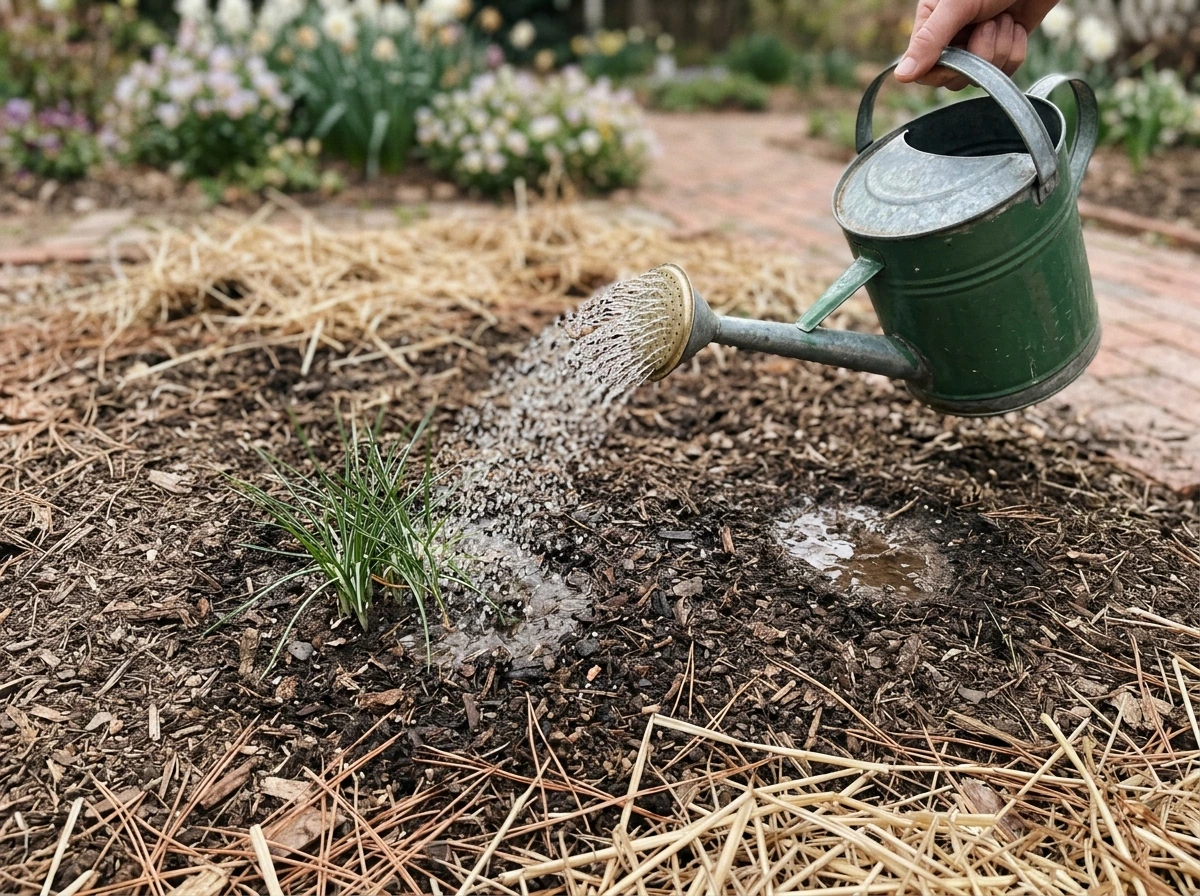
Water lightly after planting to help the corms establish, but do not keep the soil constantly moist. Oklahoma often gets enough fall and winter rainfall to carry the plants without much supplemental irrigation. The foliage period (roughly November through April) is when the plants are actively photosynthesizing and building up the corm for next year, so modest, consistent moisture during this window is beneficial. Once foliage yellows and dies back in late spring, stop watering almost entirely. The summer dormancy period needs to be dry. This is where Oklahoma's hot, dry summers are actually an asset: the soil bakes and the corms rest exactly as they should.
Mulch and weed management
A light layer of straw or pine needle mulch (1 to 2 inches) applied after planting helps moderate soil temperature fluctuations during Oklahoma's unpredictable fall and winter. Avoid thick mulch layers that can hold excess moisture against the corms. Weeds are a genuine management issue because saffron foliage is thin and grass-like, making it easy for opportunistic weeds to muscle in during the fall and spring growing windows. Hand-weed carefully around the corms rather than using a hoe, which can slice through developing corms and offsets.
Pests
Squirrels and voles are the biggest pest threats in most Oklahoma gardens. Both animals will dig up and eat crocus corms. Covering freshly planted beds with wire mesh (hardware cloth with a 1/4-inch grid) laid flat and staked down discourages digging. Aphids occasionally attack the foliage in spring, but they rarely cause serious damage and can be knocked off with a strong jet of water. Deer can browse the flowers in rural Oklahoma areas, so a temporary fence around the bloom bed in October and November is worth considering if deer pressure is high in your location.
Harvesting saffron and getting usable yields
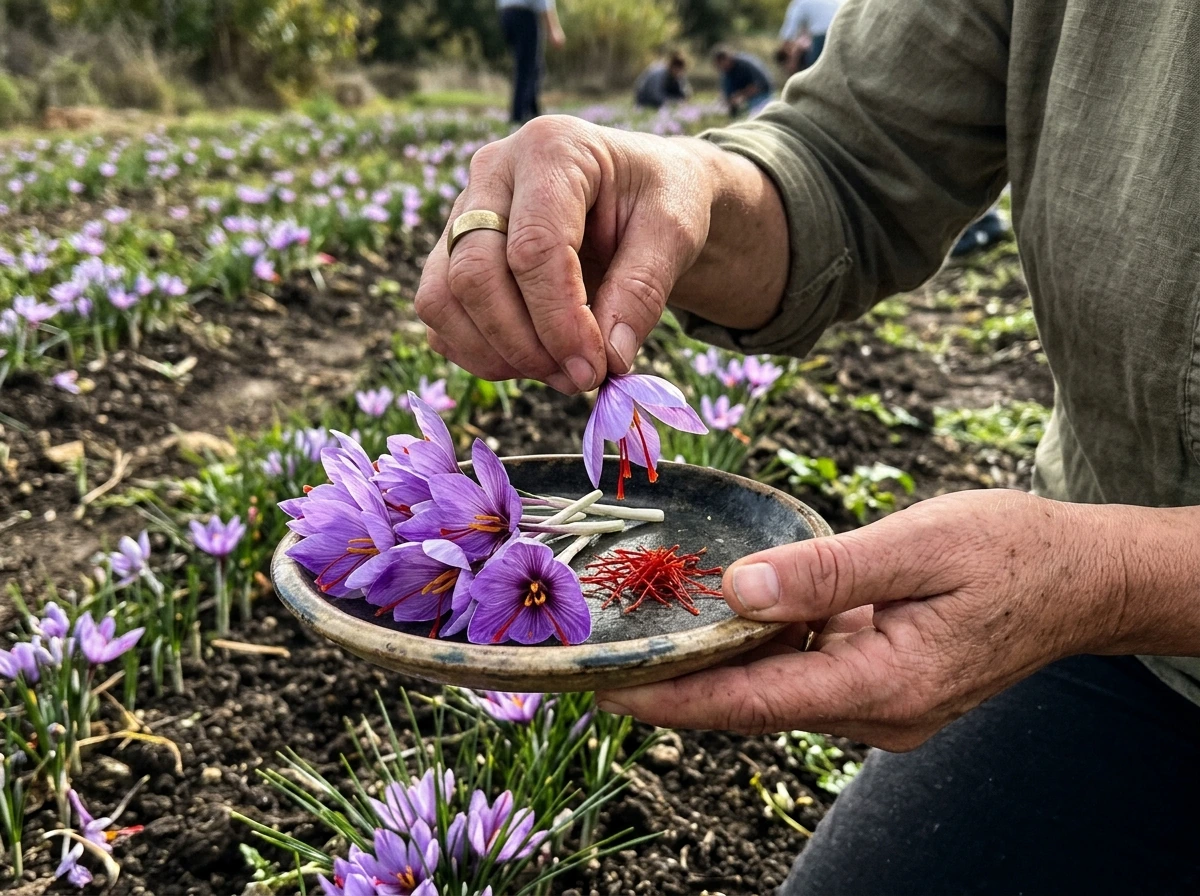
The flowers emerge in October and sometimes into early November, depending on your zone and the season. Each flower contains three red stigmas, which are the saffron. Pick flowers in the morning, as soon as they open, before the heat of the day sets in. Do not wait for the petals to start wilting. The stigmas should be bright red and dry-looking at the tips.
To harvest, pluck the entire flower and then pinch out the three red stigmas (the style and the paler yellow stamens are not used). Spread the stigmas on a paper towel or a small drying screen in a warm, dry, well-ventilated spot out of direct sun. They dry completely within two to three days and should feel papery and slightly crispy when done. Store dried saffron in a small airtight glass jar away from light and heat. It retains potency for about two to three years.
Yield expectations as a hobby grower need to be realistic. You need roughly 150 to 200 flowers to produce a single gram of dried saffron. That means 50 corms planted in year one might give you 50 to 100 flowers if conditions are good, which is well under a gram. The colony expands over time as each corm produces offsets, so by year three or four you could have two to three times as many corms as you started with. Most home gardeners treat their first season's harvest as a bonus and think of the first two years as establishment. By year four or five, a well-maintained bed starts to feel like a real spice garden.
Container vs in-ground growing in Oklahoma
Both approaches work in Oklahoma, but they suit different situations. Here is how they compare:
| Factor | In-Ground | Container |
|---|---|---|
| Drainage control | Depends on native soil; clay requires significant amendment | Easy to control with a well-draining potting mix |
| Summer dormancy management | Natural dry-out in most of Oklahoma; works well in west/central areas | Easier to move to a dry, protected spot during summer |
| Winter hardiness | Good in Zones 6b–7a; mulch needed in Panhandle | Pots can freeze through; need protection below 15°F |
| Corm multiplication | Strong; colony expands naturally each year | More limited; repot and divide every 2–3 years |
| Yield potential over time | Higher long-term as colony expands | Lower unless you keep upsizing pots |
| Maintenance effort | Lower once established | Higher; must monitor watering and move seasonally |
| Best for | Gardeners with good drainage or amended beds | Zone 8a gardeners, renters, or heavy clay situations |
My honest recommendation for most Oklahoma gardeners is to start in-ground if you can amend your soil properly. The long-term payoff in corm multiplication and reduced maintenance outweighs the initial soil prep effort. Use containers if your drainage situation is genuinely unworkable, if you are in Zone 8a and want the option to chill corms artificially in a cool garage in late summer, or if you simply cannot commit to a permanent bed.
For container growing, use a terracotta pot at least 12 inches wide and 10 inches deep. Fill it with a mix of 50 percent potting soil and 50 percent coarse perlite or grit. Water sparingly, let the pot dry thoroughly between waterings, and move it to a covered area (porch, shed, or garage) during summer to replicate dormancy conditions.
Common failures and troubleshooting (rot, weak corms, cold damage)
Corm rot
This is the most common failure I see Oklahoma gardeners run into, and it comes down almost entirely to drainage. Heavy clay soils in central and eastern Oklahoma hold water for days after rain, and corms sitting in saturated soil develop fungal rot fast. The fix is soil amendment before planting, not after. If you are already dealing with rotted corms mid-season, dig them up, cut away any soft or discolored tissue, dust the cut surfaces with powdered sulfur or a fungicide like captan, let them air dry for a day, and replant into better-draining soil. Prevention is far easier than rescue.
Weak or non-blooming corms
If you planted but got very few flowers or none at all, the most likely culprits are: corms that were too small to begin with, planting too late in the season, or insufficient summer dormancy due to overwatering. Small corms (under 7 cm) often do not bloom in their first year; they spend that season building up. Give them another full cycle before giving up. If you watered through summer, the corms may not have gotten the rest they needed. Skip irrigation entirely from June through August next year.
Cold damage in the Panhandle and Zone 6a areas
Saffron corms can handle cold down to roughly Zone 6, but a sudden hard freeze in November while flowers are emerging can damage blooms. If you are wondering can you grow saffron in Washington state, note that the key issue is still getting reliable cold and avoiding bloom-damaging freezes, so the same frost-protection approach matters. This is not a corm-killer, it just wipes out the current season's harvest for affected flowers.
To protect blooms during a surprise cold snap, drape a lightweight frost cloth over the bed overnight and remove it in the morning. In the Panhandle (Zone 6a), apply a 3-inch straw mulch layer after planting and leave it in place through the winter to insulate corms from the most extreme temperature swings.
Poor performance in Zone 8a (southeastern Oklahoma and Red River areas)
Saffron crocus needs adequate winter chill to bloom well. In the warmer parts of the state, winters can be mild enough that corms do not get sufficient cold exposure. If you are gardening in Zone 7b or 8a and noticing thin bloom counts year after year, consider digging and storing corms in a mesh bag in the refrigerator (not the freezer) for six to eight weeks in late summer before replanting in fall. Keep them away from ripening fruit in the fridge, which releases ethylene gas that can damage corms. This artificial chilling can meaningfully improve bloom performance in marginal climates.
If you are also researching how saffron performs in neighboring states or different regional climates, the dynamics in places like Colorado or Arizona share some similarities with parts of Oklahoma but involve their own distinct challenges around altitude, aridity, and zone variation, which are worth exploring separately. If you're considering California, you will run into similar questions about zone, chill requirements, and summer dryness, but the exact approach can differ by region can you grow saffron in california. can you grow saffron in washington state In similar Pacific Northwest conditions, you can often adapt the same drainage and dormancy principles when asking can you grow saffron in oregon.
Bottom line: saffron is worth attempting in Oklahoma if you are willing to do the soil work upfront and commit to understanding its unusual growing calendar. If you are wondering whether the same approach works in Pennsylvania, check out can you grow saffron in Pennsylvania for the climate and timing considerations there. It is not the easiest specialty crop, but it is far from the hardest either.
If you are comparing other parts of the country too, this overview of can you grow saffron in the US can help you judge where the climate fits best. Get the drainage right, plant large corms in August or September, stay hands-off in summer, and you will have purple flowers and red stigmas to harvest by your first October.
Give the colony three to four years to build, and you will have a genuinely productive saffron patch that most of your gardening friends will not believe you grew in the middle of the country.
FAQ
In Oklahoma, can I grow saffron in the same spot year after year, or should I dig it up?
Yes, but only if you can keep the corms completely dry during dormancy. In-ground saffron normally rests in hot, dry summer soil, so if your area gets humid or rainy in June through August, you must improve drainage (raised bed and coarse sand) and consider covering the bed with a temporary rain shelter to prevent rot.
How long should saffron stay in one bed before I thin or replant?
Typically you leave it alone and let it multiply. Avoid disturbing the colony for at least 3 years, because frequent digging interrupts corm offsets and reduces blooms the following fall. If you must thin, do it right after foliage dies back (late May to early June).
What fertilizer should I use for saffron in Oklahoma?
You generally should not. Fertilizing a saffron patch is less important than keeping the corms dry in summer and draining water in spring. If you want to add nutrients, top-dress lightly with compost in early fall before flowering starts, but skip heavy nitrogen (it can push leafy growth at the expense of flowers).
How do I know when to water saffron if Oklahoma’s rainfall is unpredictable?
The easiest way is to look at the soil, not the calendar. After planting, water just enough to settle soil. During the foliage period, water lightly only if the top few inches dry out. In summer dormancy (late May through August), stop irrigation entirely and rely on baked-in dryness.
What drainage check can I do before planting saffron corms?
Avoid planting where the soil stays wet even for short periods. If puddles form after rain or your feet sink slightly, that location will likely cause rot. A quick test is to dig a small hole, fill it with water, and check drainage after 2 to 4 hours, if water is still present that day, choose a different site or build a raised mound.
If I cover saffron with frost cloth, how should I use it during a cold snap?
Use frosted cloth for short, unexpected freezes while blooms are out, but do not leave it on for days. Remove it in the morning to prevent trapping moisture, which can increase fungal issues. For the Panhandle, your thicker straw mulch is for winter insulation, not for daily bloom protection.
If my saffron didn’t bloom, should I blame the climate or the corms?
Thin bloom or no bloom in year one is often normal, especially with corms under about 7 cm circumference. The more reliable “restart” is to keep ideal drainage and dormancy next season, then reassess after a full cycle. If blooms are still absent after year two or three, re-check corm size, planting depth, and whether summer watering kept soil too moist.
What container setup prevents the most common saffron failures in Oklahoma?
For containers, the big mistake is a pot that stays wet or overheats. Ensure at least one drainage hole (preferably more), use the coarse perlite or grit mix, and let the pot dry thoroughly between waterings during the foliage period. In Oklahoma summer, keep the container under cover to block rain so you maintain true dormancy.
Next Articles
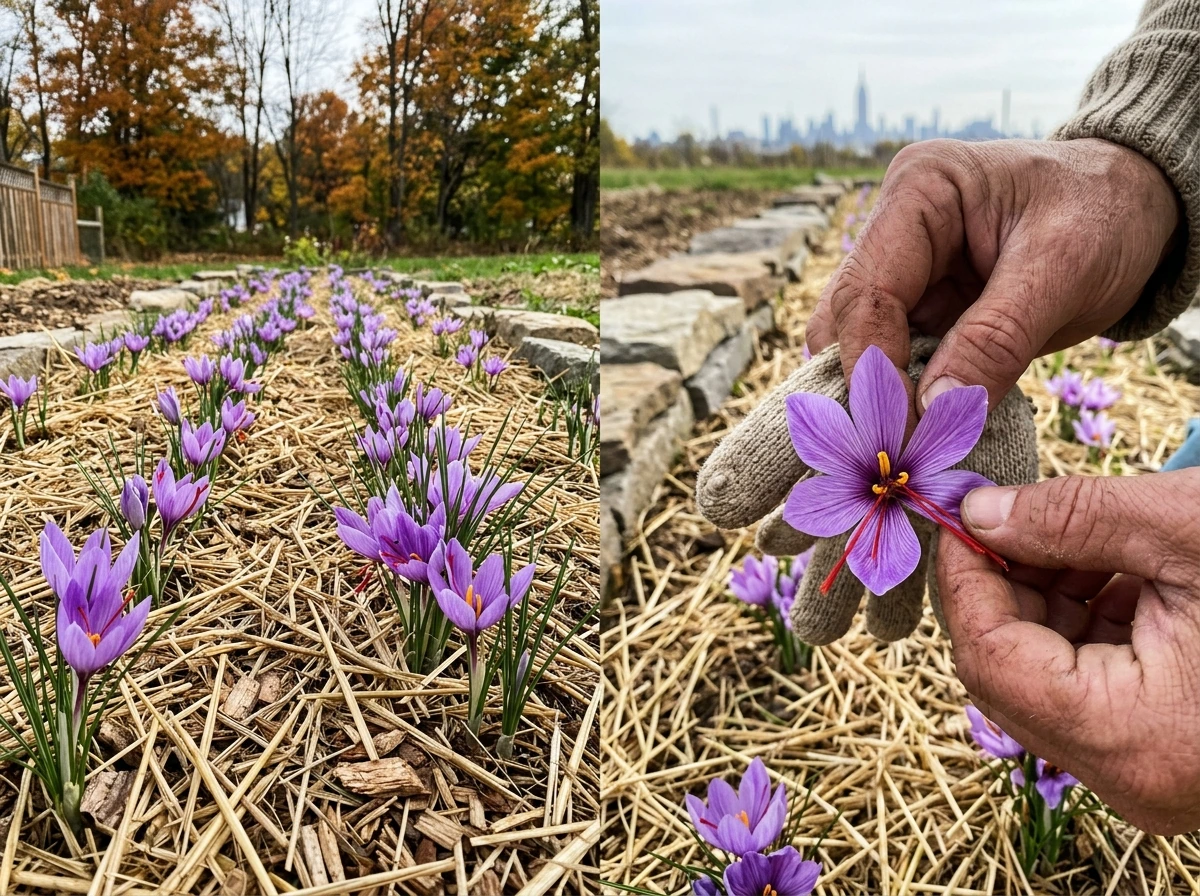
Can You Grow Saffron in NY? Planting Tips and Winter Care
Find out if you can grow saffron in NY, with planting timing, soil and drainage tips, winter protection, and harvest adv
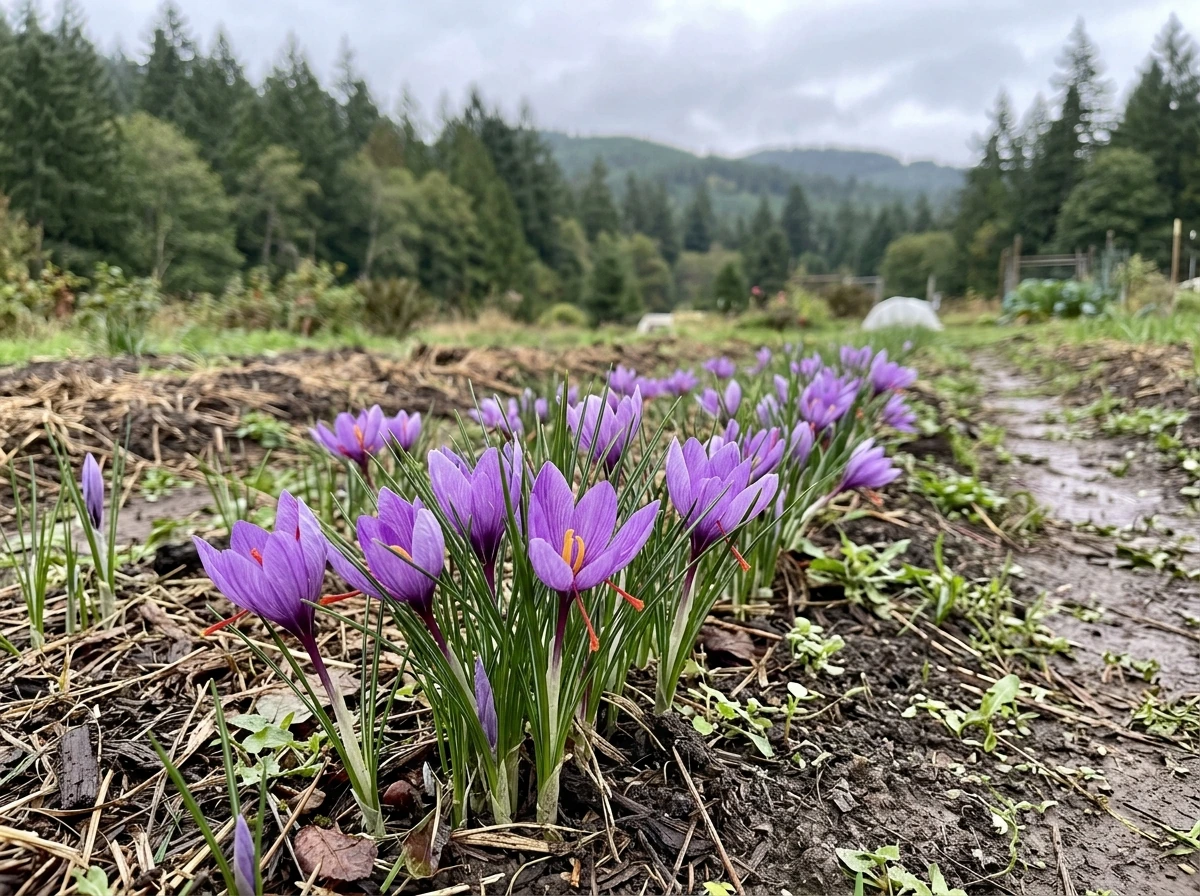
Can You Grow Saffron in Washington State? How-To Guide
Learn if saffron can grow in Washington, plus planting, drainage, timing, and troubleshooting for blooms and rot prevent
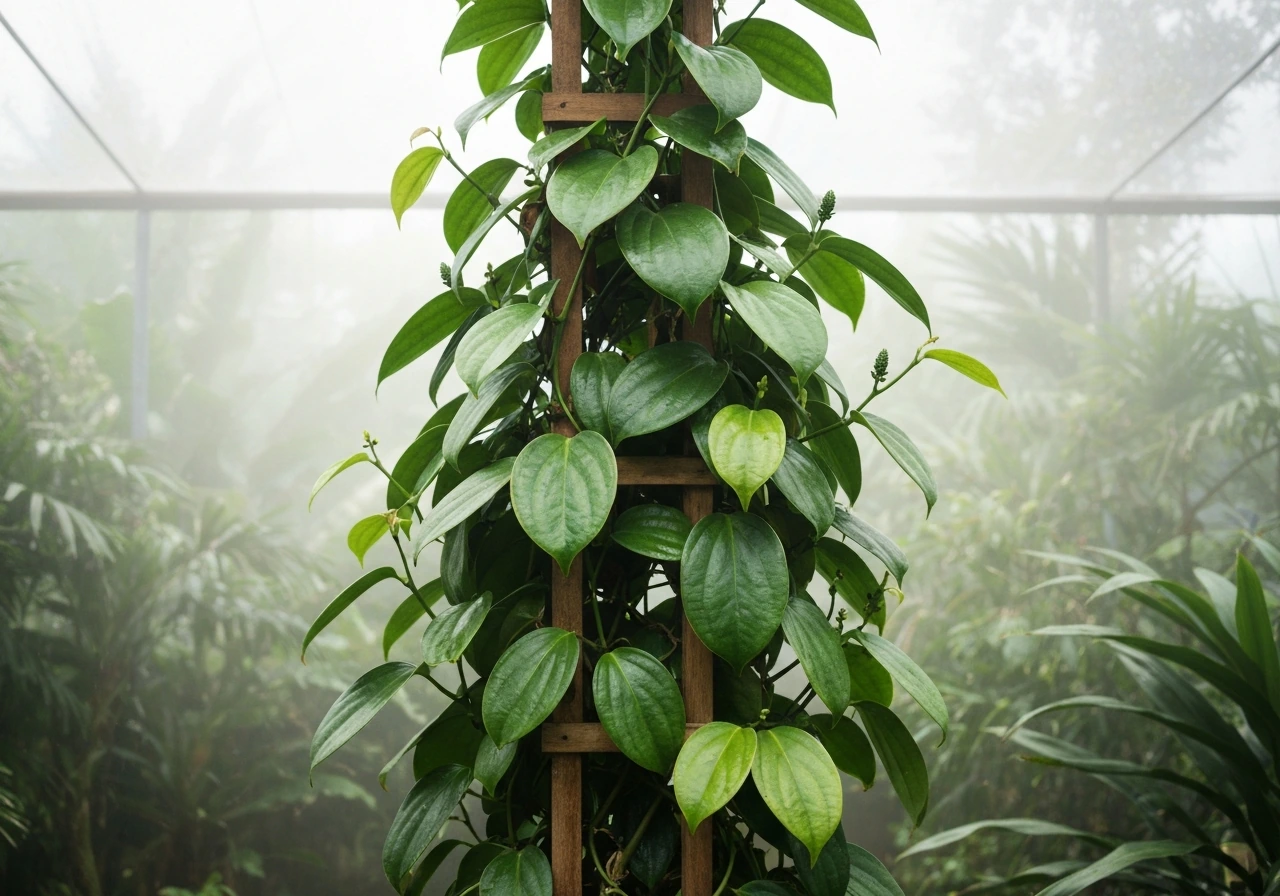
Can You Grow Black Pepper in the US Where and How
Learn where black pepper can be grown in the US and how to grow it indoors or in warm zones for fruit.