If you're in coastal or inland Southern California, you're working against at least one major hurdle, and you'll need to compensate for it intentionally. The good news is that saffron cultivation has happened in California, and with the right approach, a home gardener can pull it off almost anywhere in the state.
Southern California is the tricky part, here's why
Saffron crocus blooms in fall, then goes completely dormant through the summer heat. That dormancy period and the temperature cycling that leads into it are what trigger the plant to flower. Southern California's two main problems are mild winters and hot, sometimes humid summers. In places like Los Angeles, San Diego, the Inland Empire, and the low desert, winter temperatures often stay too warm to give corms the cold signal they need, and summer heat can be intense enough to stress or rot corms that aren't fully dormant.
Southern California's coastal zones (think Santa Monica, La Jolla, Ventura) have the opposite problem: winters that are too mild rather than too cold. The warm-cold-warm temperature cycle that Crocus sativus depends on for flower initiation simply doesn't happen clearly enough in these areas. Inland Southern California locations like Riverside or the San Fernando Valley get colder winters than the coast, so they're a step closer to workable, but summer heat there is a real threat to corms sitting in the ground. This doesn't mean don't try, but it does mean you'll need to be strategic. More on that in the troubleshooting section below.
What saffron actually needs to thrive
Before you dig a single hole, it helps to understand what this plant is actually asking for. Saffron crocus is a geophyte, meaning it lives from a corm (like a bulb) and has a defined annual cycle of growth, bloom, and dormancy. Get that cycle right and the plant is surprisingly low maintenance. Get it wrong and you'll end up with corms that rot, fail to bloom, or just sit there doing nothing.
Chilling and temperature cycling
Saffron needs a warm-cold-warm cycle to trigger flowering. The corms need to experience real autumn cooling after their summer dormancy ends, which is what signals them to send up blooms. This is why Vermont growers see flowers in mid-October through mid-November, and why Southern California coastal zones struggle: the temperature drop just isn't sharp enough or consistent enough to reliably flip that switch. You don't need brutal cold, but you do need genuine seasonal temperature swings.
Drainage is non-negotiable
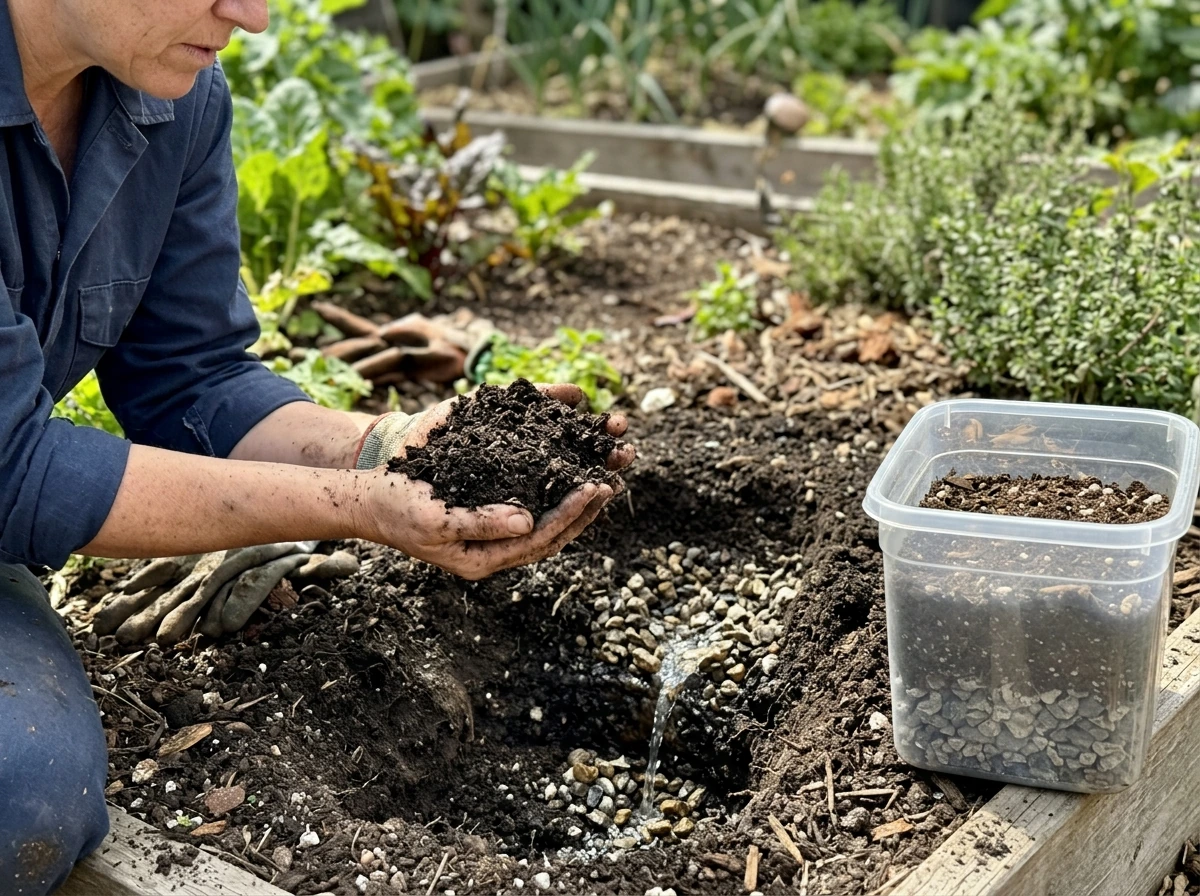
If there's one thing that kills saffron faster than anything else, it's wet soil. Saffron demands blank" rel="noopener noreferrer">well-drained soil, full stop. Sitting in moisture during dormancy (summer) or in cold wet soil during winter will rot corms quickly. Soil pH should sit between 6. A peer-reviewed MDPI Plants study links saffron performance to soil-property constraints and reports that soil pH spans roughly about 6.3 to 8.3 across cultivation contexts blank" rel="noopener noreferrer">soil pH should sit between 6.0 and 7.0. 0 and 7.0 for best results. Heavy clay, compacted soil, or anything that holds water after rain is a problem you need to solve before planting, not after.
Full sun
Saffron wants full sun during its active growing and blooming period. Flower number per corm is directly tied to sun exposure at bloom time, so shady spots will give you fewer threads. In Southern California, afternoon shade during summer is fine and even helpful for protecting dormant corms from extreme heat, but the fall blooming window needs full sun.
Summer dormancy
From roughly late June through late September, saffron corms are dormant and don't want water. This is the phase most California gardeners accidentally destroy. You get into summer irrigation habits, water the bed out of routine, and the corms rot. During dormancy, the goal is dry and warm. If your garden has an automatic irrigation system running through summer, saffron beds need to be on a separate zone that gets turned off completely.
How to plant saffron in California, step by step
Step 1: Source quality corms
Corm size matters more than most guides admit. Research consistently shows that larger mother corms produce more flowers per plant and higher stigma yields, and that advantage compounds over multiple seasons. Buy the biggest corms you can find from a reputable supplier, ideally one that specializes in saffron (Johnny's Selected Seeds carries them, as do several specialty bulb vendors). Don't buy the cheapest bag at a discount garden center. A small corm might give you zero blooms the first year, which is genuinely discouraging when you're already fighting California's climate challenges.
Step 2: Prepare your soil
If you have decent loamy soil with good drainage, amend it with compost and make sure it's loose to at least 10 inches deep. If you have clay or caliche (common in parts of Southern California), seriously consider building a raised bed instead. A 12-inch-deep raised bed filled with a sandy loam mix gives you drainage control that in-ground planting in heavy soil simply can't match. Aim for pH 6.0 to 7.0.
Step 3: Plant in late summer to early fall
In most of California, the planting window is late August through September. This gives corms time to establish roots before fall cooling triggers blooms. In Southern California where summers run hot longer, you can push toward late September or early October. If the ground is dry at planting time (it usually will be in California), water the bed at planting to help corms establish, then hold off until you see foliage emerging.
Step 4: Plant at the right depth and spacing
Plant corms 6 to 8 inches deep, pointed end up. Deeper planting helps with temperature regulation and root establishment. Space corms 4 to 6 inches apart. In a raised bed or intensive planting, you can go a bit tighter, but corms need room to multiply over the years since they reproduce by generating daughter corms each season.
Step 5: Protect from pests before you cover them
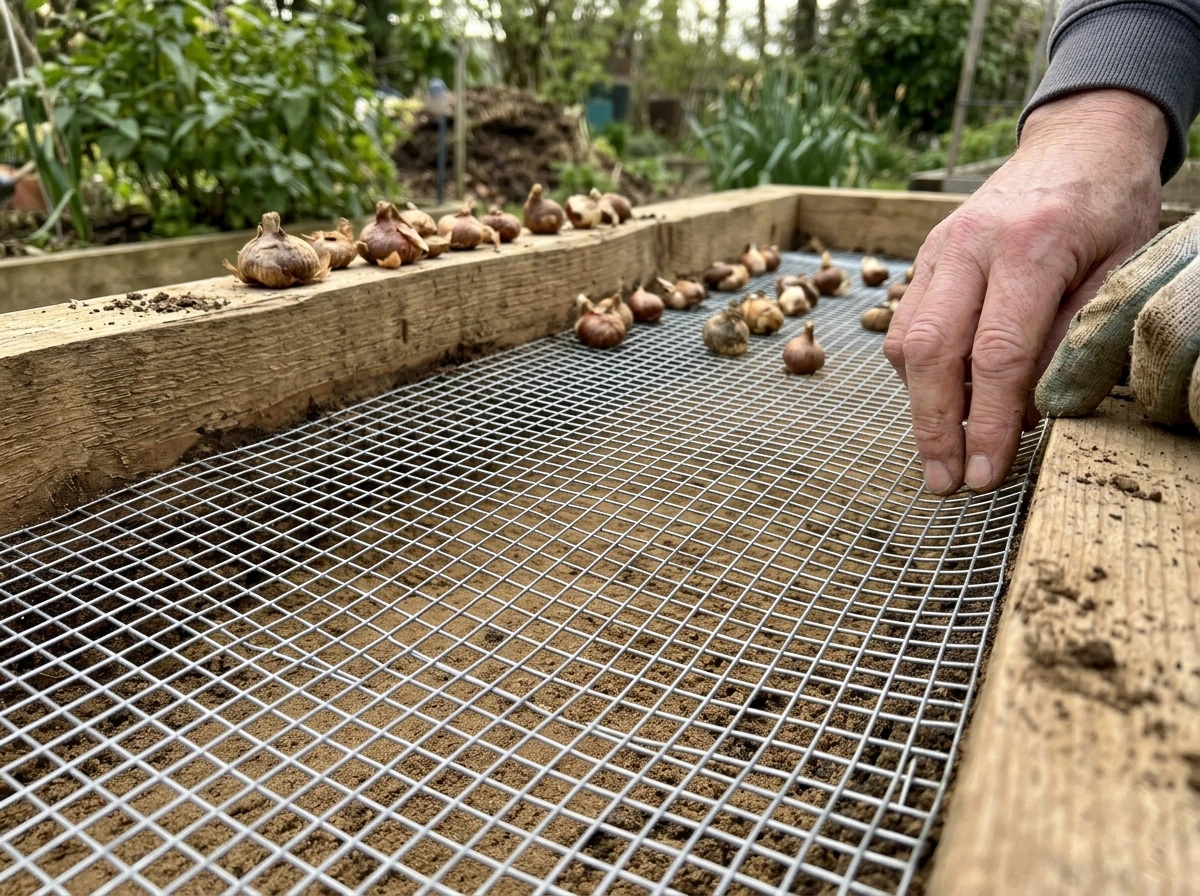
Squirrels and voles love saffron corms. This is a real problem in California where squirrel populations are high. Laying hardware cloth (a wire mesh) at the bottom of your planting bed or over the top of a raised bed frame before the corms go in is one of the most effective defenses. Once squirrels find a corm bed, they'll clean it out fast.
Taking care of saffron through California's seasons
Fall: bloom time, minimal intervention needed
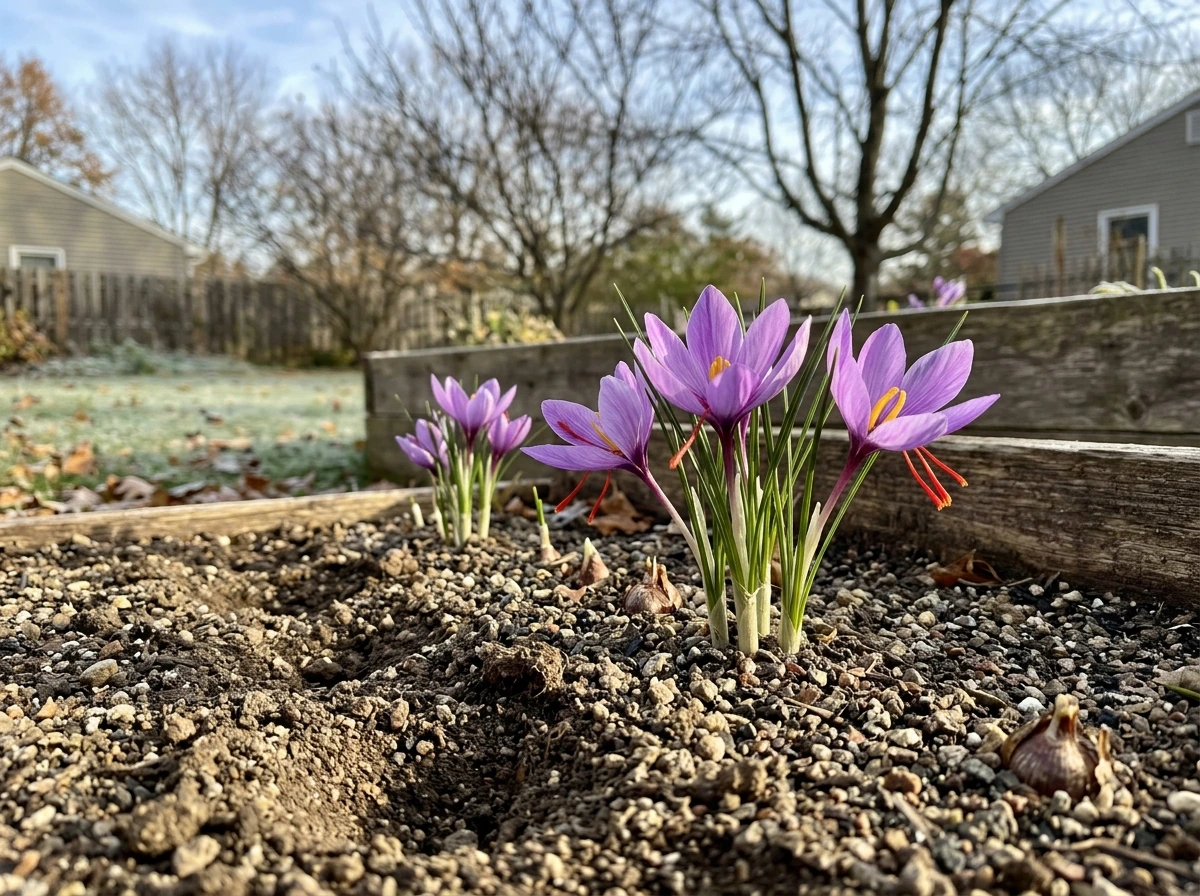
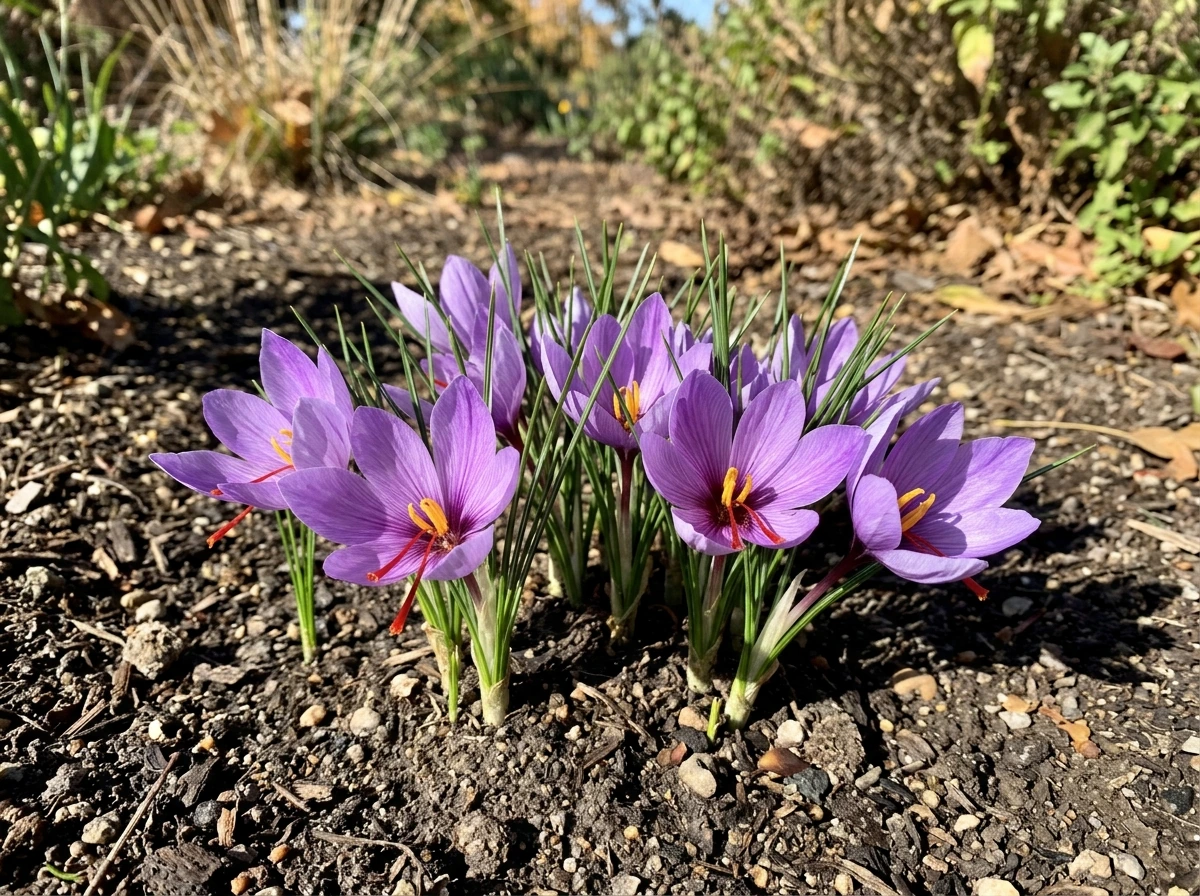
Once corms are planted and temperatures start dropping in October, you should see pale purple blooms emerging, sometimes seemingly out of nowhere. Water lightly if fall is very dry, but don't overdo it. Foliage will follow the blooms or appear alongside them. This is also when you harvest (more on that below). First-year plants sometimes produce fewer blooms than expected, especially if corms were on the smaller side. Don't panic. The plant is still establishing.
Winter: foliage grows, keep soil moist but not wet
After blooming, the foliage continues to grow through winter, photosynthesizing and feeding next year's corms. Keep the soil moderately moist but never soggy. In rainy parts of California, natural rainfall may be enough. In Southern California's drier winters, you may need to water every couple of weeks. Don't fertilize heavily during this phase, but a light balanced fertilizer in early winter doesn't hurt.
Spring: foliage dies back, start reducing water
By late spring, the foliage will yellow and die back. This is normal. Resist the urge to dig up the corms or cut the foliage early. Let it die back naturally so the corms can absorb as much energy as possible before dormancy. As foliage fades, taper off watering. Don't dig up the parent corms when flowering is finished; the plant still needs that foliage phase to prepare for next season.
Summer: dormancy, hands off the water
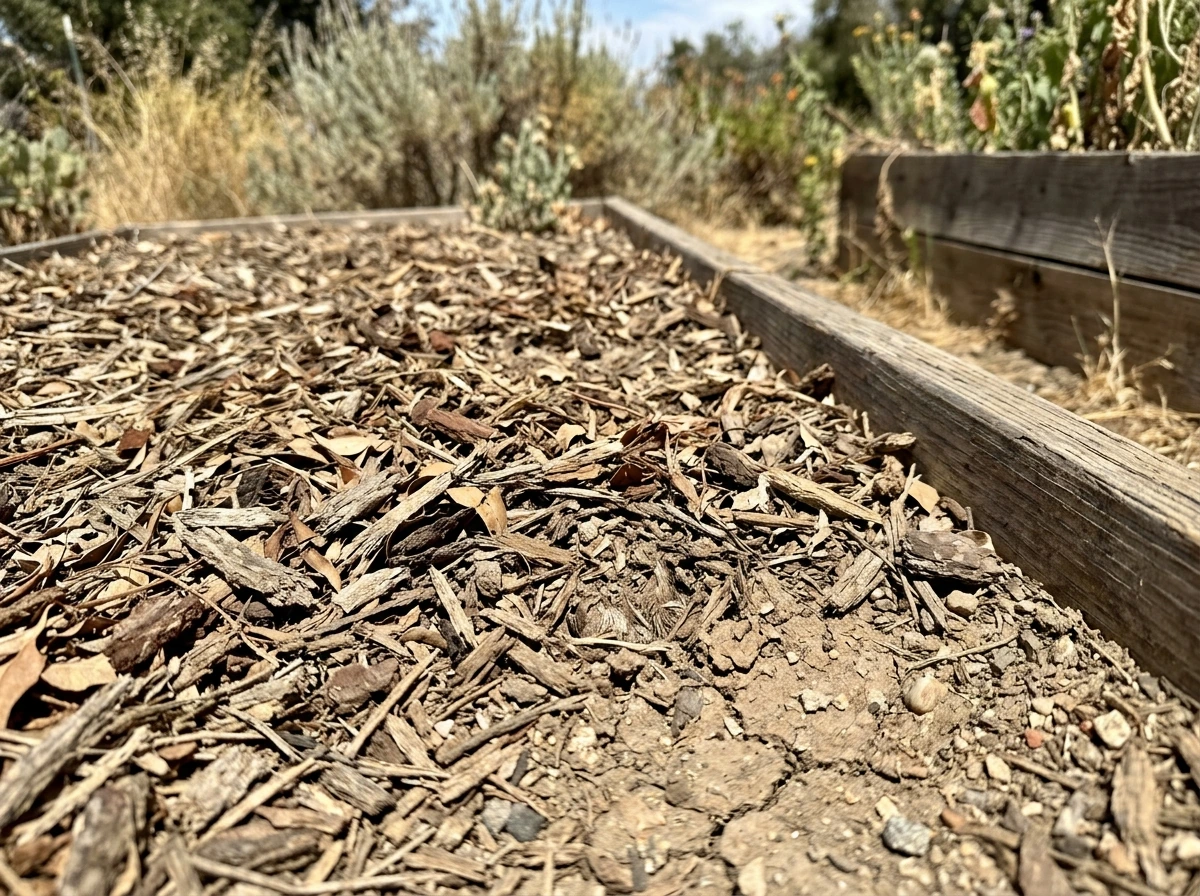
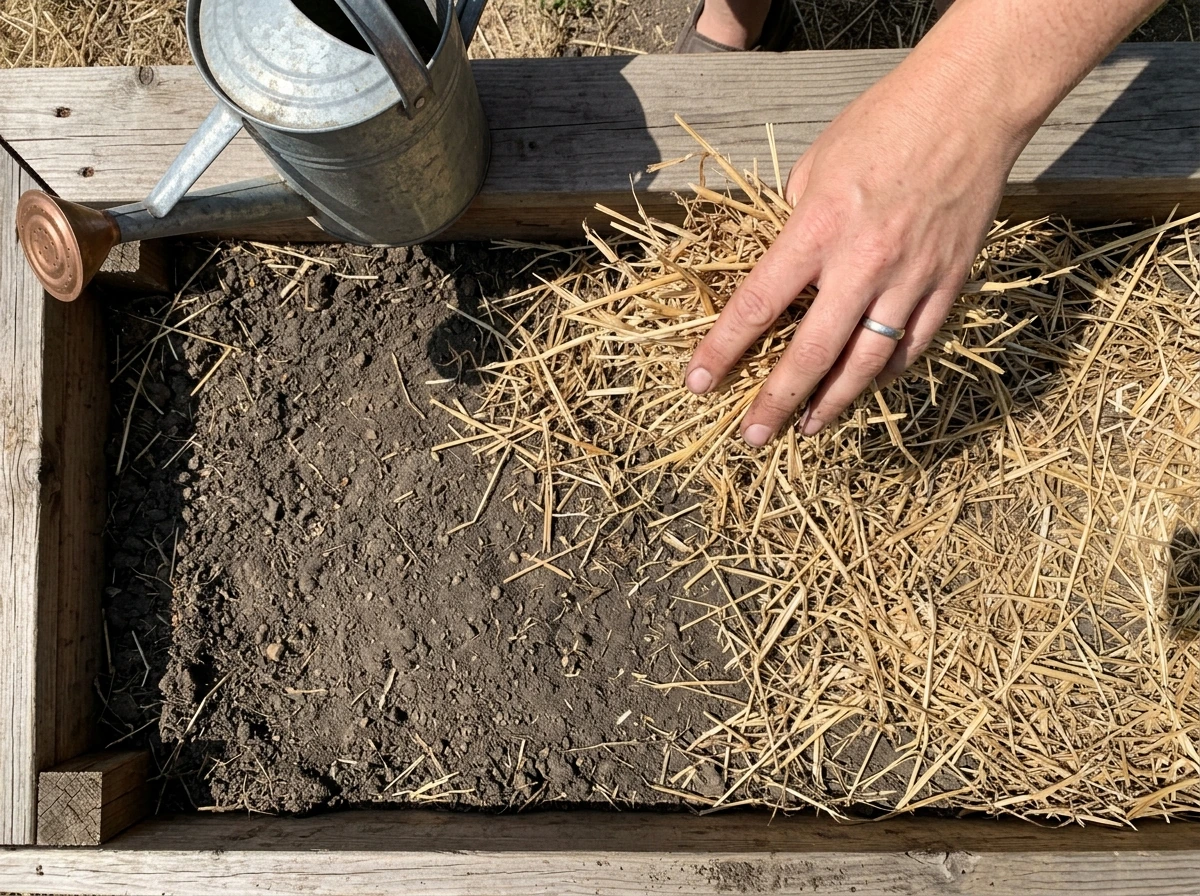
From roughly late June through late September, the corms are dormant. No water. This is the most critical rule in a California garden. A light layer of mulch (1 to 2 inches) can help moderate soil temperature if you're in an area with extreme summer heat, but keep it thin enough that it dries quickly and doesn't trap moisture. Weeds will try to establish in the bed during this period; pull them by hand carefully to avoid disturbing corms.
Harvesting saffron and what to realistically expect
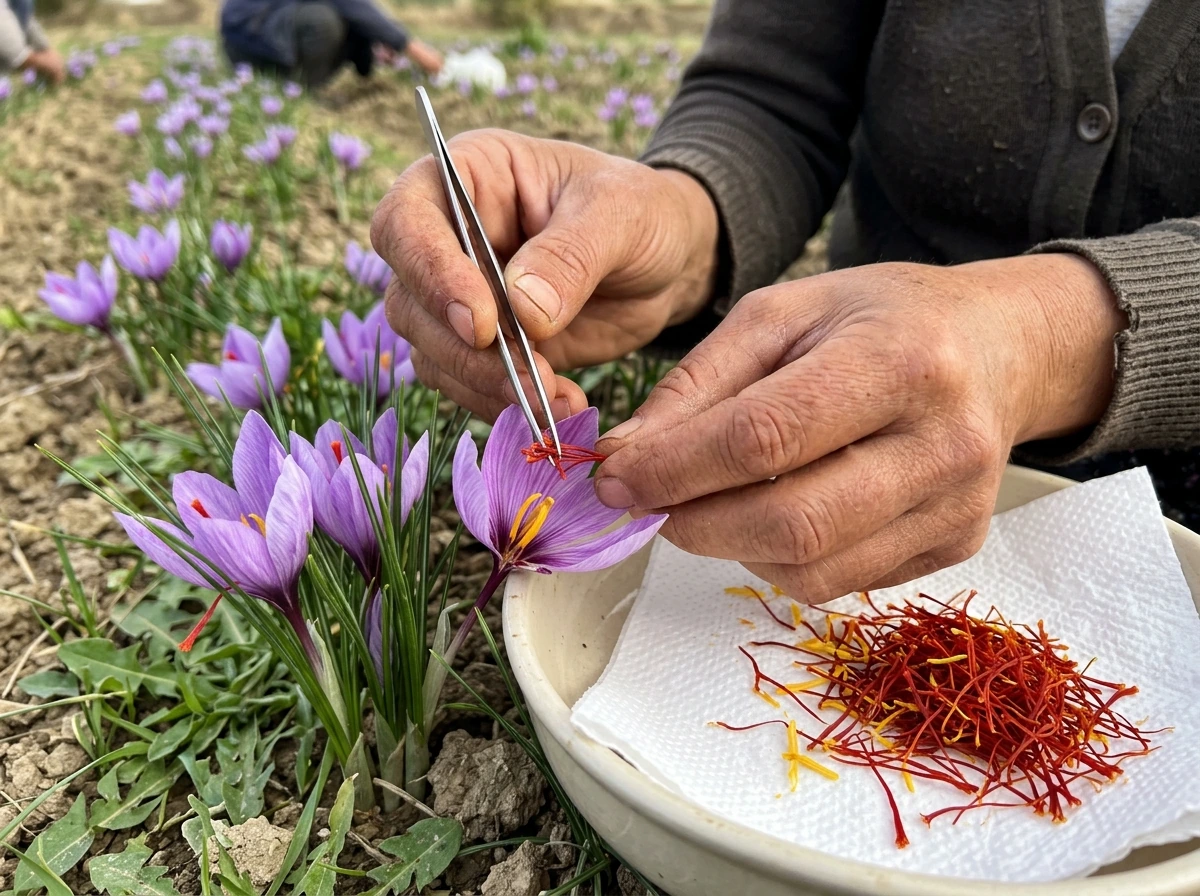
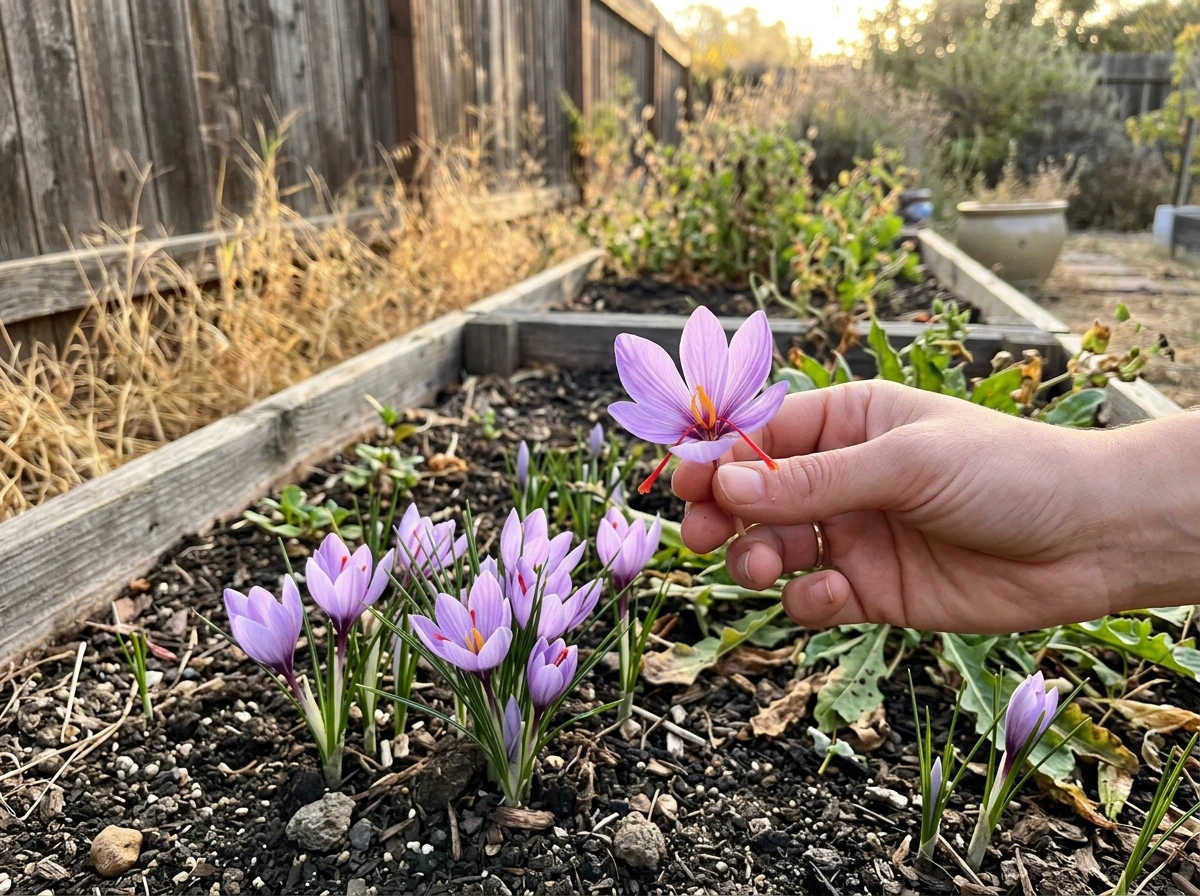
Each saffron flower contains exactly three stigmas (the red-orange threads). That's it. Three per bloom. To harvest them, pick flowers early in the morning as soon as they open, then pinch or snip out the three red stigmas from each flower. Don't wait until the afternoon since blooms are delicate and deteriorate quickly in heat.
After separating the stigmas, dry them promptly. Spread them on a paper towel or fine mesh in a warm, dry spot indoors, away from direct sunlight. Proper drying is what locks in flavor and color quality. Once dry, store in an airtight container away from light.
Now for the yield reality check. Saffron is genuinely labor-intensive and low-yielding, which is exactly why it's expensive. A well-documented small-garden planting of 1,000 corms produced about 4.5 grams of dried saffron in a single season. That's enough to cook with regularly but not enough to replace your spice budget. For a typical home garden with 50 to 100 corms, you're looking at a pinch to a small jar's worth of saffron per year. Yields improve as corms multiply over multiple seasons, so the second and third year tend to outperform the first.
Each corm can produce roughly 2 to 4 flowers depending on corm size, sun, and temperature conditions. Larger corms reliably produce more flowers. Expect the first year to be modest, especially in California climates where the temperature cycling is less dramatic than in colder states.
When your yard isn't ideal: containers, microclimates, and smarter site choices
Containers are your best workaround in Southern California
If you're in coastal or low-desert Southern California and worried about insufficient winter chill or summer rot, containers are a legitimate solution. You can move pots to a cooler, shadier spot during dormancy, then bring them into full sun for the bloom season. You also have complete drainage control. Use a terra cotta or unglazed ceramic pot (these breathe and dry faster than plastic) with excellent drainage holes, fill with a sandy, well-draining mix, and plant corms at the same depth and spacing as in-ground planting. Some Southern California growers have reportedly succeeded this way by essentially managing the microclimate manually.
Site selection within California makes a big difference
Even within a single yard, microclimate matters. A south-facing bed against a wall will be warmer in winter (possibly too warm for Southern California growers). A spot with morning sun and afternoon shade can protect dormant corms from peak summer heat while still giving blooms enough light in fall. In Northern California and the Bay Area, south or west-facing beds in full sun are typically ideal. In the Central Valley, some afternoon shade during summer helps protect corms through the hot dormancy period without affecting bloom performance.
If your soil is the problem, raised beds fix almost everything
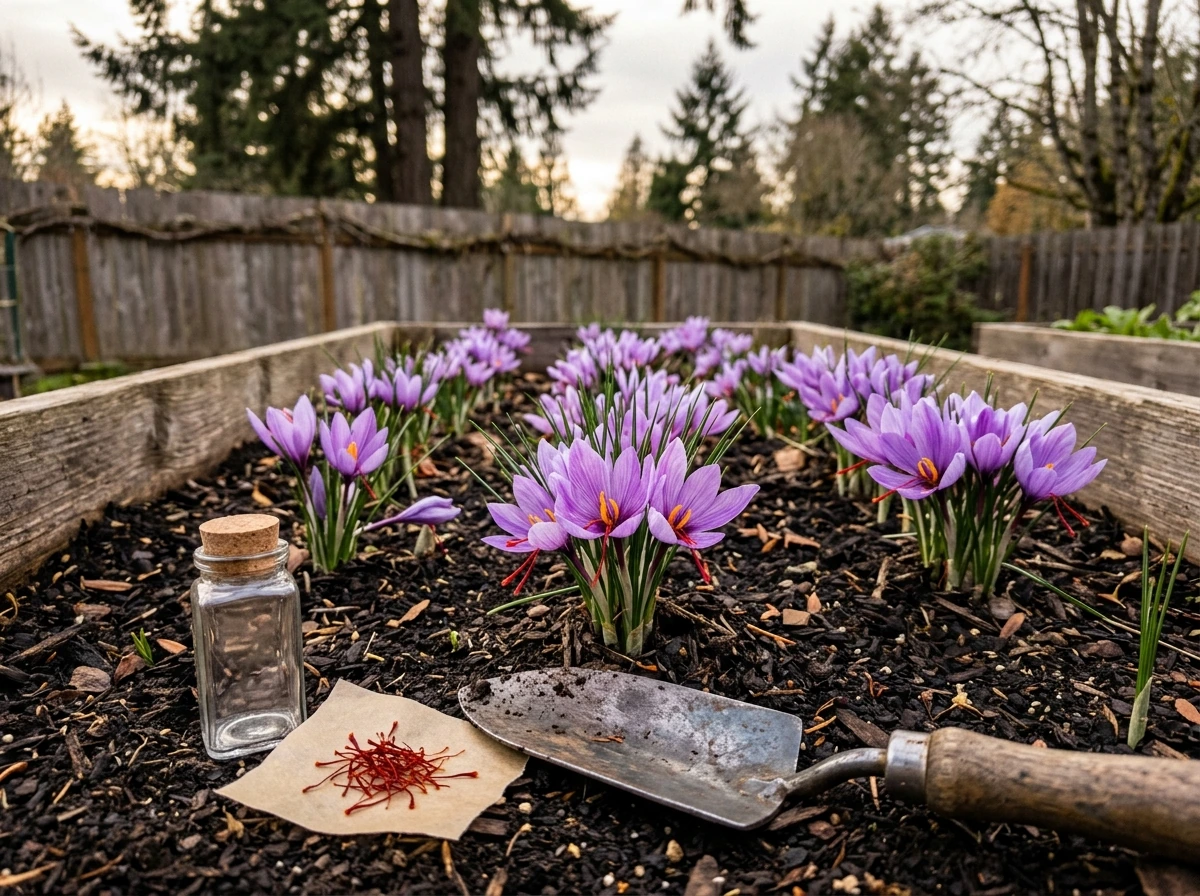
Raised beds solve the two biggest California growing problems for saffron: drainage and temperature control. A 12-inch raised bed dries faster than in-ground clay, warms more quickly in fall to encourage flowering, and is easier to protect from squirrels with hardware cloth. If you've tried growing saffron in the ground and got rot or no blooms, move to a raised bed before giving up.
A quick comparison by California region
| Region | Winter Chill | Summer Heat Risk | Feasibility | Best Approach |
|---|
| Northern California / Sierra Foothills | Good | Moderate | High | In-ground or raised bed, standard timing |
| Bay Area (inland) | Moderate | Low to moderate | High | In-ground with good drainage, south-facing bed |
| Bay Area (coastal) | Low to moderate | Low | Moderate | Raised bed, choose warmest microclimate |
| Central Valley | Moderate to good | High | Moderate to high | Raised bed with summer mulch, afternoon shade |
| Inland Southern California | Moderate | High | Moderate | Raised bed or containers, watch summer drainage |
| Coastal Southern California | Low | Low | Challenging | Containers with manual microclimate management |
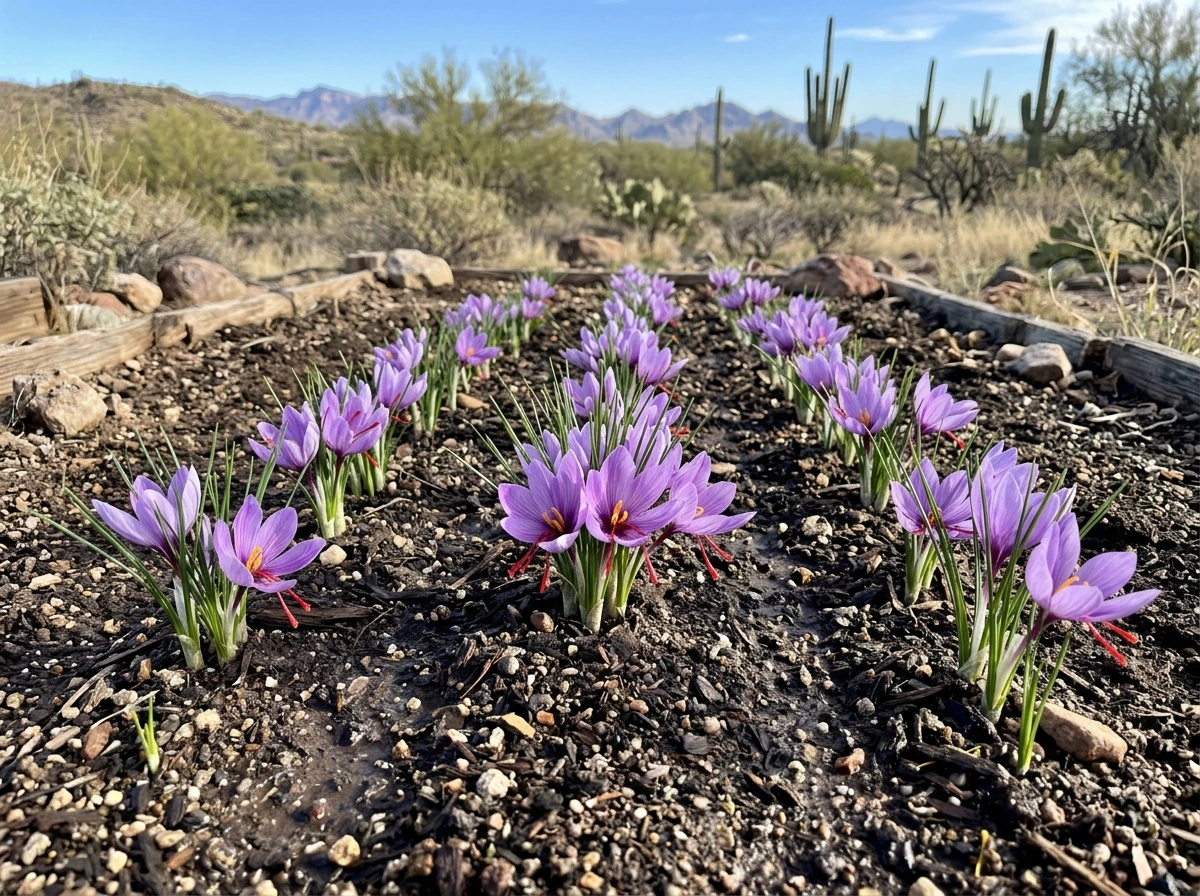
| Low Desert (Palm Springs area) | Very low | Extreme | Very difficult | Containers only, consider refrigerator pre-chilling corms |
Pre-chilling corms: a last resort for warm climates
In the warmest parts of Southern California, some growers pre-chill corms in the refrigerator for 6 to 8 weeks before planting in the fall to simulate the temperature cycling the plant needs. This is an extra step and not guaranteed to fully replicate what natural cold does, but it can help coax reluctant corms to bloom in climates where autumn cooling is minimal. Store them in a paper bag (not plastic, which traps moisture) in the crisper drawer, then plant in October after the chilling period. can you grow saffron in oklahoma. can you grow saffron in ny
Worth trying in California? Here's my honest take
If you're in Northern California, the Bay Area, or the Central Valley, saffron is genuinely worth trying. If you’re wondering can you grow saffron in Pennsylvania, the same basics apply: plan for drainage and real seasonal temperature swings, then adjust with a container or microclimate strategy where needed Worth trying in California. The climate is workable, the main challenges are drainage and summer irrigation discipline, and the reward of harvesting your own saffron threads is real. Start with 50 to 100 quality corms, nail the drainage and summer dry-down, and you'll likely see blooms in your first fall.
If you're in Southern California, it's harder but not hopeless. Go with containers or a raised bed, be realistic that the first year might be sparse, and use every microclimate trick available. You might find it's more of a fun experiment than a reliable harvest, and that's fine too. Gardeners across the country are trying saffron in tough climates, from Colorado Gardeners across the country are trying saffron in tough climates, from Colorado to Arizona to Oregon, and California's Mediterranean-influenced conditions are actually more favorable than many places. to Oregon, and California's Mediterranean-influenced conditions are actually more favorable than many places. Just don't expect the plant to thrive without some deliberate help from you in the warmest zones.