
Yes, you can grow saffron in Washington state, but the answer is more nuanced than a flat yes or no. The western, coastal side of the state is genuinely tricky because of wet winters and persistent humidity, while eastern Washington is actually a surprisingly good match for saffron's needs. Your specific location, your drainage situation, and your willingness to manage moisture are the three factors that will determine whether you get blooms or just rot. can you grow saffron in ny
Can You Grow Saffron in Washington State? How-To Guide

Marcus Petersen
24 Mar 2026
What saffron actually needs to grow
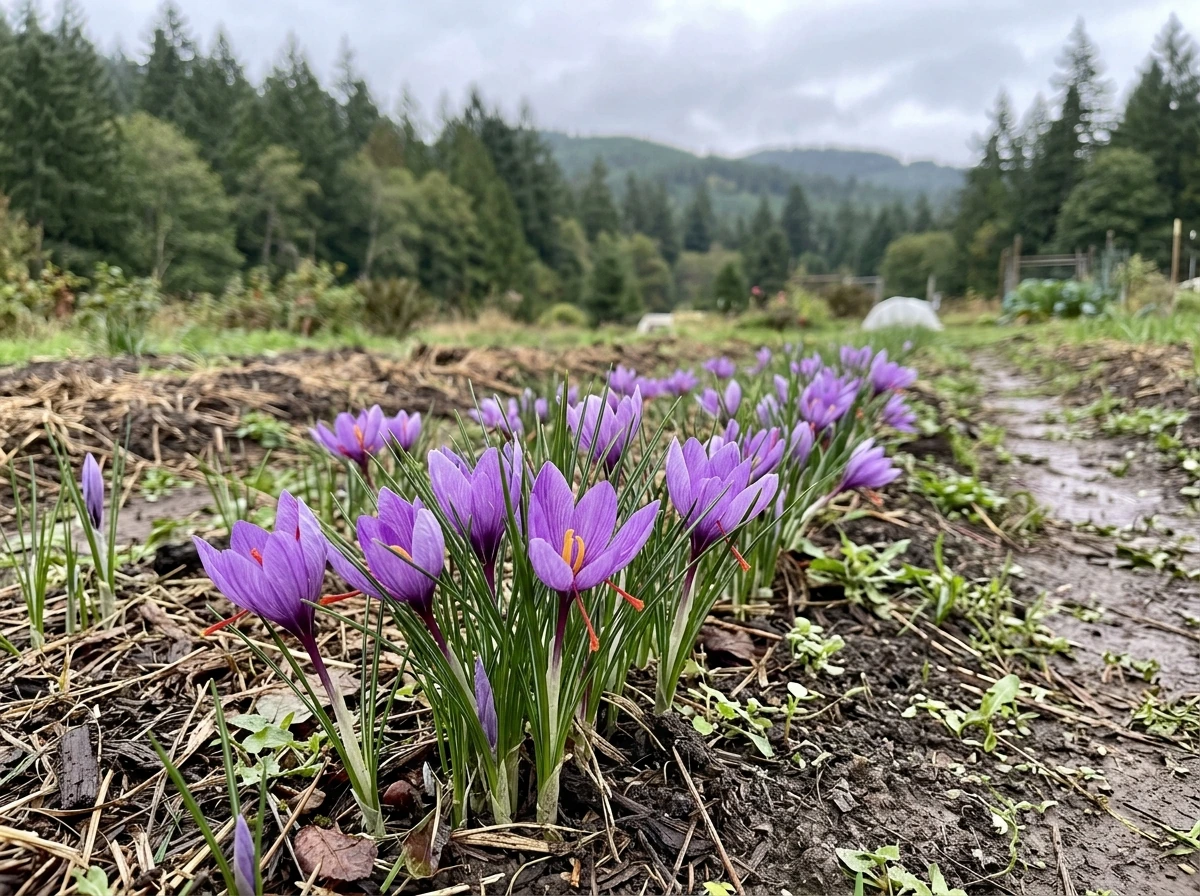
Saffron comes from Crocus sativus, a fall-blooming crocus that grows from corms, not true bulbs. Before you decide whether Washington can support it, you need to understand what it's asking for, because it's genuinely picky in a few specific ways.
- A dry summer dormancy: the corms go fully dormant after their spring foliage dies back, and they need to sit in dry soil for weeks. Wet summer soil will rot them.
- Winter cold for corm development: a proper chilling period drives healthy corm multiplication and future bloom production.
- Full sun at bloom time: at least 5 to 6 hours of direct sun per day when the flowers emerge in fall.
- Well-drained soil: standing water, clay soil, or any prolonged moisture during dormancy is usually fatal.
- Enough summer heat to cure the corms properly before fall growth begins.
The seasonal cycle works like this: you plant in late summer or early fall, leaves and flowers emerge in autumn (each flower carrying three harvestable stigmas), the foliage persists through winter, and then the leaves yellow and die back in late spring. After that, the corms sit dormant through the summer. That summer dry period is the phase that kills most attempts in the Pacific Northwest's wetter zones.
Washington's climate: coastal vs inland, and how each stacks up
Washington is two very different states in terms of climate, and saffron responds to that difference dramatically.
Western Washington (Seattle, Olympia, Bellingham, and the coast)
This is the hard zone for saffron. Western Washington gets a mild, wet maritime climate with persistent rain from October through May. That's almost exactly the wrong timing for saffron: the corms are trying to establish in fall and sit dormant in summer, but the wet season stretches from fall straight through spring. Summers west of the Cascades are drier, which helps, but they're also mild and often overcast, which means the corms may not get the warm, dry curing period they need. I wouldn't call it impossible here, but it's an uphill fight without serious drainage management or container growing. The biggest failure I see with west-side gardeners is planting directly in the ground without accounting for winter and spring waterlogging.
Eastern Washington (Spokane, Yakima, Tri-Cities, Walla Walla)
Eastern Washington is genuinely good saffron territory. The climate east of the Cascades is semi-arid with hot, dry summers and cold winters, which maps almost perfectly onto what saffron wants. Yakima, Walla Walla, and the Tri-Cities area see hot summers with low humidity, giving the corms the dry dormancy they need. Winters are cold enough to provide proper chilling. If you're in eastern Washington and you have decent soil drainage, growing saffron in the ground is very realistic. This is the region where I'd say go for it with confidence.
The Cascade foothills and transition zones
If you're somewhere in between, like the foothills east of Seattle or in the Wenatchee area, you're in a mixed zone. These areas get more summer sun than the coast but can still see significant spring moisture. Here, raised beds or containers become your best insurance policy.
Planting plan: timing, depth, and spacing
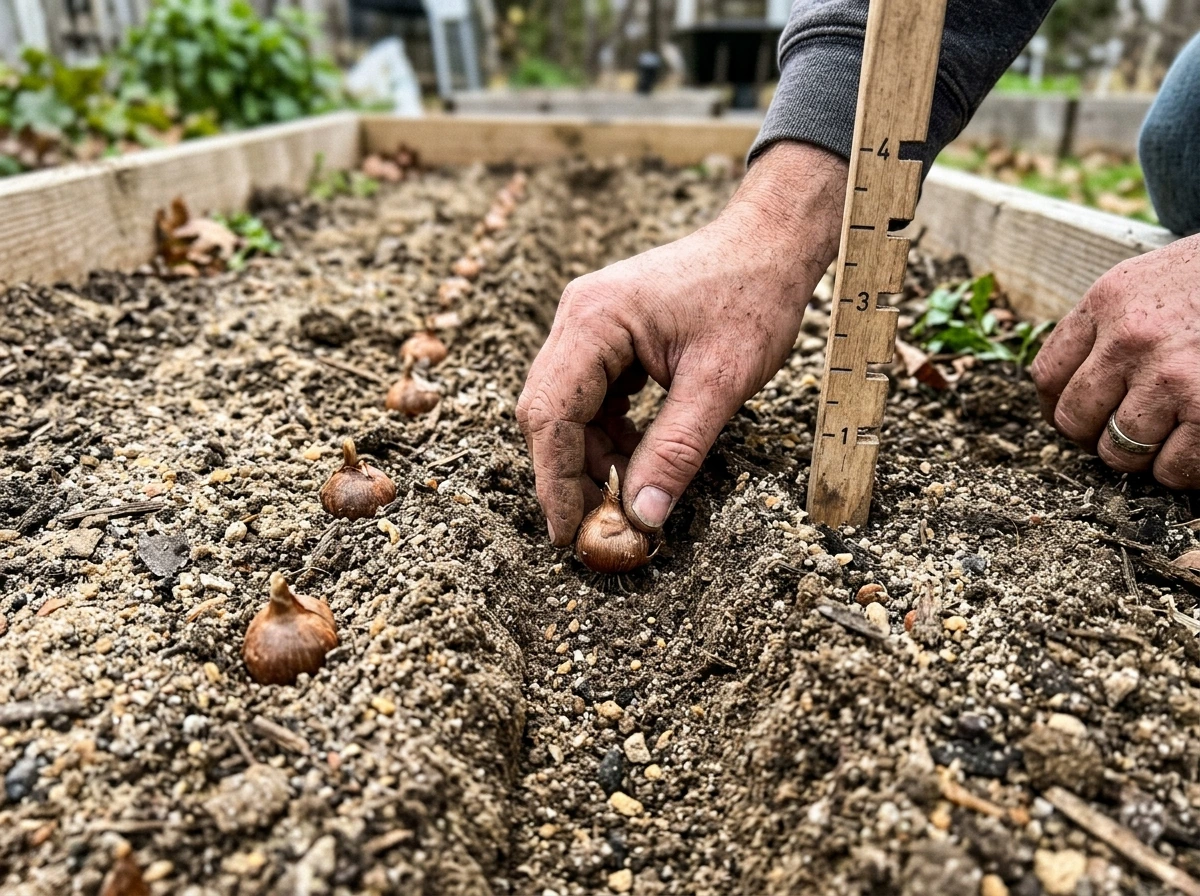
For Washington state, plan to plant your corms in August or early September. This gives them time to establish roots before the fall bloom, which typically happens in October. If you wait until October to plant, you'll likely miss the bloom entirely in the first year. Eastern Washington growers can lean toward the earlier end of that window (mid-August), since soils warm up fast there. West-side growers should wait until the very end of August or early September when summer dryness has peaked.
Plant each corm about 3 to 4 inches deep and 3 to 4 inches apart, with the pointed side facing up. Don't crowd them: adequate spacing improves air circulation and reduces disease pressure. If the soil is dry at planting time, water lightly once to help establishment, then hold back until you see growth. Don't water on a schedule during the dormant period.
Soil, drainage, and keeping rot out of the equation
This is where most Washington growers fail, especially on the west side. Crocus sativus corms will rot if they sit in wet soil, full stop. Before you plant anything, you need to honestly assess your drainage. Dig a hole about 12 inches deep, fill it with water, and see how long it takes to drain. If water is still sitting there after an hour, you have a drainage problem that will kill saffron.
For in-ground planting, work in plenty of coarse sand or fine gravel to loosen and aerate heavy soil. Aim for a loamy, well-drained texture. Avoid compost-heavy mixes that hold moisture. A slightly sandy, lean soil is genuinely better for can you grow saffron in california than rich, moisture-retentive garden soil. If you want the full picture beyond California, this guide also covers whether you can grow saffron in the US in general can you grow saffron in the us. If your native soil is clay-heavy (common in the Puget Sound lowlands), don't fight it. Switch to a raised bed instead. can you grow saffron in the us. can you grow saffron in oregon. can you grow saffron in oklahoma
For raised beds, use a mix that's roughly 60 percent topsoil or garden loam and 40 percent coarse sand or perlite. Avoid peat moss, which holds too much water. The elevation of a raised bed (even just 8 to 12 inches) dramatically improves drainage and can make western Washington growing feasible.
Choosing your growing method: in-ground, raised bed, or containers
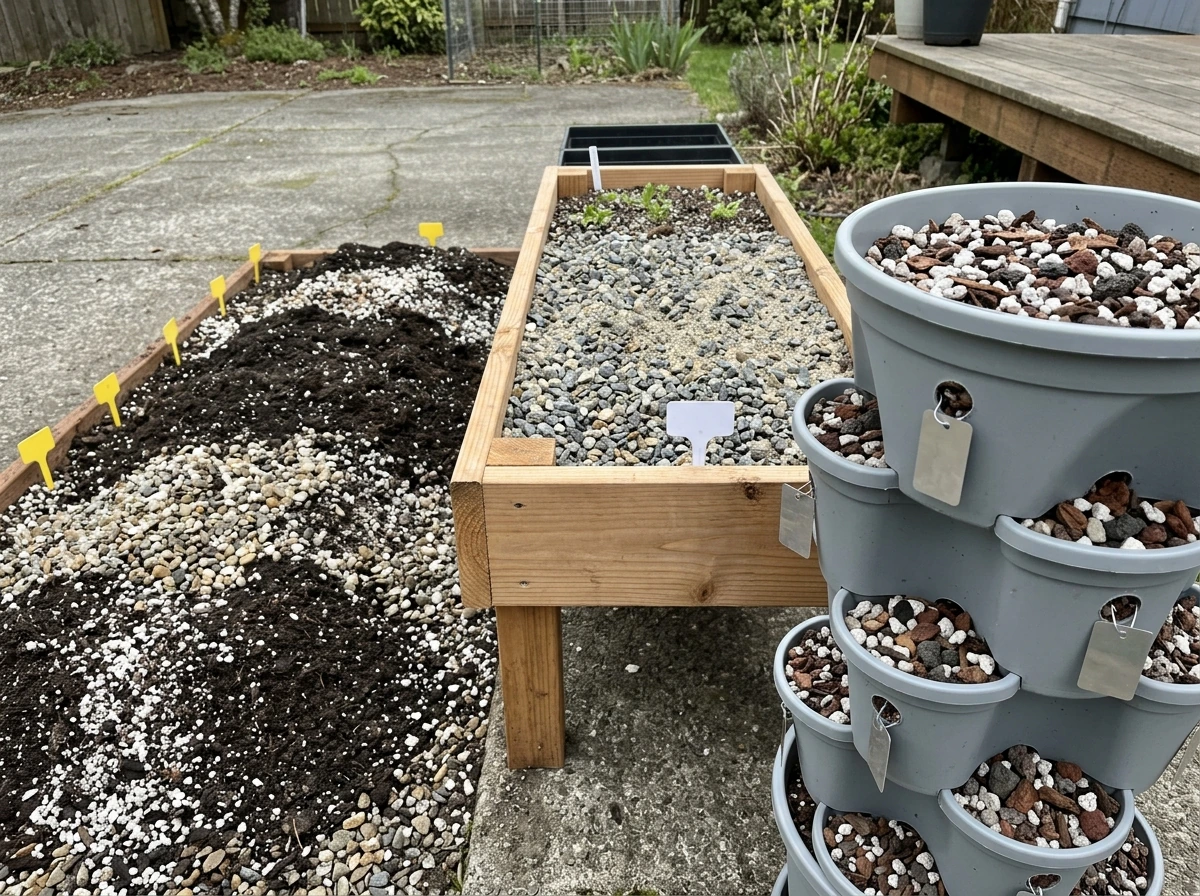
| Method | Best for | Key advantage | Main risk in WA |
|---|---|---|---|
| In-ground | Eastern WA with naturally sandy or loamy soil | Lowest maintenance, corms can multiply naturally | Rot from wet winters on the west side |
| Raised bed | Western WA or anywhere with clay-heavy soil | Superior drainage control, good anywhere in state | Requires building materials and soil mix |
| Containers | Renters, small spaces, west-side gardeners who want full control | Move indoors during wettest months, full drainage control | Dries out faster, more frequent monitoring needed |
If you're in western Washington and committed to trying saffron, containers or raised beds are the practical choice, not in-ground planting. Use unglazed terracotta pots or wooden planters with multiple drainage holes and a layer of gravel at the bottom. A 12-inch deep container can hold five to eight corms comfortably. The real advantage with containers is that you can move them to a covered area during the heaviest winter and spring rains, essentially giving your corms the dry conditions they'd naturally get in a continental climate.
For eastern Washington, in-ground growing is the straightforward approach, and your corms will likely multiply and naturalize over the years. A raised bed in the east is still useful if your soil is particularly heavy or alkaline, but many east-side growers won't need one.
Care through the season: sun, water, and dormancy
Fall and bloom time (September through November)
Once you plant and the corms begin to wake up, leaves and flower buds will push up in October, sometimes sooner. The flowers typically appear before or alongside the foliage. This is when you need full sun, at least 5 to 6 hours per day. Don't plant saffron under trees or in spots that get shaded out in the fall when sun angles are low. Watering at this stage should be minimal: let natural rain do the work in most of Washington, supplementing only if you're in a dry eastern location during an unusually dry fall.
Winter and spring (December through May)
The foliage stays green through winter and into spring, which is actually fine and normal. The leaves are doing photosynthesis work that feeds next year's corms. Don't cut them back. In western Washington, this is the period when your drainage setup is being tested. If you have containers, consider moving them to a sheltered spot like an overhang or unheated garage during the worst rain stretches in January and February.
Summer dormancy (June through August)
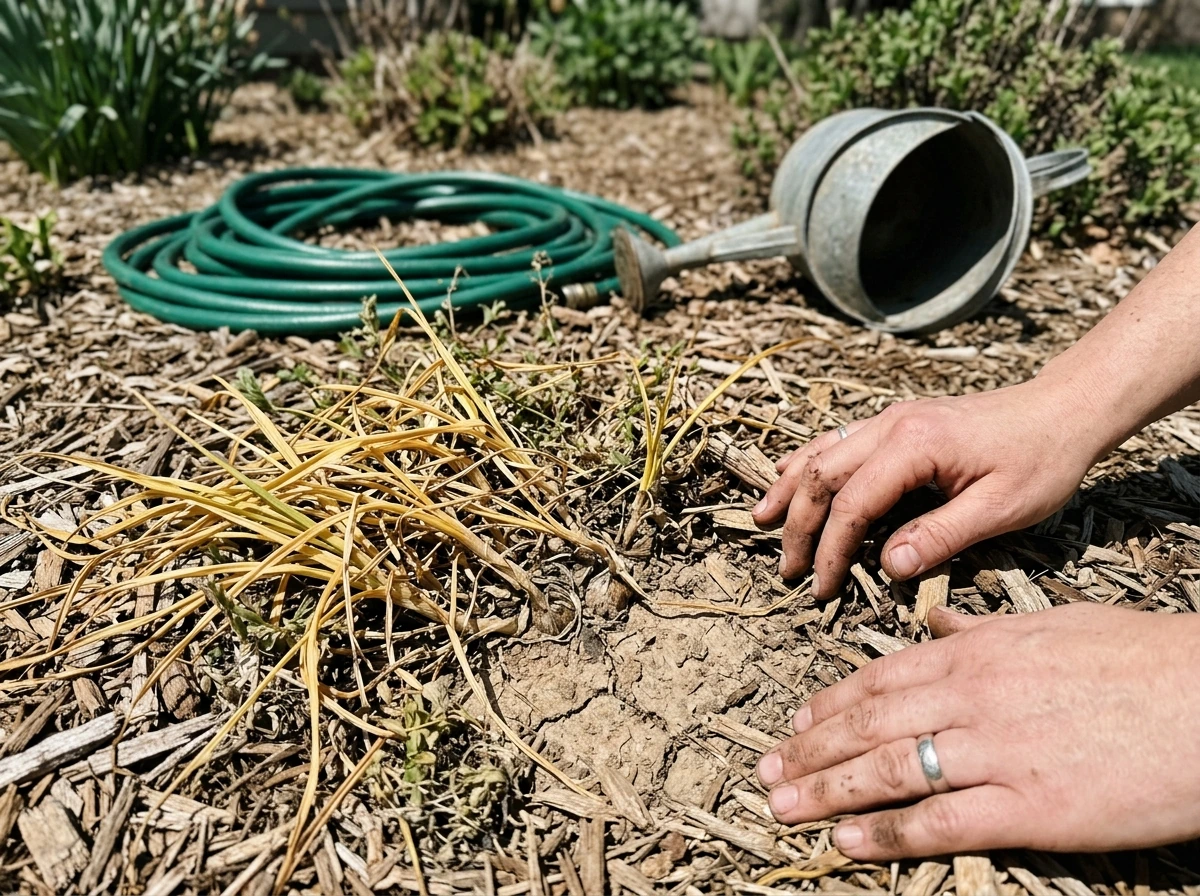
When the foliage starts yellowing and dying back, usually by late May or early June, you're entering dormancy. Stop watering. This is not negotiable for saffron. The corms need dry, warm conditions to properly cure before the next fall cycle. In eastern Washington, summer heat and low rainfall naturally take care of this. In western Washington, summer is actually the driest part of the year, so outdoor in-ground corms can often get adequate dry rest, which is one reason west-side growing isn't completely hopeless if drainage was managed well in winter.
Realistic expectations: harvest labor, yield, and troubleshooting
What to expect from yield
Each Crocus sativus flower produces exactly three stigmas, and those stigmas are what become saffron. MDPI notes that saffron is obtained from the dried dark red stigmas of Crocus sativus blank" rel="noopener noreferrer">Crocus sativus flower produces exactly three stigmas. You harvest them by hand, individually, from each open flower, typically in the morning before the flower fully opens. The math is humbling: you need roughly 150 to 200 flowers to produce about one gram of dried saffron. A published study in PubMed Central reports that producing 1 kg of saffron requires approximately 150,000 flowers collected within about 370, 470 hours, after hand-picking and stigma removal followed by drying blank" rel="noopener noreferrer">producing 1 kg of saffron requires approximately 150,000 flowers collected within about 370–470 hours. That means if you plant 50 corms and each one blooms (not guaranteed in year one), you're looking at a tiny pinch of saffron, maybe enough to flavor one or two dishes. For anything close to a meaningful culinary supply, you're looking at planting hundreds of corms. That's not a reason to skip it, but go in with honest expectations.
Year-one blooming and the patience factor
First-year bloom rates are often lower than expected. Corms need time to establish, and smaller or younger corms may not flower at all in year one. By years two and three, as the corms multiply and mature, bloom rates improve significantly. Think of the first year as an investment, not a harvest year. Buy the largest corms you can find (look for corms 8 to 10 centimeters in circumference or larger), because bigger corms bloom more reliably.
Common problems and fixes
- No blooms: usually too much shade, undersized corms, or planting too late in the season. Check your sun hours and plant by early September at the latest.
- Rotting corms: almost always a drainage failure or overwatering. Dig one up and check: if it's soft or smells off, your moisture management needs to change before next season.
- Leaves but no flowers: the corm is alive and healthy but not mature or large enough to bloom yet. Give it another year and improve fertility very slightly with a low-nitrogen fertilizer in fall.
- Slugs and rodents: common in Washington. Slugs will chew foliage, especially west of the Cascades. Rodents (voles especially) will eat the corms underground. Hardware cloth lining under raised beds helps with voles. Iron phosphate slug bait is safe and effective.
- Corms not multiplying: usually a sign of poor summer dormancy conditions or soil that's too rich. Lean out the soil mix and ensure they're getting a true dry rest.
The harvesting process itself
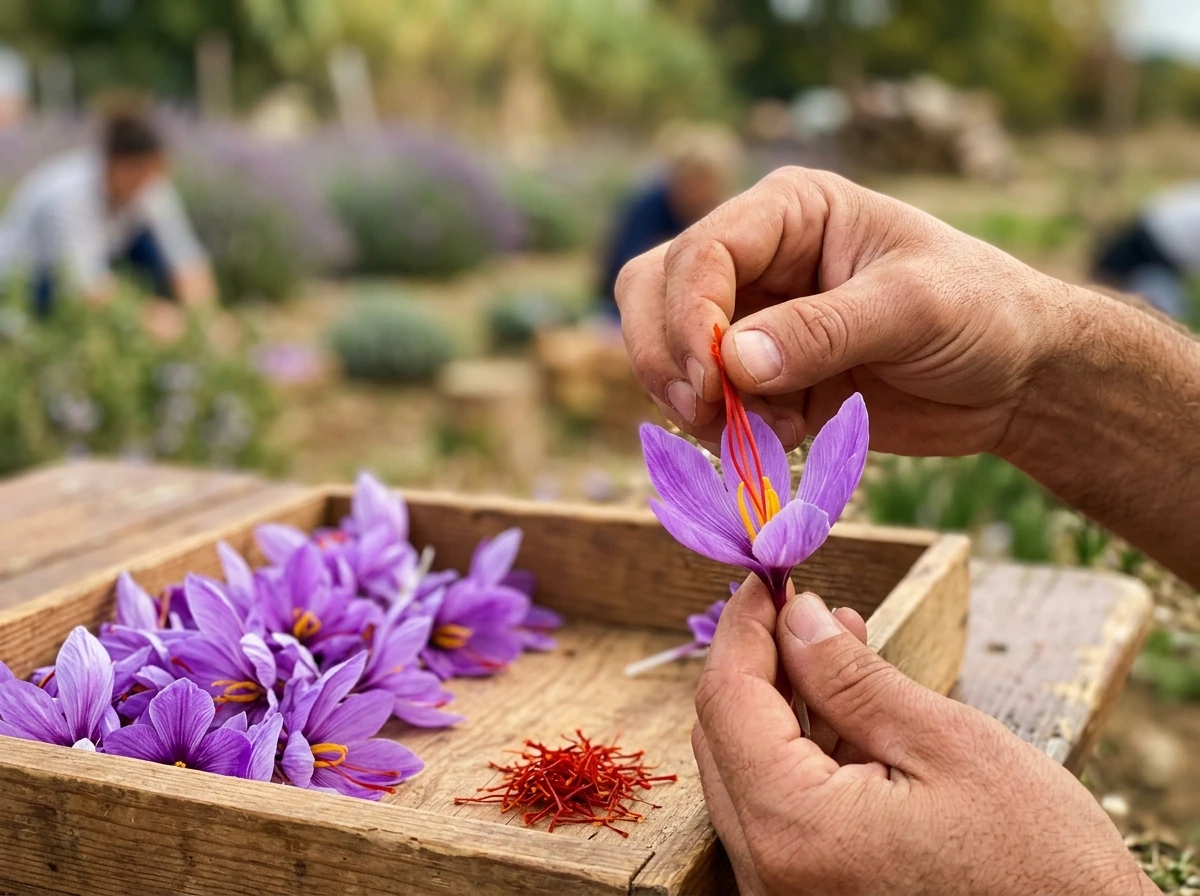
Saffron harvesting is genuinely labor-intensive and time-sensitive. The flowers open and begin to degrade within a day, so you need to check daily during bloom season (usually a two to three week window in October) and harvest in the morning. Pinch or snip the three red stigmas out of each open flower, collect them in a small bowl, and dry them on a paper towel or in a low oven (around 150 degrees Fahrenheit) for a few minutes. Store dried saffron in an airtight glass container away from light. If this sounds tedious, it is, and it's a good reason to only grow as many plants as you'll realistically tend daily during harvest.
Your next steps: sourcing corms and deciding your approach
If you're in eastern Washington, start sourcing corms now for a late August planting. Look for Crocus sativus corms from reputable seed and bulb suppliers, not generic crocus bulb mixes from hardware stores, which usually contain other crocus species that don't produce harvestable saffron. Johnny's Selected Seeds and specialty bulb vendors are reliable sources. Order early because saffron corms sell out fast, typically by mid-summer.
If you're in western Washington, order corms for container or raised-bed growing. Get deep planters (at least 12 inches), prepare a sandy, free-draining mix, and plan your shelter strategy for the wet season. Don't plant directly in the ground unless you've confirmed excellent natural drainage.
Use this checklist to decide your approach before you buy anything:
- Check your location: east or west of the Cascades? East = try in-ground. West = raised bed or container.
- Test your drainage: pour water into a hole. Does it drain in under an hour? If not, go raised bed.
- Count your sun hours in fall: do you have 5 to 6 hours in October? Shade is a deal-breaker.
- Confirm your summer plan: can your corms stay dry in summer? If not, arrange container shelter or build raised beds.
- Source large corms (8 to 10 cm circumference minimum) from a named saffron crocus supplier.
- Plan to plant by early September at the latest, aiming for late August in hot, dry eastern locations.
- Set realistic expectations: year one is mostly establishment, year two onward is when real bloom happens.
Saffron in Washington is worth trying if you're in the right location or willing to manage the conditions. It's not a set-and-forget crop anywhere in the state, but in eastern Washington especially, it's a genuinely viable garden project with a rewarding payoff. For west-side growers, the container or raised-bed route takes more effort upfront, but it's the difference between harvesting a few grams of homegrown saffron and digging up a bed full of rotted corms in the spring.
FAQ
Can you grow saffron in Washington state if your soil is naturally clay-heavy?
Yes, but you usually should not plant in-ground. Switch to a raised bed or a deep container, then use a sandy, fast-draining mix (roughly 60% loam, 40% coarse sand or perlite). Before filling, confirm drainage by timing how long water takes to disappear from a test hole or from the bed after watering.
What’s the fastest way to tell if my site has enough drainage for saffron?
Do the water-drain test the article recommends, but repeat it at the same time of day as typical winter storms (or simulate with a full watering). If it still holds standing water after about an hour in your test hole, assume corm rot risk is high and move to a raised bed or container.
Do saffron corms need full sun year-round in Washington?
They need strong sun during the flowering period, typically from October into early fall when flower buds emerge. During winter, foliage will be present and can tolerate conditions, but avoid deep shade in fall, such as under tree canopies or on the north side of structures where sun angles are low.
Should I fertilize saffron in Washington?
Use a light touch. Over-fertilizing, especially with nitrogen-rich amendments, can encourage soft, leafy growth at the wrong time and may worsen disease pressure in wet zones. If you fertilize at all, do it sparingly in the active growth phase, and avoid adding moisture-retentive compost.
How do I water saffron during Washington winters, especially on the wet west side?
In most cases, you should not provide routine watering during dormancy, because rainfall should be the primary water source. If you use containers, you can reduce winter moisture by moving pots under a covered area during the heaviest rain stretches, rather than watering on a schedule.
Can I start saffron from saffron threads, or do I need corms?
You should use corms. Saffron is produced from the stigmas of Crocus sativus, and saffron threads are not a reliable planting method. Threads may not be viable, and even if seeds form, you will not get true-to-type plants like with corm propagation.
How can I tell whether corms are rotting versus just not blooming yet?
Year one is common to have few or no flowers even if corms are alive, but rot shows up as mushy, foul-smelling tissue when you gently inspect after dormancy. To avoid disturbing them too early, check lightly only after foliage has fully yellowed, and keep notes on where you planted and how the soil behaves after rain.
Why did my saffron bloom early or late in Washington?
Bloom timing shifts with heat and soil temperature, especially the timing of late-summer planting and whether your site warms up quickly. Eastern Washington’s faster soil warming can push growth earlier, while cooler, muddier sites delay emergence. Planting in late August to early September is your main control knob.
Do I need to lift saffron corms in Washington?
Typically no, at least not in the early years, especially in eastern Washington where summers dry out naturally. In western Washington, you may need to lift and reset if you have repeated rot. If you do lift, handle corms gently, keep them dry during the dormant period, and replant in a better-draining medium.
How many saffron corms should I plant if I want more than a pinch?
Plan for a lot. Because each flower produces exactly three stigmas and harvest is labor-intensive, meaningful culinary amounts usually require hundreds of corms. Also expect lower bloom rates in year one, so include extra corms or treat the first year as an establishment phase.
What size and type of container works best for Washington saffron?
Use deep containers with excellent drainage, at least 12 inches deep, with multiple drainage holes. Unglazed terracotta helps the medium dry slightly faster, which can be a big advantage in western Washington. Ensure the pot can handle winter moving, since you may relocate it during heavy rain.
Are there common mistakes that specifically ruin saffron on the west side?
The biggest ones are planting directly in-ground without verifying drainage, using compost-heavy mixes that stay wet, and watering during dormancy. Even if the corms establish, prolonged winter and spring humidity can rot them, so raised beds or sheltered containers plus a sandy medium usually prevent the worst failures.
Next Articles
Can You Grow Black Pepper in the US Where and How
Learn where black pepper can be grown in the US and how to grow it indoors or in warm zones for fruit.

Can You Grow Capers in the US? Regional Guide for Home Gardeners
Regional guide to growing caper plants in the US, choosing cultivars, meeting soil and climate needs, and harvesting bud
Can You Grow Peppercorns in the US? A Zone-by-Zone Guide
Zone-by-zone guide to growing black pepper peppercorns in the US, including heat, humidity, indoor options, and timeline