
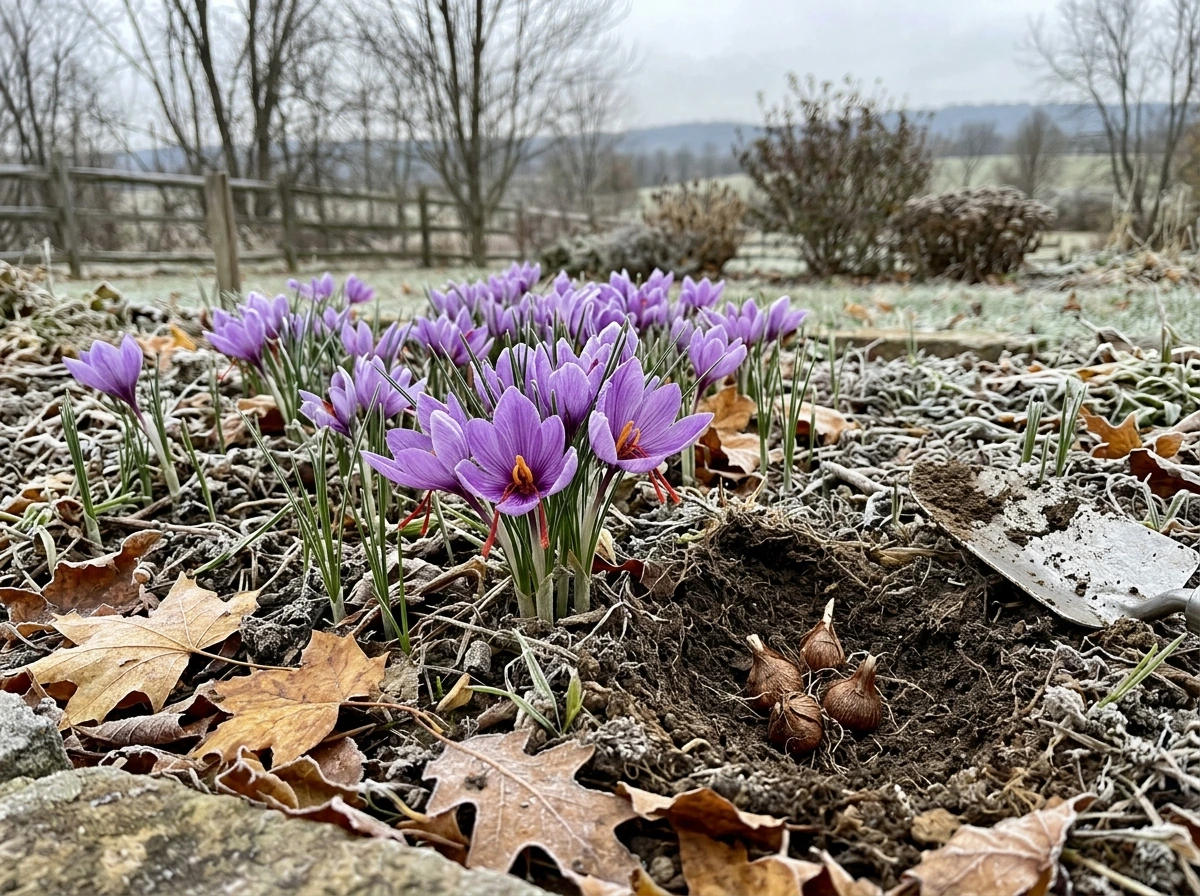
Yes, you can grow saffron in Pennsylvania, and it can actually work pretty well here. Pennsylvania sits mostly in USDA hardiness zones 5b through 7a, and the parts of the state in zones 6 and 7, especially the southeast, are genuinely well-suited to Crocus sativus. Pennsylvania sits mostly in USDA hardiness zones 5b through 7a, and the parts of the state in zones 6 and 7, especially the southeast, are genuinely well-suited to Crocus sativus. The colder central and northern regions of the state take a bit more effort, but with good site selection and drainage, saffron is still worth trying. The honest catch is this: saffron is less about cold tolerance and more about rot tolerance. Wet, poorly drained soil will kill your corms faster than a hard freeze will. can you grow saffron in ny
Can You Grow Saffron in Pennsylvania? Steps to Succeed

What saffron actually needs to thrive
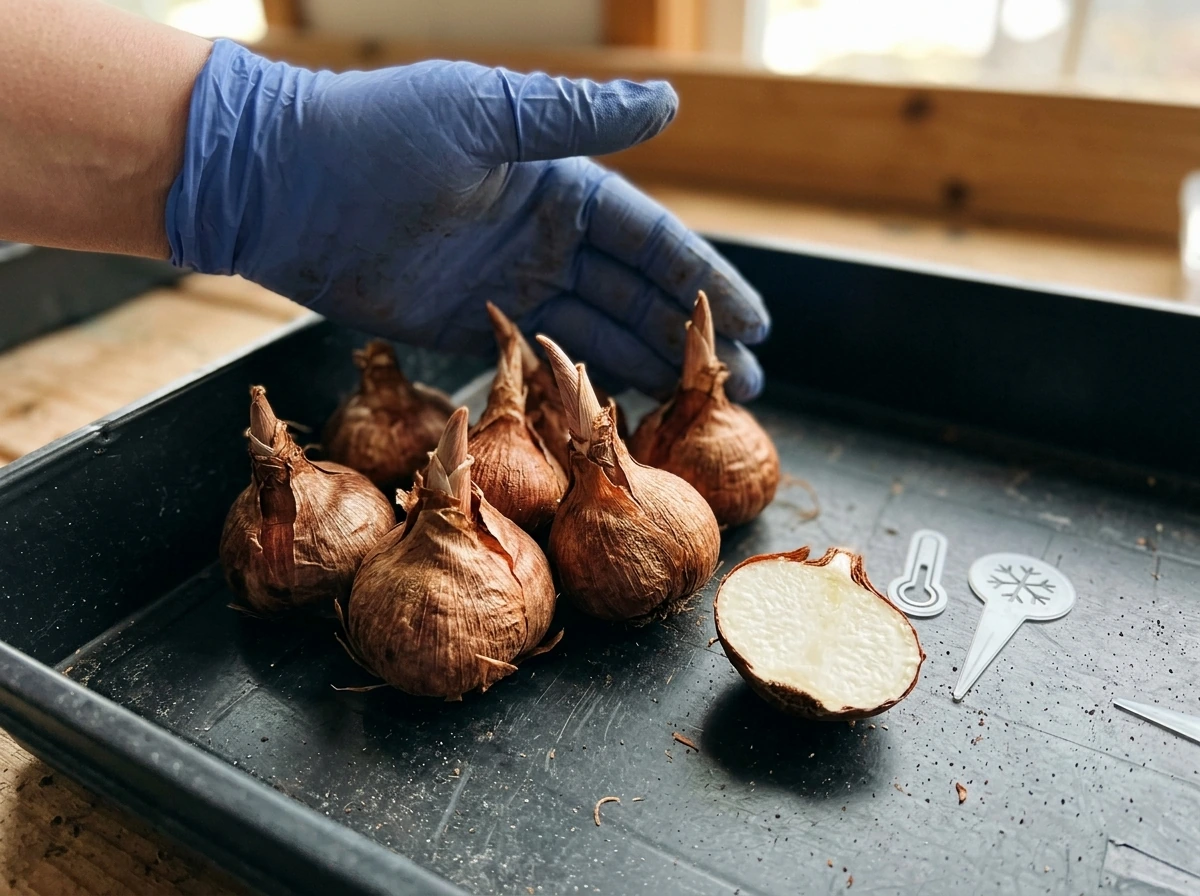
Crocus sativus is a geophyte, meaning it survives through a corm (a bulb-like storage organ) and is driven almost entirely by temperature cues. The flower initiation phase happens best at temperatures around 23 to 27°C during summer dormancy, while the actual flower emergence that you'll see in fall performs best at cooler temperatures in the 15 to 17°C range. That tight temperature sensitivity is why timing your planting and understanding your local microclimate actually matters here.
Saffron crocus is rated for USDA zones 6 through 9 as a reliable performer. It does require a period of warm summer dormancy followed by cool fall temperatures to trigger blooming, and it needs a genuine winter chill to stay healthy for the following year. Pennsylvania's climate gives you all three of those things naturally. What it also gives you is wet springs and wet winters, which is where most PA growers run into trouble.
Chill hours matter here, but not in the way they do for fruit trees. Saffron doesn't need a specific number of chilling hours the way an apple tree does. What it needs is the contrast: a warm, dry summer dormancy followed by cooling fall temperatures. Pennsylvania provides that contrast naturally from about September onward, which is why growers in places like Lancaster and Chester Counties have been producing saffron for generations.
When and how to plant saffron corms in Pennsylvania
The planting window in Pennsylvania runs from late summer through early September, and getting this timing right is important. Plant too late and the corms won't have time to root before the ground gets cold; plant too early in the heat of August and you risk encouraging rot before the soil cools down. Late August to the first week of September is your sweet spot for most of PA. One encouraging thing worth noting: corms planted in this window will typically bloom in the same fall season, usually from mid-October through mid-November.
For in-ground planting, the recommended depth is 6 to 7 inches. That's deeper than most crocus, and for good reason: deeper planting insulates corms from freeze-thaw cycles at the surface, which in Pennsylvania winters can be relentless. Spacing should be about 3 to 4 inches apart for a production-focused bed, or 10 to 12 cm (roughly 4 to 5 inches) if you want a bit more breathing room. Planting in groups or clusters rather than a single row gives you a better harvest because you're concentrating blooms in one spot.
When placing the corm in the hole, put the flat or scarred side down and the pointed growing tip up. If you can't tell which end is up (it happens, especially with smaller corms), plant it sideways and it will usually find its way. Cover firmly and water once to settle the soil, then back off unless conditions are extremely dry.
Site selection is worth thinking about carefully. USDA notes that hardiness zones are based on average annual extreme minimum temperatures over a 30-year period, which is why local microclimates can differ from the map. A south-facing slope or a bed against a south-facing wall gives you warmer soil temperatures in fall, which helps trigger blooming right on schedule. Avoid low spots where cold air pools or where water drains toward the bed after rain. Those are the kinds of microclimates that look fine on paper but cost you corms every winter.
Sunlight, soil, and the drainage problem
Saffron crocus needs full sun, at least six hours of direct sunlight per day during the growing season. The foliage emerges in fall after bloom, persists through winter in mild periods, and grows again in spring before dying back by early summer. All of that cycle requires good light. Shade doesn't just reduce blooms; it weakens the corm's ability to store energy for the next season's flowers.
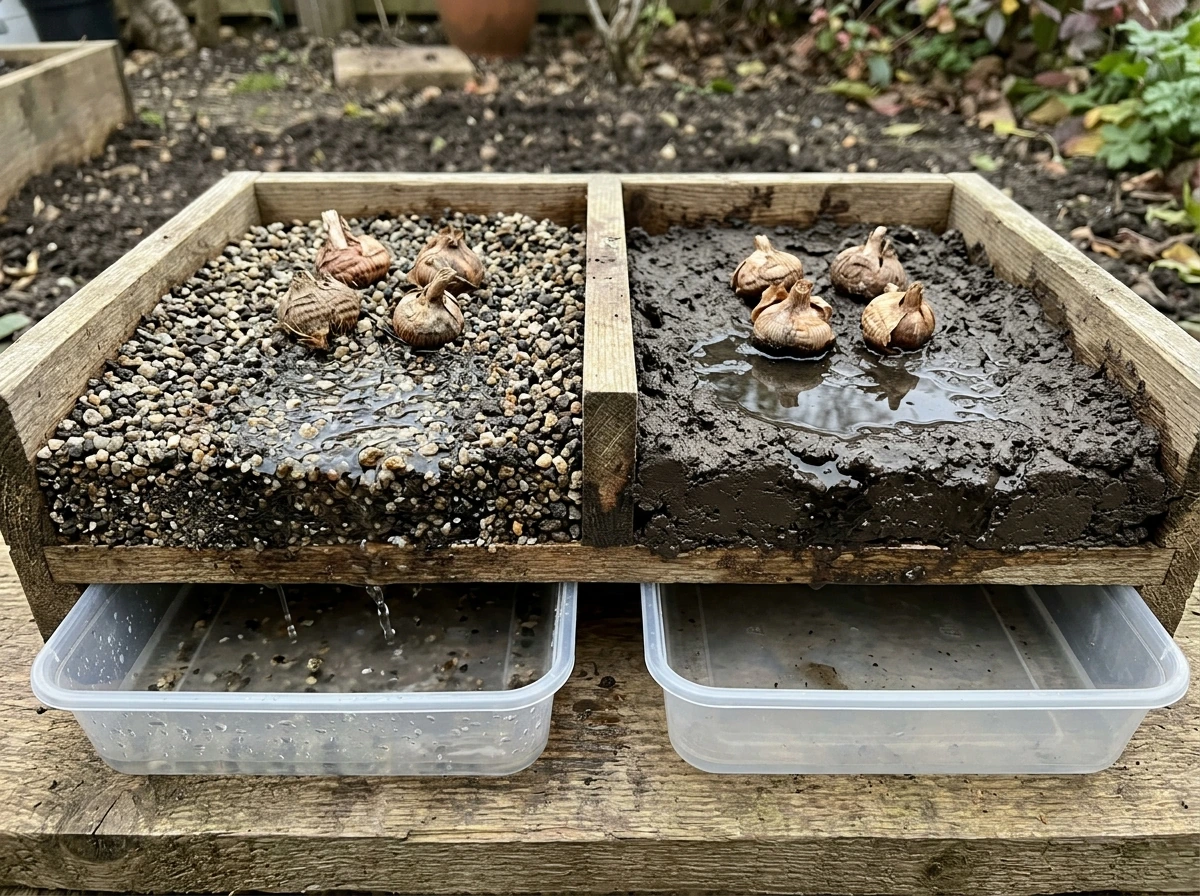
Soil requirements are where Pennsylvania growers most commonly go wrong. Saffron demands well-drained, slightly alkaline to neutral soil. It will not tolerate waterlogged conditions. Saturated soil causes corms to rot, and once rot sets in, there's no saving them. If your garden soil is heavy clay, which is common throughout much of central and western PA, you need to either amend it heavily before planting or skip in-ground growing entirely and go with containers or raised beds.
For poorly draining sites, raised beds built 15 to 20 cm (6 to 8 inches) above grade give the drainage relief corms need. Amend the planting area with plenty of coarse sand and organic matter like compost to open up the soil structure. Avoid planting saffron where water visibly pools after rain even briefly. That's a warning sign serious enough to move the bed entirely.
A common mistake I see: people add too much compost without adding drainage material, creating a moisture-retaining mix that feels rich but stays wet far too long. Sandy loam or a mix that leans toward fast drainage is what you're aiming for. Think of it like lavender: the soil type that makes lavender thrive is the same type that makes saffron thrive.
Containers vs. in-ground: which works better in PA
This is an honest debate worth having for Pennsylvania growers, because the answer changes depending on your soil and your zone. In-ground growing works well in zones 6b and 7, especially in the southeastern corner of the state, where soils are workable and winters are cold but not brutal. Container growing is more flexible and honestly safer for anyone dealing with heavy clay, poorly drained yards, or zone 5b conditions in the colder north-central parts of the state.
| Factor | In-Ground | Containers |
|---|---|---|
| Planting depth | 6–7 inches | 4–6 inches |
| Drainage control | Depends on native soil quality | Full control with mix choice |
| Winter protection | Natural insulation from soil mass | May need to move or mulch heavily |
| Replanting/division | Dig and divide every 6+ years | Easier to manage annually or as needed |
| Best for PA zone | Zone 6b–7a (especially southeast PA) | Zone 5b–6a or heavy clay sites statewide |
| Cost and setup | Lower upfront if soil is workable | Requires good-sized containers and potting mix |
For containers, use a terracotta or unglazed ceramic pot at least 12 inches wide and deep. A gritty, fast-draining potting mix works best, something like a mix of standard potting soil cut with 30 to 40 percent perlite or coarse sand. Plant corms 4 to 6 inches deep in the container. Make sure every container has drainage holes and that water flows freely out of them; sitting in a saucer of water is exactly the wrong setup.
The container advantage in Pennsylvania is real when it comes to winter. If you're in a zone 5b area or have a winter that looks like it's going to include repeated hard freezes and ice, you can move containers into an unheated garage or shed for the worst of it. The corms need the cold and the dormancy, but they don't need the cycle of freezing solid, thawing, and freezing again that a shallow outdoor container can deliver.
Taking care of the plants after you've planted
Watering
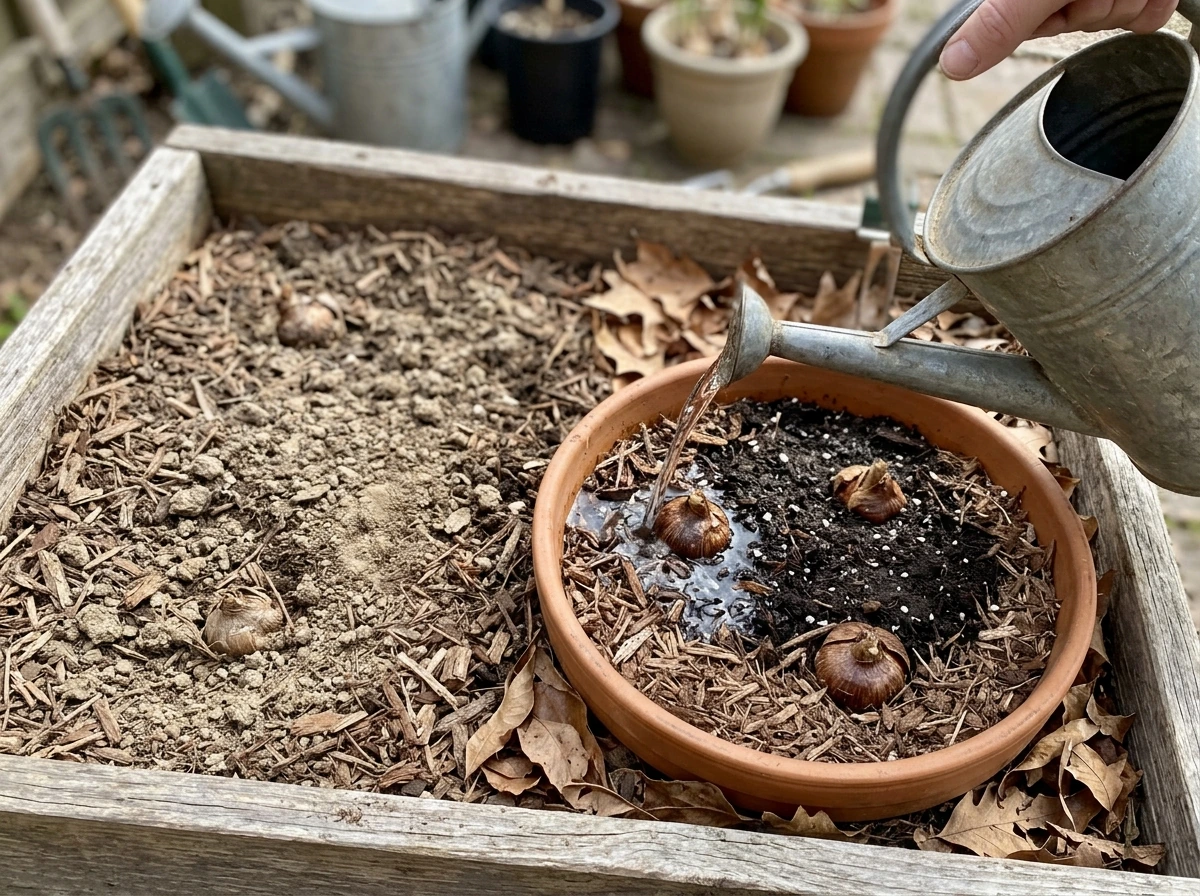
Water once after planting to settle the soil, then hold back until you see foliage emerging or until the soil has dried out. During the fall growing period when leaves and flowers are active, water only if conditions are dry. Pennsylvania's fall rainfall is usually sufficient. The cardinal rule: do not overwater. Saturated soil will rot your corms, full stop. During summer dormancy, keep the soil on the dry side, especially if you're growing in containers.
Fertilizing
Saffron is not a heavy feeder. A light application of a balanced, low-nitrogen fertilizer in early fall when foliage first emerges is sufficient. Too much nitrogen pushes leafy growth at the expense of corm development and flowering. If you've amended your soil well at planting time, you may not need to fertilize at all for the first season.
Weeds, pests, and other problems
Keep the bed clear of weeds, especially during the fall and spring growing periods when foliage is up. Weeds compete for nutrients and, more importantly in Pennsylvania, they can trap moisture around corms. A thin layer of gravel or coarse mulch over the soil surface helps with both weed suppression and drainage near the surface, just don't pile deep organic mulch directly over corms as it can hold excess moisture.
The main disease threat is Rhizoctonia crocorum, a fungal pathogen that causes neck rot at the base of the corm. It tends to show up in wet conditions and poorly drained beds. Good drainage is the primary prevention. Rodents and squirrels are a common nuisance since they like to dig up corms. Wire mesh laid just below the soil surface at planting time is the most effective solution if this has been a problem in your garden before.
Harvesting saffron and what to realistically expect
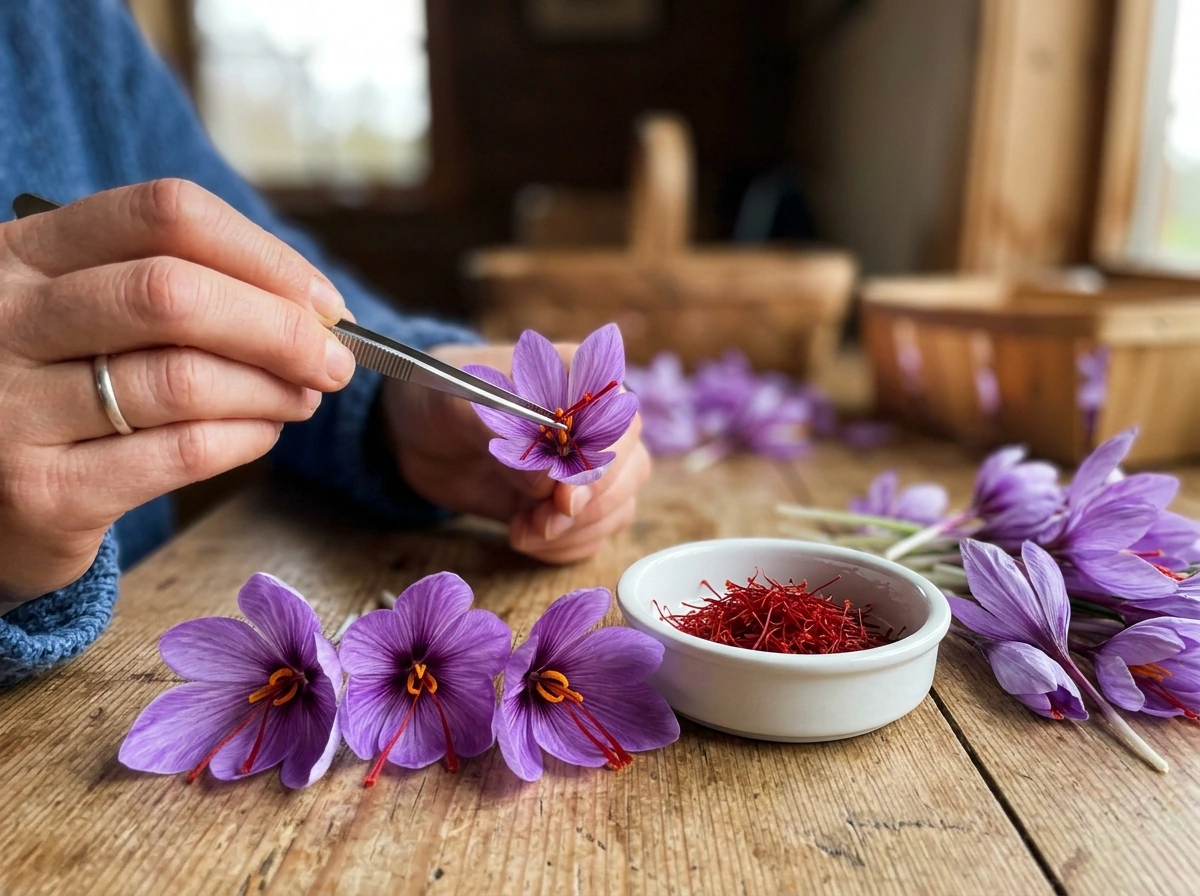
Flowers typically emerge in Pennsylvania from mid-October through mid-November, depending on the fall temperature pattern in your area. The harvest window is short, sometimes just a few weeks, so you need to check the bed daily once blooms start appearing. A UVM saffron factsheet from the University of Vermont notes that during the harvest period it is generally best not to delay flower picking more than about 2, 3 days check the bed daily once blooms start appearing. Flowers open and fade quickly, often within a day or two, and the stigmas lose quality fast if left on the plant.
To harvest, pick the three red stigmas from each flower. You can either pluck just the stigmas with your fingers or harvest the whole flower and remove them inside. Either method works. Do this in the morning when the flowers have just opened for the best quality.
Drying the stigmas immediately after harvest is critical. Lay them on a piece of kitchen towel on a wire rack and leave them at room temperature for at least 24 hours. Once fully dried, store them in an airtight container away from light. Properly dried and stored saffron holds its quality for a year or more.
Now for the yield reality check, and this is important to hear before you get too excited. Each corm produces roughly 2 to 4 flowers. Each flower has 3 stigmas. That means one corm gives you 6 to 12 stigmas. It takes about 150 flowers to yield 1 gram of dried saffron, which means roughly 50 corms at good production rates to get a single gram. A small home planting of 50 corms will give you a meaningful pinch of real saffron, enough to flavor a few dishes, but you're not replacing your grocery budget. If you plant 200 corms, you'll start to have a quantity that feels satisfying. The effort-to-yield ratio is part of why saffron is the world's most expensive spice.
Getting through winter and planning for the long term
In-ground corms in zones 6 and 7 generally overwinter fine without intervention. The soil mass insulates them well enough, and Pennsylvania winters rarely get cold enough to damage properly planted corms at 6 to 7 inches depth. In zone 5b areas in northern and central PA, a light layer of straw or shredded leaves over the bed after the foliage dies back in spring can help buffer against the coldest stretches. Pull the mulch back in early fall before blooming.
For container growers, the safest approach is to move pots into an unheated garage or shed when temperatures are expected to drop below about 10°F (-12°C) for extended periods. The corms need cold, but they don't need to be frozen solid repeatedly. An unheated garage stays cold enough to maintain dormancy without the brutal freeze-thaw cycle.
Over time, corms multiply underground. As they get crowded, flower production drops. Plan to dig, divide, and replant every 5 to 7 years for in-ground beds, or more frequently if you're growing in containers. A Pennsylvania grower mentioned in reports from the southeastern part of the state follows a cycle of digging and dividing corms in July and replanting around mid-October. That rhythm works well with Pennsylvania's seasons.
When things go wrong: common failures in Pennsylvania
- Corm rot: Almost always caused by poorly drained soil or overwatering. If you're losing corms over winter, improve drainage before replanting rather than just buying new stock.
- No blooms in the first year: If you planted late (October or later), the corms may not have had time to root and initiate flowers. Plant earlier next season, targeting late August to early September.
- Poor flower count in subsequent years: Usually crowding from corm multiplication. Dig, divide, and replant at proper spacing.
- Corms not rooting: Planted too shallow or into very dry soil. Water once at planting and ensure depth is at least 6 inches in-ground.
- Rodent damage: Squirrels and voles dig corms eagerly. Install hardware cloth mesh 1 to 2 inches below soil surface at planting.
- Foliage emerging but no flowers: This happens in the first season occasionally, especially with smaller corms. Larger corms (also called mother corms) bloom more reliably than small offsets. Buy the largest corms you can find.
Pennsylvania is genuinely a workable state for home saffron growing, especially in the southeastern zone 6 and 7 areas. If you're in the colder northern zones, containers or raised beds with excellent drainage make it realistic even there. The people who fail here almost always do so because of waterlogged soil, not because of the cold. Get the drainage right, plant in late August, give it full sun, and you'll have saffron blooming in your yard by Halloween, if you’re asking can you grow saffron in Oregon, the same two requirements apply: drainage and sun exposure. If you’re wondering can you grow saffron in California, the same two requirements apply: excellent drainage and enough sun to support that fall bloom cycle full sun. If you’re wondering can you grow saffron in Arizona, the biggest factor is still drainage and sun exposure. can you grow saffron in washington state
FAQ
Can you grow saffron in Pennsylvania if your soil is heavy clay even after adding compost?
Yes, but only if you significantly improve drainage. Compost alone can hold water, so you generally need to add coarse sand or perlite and often switch to raised beds or containers. If water pools after rain anywhere near the planting spot, treat it as a no-go for in-ground growing.
What happens if I plant saffron corms earlier than late August (for example, mid-August)?
Earlier planting increases the risk that corms start rot before they get established, because August heat and moist soil can encourage fungus and decay. If you must plant earlier, prioritize very fast-draining soil and avoid watering until the soil cools and dormancy behavior is clearly shifting.
Do I need to remove the flowers after blooming, or can I leave them on the plant?
You should harvest the stigmas promptly, but you do not need to remove the entire plant. Let foliage continue to grow after flowering, since the leaves rebuild energy reserves in the corm. Only remove spent flowers if they start to create extra wetness or attract pests.
How do I tell which end is up on a saffron corm, and does it matter if I plant it sideways?
It matters mostly for speed. If you cannot identify the tip and flat side, planting sideways is still usually fine, the corm will correct itself as it starts growing. For best results, still aim to avoid leaving the corm resting fully exposed at the soil surface.
Should I water during fall flowering even if Pennsylvania rains are frequent?
Water only if the soil is drying out between rain events. Frequent rain is fine as long as the bed drains well, but if your soil stays damp for days, additional watering increases rot risk. A simple check is to feel the soil 2 to 3 inches down before watering.
Can saffron be grown in Pennsylvania in partial shade or under a tree?
For reliable blooms, aim for at least six hours of direct sun. Partial shade can reduce flowering and also keeps soil wetter for longer, raising the risk of rot. If you only have dappled shade, containers near a sunnier wall are often a better option.
Is there a way to improve drainage without rebuilding the whole bed?
Sometimes, but it depends on how severe the problem is. For mild drainage issues, you can create a raised berm or dig out the planting zone and refill with a gritty mix. For chronic pooling, the most dependable approach is raised beds or containers, because saffron corms fail in saturated soil.
How long can saffron corms stay in the ground before I should dig and divide them?
Plan on dividing every 5 to 7 years for in-ground beds. If growth becomes less vigorous, flowering drops, or the clumps look crowded, divide sooner. Container plantings often need more frequent division because pots restrict space and moisture conditions change faster.
What temperature is “cold enough” for dormancy protection in Pennsylvania containers?
A practical threshold is moving pots when prolonged temperatures drop below about 10°F (-12°C). You want cold dormancy, but not repeated freeze-thaw cycles in shallow containers. An unheated garage or shed typically works better than leaving pots fully exposed outdoors.
How soon can I expect blooms after planting corms in Pennsylvania?
When planted in the late August to early September window, blooms typically appear in the same fall season, often from mid-October through mid-November. Cooler or unusually wet conditions can shift the bloom timing slightly, so check daily once flowers begin to emerge.
What should I do if rodents keep digging up my saffron corms?
Use physical barriers at planting time. Wire mesh placed just below the soil surface is usually more effective than surface deterrents, because it blocks digging while still allowing roots to establish. If you see repeated damage, consider also using hardware cloth around the bed perimeter.
Can I fertilize saffron more heavily to increase yield?
Usually no. Too much nitrogen can encourage leafy growth at the expense of corm development and blooms. If you fertilize, keep it light and low in nitrogen, applied around the time foliage first emerges in fall, and skip fertilizing if your soil was freshly amended at planting.
How do I know my corms are rotting rather than simply not blooming yet?
Healthy corms stay firm and should produce foliage after the bloom cycle. Rot usually shows up as softening, foul smell, or missing shoots. If you see no growth by the time foliage should emerge and the soil stays constantly wet, gently check one corm to confirm.
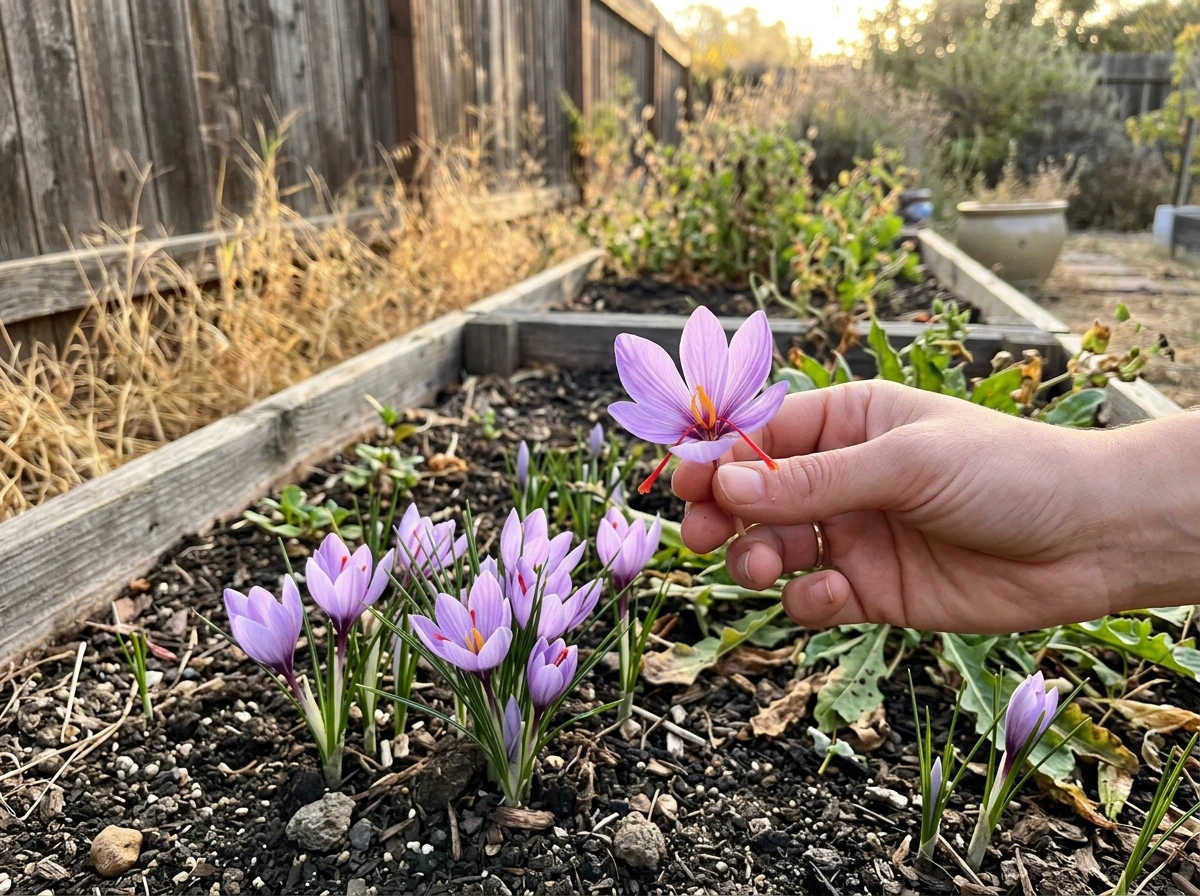
Yes, grow saffron in California with tips for SoCal, including chilling, soil, planting depth, corms, and avoiding rot o
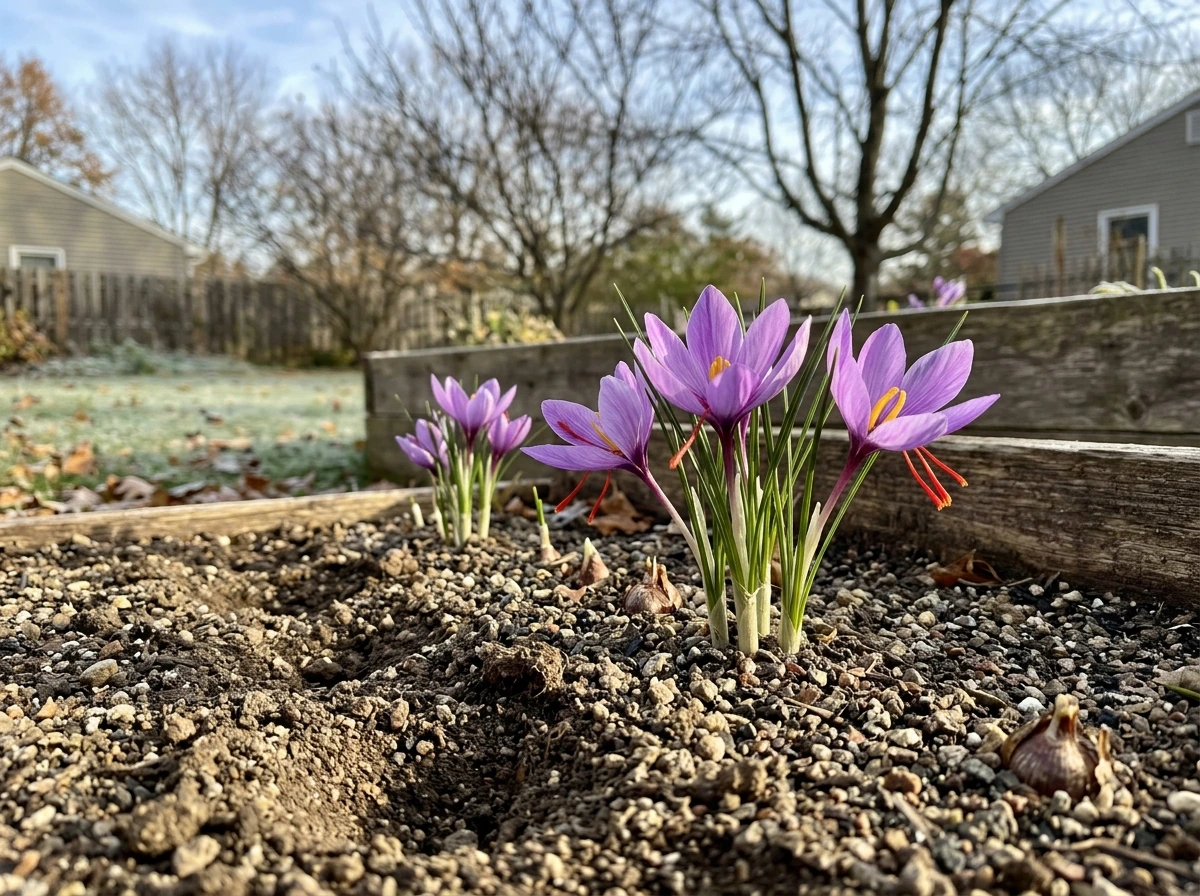
See if you can grow saffron in the US by climate zone, plus steps for planting corms, drainage, care, and harvest.
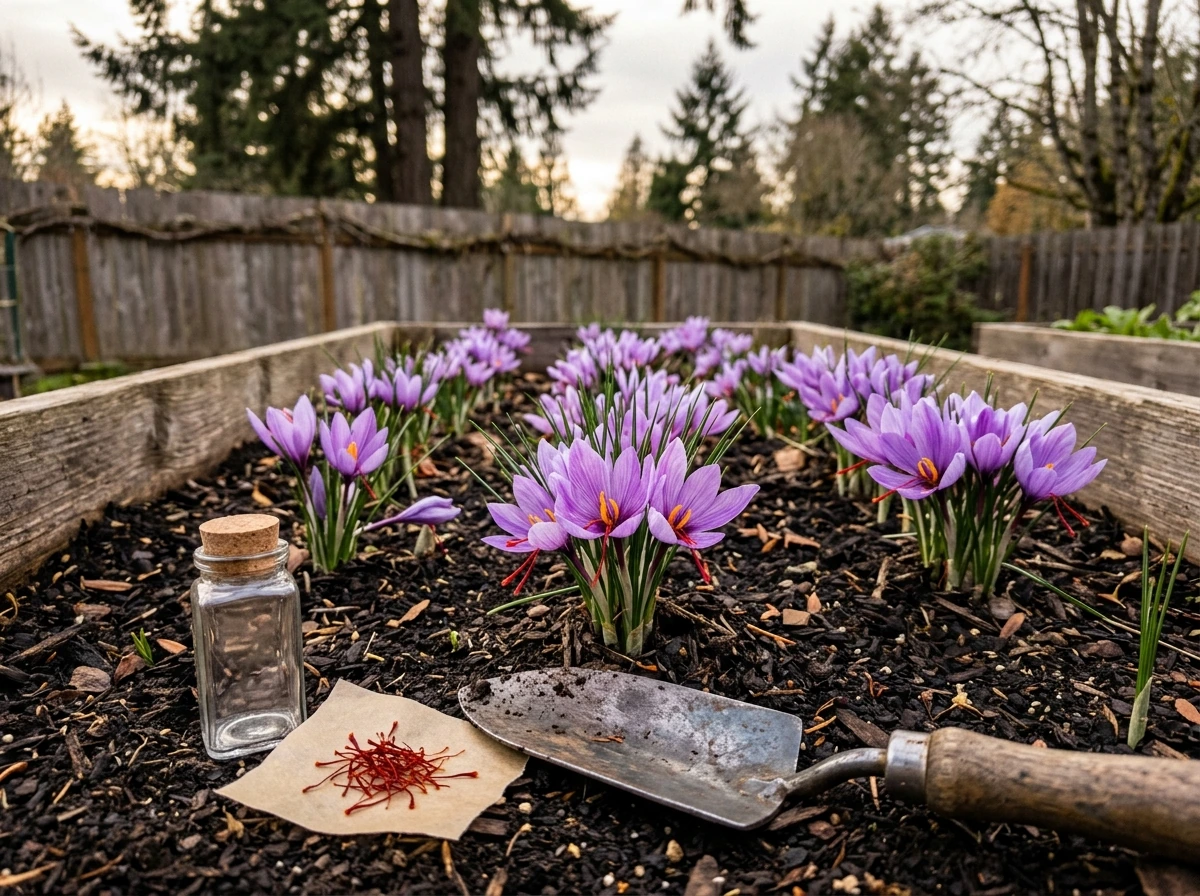
Can you grow saffron in Oregon? Learn site, soil, planting timing, overwintering, irrigation, and harvest tips step by s