The short version: saffron grows best in climates with cool, moist winters, warm and dry summers, and reliable fall weather cool enough to trigger blooming. USDA hardiness zones 6 through 8 are the sweet spot, though with some adaptation you can push into zones 5 and 9. Where it tends to fail is in climates with hot, humid summers (think coastal Georgia or central Florida) or in soils that stay wet year-round. If your summers are brutal and soggy, you will need workarounds covered later in this guide.
Which U.S. regions are best suited for saffron
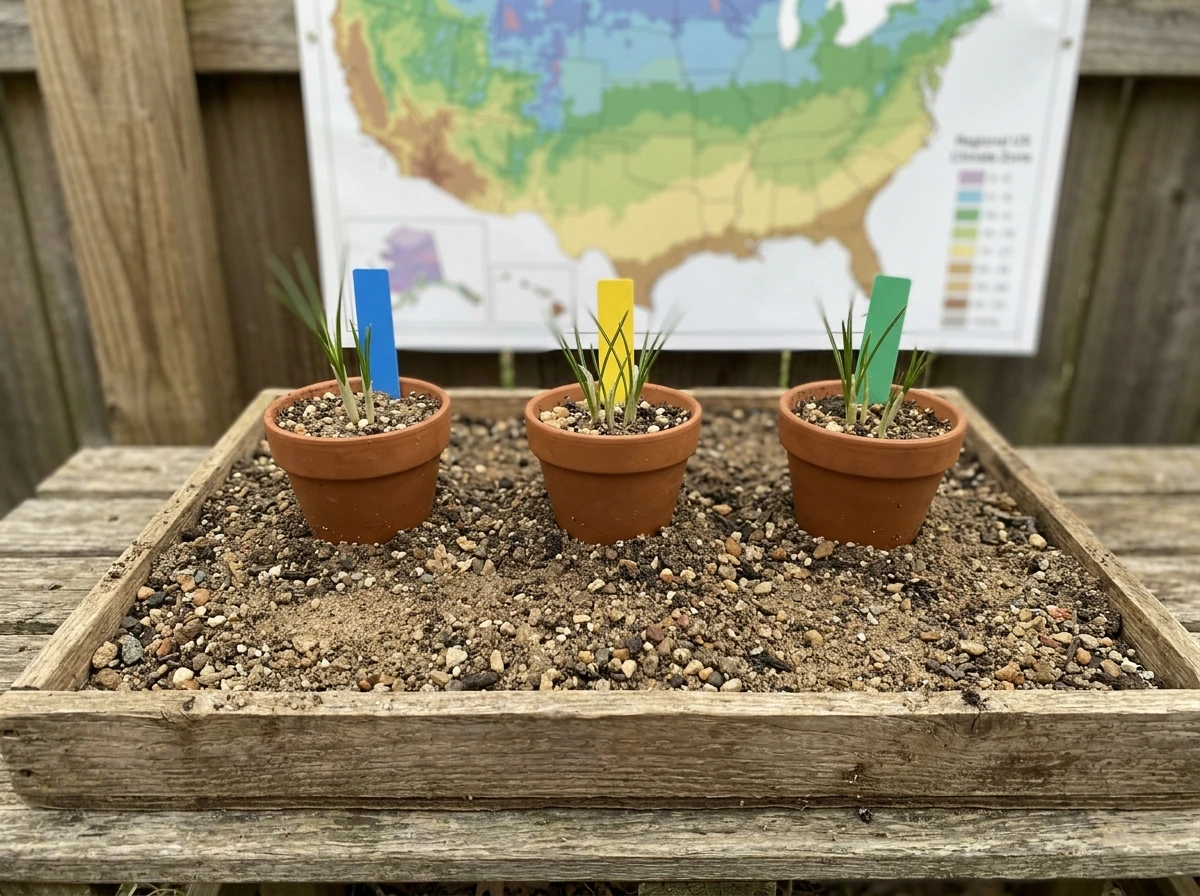
Across the U.S., the regions that consistently produce good saffron harvests share a few traits: reasonably cold winters, dry summers (or at least decent drainage), and a fall season that drops into the 50s and 60s Fahrenheit before the first hard frost. Here is how the major regions stack up.
| Region | Suitability | Key Consideration |
|---|
| Pacific Northwest (OR, WA) | Excellent | Ideal cool, dry summers; protect from excess fall rain |
| Mid-Atlantic (PA, NY, NJ, VA) | Very Good | Zones 6–7 are a natural fit; watch for heavy clay soils |
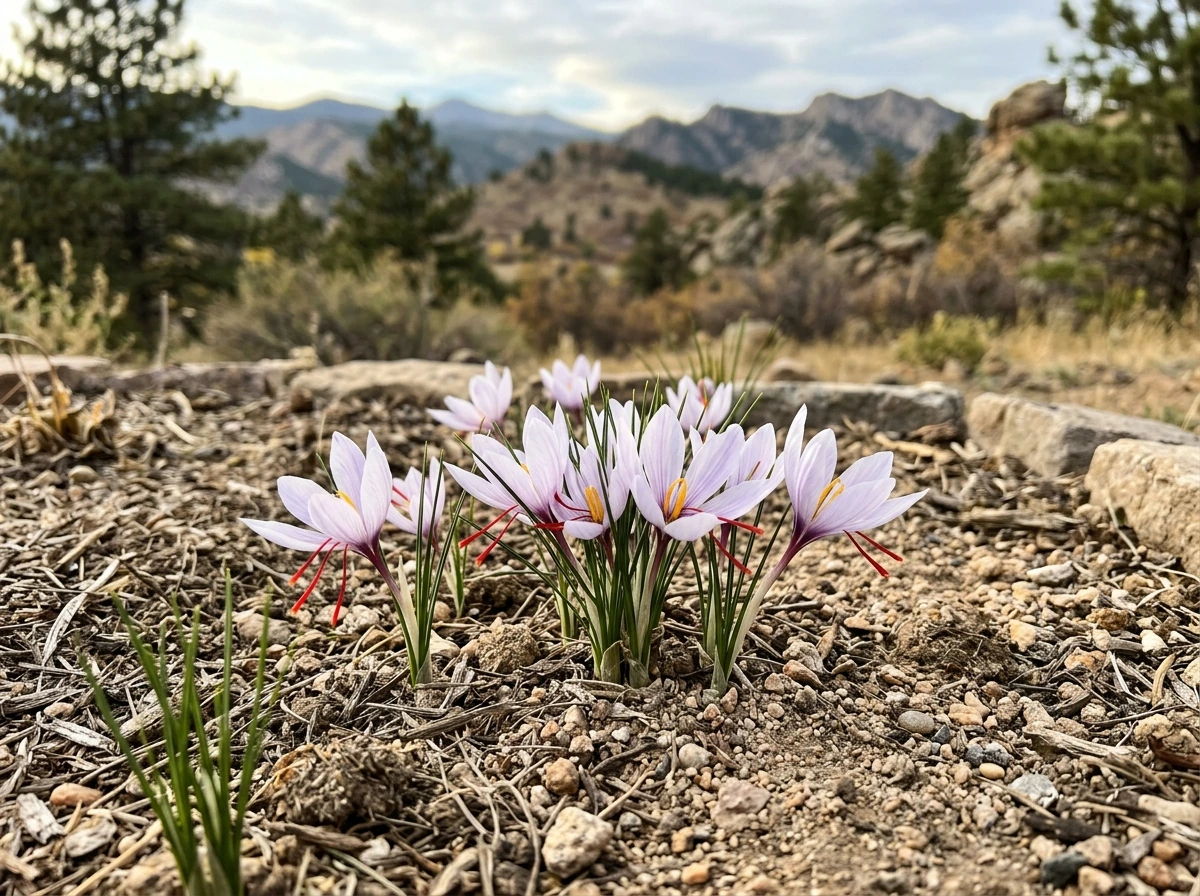
| Mountain West (CO, parts of ID/UT) | Good | Cold winters require mulching; drainage is usually strong |
| California (central valleys, coastal) | Good to Excellent | Dry summers are ideal; mild winters may reduce corm vigor |
| Pacific Southwest (AZ, NM) | Moderate | Extreme summer heat; shade cloth and container growing help |
| Midwest (NE, KS, MO) | Moderate | Continental climate works if drainage is corrected |
| Southeast (GA, AL, FL) | Poor to Marginal | Humid summers rot corms; not recommended without containers |
| Deep South / Gulf Coast | Not recommended | Too hot, too wet, and winters too mild for reliable dormancy |
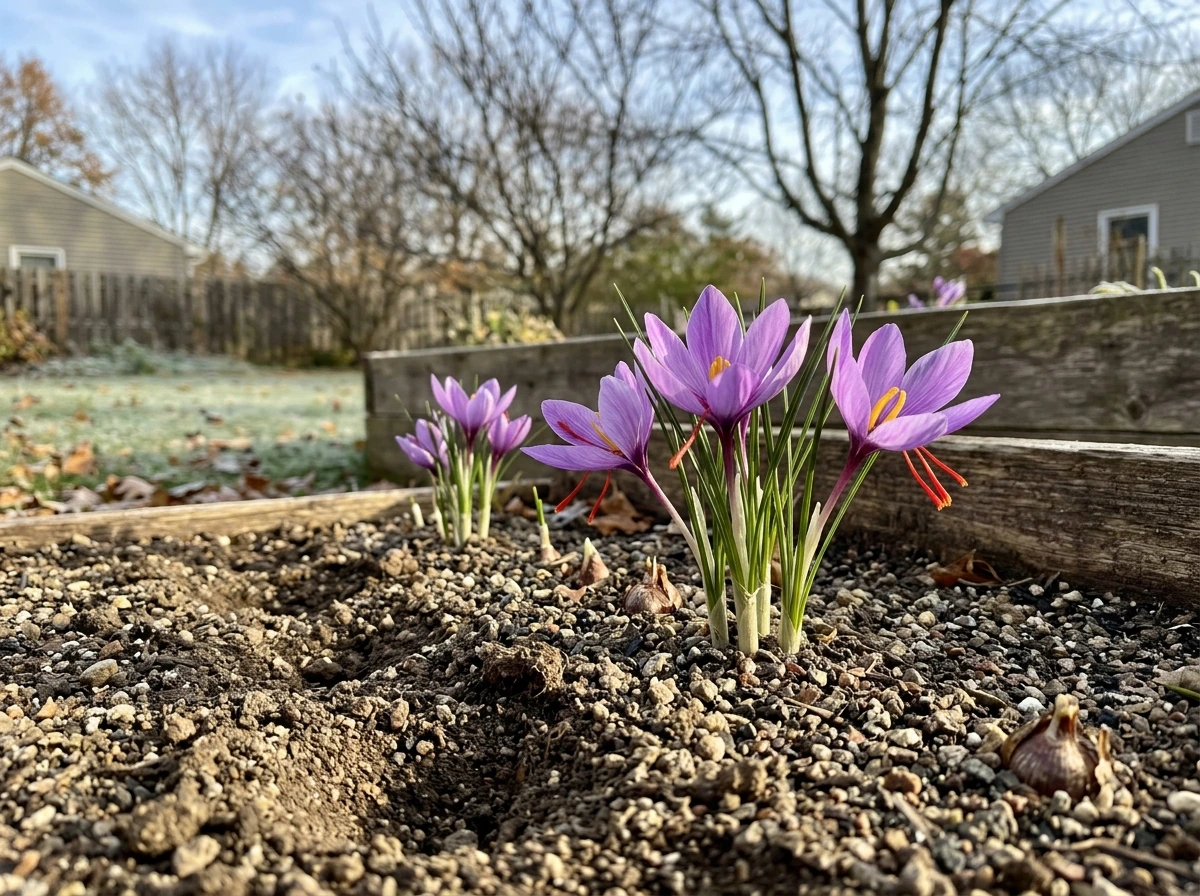
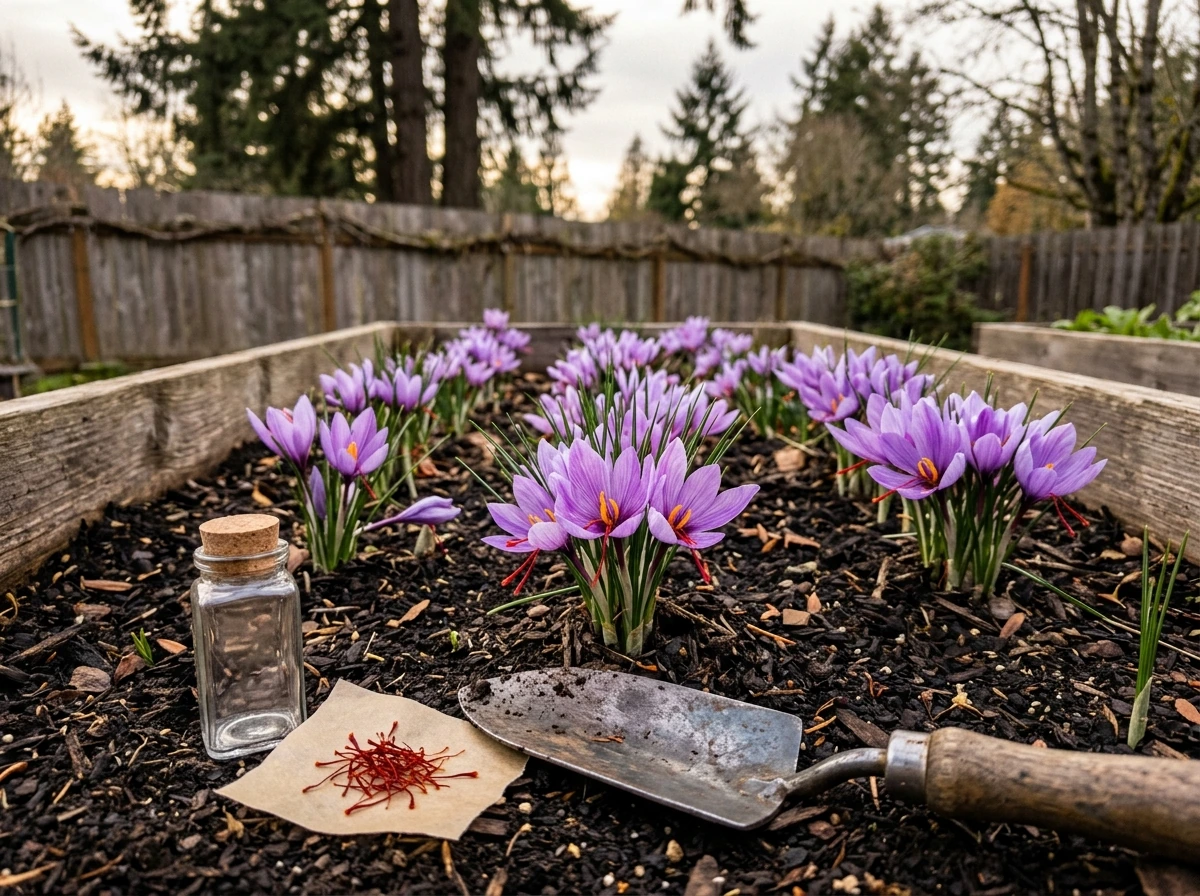
States like Oregon, Washington, Pennsylvania, California, and Colorado tend to get the most consistent results from home growers, which is exactly why we have dedicated regional guides for each of those. If you are wondering whether you can grow saffron in California specifically, the climate and drainage tips here will help you judge your odds. can you grow saffron in pennsylvania
What saffron actually needs to thrive
Before you plant a single corm, understand what saffron is trying to do biologically. It is a geophyte, meaning it spends part of the year dormant underground. In late summer through early fall, the corm sits dry and quiet. When temperatures start to cool and fall rains arrive, it pushes up flowers first, then foliage. That foliage stays green through winter and early spring, then dies back as summer heat kicks in. The plant is essentially inverted from the rest of your garden. That lifecycle dictates almost every care decision you will make.
Sun
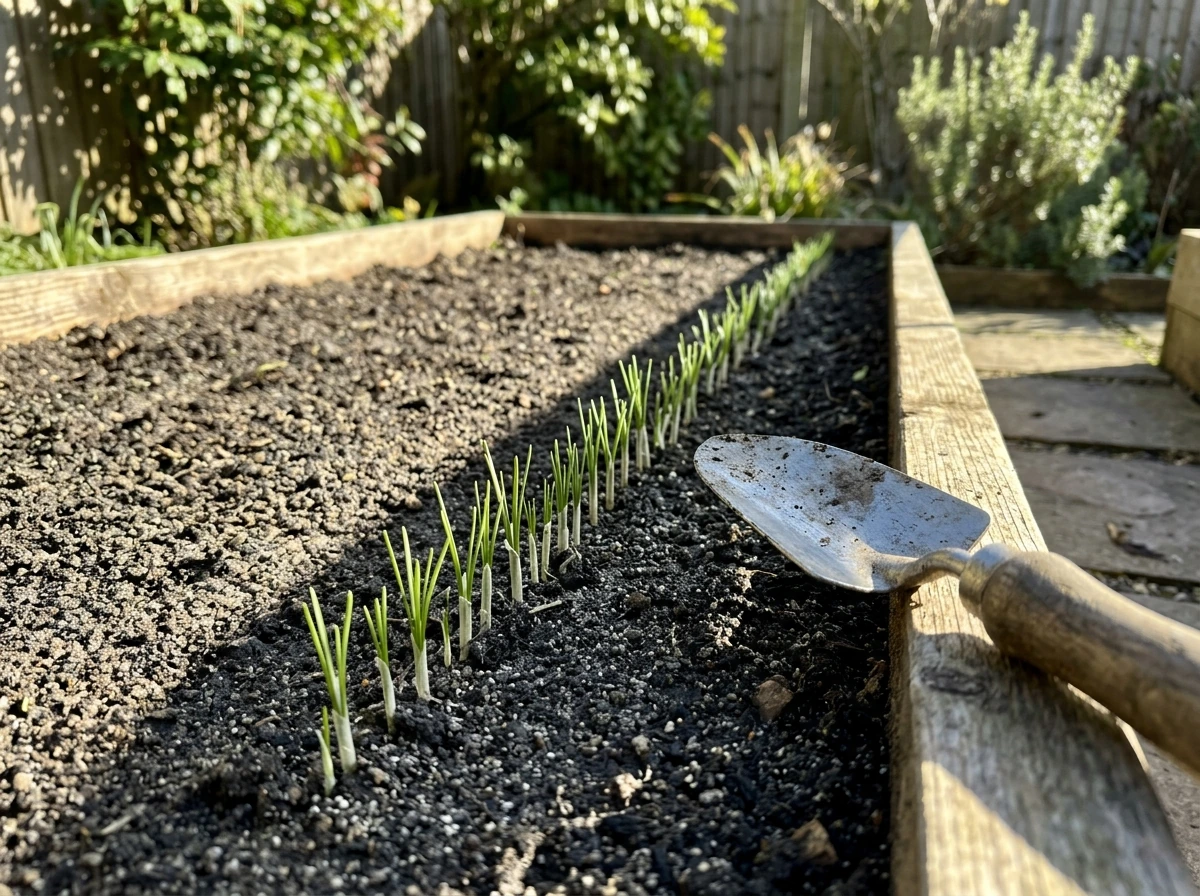
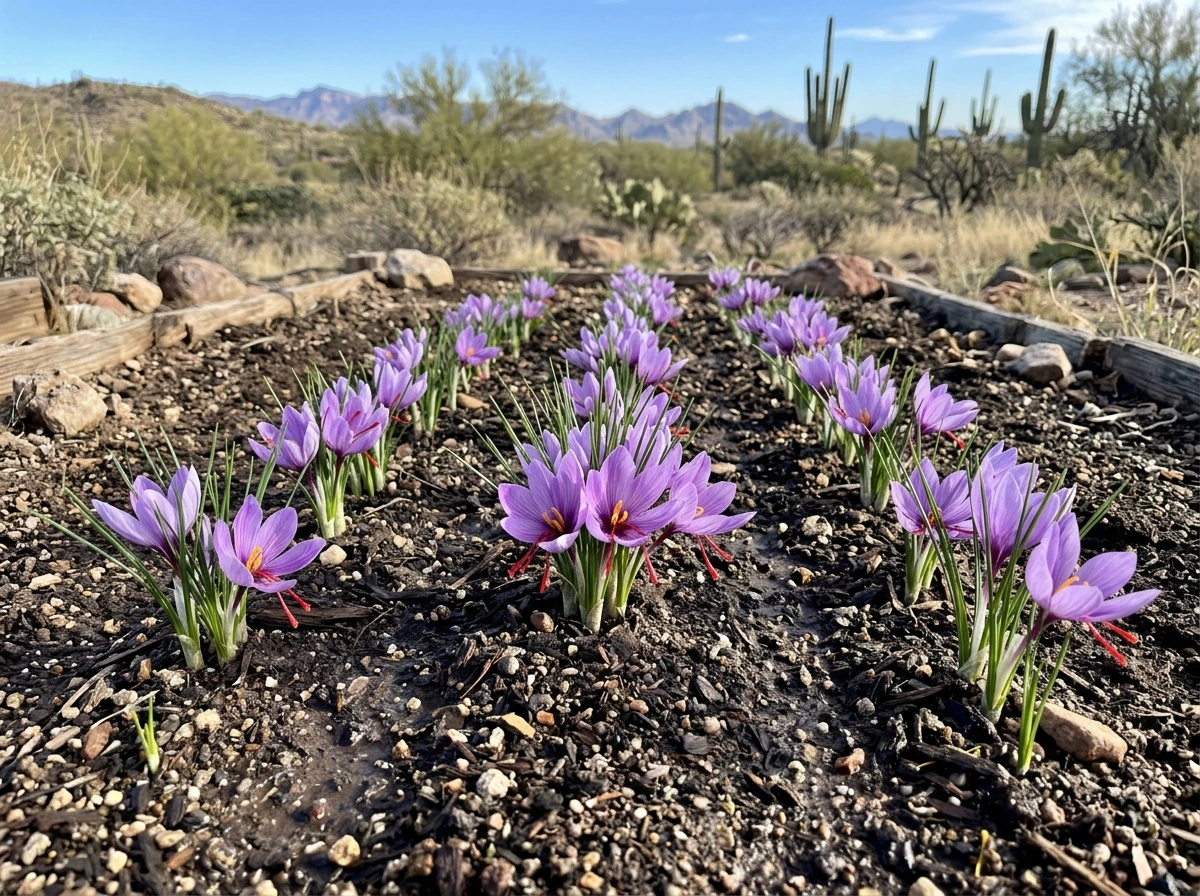
Saffron prefers full sun, at least six hours of direct sunlight daily. UC Agriculture and Natural Resources includes partial shade as tolerable, but in practice, more sun means more flowers and stronger corm multiplication. If you are in a hotter climate like Arizona and want to know whether you can grow saffron in arizona, some afternoon shade can actually protect the corms from cooking in summer, so there is a balance to strike. can you grow saffron in arizona
Soil and drainage
This is the single most important factor that most beginners get wrong. Saffron demands well-drained soil. A sandy-loam mix is ideal. If you have heavy clay soil and you plant saffron corms without amending it, you will likely be digging up rotten corms in spring and wondering what went wrong. The corms need to stay relatively dry during summer dormancy. Any soil that holds standing water or stays consistently moist through summer is going to cause rot. UC ANR specifically flags overwatering as a major failure point, and I can confirm that from experience. My first batch in a low-lying bed with dense soil was a complete loss by the second year.
Temperature and chill requirements
Saffron corms need a period of cool dormancy to perform well year after year. USDA hardiness zones 6 through 8 deliver this naturally. In zone 5 (think parts of the Midwest and Mountain West), the winters are cold enough that mulching is necessary to prevent the corms from freezing solid. In zones 9 and above, winters may not be cold enough to properly reset the corm's biological clock, which leads to fewer flowers each successive year. Mild-winter gardeners sometimes dig corms up and refrigerate them for 6 to 8 weeks to simulate a chill period, though results vary.
Water
During active growth in fall, winter, and spring, moderate watering is fine and natural rainfall usually handles it in most U.S. climates. Once the foliage dies back in late spring, stop watering and let the corms go bone dry. In regions with summer rain, this is where drainage becomes even more critical because you cannot always control the sky. During flowering in fall, a light watering can help, but do not overdo it.
How to grow saffron in the U.S.: step by step
Step 1: Source your corms
Buy corms from a reputable supplier that sells Crocus sativus specifically for food production, not just ornamental crocus. There are several U.S.-based growers selling saffron corms online, and the quality is generally better than imports because you are starting with corms acclimated to North American conditions. Aim for large corms, at least 8 to 10 grams each. Larger corms produce more flowers in their first year. Smaller corms will flower eventually but often need a full season to bulk up first. Plan to order in late summer so you can plant in early fall.
Step 2: Prepare the bed
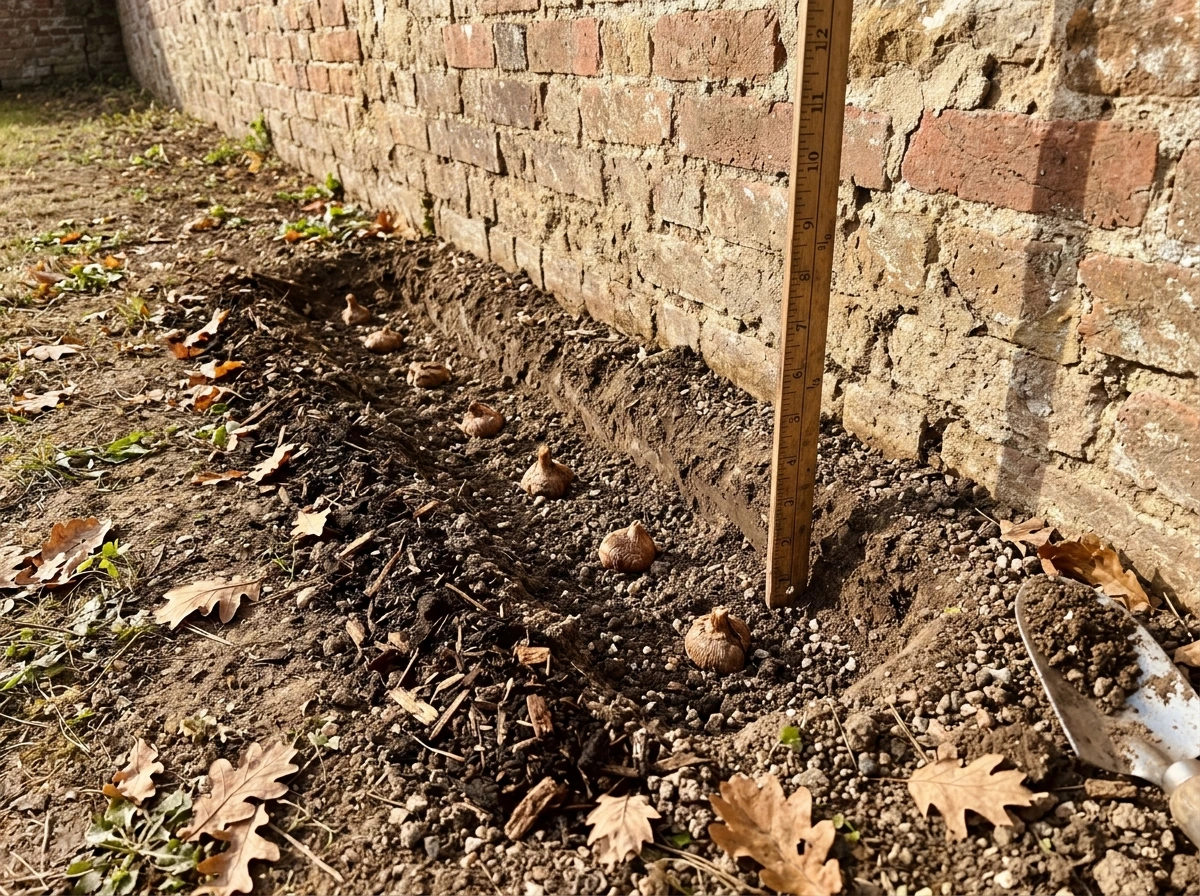
If your native soil is heavy clay, you need to fix it before planting, not after. Work in generous amounts of coarse sand and compost to a depth of about 12 inches. Raised beds are an excellent option because you can build exactly the sandy-loam mix you need and guarantee drainage from the start. A raised bed also makes it easier to keep summer moisture away from the corms. UVM Extension recommends a soil pH of around 6 to 8, so most average garden soils are already in range without amendment.
Step 3: Plant the corms
Timing depends on your region, but fall planting is universal. In most of the U.S., aim to plant between late August and October, before your first hard frost. Johnny’s Selected Seeds also recommends planting saffron crocus corms about 3, 4 inches deep and spacing them 3, 4 inches apart blank" rel="noopener noreferrer">plant between late August and October. The goal is to get the corms in the ground while soil temperatures are still warm enough to encourage root development (roughly 60 to 65 degrees Fahrenheit), but cool enough to trigger the plant's fall cycle. blank" rel="noopener noreferrer">Plant corms about 3 to 4 inches deep and 4 to 6 inches apart. Deeper planting in sandy soils and shallower in heavier amended soils. Place them with the pointed end up and the flat, rough end down. UVM Extension notes that tighter spacing increases flower production per square foot, while wider spacing gives individual corms more room to multiply as offsets over time.
Step 4: Water in and wait
After planting, water the bed thoroughly once to settle the soil. Then hold back and let the natural fall rains take over. If you are in a dry fall region like the Southwest, water lightly every week or two until flowers appear. Do not try to force early growth by overwatering. The corm is on its own schedule.
Step 5: Watch for flowers in fall
In most U.S. regions, flowers appear from mid-October through mid-November. The bloom window for each flower is very short, only two to three days. According to Nebraska Extension, a second flush of leaves appears in fall just before or after the flowers, which is normal. The flowers are a soft purple with three bright red stigmas inside, which are the saffron you harvest. Miss the window and you miss the harvest, so check your bed daily once buds appear.
Step 6: Ongoing care through spring
After flowering, the foliage keeps growing through winter and into early spring. This is when the plant is rebuilding energy in the corm for next year's performance. Do not cut the leaves back early. Let them yellow and die back on their own, which typically happens as temperatures warm in late spring. Nebraska Extension describes this cycle clearly: leaves grow in spring until summer heat sends the plant dormant, then the whole cycle restarts in fall.
Harvesting saffron: timing and technique
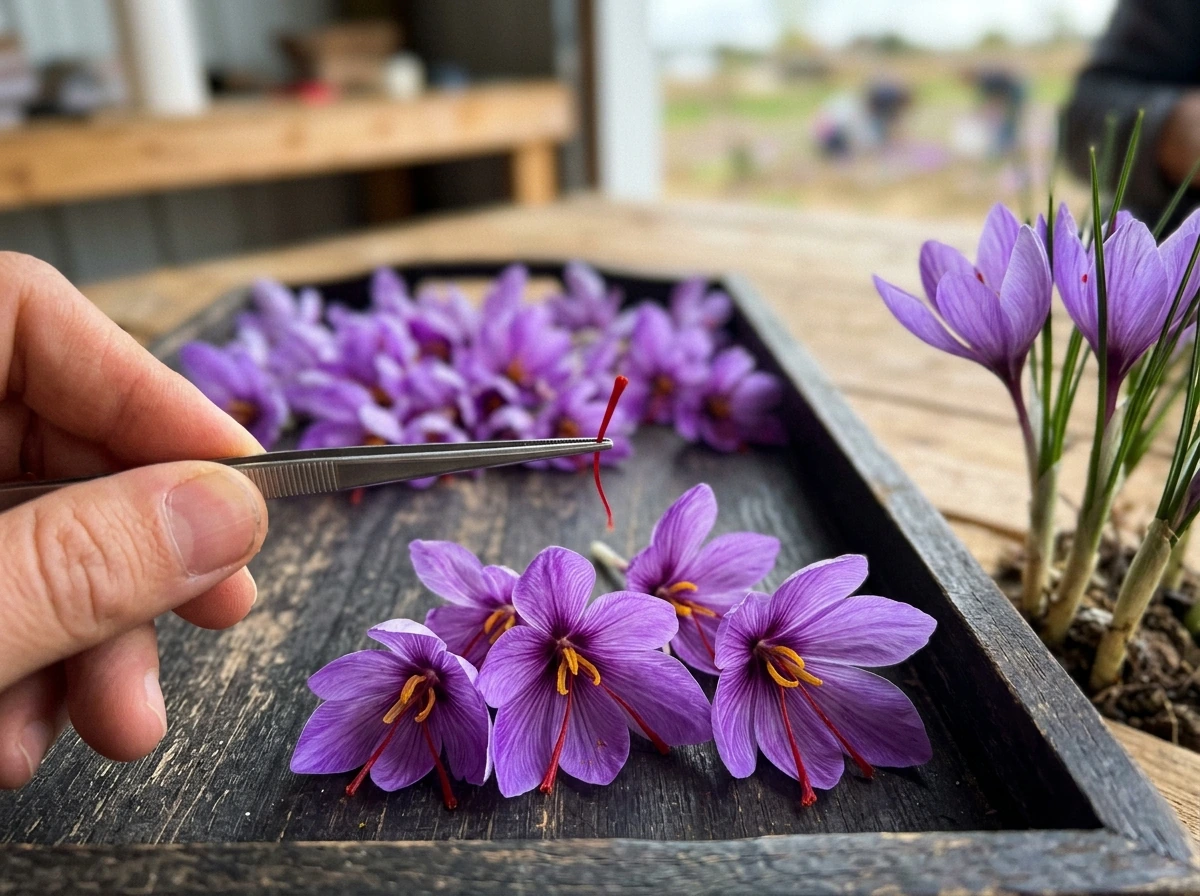
Harvest is one of those steps where patience and timing matter more than technique. The window for each flower is short, and the stigmas should be picked when the flower is freshly open, ideally in the morning when the blooms are at their best. Here is the basic process:
- Check the bed every morning during bloom season (mid-October through mid-November in most regions).
- As soon as a flower opens fully, use tweezers or your fingernails to gently pinch the three red stigmas at their base and pull them out cleanly. Nebraska Extension specifically recommends tweezers for this.
- Place harvested stigmas on a small plate or in a glass dish. Do not mix fresh stigmas with dried ones.
- Dry the stigmas within a few hours of harvest. Spread them on a paper towel or fine mesh in a warm, dry place out of direct sunlight. A low oven (under 150 degrees Fahrenheit) for 20 to 30 minutes also works.
- Once fully dry (they should be brittle, not pliable), store in an airtight glass container away from light and heat. Properly dried and stored saffron keeps its potency for two to three years.
That is it. The actual harvesting is simple. What trips people up is missing the bloom window entirely because they were not checking daily, or harvesting too late when the flower starts to wilt and the stigmas have lost quality.
Realistic expectations: yield, timeline, and what can go wrong
Here is the part most saffron guides skip over or sugarcoat: the yield from a home planting is modest, and it takes patience to build up. A Reddit discussion from a home grower also reflects this kind of real-world, first-hand experience with saffron harvesting timing and outcomes. Each flower produces exactly three stigmas. Fresh stigmas weigh almost nothing. A gram of dried saffron requires roughly 150 to 200 flowers, which comes from 150 to 200 corms. Wallace Howell, a Washington State University gardener cited by Nebraska Extension, said that 150 to 200 corms keeps his family reasonably well supplied for a year of cooking. That is a realistic target to aim for.
In year one, do not expect every corm to flower. Some will put out foliage and skip flowering entirely as they establish. Year two tends to be significantly better. By year three, if your corms have been multiplying, you will have a noticeably larger planting area and a meaningful harvest. Saffron corms multiply by producing offsets, so a bed that starts with 50 corms might have 150 or more by year three if conditions are good.
Common failure points to be aware of:
- Corm rot from poor drainage or summer overwatering (the most common failure by far)
- Planting too late in fall so corms do not have time to establish before hard frost
- Cutting back foliage too early in spring, which weakens corms for next year
- Missing the narrow bloom window and failing to harvest at all
- Planting in too much shade, which reduces flower production
- Buying ornamental crocus instead of Crocus sativus (they look similar but do not produce usable saffron)
Adapting for harder climates: containers, drainage, and microclimates
If your climate is on the edge, either too cold, too hot, or too wet in summer, you still have options. These workarounds are not theory. They are approaches that home growers in marginal zones actually use with real success.
Container growing
Growing saffron in containers is genuinely practical and solves several problems at once. You control the soil mix completely, which means perfect drainage is easy to achieve. You can move containers to a sheltered spot in hard winters or under an overhang during unusually wet summers. Use a terracotta pot or a well-draining fabric grow bag, fill it with a sandy-loam mix, and plant corms at the same depth and spacing you would in the ground. The main limitation is that containers dry out faster, so you need to be more attentive about watering during the fall and winter growth period. In zone 9 or above, you can bring containers into a garage or cool basement in spring to simulate a longer cool dormancy period.
Fixing drainage in ground beds
If you are committed to in-ground planting but have clay-heavy soil, build a proper raised bed at least 8 to 12 inches tall with a gritty, well-draining mix. You can also try a technique called French drainage, where you dig an 8-inch trench below the bed and fill the bottom few inches with gravel before adding your amended soil. This gives excess moisture somewhere to go instead of pooling around the corms. In rainy summer climates like the Pacific Northwest or parts of the mid-Atlantic, covering the bed with a simple cold frame or plastic sheeting during summer can dramatically reduce moisture reaching the dormant corms.
Using microclimates
Every garden has microclimates, and saffron responds well to strategic placement. A south-facing slope or a bed against a south-facing wall provides extra warmth and earlier fall trigger temperatures in colder zones. In hotter climates like Oklahoma or Arizona, a spot with afternoon shade from a building or tree can prevent the corms from desiccating in extreme summer heat. In colder climates like Colorado or the northern Midwest, a sheltered spot with good southern exposure and a few inches of straw mulch over the corms in winter can mean the difference between survival and loss.
Zone 5 and colder: extra protection
In zone 5 and colder, saffron is not impossible, but it needs help. Mulch the bed with 2 to 3 inches of straw or shredded leaves after the ground cools in late fall. Remove the mulch in early spring as temperatures warm. Some growers in these zones lift the corms in late spring, store them dry in mesh bags in a cool, dark place over summer, and replant in early fall. This mimics the dry summer dormancy the plant would get naturally in its native Mediterranean habitat, and it sidesteps the risk of frozen or waterlogged corms over winter.
Is it worth trying where you live?
If you are in zones 6 through 8 with decent drainage and a real fall season, yes, this is absolutely worth trying. The investment is low (corms are usually $1 to $3 each, and a starter planting of 50 to 100 costs less than a few jars of store-bought saffron), the process is not complicated, and by year two or three you will have a meaningful harvest of something most people have never grown. If you are in zone 5 or zone 9, it takes more management but is still doable with the right setup. If you are in a hot, humid climate like the Gulf Coast or South Florida, I would hold off unless you are committed to a container-only approach where you can control every variable manually. That is a lot of effort for uncertain results.
Start small. Plant 50 corms in your best-draining spot, check them every day in October, harvest whatever blooms, and see what comes back next spring. Most people who try saffron once get hooked on expanding the planting. It is one of those crops where the process is as satisfying as the result.