
Yes, you can grow saffron in New York, and it can actually work really well if you set it up right. Yes, you can grow saffron in New York, and it can actually work really well if you set it up right can you grow saffron in california. UVM Extension lists an overall growing range of USDA hardiness zones 4,8 for saffron cultivation (UVM Extension fact sheet, Sept 2021) blank" rel="noopener noreferrer">Saffronplantingforhomegardeners (UVM Extension fact sheet, Sept 2021) — zones 4–8.
Can You Grow Saffron in NY? Planting Tips and Winter Care

Marcus Petersen
24 Mar 2026
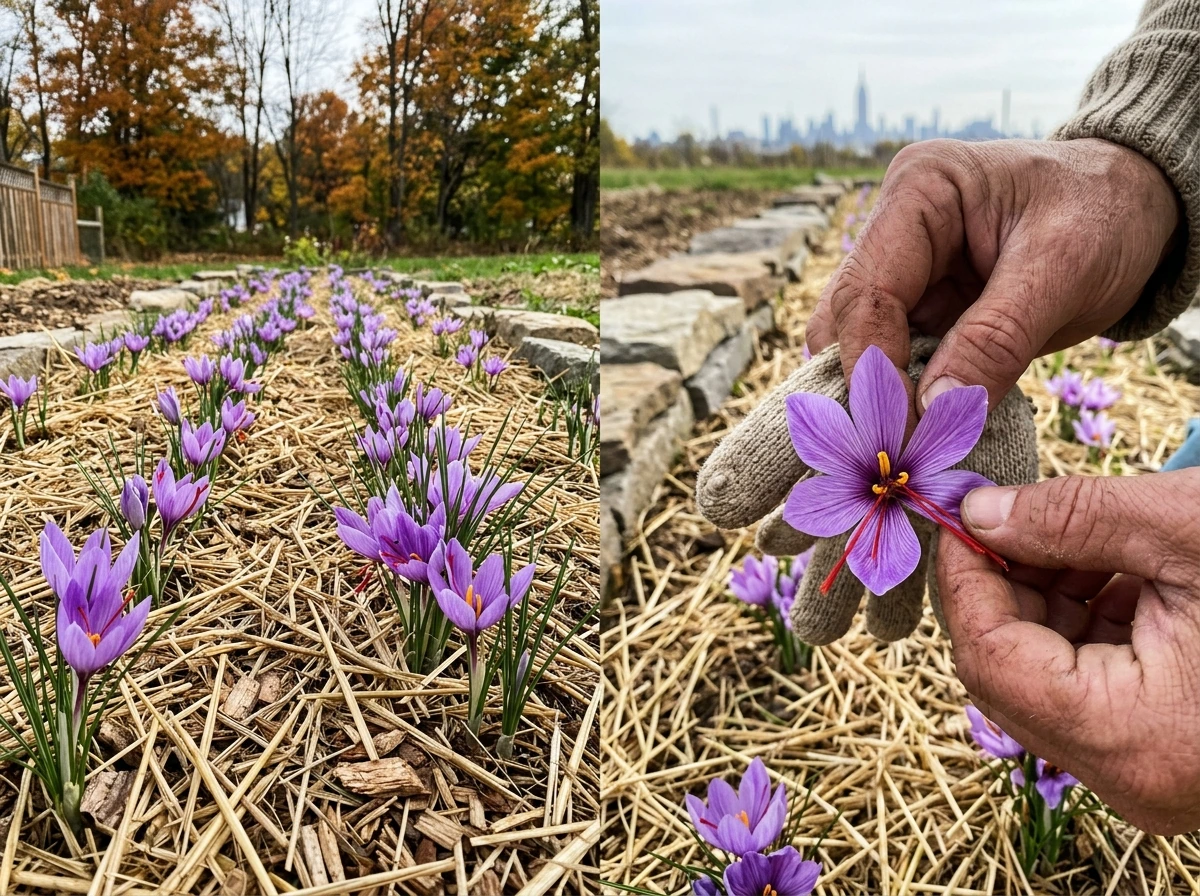
The state covers a wide range of USDA hardiness zones, from Zone 4b in the Adirondacks all the way up to Zone 7b in New York City and most of Long Island, and Crocus sativus is surprisingly comfortable across most of that range. UVM Extension’s saffron fact sheet for home gardeners lists USDA hardiness zones 4, 8 as the overall growing range [USDA hardiness zones 4–8](https://www. uvm. edu/~saffron/pages/factsheets/SaffronplantingforhomegardenersSept2021.
pdf). The bigger threats are not the cold winters but the wet ones: saffron corms rot in waterlogged soil far more readily than they freeze to death. Get drainage right, plant at the correct time, and New York's climate gives you pretty much everything saffron needs to flower.
Is saffron actually feasible in New York?
The short answer is yes, with some honest caveats depending on where in the state you are. If you are wondering can you grow saffron in Pennsylvania, the key is matching your site to the drainage and planting timing guidance for similar cold-climate zones. New York City and Long Island sit in USDA Zones 7a and 7b, which are mild enough that corms will survive winter in the ground without much intervention.
Upstate New York, the Hudson Valley, and the Catskills range from Zone 5b to 6b, which is still workable but means you need to think about winter insulation or container growing. The coldest corners of the state, places like the Adirondacks and the North Country in Zones 4b to 5a, are the toughest spots, and containers that can be brought into an unheated garage or shed become your best option.
What matters more than zone is your specific microclimate and drainage situation. I have seen saffron fail in Zone 6 gardens not because of cold but because the soil sat wet all winter. And I have seen it thrive in a Zone 5 raised bed because the drainage was excellent and the site faced south. Zone is your starting point, not your destiny.
What Crocus sativus actually needs
Saffron comes from a corm, not a true bulb, and it has a very specific annual rhythm that you have to work with rather than around. During summer the corms go fully dormant and need minimal water and warm storage temperatures, ideally around 25°C (77°F). Then, as temperatures cool in early fall, the corm breaks dormancy and sends up flowers before the leaves fully develop. That fall-flower-then-leaf sequence is unusual and catches a lot of first-time growers off guard: you plant in late summer, flowers appear in October or November, and foliage grows through winter and early spring before dying back in summer.
For that cycle to work, saffron needs three non-negotiable things: a cool-to-cold dormancy period in the ground that triggers flowering, full sun (at least six hours a day during the fall and spring growth periods), and soil drainage that would make a cactus gardener comfortable. The preferred soil pH sits between 6.0 and 8.0, with light to medium soil texture. Heavy clay that holds moisture is the single fastest path to losing your corms over a New York winter. can you grow saffron in oklahoma
In-ground or containers: which is better for New York?
Both approaches can work, and which one is right for you depends mostly on your soil and your zone. Here is a quick comparison to help you decide.
| Factor | In-Ground | Containers |
|---|---|---|
| Best NY zones | Zones 6a and warmer | All zones, especially 4b–5b |
| Drainage control | Dependent on your native soil | Full control with the right mix |
| Winter protection | Mulch layer needed in colder zones | Move indoors or to unheated garage |
| Corm expansion over years | Corms naturalize easily | Need repotting every 2–3 years |
| Effort level | Lower once planted | Higher (monitoring, moving) |
| Risk of rot | Higher in clay or poorly drained sites | Lower with drainage holes and gritty mix |
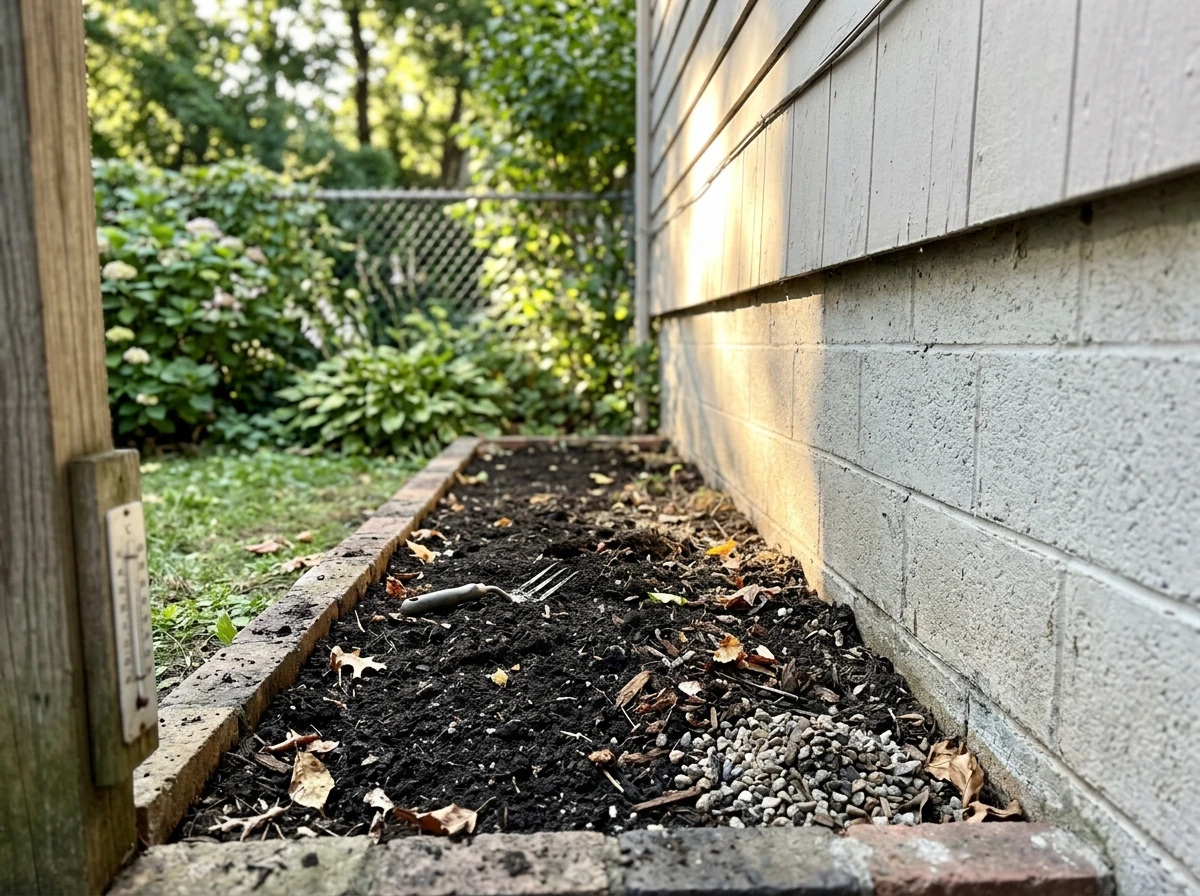
If you are in NYC, Long Island, or the lower Hudson Valley with decent sandy or loamy soil, in-ground planting in a raised or sloped bed is perfectly reasonable. If you are upstate, in Zone 5b or colder, or your yard has heavy clay soil that stays soggy from November through April, go with containers. Just make sure every container has drainage holes at the bottom. That is not optional.
How to plant saffron corms in New York
When to plant
Timing is where most New York growers get into trouble. Research on cold-climate saffron cultivation is consistent: plant corms between late July and the third week of August. I know that feels early, but saffron needs time to establish roots and go through the temperature transition that triggers fall flowering. If you plant in September or October (which is when most people think of bulb-planting season), you will likely get little or no bloom that first fall, and you might lose corms to early wet-cold soil before they have settled in. Late July to mid-August is your window in New York.
Depth, spacing, and soil prep
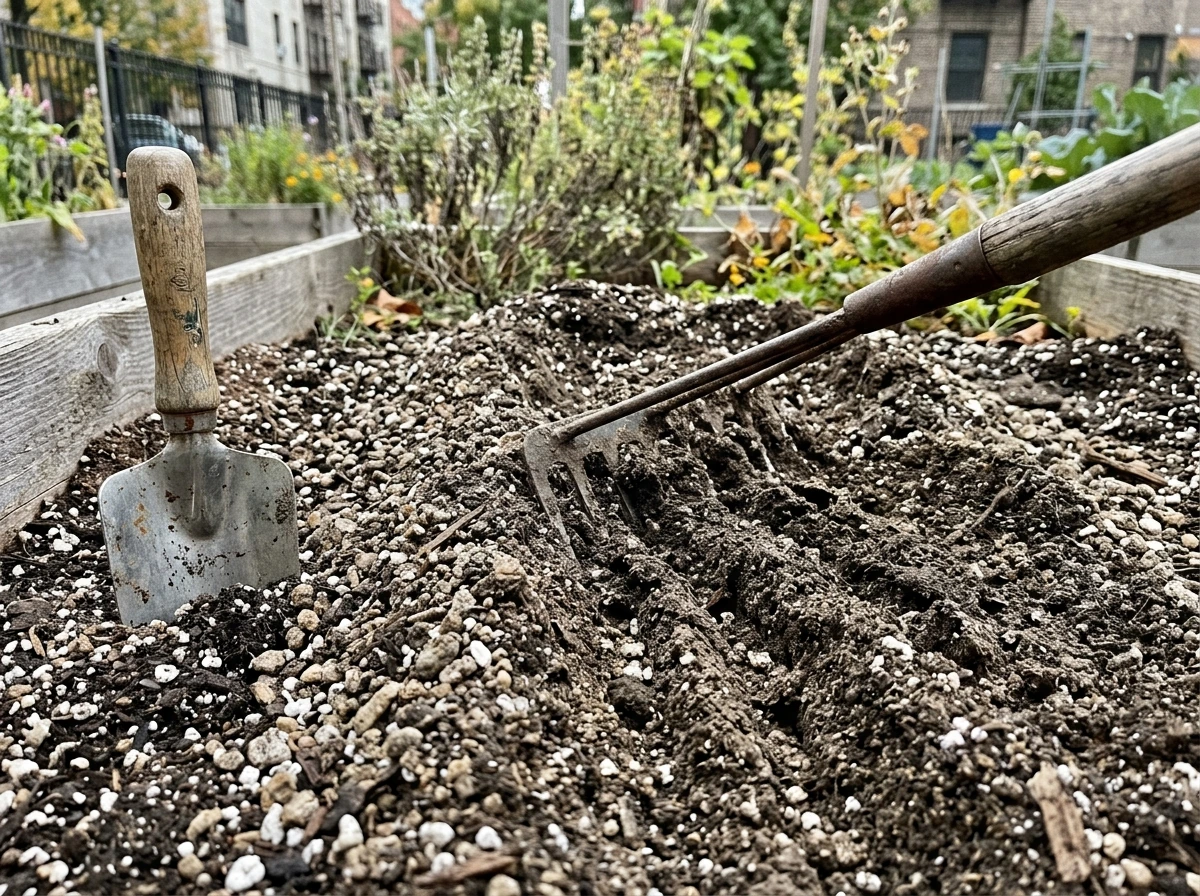
blank" rel="noopener noreferrer">Plant corms about 3 to 4 inches deep, with the pointed side up, spaced roughly 4 to 6 inches apart. For in-ground beds, amend your soil heavily if it is anything other than light and well-draining: mix in coarse sand, perlite, and compost to open up the texture and improve drainage. A raised bed built with a 50/50 blend of quality loam and horticultural grit is nearly ideal.
For containers, use a well-draining potting mix with added perlite (aim for about 30% perlite by volume) and make sure the pot is at least 8 inches deep. Plant corms about 3 to 4 inches deep, with the pointed side up, spaced roughly 4 to 6 inches apart. For in-ground beds, amend your soil heavily if it is anything other than light and well-draining: mix in coarse sand, perlite, and compost to open up the texture and improve drainage.
A raised bed built with a 50/50 blend of quality loam and horticultural grit is nearly ideal. For containers, use a well-draining potting mix with added perlite (aim for about 30% perlite by volume) and make sure the pot is at least 8 inches deep. can you grow saffron in pennsylvania A terracotta or unglazed clay pot will help wick away excess moisture better than plastic. can you grow saffron in arizona.
can you grow saffron in oregon can you grow saffron in pennsylvania. can you grow saffron in washington state
Choosing your spot
Pick the sunniest spot you have, ideally south-facing and sheltered from cold north winds in upstate locations. A spot near a south-facing wall will capture reflected heat and give corms a slightly warmer microclimate through fall. Avoid any low-lying area where water pools after rain. Even a gentle slope is better than flat ground if your soil is heavy.
Caring for saffron through the season
Watering
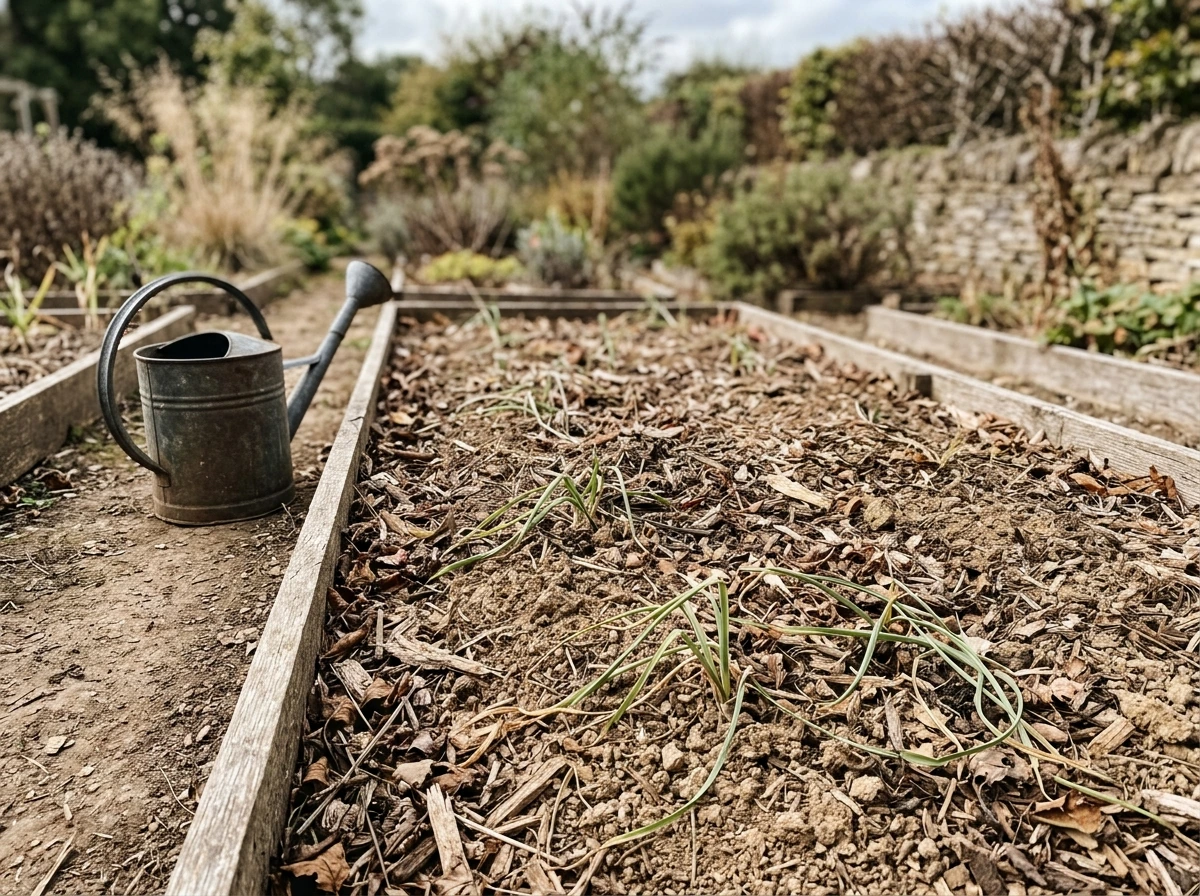
During summer dormancy, dormant corms need very little water. If your in-ground bed gets natural rainfall, that is usually enough. Once you plant in late July or August and the soil is dry, water lightly to settle the corms in, but do not keep the soil consistently moist. As fall arrives and you start to see spiky foliage emerging, water once a week during dry stretches until flowers appear. In spring, consistent moisture is more important because daughter corms (the new corms that form alongside the original) need to bulk up enough to flower the following fall. Do not let the bed dry out completely in March and April.
Fertilizing
Saffron is not a heavy feeder, but a balanced, low-nitrogen fertilizer applied in fall at planting time and again in early spring supports both flower production and daughter-corm development. Research on NPK timing shows that split applications (fall and spring) outperform single-dose feeding. A slow-release granular fertilizer worked lightly into the top inch of soil works well. Avoid high-nitrogen formulas, which push leafy growth at the expense of flowers and corm size.
Weed control
Keep your saffron bed weeded, especially in spring when the foliage is active. Weeds compete for the nutrients and light that daughter corms need to bulk up. A thin layer of fine mulch (about 1 inch) can help suppress weeds without smothering corms, but avoid thick mulch that holds moisture against the crowns.
Overwintering in New York
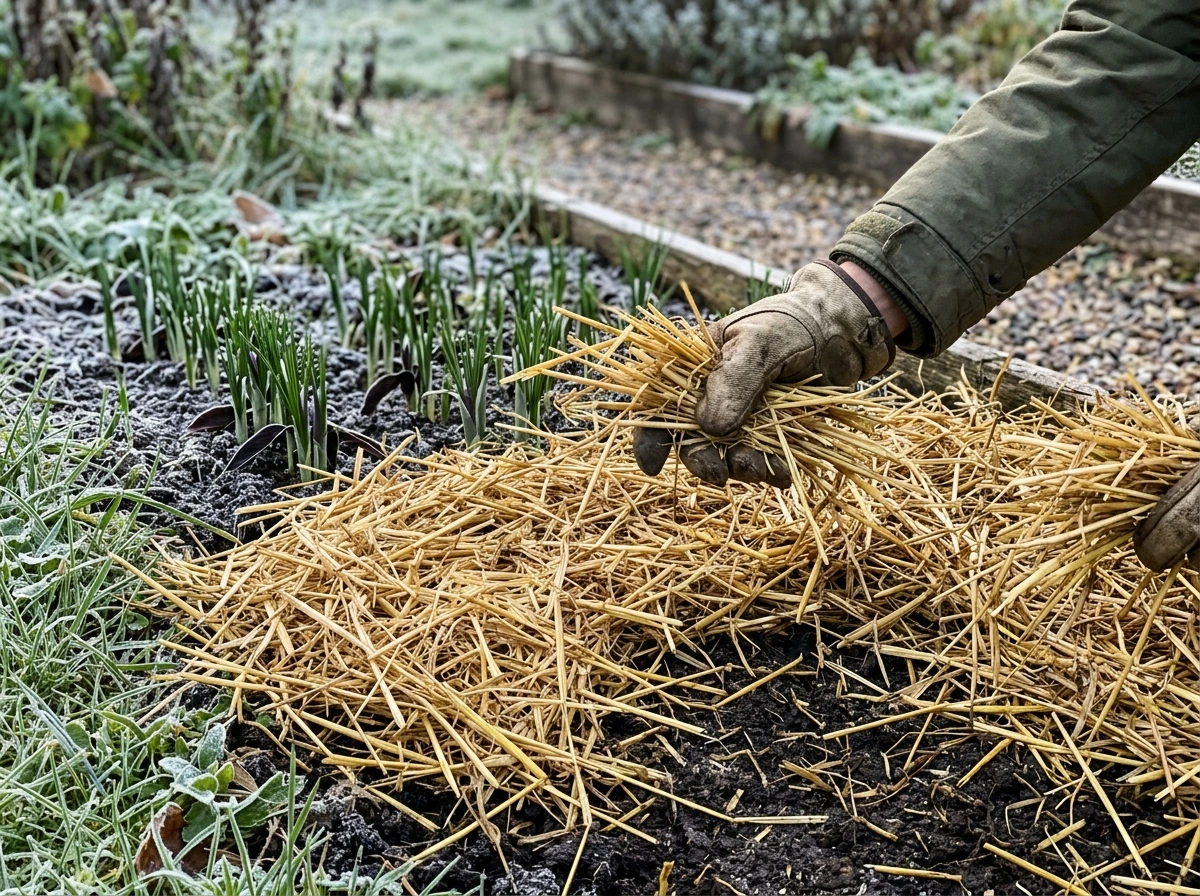
In Zones 6 and warmer, in-ground saffron corms generally survive New York winters without intervention, but a 2- to 3-inch layer of straw mulch applied after the ground cools in November helps moderate temperature swings without trapping moisture. In Zone 5 and colder, that mulch layer is more critical, and lifting corms in late spring after the foliage dies back to store them in a warm, dry spot over summer is a reliable backup strategy. Container growers in any zone can simply move pots to an unheated but frost-protected garage or shed once the foliage dies back in early summer, keeping them dry until replanting time in late July.
When the flowers come and how to harvest saffron
Expect blooms roughly 6 to 8 weeks after planting, which puts New York flowers in the October to November window depending on your specific location and when you planted. Upstate growers may see blooms earlier in October; NYC and Long Island growers are often looking at late October into November. The flowers are a pale lavender-purple, and each one contains three deep red stigmas. Those stigmas are the saffron.
Harvest the same day the flower opens, or at most the morning after. UVM Extension guidance recommends separating the stigmas from other flower parts within a few hours of harvest when possible, and if not, refrigerating the flowers and completing separation within 24 hours separating stigmas within a few hours of harvest). The stigmas degrade quickly, especially in wet or humid conditions.
Pinch or gently pull the three red threads out of the flower center using your fingers or fine tweezers. Spread them on a paper towel or a small mesh screen in a warm, dry, well-ventilated spot for a day or two until completely dry, then store in a small sealed glass jar away from light. Even a week's worth of flowers from a modest planting will give you enough saffron to notice in a recipe.
Common problems in New York and how to fix them
No flowers after planting
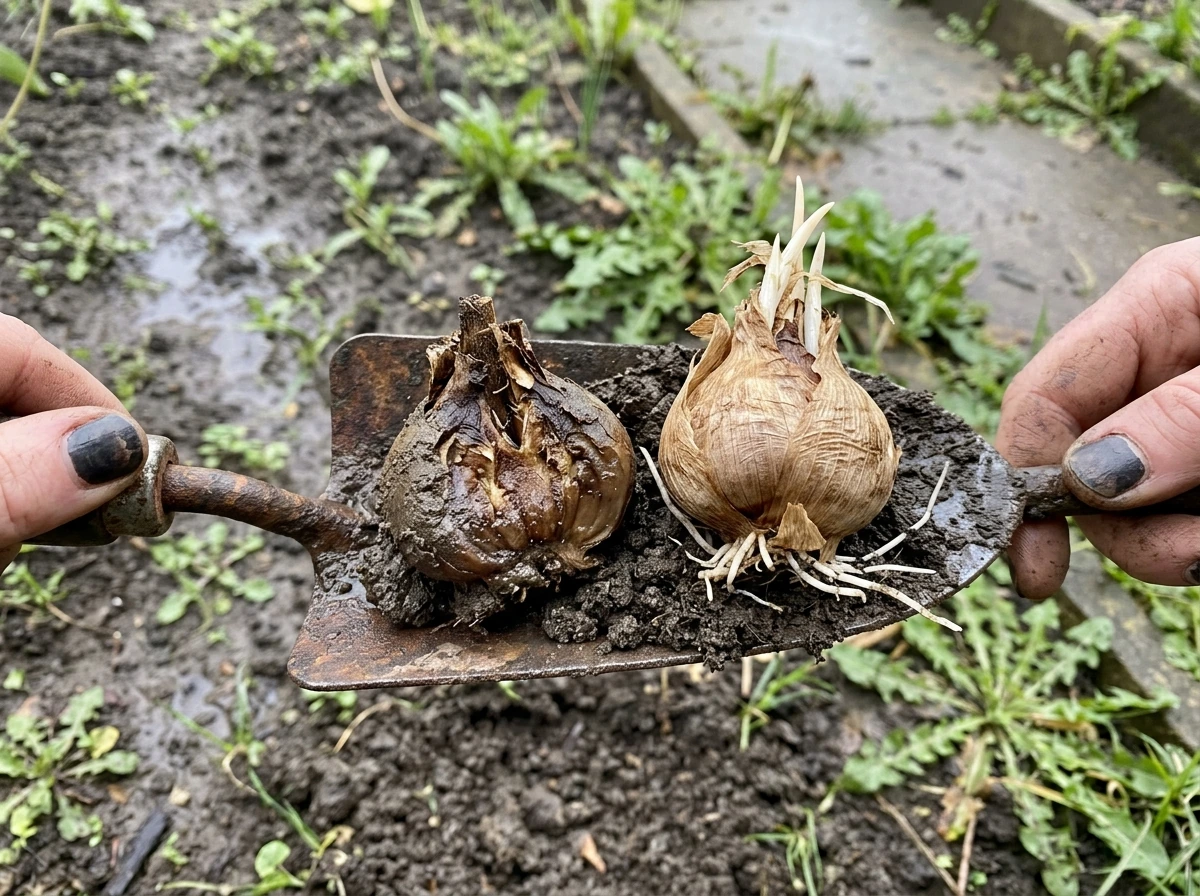
This is the most common first-year complaint, and it almost always comes down to one of two things: you planted too late, or the corms you bought were too small. Corms need to be a decent size (at least 8 to 10 grams, ideally larger) to flower reliably. Tiny corms will spend their first year building up size and may not bloom until year two. If you planted after mid-September, just be patient: those corms may be fine but will not trigger flowers until the following fall.
Corm rot
Rot, usually fusarium-type fungal rot, is the top killer of saffron in New York. The culprit is almost always waterlogged soil, and it is most destructive in winter when corms are dormant and sitting in cold, wet ground for months. If you dig up corms in spring and find mushy, discolored tissue, drainage is the diagnosis. Switch to containers with gritty mix, or rebuild your bed with raised drainage. Do not replant in the same spot without amending heavily.
Winter corm loss in cold upstate zones
In Zone 5 and colder, prolonged freezing without insulation can kill corms in light or sandy soils that do not hold any warmth. Adding a thicker mulch layer (3 to 4 inches of straw) and planting slightly deeper (4 inches rather than 3) gives more buffer. Alternatively, lifting and storing corms over winter eliminates the risk entirely.
Low yield or small flowers
If your plants flower but the blooms are sparse or tiny, the most likely cause is insufficient spring moisture (daughter corms did not bulk up properly) or too much shade during the spring foliage period. Move containers to a sunnier spot and make sure the bed gets consistent water in March and April. Fertilizing lightly in early spring also helps daughter corm development.
What to expect from your first year (and beyond)
Let me be straight with you about yield. Each saffron flower produces exactly three stigmas, and it takes somewhere between 50,000 and 75,000 flowers to produce a single pound of dried saffron. That means a home planting of, say, 50 corms is not going to replace your spice cabinet. What it will give you is a genuinely meaningful amount of saffron for your own kitchen use, especially by years two and three when daughter corms multiply your planting and flower count. The first year is really about establishing the bed. If you get 20 or 30 flowers from 50 corms, that is a solid result. If you get fewer, check your drainage and corm size rather than giving up.
Here is a realistic first-year plan for a New York gardener starting today in late March 2026. You are in the right season to prepare: use spring and early summer to build or amend your bed, source quality corms from a reputable supplier (look for minimum 8-gram corms, preferably larger), and have everything ready for a late July planting. Your flowers will arrive in October or November. Harvest them promptly, dry them carefully, and store in glass. In spring, water consistently as the foliage grows. By fall 2027 you will have a multiplied planting and a noticeably better harvest. It compounds from there.
If you are curious about how saffron growing works in other parts of the country, the same basic logic applies across different U. S. climates, from the Pacific Northwest to the Mid-Atlantic. The drainage and timing principles here are the foundation wherever you are.
But for New York specifically, the combination of manageable winters, good fall temperature swings, and the ability to control moisture in containers or raised beds makes this one of the more rewarding specialty crops you can actually pull off at home. If you are wondering can you grow saffron in colorado, focus on the same basics: excellent drainage and correct fall planting so the corms stay dry in the dormant season. can you grow saffron in the us
Your next steps, month by month
- Now through June: Build or amend your planting bed with coarse sand, perlite, and compost for drainage. If using containers, source 10- to 12-inch pots with drainage holes and prepare your gritty potting mix.
- Late June to early July: Order saffron corms from a reliable supplier. Look for corms labeled at least 8 to 10 grams each. Many suppliers sell out early, so order as soon as possible.
- Late July to mid-August: Plant corms 3 to 4 inches deep, pointed side up, spaced 4 to 6 inches apart. Water lightly after planting if soil is dry.
- August to September: Keep the bed or container mostly dry. Water only if there has been no rain for two weeks or more.
- October to November: Watch for flowers. Harvest stigmas the day each flower opens. Dry and store promptly.
- November through April: Let foliage grow. Water in spring if conditions are dry. Apply a light balanced fertilizer in fall and again in early spring.
- May to June: Foliage will yellow and die back. Stop watering. Mulch lightly or lift corms for storage if you are in Zone 5 or colder.
- Late July 2027: Repeat the cycle with your now-multiplied planting.
FAQ
Can you grow saffron in NY if your soil is mostly clay?
Yes, but you will likely need a raised bed or container. Avoid planting directly in heavy clay that stays wet into winter, instead build a raised bed with a gritty 50/50 loam and horticultural grit blend, or use a potting mix with about 30% perlite by volume. Clay can work only if you can keep the crown area dry, especially from November through spring dormancy.
What should I do if my corms sprout too early in fall (before the cold season)?
If you see foliage very early, it usually means the corms broke dormancy sooner than expected, often from warm, wet soil. Reduce watering, keep the site as sunny as possible, and ensure you are not using thick mulch that holds moisture. Avoid fertilizing at that point, since it can encourage more leaf growth rather than the normal flower cycle.
How do I tell whether flowers are coming from the planted corms or from daughter corms?
First-year blooms, if they happen, typically come from the original corms only. Daughter corms form alongside the mother corm during the spring foliage period, and they typically flower in the following fall. This is why small corms often give you no flowers until year two.
Can I grow saffron in waterlogged or low areas even if I improve the topsoil?
You should avoid low spots where rainwater pools, even if you amend the top inches. The rot risk is driven by winter standing moisture around the corms. If you cannot change the location, the safer move is a raised, well-draining bed with a clear path for water to move away, or containers placed on a stand so excess water cannot sit under the pot.
Do I need to remove saffron leaves in spring, or will they die back on their own?
Let foliage photosynthesize as long as it stays healthy. Do not cut it back just because it looks untidy, because daughter corms bulk up during that active period. You can stop watering gradually when the leaves naturally begin to yellow in late spring or early summer.
Should I lift corms every year in Zone 5 or colder?
Not necessarily every year, but it is a good risk-control strategy if you have had any rot or if winters are unusually wet. A common approach is to leave corms in place for one season with heavier straw insulation, then lift and store in a warm, dry place over summer if you see mushy or discolored tissue in spring.
What is the best way to prevent fungal rot besides improving drainage?
Use dry, gritty media in containers, avoid replanting into the same spot, and do not keep the bed consistently moist after planting. If you want extra insurance, plant at the deeper end of the recommended depth in colder areas and water sparingly during dormancy and immediately after planting, only to settle the corms.
How can I increase the odds of getting flowers in the first year?
Start with larger corms (at least 8 to 10 grams, ideally bigger), plant in your NY window between late July and mid-August, and maximize sun during fall flower and spring leaf stages. If you plant after mid-September, it often delays blooming to the next year even when drainage is good.
Why do I get flowers but the amount of saffron seems low?
Two frequent causes are weak daughter-corm development from insufficient spring moisture, or too much shade during the spring foliage period. Aim for consistent March and April moisture, then keep containers in the brightest spot you have. Light, non-nitrogen-heavy feeding in early spring can also support daughter corm size without boosting leafy growth at the expense of blooms.
How should I store saffron stigmas so they stay potent?
Dry them thoroughly in a warm, well-ventilated spot first, then store in a small sealed glass jar away from light. If you live in a very humid home, consider a jar with a good seal and keep it in a consistently cool cabinet, moisture is what speeds quality loss.
Next Articles
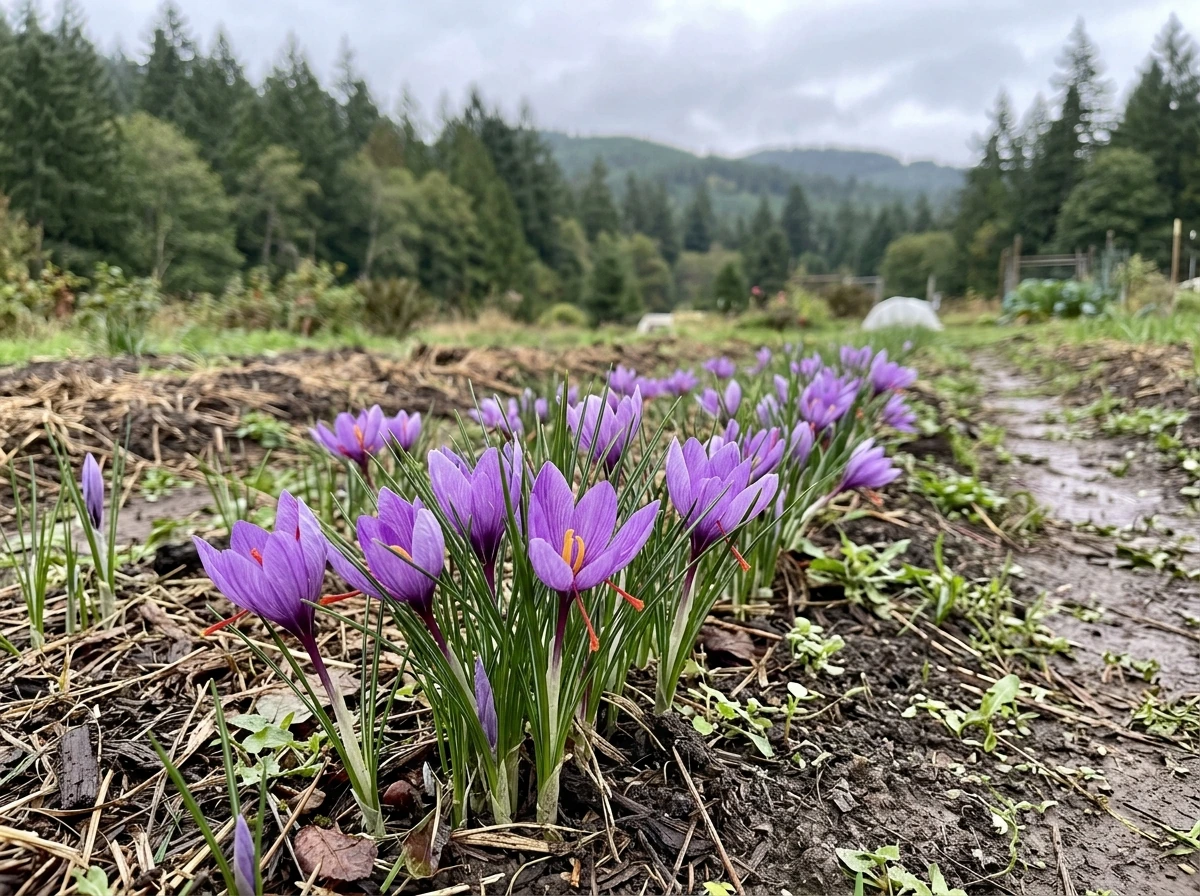
Can You Grow Saffron in Washington State? How-To Guide
Learn if saffron can grow in Washington, plus planting, drainage, timing, and troubleshooting for blooms and rot prevent
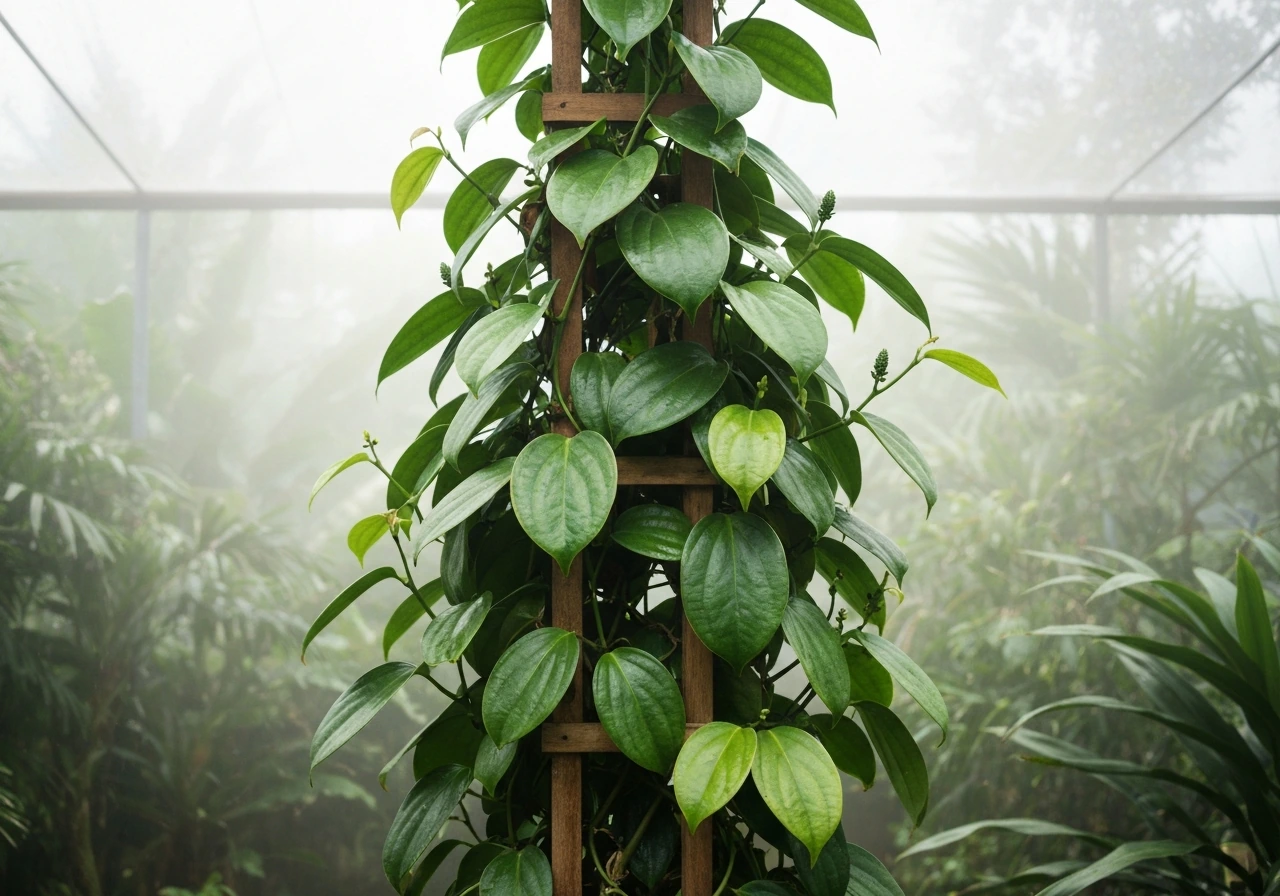
Can You Grow Black Pepper in the US Where and How
Learn where black pepper can be grown in the US and how to grow it indoors or in warm zones for fruit.

Can You Grow Capers in the US? Regional Guide for Home Gardeners
Regional guide to growing caper plants in the US, choosing cultivars, meeting soil and climate needs, and harvesting bud