
Yes, saffron can grow in South Africa, but not everywhere and not without some planning. Your best shot is in the cooler, drier interior regions and the Western Cape, where the climate most closely matches what Crocus sativus actually needs: a dry warm dormancy in summer, a decent winter chill, and well-drained soil. In humid, frost-free coastal zones or high-summer-rainfall areas, it becomes a much harder battle against corm rot and poor flowering. Get the region and the drainage right, though, and saffron is absolutely achievable at a home garden scale. If you're asking, can you grow saffron in Australia, the same principles apply: choose a climate match and focus on drainage and dormancy saffron is absolutely achievable at a home garden scale.
Can Saffron Grow in South Africa? How to Plant It

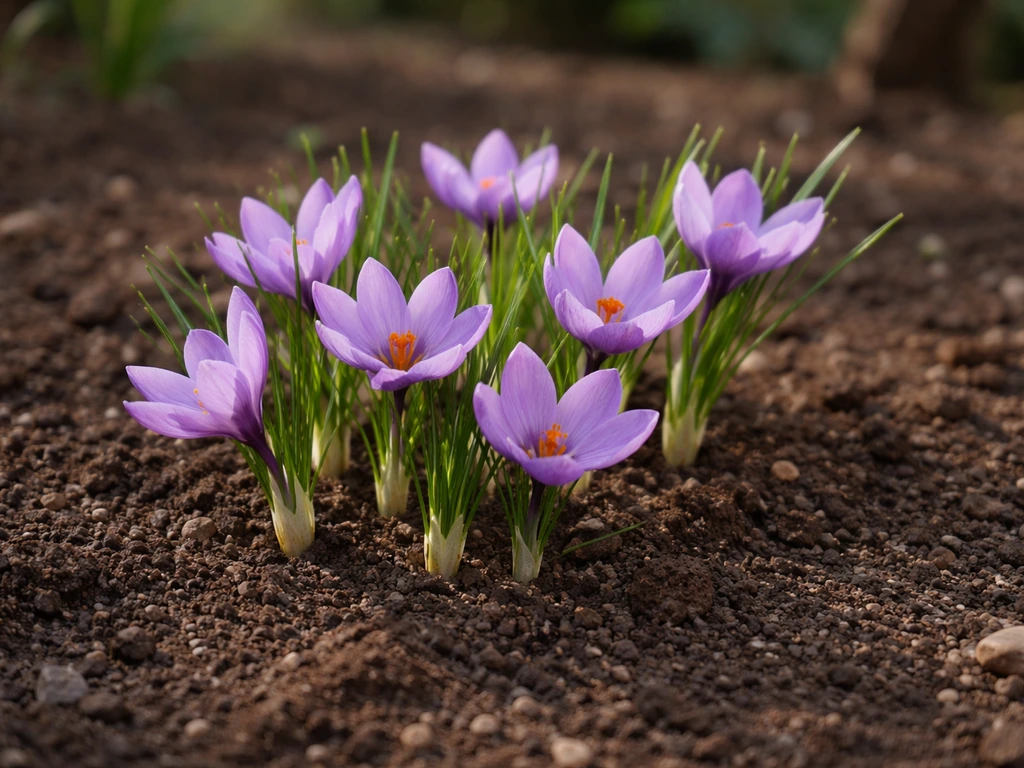
South Africa feasibility: can saffron succeed where you live?
South Africa is not one climate. That matters enormously for saffron, because this is a crop with very specific seasonal requirements. The good news is that two broad regions offer genuinely workable conditions.
The Western Cape is the most naturally suited region in the country. It has a Mediterranean-type climate with dry summers and winter rainfall, which lines up almost perfectly with how saffron evolved. Corms stay dry during dormancy in summer, get a cool and eventually moist autumn, then flower in winter. If you're in Cape Town, Stellenbosch, Paarl, or the surrounding areas, you're in the sweet spot.
The Highveld, including Gauteng, the Free State, and parts of Mpumalanga, is a viable second option. Yes, it gets summer rain, which is the opposite of ideal, but the winters are genuinely cold, with Johannesburg routinely seeing overnight temperatures drop below freezing between June and August. That winter chill is something saffron needs, and many Highveld gardeners have had success by managing drainage aggressively and protecting corms from summer irrigation. The Highveld region is associated with winter frost occurrences, so frost in winter is characteristic of the area The Highveld's frosty winters. The main risk here is corm rot from summer wetness, but it's manageable with the right bed setup.
The Karoo and other semi-arid interior regions are also worth considering. Cold winters, dry summers, good sunlight. If you can water deliberately (rather than relying on rain), conditions are close to ideal.
Where saffron consistently struggles in South Africa: the KwaZulu-Natal coast and other humid subtropical lowland areas. High humidity year-round, mild winters without meaningful chill, and summer rain all work against the crop. You can try containers with very controlled conditions, but honestly the effort-to-reward ratio is poor in those zones. The Eastern Cape coast sits somewhere in between and results can be variable.
| Region | Summer Rainfall | Winter Chill | Summer Dryness | Saffron Feasibility |
|---|---|---|---|---|
| Western Cape | No (dry summers) | Moderate | Excellent | Best option |
| Highveld (Gauteng, Free State) | Yes (risk of rot) | Strong (frost likely) | Poor without management | Good with drainage management |
| Karoo / semi-arid interior | Low | Strong | Excellent | Very good |
| KZN Coast / subtropical lowlands | Yes (high humidity) | Minimal | Poor | Not recommended |
| Eastern Cape coast | Variable | Moderate | Variable | Marginal, use containers |
Climate and seasonal requirements: chill, dry summers, and frost
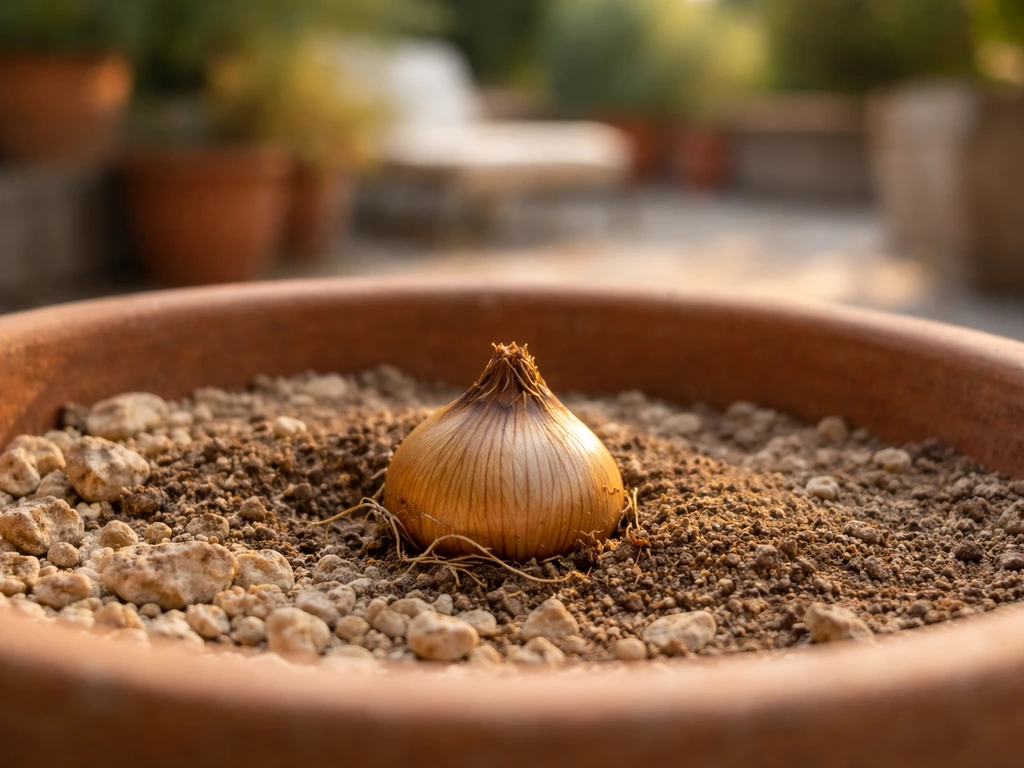
Saffron is a bulb crop that runs on temperature cues. Understanding the cycle helps you work with it instead of against it.
During summer, Crocus sativus goes completely dormant. The corms sit underground and need to stay dry and relatively warm. This after-ripening period is what primes the corm for flowering later. Research on flower formation confirms that sprouting and flowering happen only after this dormancy phase completes. In the Southern Hemisphere, that dormancy window roughly runs from the end of December through to around March or April. Can you grow saffron in New Zealand? If you match these chill-and-dry seasonal requirements, it’s often possible with the right site and drainage In the Southern Hemisphere, that dormancy window roughly runs from the end of December through to around March or April..
As autumn arrives and temperatures drop, the corms start to stir. They'll push up leaves and then flowers, typically between May and July in South Africa, which is your winter-flowering window. The cool temperatures of a South African winter, particularly in the Highveld where nights can drop below 0°C, are actually an asset here. Even the Western Cape's mild winters provide enough of a cool period to trigger flowering.
Frost is worth understanding but not overworrying about. Saffron foliage can handle light frosts, and in fact the Highveld's frosty winters align with the kind of cold that helps trigger dormancy completion. The bigger problem in frost-prone regions isn't the cold itself but the cloudless, dry winter nights that accompany it. Saffron doesn't mind. What you do need to avoid is a planting site where frost pools heavily, such as a low-lying frost hollow, because repeated hard frosts can damage flowers mid-bloom.
The single biggest seasonal mismatch for Highveld growers is summer rainfall. Saffron corms sitting in wet soil from October through February are high-risk corms. You'll need to either cover beds during the rainy season, grow in containers you can move, or build beds with drainage so aggressive that water cannot pool. More on that below.
Site and soil prep: drainage first, everything else second
If there's one non-negotiable for saffron, it's this: the soil must drain freely. Waterlogged soil during dormancy rots corms fast, and once a corm rots you're not recovering it. I learned this the hard way before I started treating drainage as the design brief, not an afterthought.
Saffron wants a soil pH somewhere between 6.0 and 7.8. Most South African garden soils fall in a workable range, but it's worth doing a basic pH test if you're on heavy clay or very sandy coastal soils. Well-composted organic matter improves both drainage in clay and water retention in pure sand, so compost is a useful amendment either way.
For clay-heavy soils common in parts of Gauteng and the Free State, dig in coarse river sand and compost to break up the structure. Aim for a bed that you can easily press your finger into and withdraw without it feeling sticky. If water pools after rain for more than an hour, that bed will kill your corms in summer.
Raised beds are a practical fix for poor drainage, especially in summer-rainfall regions. Raising the planting surface by even 20–30 cm makes a significant difference. One approach used by commercial saffron growers is to shape beds with slightly raised crowns and dig walkways or paths around 15–20 cm lower than the bed surface, so excess water has somewhere to go and never sits against the corms.
Pick the sunniest spot you can find. Saffron needs full sun, at least 6 hours a day. A south-facing slope (which catches winter sun in the Southern Hemisphere) is ideal. Avoid planting near trees that will shade the bed in winter or compete for soil moisture.
How to plant saffron corms in South Africa
Timing
In South Africa, plant your saffron corms in late summer to early autumn, typically late February through to April. This gives corms time to settle before the cool winter triggers flowering. Local South African suppliers, including dedicated saffron corm retailers, describe saffron as a winter crop here, and late-summer planting is the standard local guidance. Don't delay past April or you risk missing the flowering window entirely in your first season.
Depth and spacing
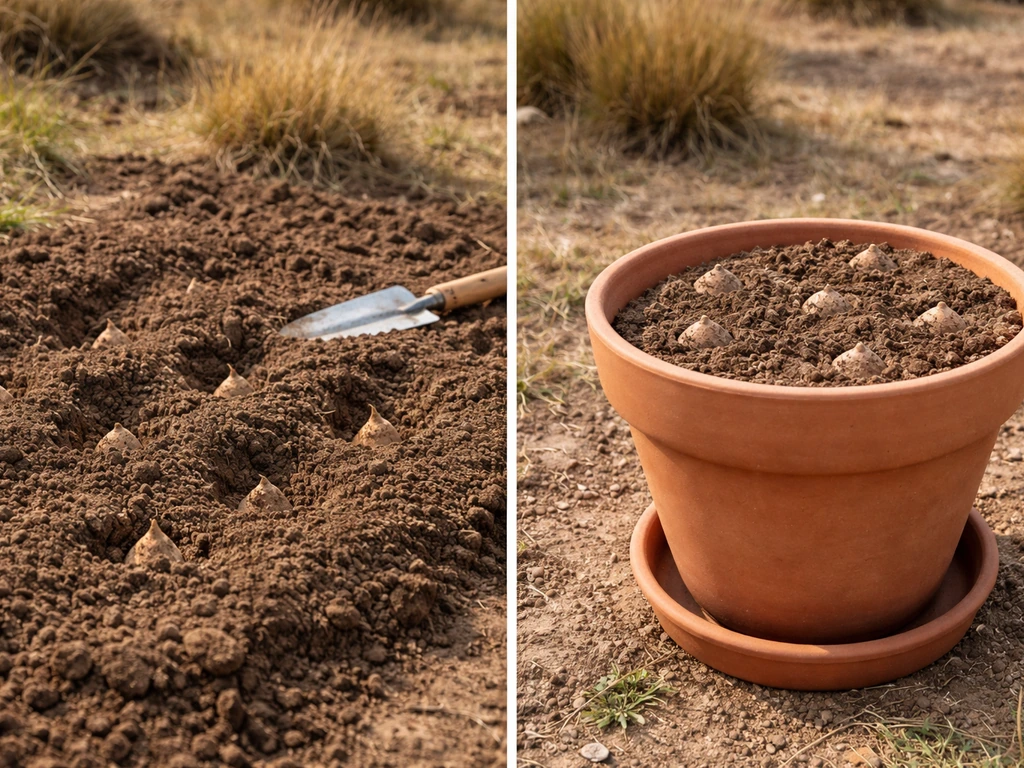
Plant corms at around 5–10 cm deep, pointy side up. Deeper planting (closer to 10 cm) is sometimes recommended in colder winter areas where extra soil cover provides some insulation. Space corms about 8–12 cm apart. Closer spacing increases competition and can reduce flower size; wider spacing wastes bed space without much benefit at home-garden scale.
Ground planting vs containers
Ground planting works well in the Western Cape and Karoo where the climate naturally cooperates. In summer-rainfall regions like Gauteng, containers give you control that open ground doesn't. A terracotta pot or wooden planter with multiple drainage holes lets you move saffron under cover during heavy summer rain and ensures the dormancy period stays genuinely dry. Use a gritty, free-draining potting mix rather than standard potting soil, and add about 20–30 percent coarse sand or perlite to improve drainage.
Whether in ground or containers, don't crowd corms at the bottom of a pot with no drainage layer. A 2–3 cm layer of gravel or broken crocks at the pot base helps a lot.
Sourcing corms
Buy the freshest corms you can find, ideally from a local South African supplier who ships in the correct planting season. Corms stored in warm, moist conditions deteriorate fast, so avoid anything that looks shriveled, soft, or moldy. If you must store briefly before planting, keep them in a cool, dry, dark spot and plant within a few weeks.
Aftercare and irrigation through the growing and dormant cycle
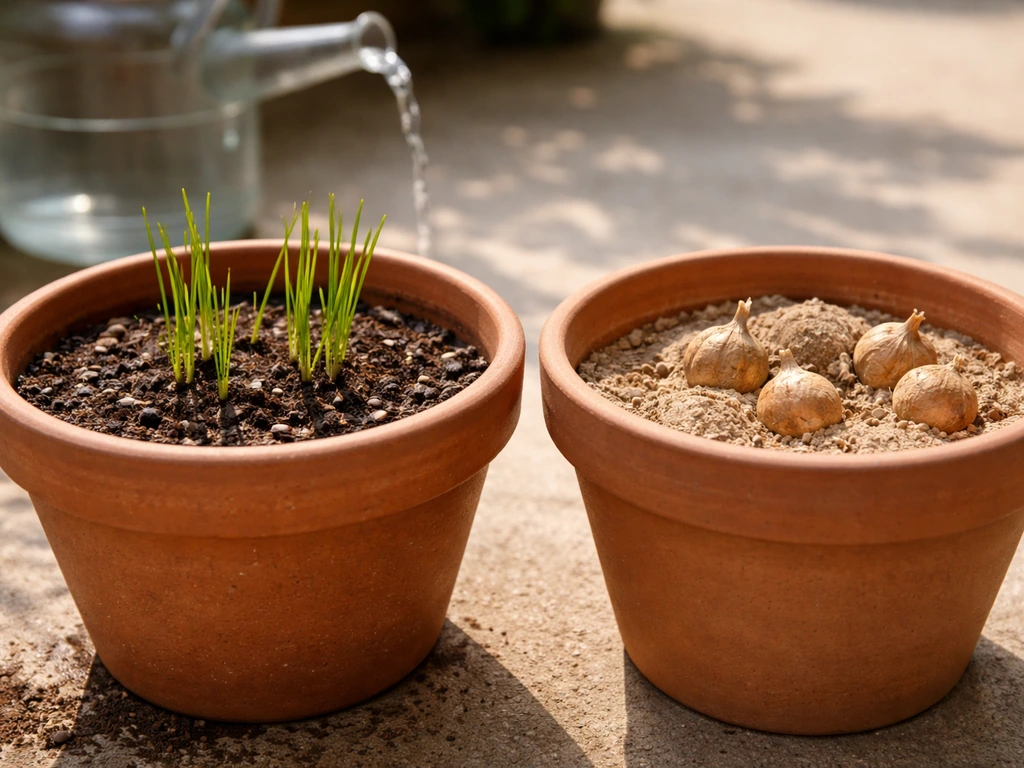
Saffron's care calendar has two very different phases and you have to treat them differently.
Active growing phase (autumn through spring)
Once you've planted in late summer/early autumn, you can water lightly if the soil is completely dry, but don't overdo it before foliage appears. When leaves and flowers emerge in winter, the plants appreciate some moisture, particularly if you're in the Western Cape where winter rains are normally doing this job naturally. In drier inland areas or during unusually dry winters, water every 7–10 days if there's been no rain, enough to moisten the root zone without leaving the soil soggy. The finger test works well: push a finger 3–4 cm into the soil. If it's bone dry, water. If it's cool and slightly damp, leave it.
Dormant phase (spring through late summer)
This is where most failures happen. If you are looking at other garden crops that can handle warm conditions too, you may also wonder can black seed grow in nigeria. From around October/November once the foliage yellows and dies back, stop watering entirely and keep the bed dry. The corms are dormant and do not need water through summer. Renee’s Garden’s saffron growing guide notes that the corms remain dormant through spring and summer until conditions shift to support flowering later corms are dormant and do not need water through summer. If you're in a summer-rainfall region and you can't control rainfall on ground beds, this is the exact point where rot sets in. Covering beds with a sheet of plastic or shade cloth angled to shed rain is a practical workaround. Container growers simply stop watering and move pots to a covered spot.
Don't be tempted to water during dormancy because the soil looks dry and cracked. That dryness is exactly what the corm needs. Summer irrigation increases humidity around the corms, and wet corms in warm soil rot quickly. Studies on saffron crop protection specifically flag summer irrigation as a key driver of corm disease.
Feeding
Saffron isn't a heavy feeder. Work in a balanced, low-nitrogen compost when you prep the bed, and top-dress with a thin layer of compost in late summer just before planting season. High nitrogen encourages leafy growth at the expense of flowers, so avoid any fertilizer that's heavy on the N.
Harvesting the stigmas and what yields to expect
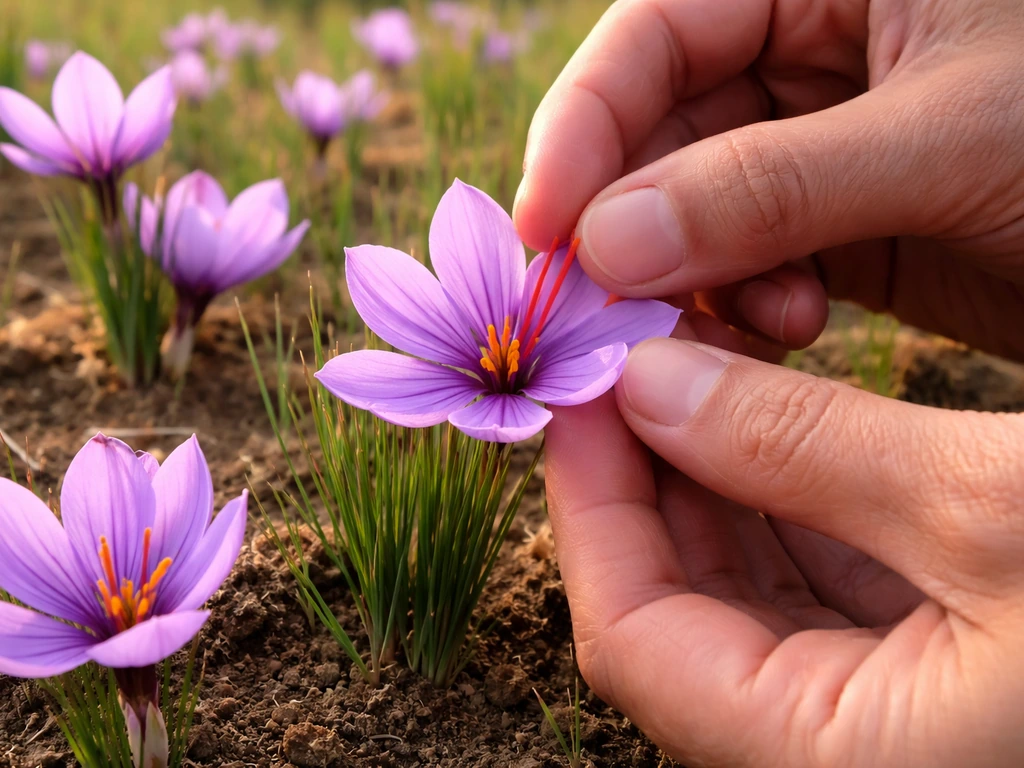
Saffron flowers in South Africa from around May through July. Each flower is small and lilac-purple with three bright red stigmas in the center. Those stigmas are the saffron. The trick to harvesting is timing: pick the flowers (or just the stigmas) on the morning they open, or the day they first appear. The stigmas degrade quickly once exposed, and if you wait a day too long in warm or windy conditions the quality drops noticeably.
Pinch or snip the three red stigmas from each flower, keeping as little of the yellow style as possible. Dry them immediately in a small, warm, well-ventilated spot, away from direct sunlight. A small mesh drying tray or even a paper towel in a warm kitchen works fine. Fully dried saffron should be stored in an airtight container away from light.
On yields: be realistic. Each corm typically produces 2–4 flowers, and each flower gives you exactly 3 stigmas. That means a single corm delivers between 6 and 12 stigmas per season. To get one gram of dried saffron, you need roughly 150–200 flowers, which works out to 50–100 corms minimum. A 1 square meter bed planted at 10 cm spacing holds around 80–100 corms, which might give you somewhere around 0.5–1 gram of dried saffron in a good year. It's not a commercial enterprise at that scale, but it's enough to actually cook with and there's a genuine satisfaction in producing your own.
In the first season after planting, some corms may not flower at all as they settle in. By year two and three, once corms have multiplied and fully adapted to your site, yields typically improve. Factor that into your expectations and don't pull the bed up after a disappointing first winter.
Troubleshooting problems and your practical next-steps checklist
Common problems and how to fix them
| Problem | Likely Cause | Fix |
|---|---|---|
| Corms rot during summer | Wet soil during dormancy, poor drainage | Improve drainage, cover beds, use containers, stop all summer irrigation |
| No flowers after planting | Corms still settling in year 1, or insufficient chill period | Wait a full season; if persists, check you're not in a frost-free low-chill zone |
| Flowers appear but no red stigmas visible | Flowers may be opening and closing very fast, or you're missing the harvest window | Check beds daily at dawn during flowering season; harvest same day flowers open |
| Foliage dies back very quickly | Normal dormancy transition, or heat stress | If happening before July, assess if site is too warm or if roots are drying out excessively mid-winter |
| Rodent damage to corms | Mice and moles find corms attractive | Use wire mesh (hardware cloth) lining under beds; check for surface tunneling |
| Very few flowers despite good corm count | High nitrogen feeding, summer wetness, or too much shade | Reduce feeding, review drainage, ensure full-sun position |
| Corms not multiplying after several years | Overcrowding or nutrient depletion | Lift and divide every 3–4 years; refresh compost in the bed |
Your next-steps checklist
- Identify your climate zone: Western Cape, Highveld, Karoo, or coastal subtropical. If you're in the subtropical coastal zone, seriously consider whether containers are a better fit than ground planting.
- Assess drainage on your intended bed: pour a bucket of water and watch how long it takes to absorb. If it pools for more than an hour, you need to amend or raise the bed before planting.
- Order corms from a local South African supplier in late January or February so they arrive in time for late-February to April planting. Avoid corms that have been sitting in warehouse conditions.
- Prepare your bed or containers: dig in coarse sand and compost for clay soils, build a raised bed if drainage is a concern, and set up a rain cover plan if you're in a summer-rainfall region.
- Plant at 5–10 cm depth, 8–12 cm apart, pointy end up, in late summer/early autumn.
- Mark your bed clearly and resist any urge to water during summer dormancy (roughly November through March in South Africa).
- Check beds daily from late May for flower emergence. Harvest stigmas on the morning they open.
- After foliage dies back each spring, lift and inspect corms every 3–4 years to divide and refresh. Replant into amended soil each time.
Saffron in South Africa is genuinely worth trying if you're in a climate-compatible region and you build your bed around drainage. If you're wondering whether the same approach could work for your conditions, see whether can saffron grow in Canada and what that climate mismatch means for success. It's not a beginner crop you can just throw in the ground and ignore, but it's not heroically difficult either. Get the summer dormancy dry, get the drainage right, and plant in the correct window, and you'll have flowers by mid-winter. Growers tackling saffron in other regions with similar decision points, such as those in Australia or New Zealand, face analogous trade-offs around summer rainfall and winter chill, so the same fundamentals apply wherever the growing season is flipped.
FAQ
What’s the easiest way to tell if my area in South Africa is suitable for saffron before I buy corms?
Compare your local winter minimums and your summer rainfall pattern to the crop’s needs. If you have winter nights that regularly dip near freezing, and your summer period stays dry or can be kept dry (rain can be diverted or the soil can be kept from pooling), it’s a better match. If your summers are consistently wet and you cannot control irrigation or rainfall, plan on containers or expect a high corm-rot risk.
Can I grow saffron in South Africa if my garden is very humid but not coastal?
Yes, but you need two controls at once: fast-draining soil and a dry dormancy period. Build a raised bed (or use containers), then stop all watering when foliage yellows (around late spring). In humid inland areas, also ensure strong airflow around the bed and avoid thick mulch that traps moisture over the corms.
How do I prevent corm rot during summer rainfall in places like Gauteng?
The practical approach is to keep the corm zone dry, not just “less wet.” Raised beds help, and many gardeners also cover ground beds during the rainy months with a sloped cover that sheds water off the sides. If you plant in containers, keep pots under cover and only water again when leaves appear in autumn.
Is it better to grow saffron in pots or in the ground in the Western Cape or Highveld?
Ground planting often works well in the Western Cape because the climate naturally aligns with dry dormancy. In Highveld summer-rainfall spots, containers can be safer because you can physically move plants under cover, then stop watering entirely during dormancy without relying on weather. If you do ground planting, treat the bed design (drainage and crown shape) as the most important step.
How can I adjust planting depth if my winters are mild or if I’m worried about frost?
For colder areas, 10 cm depth can provide extra stability for the corm. For very mild winter areas where chill is borderline, the depth does not replace the missing chill requirement, so don’t rely on depth alone. With frost, avoid low spots where cold pools, because repeated hard frosts can interrupt flowering mid-season even if the corm survives.
Do I need to remove the corms after flowering, or can they stay in the ground year-round?
They should stay in place. Once the leaves yellow and die back, stop watering and let the corms complete dormancy where they are. You typically only lift corms if you’re dividing and replanting to manage overcrowding or if you suspect disease from prolonged wetness.
What soil pH should I target in South Africa, and how do I correct it if it’s off?
Aim for a roughly neutral range (about pH 6.0 to 7.8). If you’re on heavy clay, correcting structure with compost and coarse amendments matters more than chasing a perfect number, because drainage is the real survival factor. If your soil tests far outside the range, adjust cautiously and re-test, since repeated liming or acidifying can take time and may affect drainage behavior.
Why did my saffron grow leaves but no flowers in the first year?
That often happens because the corm is still settling in or because winter chill and dormancy conditions were not consistent. Also double-check that you stopped watering at the start of dormancy, since warm wet dormancy can compromise flower formation. For troubleshooting, note where your soil stayed dry and whether any summer irrigation happened accidentally.
How should I harvest stigmas for best quality if the weather is windy or the days are warm?
Harvest on the morning the flowers open or as soon as the stigmas are visible. In warm windy conditions, stigmas degrade faster, so do not wait for “later today” or the next day. Dry immediately in a warm, ventilated spot away from direct sun, so flavor and color don’t shift.
What yield should I realistically expect from a small bed in South Africa?
Plan on roughly a handful of flowers per corm per season, with each flower producing exactly three stigmas. A 1 square meter bed at about 10 cm spacing typically gives you a small but usable amount in a good year, often enough for cooking rather than for sale. Also budget for a lower first season, then better performance by years two to three.
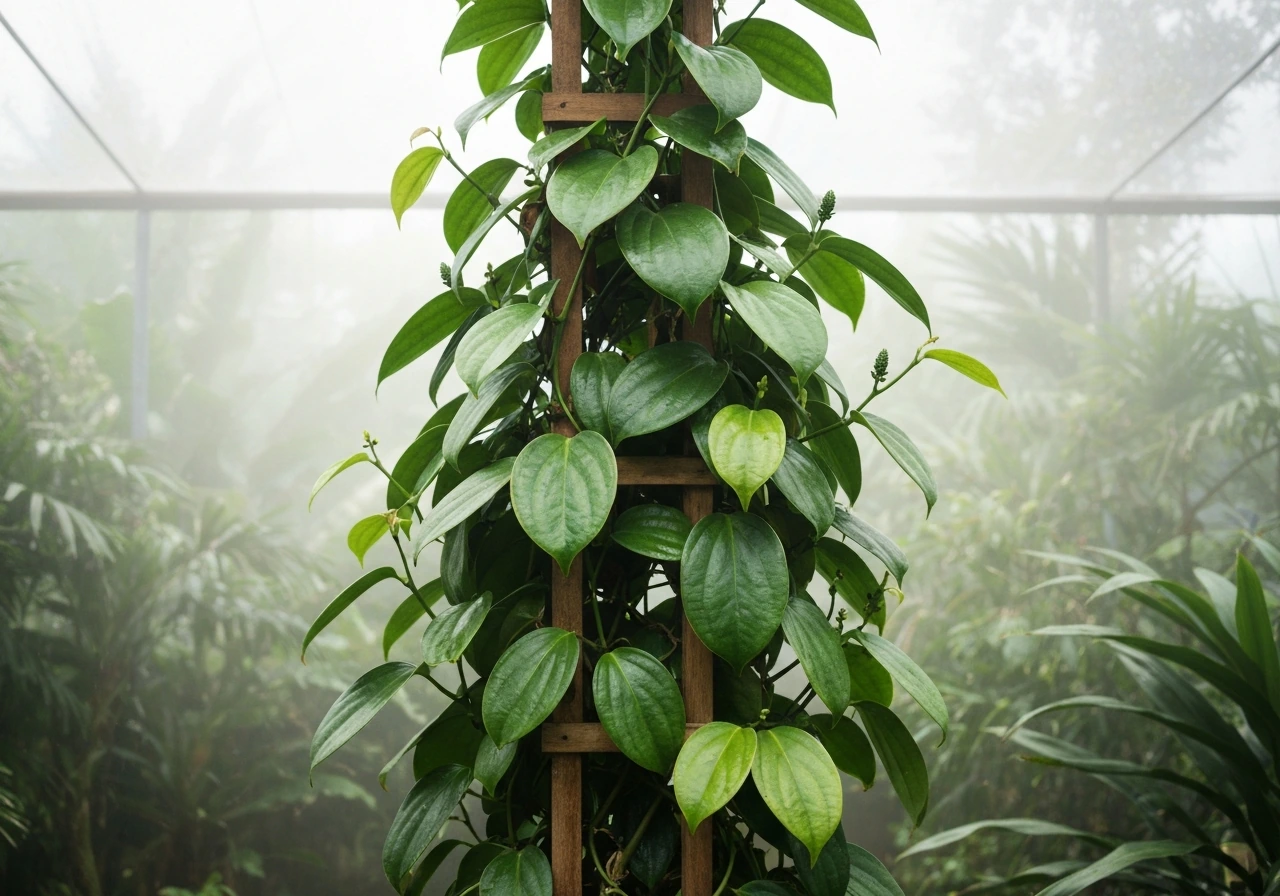
Learn where black pepper can be grown in the US and how to grow it indoors or in warm zones for fruit.

Regional guide to growing caper plants in the US, choosing cultivars, meeting soil and climate needs, and harvesting bud
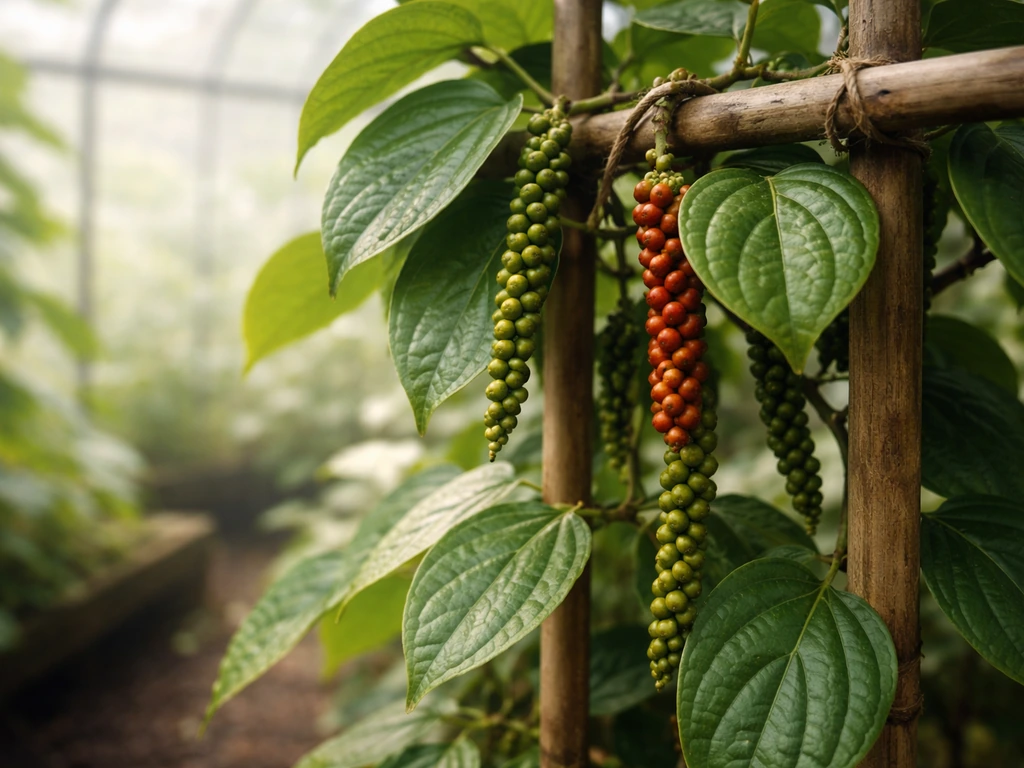
Zone-by-zone guide to growing black pepper peppercorns in the US, including heat, humidity, indoor options, and timeline