
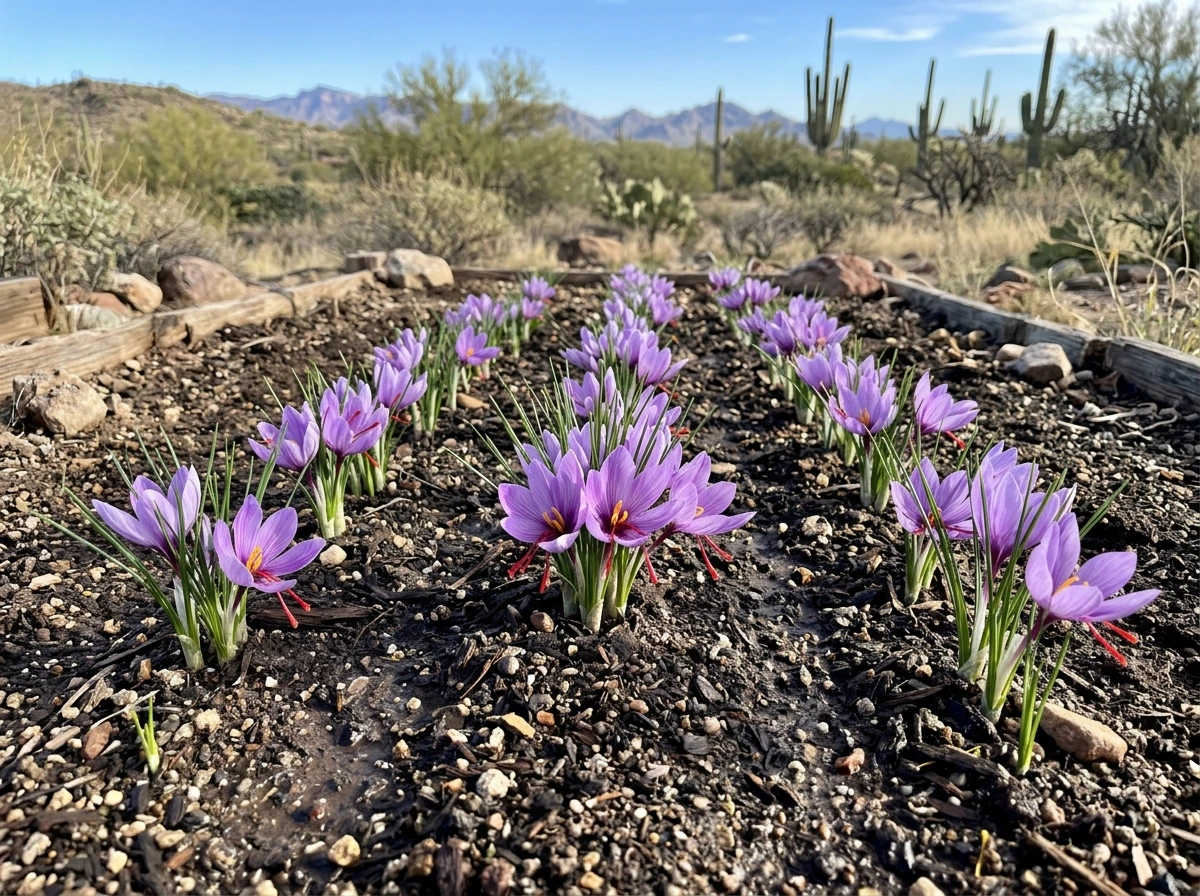
Yes, you can grow saffron in Arizona, but where in Arizona matters a lot. The high-elevation areas like Flagstaff, Prescott, and the White Mountains are genuinely well-suited to Crocus sativus. The low desert, including Phoenix and Tucson, is harder but not impossible if you play the timing and drainage game carefully. If you're in the right part of the state and follow a few non-negotiable rules around soil drainage and planting timing, you can realistically harvest your own saffron threads at home.
Can You Grow Saffron in Arizona? Step-by-Step Guide

Marcus Petersen
24 Mar 2026
Where in Arizona saffron actually works
Saffron (Crocus sativus) is generally listed as hardy in USDA Zones 6a through 8b. That puts Flagstaff (Zone 6b), Prescott (Zone 7a), and parts of the White Mountains squarely in the sweet spot. These areas get genuine cold winters, which is exactly what the corms need to trigger flowering. If you're growing in one of those zones, saffron is a reasonable home garden project, not a long shot.
Phoenix and the low desert sit in Zones 9b to 10a, and that's where things get complicated. It's not impossible, and there are home growers in the Phoenix metro who have gotten flowers, but it requires strict timing, containerized growing in some cases, and accepting that your results will be less predictable than someone gardening at 5,000 feet. Tucson at Zone 9a is a middle-ground: cooler than Phoenix in winter, and with the right microclimate (a north-facing bed, some afternoon shade in fall), saffron can perform decently.
What saffron actually needs to bloom
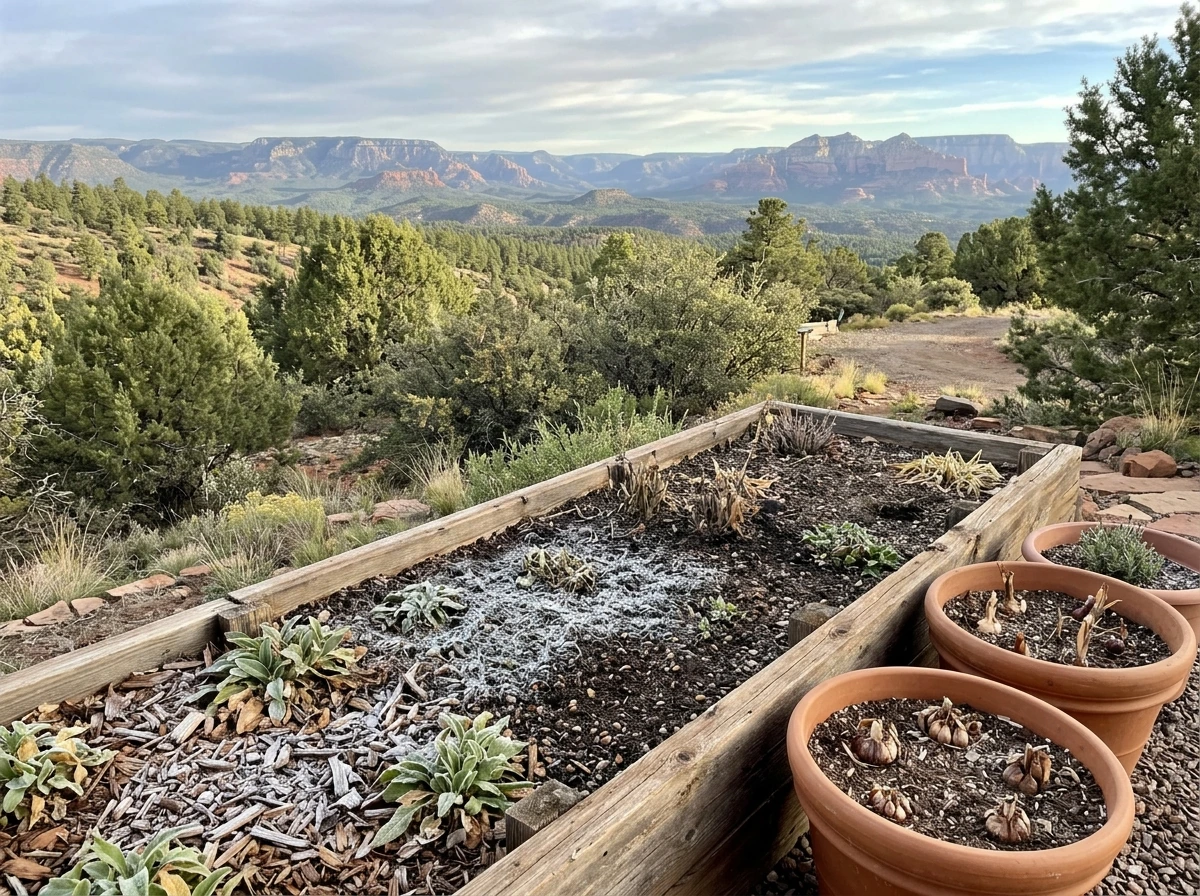
Saffron is not a tropical plant pretending to be a spice. It evolved in regions with hot, dry summers and cool, moist winters, which is actually a profile Arizona mimics reasonably well in the right elevation. But there are four conditions that are non-negotiable.
Cold chill period
Corms need soil temperatures around 35 to 45 degrees Fahrenheit (2 to 9 degrees Celsius) for roughly 12 to 16 weeks to initiate flower buds. This is the single biggest limiting factor in Phoenix and other low-desert locations, where winter soil temperatures may not drop into that range consistently. In Flagstaff or Prescott, this happens naturally. In Phoenix, you may need to pre-chill corms in the refrigerator for 6 to 8 weeks before planting to compensate, keeping them in a paper bag away from fruit.
Dry summer dormancy
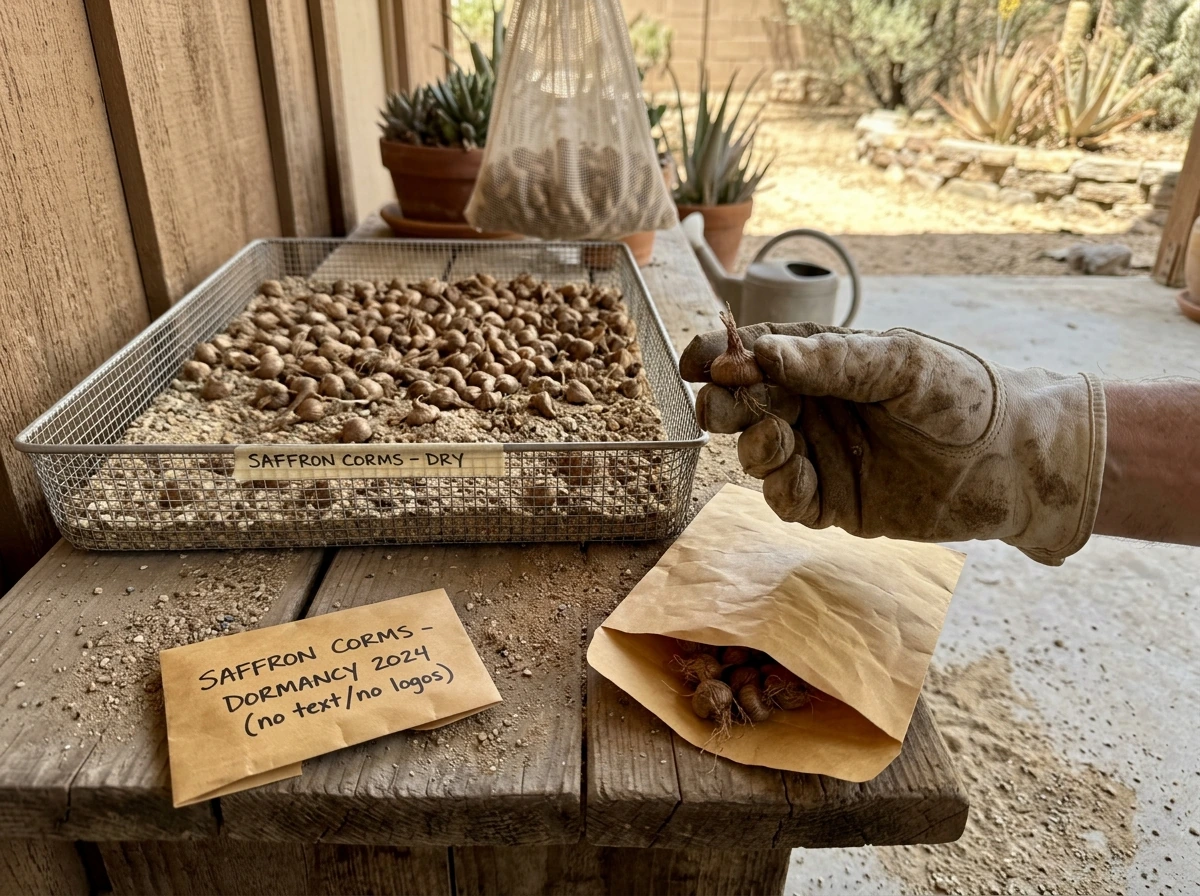
Saffron goes fully dormant from roughly late June through late September. During that period, the corms need to stay dry. Arizona's low desert actually handles this naturally, since the hottest months have low humidity before the monsoon arrives. The challenge is the monsoon season itself (July through early September), which brings moisture that can rot corms sitting in poorly drained soil. Higher-elevation areas in Arizona have more variable summer rainfall, so drainage is critical everywhere.
Full sun and well-drained soil
Saffron wants full sun during its active growing period, which in Arizona runs fall through early spring. Six or more hours of direct sun is the standard. More important, though, is drainage. Crocus sativus corms rot in waterlogged conditions, full stop. If water pools around your planting site after rain or irrigation, you will lose corms to fungal rot. The soil needs to drain freely, and that's especially true during Arizona's monsoon season when summer rains can saturate ground unexpectedly.
Picking your corms and planning your calendar
Source corms from a reputable supplier that sells Crocus sativus specifically, not just ornamental crocus. The corms should be firm, at least an inch in diameter, and free of soft spots or mold. Larger corms typically produce more flowers in their first season. Order early, because good-quality saffron corms sell out by late summer.
For most of Arizona, the planting window is mid-September through October. Dedicated low-desert Arizona growers, including growers in the Phoenix area, target that same mid-September to October window. The goal is to get corms in the ground while temperatures are starting to drop but before hard cold arrives in higher elevations. Planting too early, when soil is still hot, risks rot before any growth begins. Planting too late means the corms miss their chilling window and produce fewer or no flowers.
| Arizona Region | USDA Zone | Planting Window | Chill Strategy |
|---|---|---|---|
| Flagstaff / White Mountains | 6a–6b | Late September to mid-October | Natural winter chill, no intervention needed |
| Prescott / Verde Valley | 7a–7b | Mid-September to October | Natural chill, monitor drainage |
| Tucson | 9a | Late September to mid-October | Good microclimate helps; consider raised bed |
| Phoenix / Low Desert | 9b–10a | Mid to late October | Pre-chill corms in fridge 6–8 weeks before planting |
How to plant: depth, spacing, and whether to use containers
Soil prep
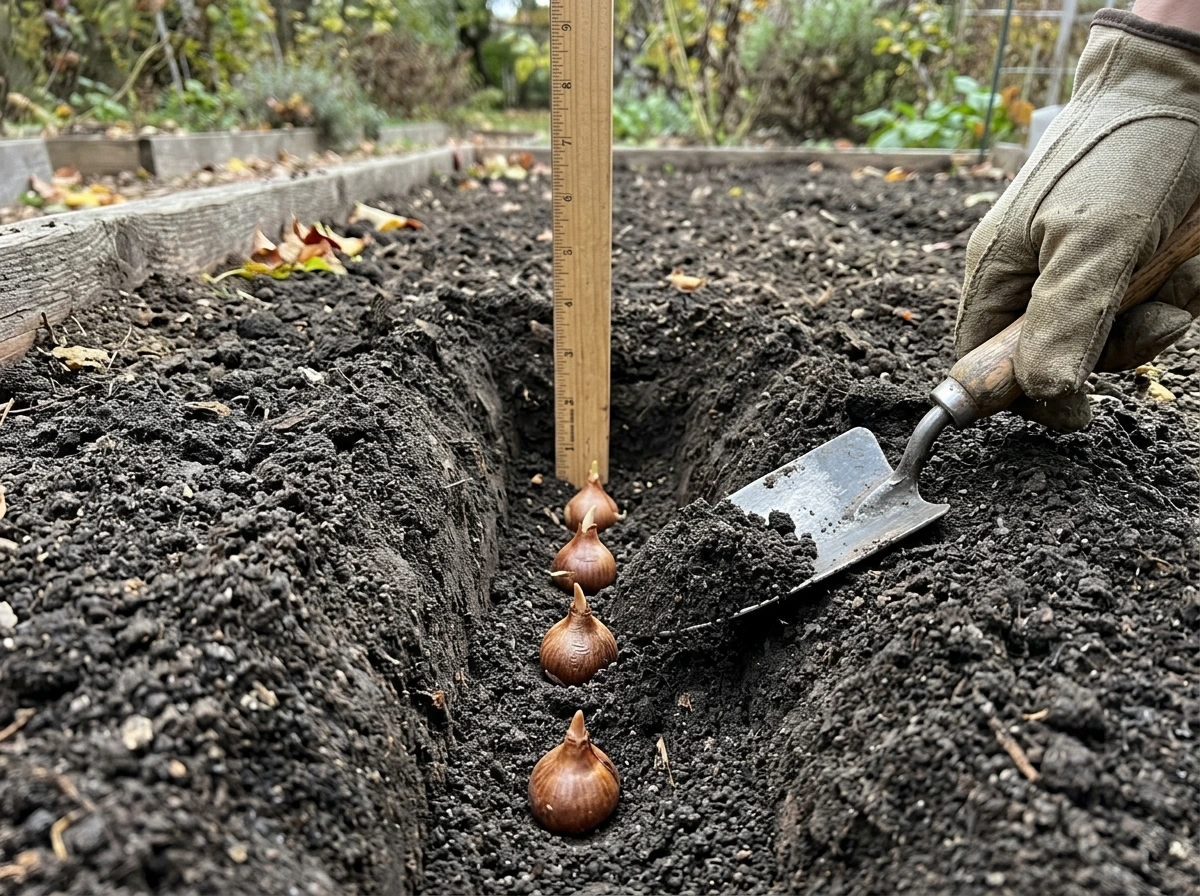
Arizona's native soils are often compacted, alkaline, and poorly draining, which is not what saffron wants. Before planting, amend your bed with coarse sand and organic compost to improve drainage and loosen the texture. If you do a simple drainage test (dig a hole, fill it with water, and see if it empties in under an hour), that will tell you whether you need a raised bed. If the water sits there for two or more hours, build a raised bed or plant in containers. I'd actually recommend a raised bed for most Arizona low-desert growers regardless, because the added drainage insurance is worth the effort.
Depth and spacing
Plant corms 6 to 8 inches deep (15 to 20 cm), with the pointed end facing up. This depth recommendation comes from university extension research and it matters: too shallow and corms get damaged by temperature swings; too deep and they struggle to push flowers up. Space corms 3 to 4 inches apart (roughly 8 to 10 cm). They will multiply over the years, so you don't need to crowd them from the start.
Container growing for low-desert growers
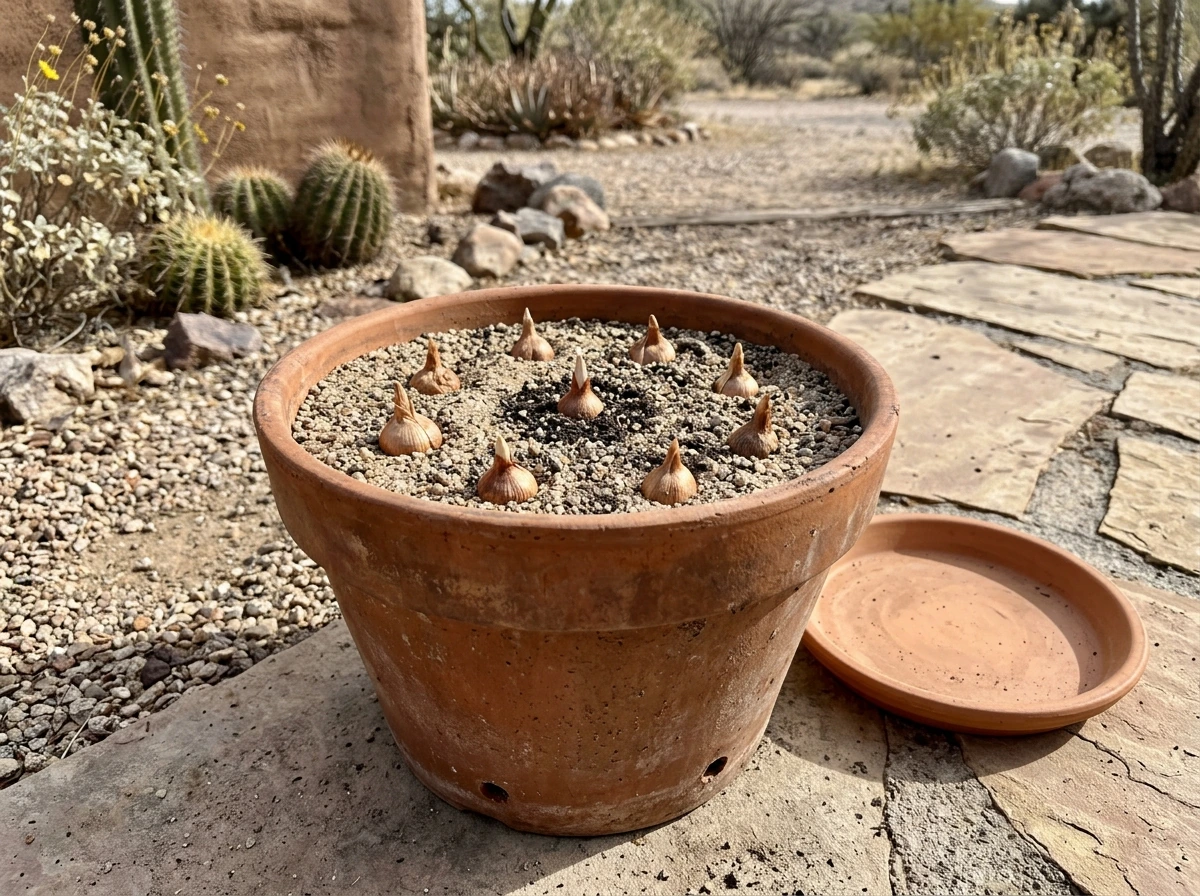
If you're in Phoenix or a similarly warm part of the state, containers give you meaningful control. Use a pot at least 10 to 12 inches deep with drainage holes, fill it with a fast-draining cactus or bulb mix, and you can move it somewhere cooler during the summer dormancy period. Containers also let you skip the pre-chill step in some years if you can position the pot where it gets natural cold exposure during winter nights. I'd suggest trying one container bed as an experiment before committing to a large in-ground planting in the low desert.
Keeping your plants alive: watering, feeding, and handling heat
Once corms are planted and fall temperatures cool down, the growing season is relatively low-maintenance. Water lightly right after planting to settle the soil, then hold back until you see foliage emerging. During the active growth period (fall through early spring), water when the top inch of soil dries out but never let the bed stay soggy. In higher-elevation Arizona locations, natural rainfall often covers most of this. In Phoenix, you're doing most of the watering yourself, and the risk is overwatering more than underwatering.
Fertilizing is minimal. A low-nitrogen, high-potassium bulb fertilizer applied once in fall when foliage emerges is sufficient. Avoid heavy nitrogen applications, which push leaf growth at the expense of flowers. The foliage will die back naturally in late spring, and once it does, you stop watering almost entirely. From late June through late September, the corms are dormant and need no water.
Heat management is mostly about timing. Saffron flowers appear in October and November in Arizona, when daytime temperatures are dropping into the 60s and 70s. That's actually reasonable for most of the state. The problem isn't usually flower-season heat, it's the residual soil heat in September and early October in the low desert, which can delay or suppress flowering. Getting corms in the ground later (mid-October in Phoenix) when soil temperature has dropped is a practical workaround.
Harvesting threads and getting your corms ready for next year
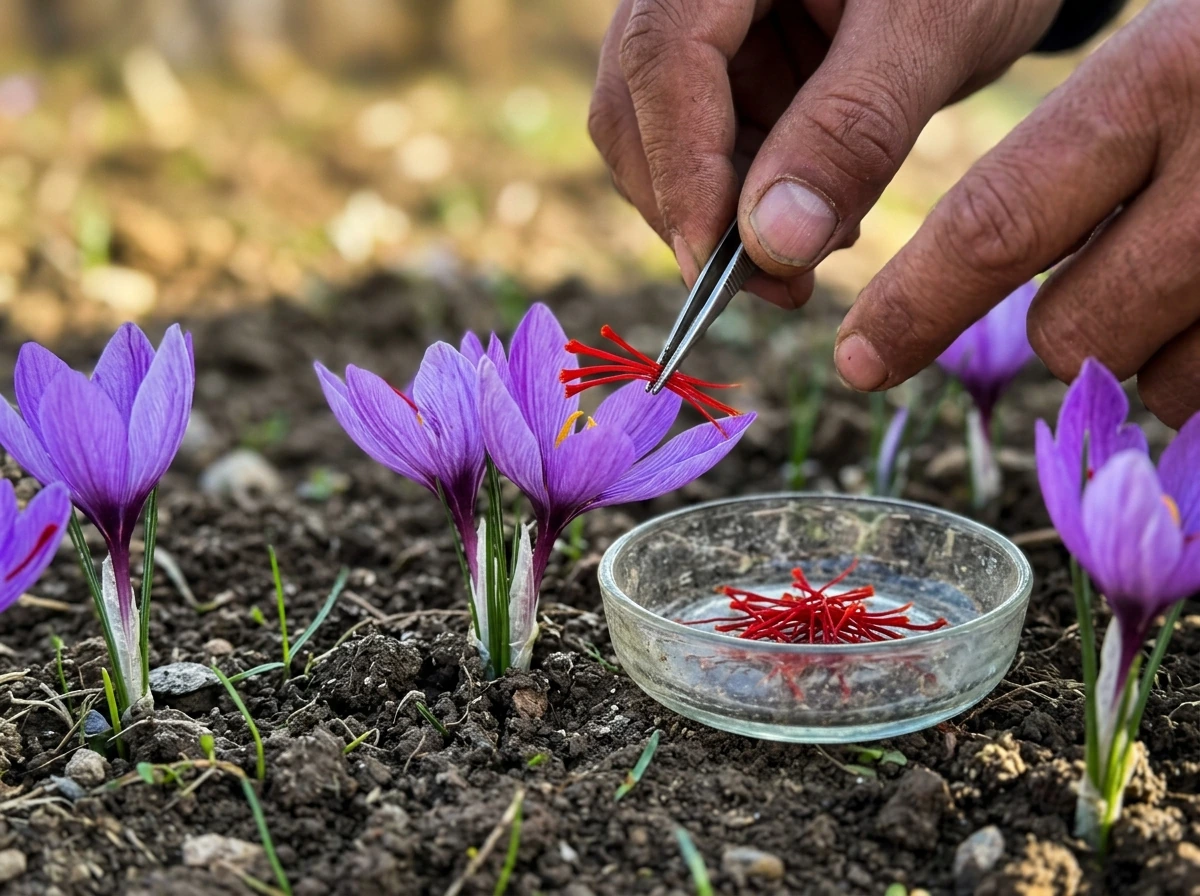
Flowers open in October through November in Arizona, and the harvest window is short, often just a week or two before the blooms fade. Each flower produces three bright red stigmas, and those stigmas are the saffron. Pick flowers in the morning when they've just opened, and remove the three red threads (stigmas) from each flower within a few hours of harvest to preserve their quality and prevent degradation. Dry the threads on a paper towel or screen in a warm, dry spot for a few days, then store in an airtight container away from light.
To put yield in perspective: it takes 50,000 to 75,000 individual flowers to produce a pound of saffron. A home gardener planting 50 corms might harvest enough for a couple of paella dishes in the first year, more as corms multiply over time. The goal in year one is proving your site works and getting your corms to return, not a massive harvest.
After flowering, the foliage continues to grow through winter and spring, feeding energy back into the corms. Let it die back naturally, do not cut it early. Once the leaves yellow and collapse on their own (usually May or June in Arizona), reduce watering to nearly zero. In-ground corms in well-drained soil can stay in place through summer dormancy. If you're in a very hot or monsoon-prone location with heavy soil, digging corms up in June and storing them in a cool, dry spot until fall replanting is a reasonable precaution.
Why Arizona saffron projects fail (and how to fix them)
Most Arizona saffron failures come down to a handful of predictable problems. Knowing them in advance saves a lot of frustration.
- Corm rot from poor drainage: The most common killer. If your soil doesn't drain fast, corms rot before they flower. Always test drainage before planting and build raised beds if needed. The Arizona monsoon adds humidity and moisture even in the low desert, so this isn't only a high-elevation concern.
- Insufficient winter chill in the low desert: Phoenix-area corms often get inconsistent chilling, producing few or no flowers. Pre-chilling in the refrigerator (6 to 8 weeks at 35 to 45 degrees F, in a paper bag, away from fruit) before mid-October planting is the main workaround.
- Planting too early: Putting corms in hot September soil in Phoenix invites rot and poor establishment. Wait until mid-October when soil has cooled.
- Watering during dormancy: Irrigating in July and August when corms are dormant is a fast path to rot and fungal disease. Mark your calendar and stop watering once the foliage dies back.
- Low yields in the first year: First-year plantings almost always produce fewer flowers than subsequent years. Corms multiply over time, so year two and three typically outperform year one. Don't give up after a thin first harvest if your corms survived and your foliage looked healthy.
- Fungal corm rot diseases: Beyond simple drainage issues, Fusarium and other fungal pathogens can attack corms, especially in warm, humid soil. Buying certified disease-free corms and avoiding overwatering are your best defenses.
What to do right now to test saffron this season
If you're reading this in late March 2026, you've just missed this season's planting window, but that gives you six months to set up properly for fall. Here's a practical plan to use the time well.
- Assess your site now. Does your current garden bed drain freely? Dig the hole-and-water test today. If it doesn't drain in under an hour, decide now whether you're building a raised bed or buying containers before fall.
- Order corms in July or early August. Good saffron corms sell out fast. Look for suppliers offering Crocus sativus specifically, sized at 8 to 10 grams or larger per corm. Don't wait until September.
- If you're in Phoenix or Tucson, plan to pre-chill. Set a reminder for late August to put ordered corms in the refrigerator for 6 to 8 weeks before your mid-to-late October planting date.
- Amend your soil before fall. Mix coarse sand and compost into your planting bed now so it has time to settle. Arizona's native soil almost always needs amendment for bulb crops.
- Start small. Plant 25 to 50 corms as a test bed before committing to a large planting. If they survive the summer, bloom in November, and the foliage looks healthy through spring, scale up in year two.
- Mark your dormancy dates. Once foliage dies back in May or June, stop all watering at that planting site until September. Put a calendar reminder so you don't accidentally water during summer dormancy.
Saffron is genuinely worth trying in Oregon if you're in the right zone or willing to put in the prep work for the low desert. It's not a complicated plant once you understand the rhythm: cool and moist in fall and winter, completely dry in summer. Oklahoma, with its seasons and the right soil drainage, can mimic the plant's native conditions better than many people expect. If you’re specifically asking can you grow saffron in Oklahoma, focus on matching the chilling period and making sure your soil drains extremely well. Saffron is genuinely worth trying in Oregon if you're in the right zone or willing to put in the prep work for the low desert. It's not a complicated plant once you understand the rhythm: cool and moist in fall and winter, completely dry in summer. Oklahoma, with its seasons and the right soil drainage, can mimic the plant's native conditions better than many people expect. (Arizona) The main things standing between you and homegrown saffron are drainage, timing, and patience through a first season that will always underperform what's coming in years two and three. If you want to compare how Arizona stacks up against other states, it's worth looking at how saffron performs in places like California, or Colorado, which share some similar climate dynamics but with their own distinct challenges. If you’re also asking can you grow saffron in Colorado, the key is matching the chilling and drainage conditions to your specific location. If you're wondering can you grow saffron in California, the key is finding a site that stays cool enough in winter and drains extremely well. The main things standing between you and homegrown saffron are drainage, timing, and patience through a first season that will always underperform what's coming in years two and three. If you’re asking can you grow saffron in Pennsylvania, the same basics apply: match the chilling period and make sure your soil drains extremely well. If you want to compare how <a href="/can-you-grow-saffron-in-washington-state/3F49498E-B1EB-405E-AA7A-C112A99F7F79">Arizona stacks up against other states</a>, it's worth looking at how saffron performs in places like California, or Colorado, which share some similar climate dynamics but with their own distinct challenges. If you’re asking can you grow saffron in the US, the key is matching the chilling period and making sure your soil drains extremely well for your specific zone.
FAQ
Can I pre-chill saffron corms for growing in Arizona even if I’m not sure my winter soil gets cold enough?
Yes, but only if the corms get enough sustained cold in your specific spot. In the Phoenix and Tucson area, you can use a pre-chill only as a tool, not a guarantee, because the cold requirement is for the corms while they are in the soil range long enough to trigger buds. If your container stays warm on winter nights, you may need to re-chill before planting rather than relying on typical indoor cool temperatures.
What’s the fastest way to tell if my yard soil will cause saffron corm rot in Arizona?
Avoid planting right into the heaviest native ground or into a bed where you routinely water deeply. In Arizona, alkaline and compacted soil often turns into a drainage problem even if the top looks dry, so the fix is physical drainage improvement (raised bed or container) plus a drainage test right before planting. If water sits more than about an hour in a filled hole, plan on a raised bed or pot.
Can I trim saffron leaves to keep the bed tidy or prevent disease?
If you cut foliage early, you interrupt the energy storage that fuels next year’s flowering. The practical rule is to wait until the leaves yellow and collapse on their own, then reduce watering almost to zero. In-ground, you can let the dying foliage finish naturally even if it looks messy, because the corms depend on that feeding period.
Is container growing the best approach for Phoenix or Tucson if I want the most predictable flowers?
Yes, but only with careful control. Switching to containers helps because you can move the pot during summer dormancy to keep it dry, and you can use a fast-draining mix that prevents waterlogging during monsoon. The key is to keep the container outdoors during the active fall and winter period for full sun, then move it to a protected, dry spot after foliage starts dying back.
Can I use ornamental crocus bulbs or bargain corms instead of Crocus sativus?
Common substitutes like ornamental crocus corms often flower differently or inconsistently, and the blooms may not produce the true saffron stigmas people want. Buy Crocus sativus corms specifically, and confirm they are firm with no soft spots or mold before planting. If you already bought “spring crocus” or “autumn crocus,” it’s safer to return them than to expect usable saffron.
My saffron is flowering late, what should I do during the season to improve next year?
If your flowers appear late, do not assume the plant is done, but also don’t add extra nitrogen. Late-season residual soil heat is a typical reason in low-desert gardens, and the workaround is timing next year, not heavy feeding now. For the current season, focus on correct watering (only when the top inch dries) and stop once leaves naturally decline.
How do I improve saffron quality after harvesting in Arizona’s warmer, drier air?
You can, but the thread quality depends on handling speed and dryness. For home harvest in Arizona, pick in the morning when flowers have just opened, then separate the three red stigmas quickly. Drying too slowly or in humid air can reduce aroma, so use a warm, dry spot with airflow and store only once fully dry in an airtight container away from light.
What are the most common reasons saffron produces no flowers in Arizona even when I planted correctly?
It happens, and it’s usually a timing or chilling-and-drainage mismatch rather than “bad luck.” Low-desert failures commonly mean winter soil never stayed cold long enough, or corms rotted because the bed stayed wet during monsoon. If you see foliage but no flowers, also consider that corms may need another season to build energy, especially with smaller corms.
How many corms should I plant in Arizona for a first harvest, and what yield should I realistically expect?
For many gardeners, 50 corms is a reasonable first test, but yield will still be modest in year one. The bigger decision aid is spacing and plant survival, aim for a site that reliably goes dormant dry and flowers each year. Plan to expect more flowers in years two and three as the corms multiply, and treat the first season as a system check.
Next Articles
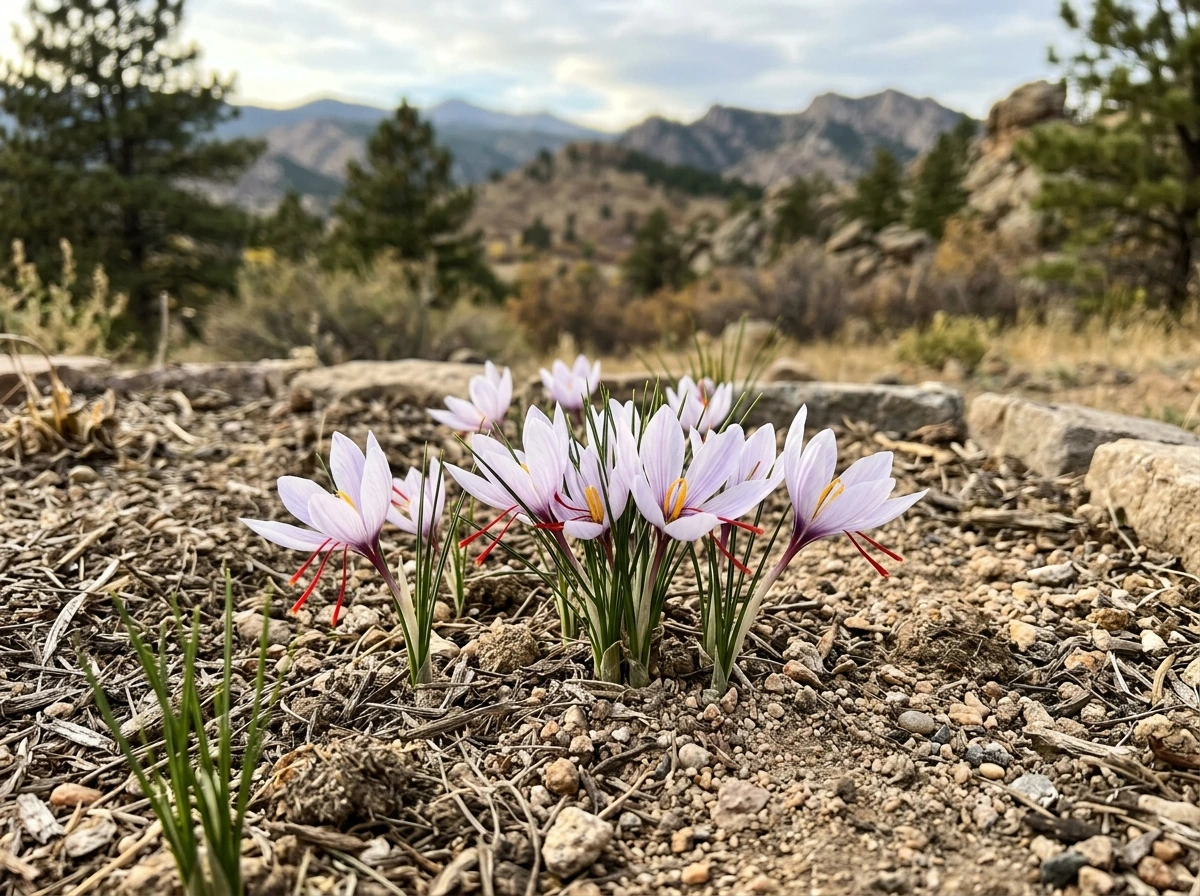
Can You Grow Saffron in Colorado? How to Succeed
Learn if you can grow saffron in Colorado and get step-by-step planting, drainage, timing, and troubleshooting tips for
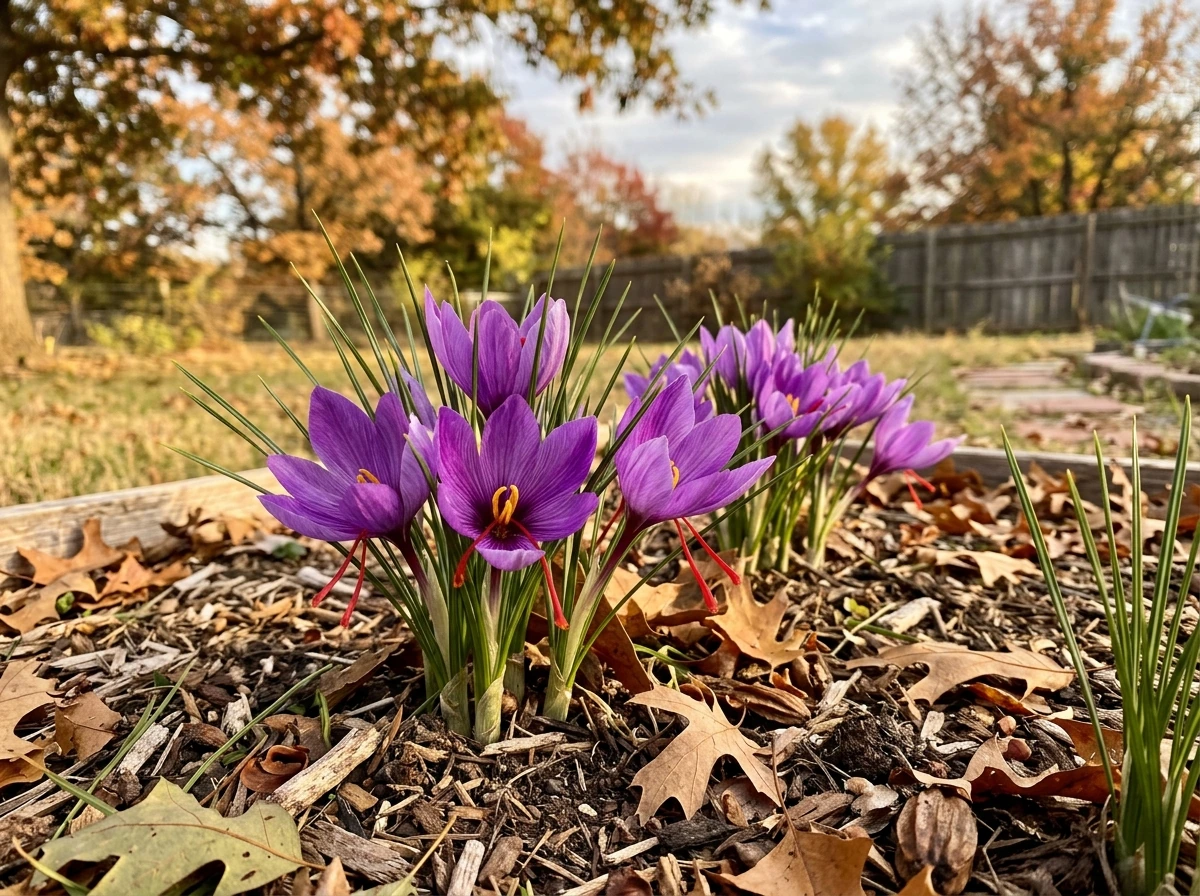
Can You Grow Saffron in Oklahoma? A Practical Guide
Yes, grow saffron in Oklahoma with the right variety, planting depth, drainage, chill protection, and care tips for harv
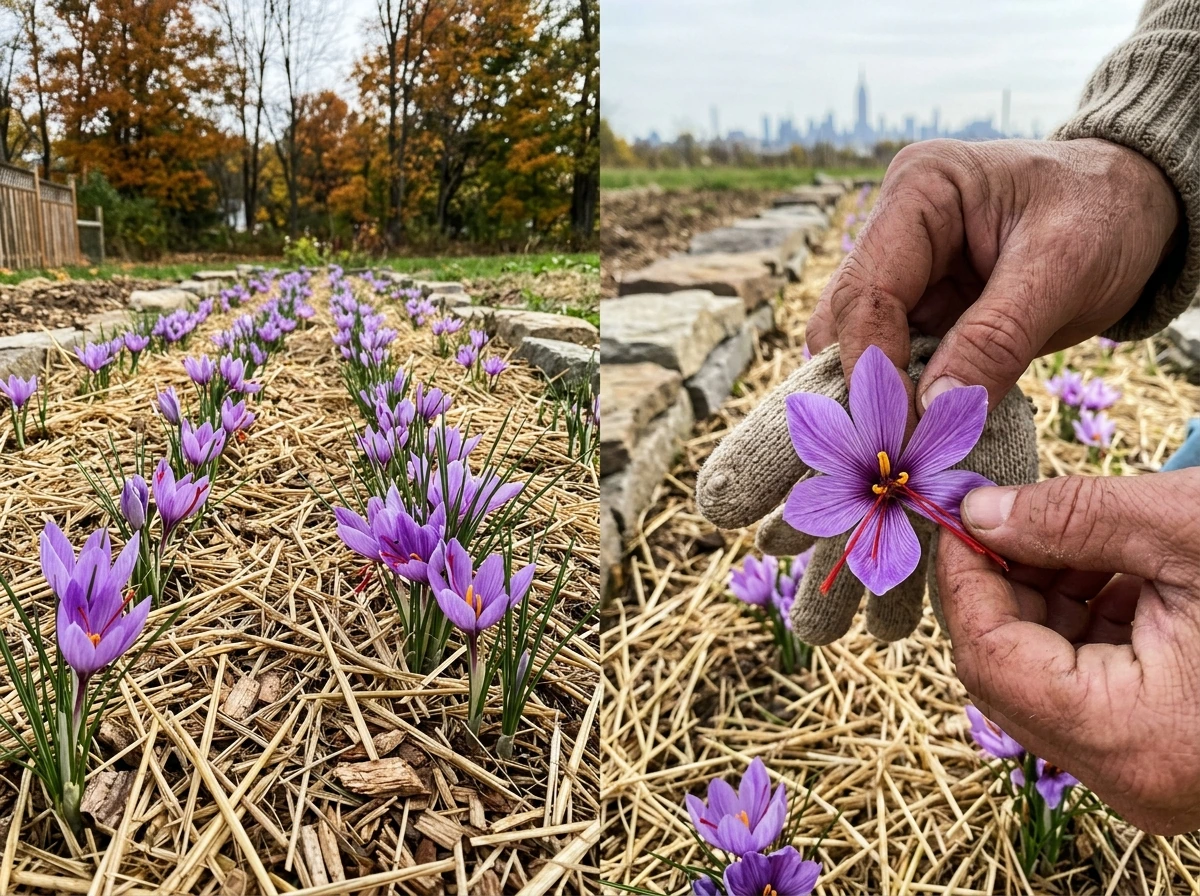
Can You Grow Saffron in NY? Planting Tips and Winter Care
Find out if you can grow saffron in NY, with planting timing, soil and drainage tips, winter protection, and harvest adv