
Yes, you can grow saffron in Oregon, but how easy that is depends almost entirely on where in the state you live. Oregon is not one climate, and that matters a lot for Crocus sativus. The Willamette Valley is genuinely good saffron territory. The coast is trickier because of excess moisture. Eastern Oregon is cold enough but needs attention to drainage and summer heat. The core challenge across all of Oregon is the same: saffron needs a warm, dry summer dormancy and a cold enough winter chill, but it absolutely cannot sit in wet soil for extended periods or the corms rot. Get those two things right and Oregon is a perfectly capable saffron-growing state.
Can You Grow Saffron in Oregon? How to Succeed Step by Step

Marcus Petersen
24 Mar 2026
Oregon saffron feasibility by climate zone
Oregon spans USDA hardiness zones 4b through 9b depending on location. Crocus sativus tolerates air temperatures down to roughly -22°C (-8°F) and can handle frosts as low as -10°C (14°F) during its active growing period. That means the cold itself is rarely the dealbreaker in Oregon. The real issue is moisture management, which varies dramatically by region.
Willamette Valley (zones 7b–8b)
This is the most favorable region for saffron in Oregon. Winters are cold enough to provide the dormancy chill saffron needs, summers are warm and increasingly dry, and you can plant directly in the ground with good drainage. Expect blooms in late October through early November. The main risk here is fall rain arriving before or during bloom, which can damage the delicate flowers. A raised bed or a spot under a wide eave solves most of that.
Oregon Coast (zones 8a–9b)
The coast is the hardest zone to work with. Winters are mild and wet, summers are cool and foggy, and neither of those conditions is what saffron wants. The mild winters may not deliver enough cold for reliable flowering, and the persistent moisture during dormancy is a rot risk. If you're on the coast, I'd strongly recommend growing in containers so you can move corms under cover during the summer and protect flowers from fall rain. It's doable but requires more management than anywhere else in the state.
Eastern Oregon and high desert (zones 4b–6b)
Eastern Oregon gets the cold and the dry summers that saffron loves, but the winters can be brutally cold and the ground can freeze hard. Crocus sativus leaves tolerate down to about -15°C (5°F), and snow cover actually helps insulate the corms, so mild cold snaps aren't the worry. The real concern is extended hard freezes in zones 4b–5a where temperatures regularly dip below -20°F. In those spots, mulching heavily after the leaves die back or growing in containers you can protect is the smart approach. The dry, hot summers in eastern Oregon are actually ideal for dormancy.
Site and soil setup for saffron (Crocus sativus)
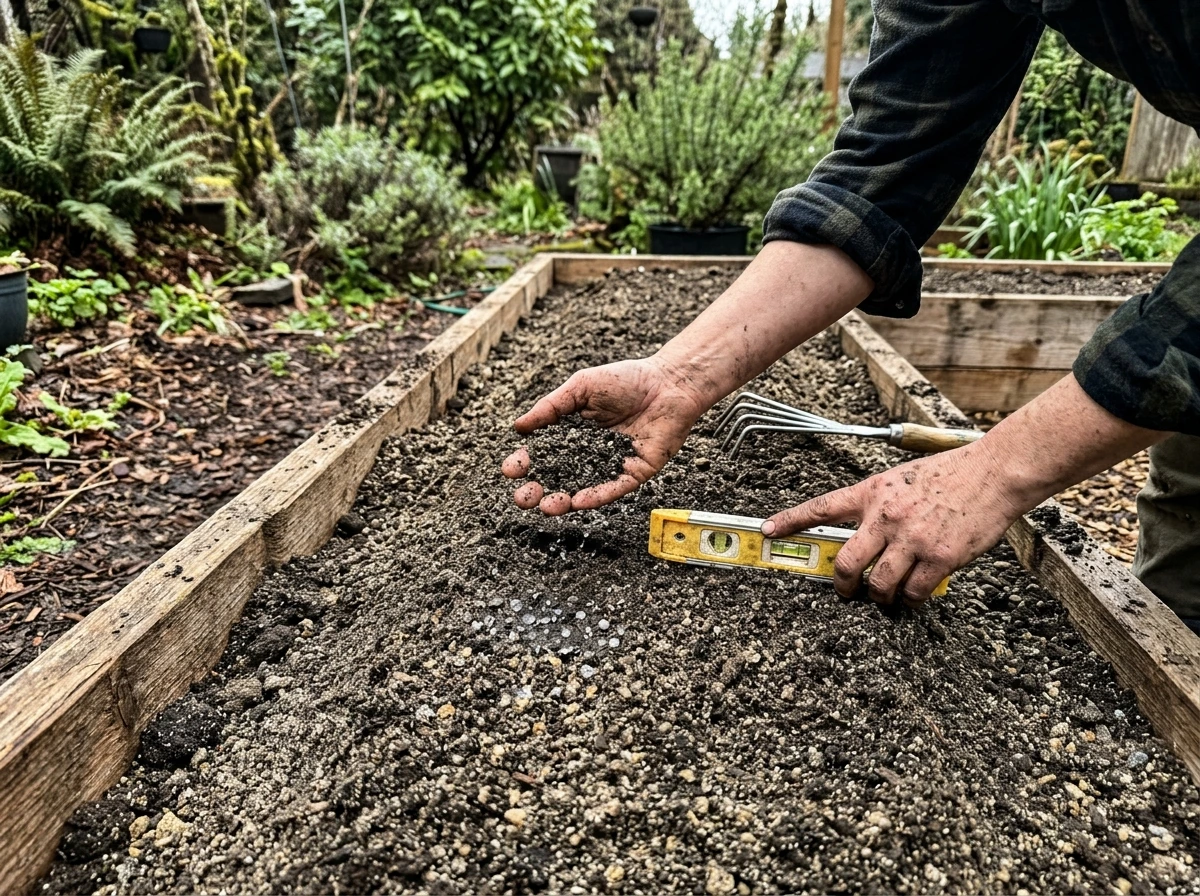
Drainage is non-negotiable. If you plant saffron corms in heavy clay or a spot that holds water after rain, you will lose them to rot. I made that mistake in my first attempt, planting in a low corner of a garden bed that looked fine until October rains arrived. Full sun is the other requirement, minimum six hours per day during the fall growing period.
The ideal setup is a raised bed built at least 8–12 inches high with a mix of native soil, coarse sand, and compost. Target a soil pH between 6.0 and 7.0, which is slightly acidic to neutral. If you're not sure about your soil, a basic pH test from a garden center takes five minutes and costs a few dollars. For in-ground planting in the Willamette Valley or eastern Oregon, amend native soil with grit or coarse perlite to improve drainage before planting. A south- or southwest-facing slope or bed is ideal since it gets maximum sun and sheds water naturally.
Container growing is a legitimate option for coastal gardeners or anyone with problem soil. Use a terracotta or unglazed pot with multiple drainage holes and a well-draining mix (50% potting soil, 50% coarse sand or perlite). A 12-inch pot can hold around 6–8 corms comfortably. The benefit of containers is portability, you can move them under an overhang during heavy summer or fall rain.
Saffron corm planting timing, depth, and spacing in Oregon
Plant saffron corms in late summer to early fall, specifically late August through mid-September for most of Oregon. This timing gives the corms time to root before the first cold snap and aligns the flowering period with Oregon's typical fall window (late October to early November in the Willamette Valley). If you're in a warmer coastal zone, you can push into late September without issue.
Plant corms with the pointed end up at a depth of 3–4 inches (some growers go to 4–6 inches in colder eastern Oregon zones for better insulation). Space them 3–4 inches apart in all directions. Deeper planting in colder zones gives the corms a buffer against hard ground freezes, while the shallower end of the range works well in the milder Willamette Valley. If the soil is dry at planting time, which it often is in August in Oregon, water it well before or immediately after planting to help establishment. After that initial watering, hold off until you see active growth.
| Region | Planting Window | Depth | Notes |
|---|---|---|---|
| Willamette Valley | Late Aug – mid Sept | 3–4 inches | Direct in-ground, raised bed preferred |
| Oregon Coast | Early–late Sept | 3–4 inches | Containers strongly recommended |
| Eastern Oregon / High Desert | Mid Aug – early Sept | 4–6 inches | Heavy mulch after leaves die back |
Watering, temperature, and overwinter care
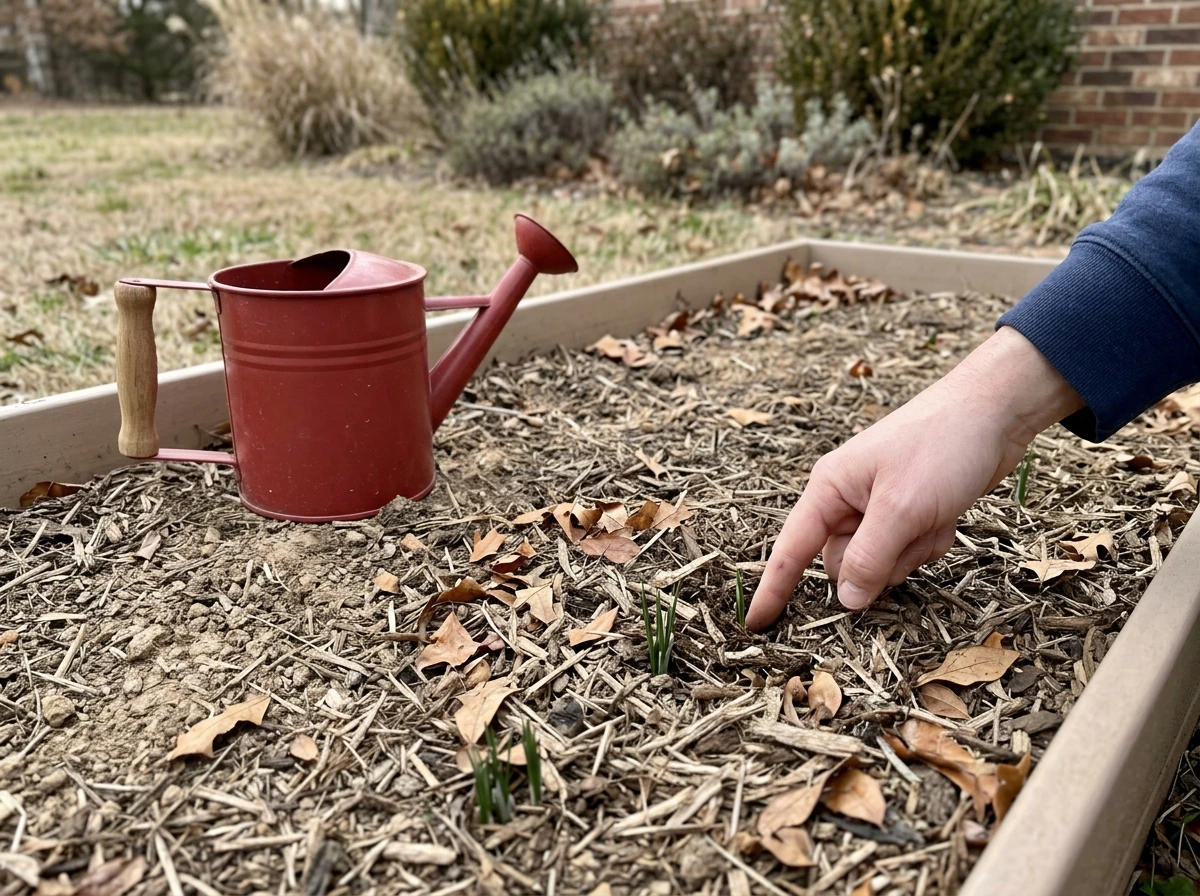
Once planted, water only when the soil is dry and you see active growth beginning or approaching. During the fall and winter growing period (roughly October through April), saffron benefits from modest, consistent moisture, not soaking. In much of western Oregon, fall and winter rains do most of this work for you. The guidance from multiple sources is consistent: water every 15–24 days during active growth if rain isn't supplementing naturally. Avoid overwatering, which is probably the single most common failure point for Oregon growers given the state's rainy season.
When leaves begin to yellow and die back in late spring (typically May–June in Oregon), stop watering entirely. This signals the start of summer dormancy, which runs from roughly the end of June through the end of September. Saffron does not need water during dormancy, and giving it any, especially through Oregon's occasional summer rain events, increases rot risk significantly. If you're growing in the ground in a wet microclimate, consider laying a piece of landscape fabric or a temporary cover over the bed during July and August to shed rain.
Overwinter by zone
In the Willamette Valley and coastal zones, Crocus sativus overwinters without much help. The leaves survive frosts down to about -15°C (5°F), and western Oregon rarely hits those temperatures at soil level. In eastern Oregon and higher elevations where hard freezes are common, apply a 3–4 inch layer of straw mulch over the bed after the leaves die back in spring. Snow cover, when you get it, actually serves the same insulating purpose. For container growers in any zone, move pots into an unheated garage or shed if temperatures are forecast below -10°C (14°F) for multiple consecutive nights.
Growing cycle: blooming, harvesting saffron threads, and yields
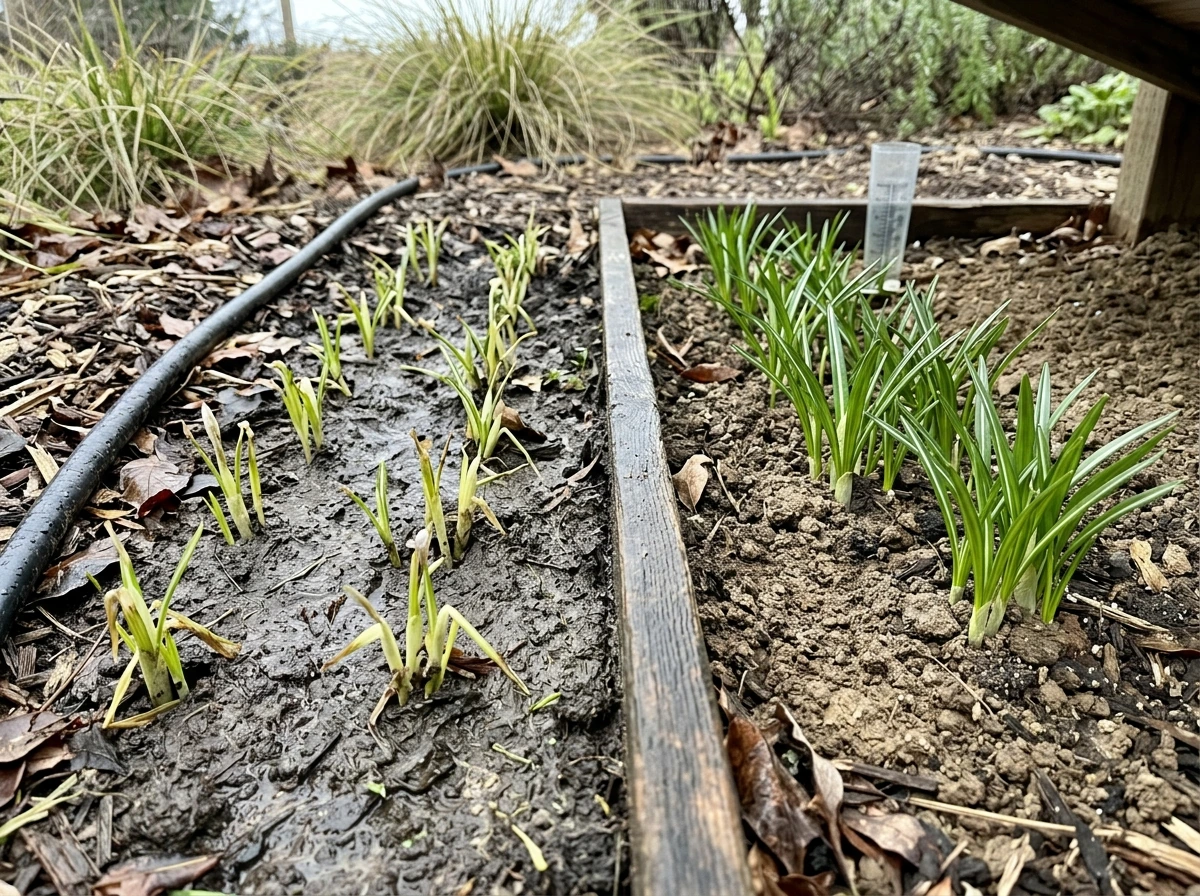
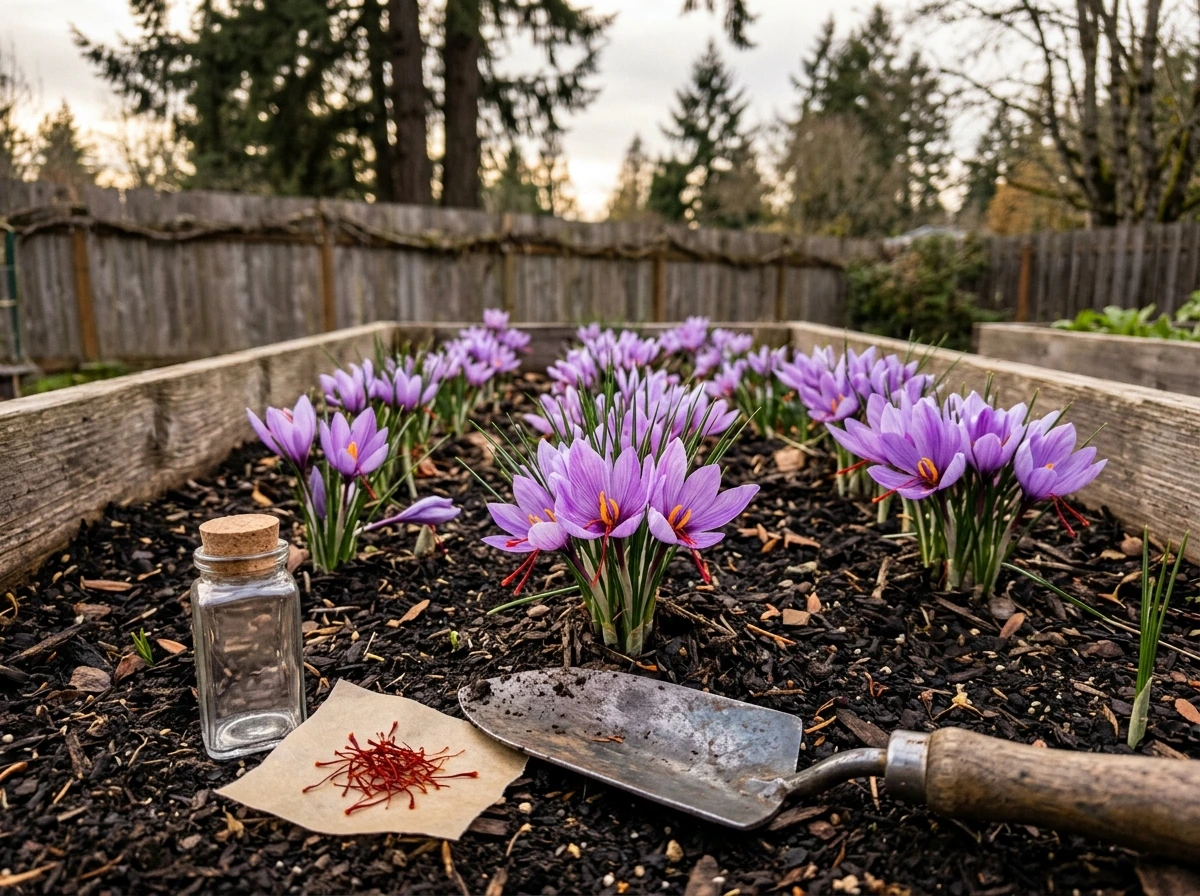
Here is the full timeline you're working with in Oregon. Corms go in the ground in late August or September. Leaves emerge in October. Flowers open in late October through November, depending on your elevation and zone. After bloom, the leaves continue growing through winter and into spring, building energy in the corm. By May or June, leaves yellow and die. The corm rests through summer. Then the cycle repeats in fall, with corms dividing and producing more flowers each year.
The harvest window is short. Each flower lasts only about 3–4 days before it wilts, and you need to pick the bright red-orange stigmas (the three threads per flower) on the day the flower opens, or the morning after at the latest. Check your bed daily once blooms start. Pick flowers in the morning when they're still slightly closed if possible, then pinch or snip out the three red threads per flower and set them on a clean dry surface. Do not include the yellow style or petals.
Drying is simple. Spread the threads on a small piece of paper or a fine mesh screen and let them air dry for a few days, or use a low oven at 30–40°C (86–104°F) for 15–20 minutes. Don't go hotter than that or you'll degrade the volatile compounds that give saffron its flavor and color. Store dried threads in a small airtight glass jar away from light. They keep well for up to two years.
On yields: a first-year planting is rarely the big harvest. Each corm typically produces 1–3 flowers in its first year. With three threads per flower, 50 corms might give you 50–150 flowers in year one, which translates to roughly 150–450 threads or about a pinch to a small jar of dried saffron. Research in pot-based cultivation found averages around 3.22 flowers per corm under good conditions, so year two and three results improve noticeably as the corms multiply. Think of the first planting as establishment rather than a serious harvest.
Common problems and troubleshooting
Corm rot
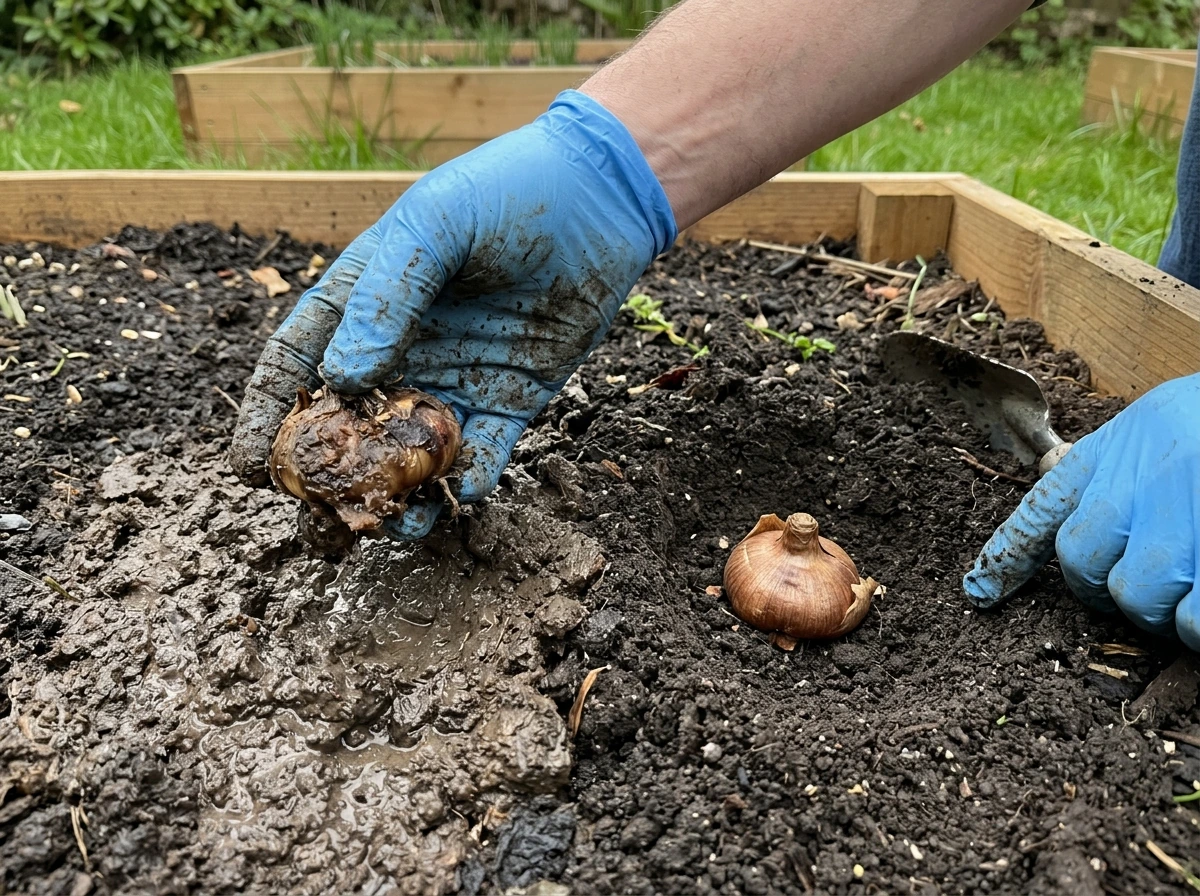
This is the number one failure in Oregon, especially west of the Cascades. It happens when corms sit in wet soil, either during dormancy or right after planting if drainage is poor. If you dig up a corm and find it soft, brown, or mushy, rot is the cause. The fix is prevention: raised beds, amended soil with grit, and no irrigation during the summer dormancy period. If you're replanting after a rot loss, improve drainage before you put new corms in the ground.
No flowers or very few flowers
Poor flowering in year one is normal. If you're in year two or three and still getting no blooms, the most common causes are: corms planted too late (missing the root establishment window), insufficient chilling (more of a coast problem), bulbs planted too shallow in cold zones, or overcrowded corms that need to be dug and divided. The fix for most of these is to dig corms in summer dormancy, check their size and health, space them out properly, and replant with better timing.
Small or poorly formed blooms
Small flowers usually mean the corms didn't get enough sun or nutrients during the leaf-growing period (fall through spring). Make sure the bed gets full sun in fall and that you're not harvesting leaves or cutting them back early. The leaves are doing the photosynthesis that feeds next year's flowers. Let them grow fully until they yellow and die on their own.
Weeds and competition
Saffron corms are planted shallow and can easily be outcompeted by weeds or crowded out by other perennials. Keep the bed clear. A light layer of fine mulch (not bark chips, which hold too much moisture) after planting helps suppress weeds without creating a moisture trap. Hand-weed carefully so you don't disturb the corms.
Gopher and vole damage
Oregon has plenty of both. Corms planted directly in the ground in rural or suburban areas are vulnerable. A wire mesh basket (hardware cloth, quarter-inch mesh) placed around a cluster of corms at planting is the most effective protection. It's tedious to install but worth it if you've lost bulbs to rodents before.
Realistic expectations, costs, and planning your first batch
Saffron is worth growing in Oregon, but it's a multi-year project, not a one-season quick win. Saffron is worth growing in Oregon, but it's a multi-year project, not a one-season quick win. can you grow saffron in oklahoma In the Willamette Valley you're in a genuinely good spot and can expect the process to work as described with basic drainage attention. can you grow saffron in oklahoma If you're on the coast, it's possible with containers but requires more management. Eastern Oregon is workable if you handle winter protection and take advantage of the dry summers. can you grow saffron in ny
For a starter planting, I'd recommend 50–100 corms. That gives you enough to get a feel for the harvest, see how your site performs, and still have some leftover after any first-year losses. Corms are sold by most specialty seed companies and bulb retailers in late summer, which is exactly when you need to plant them in Oregon. Order in July or early August so you have them on hand when your planting window opens. Expect to pay roughly $15–30 for 25 corms depending on the supplier, so a 50-corm starter patch costs about $30–60.
If your location is marginal, especially the coast or higher-elevation eastern Oregon, start with a small container planting of 15–20 corms to test feasibility before committing to a larger bed. Containers give you control over the two conditions that matter most: drainage during the wet season and heat/dryness during summer dormancy. If that trial goes well, scale up the following year. Oregon is a legitimate saffron-growing state, it just rewards gardeners who work with the climate rather than against it.
If you're curious how Oregon compares to neighboring regions, the same core principles apply across the Pacific Northwest, If you're curious how Oregon compares to neighboring regions, the same core principles apply across the Pacific Northwest, though Washington state growers deal with similar wet-season challenges. California growers, by contrast, often battle the opposite problem of summers that are too warm and dry without enough winter chill in warmer zones. can you grow saffron in washington state California growers, by contrast, often battle the opposite problem of summers that are too warm and dry without enough winter chill in warmer zones. Oregon sits in a sweet spot for many parts of the state, which makes it worth the effort. If you are asking can you grow saffron in Arizona, the key will be matching saffron’s needs for a warm, dry summer dormancy and a reliable cold-chill period without letting corms sit in wet soil. If you are wondering can you grow saffron in colorado, the same drainage, full-sun, and winter-chill balance matters most can you grow saffron in Arizona.
FAQ
What should I prioritize first, cold protection or drainage in Oregon?
If your goal is reliable flowering, prioritize protecting corms from winter and fall wetness more than improving winter cold tolerance. In Oregon, a well-draining raised bed or covered zone under an eave can matter more than adding extra mulch for cold, since rot risk is the usual limiter.
Can I water saffron in Oregon during the summer if it’s unusually dry or rainy?
Yes, but it can reduce flowering if you break the dormancy cycle. The safest approach is to stop watering once leaves yellow in late spring, then resume only when you see active leaf growth. If you get unexpected summer rain, it’s better to shed water with a temporary cover than to add irrigation later.
How can I tell early if my saffron corms are rotting?
Do a quick “touch test” after the rainy season. Healthy corms feel firm, while rotting ones turn soft and may smell unpleasant. If you find rot, remove affected corms and replant only after you have corrected drainage, because replanting into the same spot often repeats the loss.
Should I dig up or till my saffron bed each year in Oregon?
In-ground beds should generally not be tilled deeply year after year, since saffron corms are relatively shallow and can be damaged or exposed. Instead, weed by hand carefully and top-dress lightly with compost only if drainage remains excellent.
When is it okay to cut off saffron leaves in Oregon?
Let leaves die back naturally, then remove only the dry foliage. Cutting green leaves early reduces photosynthesis, which is why year-one plants often underperform if gardeners harvest or tidy up too aggressively before the corm has rebuilt energy.
Can I grow saffron in containers and leave them outside over winter?
Yes, but frost timing matters. For hard freezes, moving containers into an unheated shelter works if temperatures stay consistently above about -10°C (14°F) for long stretches. Bring pots out again when risk of consecutive deep freezes passes, usually before or as leaves start to emerge.
My saffron is growing leaves but not flowering, what are the most likely causes?
If you’re seeing no blooms but leaves look healthy, check timing first, then spacing. Common fixes are: planting too late in fall, corms crowded with few divisions, or planting too shallow in colder sites. Dividing during summer dormancy and replanting at the correct depth is often the most effective remedy.
What’s the best way to protect saffron from fall rain on the coast or in a wet spot?
A tarp or rigid cover can help, but it must be designed to keep the bed dry, not trap humidity against the corms. Use a temporary roof-like cover or landscape-fabric approach that sheds rain, and make sure air can circulate so condensation doesn’t build during wet spells.
Should I fertilize saffron corms in Oregon?
Not exactly. Saffron corms are slow to build, so fertilizing can’t compensate for wet-dormancy conditions. If you want a gentle boost, use a modest, balanced organic amendment at planting, and avoid high-nitrogen feeding late in the season, since that encourages lush growth when the plant needs to transition toward dormancy.
What mulch or weed-control method works best for saffron beds in Oregon?
Weed competition is real because saffron corms are small and shallow. A light fine-mulch layer is helpful, but avoid bark chips that stay damp. If you see weeds that are hard to pull without disturbing soil, switch to spot-hand removal and keep the bed as bare as practical.
How many corms should I plant the first time in Oregon to reduce risk?
A practical rule is to start with fewer corms in marginal microclimates. For areas like the coast or higher eastern Oregon elevations, testing with a container or a small bed of about 15 to 20 corms first lets you verify drainage and flowering timing before you scale up.
Does harvesting saffron flowers reduce next year’s yield in Oregon?
Yes, but plan it as a multi-year choice. If you harvest threads, you’re removing only the stigmas, not the leaves, so the plant can still rebuild energy. Avoid picking blooms too late in the day repeatedly, because each flower has a short window and late picking can reduce the quality and ease of thread extraction.
Next Articles
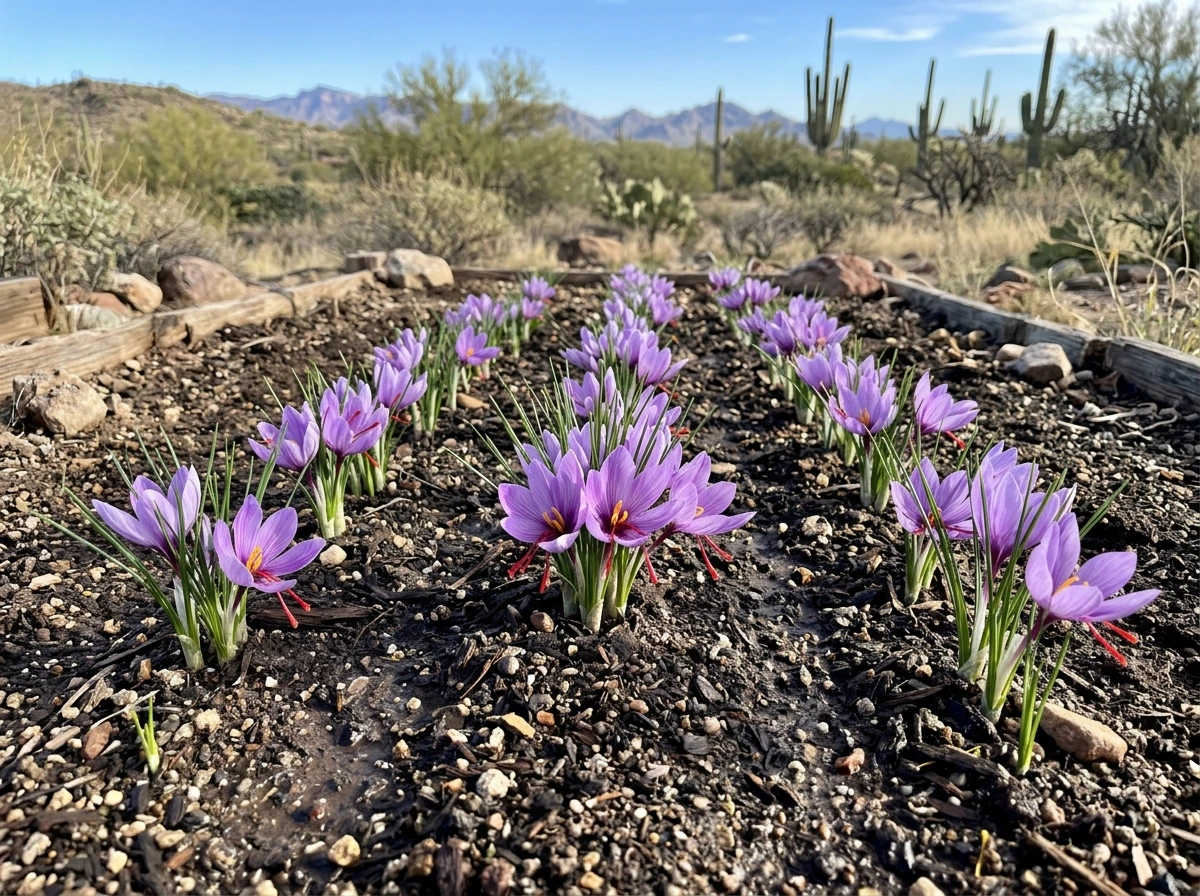
Can You Grow Saffron in Arizona? Step-by-Step Guide
Learn if saffron can grow in Arizona and follow a step-by-step plan for planting, care, harvesting, and heat workarounds
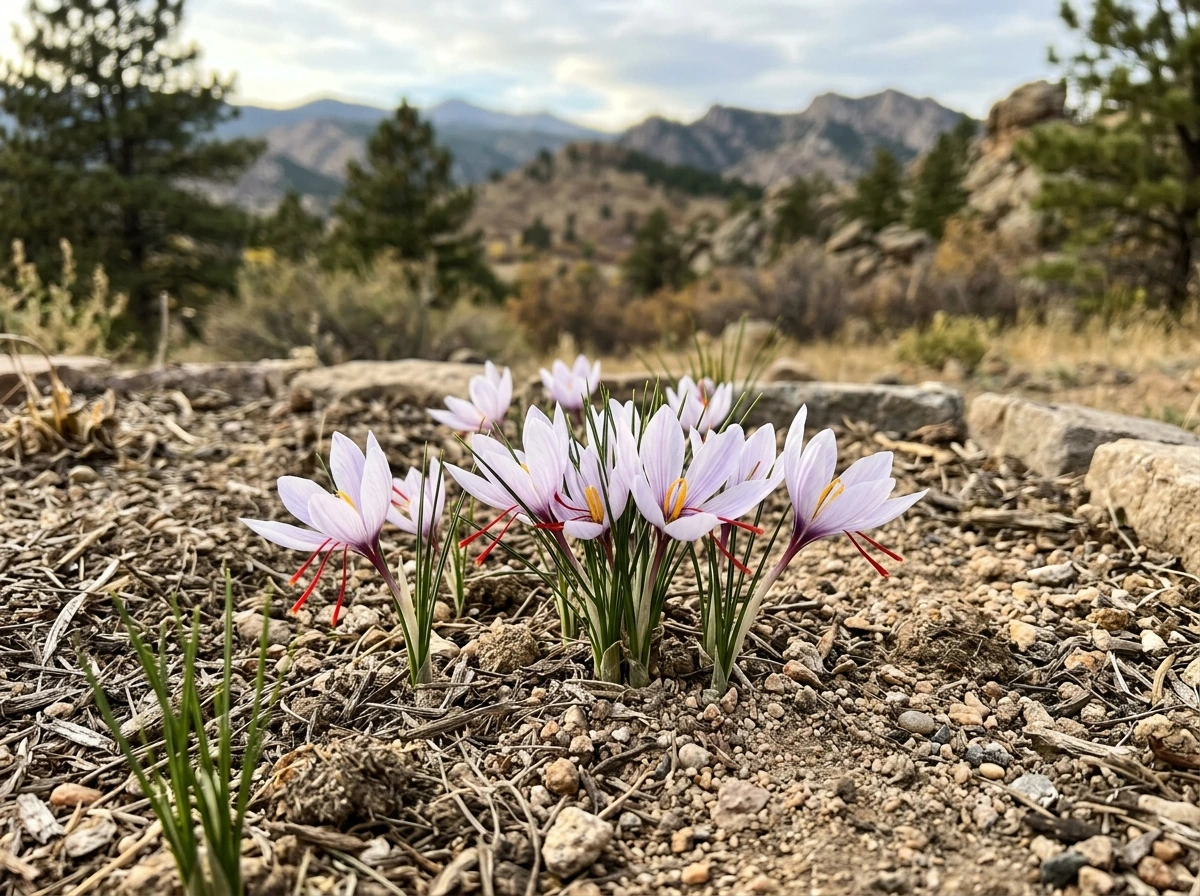
Can You Grow Saffron in Colorado? How to Succeed
Learn if you can grow saffron in Colorado and get step-by-step planting, drainage, timing, and troubleshooting tips for
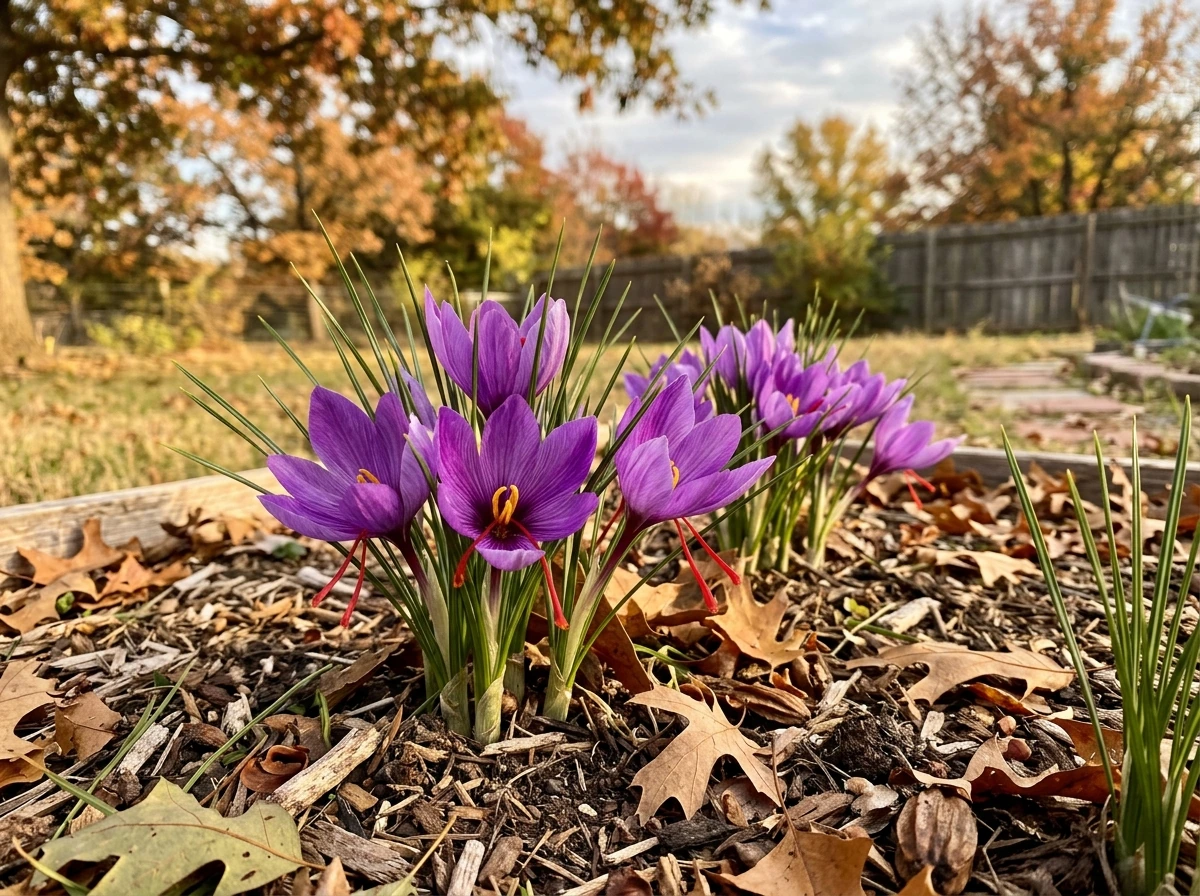
Can You Grow Saffron in Oklahoma? A Practical Guide
Yes, grow saffron in Oklahoma with the right variety, planting depth, drainage, chill protection, and care tips for harv